Precision manufacturing in Central Europe is experiencing an unprecedented qualitative evolution. In Prague and surrounding industrial clusters like Dolní Břežany and ELI Beamlines, demand for ultra-precise optical components that withstand intense laser energy, high thermal gradients, and corrosive chemical environments has surged. As one of China's premier fused silica and optical quartz component manufacturers, based directly in the world's quartz refining epicenter of Lianyungang, Jiangsu, Lovri Quartz Products Co., Ltd. provides direct-from-source engineering, bespoke CNC machining, and fully traceable material certification to the Czech research and precision engineering sectors.
Procuring optical quartz windows involves balancing stringent spectral characteristics, chemical resilience, and dimensional precision. Unlike generic quartz traders, Lovri maintains complete end-to-end sovereignty over the manufacturing chain—from raw silica lump crushing and specialized multi-stage hydrofluoric acid pickling to proprietary thermal annealing and sub-micron double-sided optical polishing. This white paper serves as an architectural procurement guide, clarifying optical grade selection, local application dynamics within the Bohemian market, and full verification matrices.
Technical Purity Guarantee: Every optical quartz window exported to the Prague market complies with SGS onsite manufacturing verifications and strict RoHS directives, providing total trace impurity levels under 20 ppm and thermal stability beyond 1,100 °C continuous service.
Specialized Optical & Fused Quartz Components
Explore eight core engineered components commonly integrated into high-vacuum viewports, excimer laser cavities, semiconductor CVD reactors, and advanced physical optics benches across Central Bohemia.
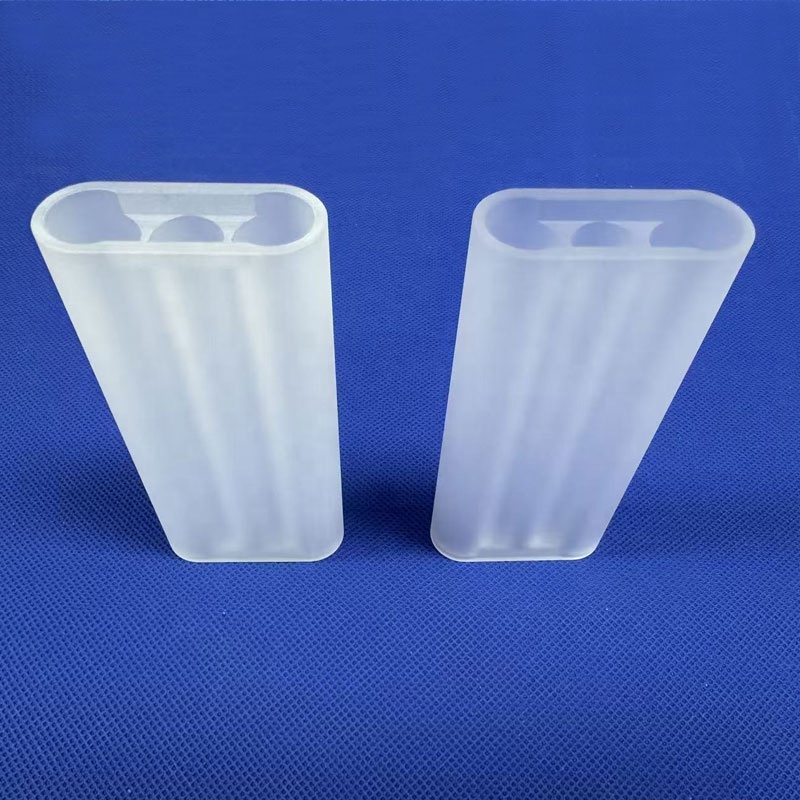
High Precision Triple Bore Quartz Laser Cavity Flow Tube
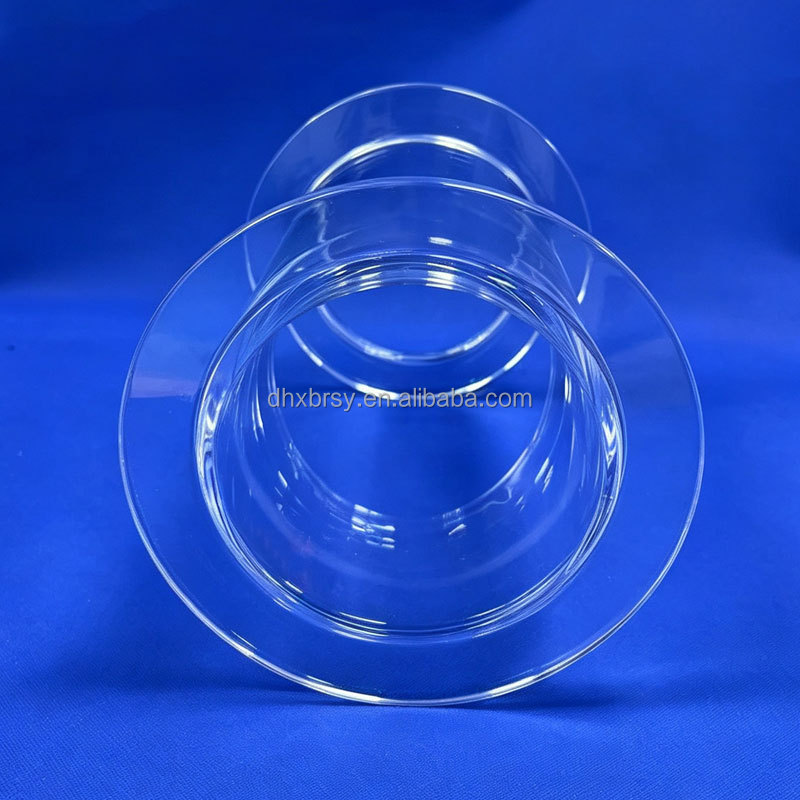
High Purity Double Flange Fused Silica Quartz Cylinder
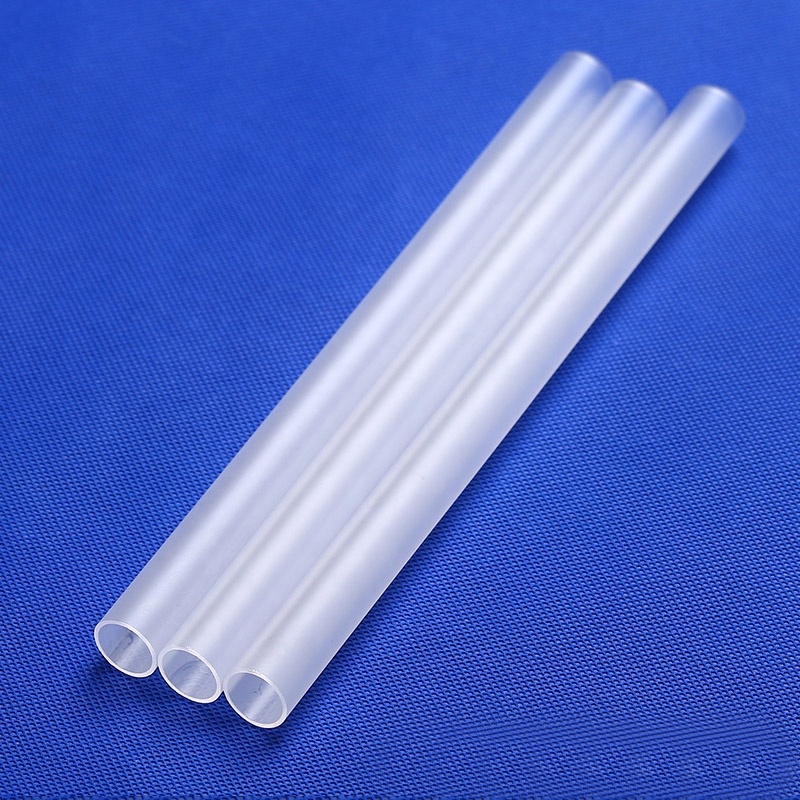
Polished Translucent Quartz Tube for Ozone Generators
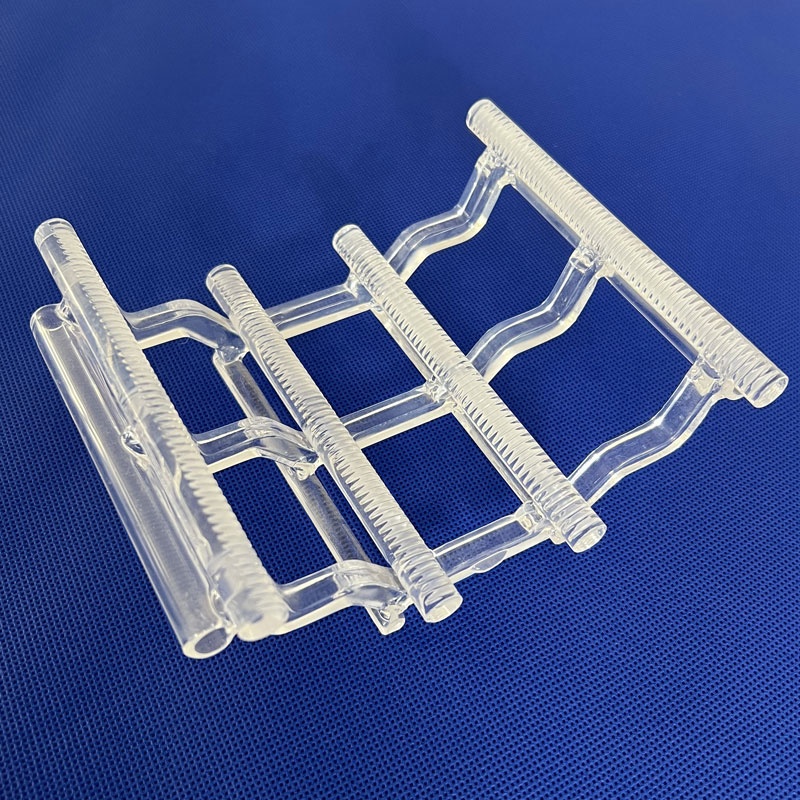
High-Temperature Semiconductor Quartz Wafer Boat
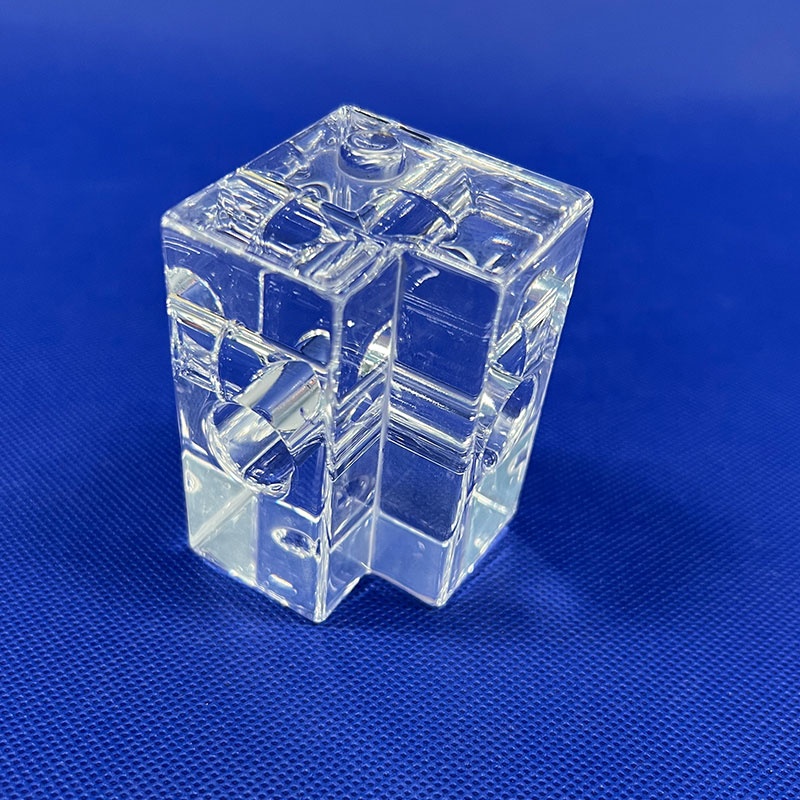
Custom-Processed Fused Quartz (Annealed 1200°C)
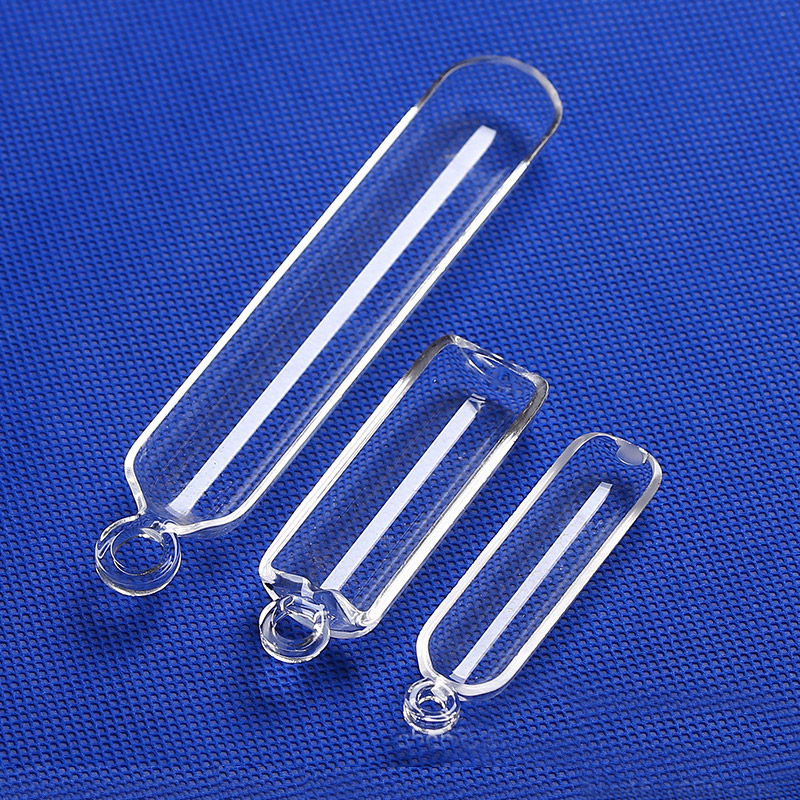
Custom Laboratory Fused Quartz Apparatus Boat
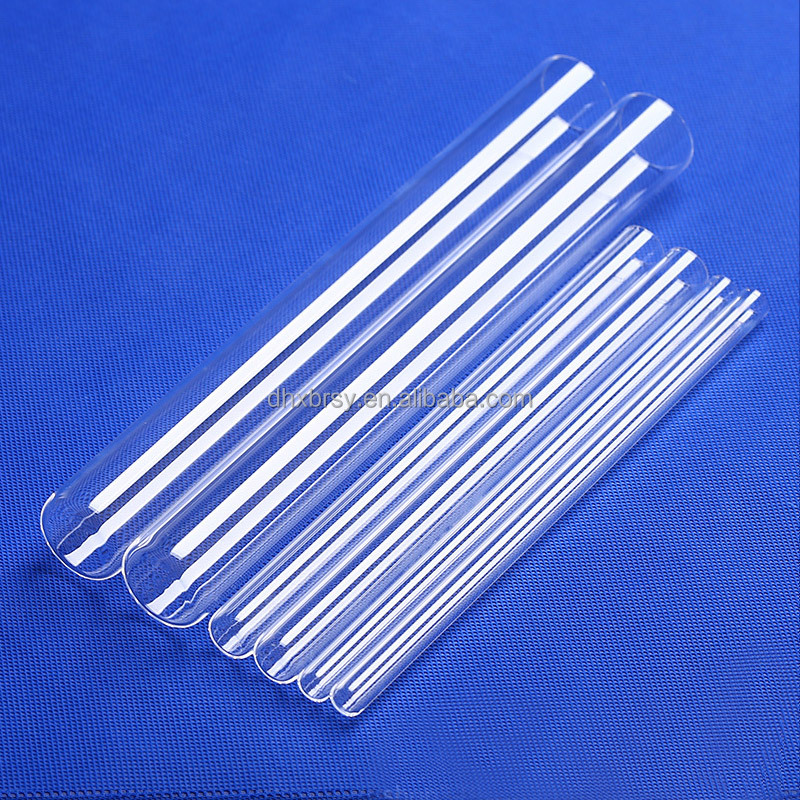
One-End Closed High-Pressure Resistant Quartz Tube
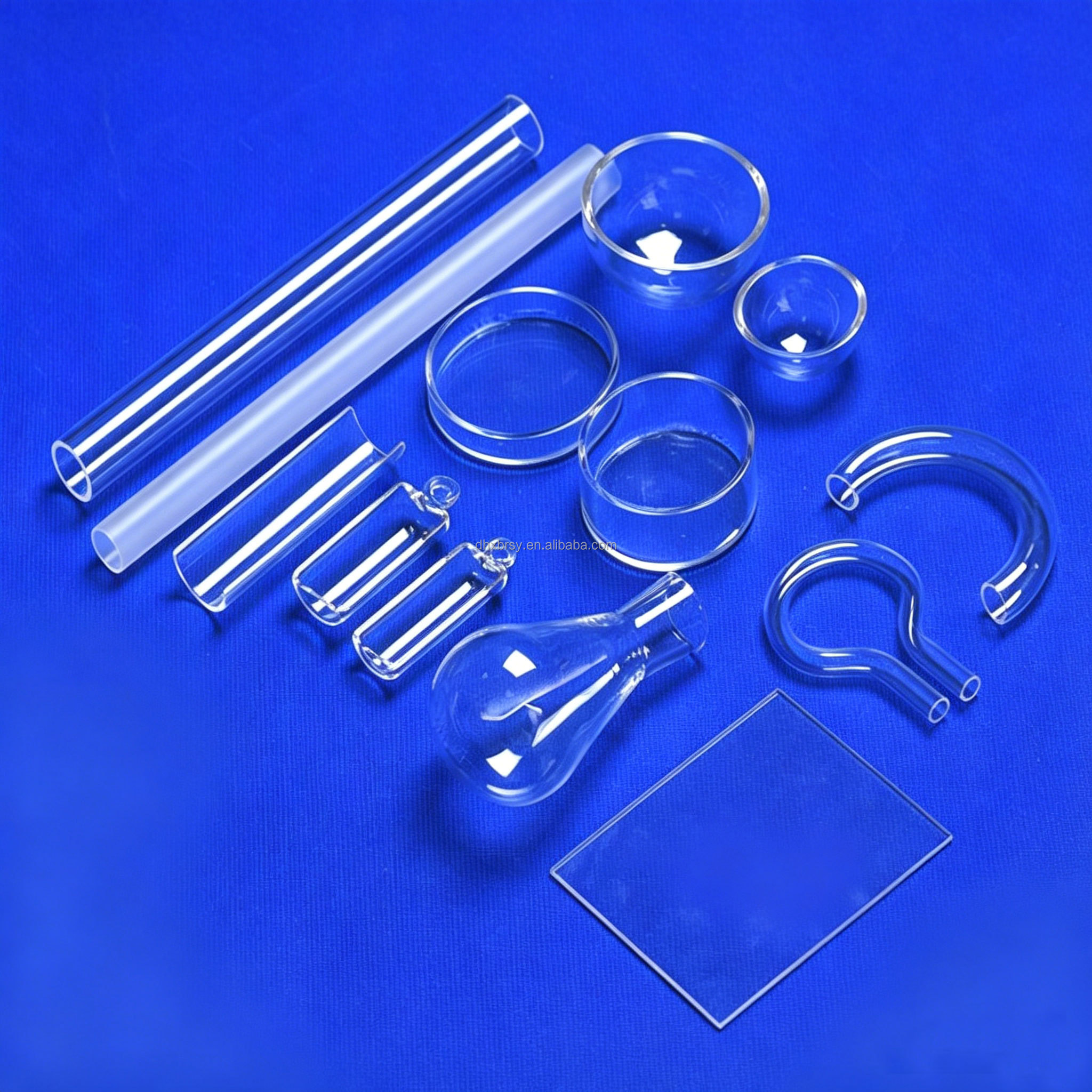
Custom High-Purity Semiconductor Quartz Apparatus
Optical Quartz Window Materials: JGS1 vs. JGS2 vs. JGS3
Precision procurement in the Czech photonics sector relies heavily on matching wavelength passbands and manufacturing processes to project constraints. Selecting an unsuitable grade leads either to internal fluorescence or excessive thermal absorption.
Synthetic Fused Silica (JGS1)
Synthesized via chemical gas-phase oxidation of high-purity silicon tetrachloride (SiCl4). JGS1 features near-zero metallic impurities (< 1 ppm total) and virtually zero bubble inclusions. It delivers exceptional transmission in the deep ultraviolet spectrum (185 nm – 2,500 nm) and is essentially free of fluorescence under UV excitation, making it the industry standard for Prague's excimer laser systems and lithography setups.
Flame-Fused Quartz (JGS2)
Refined by melting ultra-pure natural quartz crystals with an oxyhydrogen flame. Transmitting reliably between 220 nm and 2,500 nm, JGS2 provides superior structural rigidity and heat tolerance at a significantly lower cost footprint than JGS1. It serves as an optimal solution for industrial high-temperature inspection viewports, UV sterilization lamps, and analytical sight glasses in Bohemian chemical plants.
Electrically Fused Quartz (JGS3)
Vacuum-melted in specialized electric resistance furnaces, this grade eliminates the 2,720 nm hydroxyl (OH-) absorption band found in flame-fused quartz. Exhibiting expansive transmission from 260 nm up to 3,500 nm, JGS3 is widely specified by Czech R&D laboratories for mid-wave infrared (MWIR) thermal diagnostics, FTIR analytical flow cells, and thermal boundary sensors.
| Optical Quartz Grade | Synthesis Method | Primary Transmission Band | Hydroxyl (OH⁻) Content | Typical Prague Industry Use Case |
|---|---|---|---|---|
| JGS1 (UV Synthetic) | SiCl₄ Vapor Phase Hydrolysis | 185 nm – 2,500 nm | ~ 800 – 1,200 ppm | HiLASE / ELI laser viewports, excimer optics, lithography |
| JGS2 (Standard Optical) | Oxy-Hydrogen Flame Fusion | 220 nm – 2,500 nm | ~ 150 – 200 ppm | Sight windows, industrial UV disinfection, chemical reactors |
| JGS3 (Infrared Optical) | Vacuum Electric Furnace Fusion | 260 nm – 3,500 nm | < 5 – 10 ppm (Water Free) | FTIR spectroscopy, thermal viewports, mid-IR optics |
Localized Application Scenarios in the Prague Market
The Czech Republic, and specifically the Greater Prague Metropolitan Area, stands as one of Central Europe's most concentrated centers for high-energy physics, photonics research, and precision automotive sensor engineering.
High-Intensity Laser Infrastructure (Dolní Břežany Cluster)
Prague's southern research belt hosts world-renowned laser centers requiring customized quartz viewports and triple-bore flow cooling tubes. In multi-petawatt beamline facilities, optical windows must resist laser-induced damage (LIDT), possess minimal wavefront distortion (lambda/10 surface accuracy), and exhibit zero stress birefringence measured on polarization spectrometers.
Automotive Sensor & LiDAR Validation (Mladá Boleslav Corridor)
The Czech automotive ecosystem is rapidly migrating toward autonomous vehicle sensor packaging. Optical quartz windows are selected as rugged exterior test-chamber protective covers for LiDAR arrays and high-resolution cameras. With near-zero thermal expansion (5.5 × 10⁻⁷ /°C), fused silica resists rapid outdoor freeze-to-boil transitions without optic distortion.
Semiconductor Epitaxy & Thin-Film R&D
Regional semiconductor prototyping setups in Prague employ custom-machined quartz wafer boats, flanged double-wall CVD process cylinders, and inspection viewports. The 99.99% SiO₂ matrix prevents trace element outgassing (e.g., iron, copper, boron), eliminating wafer contamination risks during prolonged 1,000 °C diffusion steps.
Localized Trends Shaping Quartz Window Sourcing in Czechia
Modern European procurement directives are transforming how Czech engineering operations source specialized glass and silica products.
1. Near-Tolerance Near-Net-Shape Machining: Engineering teams in Prague increasingly reject standard raw round blanks in favor of finished components with milled counterbores, bevels, laser markings, and custom sealing grooves. This avoids costly internal post-processing and shifts structural risk directly back to the manufacturer's multi-axis CNC machines.
2. Transition from Borosilicate to Fused Quartz in Vacuum Chambers: Vacuum equipment fabricators across the Czech Republic are progressively replacing traditional borosilicate glass windows with synthetic fused silica. While borosilicate glass is sufficient for basic low-temperature observation, advanced plasma and thin-film processes produce localized heat shocks and intense UV radiation that can solarize borosilicate glass, causing darkening, micro-cracks, and system downtime.
3. Transparent Purity and Traceability Auditing: As EU sustainability guidelines and ISO compliance tighten across Czech high-tech operations, buyers demand material purity proof. Lovri addresses this by providing comprehensive batch inspection records, including polarization stress testing graphs and spectrophotometer transmission scans from 190 nm through 3,200 nm.
Why Prague Procurement Leads Partner with Lovri Quartz
Direct Source Origin (Lianyungang)
Situated directly in Tuofeng Industrial Park, Lianyungang—China's primary quartz production hub. Controlling the mineral supply chain from lump processing through acid wash enables superior raw purity control without distributor markups.
12-Step Closed In-House Process
We never subcontract delicate processing. Every stage—tube drawing, flame welding, high-temperature furnace annealing (1,200 °C), CNC grinding, and optical polishing—occurs within our verified 14,271 m² production facility.
Zero-Stress Annealing & Testing
Catastrophic optic fracture under laser or thermal stress originates in unreleased mechanical tension. Every single batch is soaked in precision annealing furnaces followed by mandatory polarization stress tester checks.
Frequently Asked Questions: Sourcing Quartz Windows for Prague
Key technical, commercial, and logistics concerns answered directly by our optical quartz engineering team.
How do you prevent optical distortion and residual mechanical stress during shipment?
Can Lovri manufacture optical windows directly from Czech technical drawings in STEP or DWG formats?
What is the typical shipping lead time and customs process for delivery to Prague or the Central Bohemia region?
Can we request custom AR (anti-reflective) coatings or metallization on your quartz windows?
What surface quality and flatness standards do your optical quartz windows meet?
Accelerate Your Optical Quartz Supply Chain in Prague
Whether you require single prototype JGS1 optical windows for high-energy laser diagnostics, custom CVD quartz cylinders, or volume replacement wafer boats, our technical sales engineers in Lianyungang provide design feedback, material testing datasheets, and direct pricing.