Furnace Tube
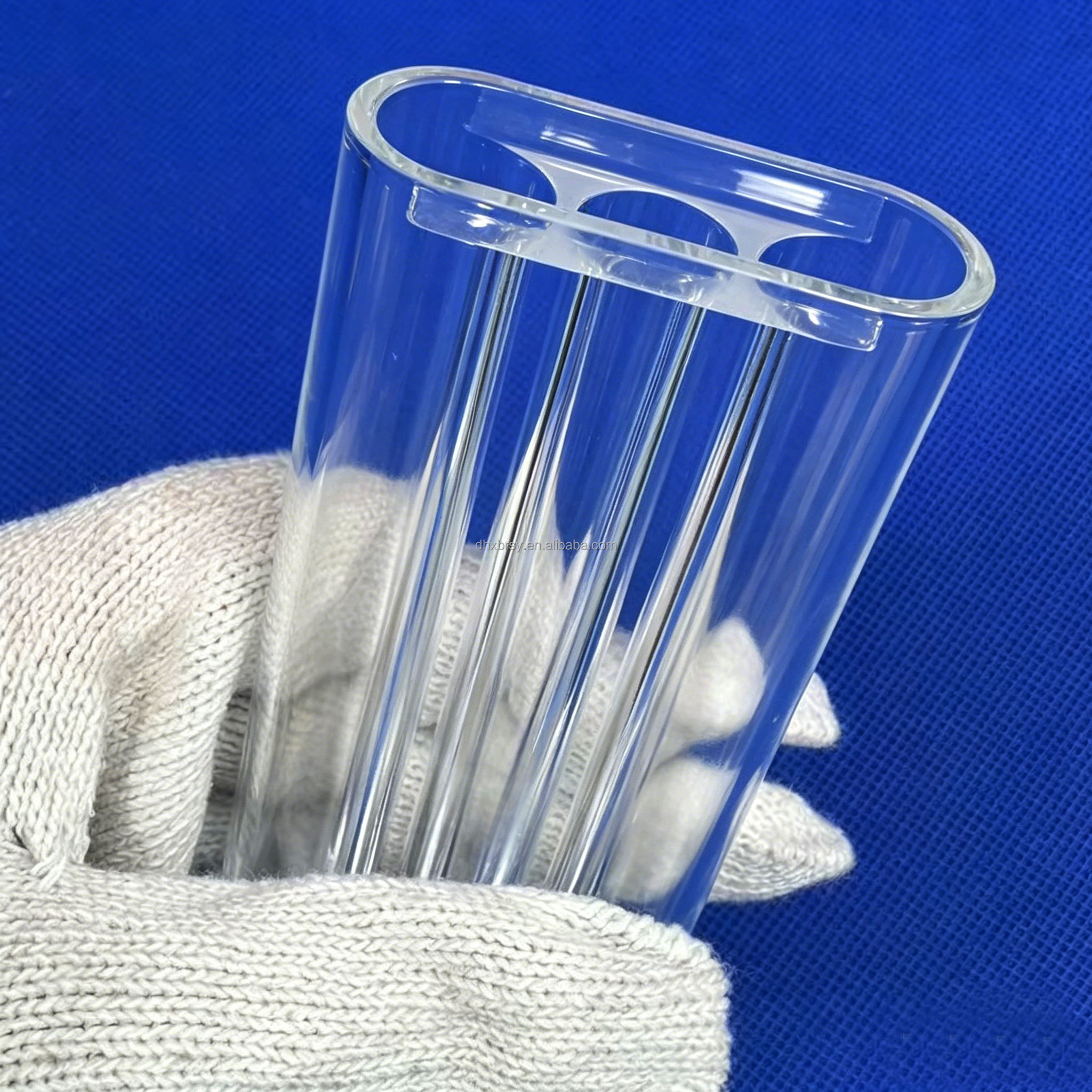
916Factory High Temperature Fused Silica Tube
Thermal-shock resistant fused silica tube tailored for high-temperature metallurgy and lab tube furnaces up to 1200°C.
Explore Technical SpecsSelect from standardized configurations or submit technical CAD/STEP files for custom multi-axis CNC fabrication.
Thermal-shock resistant fused silica tube tailored for high-temperature metallurgy and lab tube furnaces up to 1200°C.
Explore Technical Specs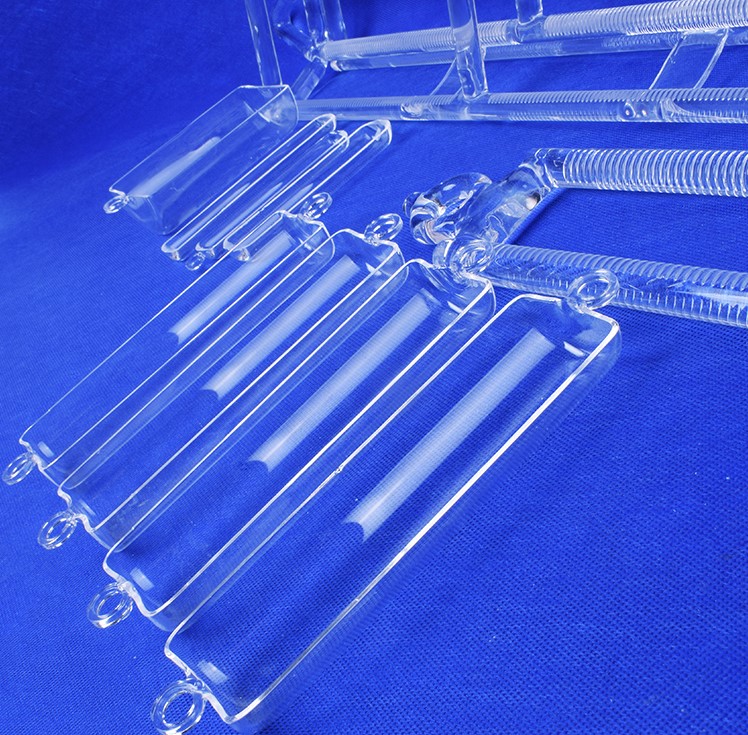
Corrosion-proof calcination carriers designed for solar cell sintering, aggressive chemical acid digestion, and high purity processing.
Explore Technical Specs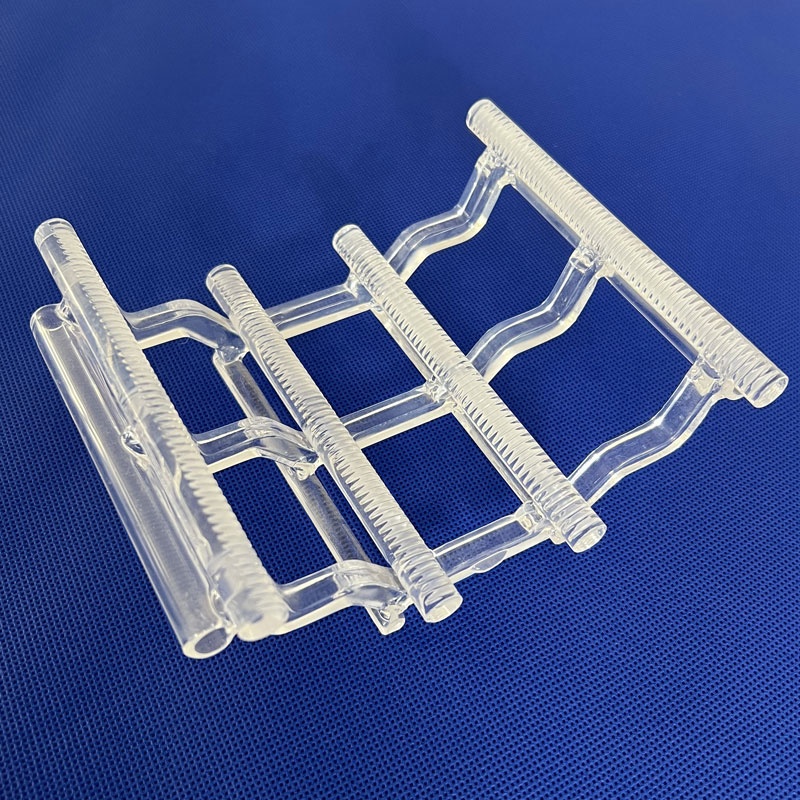
Precision-slotted semiconductor wafer carriers with strict slot pitch tolerance, zero particulate peeling, and ROHS compliance.
Explore Technical Specs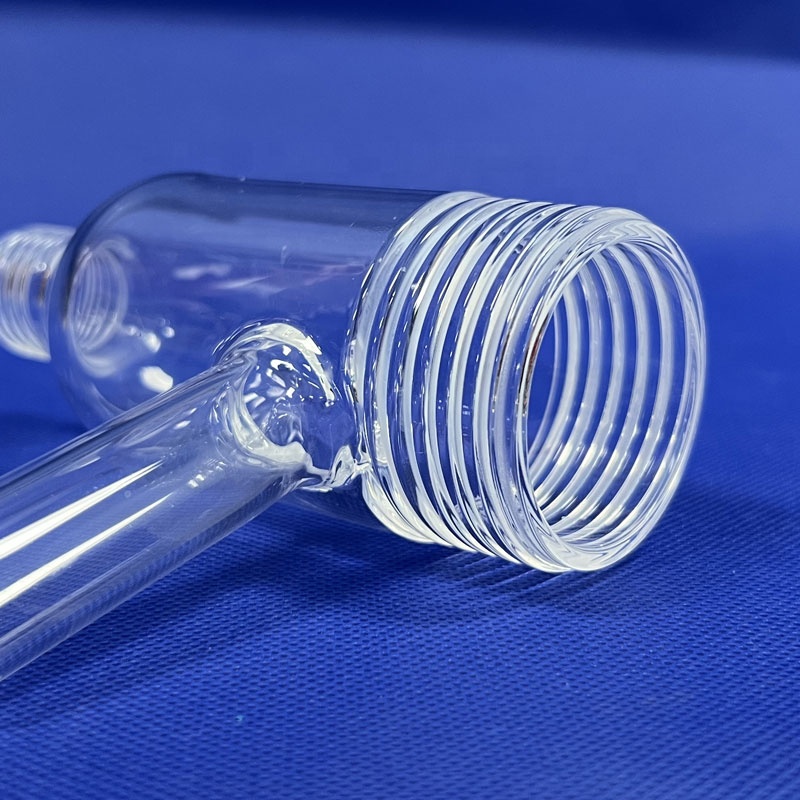
Heavy-duty transparent vessel featuring precision CNC-cut threads and side arms for gas manifold integration and closed synthesis.
Explore Technical Specs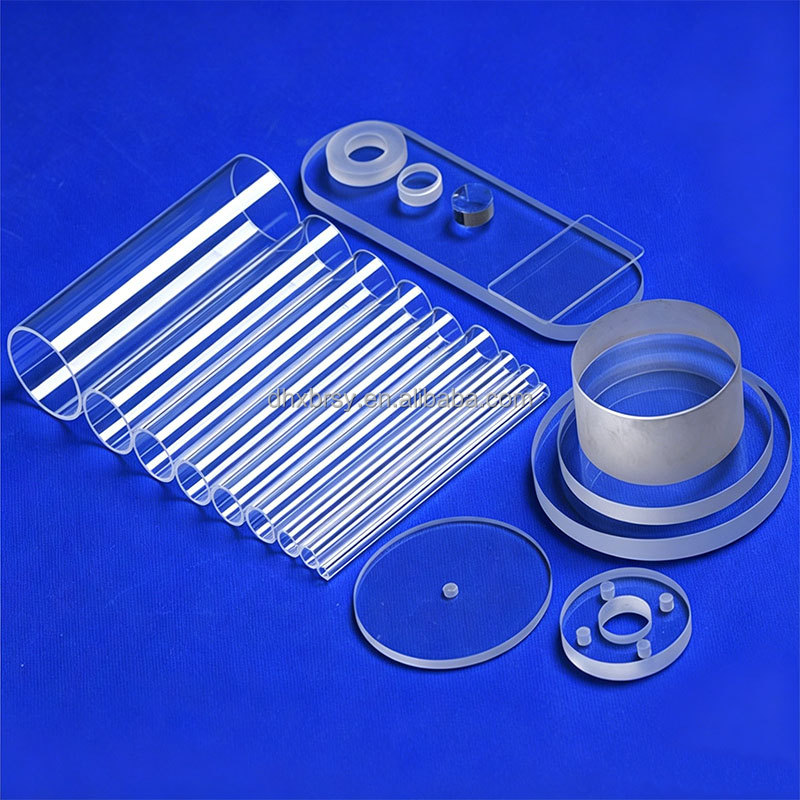
Deep-ultraviolet synthetic fused silica optics offering high transmittance from 185nm to 2500nm for laser and UV spectroscopy.
Explore Technical Specs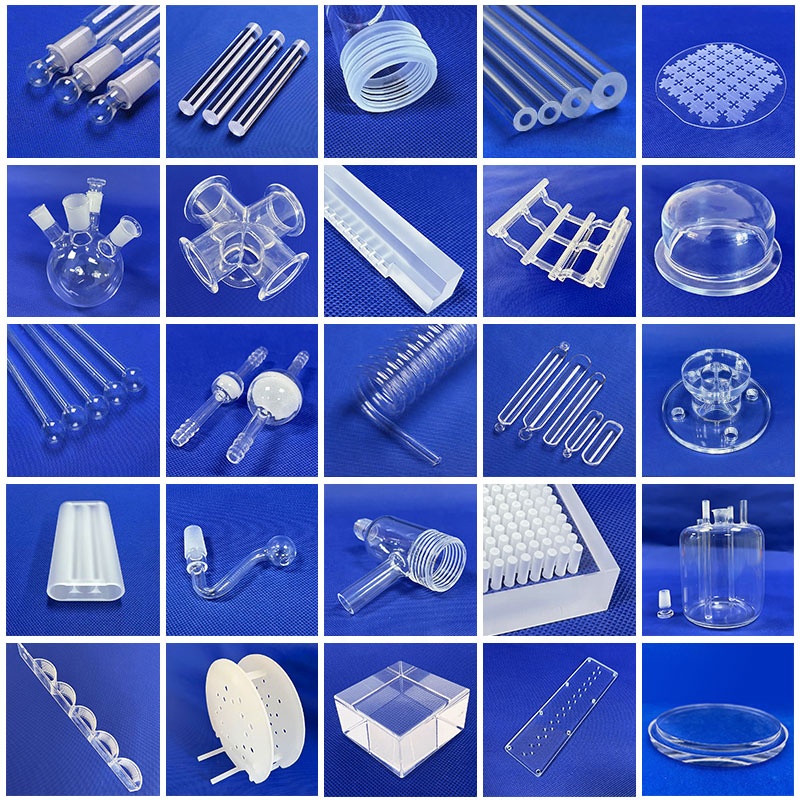
Optically flat quartz plates manufactured with double-side chemical-mechanical polishing (CMP) for industrial viewport sight glasses.
Explore Technical Specs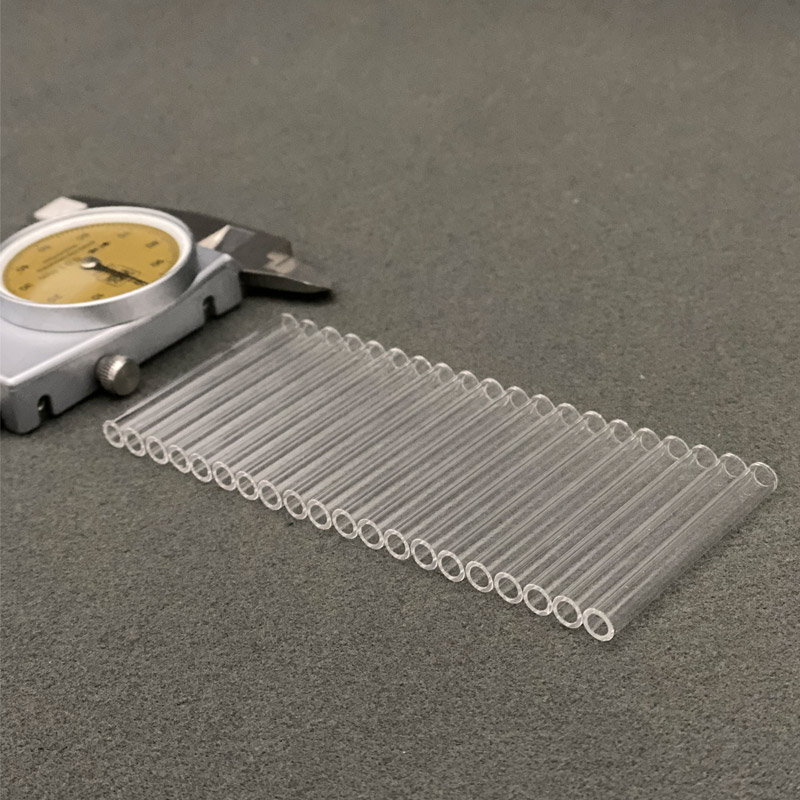
Micro-bore precision tubing (1200°C annealed) engineered for medical flow cells, laser discharge sleeves, and fiber optic guide rails.
Explore Technical Specs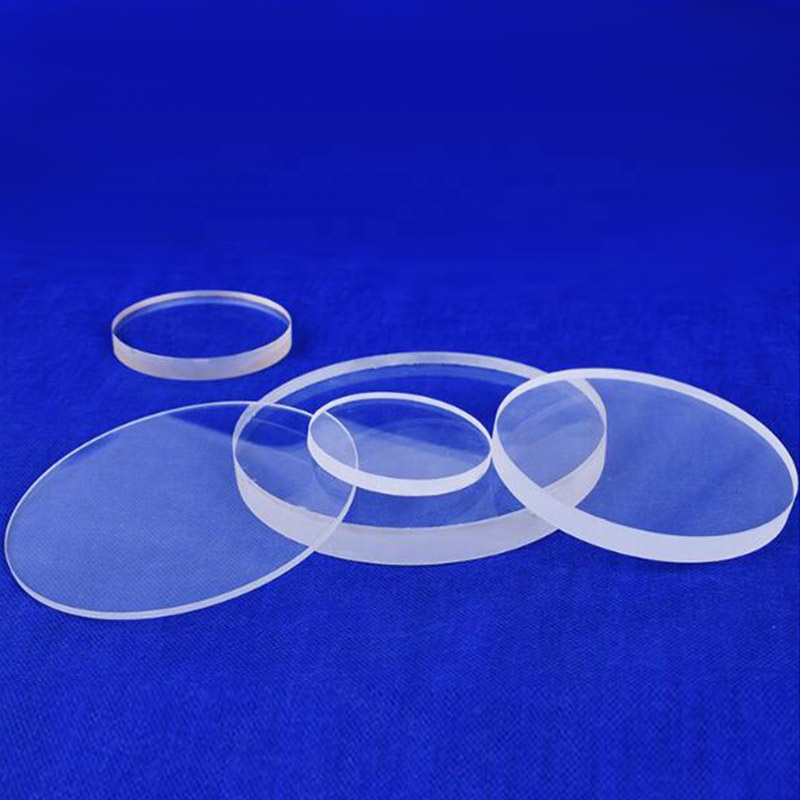
Laser-grade 200 Mesh optical circular discs with ultra-low thermal expansion, high dielectric strength, and strict bubble-free grading.
Explore Technical SpecsAs Myanmar accelerates its industrial infrastructure across Special Economic Zones (SEZs) such as Thilawa, Yangon Industrial Clusters, and Mandalay manufacturing regions, precision engineering requirements have shifted drastically. Mining analysis facilities, solar photovoltaic initiatives, water treatment modernization, and downstream petrochemical laboratories can no longer rely on commercial-grade borosilicate glass. High operational temperatures, severe acid exposure, and strict spectral transmission demands dictate the use of High-Purity Fused Quartz (SiO₂ ≥ 99.99%).
Fused quartz is non-crystalline silica glass synthesized through thermal fusion of natural quartz crystal grains or synthetic chemical precursors. Unlike ordinary soda-lime or borosilicate materials containing high concentrations of boron and sodium oxides, our fused silica maintains an ultra-pure chemical formulation with total metallic contamination below 20 ppm. This absolute purity directly governs its mechanical and optical longevity.
When operating inside high-temperature tube furnaces or industrial calcination chambers in Myanmar's metallurgy and gemological testing centers, thermal expansion failure is the primary concern. Transparent fused quartz exhibits an exceptionally low linear coefficient of thermal expansion (approx. 5.5 × 10⁻⁷ /°C between 20°C and 320°C). Consequently, a red-hot quartz cylinder at 1100°C can be quenched instantly in ice-cold water without structural micro-cracking or catastrophic shattering. For long-term continuous operations, fused quartz operates safely up to 1100°C, sustaining short-duration thermal peaks up to 1300°C.
Myanmar's shifting industrial topology requires customized fused quartz components tailored to unique localized working conditions:
Myanmar's rich mineral and gemological industries require sample digestion tubes, calcination boats, and crucibles impervious to nitric, sulfuric, and hydrofluoric acid combinations at elevated temperatures.
Off-grid and grid-scale solar developments expanding near central dry regions require high-transmittance quartz sleeves, diffusion carriers, and tubular quartz heaters resistant to ambient humidity shifts.
Yangon municipal water upgrade projects and agricultural wastewater facilities rely on thick-walled, ozone-generating quartz tubes and high-transmission UV disinfection protective jackets.
Fused silica has a Mohs hardness rating of 5.5 to 6.5 and exhibits brittle fracture mechanics under improper shear stress. Lovri Quartz resolves micro-chipping and subsurface subsurface lattice damage by pairing diamond-impregnated rotary cutters with synchronized 5-axis CNC machining centers. Operating within temperature-regulated coolant baths, our computer-guided drilling, milling, slotting, and profiling achieve micron-level tolerances (±0.005 mm).
Following high-speed mechanical milling, every single component is routed through our automated annealing kilns at 1215°C. Annealing eliminates internal stress generated during rough cut grinding and fire polishing. Each completed batch undergoes cross-polarization stress analysis before packaging, certifying that components deployed in demanding Myanmar projects remain structurally stable under cyclic thermal stress.
| Physical / Chemical Property | Technical Metric Value | Significance for Myanmar Procurement |
|---|---|---|
| Chemical Purity (SiO₂) | ≥ 99.99% (Electronic Grade) | Prevents cross-contamination in chemical synthesis and analytical spectroscopy. |
| Thermal Expansion Coeff. (20–320°C) | 5.5 × 10⁻⁷ cm/cm °C | Immune to extreme thermal shock; withstands direct torch and induction heating. |
| Continuous Operating Temperature | 1,100 °C | Guarantees continuous uptime in high-temp calcination and smelting furnaces. |
| Softening Point | 1,730 °C | Maintains dimensional stability under conditions where steel or metals soften. |
| Dielectric Strength (20°C, 1MHz) | 2.5 × 10⁷ V/m | Acts as an outstanding high-voltage electrical insulator for RF and plasma rigs. |
| Optical Transmission Band (JGS1) | 185 nm – 2,500 nm | Complete deep-UV to near-infrared spectrum clarity for precision sensor eyes. |
Historically, industrial procurement teams in Myanmar sourced quartz glassware via local middle-tier distributors or regional secondary trading hubs in Southeast Asia. This indirect channel caused several recurring pain points: uncontrolled markups (frequently 60–100% higher), long shipping delays without direct factory coordination, and frequent transit breakages due to improper domestic repackaging. By partnering directly with Lovri Quartz—a verified source manufacturer operating within Lianyungang's premier silica basin—procurement departments in Myanmar access source factory pricing, customized drawing engineering, and factory-backed export crate warranties.
Full vertical integration: from raw quartz stone sorting and acid pickling to multi-axis CNC finishing and polarization validation.
Our complete manufacturing footprint in Tuofeng Industrial Park, Lianyungang, is verified on-site by SGS Group. Production lines feature automated drawing towers, horizontal hot lathes, and 5-axis CNC stations.
We do not purchase unverified semi-finished glass. We refine quartz lump through in-house pulverizing, rescreening, and hydrofluoric acid pickling to ensure 99.99% SiO₂ consistency across every production run.
Support your testing phases before scaling up. We accept 1 to 5-piece sample prototyping from CAD drawings (.STEP, .DWG, or engineering PDFs) with fast lead times and technical DFM evaluations.
Zero transit damage tolerance. Precision optics and quartz components are suspended in high-density customized EPE foam within puncture-resistant multi-layer wooden cases certified for air, sea, and courier transit.
Every shipment is matched with optical spectrum transmission certificates, RoHS chemical compliance filings, and precise polarization stress test documentation.
Experienced shipping workflows to Myanmar via express air freight (Yangon International Airport) or consolidated sea freight through Yangon / Thilawa ports with transparent customs documentation support.
Everything you need to know regarding specifications, tolerances, shipping protocols, and customs clearance.