High-Performance Fused Quartz Glassware & Precision Components
Manufactured from flame-fused and electric-arc high-purity natural silica sand. Each piece undergoes comprehensive polarization stress relief, fine optical edge polishing, and strict dimensional verification to support intensive research and pilot industrial processes across Sheffield.
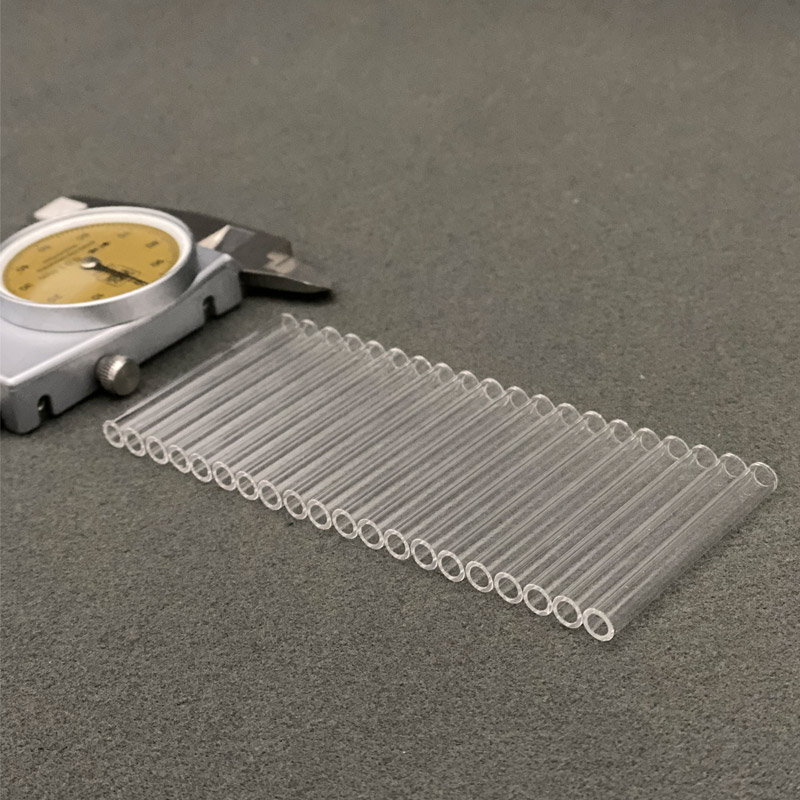
Ideal for precision fluidic feeds in custom reaction flasks, laser optics, and micro-chromatography setups.
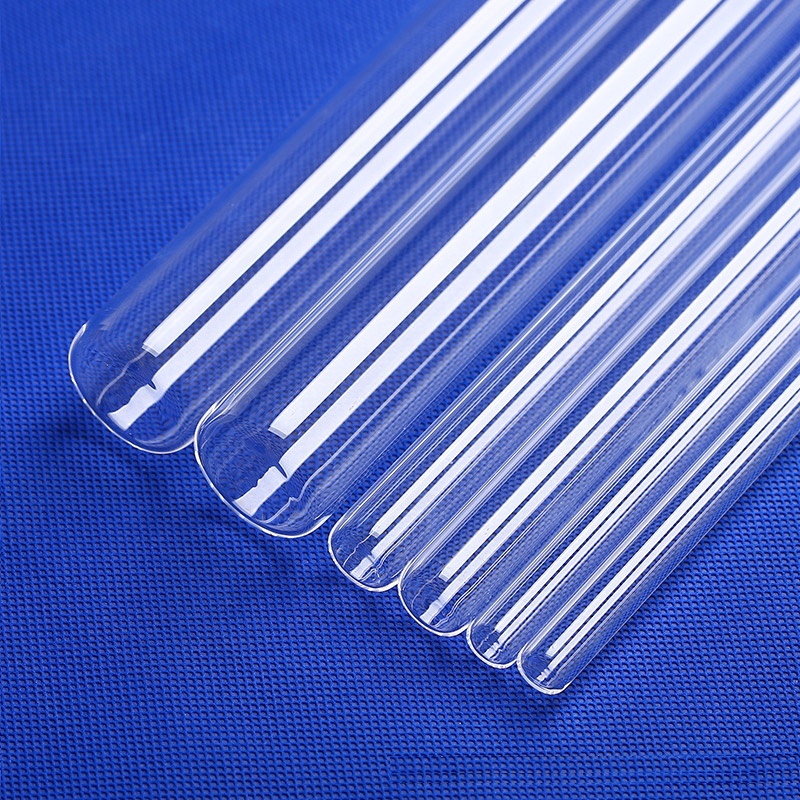
Commonly employed as digestion vessels, sample collection ampoules, and pilot reactor immersion shells.
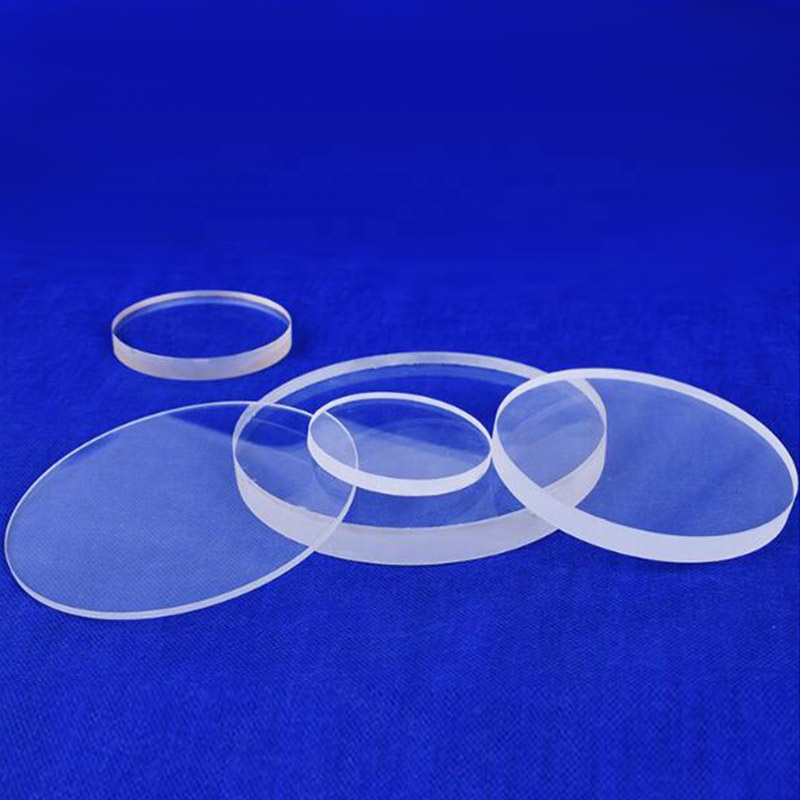
Ground and fire-polished observation windows for metallurgical reactors, sight glasses, and vacuum chambers.
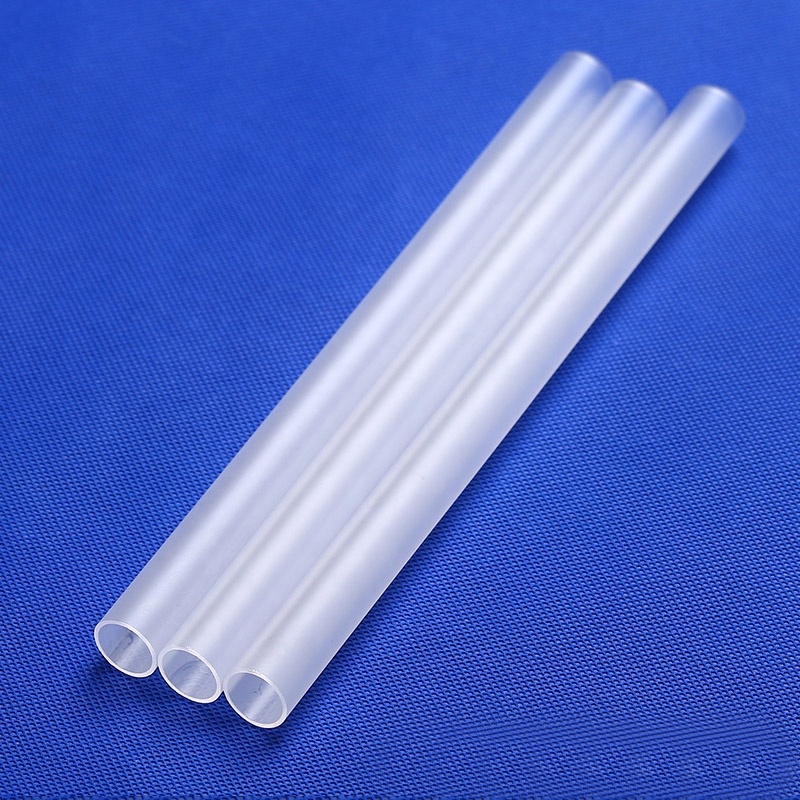
Optimized for thermal insulation in high-temperature calcination columns and ozone synthesis flasks.
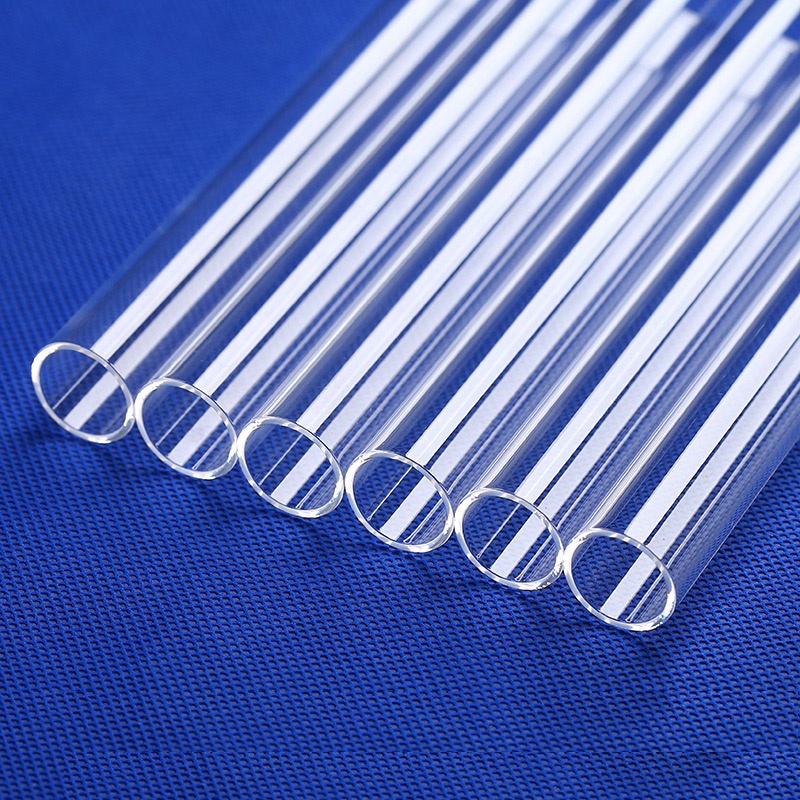
Essential feedstocks for laboratory glassblowers forming multi-neck distillation and round bottom flasks.
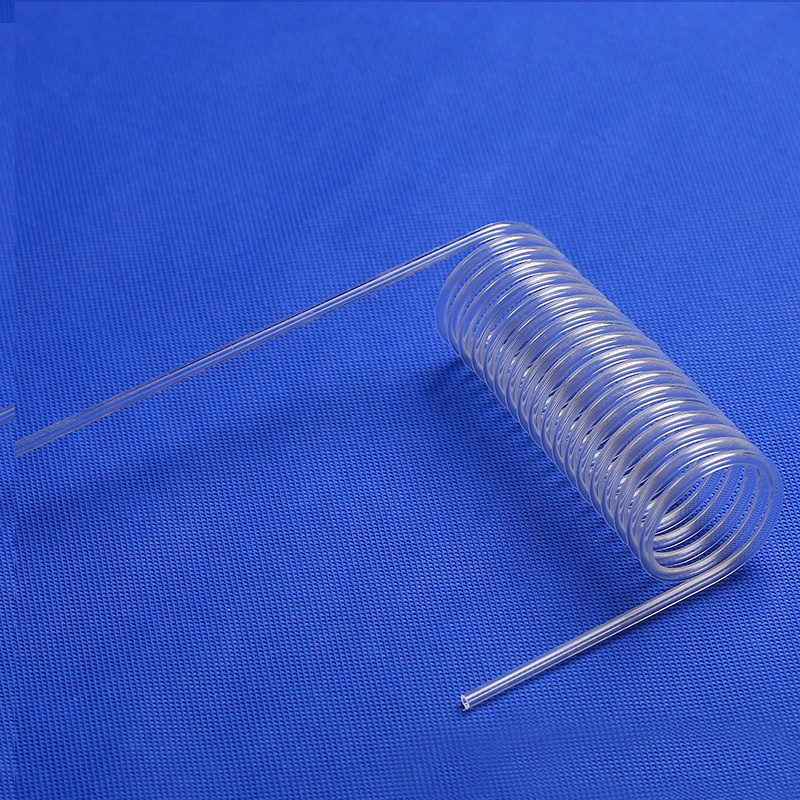
Precision quartz spiral coils engineered for reflux condensers, distillation columns, and heat-exchange vessels.
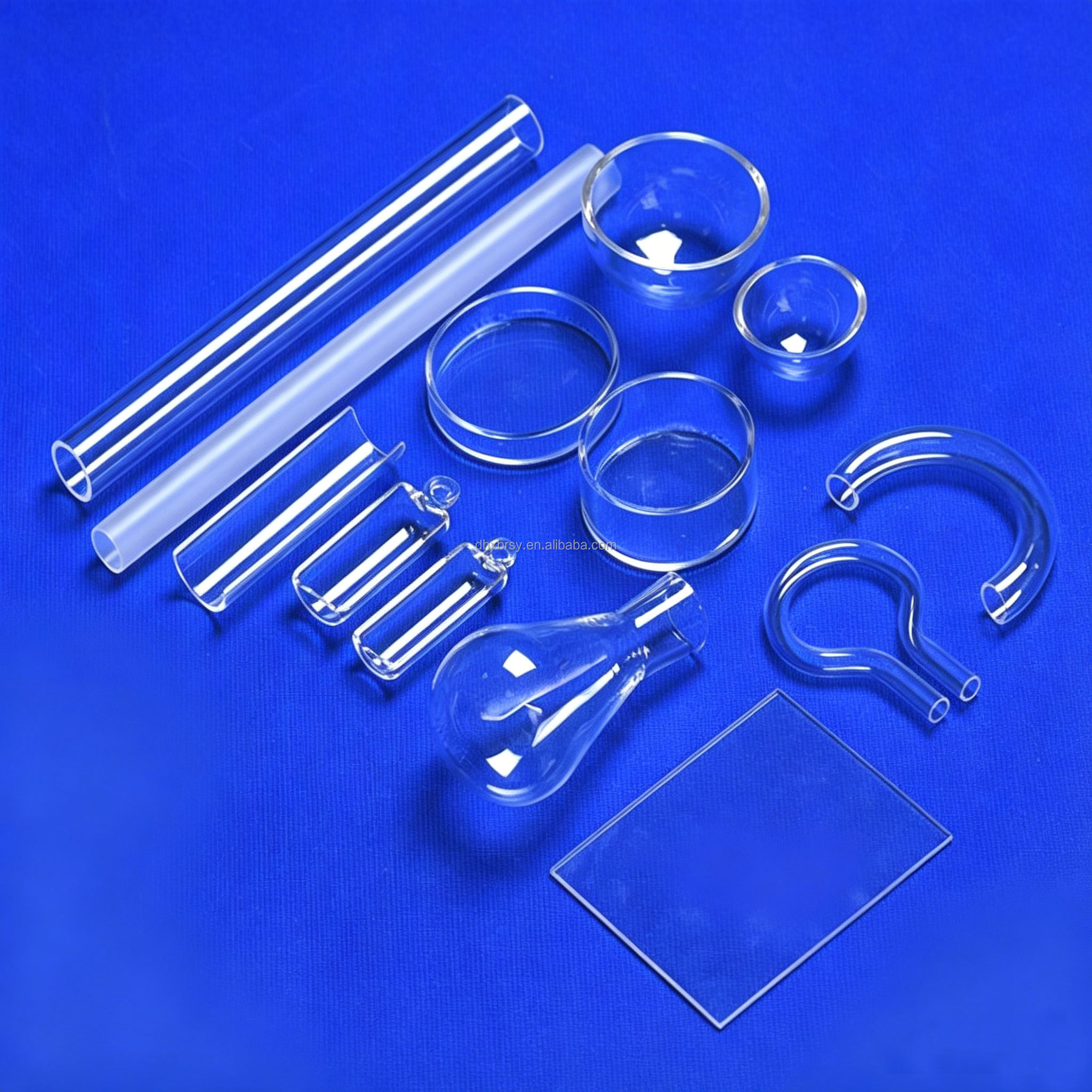
Substrates for spectrophotometry cuvettes, reaction viewing ports, and chemical sensor encapsulation.
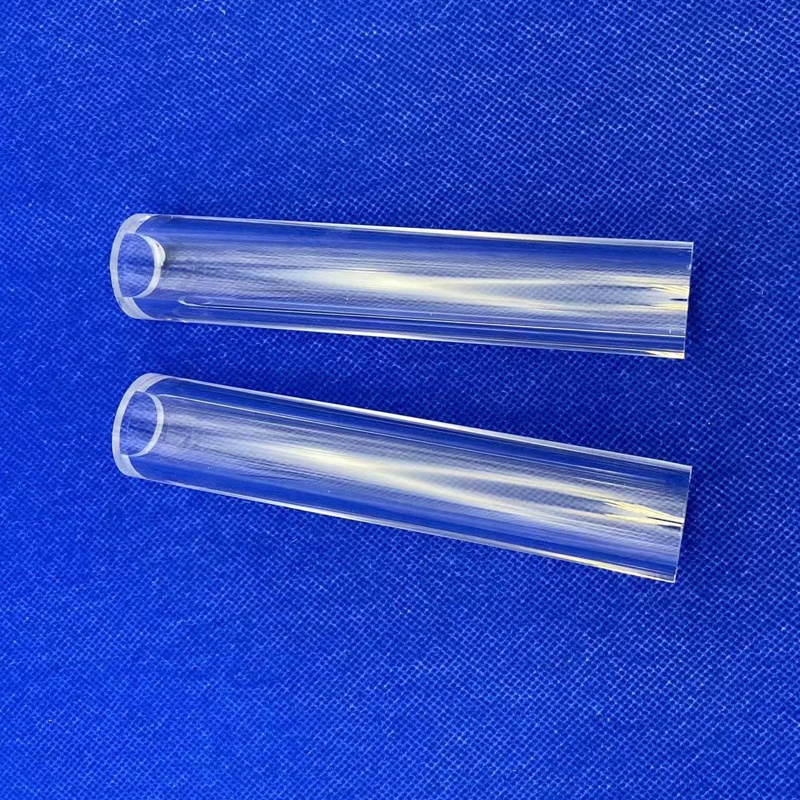
Heavy-duty cylindrical reactor blanks suitable for high-pressure autoclaves and molten salt flasks.
Fused Silica vs. Borosilicate: Thermal & Chemical Superiority
Why modern Sheffield laboratories and advanced metallurgical facilities are migrating from standard 3.3 borosilicate glass vessels to continuous-duty pure fused quartz flasks.
Thermomechanical Integrity at Extreme Operating Temperatures
Standard laboratory glassware crafted from borosilicate 3.3 reaches its strain and softening thresholds between 510°C and 560°C. In contrast, fused quartz flasks manufactured by Lovri Quartz boast a softening point of 1730°C and an annealing plateau of 1215°C, sustaining continuous duty up to 1100°C without mechanical sagging or shape distortion.
The decisive physical property governing fused silica's exceptional thermal shock resilience is its exceptionally low thermal expansion coefficient ($\alpha \approx 5.5 \times 10^{-7} \text{ K}^{-1}$ between 20°C and 300°C), which is roughly one-sixth that of borosilicate glass. A pure quartz flask heated to 1100°C can be plunged immediately into ice-cold water without structural cleavage, eliminating explosive vessel catastrophic failure in aggressive exothermic syntheses.
| Critical Parameter | Fused Quartz (Lovri) | Borosilicate 3.3 |
|---|---|---|
| SiO₂ Content | ≥ 99.99% | ≈ 81.0% |
| Continuous Work Temp | 1,100 °C | 450 °C |
| Short-Term Max Temp | 1,300 °C | 500 °C |
| Thermal Expansion (20-300°C) | 5.5 × 10⁻⁷ /°C | 33 × 10⁻⁷ /°C |
| Thermal Shock Tolerance | > 1,000 °C ΔT | ≈ 150 °C ΔT |
| UV Cut-off Wavelength | < 200 nm (JGS1: 185nm) | ≈ 310 nm |
| Acid Resistance (except HF/H₃PO₄) | Grade 1 (Ultra Inert) | Grade 1 |
Zero Heavy-Metal Leaching
Fabricated with less than 1 ppm total boron, sodium, iron, and aluminum oxides. Guarantees zero alkaline contamination during trace-element mineral digestion, ICP-MS analysis, and high-purity semiconductor precursor syntheses.
Hermetic Ground Taper Joints
Bespoke neck geometries conforming to standard ISO 383 / DIN 12242 ground joints (B14, B19, B24, B29, B34). Precision CNC-honed taper surfaces guarantee high-vacuum seal integrity down to 10⁻⁵ mbar without grease contamination.
Complete Hydroxyl (OH⁻) Control
Available in low-OH grades (< 5 ppm) for vacuum infrared pyrometry and optical reaction tracking, or standard-OH grades (< 30 ppm) engineered specifically for thermal stability and crystallization resistance above 1150°C.
Serving Sheffield's Advanced Manufacturing & Scientific Hubs
From the historic Don Valley industrial corridor to the Advanced Manufacturing Park (AMP), our quartz flasks, reaction columns, and fused silica components power leading-edge British metallurgy, aerospace testing, and clean energy innovation.
Superalloy & Titanium Metallurgy
Sheffield remains the epicenter of specialty aerospace metallurgy. Our heavy-wall quartz round-bottom and digestion flasks withstand concentrated perchloric, hydrofluoric-nitric, and aqua regia cocktails used for assaying nickel-based superalloys (Inconel), cobalt-chromium, and aerospace titanium alloys under vigorous boiling conditions.
AMRC & Nuclear Reactor Prototyping
Supporting advanced researchers around Catcliffe and the University of Sheffield AMRC. High-temperature quartz autoclaves, viewing flasks, and molten salt reaction tubes operate reliably inside molten fluorides and liquid-metal heat exchange testbeds without cracking under severe thermal cycling.
Hydrogen & Solid Oxide Fuel Cells (SOFC)
South Yorkshire’s rapid shift toward clean hydrogen production demands non-reactive catalyst testing vessels. Our multi-neck fused silica flasks accommodate gas-purging spargers and internal thermocouples, sustaining thermal reforming regimes up to 1050°C without hydrogen embrittlement or surface devitrification.
Biomedical Implants & Surface Passivation
Laboratories affiliated with Sheffield Teaching Hospitals and medical cluster incubators utilize ultra-clean quartz reaction flasks for electro-chemical etching and acid-passivation of 3D-printed orthopedic titanium implants, ensuring absolute zero trace metallic contamination.
High-Temperature Pyrolysis & Carbon Capture
Researchers investigating carbon capture, utilization, and storage (CCUS) rely on our custom quartz distillation flasks, jacketed boiling vessels, and condenser headers to isolate specialized amine solvents and track gas absorption kinetics across wide pressure and temperature envelopes.
Direct Academic & R&D Glassblowing Supply
We supply University of Sheffield departmental glassblowing workshops with raw precision fused silica tubing, pre-formed hemispherical quartz flask bodies, and custom flanged blanks, drastically reducing lead times and machining costs for bespoke academic apparatus.
Procurement Evolution in the South Yorkshire Innovation Corridor
How British research institutes, testing labs, and industrial procurement directors are optimizing laboratory glassware spend, mitigating distributor margins, and building resilient international supply chains.
The Transition to Source Manufacturer Direct Collaboration
Traditionally, Sheffield research institutions and metallurgical testing labs relied on legacy UK-based catalog distributors. However, compounding markups of 250% to 400% on specialty fused quartz glassware, paired with multi-month lead times for custom geometries, have triggered a permanent shift toward direct factory partnerships.
By engaging Lovri Quartz directly at our source facility in Lianyungang, Sheffield procurement teams gain end-to-end engineering collaboration. Whether commissioning a one-off 5-liter triple-neck quartz reaction flask with custom cooling jackets or scheduling repeating annual shipments of optical quartz windows and test tubes, buyers eliminate intermediate margins while acquiring full batch test certifications.
UK Compliance, Carbon Footprint & Supply Chain Certainty
Procuring laboratory quartz across international borders requires rigorous conformity to UK import standards. Lovri Quartz provides full customs harmonized code optimization (typically HS 7017.10 for fused quartz laboratory glassware), clear RoHS declarations, and fully compliant export crating.
Consignments destined for South Yorkshire are routed via direct air freight into Manchester (MAN) or London Heathrow (LHR), reaching Sheffield facilities in as few as 5 to 7 transit days after release. For commercial recurring replenishment, multimodal ocean freight into Immingham or Liverpool delivers optimal cost efficiency for heavy industrial supply programs.
Why Lovri Quartz is the Preferred Manufacturer for Sheffield
Combining world-class natural silica reserves with proprietary vertical processing, full-spectrum in-house fabrication, and SGS-verified international quality control systems.
Complete 12-Step Vertical Integration
Located in Lianyungang, China's premier fused quartz cluster. We control every stage: lump cutting, pulverizing, acid pickling to 99.99% SiO₂, vacuum induction drawing, precision annealing, fire polishing, and computerized CNC machining under one roof.
100% Polarization Stress Inspection per Batch
Thermal cracking in laboratory flasks almost always originates from unreleased internal stress. Every single flask body, neck joint, and welded quartz sidearm is thoroughly annealed at 1215°C and validated via polariscopes before dispatch.
SGS Onsite-Verified Facility (14,271 m²)
Our expansive industrial plant is independently assessed by SGS Group for operational legitimacy, quality control workflows, safety protocols, and manufacturing equipment veracity (Assessment verification date: 2025.12.28).
High Precision Tolerances to Custom Drawings
Equipped with specialized diamond-toothed 5-axis CNC machining centers, precision glassworking lathes, and automated ultrasonic cleaning lines, delivering tolerances down to ±0.05 mm on custom neck tapers and flange faces.
Zero-Breakage Export Packaging Guarantee
Engineered multi-layer packaging utilizing custom pre-formed closed-cell high-density polyethylene (EPE) foam cavities, double-corrugated outer master cartons, and fumigated solid timber crates designed for heavy maritime and air cargo handling.
Direct Drawing Review & Rapid Sampling
Our senior quartz engineering team accepts customer blueprints in PDF, DWG, DXF, and STEP formats. We provide free manufacturability assessments, wall thickness optimization advice, and quartz grade recommendations tailored to your exact process temperatures and chemical medium.
Frequently Asked Questions by Sheffield Buyers
Clear, direct answers regarding technical characteristics, UK customs protocols, custom design lead times, and logistical arrangements for South Yorkshire purchasers.
Q1: How does fused quartz solve flask cracking in metallurgical acid digestion?
Standard borosilicate flasks frequently succumb to catastrophic cleavage when exposed to localized thermal hotspots during high-temperature digestion with concentrated H₂SO₄, HNO₃, or perchloric acid mixtures. Fused quartz features near-zero thermal expansion (5.5 × 10⁻⁷ /°C) and handles thermal shocks exceeding 1000°C effortlessly, entirely eliminating thermal cleavage risks.
Q2: What are the standard import duty and customs classifications for the UK?
Fused quartz laboratory glassware entering the United Kingdom typically classifies under Commodity Code (TARIC/HS Code) 7017 10 00 00 ("Laboratory, hygienic or pharmaceutical glassware, whether or not graduated or calibrated - of fused quartz or other fused silica"). We generate clean Commercial Invoices, Packing Lists, and Certificates of Origin to facilitate smooth clearance through HMRC via your chosen customs broker.
Q3: Can you fabricate bespoke multi-neck flasks matching existing UK laboratory apparatus?
Yes. We regularly produce round bottom, flat bottom, and pear-shaped quartz flasks with 1, 2, 3, 4, or 5 necks. Ground taper joints are precision-ground to British and European standards (DIN 12242 / ISO 383), including standard B14, B19, B24, B29, B34, and B45 ground sockets, as well as GL-threaded sidearms, vacuum stopcocks, and thermocouple thermowells.
Q4: How do you prevent contamination in trace element analysis and ICP-MS sample prep?
Our raw quartz sand undergoes rigorous multistage acid leaching to achieve ≥ 99.99% SiO₂ purity. Trace metallic impurities (such as Fe, Al, Cu, Na, K, and Li) are constrained below fractional parts-per-million levels. This prevents ion migration and heavy metal leaching into acidic digestion matrices, ensuring baseline integrity for atomic spectroscopy.
Q5: What are the typical lead times for bespoke quartz prototypes delivered to Sheffield?
Standard engineering review and drawing sign-off takes 24 hours. Custom prototype fabrication on CNC glass lathes is completed within 7 to 12 working days. Express air courier transit directly into Sheffield addresses (via DHL, FedEx, or UPS freight through Manchester or Heathrow) requires approximately 4 to 6 business days.
Q6: How is zero-breakage secured during international maritime or air transit?
Fragile quartz flasks are suspended inside tailored high-resilience EPE foam moulds that eliminate point-load contacts. Moulded cartons are placed into heavy-duty corrugated export boxes and, when required, over-crated inside fully sealed, fumigated plywood cases with external shock-watch indicator labels. We provide a full replacement guarantee against any shipping damage.
Ready to Engineer Your Custom Quartz Flask or Laboratory Apparatus?
Consult directly with our technical glass engineers. Share your operational parameters, dimensional drawings, or project requirements today for immediate manufacturability feedback and competitive factory pricing.