High-Purity Quartz Glass & Optical Apparatus Solutions
Direct from our Lianyungang manufacturing facility: inspect our flagship high-purity quartz tubing, CNC components, and customized lab apparatus selected by optical instrumentation teams across Greater Montreal.
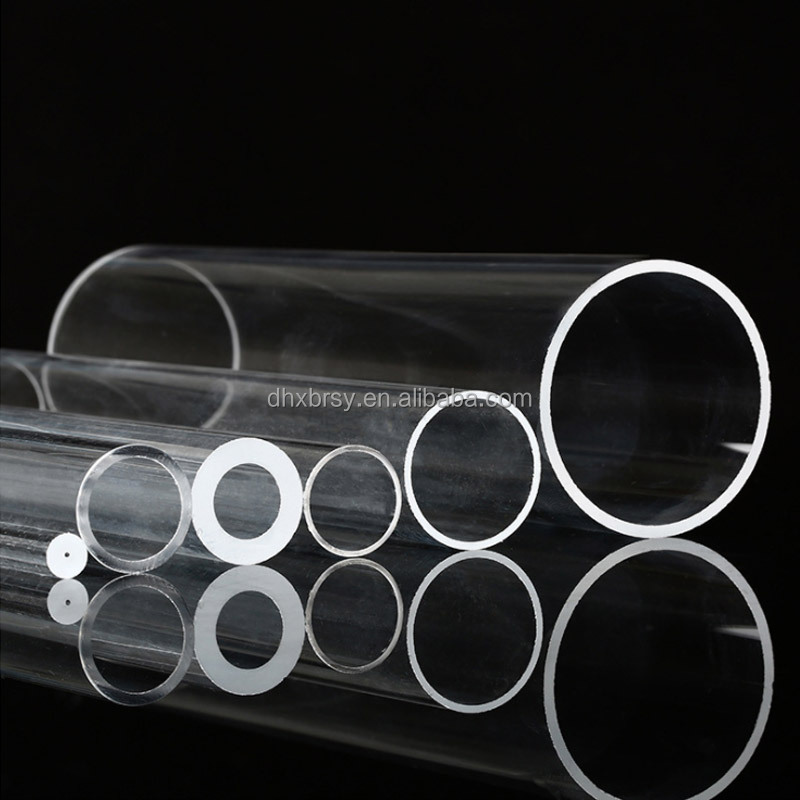
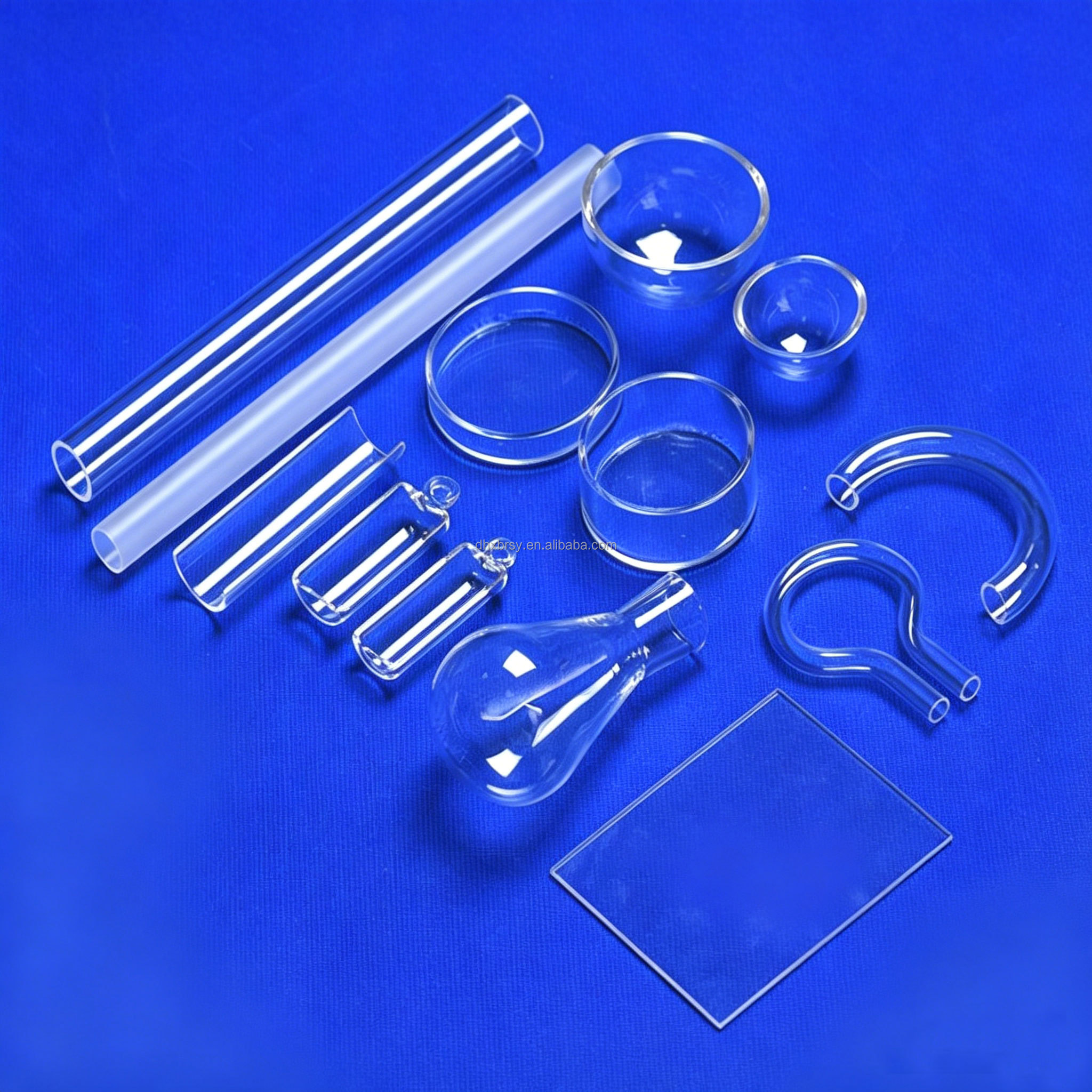
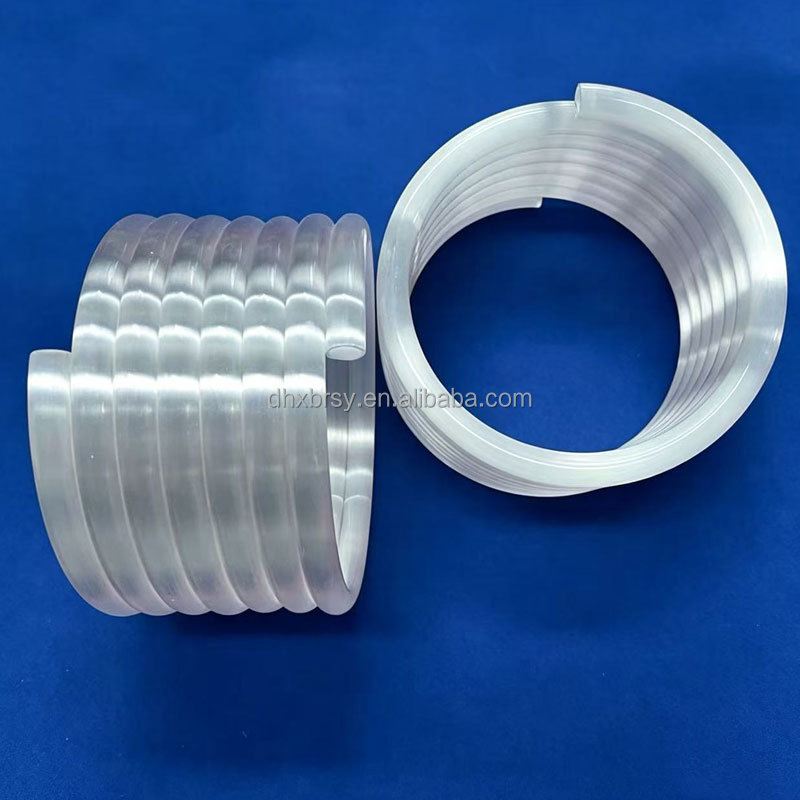
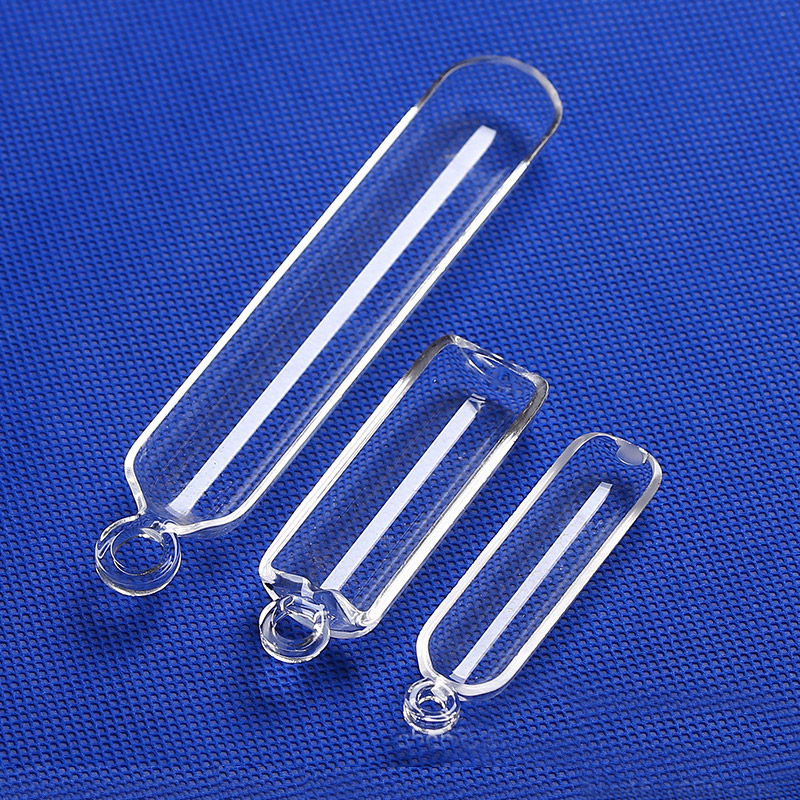
Precision Quartz Flow-Through Cuvette Manufacturing: The Physics of Continuous Spectrophotometry
In continuous flow analytical chemistry, HPLC (High-Performance Liquid Chromatography) ultraviolet detection, flow cytometry, and inline bioprocess monitoring, the quartz flow through cuvette represents the optical-fluidic interface where analytical data integrity is either preserved or irreversibly lost. Unlike static cuvettes, dynamic flow-through cells must concurrently resolve hydrodynamic shear profiles, zero-dead-volume fluid mechanics, micro-bubble degassing dynamics, and extreme optical transmittance across the deep ultraviolet (DUV) to near-infrared (NIR) spectrum.
At our manufacturing facilities in Lianyungang—China’s epicenter for high-purity silica raw materials and micro-machining craft—we eliminate standard solvent-adhesive bonding in favor of high-temperature optical contact fusion bonding. By chemically polishing the inner mating surfaces to within λ/4 flatness (PV) and firing them past 1150°C in our computer-regulated vacuum diffusion furnaces, we force direct silicon-oxygen covalent molecular cross-linking between the optical windows and the fluidic channel body. The resultant flow-through cuvette acts as a singular monolith of fused quartz, entirely devoid of epoxy resins or optical glues that leach organic contaminants, yellow under harsh 254 nm excimer radiation, or swell when contacted by aggressive organic solvents like acetonitrile, tetrahydrofuran (THF), and dimethyl sulfoxide (DMSO).
Hydrodynamic Micro-Channel Architecture
Designed with tapered inlet/outlet fluid nozzles and polished internal conduits to minimize laminar boundary-layer separation. This geometry prevents turbulent vortices, sweeps away secondary back-eddies, and mitigates micro-bubble nucleation that causes baseline signal spikes in continuous flow spectrophotometry.
Optical Pathlength Precision (±0.005 mm)
Beer-Lambert quantitative accuracy hinges entirely on pathlength consistency (A = ε·b·c). Our CNC micro-grinding and double-sided lap-polishing machines enforce pathlength tolerances down to ±0.005 mm across standard 10mm, 5mm, 2mm, and sub-millimeter micro-apertures, ensuring zero recalibration drift between cuvette replacement batches.
Synthetic JGS1 vs. JGS2 Transmission Purity
Montreal pharmaceutical labs demand deep-UV transparency. By selecting JGS1 synthetic fused silica (low hydroxyl, OH < 2 ppm, transmission > 80% at 190 nm), our cuvettes support DNA/protein quantification at 260/280 nm without window photo-degradation or solarization-induced optical haze.
| Physical & Optical Parameter | Synthetic Fused Silica (JGS1) | Optical Fused Quartz (JGS2) | Infrared Quartz (JGS3) | Borosilicate Lab Glass (Reference) |
|---|---|---|---|---|
| Spectral Range (T > 80%) | 190 nm – 2500 nm | 220 nm – 2500 nm | 260 nm – 3500 nm | 320 nm – 2000 nm |
| Deep-UV Transmission (@ 200 nm) | ≥ 88.5% | ≥ 72.0% | Near Zero (Opaque UV) | 0% (Completely Absorptive) |
| Bonding Technology | Molecular Fusion / Direct Fused | Molecular Fusion / Direct Fused | Molecular Fusion | Epoxy Resin or Fritted Glass |
| Coefficient of Thermal Expansion | 5.5 × 10⁻⁷ / °C | 5.5 × 10⁻⁷ / °C | 5.4 × 10⁻⁷ / °C | 33 × 10⁻⁷ / °C |
| Max Operating Temperature | 1100 °C (Continuous) | 1100 °C (Continuous) | 1150 °C | 450 °C |
| Internal Polarization Strain Value | ≤ 4 nm/cm (Stress Annealed) | ≤ 8 nm/cm | ≤ 10 nm/cm | ≥ 25 nm/cm |
Quartz Flow-Through Cuvette Applications Across Greater Montreal
From the biotech corridors of Laval and Saint-Laurent to world-class life science research institutions on Mount Royal, our custom flow-through quartz assemblies drive mission-critical workflows across Quebec.
Montreal stands as one of North America’s premier life sciences hubs, home to more than 1,000 corporate organizations, world-renowned contract research organizations (CROs), and massive university health centers like the McGill University Health Centre (MUHC) and Centre hospitalier de l'Université de Montréal (CHUM). In these demanding, high-throughput operating environments, quartz flow-through cells serve as foundational infrastructure for analytical validation:
Biopharmaceutical Process Analytical Technology (PAT)
Deployed in Technoparc Montréal and Laval’s Biotech City, our flow-through cuvettes integrate with inline UV/Vis spectrometers on continuous bioprocess skids. They monitor monoclonal antibody (mAb) titer levels, chromatography column breakthrough, and viral purification kinetics under strict cGMP protocols without interrupting sterile flowpaths.
Academic Proteomics & Structural Biology
Researchers at McGill University’s Bellini Life Sciences Complex and Université de Montréal utilize our custom optical micro-volume cuvettes (as low as 8 μL internal aperture volume) for circular dichroism (CD), stopped-flow enzyme kinetics, and microfluidic macromolecular binding assays where sample conservation is paramount.
Saint Lawrence River Watershed Environmental Testing
Environmental testing laboratories in Pointe-Claire, Longueuil, and Anjou leverage our ruggedized, threaded three-way quartz flow cells for automated continuous-flow water analysis (CFA), measuring trace nitrates, dissolved organic carbon (DOC), phosphorus, and industrial effluents with prolonged resistance to abrasive mineral scaling.
Procurement Evolution: Navigating Supply Chain Resiliency in Quebec
Key market developments shaping how Canadian laboratory equipment manufacturers, analytical service providers, and university consortia procure precision quartz apparatus.
Over the past five years, the North American laboratory supply chain has encountered severe friction: localized OEM distributor consolidation has driven markups on standard spectrophotometer flow cells up by 250% to 400%, accompanied by lead times expanding past 16 to 24 weeks. Montreal’s agile biomedical and analytical engineering firms are actively altering their procurement models to counter these structural vulnerabilities:
Factory-Direct OEM/ODM Disintermediation
Analytical instrument builders in Saint-Laurent and Laval are bypassing intermediary brand-label re-sellers. By sourcing directly from specialized primary Chinese quartz manufacturers with in-house CNC ultrasonic milling and polarization stress testing, Canadian buyers reduce component acquisition budgets by 45–60% while gaining custom drawing-to-part production capabilities.
Shift to Continuous Inline Biomanufacturing
Quebec’s biomanufacturing scale-ups are migrating from batch chromatography to continuous counter-current tangential flow filtration and inline PAT. This evolution mandates flow cells capable of long-term stability under cyclical CIP (clean-in-place) flushes with 1M sodium hydroxide (NaOH) and nitric acid, requiring high-temperature fused quartz rather than adhesive-sealed glass.
Strict Traceability & Material Compliance
Under Health Canada and FDA audit frameworks, Montreal life-science enterprises must verify raw material provenance. Our ISO 9001 and SGS onsite-verified manufacturing operations provide full traceability documentation: batch certificate of analysis (COA), RoHS compliance, and polarization stress inspection test sheets for each shipment landed at YUL Montreal-Trudeau Airport or the Port of Montreal.
Frequently Asked Questions by Montreal Buyers & Lab Engineers
Addressing the technical, logistics, and compliance inquiries most commonly posed by lab procurement managers, bioprocess engineers, and university purchasing agents in Quebec.
How are fragile quartz flow cuvettes packed to ensure safe transit to Montreal?
Each optical cuvette is first ultrasonically cleaned, vacuum-sealed in static-shield cleanroom pouches, and cushioned within customized, high-density closed-cell EPE foam enclosures. Outer shipping units utilize reinforced, shock-absorbing export master cartons or bespoke multi-layer wooden cases. We maintain a verified transit damage rate under 0.05% across all shipments sent via DHL Express, FedEx Priority, and air cargo to Montreal (YUL).
What is the typical lead time and shipping duration to Greater Montreal?
Standard quartz flow cuvettes, capillary tubes, and standard wafer boats ship within 3 to 7 business days from stock. Custom drawing-based parts (PDF, DWG, STEP) require 12 to 18 days for CNC machining, precision optical polishing, annealing, and final QA stress validation. Transit via international express to Greater Montreal typically takes 4 to 6 business days, complete with automated pre-clearance documentation for Canada Border Services Agency (CBSA).
How do we verify whether we need JGS1 or JGS2 quartz material?
If your spectrophotometer or detector operates below 260 nm (e.g., measuring peptide bonds at 214 nm, nucleic acids at 260 nm, or deep-UV ozone absorption at 254 nm), JGS1 synthetic fused silica is strictly mandatory to prevent solarization and high background absorption. For visible-spectrum colorimetric flow assays, UV curing, or standard industrial sight windows (320 nm to 2500 nm), JGS2 flame-fused quartz offers identical thermal and mechanical endurance at a lower cost.
Can you manufacture custom micro-volume flow cells based on our proprietary CAD files?
Yes. As a direct OEM/ODM quartz factory, we regularly fabricate specialized flow-through cuvettes, 96-well fused quartz microplates, and multi-bore capillary flow chambers from customer engineering drawings (PDF, AutoCAD DWG, DXF, or 3D STEP). Our engineers assess aspect ratios, port thread interfaces (such as 1/4-28 UNF or M6 chromatography fittings), and optical apertures prior to production, offering rapid 1-piece prototyping.
What documentation is provided to satisfy Canadian cGMP and university audits?
Every commercial order is accompanied by our comprehensive QA dossier, including Material Inspection Certificates verifying SiO₂ purity (≥ 99.99%), Spectrophotometric Transmission Scans (190 nm – 1100 nm), Dimensional Inspection Reports, RoHS compliance declarations, and Polarization Stress Annealing Verification certificates. Our production floor operates under third-party verified SGS onsite surveillance.
What is the proper cleaning and maintenance protocol for fused quartz flow cells?
Because our cells feature molecular optical contact fusion, they tolerate cleaning chemicals that would disintegrate adhesive-bonded glass. For biological deposits, use warm 3M nitric acid or enzymatic lab detergents. For stubborn organic residues, sequential flushes of HPLC-grade methanol, acetone, and deionized water are recommended. Never use hydrofluoric acid (HF) or concentrated alkaline solutions heated above 50°C, as they etch silica surfaces and degrade optical transmission.
Why Global Analytical Leaders Partner with Lovri Quartz
Combining primary mineral processing with sub-micron CNC optical glassworking in China’s Silicon Valley of quartz glass: Lianyungang, Jiangsu.
Raw Silica Control
We crush, screen, and acid-pickle natural and synthetic silica in-house, securing 99.99% SiO₂ baseline purity free from transitional heavy metal contaminants.
SGS-Verified Plant
Operating across 14,271 m² of specialized workshops independently audited and certified onsite by SGS Group, upholding international manufacturing rigor.
Multi-Axis CNC Milling
Equipped with ultrasonic glass machining centers and precision laser glass cutters capable of holding ±0.01 mm exterior tolerances and complex fluidic ports.
100% Polarization QA
Internal mechanical stress induces double-refraction and premature thermal cracking. Every single batch is strictly inspected via polariscopic strain testers.
Vertical Factory Integration from Raw Crystal to Certified Optical Component
Most glass trading intermediaries outsource cutting, drilling, polishing, and tube drawing to disparate cottage workshops. Lovri Quartz consolidates all twelve production disciplines under one unified roof in Lianyungang’s Tuofeng Industrial Park:
Our integrated workflow encompasses lump grading, high-frequency vibratory pulverizing, multi-stage acid leaching, electric/flame vacuum fusion, automated precision tube drawing, controlled atmosphere annealing furnaces, ultrasonic CNC drilling, optical window lap-polishing, flame micro-welding, and cleanroom packaging. This end-to-end sovereignty ensures that research institutions and OEMs in Montreal receive custom flow-through cuvettes manufactured with uncompromising material fidelity, verifiable batch-to-batch repeatability, and direct factory pricing.
Engineering Custom Quartz Flow Cells for Your Analytical Workflow
Whether you need standard replacement flow-through cuvettes, UV-Vis chromatography flow cells, or proprietary multi-channel photonic assemblies built to your CAD drawing, our engineering team is ready to assist your Montreal operations with rapid quotations and prototyping.