99.99%
Pure SiO&sub2; Chemical Matrix
1,400°C
Short-Term Peak Thermal Tolerance
±0.01mm
Precision Capillary Bore Tolerance
14,271m²
Dedicated Manufacturing Facility
Precision-Engineered Fused Quartz Portfolio
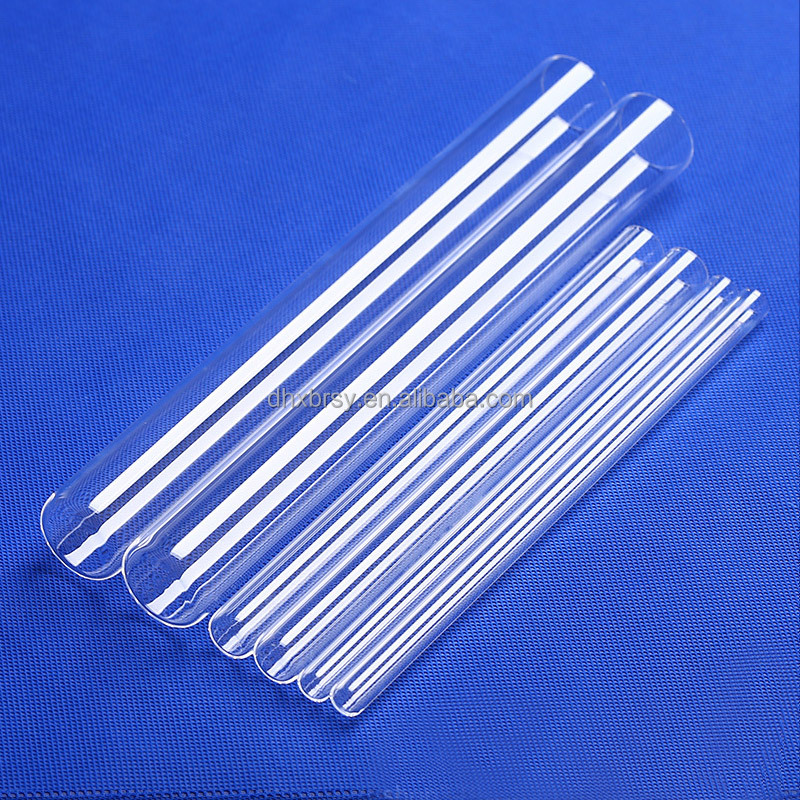
Direct factory supply of high-purity capillary rods, high-transmittance optical plates, multi-bore laser tubes, and digestion apparatus tailored for scientific, energy, and process industries in Saint Lucia.
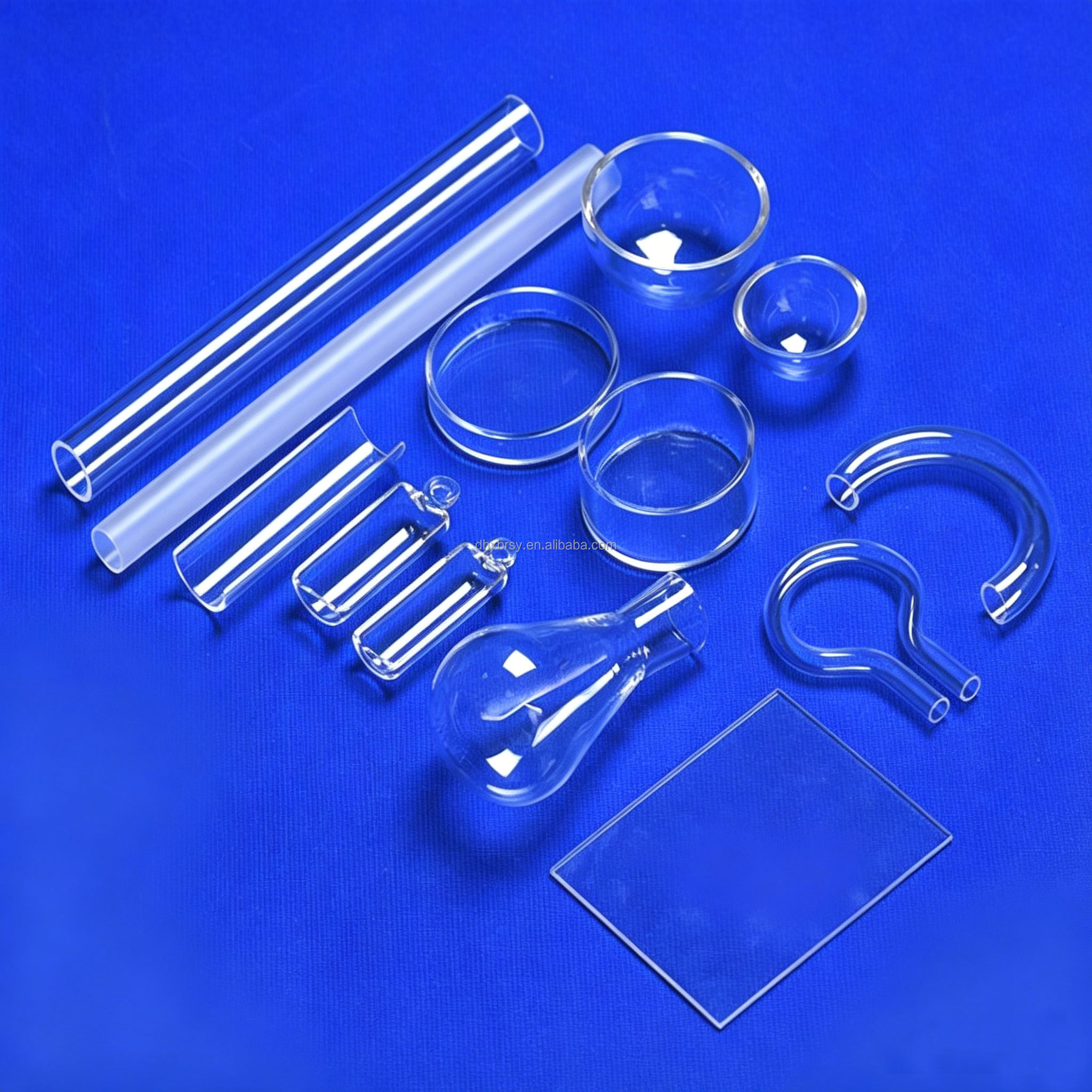
BAO RAN 99.99% SiO2 Content Transparent Fused Quartz Sheet Optical Laser Machinery Insulated Precision Instrument ROHS 200 Mesh
View Specifications →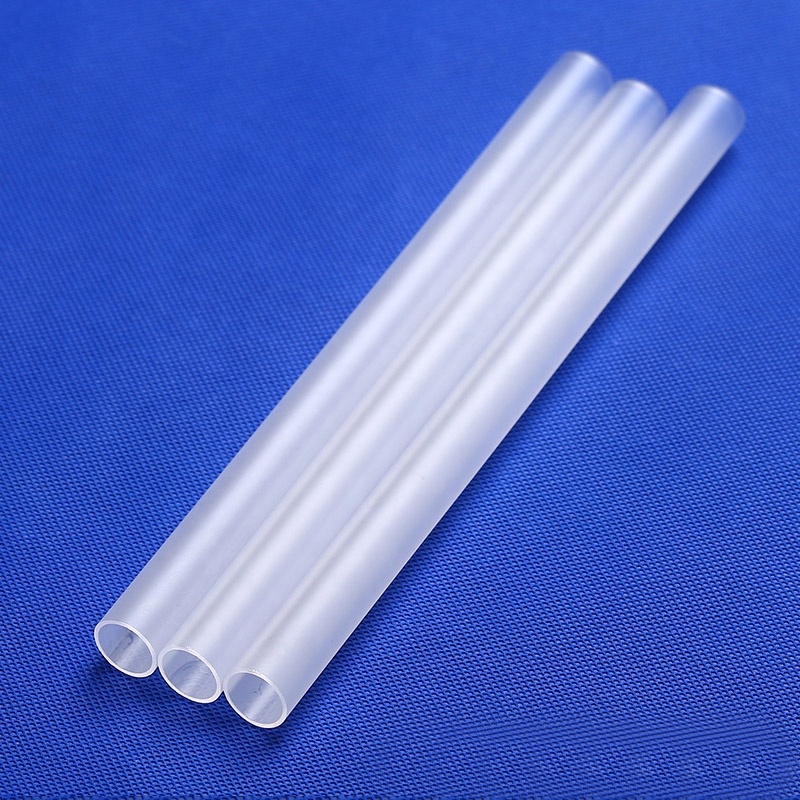
High Purity Translucent Polished Quartz Glass Tube Welding Bending Cutting High Ozone Ozone Generator Lab Infrared Heating UV
View Specifications →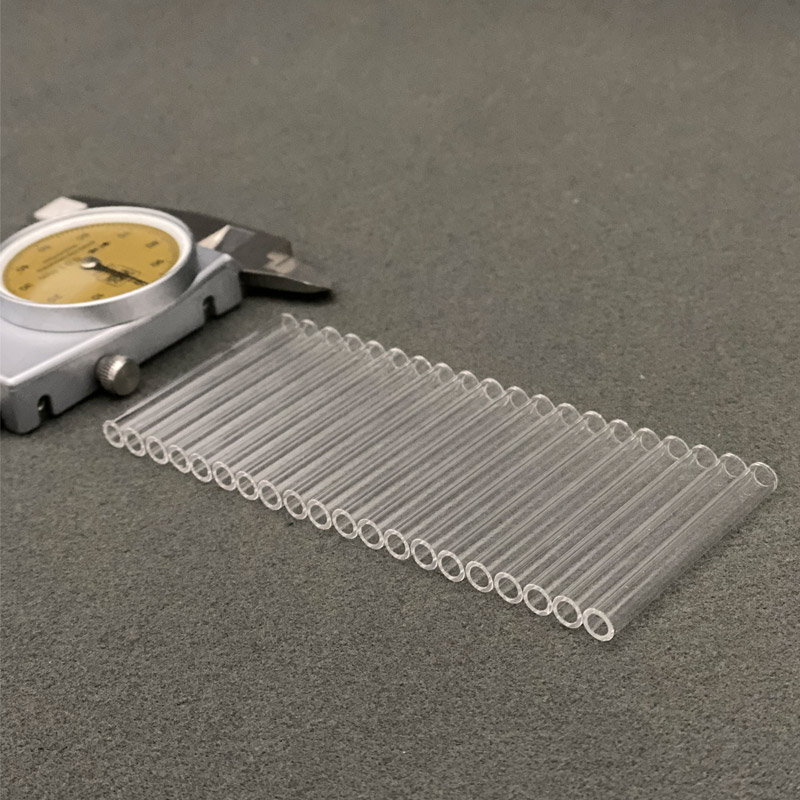
BAO RAN 419 Fused Quartz Capillary Tube (SiO2 99.99% 200 Mesh 75m Annealed 1200C ROHS Certified) Laser Machinery
View Specifications →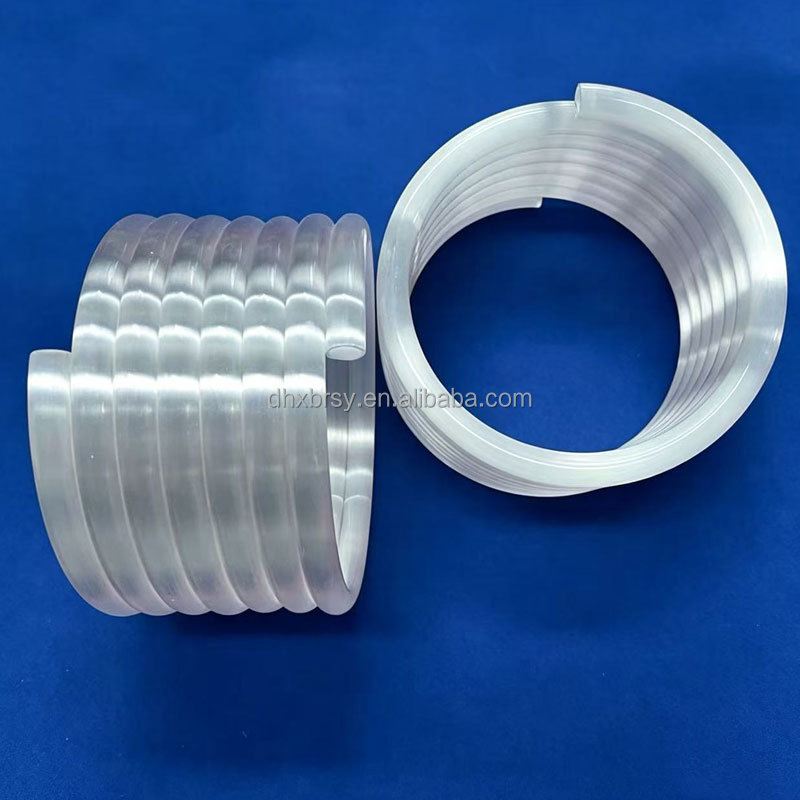
Custom Milky White Opaque Fused Silica Quartz Spiral Tube Helix Coil for Industrial Infrared Heating Furnace
View Specifications →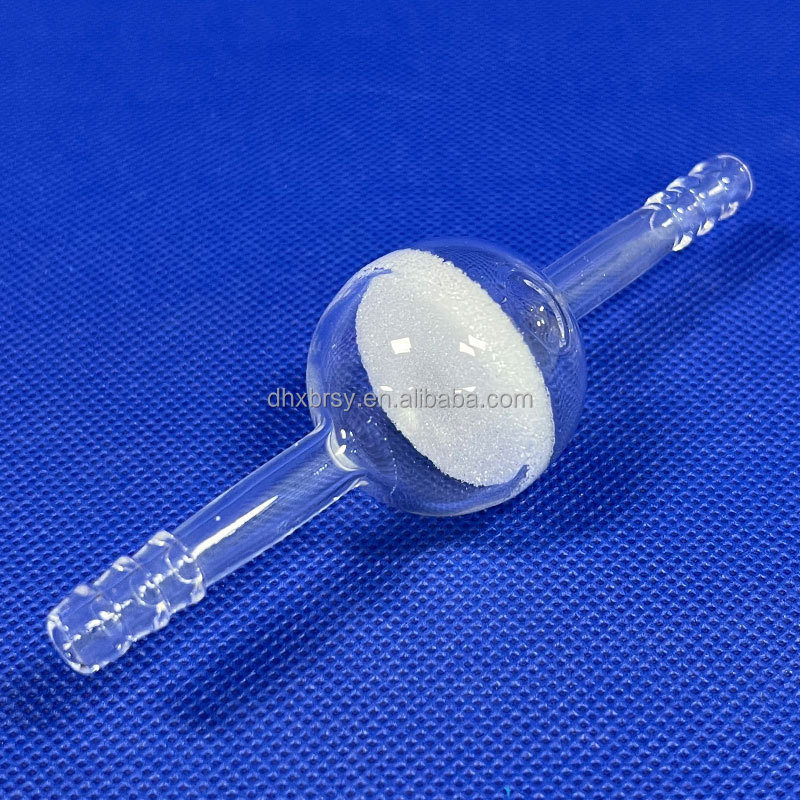
High Purity Transparent Fused Quartz Sheet High Light Transmittance Heat Resistance Customizable Digestion Tube ROHS Certified
View Specifications →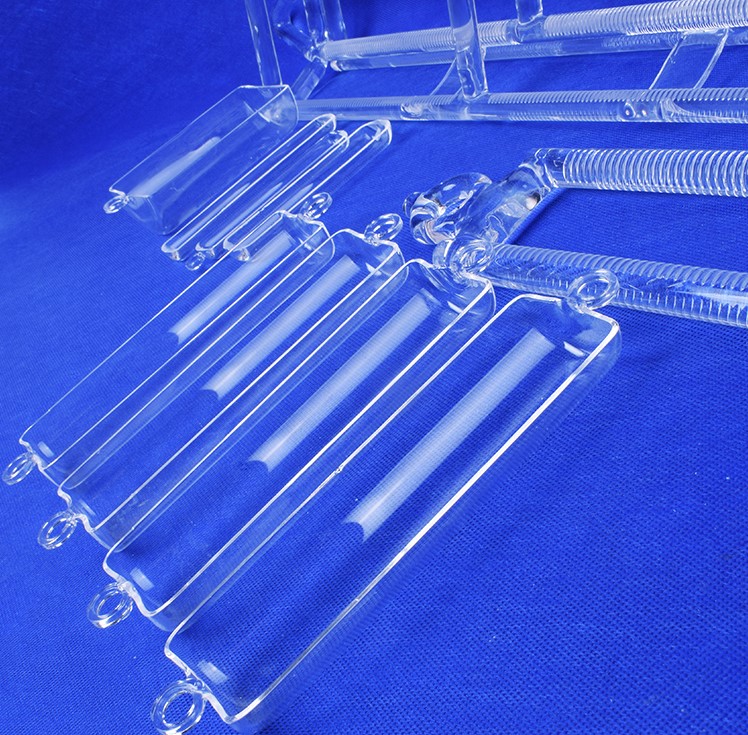
Fused Quartz Boats (SiO2 99.99%) for Chemical Industry & Photovoltaics Customizable Sizes
View Specifications →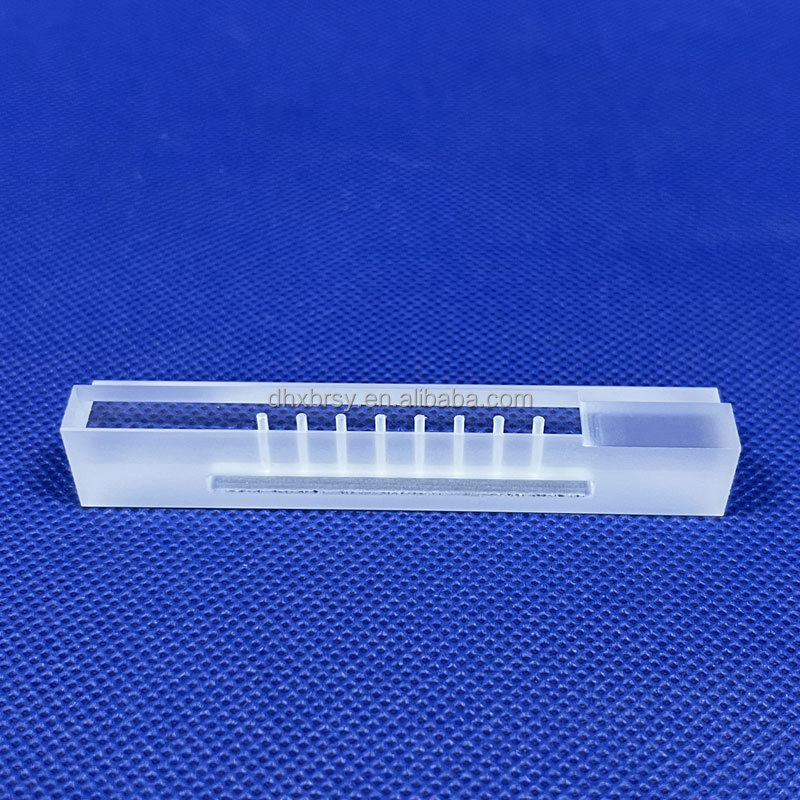
High Purity Fused Quartz V Groove Fixture Precision Machined Quartz Fiber Array Holder Optical Communication Laser 99.99% Silica
View Specifications →Engineering Whitepaper: Thermodynamic & Optical Integrity
A rigorous examination of amorphous silicon dioxide (SiO&sub2;) morphology, thermal shock resistance parameters, and why Chinese precision drawing dominates international scientific procurement.
In the demanding realm of precision glass fabrication, fused quartz capillary rods represent an apex material solution combining exceptional mechanical stiffness, near-zero thermal expansion, wide-band spectral transmittance, and profound chemical inertness. Unlike standard soda-lime or borosilicate glasses which incorporate boron and alkaline fluxes, transparent fused silica is formed entirely of non-crystalline silicon dioxide in tetrahedral coordination. When processed at raw material purities exceeding 99.99% SiO&sub2;—as systematically executed at Lovri Quartz in Lianyungang, China—the resulting amorphous structure exhibits an extraordinarily low coefficient of thermal expansion (α ≈ 5.5 × 10⁻⁷ / °C between 20°C and 300°C). This thermal property permits quartz capillary rods and micro-tubes to survive instantaneous quenching from 1100°C directly into ice-cold seawater without initiating macroscopic micro-fractures or structural flaking.
For high-precision analytical equipment, laser delivery modules, and specialized optical instrumentation shipped to the Saint Lucia market, dimensional repeatability is paramount. Capillary rods function not merely as protective housings, but as active optical waveguiding elements, micro-fluidic flow path conduits, and dielectric isolation spacers. Lovri Quartz employs continuous horizontal and vertical thermal draw towers regulated by real-time laser diffraction outer-diameter (OD) gauging. This automated precision ensures that micro-bore capillary rods from 0.5 mm up to 15.0 mm maintain circular concentricity within ±0.01 mm, eliminating optical refraction distortions, hydrodynamic flow turbulence, and mechanical stress concentrations during subsequent laser sealing, flanging, or V-groove assembly.
| Performance Parameter | High-Purity Fused Quartz (Lovri) | Borosilicate Glass (3.3) | Standard Soda-Lime Glass |
|---|---|---|---|
| SiO&sub2; Purity Level | ≥ 99.99% (Low Metallic Contaminants) | ≈ 80.5% (High B&sub2;O&sub3; / Na&sub2;O content) | ≈ 72.0% (Alkaline Flux Dominant) |
| Thermal Expansion (α) | 5.5 × 10⁻⁷ / °C (Zero Thermal Shock Failure) | 33 × 10−7 / °C (Moderate Shock Limit) | 85 × 10−7 / °C (Extremely Fragile to Heat) |
| Continuous Working Temp | 1,100 °C (Short Peaks to 1,350–1,400 °C) | 450 °C | 120 °C |
| Spectral Transmittance | 185 nm – 2,500 nm (Deep-UV to Mid-IR) | 310 nm – 2,200 nm (Near-UV Cutoff) | 380 nm – 2,000 nm (Visible Light Only) |
| Acid Corrosion Resistance | Immune to all mineral acids (except HF/H&sub3;PO&sub4;) | Susceptible to alkaline and hot acid etching | Rapid dissolution and ion exchange decay |
Localized Applications Across Saint Lucia & the Caribbean
Adapting high-purity quartz capillary rods and apparatus to tropical marine environments, municipal desalination, environmental laboratories, and renewable geothermal ventures.
Geothermal Fluid Monitoring in Soufrière
Saint Lucia's ongoing geothermal exploration in the Qualibou Caldera / Sulphur Springs region requires downhole monitoring instruments capable of surviving pressurized superheated steam, hydrogen sulfide (H&sub2;S), and mineral-rich volcanic brines exceeding 280°C.
Lovri fused quartz capillary rods and sealed thermowells function as unyielding dielectric sensor housings and fiber-optic guides that remain transparent under continuous geothermal thermal cycling without clouding or ion-leaching breakdown.
- Zero devitrification under wet sulfur gases
- Direct thermal stability up to 1100°C
Desalination & Marine UV Disinfection
With Saint Lucia's critical dependence on resort-scale reverse osmosis (RO) desalination and WASCO municipal water sanitation, UV-C sterilizers must operate 24/7 without atmospheric solar degradation or salt aerosol corrosion.
Our JGS2 and JGS1 quartz tubes and capillary sleeves transmit >90% of germicidal 254 nm ultraviolet radiation, preventing bio-fouling on sensor tips while enduring the high hydraulic pulses typical of high-pressure desalination intake manifolds.
- Immune to hyper-saline oceanic corrosion
- Ultra-high 254 nm germicidal UV penetration
Analytical Chemistry & Agritech in Castries
Laboratories conducting agricultural soil testing, banana export quality compliance, rum distillery fermentation tracking, and marine biodiversity water assay in Castries require ultra-pure digestion tubes and micro-bore capillary tubing.
Eliminating trace metal background leaching (such as boron, sodium, iron, or lead) during acid digestion is vital for achieving trace-level parts-per-billion (ppb) detection limits in Inductively Coupled Plasma Mass Spectrometry (ICP-MS).
- ≥99.99% SiO&sub2; eliminates trace ion artifacts
- Total resistance to boiling nitric and perchloric acid
Regional Trade Dynamics & Supply Chain Resilience
Navigating Caribbean logistical realities, OECS import protocols, and how direct sourcing from Lianyungang reduces lead times and total landing costs.
Procurement directors and laboratory technicians across Saint Lucia and the wider Organisation of Eastern Caribbean States (OECS) have historically confronted inflated intermediary markups and protracted delivery timelines when ordering technical quartz components through North American or European distributors. Often, small-batch capillary rod orders languish in third-party supply chains, racking up re-handling fees before finally shipping to Castries or Vieux Fort.
By partnering directly with a genuine Chinese manufacturing facility like Lovri Quartz, Saint Lucian enterprises establish a lean, direct-from-source pipeline. Situated in Lianyungang—the historical epicenter of China’s high-purity silica industry—our operations capitalize on complete vertical integration: from localized silica sand acid leaching to CNC flame polishing and vacuum sealing. This direct structure yields three distinct economic advantages for Caribbean commercial buyers:
Elimination of Reseller Surcharges
Procuring straight from the factory floor cuts out middle-tier Western trading firms, securing true wholesale tier-1 manufacturing prices on custom capillary rods and optical apparatus.
Direct-to-Drawing Customization
No miscommunication through brokers. Send your STEP, DWG, or PDF CAD drawings directly to our engineering team for instant design-for-manufacturability feedback and customized tooling.
Expedited Ocean & Air Logistics
Pre-cleared export documentation tailored for CARICOM entry points, backed by specialized high-density shock-proof crating engineered to survive multi-modal maritime transshipment.
Factory Excellence: 14,271 m² Dedicated Production
Underpinning every delivered rod with rigorous metallurgical-grade chemical refinement, polarization stress analysis, and third-party SGS onsite verification.
SGS Onsite-Verified Facility
Independently audited physical manufacturing workshops, employee qualifications, and automated CNC machinery centers, confirming authentic source-factory status.
Polariscope Stress Inspection
Every single annealed capillary tube and rod batch undergoes optical polarization stress testing to ensure complete absence of residual mechanical stresses that trigger field shattering.
Raw Silica Chemical Leaching
We purify natural crystalline quartz sand through 12-stage acid pickling in-house, maintaining rigorous control over iron (Fe < 1.5 ppm), aluminum, and hydroxyl (OH−) impurity thresholds.
Sub-Micron Diamond CNC Centers
Equipped with 4-axis and 5-axis ultrasonic CNC diamond grinding machinery, facilitating V-groove arrays, laser-micro-slotted tubes, and polished optical flats within microns.
Procurement FAQ for Saint Lucian Buyers
Clear, definitive answers addressing shipping logistics, climate resilience, custom tolerances, and order verification.
How are fragile quartz capillary rods protected against breakage during transit to Saint Lucia?
Every shipment destined for the Caribbean undergoes our certified 3-layer export packing standard. Individual capillary rods are encased in vacuum-sealed dust-free polyethylene sleeves, nestled inside high-density pre-slotted Pearl Cotton (EPE) damping foam, and enclosed within shock-isolated inner cartons. The entire consignment is then banded into fumigated solid-plywood crates with integrated impact indicators. Whether routing via international air courier directly to Hewanorra International Airport (UVF) or consolidated ocean freight into Port Castries, our damage rate remains below 0.15%, backed by an instant free-replacement guarantee.
What is the optical difference between JGS1, JGS2, and JGS3 quartz capillary rods?
JGS1 is synthetic fused silica synthesized from silicon tetrachloride; it features zero bubble inclusions and outstanding deep-ultraviolet transmission (>90% at 185–254 nm), making it the premier choice for UV laser optics and precision spectroscopy. JGS2 is produced via high-temperature oxyhydrogen flame fusion of natural quartz crystal; it offers exceptional UV-visible transmittance (220–2500 nm) and serves as an economical standard for sight glasses, UV sterilizer sleeves, and laboratory apparatus. JGS3 is electrically vacuum-fused quartz with minimal hydroxyl (OH− < 5 ppm) content, delivering superior transmission throughout the infrared spectrum up to 3500 nm, specifically suited for infrared heaters and industrial thermal viewports.
Can Lovri Quartz manufacture custom capillary rods from our technical sketches or engineering files?
Yes. Over 75% of our export output comprises custom-engineered components fabricated to client specifications. We accept design files in PDF, DWG, DXF, and STEP 3D formats. Our skilled quartz glass blowers and CNC operators can execute round, square, multi-bore (dual-bore, triple-bore, C-shape), threaded, dome-closed, or flanged geometries with outer diameters ranging from 0.5 mm to 300 mm and length cuts held to ±0.2 mm.
What Minimum Order Quantity (MOQ) applies to specialty laboratory or prototype orders?
We recognize that research institutes, utility pilot projects, and specialized resorts often require prototype validation before committing to bulk purchases. Consequently, we maintain an MOQ of just 1 to 5 pieces on many standard capillary rods, digestion tubes, and optical window plates. High-volume container pricing is seamlessly available once designs are verified on-site in Saint Lucia.
How does quartz glass endure the high humidity and salty maritime climate of the West Indies?
Standard borosilicate and soda-lime glasses gradually suffer from "glass disease" or micro-clouding when continuously subjected to high ambient humidity, elevated temperatures, and atmospheric sodium chloride spray. Fused quartz is completely amorphous and chemically inert, lacking the alkaline modifiers (such as sodium and calcium) that leach out of common glasses. It exhibits total chemical stability against tropical maritime degradation, ensuring permanent optical clarity and zero mechanical weakening over decades of seaside service.
Launch Your Quartz Glass Project with Lovri Engineers
Whether you require standard capillary rods, custom digestion vessels, or high-pressure furnace components delivered to Saint Lucia, our factory technical team is standing by to evaluate your CAD drawings, verify tolerances, and supply an itemized FOB/CIF quotation within 24 hours.
Contact Us