OPTICAL SHEET
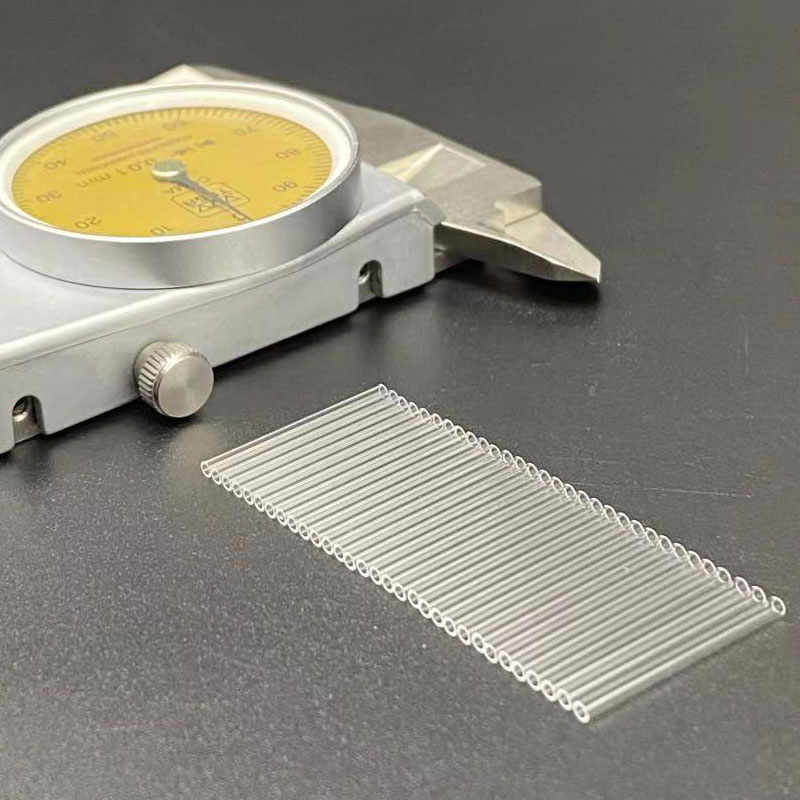
BAO RAN 419 Ultra-Thin Quartz Sheet (0.1–0.5mm)
99.99% SiO₂ optical grade substrate. RoHS certified, engineered for laser alignment systems and micro-viewports.
Direct from our Lianyungang manufacturing workshops: high transmission quartz light guide rods, specialized flow assemblies, and precision CNC components delivered to European engineering standards.
99.99% SiO₂ optical grade substrate. RoHS certified, engineered for laser alignment systems and micro-viewports.
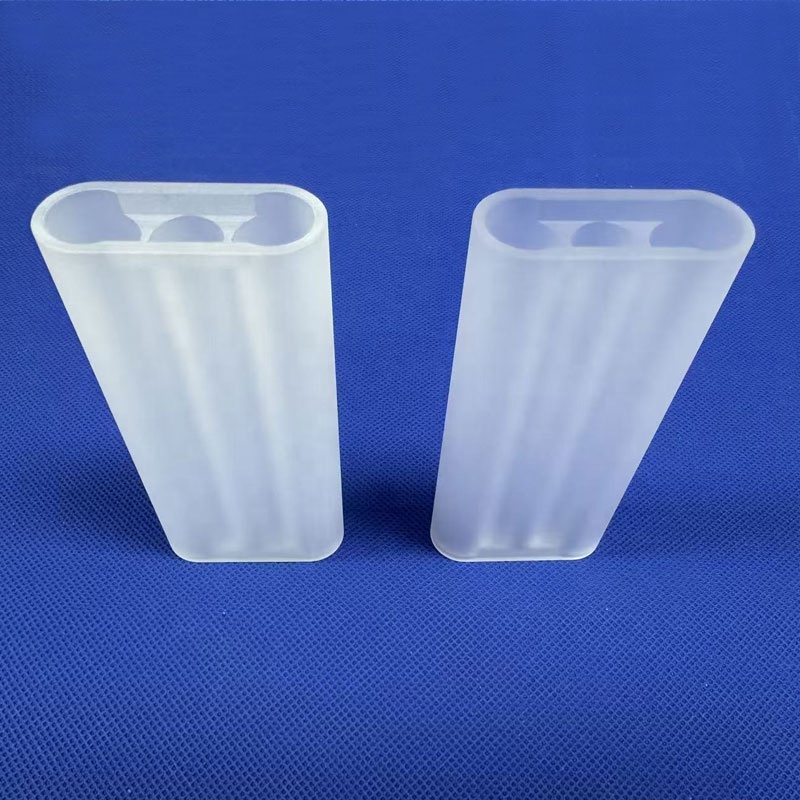
Cavity flow tube engineered for medical & industrial laser units. Resists thermal stress with polarization-checked stability.
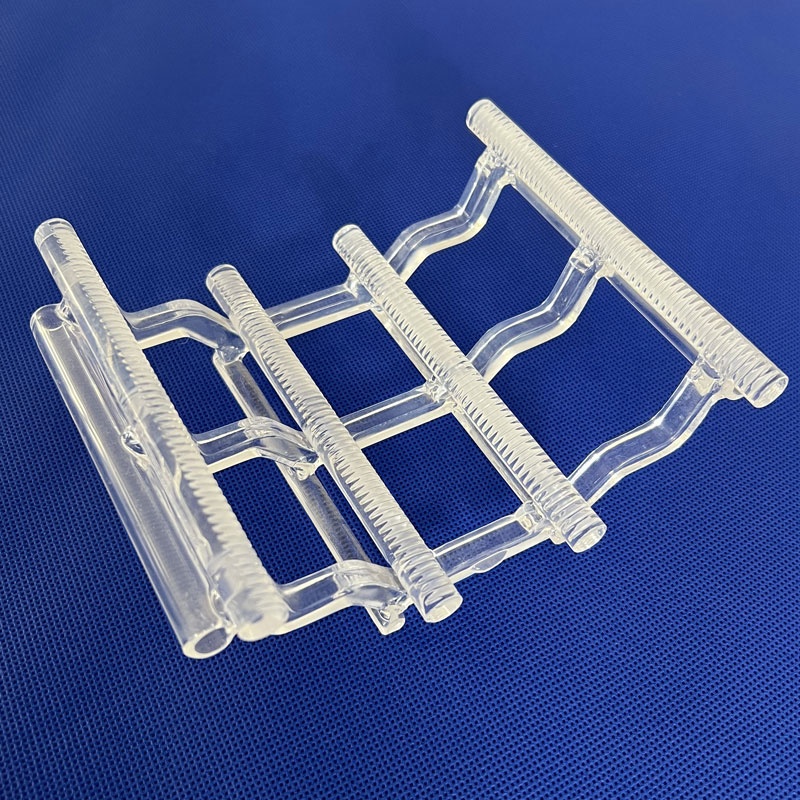
Custom slot pitching, precision-welded thermal carrier. Tolerates long cycling up to 1,100°C under corrosive diffusion vapors.
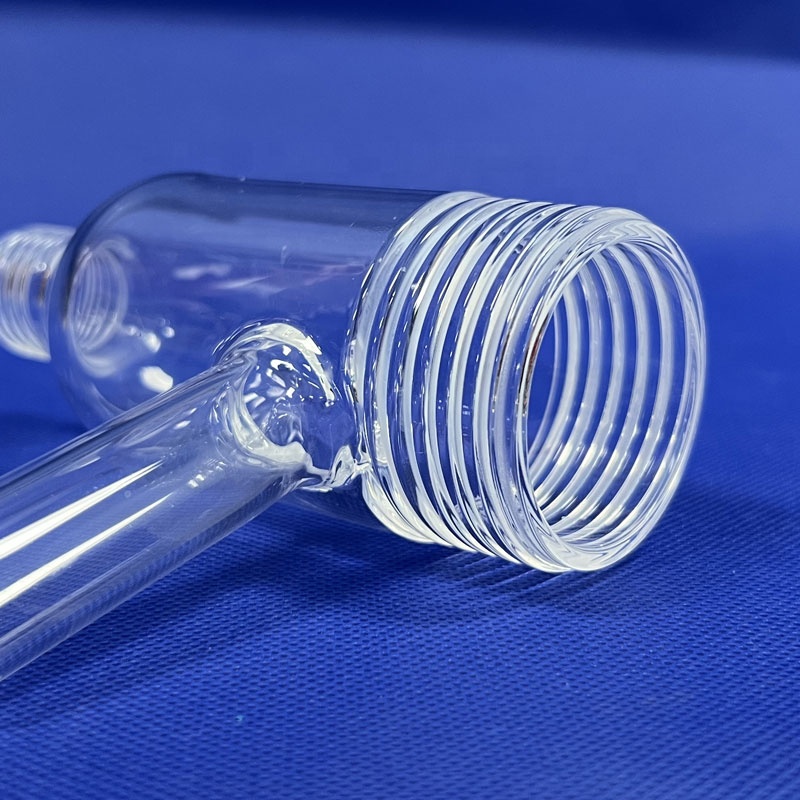
Custom transparent laboratory reactor vessel featuring precision side-arm welds and chemically inert precision threads.
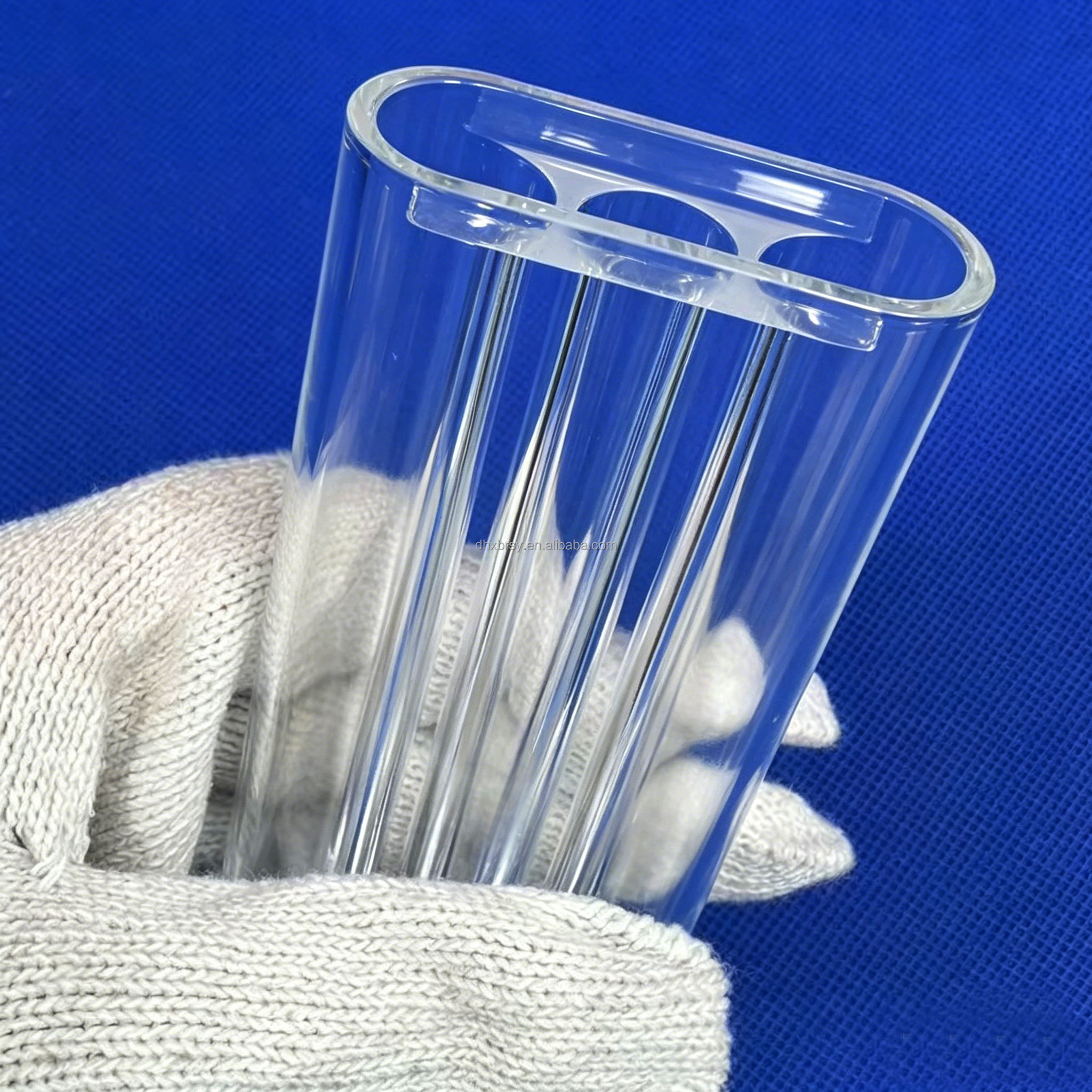
Large-diameter drawn fused silica tube with ultra-low thermal coefficient. Short-term heat resistance peaking up to 1,300°C.
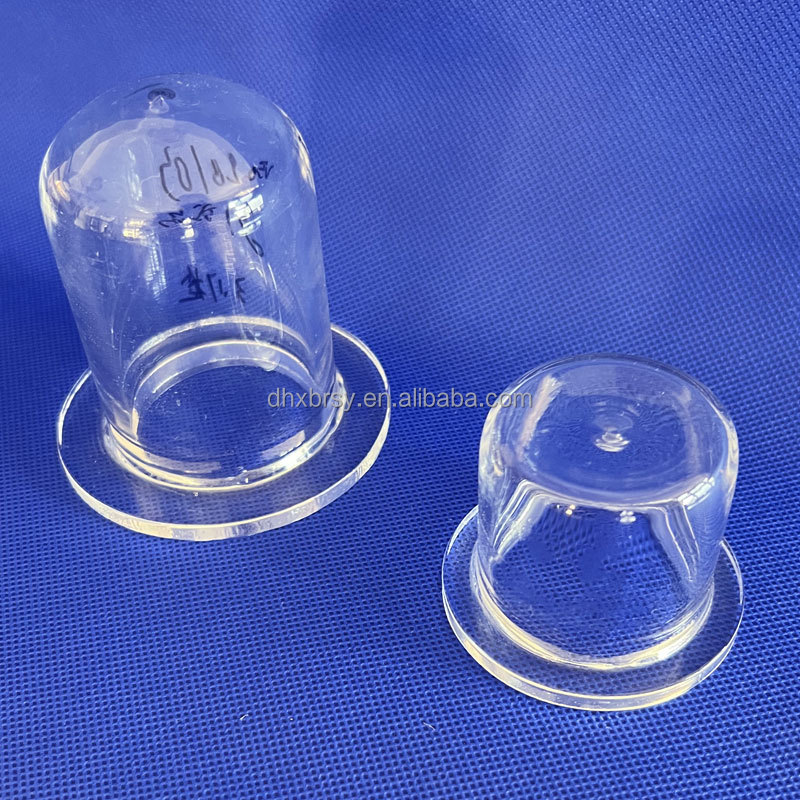
Optimized for solar cell sintering and wafer processing chambers. Guarantees minimal thermal distortion and low metal traces.
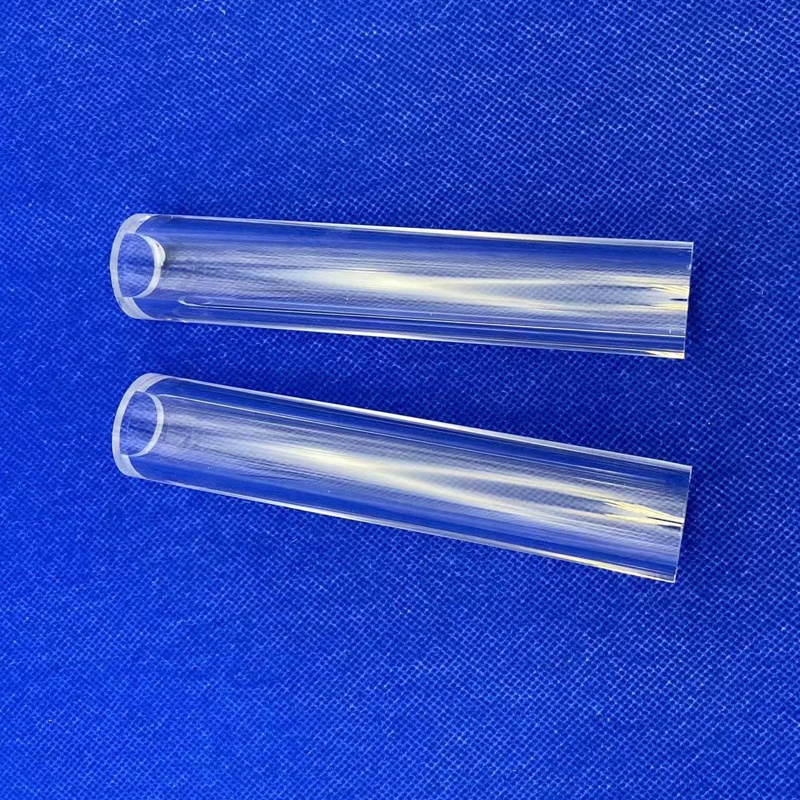
Tight dimensional control for ozone generators and far-infrared systems. Flawless cutting, bending, and fire-polishing.
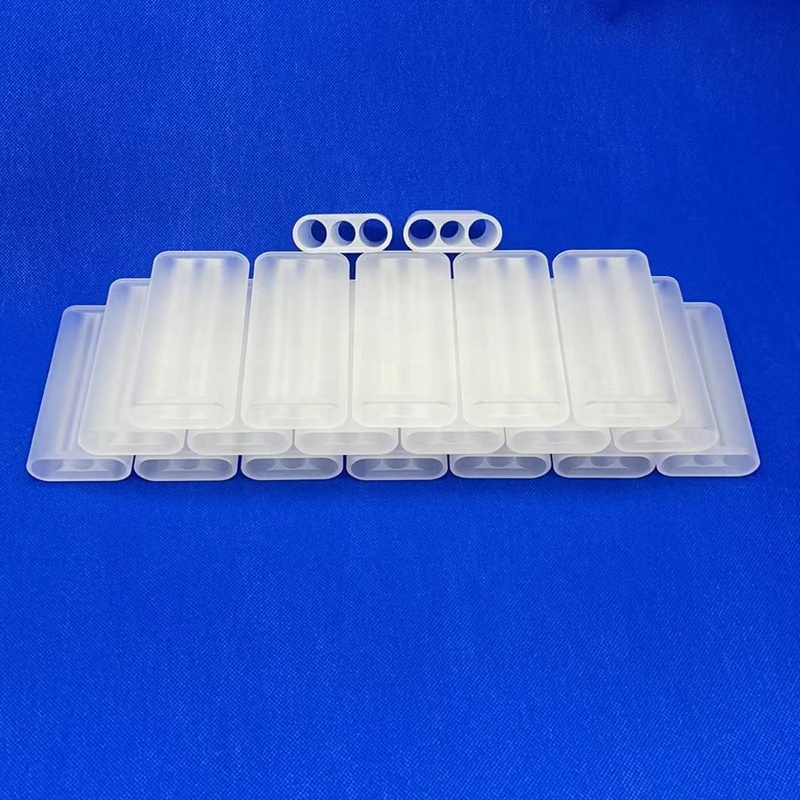
Special-shaped multi-bore flow assembly. 99.98% purity silica with custom micro-slotting and fire-polished transitions.
Understanding internal reflection efficiency, material hydroxyl ion [OH⁻] concentrations, and thermal thresholds in demanding industrial environments.
A quartz light guide rod acts as an unclad or fire-polished dielectric optical waveguide that transmits optical energy across specific spectral bands via total internal reflection (TIR). When industrial designers evaluate components for precision illumination, laser homogenization, UV photochemical reactor heads, or optical diagnostic monitors, the choice of substrate determines everything from transmission loss to service longevity.
In high-performance industrial applications, natural flame-fused quartz, electrically fused quartz, and synthetic fused silica exhibit markedly different behaviors. Synthetic fused silica (such as JGS1) features virtually zero metallic impurity contamination (<1 ppm total metallic contaminants) and extreme transmission performance from 185 nm deep-UV into the near-infrared. This makes it an ideal medium for high-power laser delivery systems and photochemical irradiation setups where traditional borosilicate or optical crown glasses degrade rapidly through solarization and mechanical failure caused by thermal strain.
Technical Consideration: The numeric aperture (NA) and light-gathering acceptance angle of a fused quartz light guide rod are strictly governed by the refractive index differential between the core quartz material (n ≈ 1.458 at 589 nm) and the surrounding dielectric boundary (air, n ≈ 1.0003, or cooling liquid media). For custom light guides requiring specialized end-face coatings (Anti-Reflective MgF₂ or dielectric high-damage-threshold coatings), residual surface roughness must be held strictly to Ra < 0.5 nm through precision chemical-mechanical polishing (CMP).
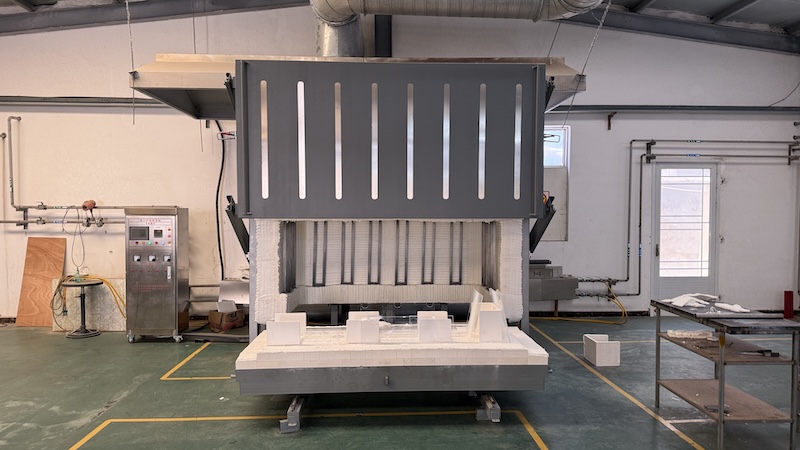
Furthermore, internal stress concentration generated during hot flame stretching or mechanical core-drilling can alter local birefringence patterns. At Lovri Quartz, every raw ingot and finished light guide rod undergoes rigorous continuous annealing in computer-governed vacuum annealing furnaces followed by polariscopic inspection on specialized polarization stress analyzers to guarantee residual optical retardation is below 5 nm/cm.
| Optical Substrate Grade | Transmission Bandwidth | Hydroxyl [OH⁻] Content | Thermal Expansion (20–300°C) | Primary Industrial Use-Case |
|---|---|---|---|---|
| JGS1 (Synthetic Silica) | 185 nm – 2,500 nm | < 5 ppm to 1,200 ppm (type dep.) | 5.5 × 10⁻⁷ /°C | Deep-UV lithography, medical laser light guides, excimer systems |
| JGS2 (Flame Fused Quartz) | 220 nm – 2,500 nm | ≈ 150 – 300 ppm | 5.5 × 10⁻⁷ /°C | UV curing light guides, sight glasses, optical heating rods |
| JGS3 (Electrically Fused) | 260 nm – 3,500 nm | < 5 ppm (water-free) | 5.5 × 10⁻⁷ /°C | Infrared sensors, high-temperature furnace pyrometry probes |
| Opaque Fused Silica | Diffuse / IR reflective | Varies | 5.4 × 10⁻⁷ /°C | Thermal insulation shields, ceramic-like heat barriers |
How China-manufactured precision quartz light guide rods and specialty furnace apparatus support Ruse’s mechanical engineering, automotive components, and Danube river logistics cluster.
Ruse serves as an essential manufacturing node for automotive wire harnesses, sub-assemblies, and precision plastic components. Our square and hexagonal polished quartz light guide rods deliver precise beam homogenization for automated robotic UV-adhesive curing lines without thermal heat transfer to heat-sensitive electronics.
The industrial shipyards and mechanical fabrication facilities around the Port of Ruse require robust pyrometry viewports and optical infrared sensor rods that operate continuously adjacent to high-temperature metal annealing furnaces without cracking from sudden Danube winter draft shocks.
Operating along the northern Bulgarian border, Ruse’s regional chemical processors deploy custom CNC-machined quartz flow-through cuvettes, reaction tubes, and multi-bore optical waveguides for non-destructive inline spectroscopic analysis of aggressive chemicals and lubricating oils.
Evaluating nearshoring shifts, Danube transshipment efficiency, and the demand for high-reliability quartz optics.
As Northern Bulgaria accelerates its industrial modernization, Ruse has transitioned from a traditional heavy manufacturing hub into a technologically advanced corridor connecting Southeastern Europe with Central Europe via the Danube River (Corridor VII) and the Ruse–Giurgiu Friendship Bridge. Procurement executives across Ruse, Sofia, and Plovdiv are actively re-evaluating supply chain structures to mitigate optical component inflation and reduce raw material lead times.
Key procurement vectors currently shaping the quartz market in Ruse include:
1. Shift Toward OEM Direct-from-Source Procurement: Historically, Bulgarian factories procured finished quartz glass components through secondary distributors in Western Europe. Rising operational overhead has driven regional procurement directors to establish direct factory connections with accredited Chinese manufacturers in clusters like Lianyungang, reducing procurement expenditure by 30% to 45% while enabling direct custom CNC fabrication from engineering blueprints.
2. Tightening Quality and Traceability Mandates: With Ruse-based tier-2 automotive suppliers supplying German and French OEMs, compliance documentation has evolved from an afterthought to a core requirement. Importers require complete RoHS material verification, certified optical spectral charts, and SGS factory inspection credentials to fulfill internal ISO 9001 and IATF 16949 audit obligations.
3. Multi-Modal Logistics Optimization: Due to Ruse's strategic location with river ports, highway connections, and rail terminals, quartz consignments from China benefit from flexible transit corridors. Small prototype batches (1–10 pcs) arrive via express air freight (Sofia or Bucharest International Airports), while production volumes transit via marine container lines to Port of Varna or Port of Constanța, followed by brief overland freight directly into Ruse manufacturing facilities.
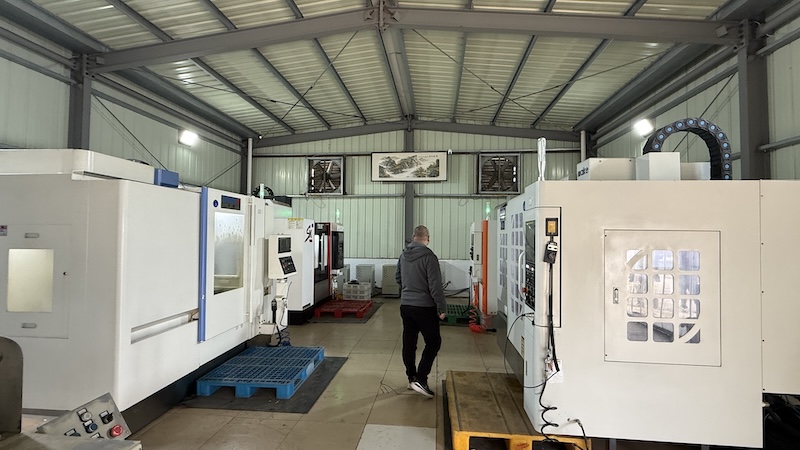
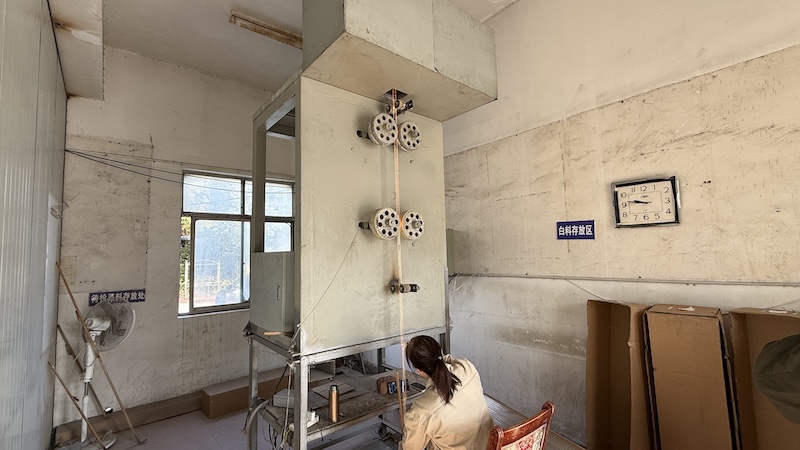
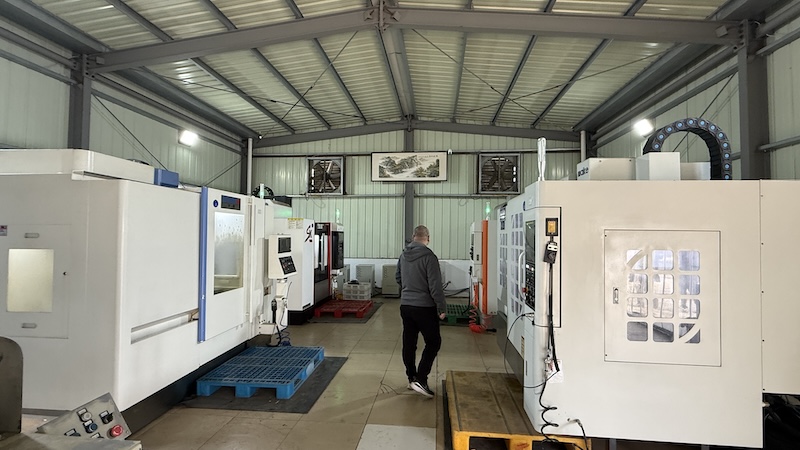
Operating a verified 14,271 m² production facility in Lianyungang, controlling raw mineral purification through computerized multi-axis CNC finishing.
Designed to deliver high reproducibility and engineering reliability for mission-critical optics and thermal processes.
We crush, pulverize, screen, and acid-pickle our raw quartz lumps in-house. Controlling 99.99% purity at the material origin prevents hidden iron and transition metal impurities from destabilizing optical performance.
Every quartz rod and drawn flow cylinder passes through a dedicated polarization stress tester after annealing. This eliminates thermal micro-fractures during laser pumping or high-temperature heating cycles.
Direct machining from customer STEP, DWG, or PDF drawings. We provide slotting, threading, multi-bore internal hole drilling, flame-welding, and optical surface polishing down to tight engineering tolerances.
Onsite verified by SGS Group with full RoHS compliance. Fragile quartz components are packed in multi-layer shockproof foams, vacuum wrapping, and reinforced wooden crates engineered for cross-border freight.
Essential answers regarding material grades, international shipments, customs clearance, and prototype validation.
Connecting Ruse procurement engineers and technical specialists with direct manufacturer support, instant DFM analysis, and global supply pricing.