Export-Grade Catalog
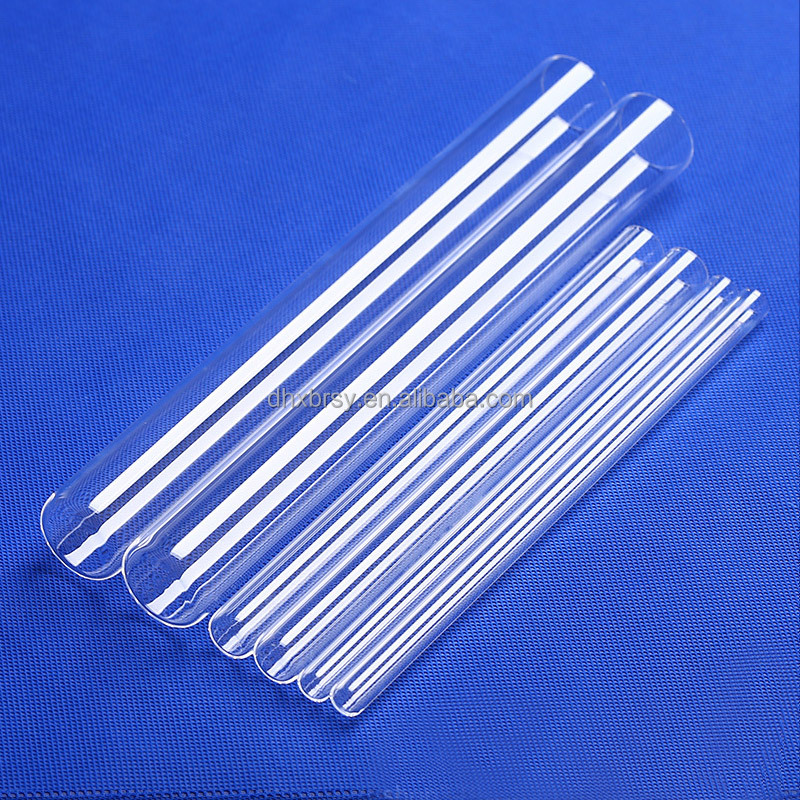
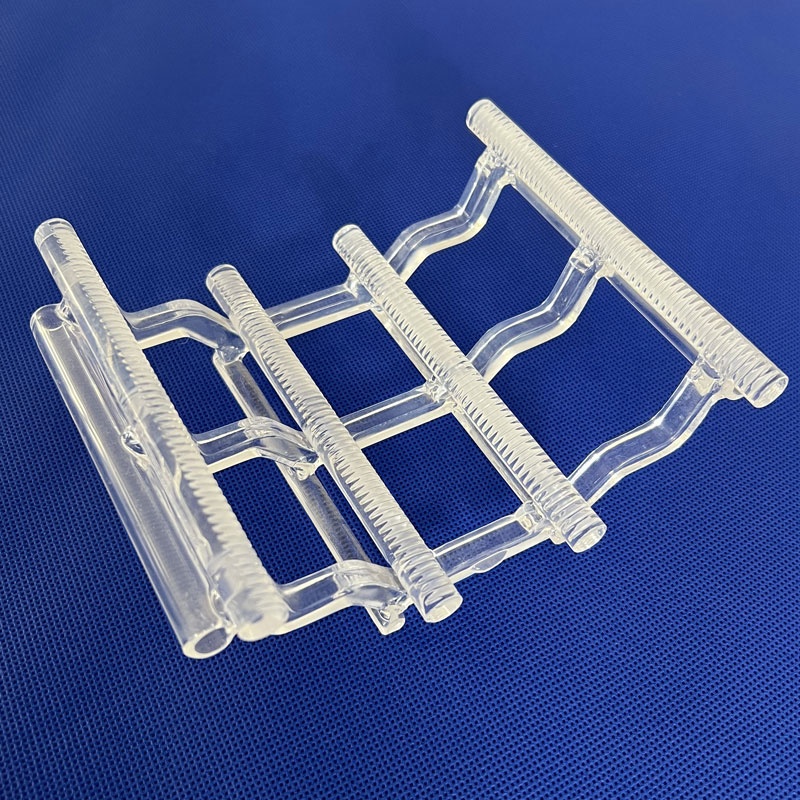
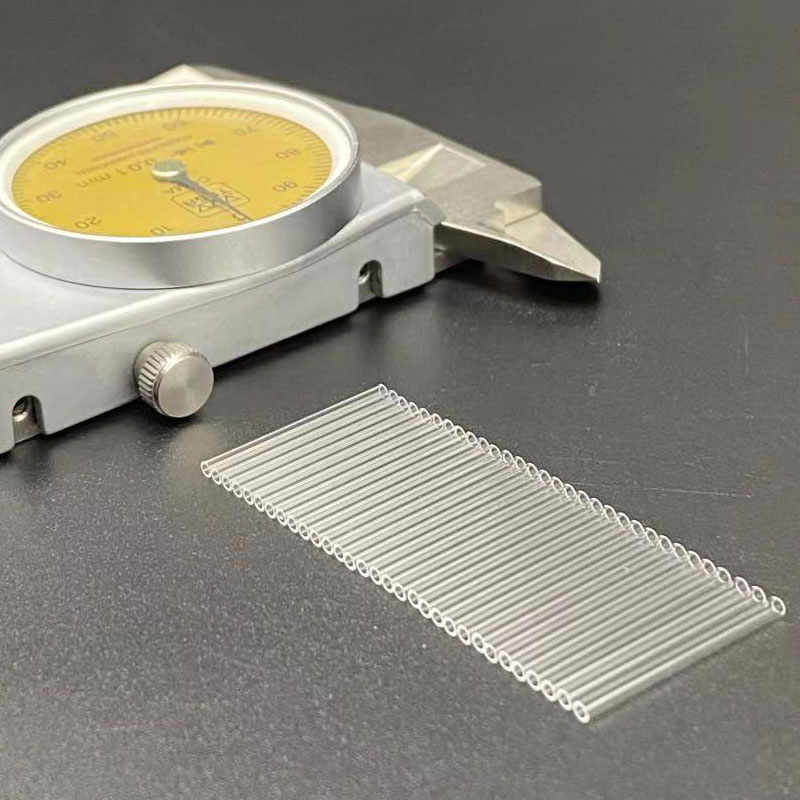
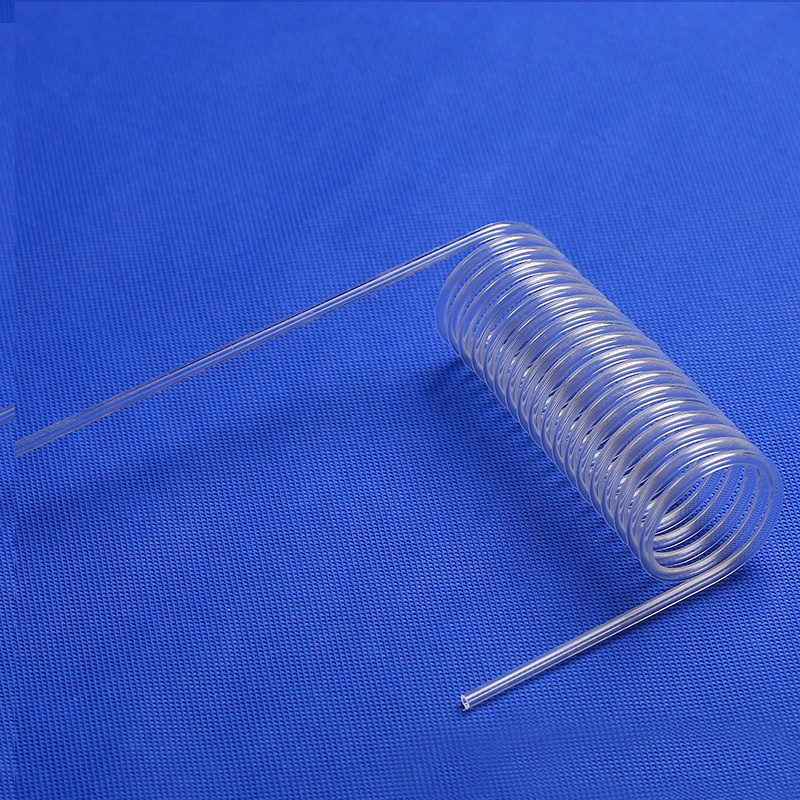
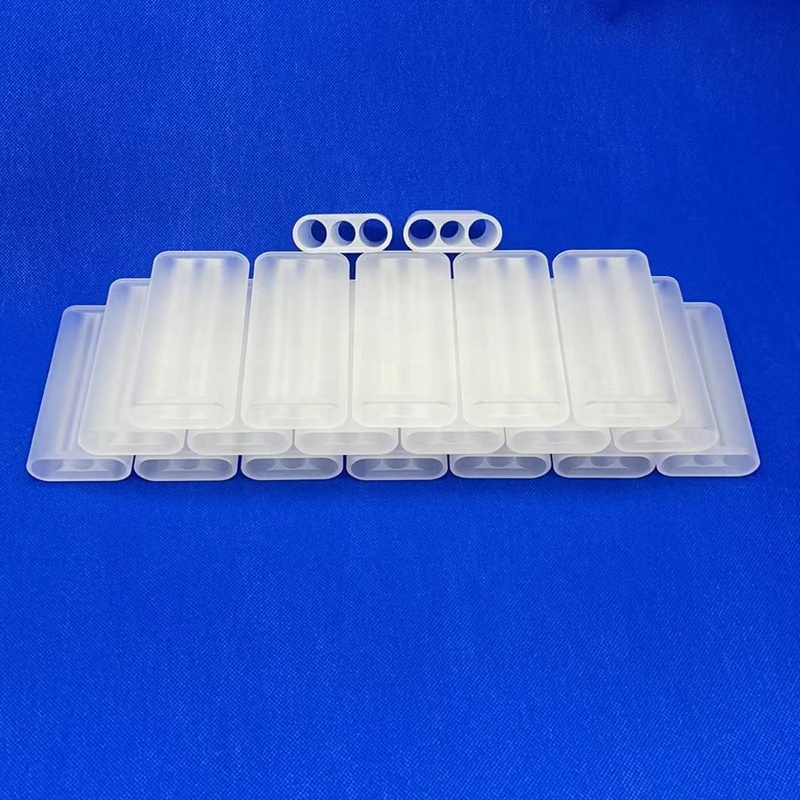
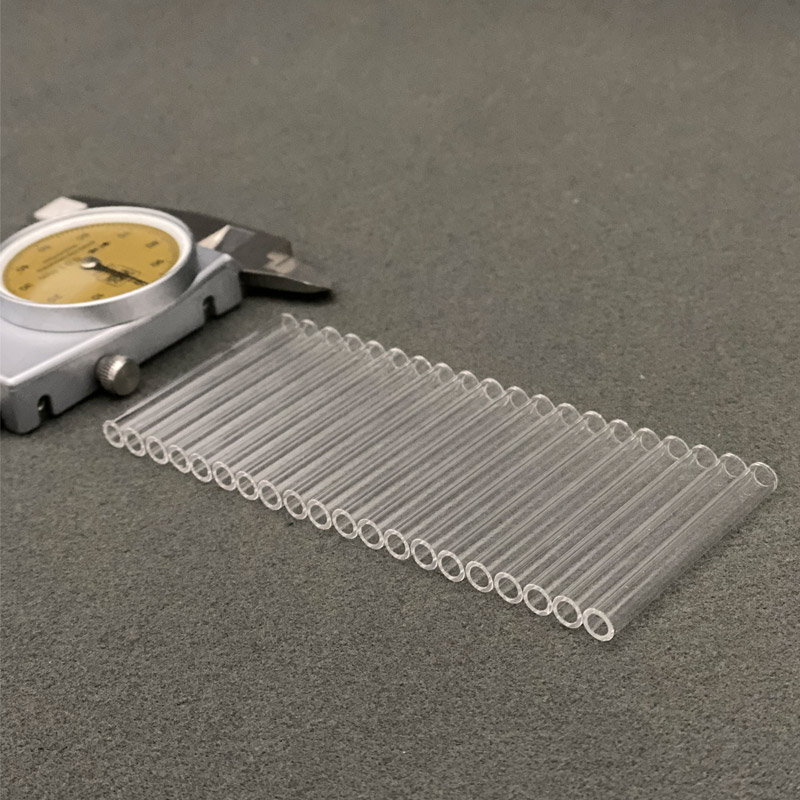
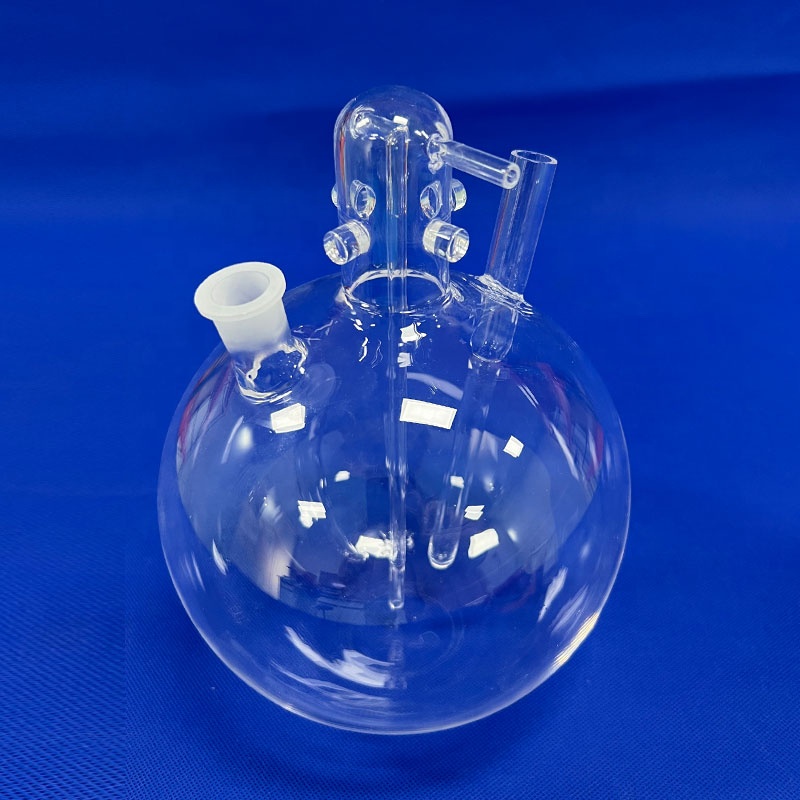
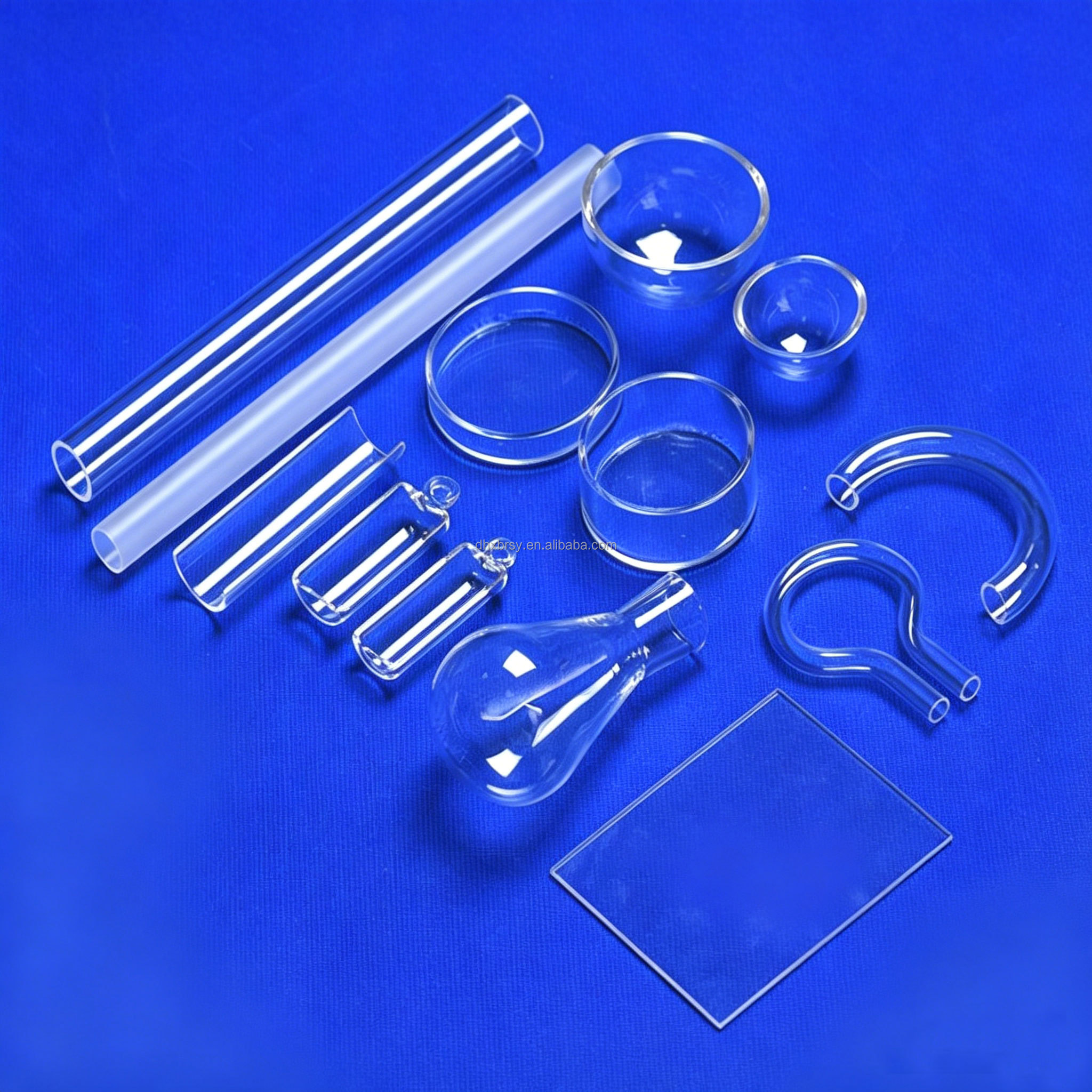
Featured Fused Silica & High-Purity Quartz Solutions
Factory-direct optical elements, structural apparatus, and custom-engineered quartz components fabricated to ISO 9001 and RoHS export compliance standards.
Regional Industrial Integration
Fused Silica Lens Applications Across the Bordeaux Tech Ecosystem
Bordeaux and the broader Nouvelle-Aquitaine region represent Europe’s preeminent cluster for laser megajoule research, aeronautics, advanced photonics, and precision bioprocessing.
High-Energy Laser Systems & Megajoule Physics
Situated within the Route des Lasers corridor, research institutions and laser integration contractors around Le Barp require plano-convex, biconcave, and aspheric fused silica lenses with exceptional laser-induced damage thresholds (LIDT > 15 J/cm² @ 1064nm, 20ns). Our JGS1 synthetic grade eliminates internal striae and inclusion bubbles, providing wavefront distortion under λ/10 for chirped pulse amplification and petawatt-class beamlines.
Aeronautics, Defense & Space (Aerospace Valley)
Serving Bordeaux-Mérignac’s high-precision aviation and defense suppliers, Lovri supplies low-thermal-expansion fused silica optics (5.5 × 10⁻⁷ /°C) designed to endure rapid atmospheric thermal cycling without mechanical fracture. Used in multispectral infrared tracking, LiDAR guidance systems, and cockpit head-up displays, these optical windows maintain dimensional stability from cryogenic sub-orbital conditions up to 1100°C continuous service.
Enological Spectroscopy & Agri-Tech Sensors
Nouvelle-Aquitaine’s world-renowned viniculture and bioprocess analytics rely heavily on non-destructive optical testing. Our UV-grade quartz transmission windows, microplate flats, and cylindrical lenses integrate into NIR/UV-Vis spectrophotometers. Chemical inertness against volatile organic acids and ethanol ensures calibration consistency down to 190 nm wavelengths during polyphenol, anthocyanin, and fermentation monitoring.
Future-Proof Engineering
Emerging Technological Trends in the Nouvelle-Aquitaine Market
The Southwestern French photonics ecosystem is undergoing an aggressive transition toward ultrafast femtosecond machining, green hydrogen synthesis, and quantum communication nodes. These trends dictate a structural shift in fused silica lens specifications:
Ultrafast Femtosecond Lasers
Industrial micro-machining of semiconductors and implants in Bordeaux utilizes ultrafast pulse durations (<300 fs). Standard glass suffers non-linear refraction and self-focusing collapse. Synthetic JGS1 fused silica delivers minimal group delay dispersion (GDD) and high damage resistance against multiphoton ionization.
Extreme UV Disinfection & CleanTech
Driven by regional ecological initiatives in the Gironde estuary and sustainable winery operations, Far-UVC (222 nm) and deep-UVC (254 nm) sanitization systems are surging. Standard glasses solarize and turn amber; high-hydroxyl synthetic fused silica maintains transmission above 90% without solarization degradation.
Semiconductor Substrate Processing
Regional power semiconductor initiatives demand wafer carriers and furnace observation optics free from alkali contaminants (Na, K < 0.5 ppm). Fused silica components handle diffusion furnace profiles exceeding 1150°C, providing structural stiffness and batch reproducibility without heavy metal migration.
Engineering Reference
Material Classification: JGS1 vs. JGS2 vs. JGS3
Ensure correct optical transmission and thermal performance before finalizing purchase orders.
| Quartz Grade | Manufacturing Synthesis | Transmission Band | Hydroxyl (OH⁻) Content | Primary Bordeaux Application |
|---|---|---|---|---|
| JGS1 (Synthetic Fused Silica) | Chemical vapor deposition of SiCl4 | 185 nm – 2500 nm (Deep-UV) | High (typically ~1200 ppm) | Femtosecond optics, excimer laser windows, lithography |
| JGS2 (Fused Quartz) | Oxy-hydrogen flame fused natural quartz | 220 nm – 2500 nm (UV / Visible) | Moderate (150 – 200 ppm) | Sight glasses, UV sterilization sleeves, laser cavity tubes |
| JGS3 (Infrared Quartz) | Electric vacuum fusion of natural crystal | 260 nm – 3500 nm (Near to Mid-IR) | Very Low (< 5 ppm) | Thermal imaging, CO2 laser viewports, IR pyrometry |
Why Global Procurement Chooses Lovri
End-to-End Vertical Control from Raw Sand to Finished Lens
Based in China's quartz capital (Tuofeng Industrial Park, Lianyungang), Lovri operates a vertically integrated production chain, removing tier-two broker premiums and quality variance.
Raw Sand Acid Pickling
We do not source third-party semi-finished quartz glass. By crushing, rescreening (200 mesh), and acid pickling raw lumps in-house, we eliminate trace metallic impurities and guarantee SiO2 purity of 99.99%.
Dual Annealing Cycle
Residual mechanical stress is the leading cause of cracking during high-power laser irradiation. Every optical component passes through a computer-controlled 1200°C annealing cycle and is verified via polarization stress testing.
Sub-Micron CNC Machining
Equipped with high-precision CNC 5-axis machining centres, ultrasonic core drillers, and double-sided planetary lapping tables, we achieve surface figures of λ/4 and surface roughness Ra ≤ 0.5 nm.
SGS Onsite Verified
Our 14,271 m² manufacturing facility is onsite-verified by SGS Group. Production complies with RoHS restrictions, providing European enterprises complete audit documentation and material traceability.
Procurement Intelligence
Bordeaux Buyer FAQs: Importing Fused Silica Optics
Clear, definitive answers to European customs, technical compliance, packaging, and logistics questions.
How are import duties and VAT handled when importing fused silica lenses to Bordeaux?
Fused silica lenses and quartz optical components typically enter France under HS Code 9001.90.00 (Unmounted optical elements) or HS Code 7002.31.00 (Fused quartz tubes/profiles). As an experienced exporter to the European Union, we provide clean Commercial Invoices, Packing Lists with precise Net/Gross weights, and Certificates of Origin (COO). Buyers in Nouvelle-Aquitaine with a valid EORI number can clear goods directly via Bordeaux–Mérignac Airport (BOD) customs or through deep-sea maritime channels at the Port of Bordeaux (Grand Port Maritime de Bordeaux). We support Incoterms including EXW, FOB, CIF, and DDP.
What is the minimum order quantity (MOQ) for custom-engineered prototypes?
We support European research institutions, academic laboratories (e.g., CNRS, University of Bordeaux), and R&D incubators with MOQs as low as 1 to 5 pieces for custom drawings. For standard quartz tubes, optical plates, and capillary stock, small test batches are processed rapidly. Volume discounts automatically apply when scaling from prototype trials to serial OEM production.
How does Lovri ensure high-precision optics do not chip or scratch during transit?
Export optics undergo ultrasonic solvent cleaning, followed by application of protective optical strip-coatings or vacuum-sealed lint-free lens paper wrapping. Elements are cushioned in high-density customized EVA foam cavities and packed into heavy-duty multi-layer export cartons. High-value optics and delicate large-diameter assemblies are shipped in IPPC-certified fumigated wooden crates with internal shock-dampening suspensions and "Fragile" / "TiltWatch" indicators. Air freight reaches Bordeaux within 4 to 7 business days via DHL, FedEx, or dedicated air forwarders.
Can you manufacture complex optical components directly from our STEP or DWG CAD files?
Yes. Our internal engineering department works directly with PDF, 2D DWG/DXF, and 3D STEP/IGES CAD formats. Before launching CNC spindle programming, our optical design engineers evaluate geometric tolerances, radius curvature, Chamfer requirements, and aspect ratios. If an alternative tolerance (e.g., DIN ISO 10110 vs. ISO 2768) reduces machining cycle costs without compromising optical performance, we provide a formal Design-for-Manufacturability (DFM) recommendation.
How is raw material optical homogeneity and internal stress guaranteed?
Every optical lot is subjected to dual-path inspection: residual birefringence is verified using high-sensitivity crossed-polarizer shadowgraph testers to guarantee birefringence retardation < 5 nm/cm. Optical homogeneity (Δn ≤ 1 × 10⁻⁵) and bubble-class qualification (conforming to DIN ISO 10110-3) are certified prior to packaging. Test certificates and spectrophotometer transmittance curves are enclosed with every dispatch.
Accelerate Your Photonics Project with Factory-Direct Engineering
Send your optical drawings or technical specifications today. Our optical engineering team provides detailed DFM reviews, material certifications, and export quotes within 24 hours.