Featured Products for Industrial Laser & High-Temperature Plants
Direct from China's premier fused silica fabrication hub in Lianyungang to offshore installations, refineries, and cleanrooms in Seria. Strict zero-stress annealing and precision CNC machining guaranteed.
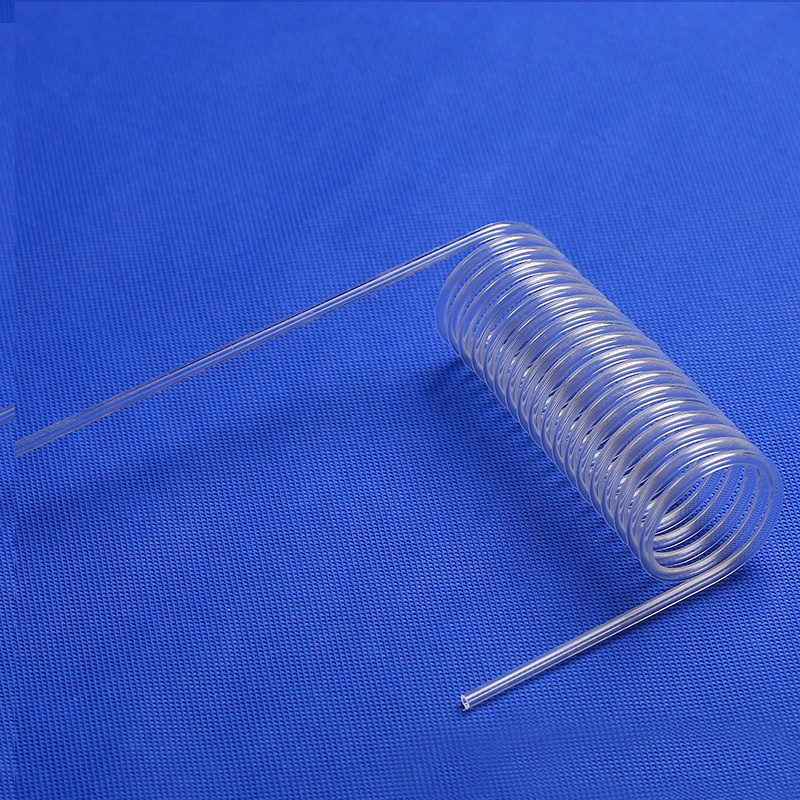
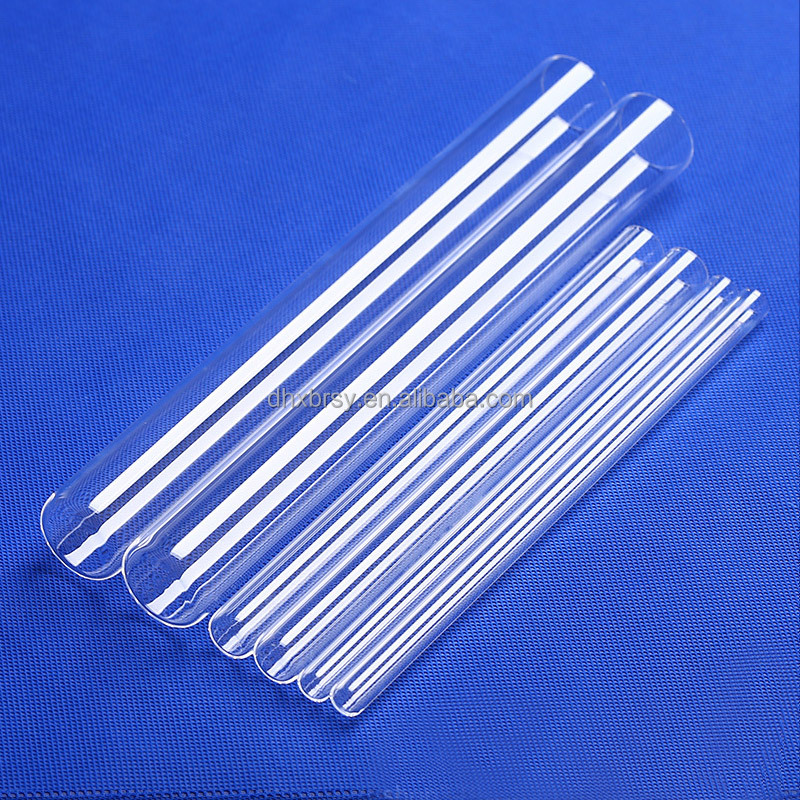
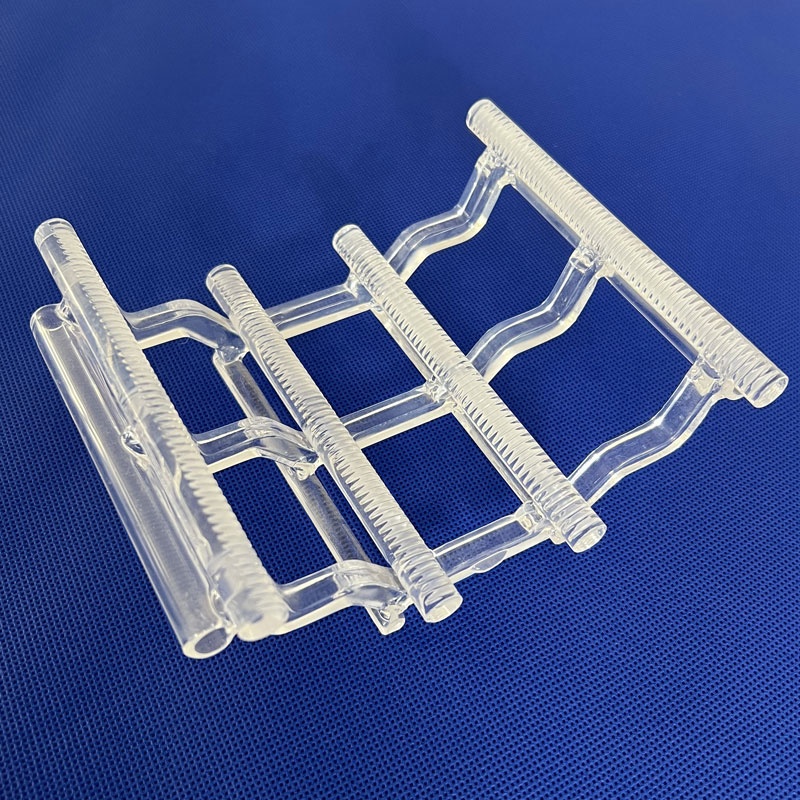
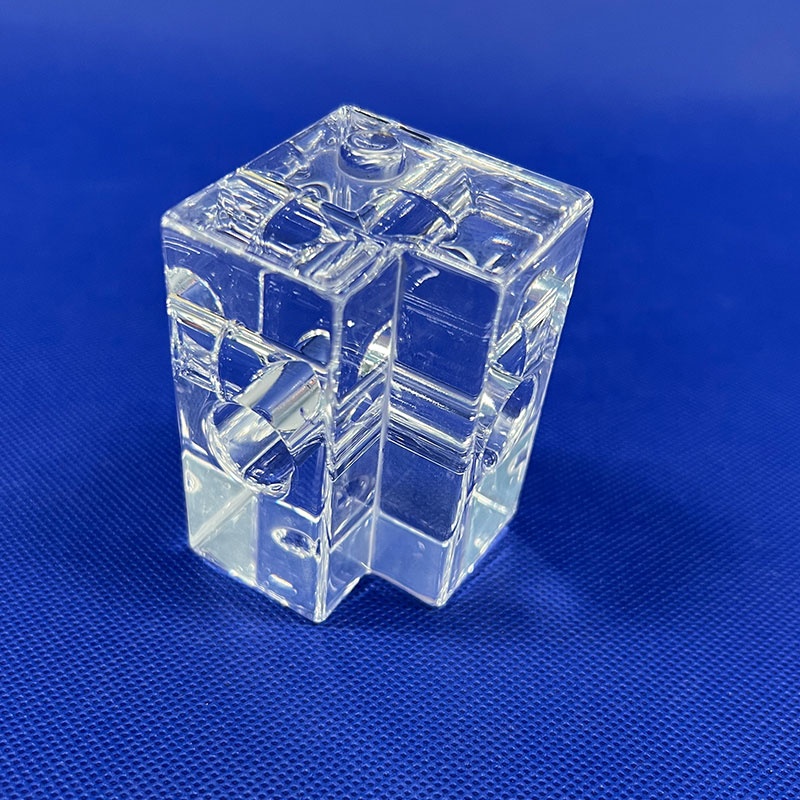
Seria Market Dynamics: Severe Industrial Demands Meet Chinese Silica Mastery
An in-depth technical analysis for plant engineers, procurement directors, and maintenance contractors in Seria and the Belait District of Brunei Darussalam.
1. The Operating Context of the Seria Oil, Gas & Petrochemical Corridor
Known as the energetic heartbeat of Brunei Darussalam, Seria's industrial infrastructure operates in one of the most challenging chemical and atmospheric envelopes in Southeast Asia. Coastal equatorial humidity exceeding 85%, persistent maritime salinity, combined with volatile organic compounds (VOCs), hydrogen sulfide (H₂S), and relentless operating temperatures within offshore rigs, gathering stations, and cracking units, necessitate sight glasses and laser diagnostic windows far superior to conventional borosilicate. Borosilicate windows installed in Seria's flare monitors and pyrometry ports frequently suffer from surface devitrification, thermal micro-cracking, and alkaline corrosion when subjected to rapid rain squalls hitting 400°C viewports.
Lovri Quartz solves this critical vulnerability. By producing synthetic and electrically fused quartz windows with a purity of ≥99.99% SiO₂, our laser windows exhibit a thermal expansion coefficient of merely 5.5 × 10⁻⁷ /°C. This allows windows to be subjected to instant transitions from 1100°C furnace interiors to ambient monsoonal downpours without structural failure. Furthermore, our optical-grade windows provide exceptional optical stability across the ultraviolet, visible, and near-infrared bands (185 nm to 3500 nm), allowing infrared pyrometers, flame scanners, and industrial alignment lasers to monitor combustion chambers with zero baseline drift.
2. Specialized Local Application Scenarios in Seria and Surrounding Belait
Procurement teams sourcing from China do not merely buy "quartz glass"—they procure tailored optical solutions matched to specific installation nodes across Brunei's industrial ecosystem:
Laser Cladding & In-Situ Pipe Repair
High-power fiber laser cladding heads (3kW to 10kW) utilized in Seria marine machine shops for repairing corroded drill strings, flanges, and valves require protective cover slides with extreme Laser Induced Damage Threshold (LIDT > 15 J/cm² @ 1064nm, 10ns). Our JGS1 fused silica windows ensure zero thermal lensing during prolonged deposition sequences.
Continuous Gas Flaring & TDLS Monitoring
Tunable Diode Laser Absorption Spectroscopy (TDLS) is extensively deployed across Seria refineries and gas terminals for in-situ monitoring of CH₄, CO, and O₂. Our anti-reflective (AR) coated quartz windows deliver 99.2% transmission across the target IR absorption lines, avoiding signal attenuation and false gas alarm triggers.
Hydrocarbon Cracking Observation Ports
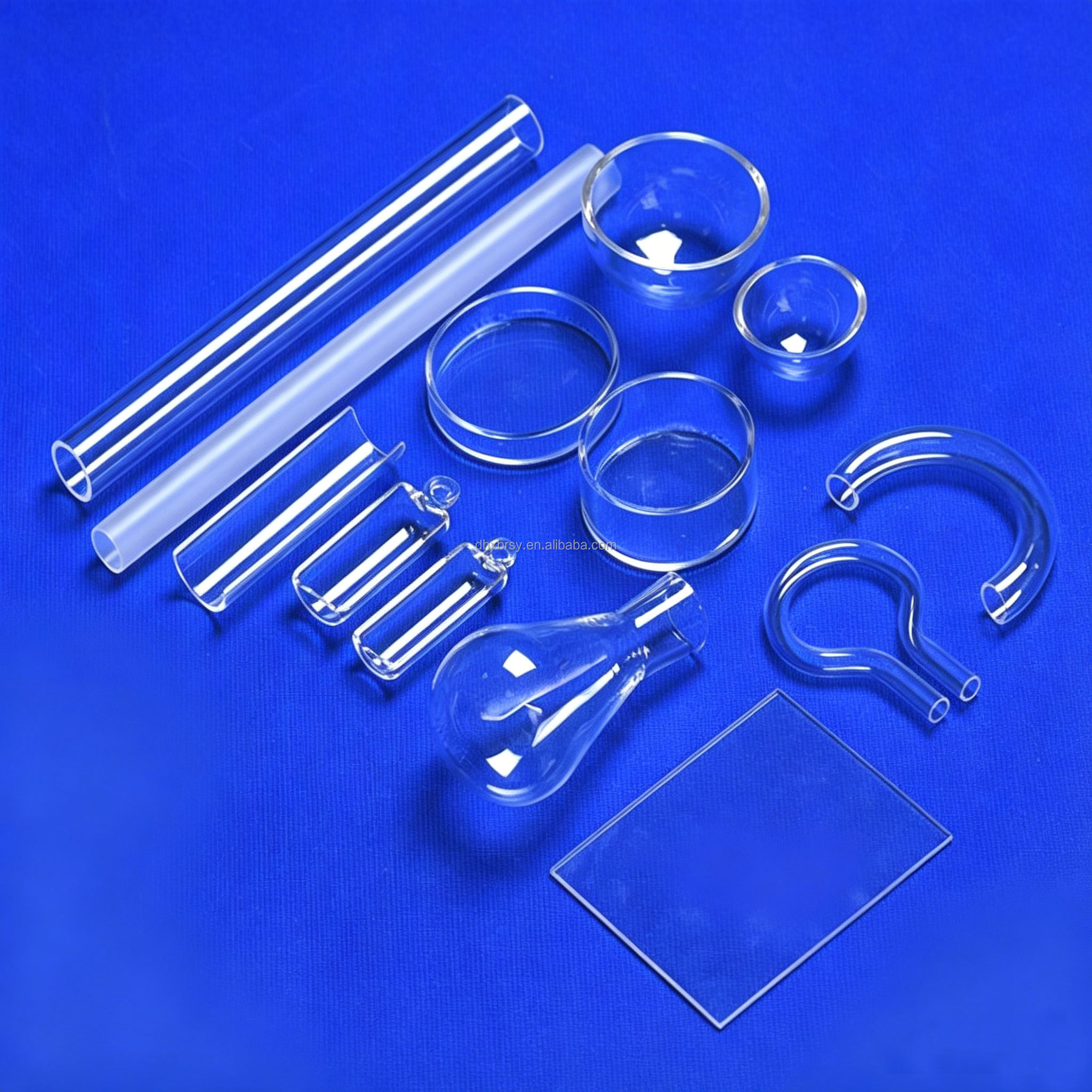
High-pressure quartz reactor cylinders, circular sight discs, and one-end closed inspection tubes allow engineers to visually monitor reaction phases up to 1300°C without risk of explosive decompression or acid stress corrosion cracking caused by sulfurous steam.
3. Localization Trends: Brunei Vision 2035 & Industrial Decarbonization
Under the national framework of Wawasan Brunei 2035, the Seria energy cluster is actively evolving from basic upstream crude extraction into sophisticated downstream petrochemical processing, green hydrogen production pilot plants, and advanced carbon capture, utilization, and storage (CCUS) facilities. This shift creates a structural demand surge for high-specification analytical optical parts.
Legacy procurement relied heavily on European distributors with lead times of 16 to 24 weeks and inflated intermediary premiums. Today, project managers in Seria work directly with verified Chinese source manufacturers who offer SGS-certified batch tracking, sub-millimeter custom CNC fabrication, and dispatch within 5 to 7 days via direct air freight to Bandar Seri Begawan (BWN). Lovri Quartz provides full traceability, factory test reports (MTR), and polarization polarimeter testing certificates with every delivery, ensuring direct compliance with corporate QHSE standards.
Optical Grade Selection Reference Guide
Ensure exact mechanical, optical, and thermal alignment for your Seria field installation before placing purchase orders.
| Quartz Grade | Manufacturing Technology | Spectral Range | Thermal Shock Max | Typical Seria Field Deployment |
|---|---|---|---|---|
| JGS1 Synthetic Fused Silica | Chemical vapor deposition of silicon halides (SiCl₄) | 185 nm – 2500 nm (Deep UV to NIR) | ΔT > 1100°C water quench | High-power fiber laser optics, laser cutting protection windows, spectrophotometer flow cells. |
| JGS2 Optical Fused Quartz | High-purity natural silica sand fused via oxy-hydrogen flame | 220 nm – 2500 nm (UV to NIR) | ΔT > 1000°C water quench | Furnace observation sight glasses, pyrometer viewports, UV sterilization lamps for offshore camps. |
| JGS3 Electrically Fused Quartz | Vacuum electric resistance furnace fusion | 260 nm – 3500 nm (Extended Infrared) | ΔT > 1000°C water quench | Thermal imaging viewports, infrared heating tube envelopes, catalyst regeneration monitors. |
| Opaque Fused Silica | Continuous electric melting with dense micro-voids | Diffuse / IR Shielding | ΔT > 1150°C rapid cooling | Thermal baffles, furnace insulation collars, corrosive gas pre-heater sleeves. |
Why Seria Buyers Partner with Lovri Quartz China
Full-chain production control in Lianyungang, Jiangsu — eliminating agent markups and ensuring uncompromised precision.
Integrated Lianyungang Cluster
Situated in China's quartz capital, we control the entire lifecycle from natural raw crystal selection, pulverization, 4-stage acid pickling to 99.99% SiO₂, drawing tubes, and optical cutting in our 14,271 m² plant verified onsite by SGS.
Multi-Axis CNC Precision Work
We process custom drawings (PDF, DWG, STEP) to tolerances of ±0.02 mm. Our in-house processes include ultrasonic core drilling, CNC edge chamfering, laser slotting, multi-bore capillary drawing, and optical double-sided polishing.
100% Polarization Stress Inspection
Internal thermal stress is the primary reason quartz glass windows fracture under temperature variations. Every optical batch is inspected with automated cross-polarization polariscopes to verify total stress elimination after annealing at 1215°C.
Zero-Breakage Export Packaging
Every window and apparatus is sealed in cleanroom vacuum PE sleeves, cushioned in multilayer polyethylene foam, and crated in heavy-duty export plywood crates engineered for air cargo handling and humid tropical sea freight to Muara Port.
Flexible Prototyping (MOQ 1 PC)
Validate your pilot apparatus or custom replacement laser window without volume commitments. We accept pilot prototype orders from 1 piece up to container loads, supporting rapid engineering iterations.
Complete International Compliance
Supplied with full material certificates, spectrometer transmission traces, and RoHS & CE compliance documentation, meeting the compliance requirements of multinational operators across Southeast Asia.
End-to-End In-House Quality Control Sequence
A transparent overview of how our Lianyungang workshops transform high-grade mineral ore into optical laser windows.
Crushing & Pickling
Selected raw quartz rocks are pulverized and subjected to four rounds of hot acid pickling to eliminate iron, copper, and alkali trace metals.
Thermal Drawing & Fusion
Molten silica is drawn into precise tubes, ingots, and blocks using computerized pulling machines at temperatures surpassing 1900°C.
Stress Annealing
Components undergo prolonged soak cycles at 1215°C in controlled annealing kilns followed by micro-ramped cooling to eradicate internal stresses.
Optical CNC Fabrication
Wire cutting, surface grinding, waterjet cutting, and multi-bore ultrasonic drilling shape the raw quartz to exact customer tolerances.
Lapping & Polishing
Double-sided pitch and polyurethane polishing achieve surface flatness of λ/4 and scratch-dig 40/20, ensuring high laser breakdown resistance.
Spectroscopy & Metrology
Laser interferometers, UV-Vis-NIR spectrophotometers, and coordinate measuring machines (CMM) confirm dimensional and optical targets.
Ultrasonic Cleaning
Parts are cleaned with deionized water in cleanroom environments to remove abrasive paste residues and environmental particulates.
Export Vacuum Cradling
Double-bagged in cleanroom packaging, cushioned with impact-resistant foam, and packed into reinforced wooden crates with desiccant protection.
Frequently Asked Questions by Seria Engineering Teams
Clear, definitive answers to logistical, technical, and commercial questions regarding importing quartz components into Brunei.
How does fused quartz outperform borosilicate in Seria flare monitors?
Standard borosilicate glass has a thermal expansion coefficient of ~33 × 10⁻⁷ /°C and softens near 820°C, whereas Lovri fused quartz has an expansion rate of 5.5 × 10⁻⁷ /°C and withstands continuous operating temperatures up to 1100°C. In Seria's sudden monsoon rainfalls, quartz sight windows eliminate the micro-cracking and blowout risks associated with borosilicate.
What is the standard shipping lead time to Brunei (Seria / Belait)?
For stock standard quartz plates and tubes, orders are dispatched within 48 to 72 hours. Custom CNC parts typically require 7 to 12 working days. Urgent shipments sent via air express (DHL/FedEx/SF Express) to Brunei International Airport (BWN) reach Seria within 4 to 6 days. Ocean container loads route through Muara Port within 14 to 18 days.
Can you machine non-standard dimensions and OEM drawings?
Yes. A significant portion of our output is custom-machined. You can submit engineering drawings in PDF, AutoCAD DWG, DXF, or 3D STEP files. Our engineering department conducts a design-for-manufacturability (DFM) review, verifies dimensional clearances, and recommends appropriate quartz grades and grinding tolerances.
How do you guarantee that fragile quartz will arrive unbroken in Brunei?
We utilize export packaging tested to international transit standards. Each quartz item is individually sealed in moisture-barrier bags, wrapped in bubble wrap, encased in dense polyurethane foam, and secured inside shock-absorbing, multi-ply wooden export crates. In the rare event of transit damage, our insured door-to-door replacement protocol dispatches an immediate priority remake.
Do you provide documentation for local customs and plant compliance?
Yes. We issue full documentation packages including Certificates of Analysis (COA), Raw Material Purity Declarations (≥99.99% SiO₂), Commercial Invoices, Packing Lists with HS codes (7002.31 / 7006.00), and ASEAN-China Free Trade Certificate of Origin (Form E) to minimize or eliminate import duties into Brunei Darussalam.
What is the minimum order quantity (MOQ)?
For standard catalog quartz tubes, rods, and optical plates, our MOQ is just 1 piece. For complex CNC custom parts or wafer processing boats, we readily produce single-piece prototypes for engineering field testing before scaling up to batch production runs.
Request an Engineering Consultation & Factory Quote for Seria
Send your drawings, specifications, operating temperatures, and target quantities. Our application engineering team in Lianyungang will review your requirements and provide a detailed quotation along with technical DFM feedback within 12 hours.