Specialized Fused Quartz Components Ready for Dispatch
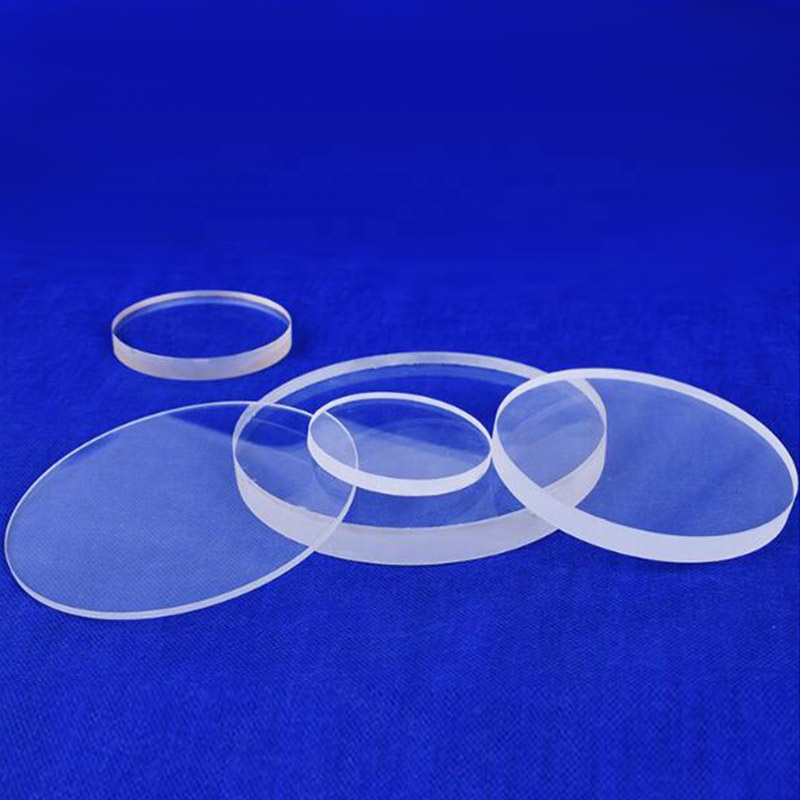
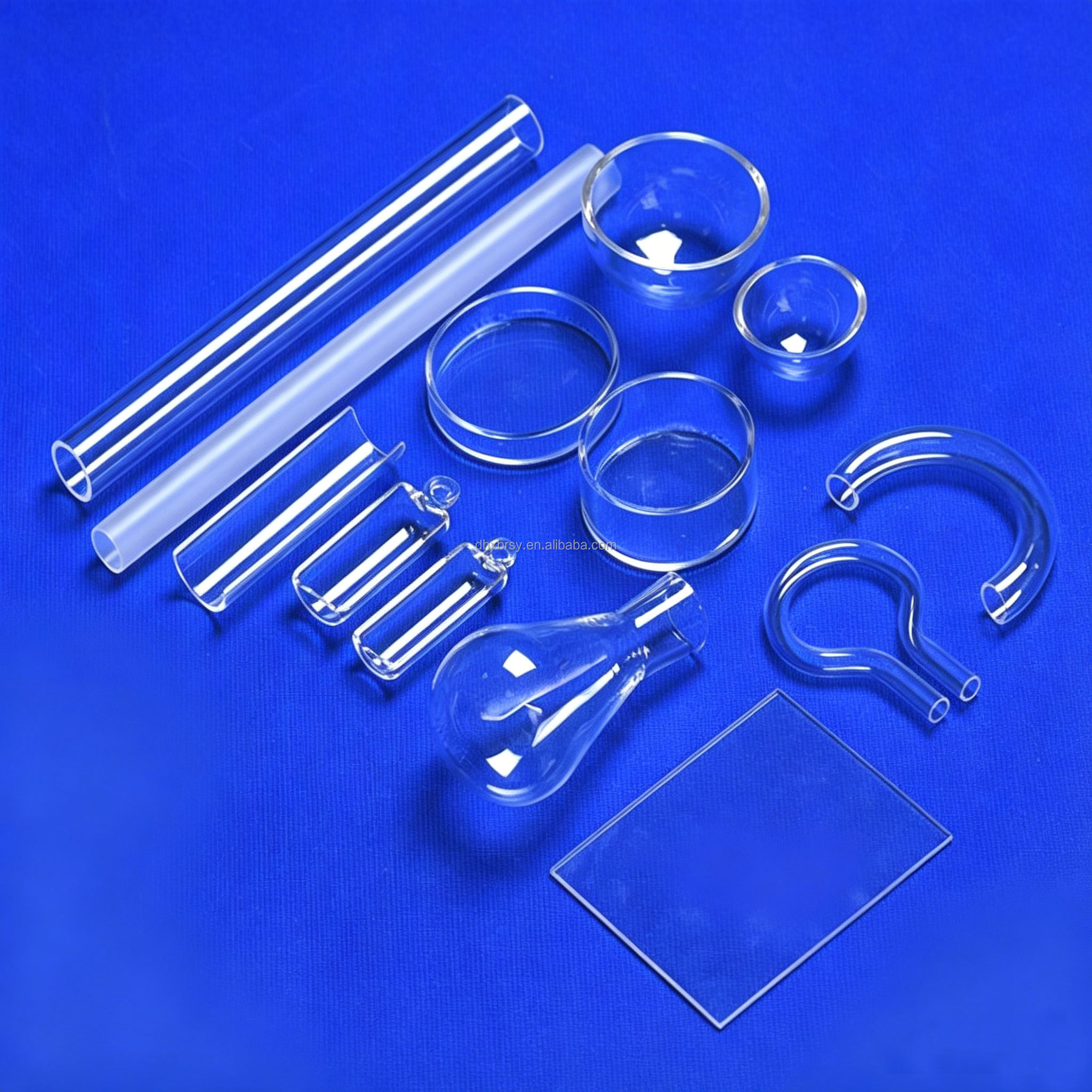
Our direct-from-source manufacturing covers high-transmittance optical plates, specialized combustion tubes, custom wafer carriers, and tight-tolerance fused quartz assemblies tested against international semiconductor and analytical standards.
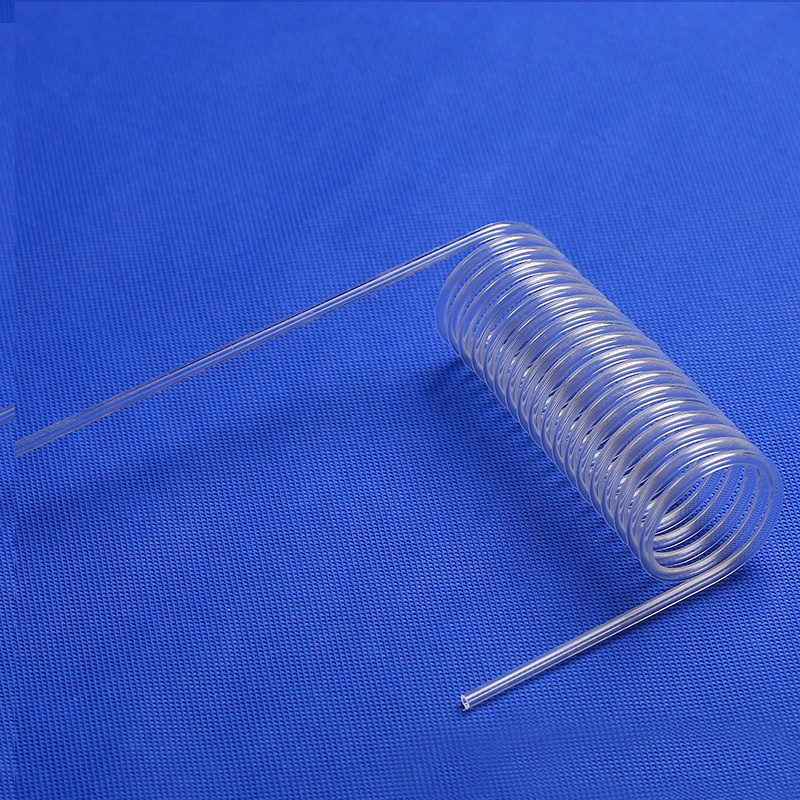
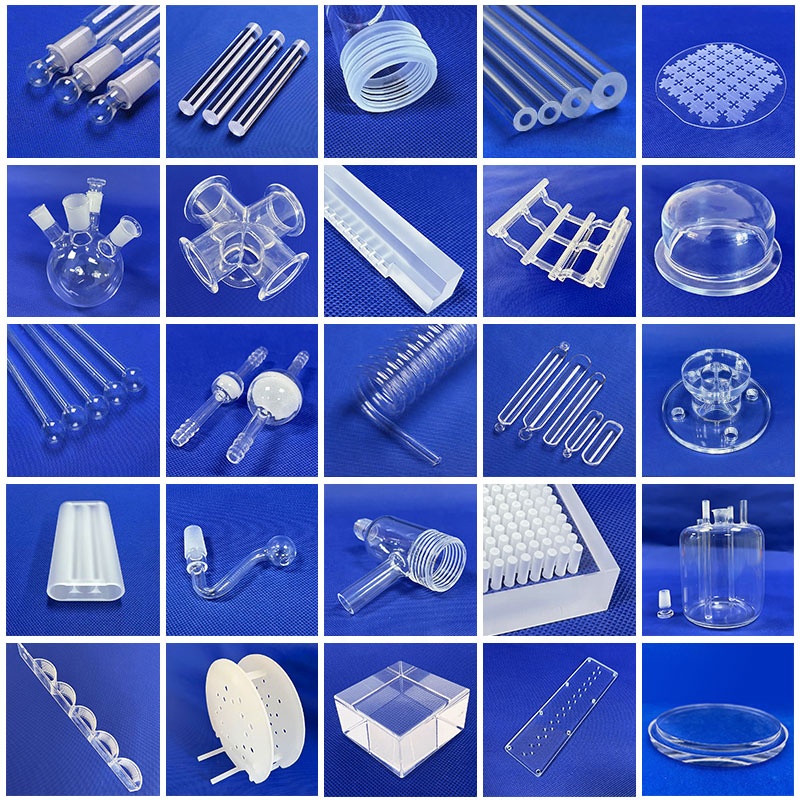
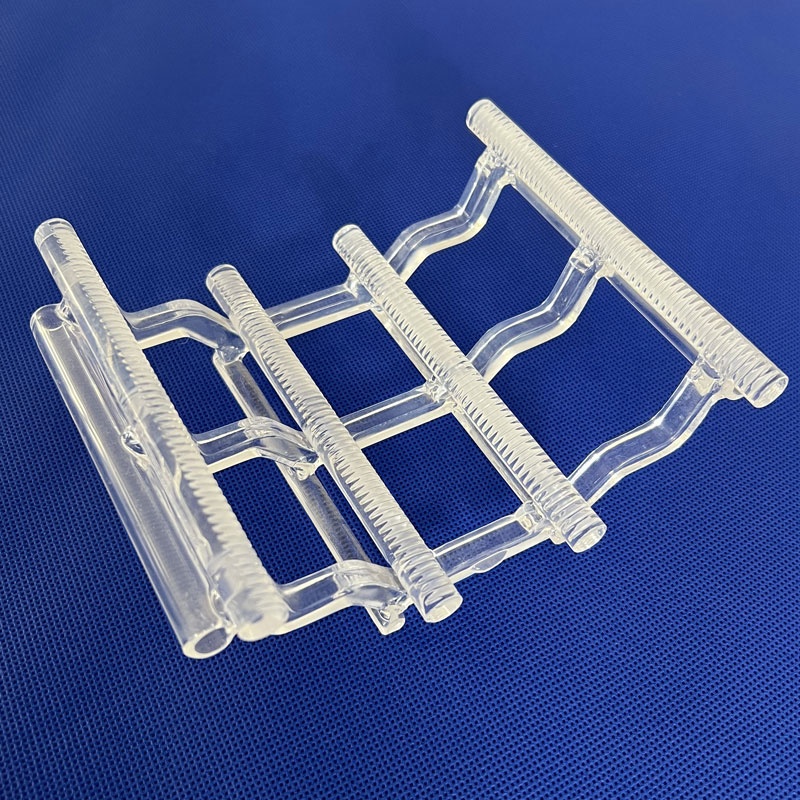
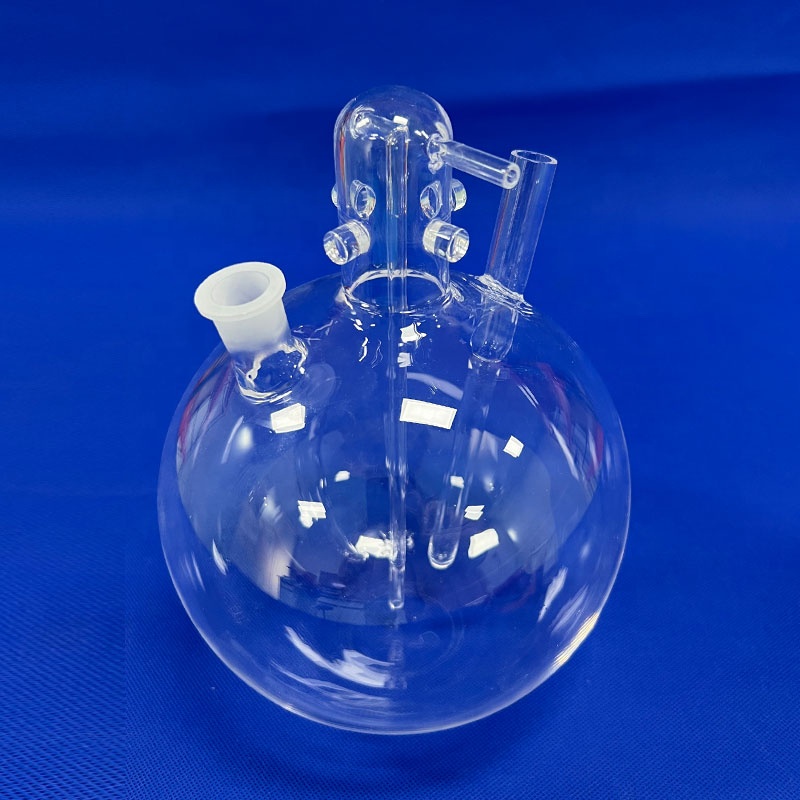
Standard Engineering Properties of Fused Silica Glass
Procuring quartz sample tubes and process chambers requires verifiable data on dielectric strength, thermal threshold, and optical transmissive windows to prevent micro-cracking and impurity leaching under continuous operational load.
| Silica Purity (Grade Level) | ≥ 99.99% SiO₂ (Trace metallic impurities < 20 ppm cumulative; Fe < 1.5 ppm, Al < 14 ppm) |
|---|---|
| Thermal Operating Limits | Continuous Service: 1100°C | Short-term Shock Limit: 1300°C–1400°C | Annealing Point: 1215°C | Softening: 1730°C |
| Coefficient of Thermal Expansion (CTE) | 5.5 × 10⁻⁷ cm/cm·°C (20°C to 320°C) — Exceptional resistance to repeated thermal shock and instant water quenching |
| Optical Transmission Bands | JGS1 (UV Synth Fused Silica): 185–2500 nm | JGS2 (Optical Fused Quartz): 220–2500 nm | JGS3 (Infrared Grade): 260–3500 nm |
| Mechanical & Dimensional Precision | CNC Boring / Turning Tolerance: ±0.02 mm to ±0.05 mm | Wall Uniformity Variation: ≤ 3% across length | Slicing / Dicing: 0.1 mm |
Empowering Charlotte's Industrial, Energy & Research Clusters
The greater Charlotte metropolitan region, extending along the I-85 manufacturing belt into the Research Triangle and Piedmont Triad, relies heavily on high-purity thermal process glass. Our direct factory supply mitigates supply-chain exposure across these key regional sectors.
Advanced Power & Energy Storage
Charlotte is known globally as a hub of energy engineering. Lithium battery material synthesis, cathode calcination, and fuel cell research require clean sample combustion tubes that withstand corrosive lithium salt vapors without structural devitrification.
Wide-Bandgap Semiconductor Fabrication
With North Carolina leading investments in Silicon Carbide (SiC) and Gallium Nitride (GaN) power electronics, our high-temperature quartz wafer boats and epitaxial process tubes provide the non-contaminating thermal envelope essential for high-yield crystal growth.
Biomedical & Spectroscopic Laboratories
Supporting clinical research labs and university research institutions across the Carolinas with high-UV-transmission JGS1 quartz flow-through cells, microplates, and sample digestion tubes with zero residual polarization stress.
From Raw Quartz Lump to Finished CNC Component
Located in Lianyungang, China—the epicenter of high-purity natural silica sand—our 14,271 m² facility manages 12 specialized production stages in-house to guarantee batch-level traceability for American engineering teams.
Silica Refining & Acid Leaching
Selected crystalline quartz is crushed, pulverized, and subjected to multi-stage acid leaching to eliminate iron, aluminum, and alkali traces down to sub-ppm levels.
Thermal Tube Drawing & Sizing
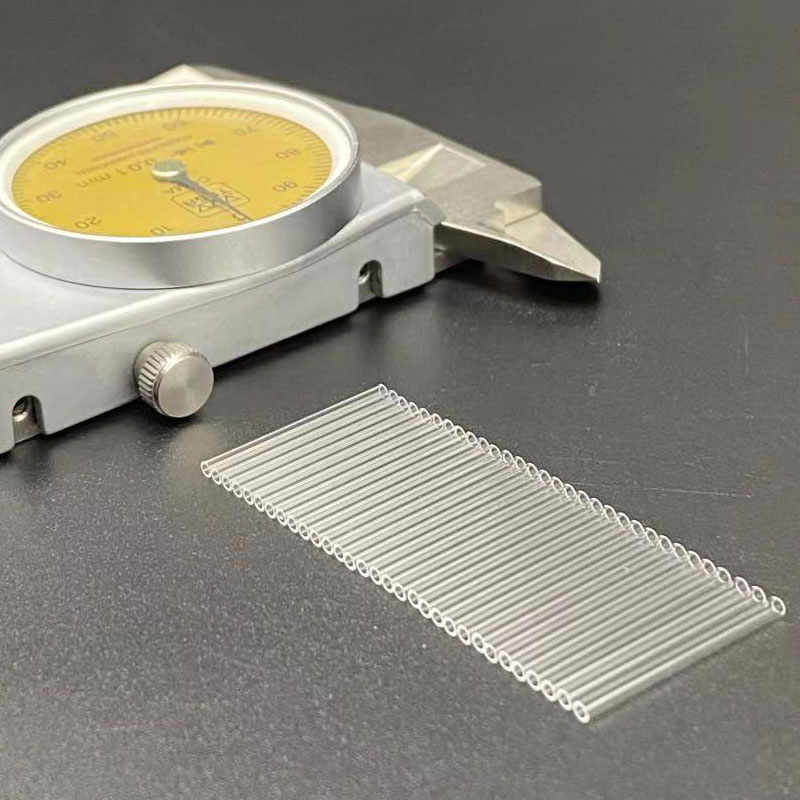
Continuous electric fusion drawing furnaces form heavy-wall and thin-wall tubes with digital outer diameter laser monitors maintaining tight concentricity.
Annealing & Polarization Testing
Every single run is subjected to slow-cycle annealing to relieve internal mechanical tension, inspected on crossed-polarizer benches to prevent in-service cracking.
CNC Precision Machining
Multi-axis diamond tool CNC centers perform precision thread milling, slot cutting for wafer carriers, blind hole drilling, and custom flange geometry shaping.
Flame Working & Fusion Welding
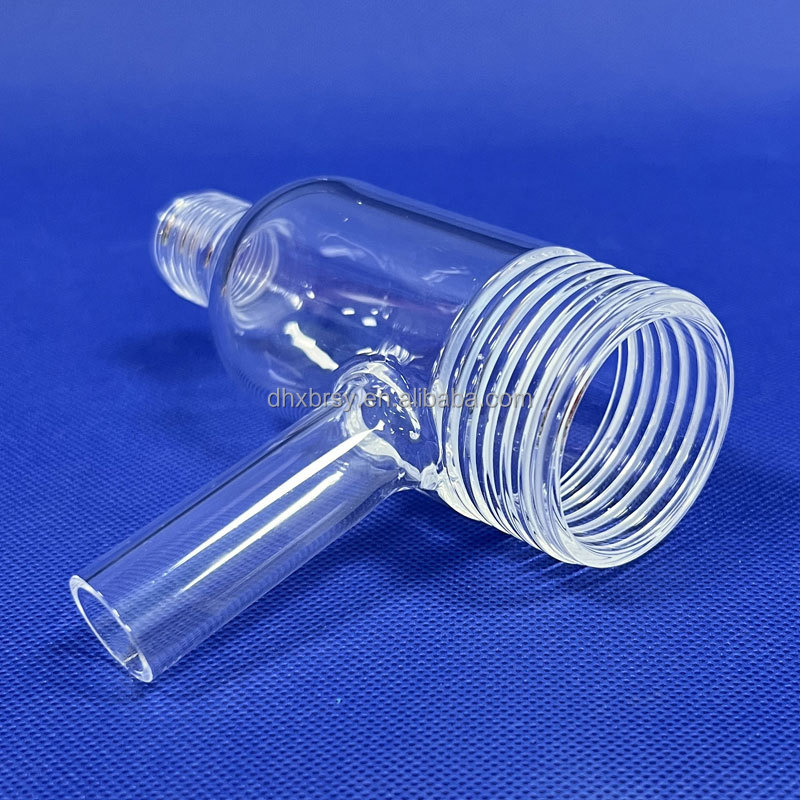
Master glassblowers perform manual lathe joints, high-vacuum glass stopcocks, spiral quartz coil bending, and optical-window fusing under cleanroom hoods.
Double-Layer Export Packaging
Parts receive ultrasonic degreasing, cleanroom polyethylene sealing, custom form-fit EPE foam buffering, and moisture-sealed international crating.
Why Procurement Leaders Choose Direct China Factory Sourcing
Bypassing trading houses and multi-tier distributors delivers direct metallurgical traceability, rapid CAD-to-prototype cycles, and scalable container or air-express freight reliability.
SGS-Verified Operation
Fully assessed and audited factory facilities, validating workforce, safety protocols, and machine capacity without third-party brokers.
CAD/STEP Customization
Rapid conversion of mechanical drawings into functional prototypes within 5 to 7 working days, accommodating non-standard port orientations.
Zero-Breakage Guarantee
Industrial multi-density EPE foam shock-cushioning and reinforced export plywood crates designed specifically for transatlantic air and ocean transit.
Flexible MOQ & Scale
From single-piece replacement runs for proprietary pilot-plant reactors to multi-thousand-piece scheduled deliveries for volume apparatus OEMs.
Frequently Asked Questions by Charlotte & US Buyers
Addressing common queries regarding tariffs, cross-border shipping logistics, chemical specs, and custom fabrication parameters.
How do you handle shipping and customs clearance into Charlotte, NC?
We provide full DDP (Delivered Duty Paid), CIF, or FOB options. Urgent prototyping batches are typically shipped via FedEx or DHL Express directly to Charlotte addresses in 4–6 business days, with customs tariffs and documentation pre-coordinated.
How do fused quartz sample tubes compare to borosilicate tubes?
Borosilicate 3.3 softens at approximately 820°C and has a CTE of 33 × 10⁻⁷ /°C. Fused quartz withstands continuous temperatures up to 1100°C (softening at 1730°C) with a CTE of only 5.5 × 10⁻⁷ /°C, ensuring zero thermal deformation during rapid quench cycles.
Can you provide material certificates of analysis (COA) for purity?
Yes. Every production lot is paired with an analytical chemical report verifying SiO₂ purity at or exceeding 99.99%, alongside spectrographic trace metal breakdowns, RoHS compliance documentation, and stress-birefringence verification records.
What is the standard tolerance for custom CNC-slotted quartz wafer boats?
Our standard machining tolerance for wafer carrier slot widths and depths is ±0.03 mm, with pitch repeatability controlled within ±0.02 mm, ensuring robotic pick-and-place systems operate smoothly without mechanical binding.
Can we order custom threaded quartz tubes with matching caps?
We manufacture both male and female precision-ground quartz threads, as well as hybrid fittings with PTFE, PEEK, or stainless steel standard-taper flanges, providing gas-tight seals for high-vacuum and pressurized micro-reaction chemistry.
What happens if delicate quartz components arrive damaged?
Our export breakage rate is below 0.3%. However, all factory-direct shipments carry full transit coverage. In the rare event of transit damage, submitting photo documentation initiates an immediate priority replacement remake at zero expense.
Request Technical Drawings, Pricing & Factory Specifications
Send us your dimensional drawings, target silica grade (JGS1/JGS2/JGS3), or process chamber operating conditions. Our quartz engineering group reviews all inquiries within 12 business hours.
Get Catalog