JGS1 OPTICAL
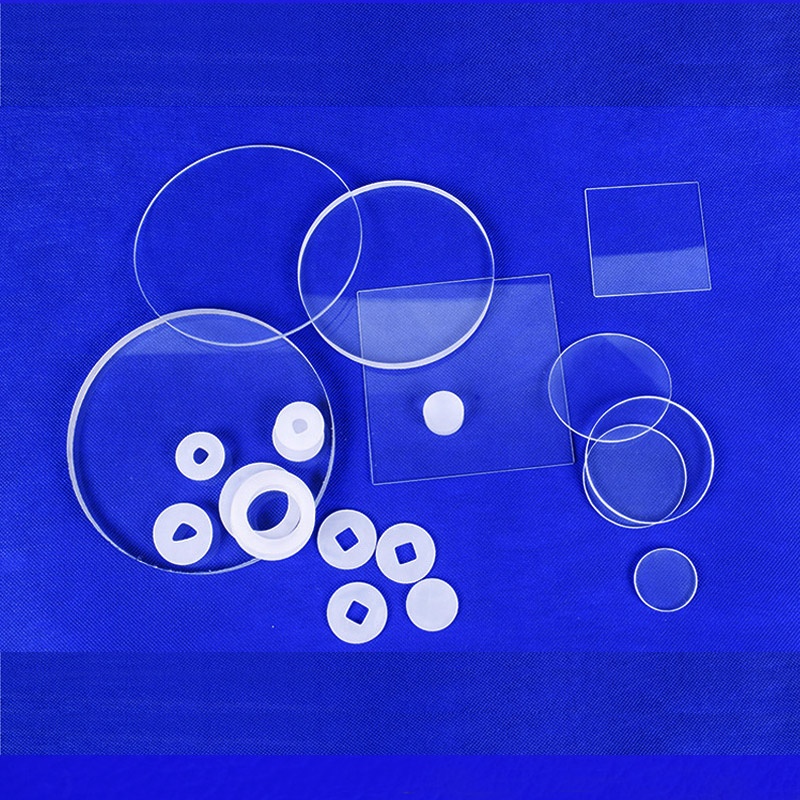
Manufactured to client engineering drawings in PDF, DWG, or STEP format. Full batch traceability with spectral transmittance curves, polarization stress reports, and certificate of conformity (CoC).
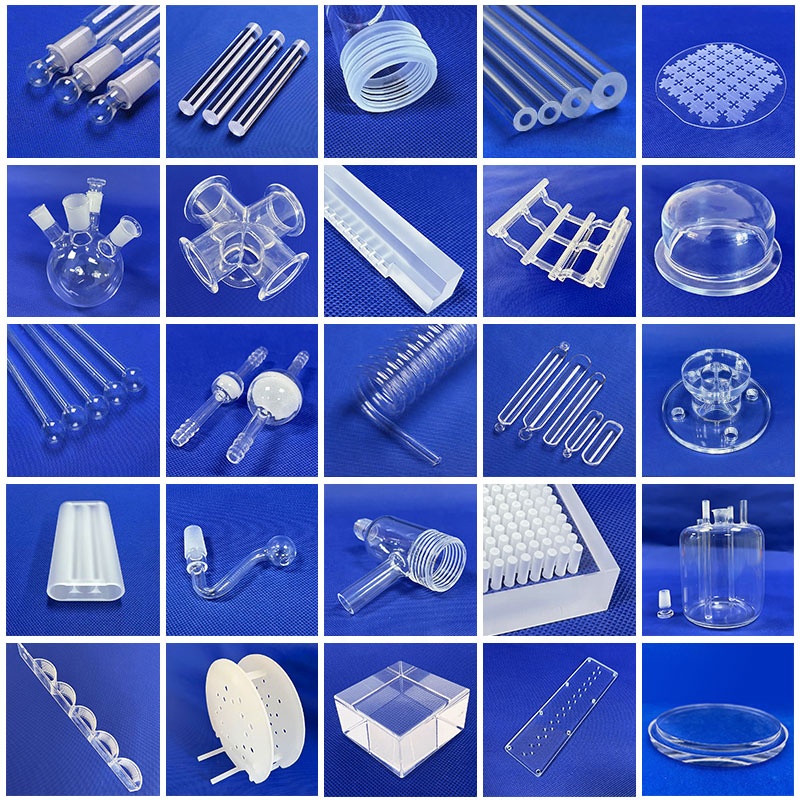
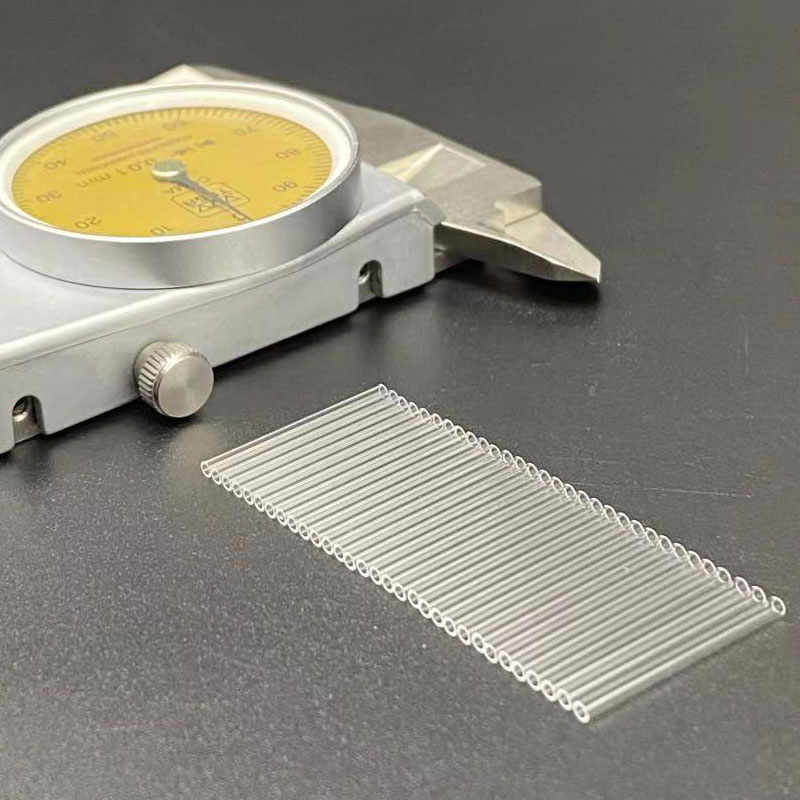
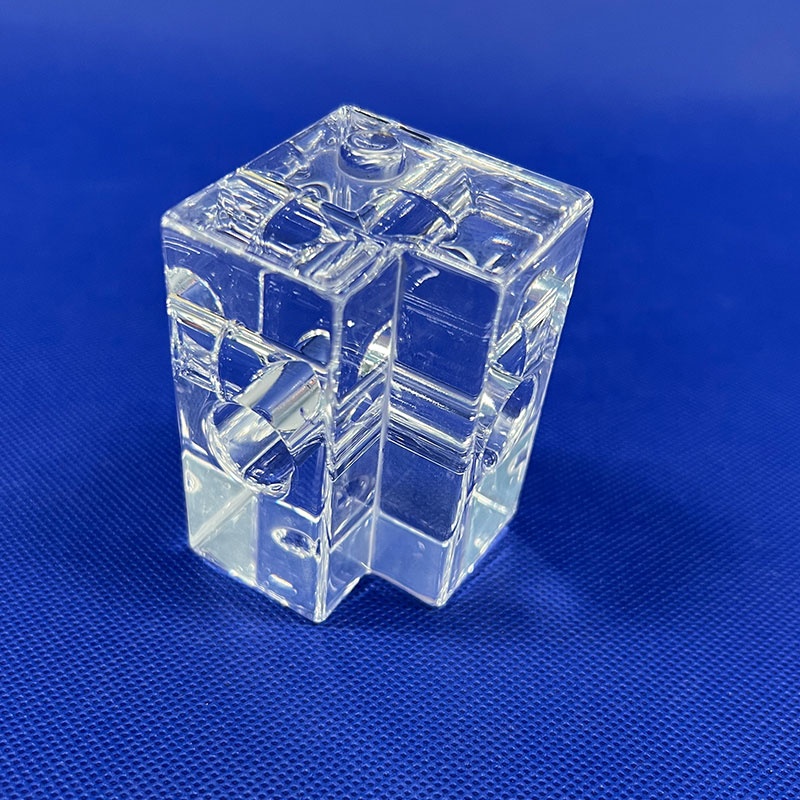
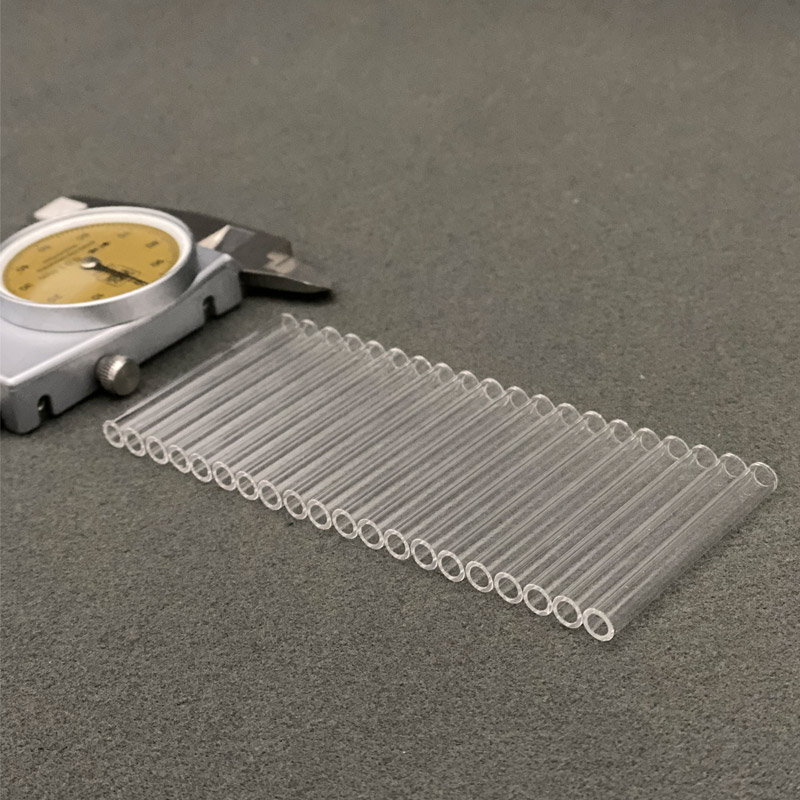
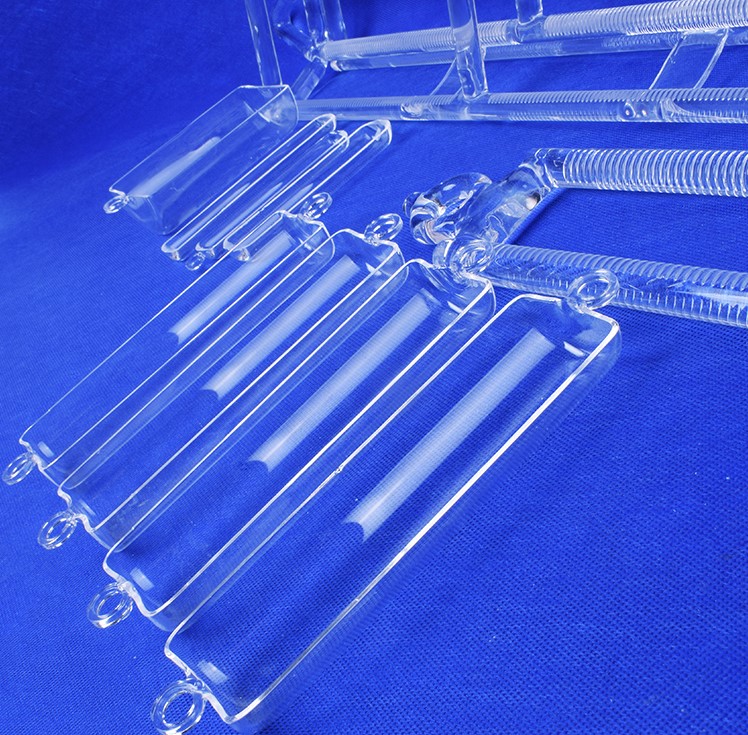
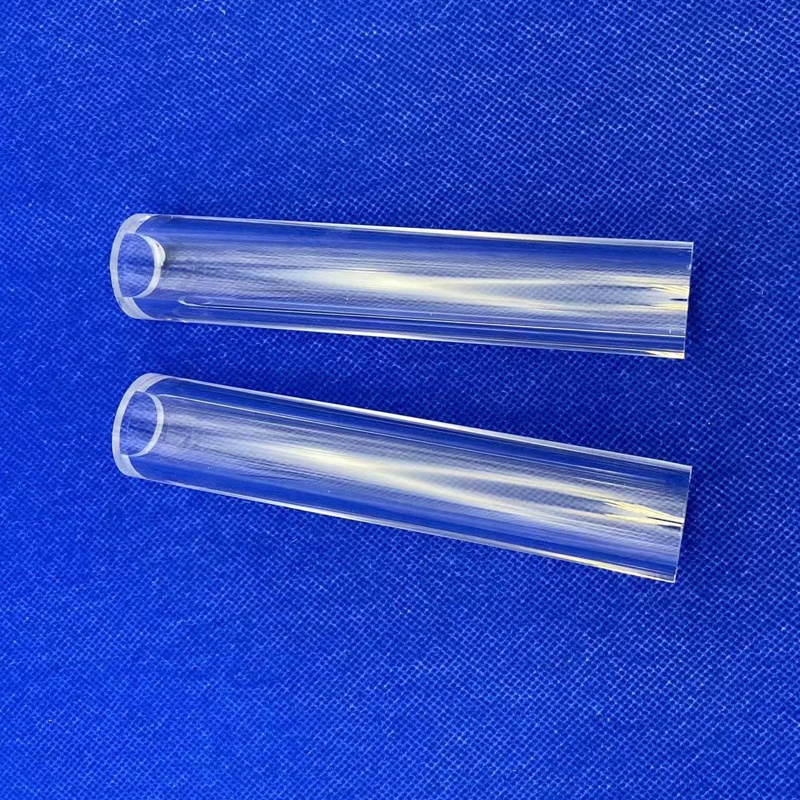
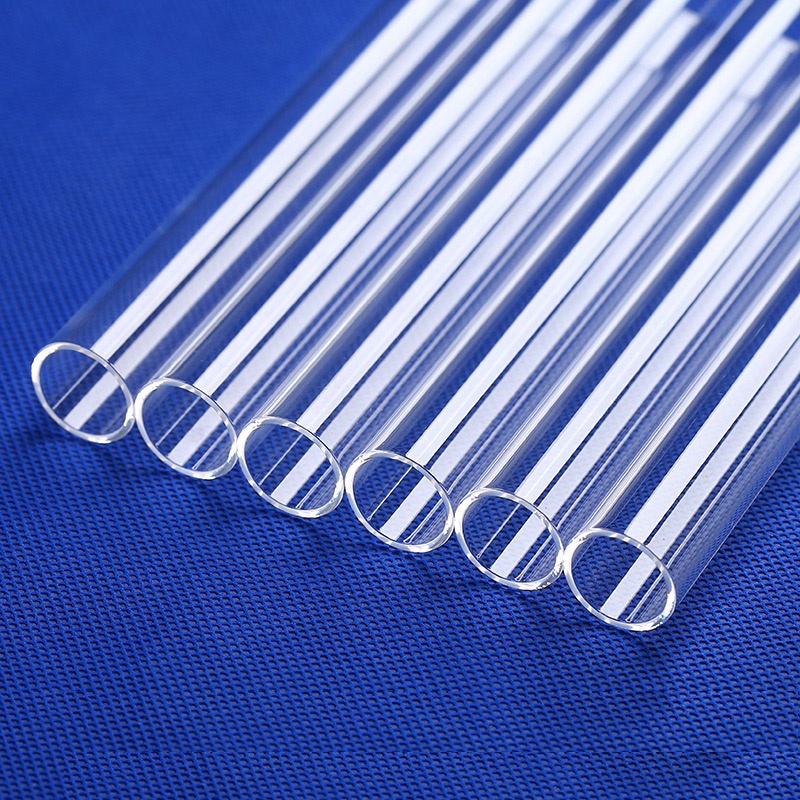
Procuring optical plates for subsea exploration in the North Sea or laser laboratories in Gaustad requires exact optical grade matching. We engineer three distinct classes of synthetic and fused quartz.
| Chemical Composition | SiO₂ ≥ 99.99% (Trace impurities ≤ 20 ppm) |
|---|---|
| Density (ρ) | 2.201 g/cm³ |
| Coefficient of Thermal Expansion (CTE) | 5.5 × 10⁻⁷ / °C (20°C – 320°C) |
| Continuous Operating Temperature | 1,100 °C |
| Max Peak Thermal Spike | 1,350 °C (Softening point at 1,730 °C) |
| Dielectric Constant (ε) | 3.75 at 1 MHz (Low dielectric loss) |
| Refractive Index (n_d) | 1.4585 at 589.3 nm |
| Abbe Number (V_d) | 67.8 (Extremely low chromatic aberration) |
| Compressive Strength | > 1,150 MPa (Extreme hydrostatic pressure tolerance) |
| Knoop Microhardness | 8.7 × 10⁹ Pa |
Unlike commercial borosilicate (which softens at 500°C and displays micro-fractures in sub-zero seawater cycling), our synthesized JGS1 fused silica plates exhibit internal stress birefringence under 5 nm/cm, making them immune to thermal cavitation in Arctic waters.
| Grade | Transmission | Target Oslo Application |
|---|---|---|
| JGS1 Synthetic Silica |
185 nm – 2,500 nm (Zero absorption in deep UV) |
UV-C water disinfection optics, excimer laser windows, lithography at SINTEF. |
| JGS2 Flame-Fused |
220 nm – 2,500 nm (Standard visual & near UV) |
Offshore vessel sight glasses, industrial observation windows, solar cell diffusion. |
| JGS3 Electrically Fused |
260 nm – 3,500 nm (Hydroxyl-free < 5 ppm OH) |
Thermal imaging, offshore IR gas pyrometry, cryogenic subsea laser telecommunication. |
Our Lianyungang factory processes quartz plates up to 1,200 mm × 1,200 mm with multi-axis CNC bevelling, stepped rims, laser drill holes down to Ø0.2 mm, and double-sided scratch-dig polish adhering to DIN ISO 10110.
Send an InquiryOslo serves as the epicenter of Norway's high-tech marine, space metrology, energy research, and environmental technology initiatives. Here is where our fused silica plates are deployed.
The Kongsberg Maritime and Asker-Bærum subsea engineering corridor requires optical viewport plates capable of withstanding intense hydrostatic pressures (up to 400 bar / 4,000 meters depth in Arctic offshore basins) without stress-induced optical deformation. Our fused silica plates feature ground bevels that seal hermetically with titanium housings.
Serving cleanrooms and optical physics laboratories at SINTEF MiNaLab and the University of Oslo (UiO). Our ultra-thin 0.1 mm to 0.5 mm fused silica wafers serve as low-loss dielectric substrates for micro-opto-electro-mechanical systems (MOEMS), high-frequency acoustic wave resonators, and cryogenic quantum computing waveguides operating at milli-Kelvin temperatures.
Norway's Northern Lights Carbon Capture and Storage (CCS) infrastructure and clean-tech maritime retrofits across Oslo Port mandate UV-absorption spectroscopy sight glasses. Our JGS1 silica windows allow real-time detection of sulfur dioxide (SO₂), nitrogen oxides (NOx), and CO₂ gas densities within harsh, corrosive marine scrubber exhaust lines.
An authoritative analysis of technical shifts driving silica demand across Southern Norway, the Oslo innovation cluster, and Arctic deep-sea energy corridors.
Under strict Norwegian Maritime Authority (Sjøfartsdirektoratet) and IMO ballast water guidelines, chemical biocide treatments are being replaced by high-power UV-C LEDs (265 nm - 280 nm). Standard glass solarizes and turns opaque within 200 hours; synthetic JGS1 quartz maintains >90% transmission indefinitely under harsh ultraviolet exposure.
Offshore wind farms along the Norwegian shelf employ LiDAR (Light Detection and Ranging) optical plates to map incoming wind shears. These plates must endure salt-fog encrustation, continuous sand-wind abrasion, and -30°C freezing rain without surface spalling, driving demands for double-sided fire-polished optical quartz.
With Norway's National Quantum Technology Strategy gaining momentum, research labs in Oslo are scaling integrated quantum optics. Fused silica's low fluorescence background, near-zero birefringence, and high laser damage threshold (>20 J/cm² at 1064 nm) establish it as the definitive choice for quantum photon counters and beam dividers.
Located in Lianyungang, China's premier silica basin, Lovri Quartz controls the complete production chain. We never outsource critical melting, grinding, or annealing operations.
Our SGS onsite-verified plant eliminates intermediaries. By purifying raw silica quartz rock directly into high-purity sand and utilizing automated high-temperature drawing towers and CNC machineries, we guarantee continuous batch consistency for demanding Scandinavian procurements.
Rapid prototypes dispatched via DHL/FedEx to Oslo in 5-7 business days.
Send an InquiryRaw silica lump crushing, ultra-fine pulverization, and multi-deck screening ensuring uniform 200-mesh grain size distribution.
Hydrochloric/hydrofluoric chemical leaching removing trace iron and alkalis, followed by oxyhydrogen or electric arc vacuum fusion.
Programmed heating and cooling in atmospheric furnaces relieving internal mechanical stress to prevent subsequent fracturing.
High-precision diamond wire cutting into raw plates followed by multi-axis CNC drilling, beveling, step routing, and slots.
Double-side planetary mechanical polishing achieving surface roughness Ra < 0.5 nm and 20/10 optical scratch-dig finish.
100% batch check using cross-polarization polarimeters to verify zero optical retardation and total strain relief.
UV-Vis-NIR spectrometer inspection confirming calibrated transmission curves across 185 nm to 3,500 nm range.
Vacuum sealed dust-free barrier foil, custom shock-absorbent EPE foam liners, and fumigated timber crates for air/sea transit.
Key information regarding international logistics to Eastern Norway, Norwegian Customs (Tolletaten) handling, quality assurance, and mechanical tolerances.
Upload your STEP, DWG, or PDF drawings for a same-day manufacturability review, thermal shock stress evaluation, and factory-direct quotation delivered in NOK, EUR, or USD.