
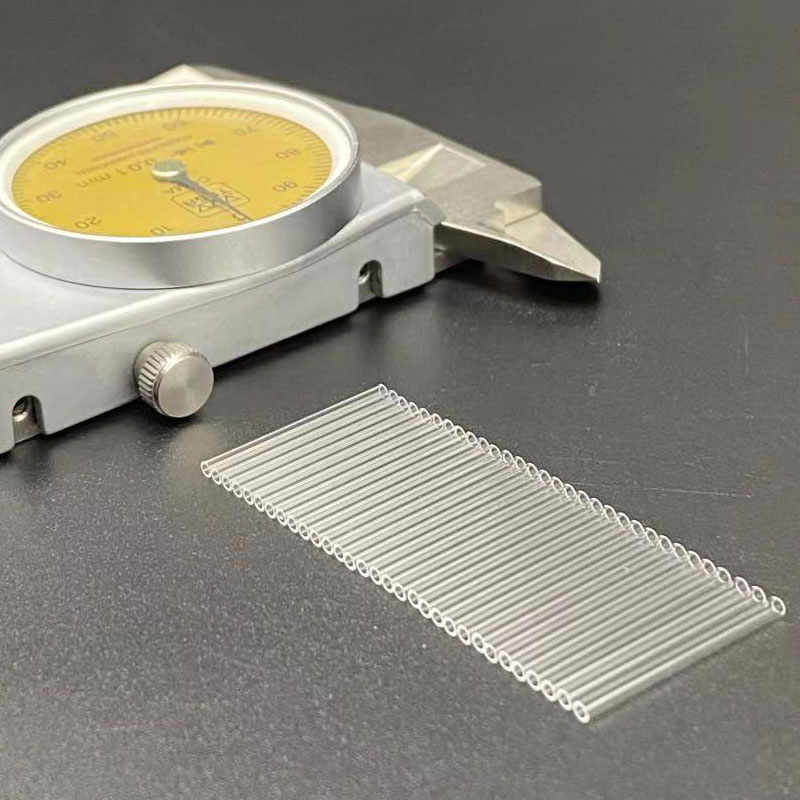
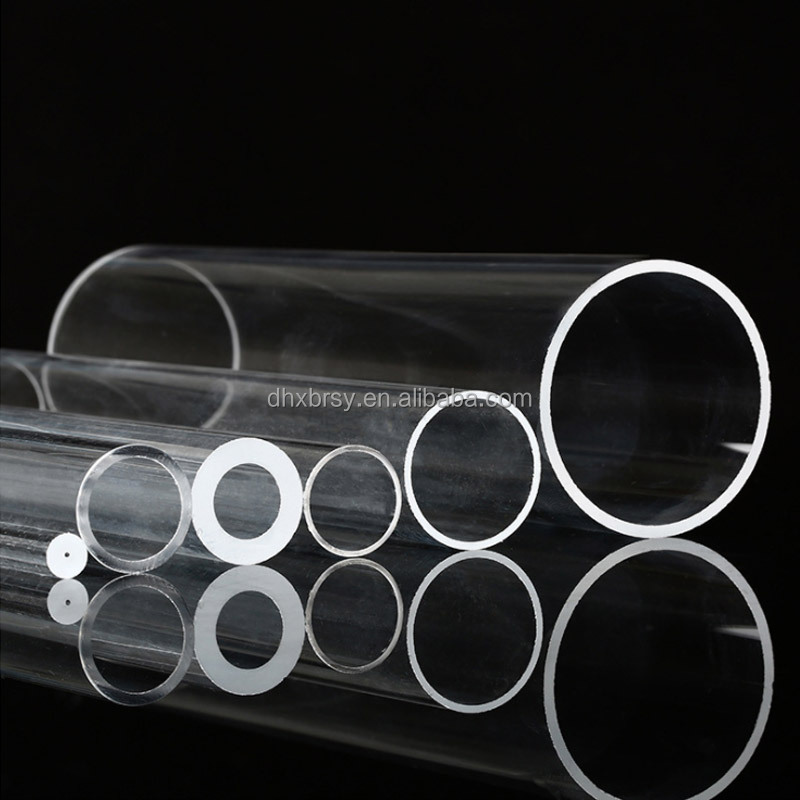
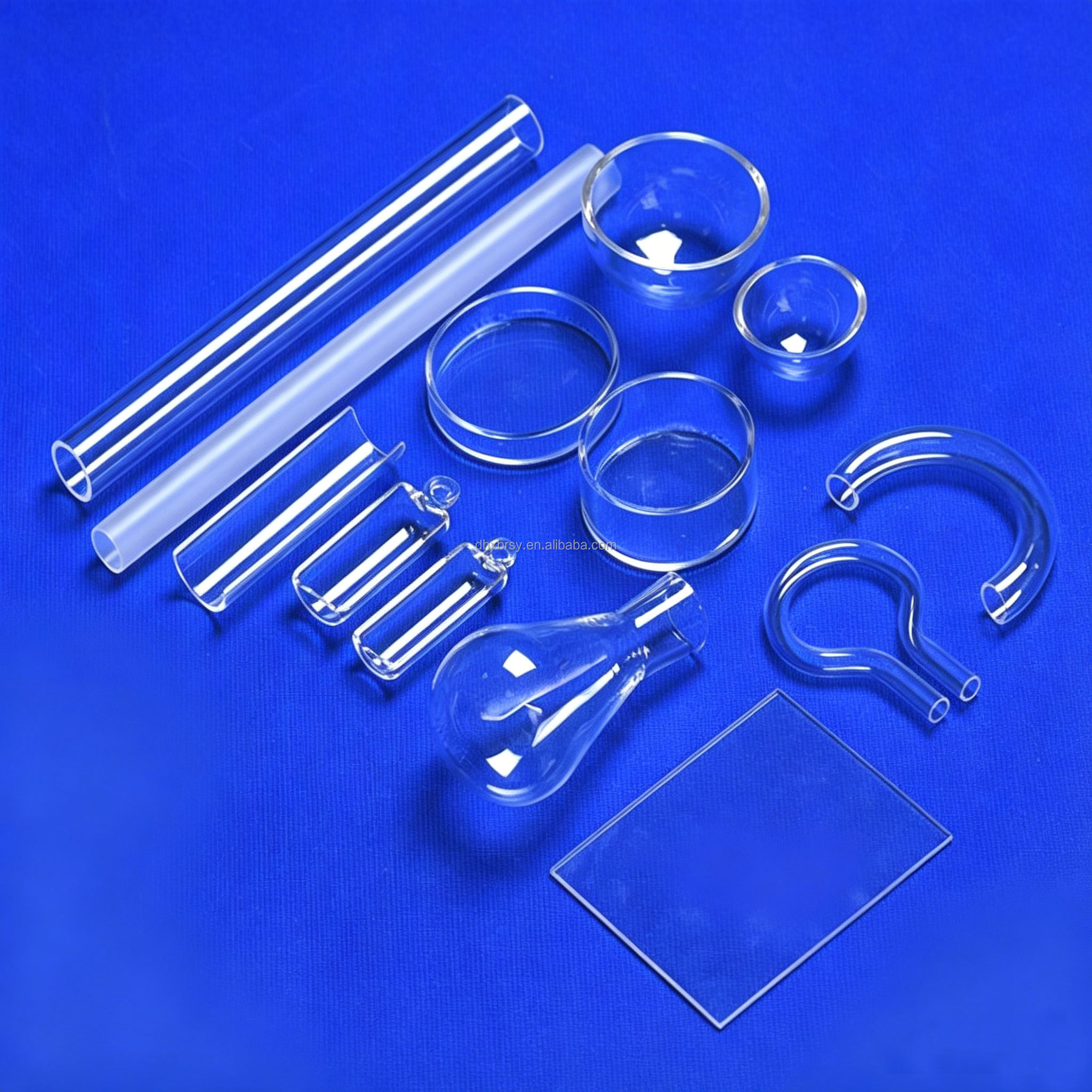
Engineering High-Temperature Quartz Furnace Tubes for Precision Thermal Applications
In modern pyrometallurgical, chemical deposition, and solid-state synthesis environments, the furnace tube represents the single most critical barrier between controlled atmospheres and atmospheric contamination. Lovri Quartz Products Co., Ltd. supplies high-purity transparent fused silica (SiO₂) tubes specifically developed to satisfy rigorous thermal stability, vacuum integrity, and mechanical endurance benchmarks. Fabricated at our integrated industrial facility in Lianyungang, China—the world’s epicenter for high-grade quartz sand refining—our products directly serve industrial innovators and academic research laboratories across the Baltic States, centered in Riga, Latvia.
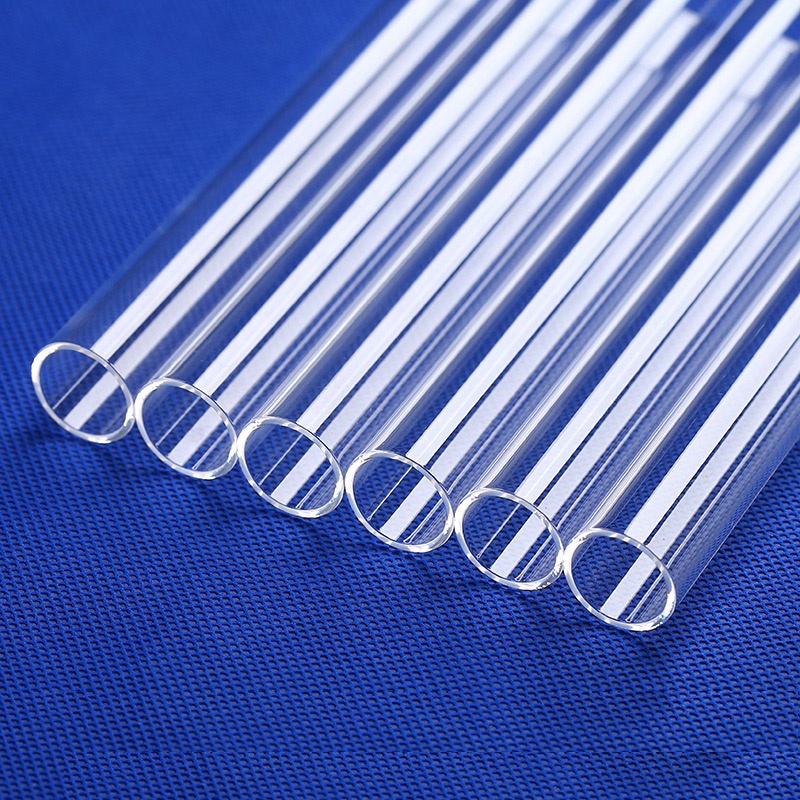
The exceptional thermal shock resistance of fused silica stems from its extraordinarily low coefficient of thermal expansion (CTE ≈ 5.5 × 10⁻⁷ /°C between 20°C and 300°C). Unlike borosilicate or aluminosilicate glasses, which experience severe internal stress profiles during rapid heating and water quenching, fused quartz can withstand instantaneous temperature drops exceeding 1000°C without catastrophic fracture. This makes our furnace tubes the premier substrate for horizontal and vertical tube furnaces, Chemical Vapor Deposition (CVD), Atomic Layer Deposition (ALD), metal annealing, and high-vacuum sintering systems operating up to continuous thresholds of 1100°C and peak excursions of 1300°C.
| Material Property | Reference Value | Operational Significance for Thermal Engineers |
|---|---|---|
| SiO₂ Purity Ratio | ≥ 99.99% (Optical Grade up to 99.999%) | Prevents outgassing and prevents transition-metal contamination into high-purity silicon or wafer substrates. |
| Softening Point | ≈ 1730 °C | Retains structural profile under elevated atmospheric pressures; eliminates premature tube sag under heavy loads. |
| Annealing Point | ≈ 1215 °C | All tubes pass through precision stress-relieving annealing to neutralize crystalline grain boundaries. |
| Strain Point | ≈ 1120 °C | Defines upper limit for structural stability during unconstrained long-duration thermal processes. |
| Dielectric Breakdown | 25–40 kV/mm at 20 °C | Superior electrical insulation within high-frequency RF-induction heating zones and vacuum chambers. |
Localized Industrial and Academic Applications Across the Riga Metropolitan Region
The industrial ecosystem of Riga has undergone an intensive modernization over the past decade, transforming the Daugava River corridor into an agile hub for high-tech optoelectronics, materials science, analytical biotechnology, and green technology prototyping. Fused quartz components are critical enablers across multiple specialized sectors in Latvia:
Solid-State Physics & Nano-Engineering
Riga’s research institutions, including the Institute of Solid State Physics (ISSP UL), conduct advanced thin-film research, ferroelectric synthesis, and wide-bandgap semiconductor development. Our double-flanged, high-vacuum CVD furnace tubes provide the inert reaction chambers necessary to prevent trace sodium (Na) or potassium (K) cross-contamination at 1000°C+ conditions.
Photonics, Laser Modules & Fiber Splicing
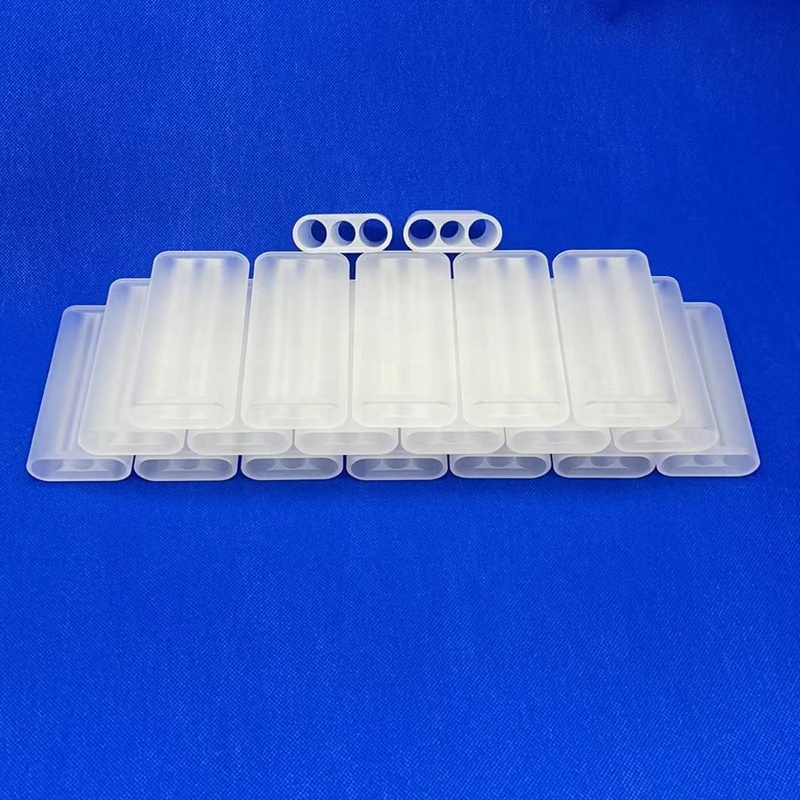
Latvia has a respected cluster of commercial laser manufacturers and fiber-optic instrumentation builders. The requirement for precision quartz flow tubes (such as triple-bore C-shape jackets) and high-homogeneity JGS1 UV optical windows is vital for solid-state laser cooling and high-power beam transmission without thermal blooming.
Specialty Metallurgy & Vacuum Sintering
High-value precision manufacturing in Riga and nearby regions like Olaine and Jelgava requires clean annealing of high-performance alloys, titanium powders, and catalytic ceramics. Quartz process tubes allow visual thermal inspection while maintaining positive inert gas purging (Argon/Nitrogen) without wall reactions.
Emerging Procurement Trends in Latvia and the Wider Baltic Region
Engineering procurement officers and laboratory directors in the Baltic market are shifting away from rigid catalog-only distributors. The evolving requirements of regional production dictate several clear trends:
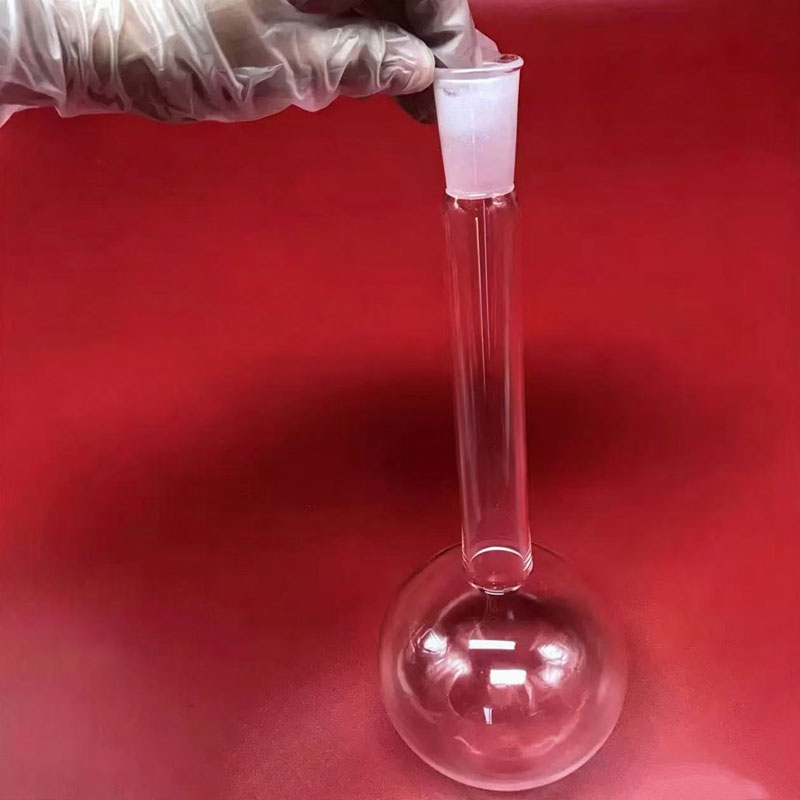
1. Direct Factory Customization Over Stock Compromises: Standard off-the-shelf tube dimensions rarely accommodate specialized furnace builds or custom vacuum couplings. Engineers in Riga increasingly order bespoke geometries—featuring ground flat flanges, ball-and-socket vacuum joints, KF/ISO quick-disconnect fittings, and integrated thermocouple wells—machined directly from STEP files.
2. Transition to Total Traceability and Certifiable Purity: For both semiconductor pilot lines and pharmaceutical analytical chemistry (such as quartz digestion vessels and flow cells), technical buyers enforce rigorous material compliance. Certified purity levels (99.99% SiO₂) accompanied by RoHS certifications and third-party inspection audits (such as SGS Group onsite verification) are non-negotiable baselines.
3. Resilient Logistics and Anti-Shock Export Packaging: Sourcing fused quartz internationally has historically raised fears of transit breakage. Modern procurement demands specialized multi-stage packaging methodologies: individual polyolefin vacuum sealing, custom-cut high-density EPE foam shock buffers, and heavy-duty ISPM-15 compliant export plywood crates with integrated tilt-and-drop indicators.
The Lovri Manufacturing Advantage: Total In-House Production Control
Unlike commercial trading intermediaries, Lovri Quartz Products Co., Ltd. operates a vertically integrated production infrastructure covering 14,271 m² in Lianyungang, China. Our complete manufacturing ecosystem ensures absolute oversight over quality, lead times, and metallurgical tolerances:
Raw Material Refining
We process quartz lumps through proprietary jaw crushing, high-purity pulverizing, and deep multi-stage acid pickling. By eliminating residual trace iron (Fe < 0.2 ppm) and alkalis at the source, we prevent premature devitrification at 1100°C.
Automated Continuous Drawing
Our computerized tube drawing towers maintain wall thickness concentricity and outside diameter (OD) tolerances within ±0.15mm across large formats (from 10mm OD capillary structures up to 450mm OD industrial furnace vessels).
Multi-Axis CNC Cold-Working
Complex porting, slotting, precision hole drilling, and optical edge chamfering are executed on dedicated diamond-tooled CNC centers, followed by high-temperature hydrogen-oxygen flame fire-polishing to remove micro-fractures.