Precision Quartz Glass Solutions for Advanced Industry
Engineered from raw crystal synthesis through CNC diamond-grinding to satisfy rigorous high-temperature and spectroscopic criteria across regional and international production lines.
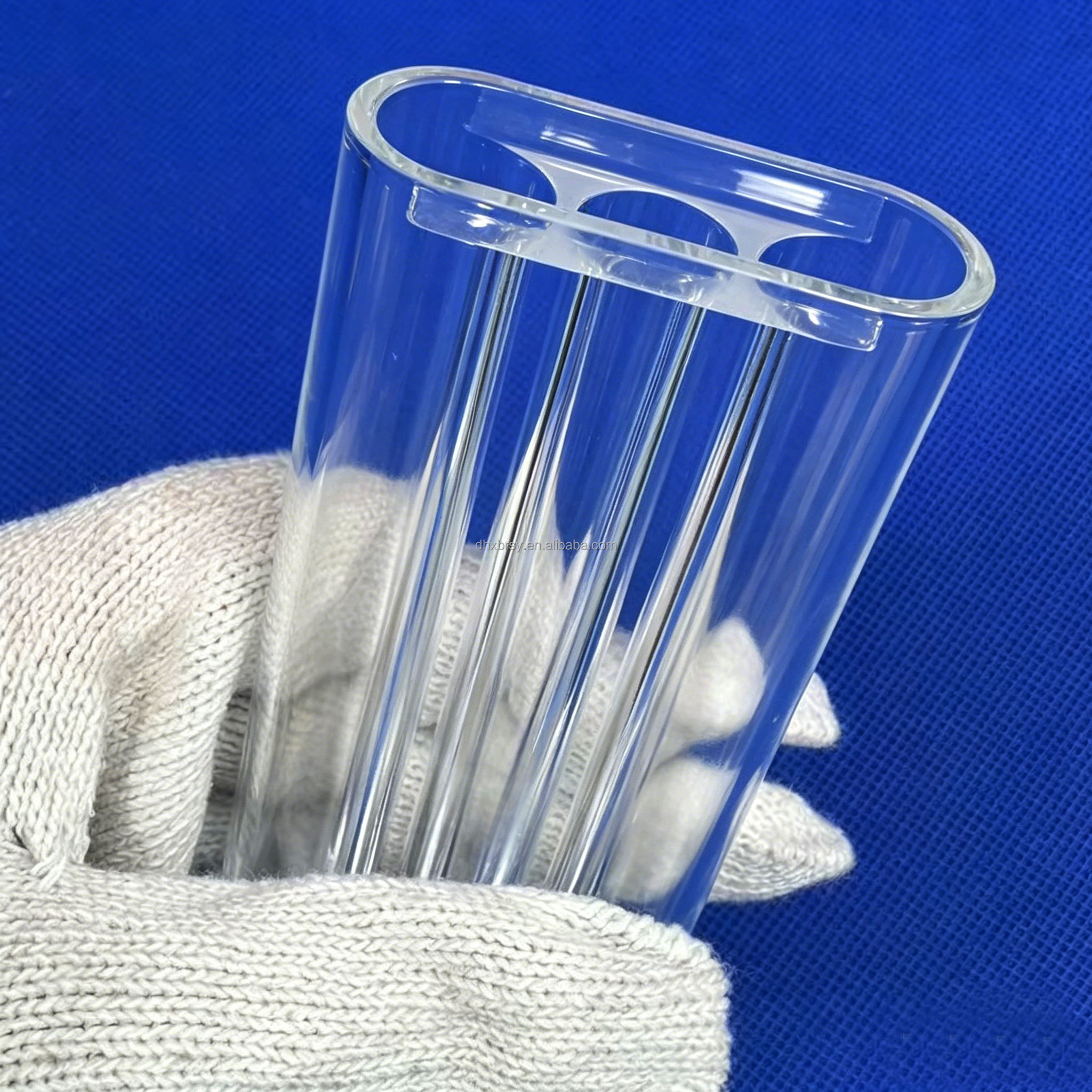
Customized Quartz Glass Furnace Tube
High-temperature fused silica tubes designed for lab furnaces, CVD reactors, and semiconductor processing runs with exceptional devitrification resistance.
View Details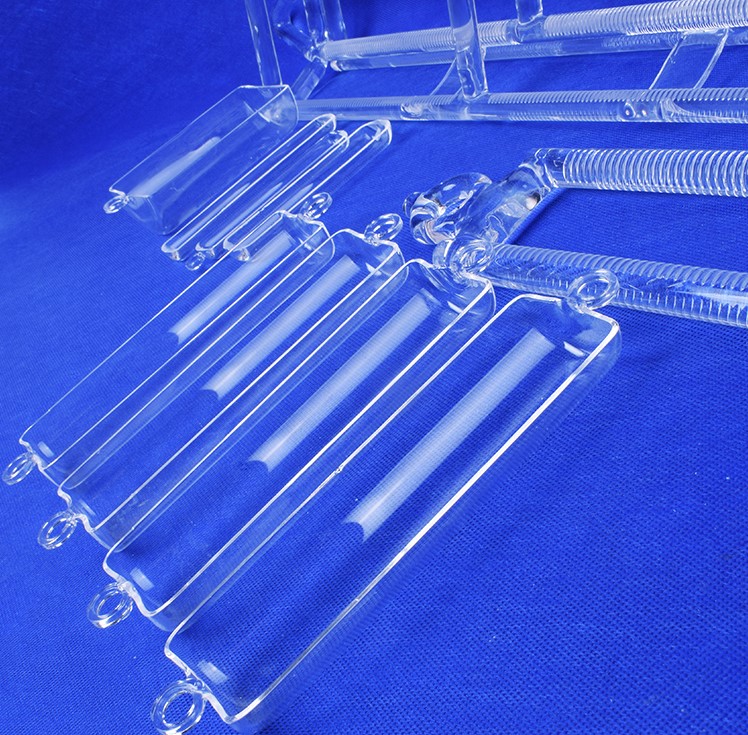
Fused Quartz Wafer Boats (SiO₂ 99.99%)
Micro-slotted carrier structures featuring high mechanical stability for photovoltaic wafer diffusion, acid processing, and thermal annealing cycles.
View Details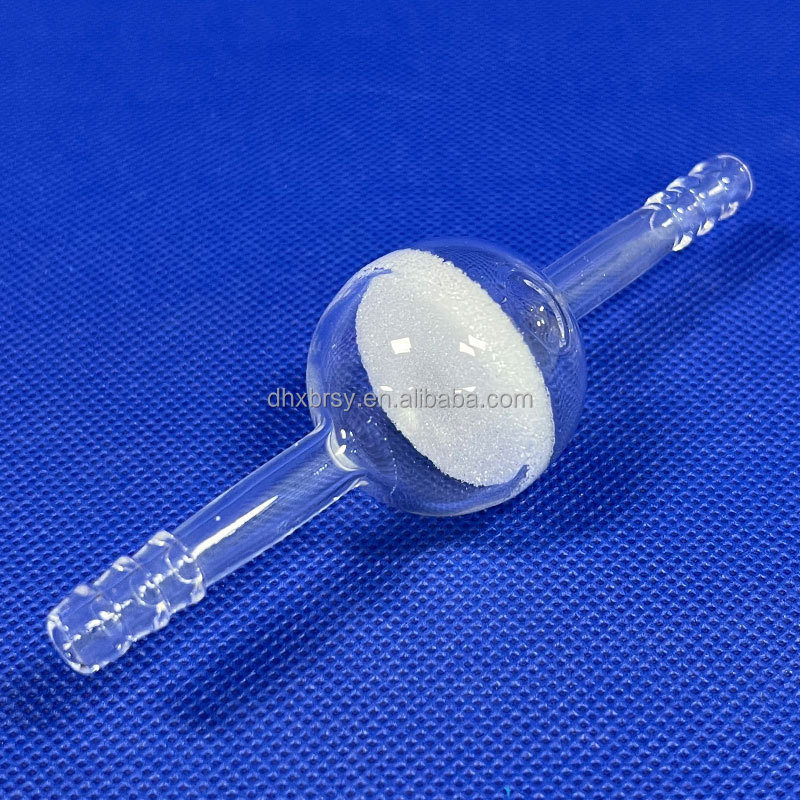
High-Purity Transparent Quartz Sheet
Double-side optical polished plates providing parallel transmission properties, superior thermal-shock resistance, and high corrosion stability.
View Details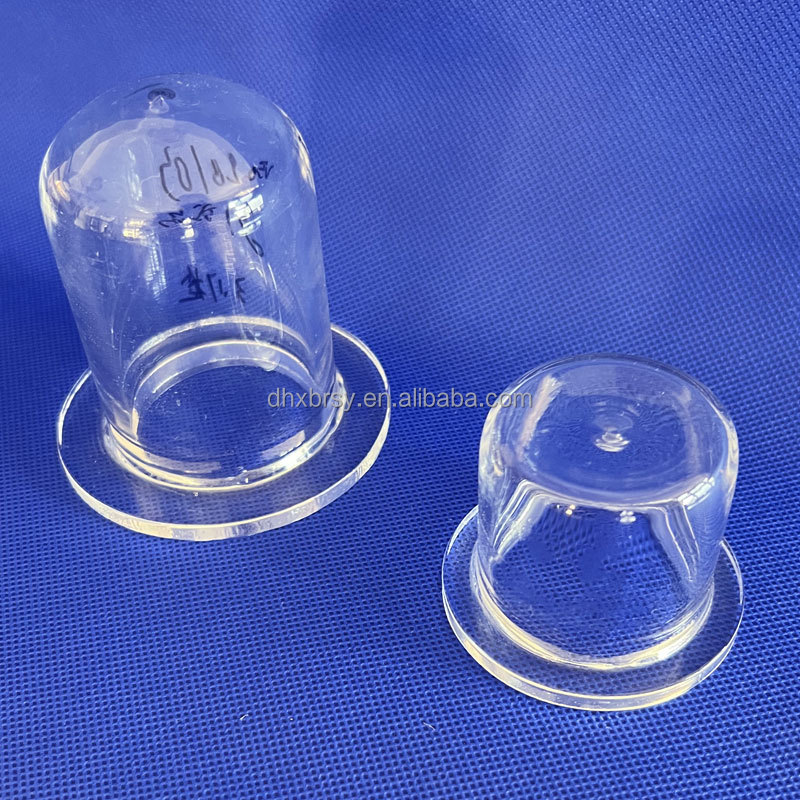
Photovoltaic Sintering Quartz Furnace Tube
Engineered for high radiant heat throughput and low thermal stress, optimized for continuous solar cell sintering lines up to 1250°C.
View Details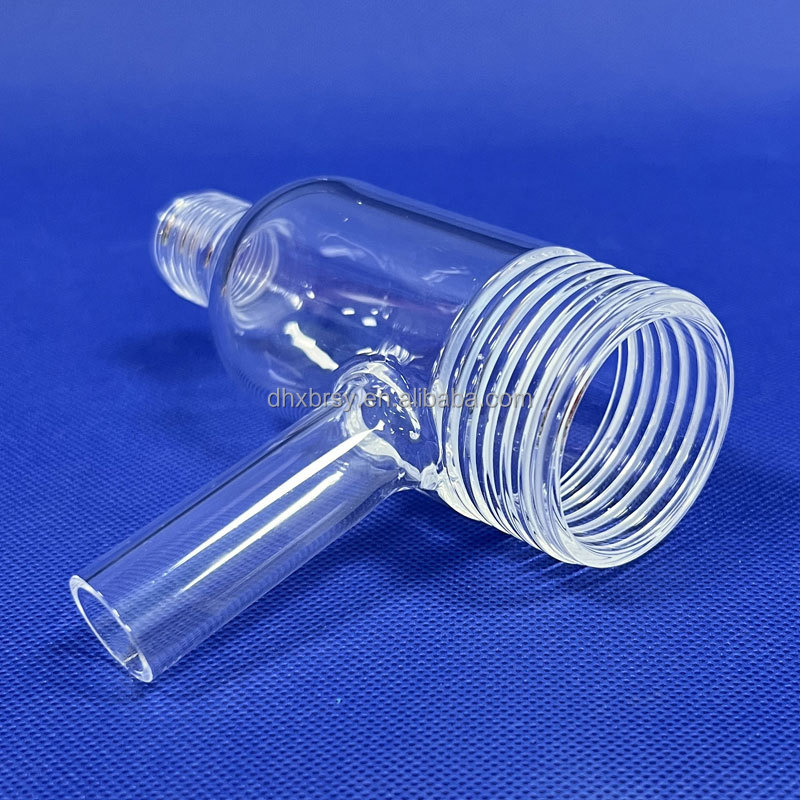
Threaded Quartz Glass Tube & Joint
Precision-milled male and female quartz threading, enabling tight leak-free mechanical interlocks in aggressive fluid and high-vacuum systems.
View Details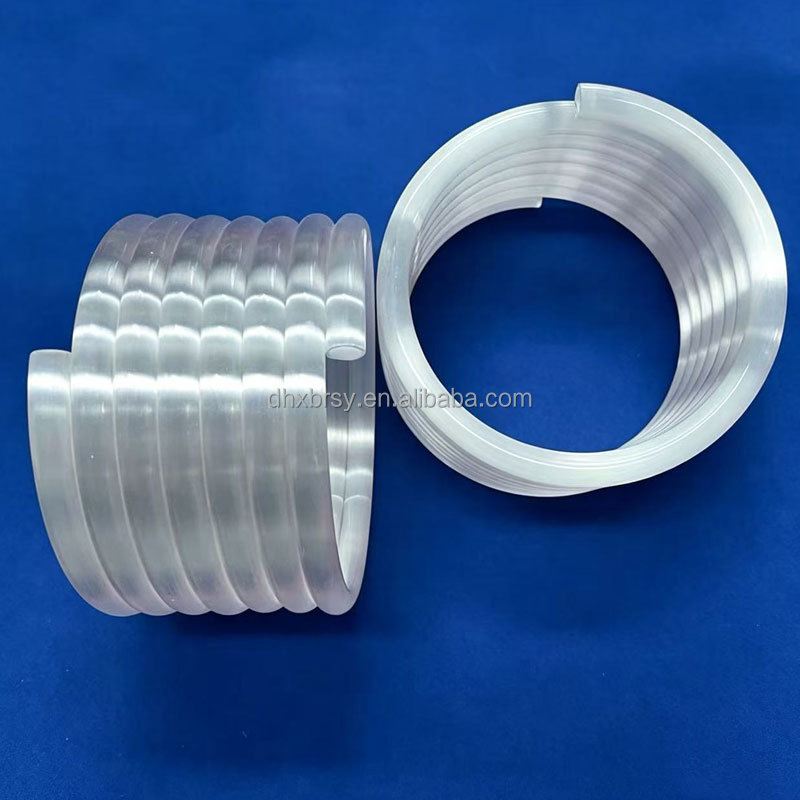
Milky-White Opaque Quartz Helix Coil
Infrared-diffusing quartz spiral configurations specifically fabricated for industrial heat shields, drying tunnels, and rapid fluid heaters.
View Details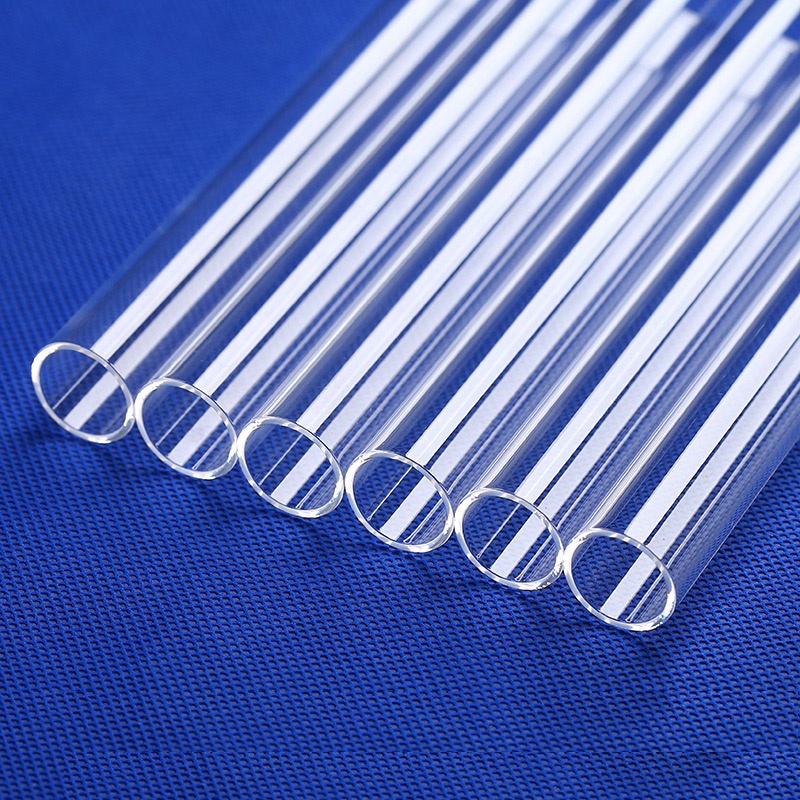
Semiconductor Pipeline Tubing (OD 10-20mm)
Calibrated dimensional glass for ozone exposure, ultra-pure fluidic delivery, and automated chemical processing without heavy metal leaching.
View Details
JGS1 High-Purity Optical Quartz Plate
Synthetic silica grade providing >90% transmission down to 185nm deep UV spectrum, engineered for laser cutting viewports and spectrophotometry.
View DetailsEngineering Precision: Custom OEM Quartz Glass Sheet Manufacturing for Central America's Modern Industrial Base
Within contemporary industrial engineering and optical instrumentation, vitreous silica (fused quartz) is an indispensable material foundation. Unlike conventional soda-lime or borosilicate glasses, pure synthetic or natural fused quartz exhibits an amorphous structure consisting purely of silicon-oxygen tetrahedra (SiO₂) without alkali additives. This structural configuration yields physical and chemical behaviors that make it indispensable in high-temperature, mechanically corrosive, and spectrally demanding environments. In the municipality of Villa Nueva, Guatemala—historically renowned as a powerhouse of Central American consumer packaging, plastics extrusion, chemical compounding, and food processing—the demand for advanced manufacturing consumables has shifted toward precision OEM quartz components.
Modernizing processing facilities throughout Villa Nueva's primary industrial zones, including the industrial nodes along CA-9 Sur, Bárcenas, and neighboring logistics clusters, requires quartz sheets and viewports that exceed standard thermal and chemical thresholds. As manufacturing infrastructure shifts from legacy mechanical monitoring toward automated inline spectrophotometry, ultraviolet (UV) sterilization, laser processing, and high-temperature thermal calcination, regional procurement teams require direct access to custom OEM quartz sheet manufacturers capable of providing verified material certifications, zero bubble inclusions, precise polarization-tested stress relief, and micrometer-scale CNC fabrication.
Material Science Distinction: Natural Fused Quartz vs. Synthetic Fused Silica (JGS1, JGS2, JGS3)
A key engineering error in international quartz procurement is treating fused quartz as a monolithic commodity. JGS1 (Synthetic Fused Silica) is produced using gaseous silicon halides, resulting in near-total freedom from metallic impurities and yielding exceptional optical transparency in the deep ultraviolet band (185–2500 nm). JGS2 (Optical Grade Fused Quartz), produced by oxyhydrogen flame fusion of natural quartz crystal, provides high transmission across the 220–2500 nm spectrum, functioning as a cost-effective standard for sight glass windows, UV curing lines, and optical inspection ports. JGS3 (Electrically Fused Quartz) emphasizes the infrared spectrum, extending transmission properties up to 3500 nm with minimal structural hydroxyl (OH⁻) content, which is critical for continuous heat-shield applications where standard glass would fail due to water-absorption thermal banding.
Localized Application Scenarios in the Villa Nueva Industrial Ecosystem
High-Speed Flexible Packaging & UV In-Line Curing
Villa Nueva represents a primary concentration of plastic film blowers, flexographic printing, and carton converting facilities. High-speed flexo and gravure printing machines rely on high-output mercury or LED-UV curing lamps. OEM quartz glass sheets serve as heat-filtering quartz cold mirrors and protective view-shields, transmitting curing wavelengths (254nm, 365nm) while blocking destructive infrared radiation from warping thin thermoplastic substrates.
Continuous Pyrometallurgy & Heat-Treat Sight Windows
Regional steel rolling mills, zinc galvanizing operations, and glass reprocessing furnaces across the southern corridor run continuous thermal cycles up to 1200°C. Standard borosilicate sight glasses fail under localized heat fluctuation. Annealed fused quartz plates with a thermal coefficient of 5.5×10⁻⁷ /°C withstand direct internal flame exposure without cracking, allowing safe visual and optical pyrometry inspection.
Food Science, Beverage Quality & Water Disinfection
Villa Nueva's food processing plants rely on ultraviolet microbial reduction systems for process water and syrup sanitization. Fused silica quartz sleeves and high-purity flat windows ensure zero microbial biofilm adhesion, chemically resisting daily clean-in-place (CIP) regimens with nitric acid and caustic washes while providing continuous UV-C light transmittance.
Industrial Modernization & Nearshoring Trends in Villa Nueva
The macroeconomic trajectory of Guatemala’s industrial sector is governed by two clear drivers: industrial automation and regional supply chain nearshoring under the CAFTA-DR trade framework. Villa Nueva, strategically situated along the logistical vein connecting Guatemala City with Puerto Quetzal on the Pacific coast, is receiving increased capital expenditure in automated factories, pharmaceutical cleanrooms, and renewable energy components.
This structural transition is altering procurement behavior for technical consumables. Historically, operations teams imported entire modular sub-assemblies from North America or Europe when sight glasses or quartz carriers degraded. Today, procurement professionals in Villa Nueva are adopting an OEM-direct sourcing model. By collaborating directly with specialized primary quartz fabricators possessing in-house raw silica refining and multi-axis CNC cutting facilities, factories cut replacement lead times from weeks to days, reduce costs by up to 40%, and can request customized configurations (such as stepped circular sight glasses, beveled sealing edges, and counterbored mounting holes) cut directly to CAD drawings.
Integrated Manufacturing Advantages: From Mine-Grade Silica to CNC Micro-Finishing
Our audited manufacturing infrastructure controls every step in-house, eliminating intermediate supply markups and guaranteeing verifiable chemical purity.
Fully Integrated Purity Control
Unlike secondary glass processing workshops, our production line encompasses raw silica rock cutting, multi-stage pulverizing, and deep chemical acid pickling. This internal process guarantees an SiO₂ purity benchmark of 99.99%, reducing iron, copper, and alkali metal impurities below ppm thresholds to eliminate thermal devitrification risks.
Polarization Stress-Testing & SGS Verification
Every custom quartz sheet undergoes controlled electric furnace annealing (holding at 1,215°C and slow cooling) followed by full-field polariscope stress testing. This step eliminates internal mechanical tension that triggers catastrophic shattering during intense thermal cycling. Our facilities are independently inspected and verified on-site by SGS Group.
Precision CNC Cold-Working & Low MOQ
We operate dedicated 4-axis and 5-axis ultrasonic CNC diamond-machining platforms capable of cutting complex profiles, slotted wafer arrays, micro-fluidic channels, and high-precision flat-polished surfaces with dimensional tolerances down to ±0.02 mm. We maintain an engineering prototype MOQ of 1 piece, scaling efficiently to volume container shipments.
Frequently Asked Questions for Industrial Buyers in Villa Nueva
Looking for an OEM Quartz Glass Sheet Manufacturer for Your Application?
Submit your CAD blueprints, operational temperatures, and dimensional tolerances. Our direct engineering desk will provide a manufacturability review, quotation, and material recommendation within 24 hours.
Contact Us