SGS Onsite-Verified Fused Quartz Manufacturer [email protected]

Custom OEM Quartz Lens Manufacturers & Factory in the Moldova Market

Precision-Machined High-Purity Fused Silica Optics, JGS1/JGS2 Optical Components, and Deep-UV Transmissive Solutions Engineered for Chisinau Tech Clusters, Laser Dermatological Systems, and Eastern European Industrial Labs.

Verified Factory Engineering

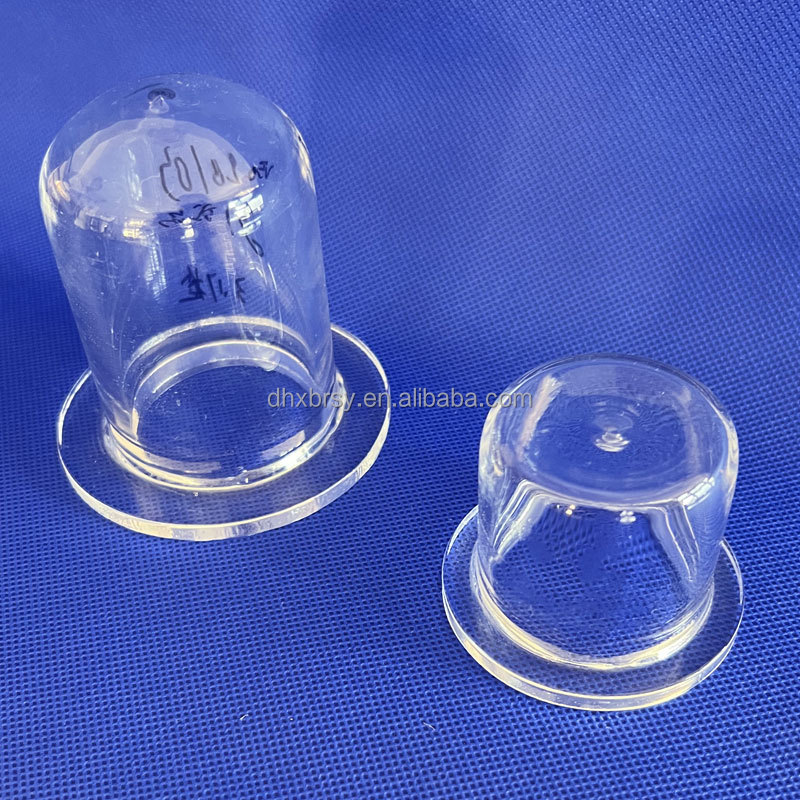
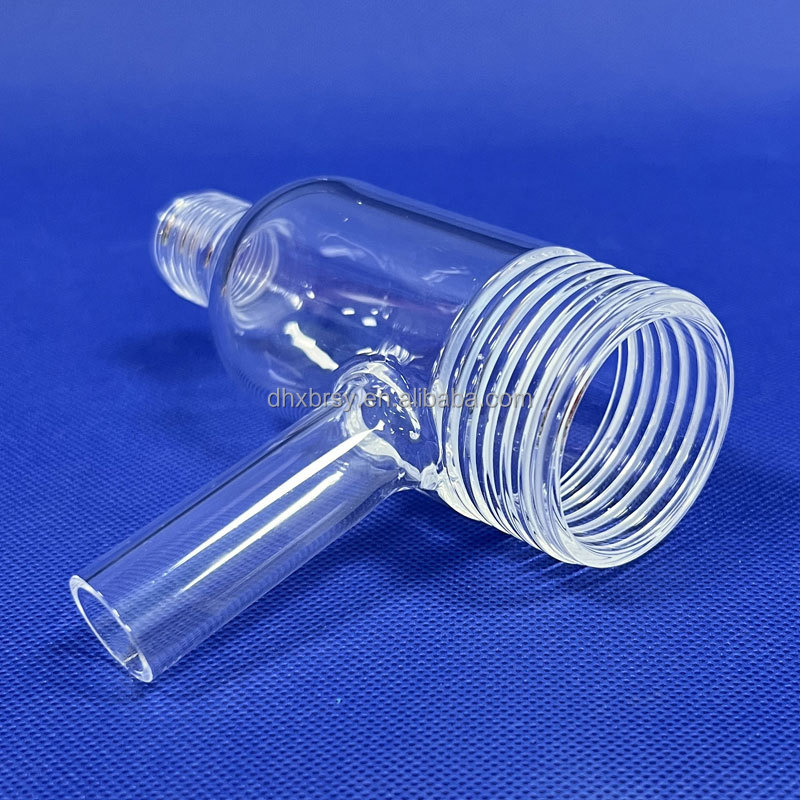
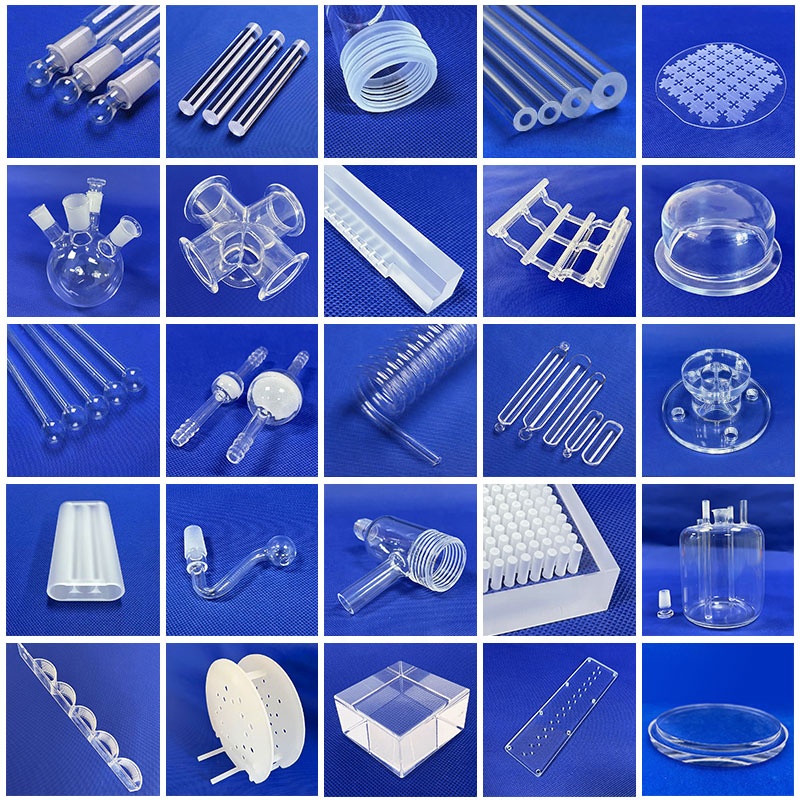
Precision Quartz Components & OEM Lens Blanks

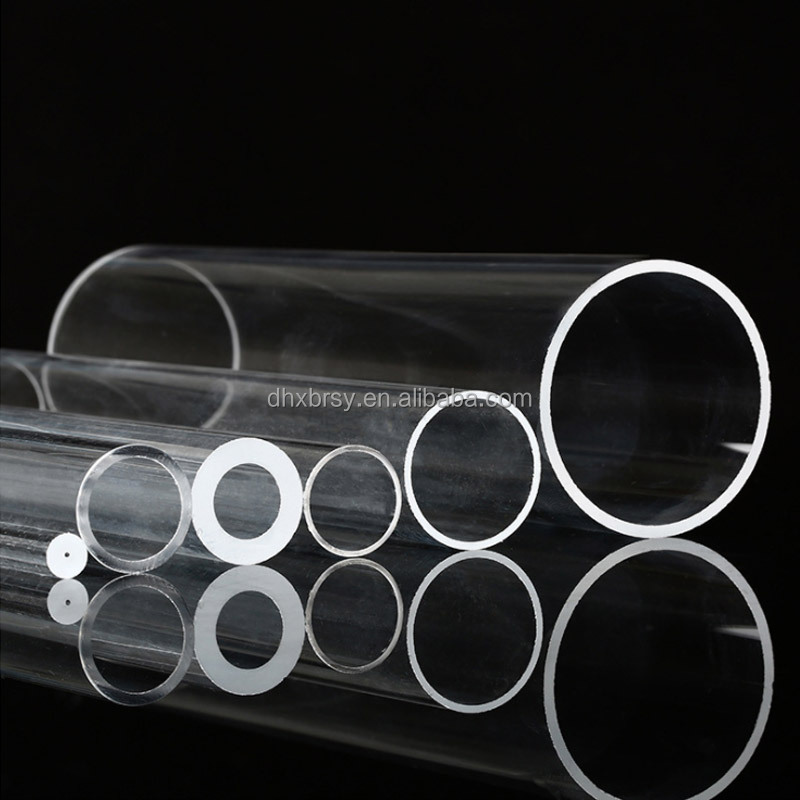
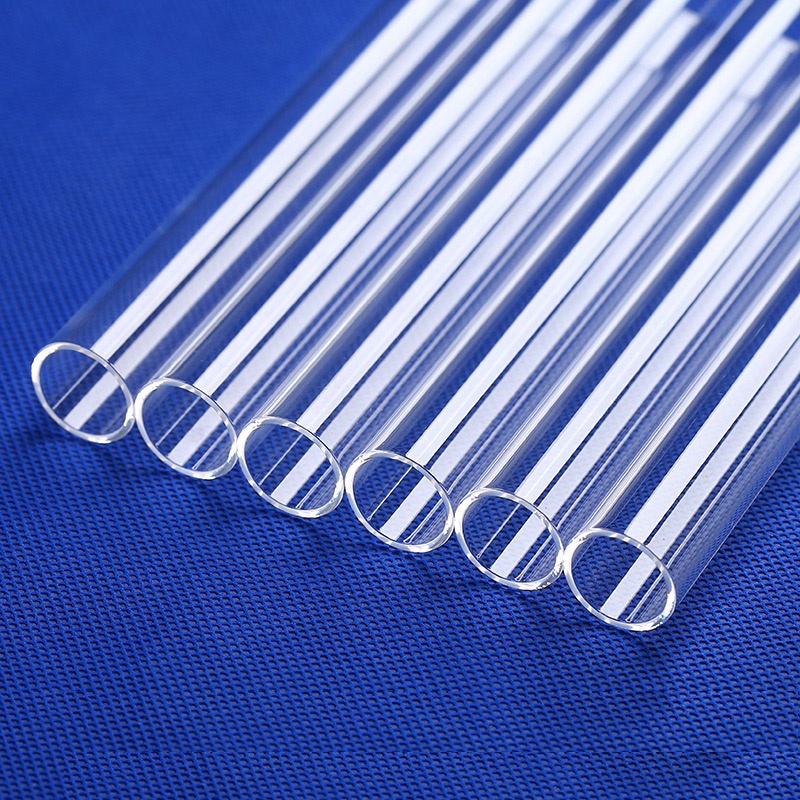
Direct manufacturer supply of 99.99% SiO₂ optical substrates, multi-bore laser cavities, and thermal processing tubes certified to ISO and RoHS standards for regional procurement.

99.99%
SiO₂ Silica Purity
14,271 m²
SGS Verified Facility
185-3500nm
Broadband Transmission
±0.005mm
CNC Optical Tolerance
Market Intelligence Whitepaper

Precision Optical Manufacturing: Engineering Custom Quartz Lenses for Moldova

A technical overview of material dynamics, optical thermodynamics, and supply chain rationalization for Moldovan research institutes, aerospace subcontractors, and biomedical system builders.

In modern optical and optoelectronic engineering, precision fused quartz and synthetic fused silica (SiO₂) stand out as the definitive substrates where conventional borosilicate and optical crown glasses fail. While standard optical glass offers acceptable refractive properties within the visible spectrum (400–700 nm), advanced industrial and scientific operations demand material longevity across aggressive environments. The demand for Custom OEM Quartz Lens Manufacturers & Factory direct solutions in the Moldova market has experienced an upward inflection, steered by the modernization of research hubs at the Technical University of Moldova (UTM), photonics spin-offs in Chișinău, localized laser aesthetic clinics, and cross-border manufacturing initiatives integrated with European Union medical technology supply chains.

Custom quartz lenses—ranging from plano-convex, biconvex, cylindrical, and aspheric geometries to micro-machined laser collimators—rely on an uncompromising physical architecture. Transparent fused quartz exhibits an exceptionally low coefficient of thermal expansion (5.5 × 10⁻⁷ /°C between 20°C and 300°C), giving it extreme thermal shock resilience. An optical engineer can instantaneously cycle a fused quartz element from 1100°C down to ambient water immersion without mechanical rupture or optical wavefront degradation. For Moldovan instrumentation designers working on spectrometry, UV sterilization, laser cutting, and laboratory sensors, procuring customized quartz lenses directly from an integrated source factory mitigates excessive European distributor markups while securing verified material authenticity.

Material grade selection constitutes the foundation of performance. Our manufacturing facility classifies raw silica into standardized optical tiers: JGS1 (synthetic fused silica, virtually free of bubbles and inclusions, delivering outstanding deep-ultraviolet transmission down to 185 nm); JGS2 (optical grade fused quartz manufactured via continuous flame fusion, optimal for UV-Visible sight windows, condenser lenses, and analytical viewports from 220 nm to 2500 nm); and JGS3 (electrically fused quartz with zero structural hydroxyl groups [OH], enabling wide infrared transmission extending to 3500 nm without characteristic absorption bands at 2.73 μm). Specifying the exact thermodynamic and spectral characteristics during drawing submittal guarantees optimal focal stability and zero thermal blooming.

Deep-UV to NIR Broadband

Exceptional transmissive range spanning 185 nm to 3500 nm. Virtually immune to solarization and coloration under intense pulsed excimer lasers and high-dose UV germicidal flux.

Thermal Shock Immunity

Near-zero expansion coefficient (5.5 × 10⁻⁷/°C) permits high-energy laser absorption without thermo-optic aberration, thermal lens focal shift, or mechanical fracture.

Corrosion & Acid Resistance

Chemically inert to all standard mineral acids, halogens, and organic solvents (excluding HF and concentrated hot phosphoric acid), guaranteeing extended operational life.
Regional Integration

Localized Applications in the Moldovan Industrial Ecosystem

Mapping high-precision fused quartz components to the operational realities of Moldovan enterprises, agri-biotech clusters, and modernizing tech free zones.

Viticulture & Agri-Analytics

Spectrophotometer lenses, flow-through cuvettes, and UV digestion tubes used across Moldovan winemaking and agricultural laboratories to monitor polyphenols, sugar content, and chemical residues.

Dermatology & Medical Laser

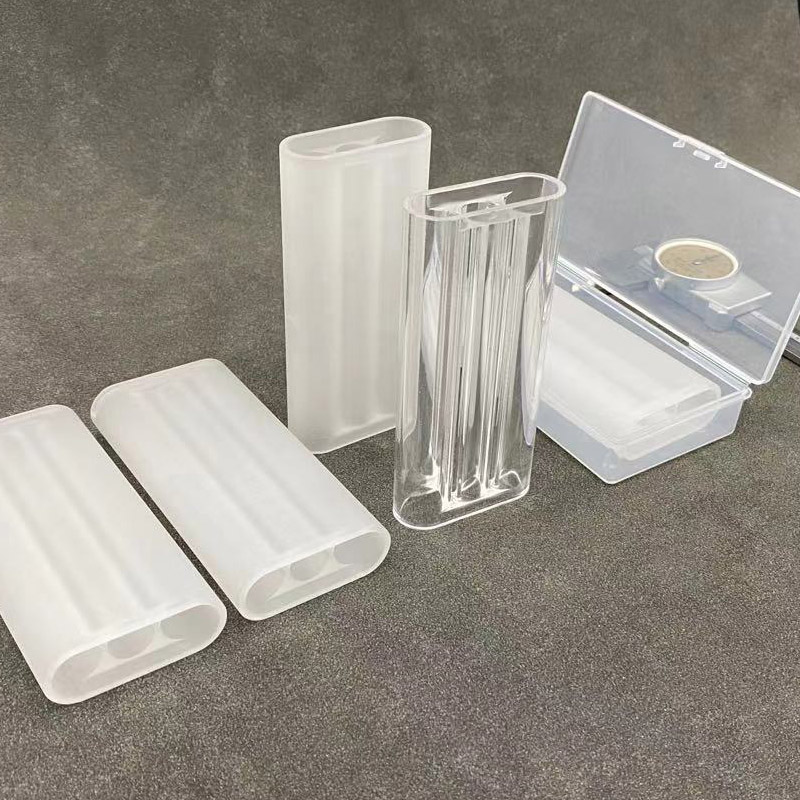
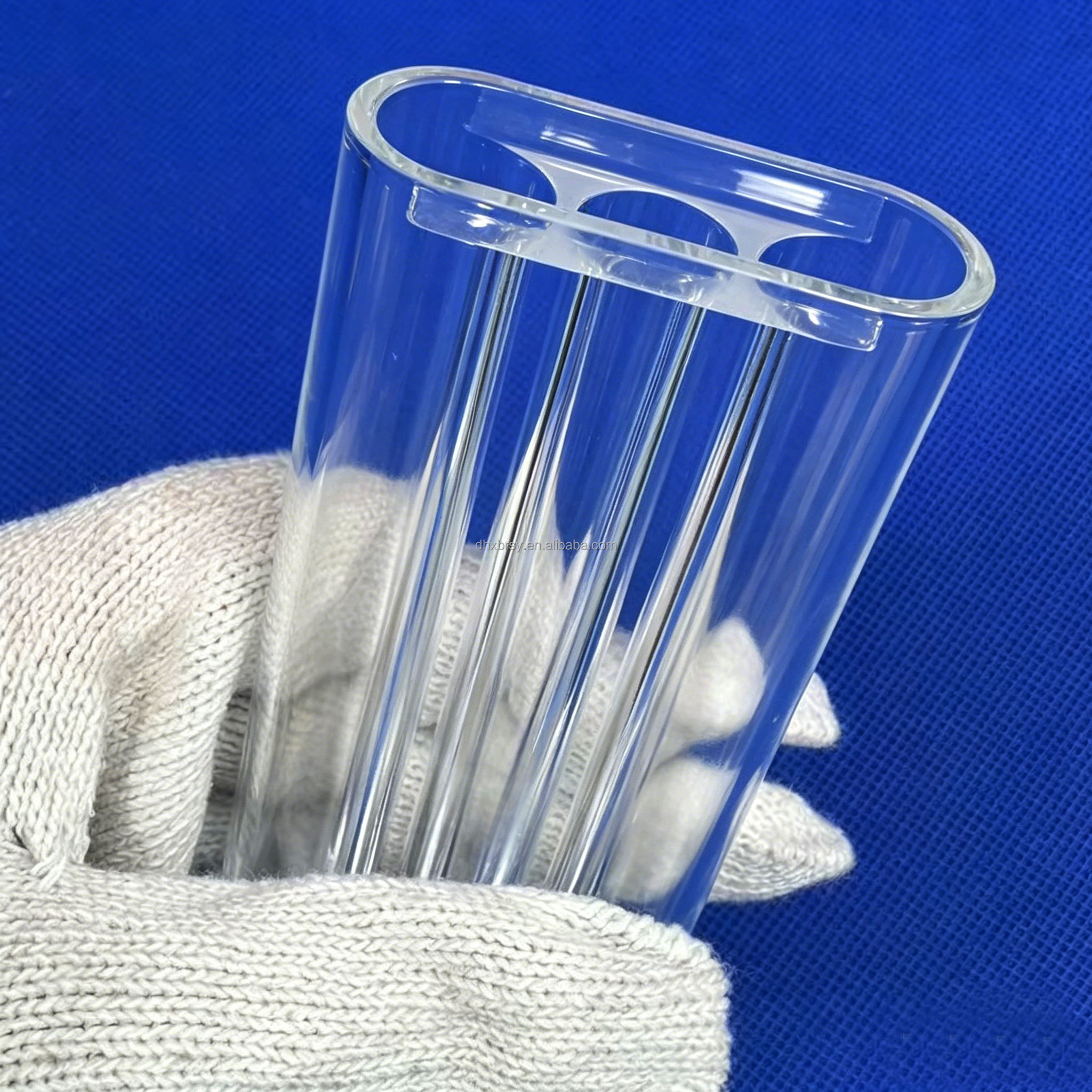
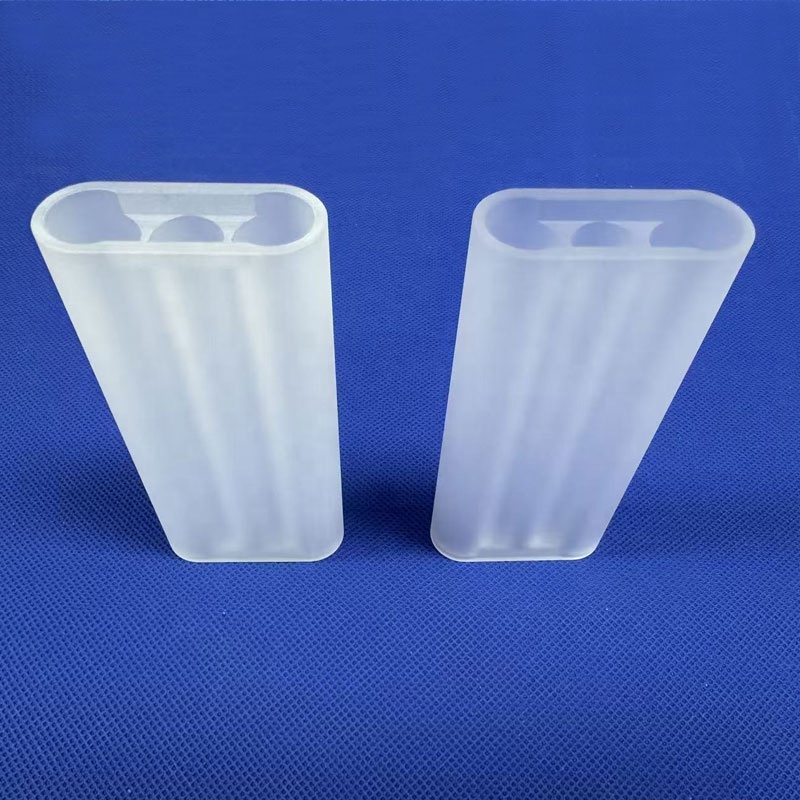
Replacement triple-bore flow tubes, quartz cooling blocks, and focus lenses engineered for Alexandrite, Nd:YAG, and intense pulsed light (IPL) platforms operated in private clinics in Chișinău and Bălți.

Free Economic Zones (FEZ)

Sub-assembly optical manufacturing within FEZ Bălți and Ungheni. OEM quartz lens blanks, precision alignment mirrors, and inspection sight glasses integrated into automotive and industrial wiring machinery.

Academic & Nanotech Research

Custom quartz reactor tubes, vacuum observation flanges, and UV-grade laser collimators serving the Academy of Sciences of Moldova and institutional physical chemistry laboratories.

Market Dynamics 2025–2030

Emerging Procurement Trends in the Moldovan Quartz Market

How nearshoring, EU technological harmonization, and renewable tech are driving direct factory quartz acquisition across Eastern Europe.

1. Shift from Intermediary Traders to Direct Source Factories: Historically, engineering procurement teams in Moldova sourced custom quartz optics through intermediary distributors in Western Europe or regional trading houses. This introduced compounded markups (often exceeding 150-250%) and lead-time delays of 10 to 14 weeks. The growing adoption of digital engineering workflows (direct CAD/STEP submittals) has enabled Moldovan procurement directors to bypass middle agents, partnering directly with fully integrated manufacturing facilities capable of processing raw silica to final polish in a single facility.

2. Rising Stringency for RoHS, REACH, and CE Compliance: As Moldova deepens its economic convergence with the European Union Single Market, industrial hardware and analytical devices exported from Moldovan free economic zones must comply strictly with European material standards. Fused quartz supplied into this corridor requires verifiable assay certificates demonstrating 99.99% pure amorphous silica, absence of restricted heavy metals (lead, cadmium, hexavalent chromium), and certified polariscopic stress relief verification to eliminate thermal fatigue failures.

3. Expansion of Advanced Agri-Food Analytics and Water Sterilization: Modernization of Moldova’s premier food and beverage processing sectors requires industrial-scale ultraviolet disinfection and photochemical breakdown of effluents. This drives continuous demand for customized quartz sleeves, helical UV lamps, and quartz observation ports that maintain transparency in the UVC band (254 nm) without solarization or surface fouling under aggressive cleaning regimens.

4. Rapid Prototyping and Low-Batch Flexibility: Unlike consumer glass production, high-precision optical parts for experimental or specialized industrial machinery in Moldova rarely require massive production runs initially. Modern Moldovan engineering firms look for agile factory partners offering Low Minimum Order Quantities (MOQ from 1 to 5 pieces) during the prototyping phase, backed by guaranteed scalability to production runs of thousands once designs are validated.

Optical Silica Grade Spectral Range OH Content Primary Industrial Use-Case Moldova Regional Application
JGS1 (Synthetic Silica) 185 nm – 2500 nm < 5 ppm Deep-UV Laser Lenses, Collimators University physics labs, excimer medical optics
JGS2 (Optical Fused Quartz) 220 nm – 2500 nm < 30 ppm Condenser Optics, Viewport Windows Food & wine spectrometry, UV water treatment
JGS3 (Infrared Quartz) 260 nm – 3500 nm < 1 ppm IR Observation, Thermal Imaging Windows Industrial drying ovens, pyrometric viewports
High-Purity Tube Quartz 200 nm – 2800 nm 15 – 30 ppm Diffusion, Sintering, Flow Cells Furnace reaction tubes, multi-bore laser flow
The Lovri Advantage

Integrated Source Factory Capabilities & Engineering Purity

Full control from quartz lump crushing and chemical acid pickling to 5-axis CNC machining, annealing, and rigorous SGS-verified quality release.

14,271 m² Dedicated Facility

Located in Lianyungang, China’s primary silica cluster. Comprehensive raw material access combined with on-site acid washing, furnace drawing, and cleanroom polishing.

SGS Verified & Polarization Checked

Every single optical workpiece undergoes polariscope stress-testing post-annealing to eliminate residual birefringence and prevent explosive thermal cleaving.

Precision CNC Machining

Equipped with 4-axis and 5-axis ultrasonic CNC centers. Delivering micro-drilling, high-pitch thread milling, aspheric surfacing, and laser cutting to ±0.005mm tolerances.

Export-Grade Shockproof Logistics

Custom form-fitting polyethylene suspension foam packing, vacuum moisture barrier bagging, and reinforced wooden crates engineered for damage-free transit to Chisinau.

Procurement FAQ

Frequently Asked Questions for Buyers in the Moldova Market

Clear, direct answers regarding customs clearance, technical tolerances, freight options, and optical performance validation.

How does fused quartz compare with N-BK7 or borosilicate glass for custom lenses? +
While N-BK7 and standard borosilicate are cost-effective choices for visible spectrum optics (380–780 nm), they degrade rapidly in high-temperature or deep-UV environments. Fused quartz provides a far lower coefficient of thermal expansion (5.5 × 10⁻⁷ /°C vs. ~7.1 × 10⁻⁶ /°C for N-BK7), preventing thermal lens distortion under high-power laser irradiation. Furthermore, JGS1 fused silica transmits deep-UV light down to 185 nm, whereas conventional optical glasses absorb light below 320 nm entirely.
What is the standard delivery timeframe and shipping route to Moldova? +
For rapid prototyping and low-volume batches (1 to 20 units), items are securely shipped via air express (DHL, FedEx, UPS) directly to Chișinău International Airport (KIV) or regional corporate addresses, typically arriving in 5 to 8 business days post-fabrication. For larger production runs, multimodal freight via European transport hubs is coordinated with full customs documentation (Commercial Invoice, Packing List, Certificate of Origin, Material Test Reports).
Can you manufacture custom lenses and components directly from our CAD drawings? +
Yes. Our engineering division accepts 2D engineering drawings (DWG, DXF, PDF) and 3D volumetric models (STEP, IGES, SLDPRT). We perform complete Design-for-Manufacturability (DFM) reviews, verifying optical radii, clear aperture parameters, surface scratch-dig ratings (e.g., 20/10, 40/20, 60/40), and mechanical housing tolerances before initiating production.
What documentation is provided to satisfy Moldovan and EU customs standards? +
Every shipment is accompanied by complete mill test certificates indicating SiO₂ purity (≥99.99%), spectral transmission curves (UV-Vis-NIR spectrophotometer test records upon request), dimensional inspection reports, RoHS compliant material declarations, and CE documentation where applicable.
What are your minimum order quantities (MOQ) for custom prototypes? +
To support industrial R&D teams and academic research projects at institutions across Moldova, our factory supports low MOQ orders starting from 1 to 5 pieces for bespoke optical blanks, custom-drilled plates, and special-profile flow channels.
How do you guarantee that fragile quartz optical components survive international transit? +
We employ export-grade optical packaging: each lens or tube is individually cleaned, wrapped in lint-free optical paper, enclosed in static-free vacuum sealed pouches, cushioned inside high-density multi-layered expanded polyethylene (EPE) shock cells, and housed in heavy-duty corrugated export cartons or steel-banded plywood crates.

Accelerate Your Optical Engineering Project

Consult with our fused quartz manufacturing engineers today. Submit your technical drawings or required specifications to obtain a comprehensive quotation, material assay data, and factory pricing.

Get Catalog