THERMAL 1200°C
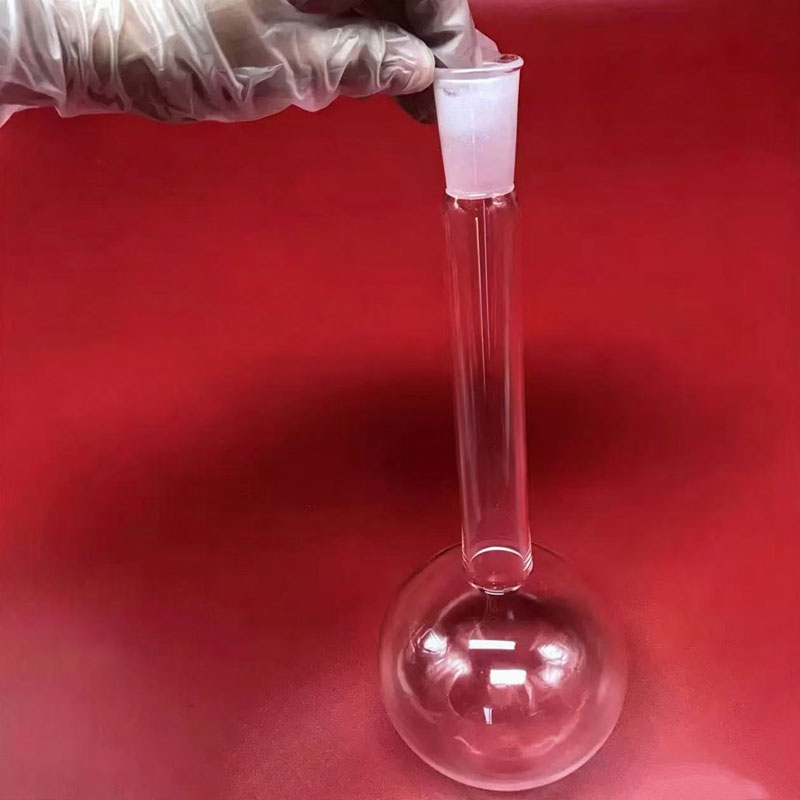
99.99% High-Purity SiO2 High-Temperature Long-Neck Quartz Flask
1200°C Limit
Corrosion Proof
RoHS Certified
Custom-fabricated to exact engineering drawings in DWG, STEP, or PDF formats. Our ISO-monitored processing facility provides complete dimensional verification, optical batch testing, and thermal annealing up to 1215°C.
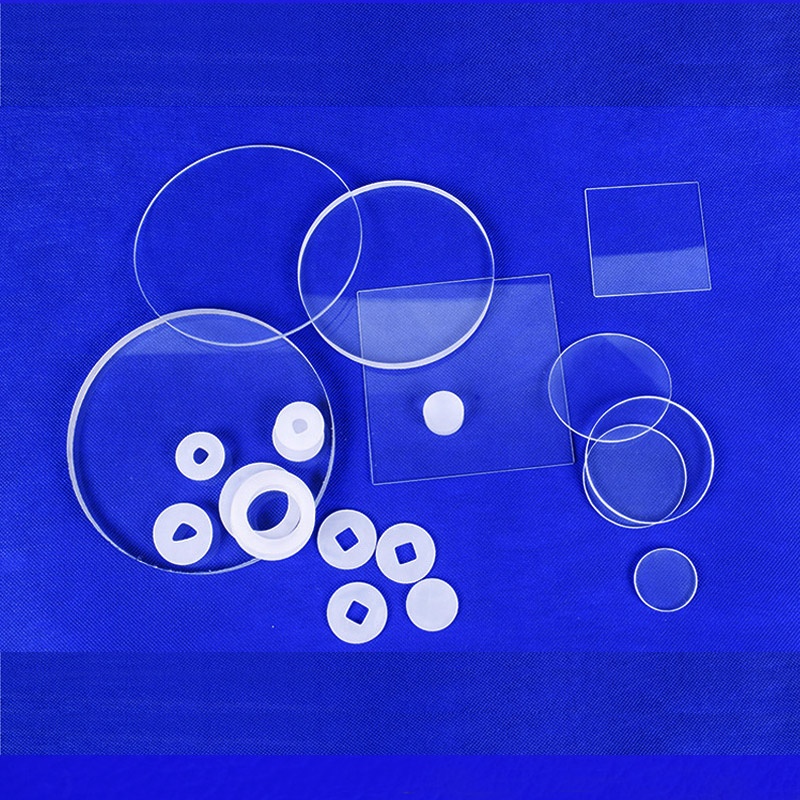
The Stuttgart metropolitan area—encompassing high-tech epicenters such as Sindelfingen, Ditzingen, Böblingen, and the broader Neckar Valley—stands as Europe’s premier hub for advanced automotive development, precision photonics, and semiconductor manufacturing. Industrial processes throughout this region operate under extreme environmental constraints where standard borosilicate or aluminosilicate glasses fail due to thermal fatigue, ion leaching, or optical degradation. Engineered custom fused quartz pipes (vitreous silica) provide the essential physical foundation for next-generation manufacturing systems across Baden-Württemberg.
Manufactured through electrical fusion or hydrogen-oxygen flame synthesis, fused quartz features an extraordinarily high purity of ≥99.99% amorphous silicon dioxide (SiO2). The virtually non-existent coefficient of thermal expansion (5.5 × 10⁻⁷ /°C between 20°C and 320°C) grants these pipes unrivaled resistance to severe thermal shocks—allowing instant immersion into ice water from 1100°C without mechanical failure. For Stuttgart plant managers and design engineers seeking custom original equipment manufacturer (OEM) fabrication, our quartz pipe assemblies deliver dependable mechanical, chemical, and optical precision that aligns strictly with European DIN and ISO manufacturing standards.
Operates continuously at 1100°C with short-duration excursions up to 1300°C. Virtually impervious to micro-cracking caused by rapid thermal cycling in plasma etching and induction sintering.
Zero surface reaction with hot acids, chlorine, hydrogen bromide, and carrier gases utilized in semiconductor CVD deposition, preserving pristine process environments.
Available in optical JGS1, JGS2, and JGS3 grades, providing unmatched spectral transparency across deep ultraviolet (185nm) through mid-infrared (3500nm) laser spectra.
Specifying the optimal material grade is critical for balancing initial component cost against operational life cycles in industrial production. The table below provides an analytical comparison of our primary quartz formulations supplied to engineering contractors across southwestern Germany.
| Quartz Grade | SiO2 Purity | Transmission Band | Hydroxyl (OH) Content | Core Application in Stuttgart Region |
|---|---|---|---|---|
| JGS1 (Synthetic Silica) | ≥ 99.999% | 185 nm – 2500 nm | < 5 ppm (Low OH) or > 1200 ppm | Excimer laser delivery tubes, lithography optics, UV sterilization flow cells. |
| JGS2 (Optical Fused Quartz) | ≥ 99.99% | 220 nm – 2500 nm | ≈ 30 ppm | Observation viewports, furnace sight glasses, spectrophotometer reaction tubes. |
| JGS3 (Infrared Quartz) | ≥ 99.99% | 260 nm – 3500 nm | < 5 ppm (Virtually Anhydrous) | High-temperature IR heating tubes, thermal emitter jackets, CO2 laser paths. |
| Opaque / Translucent Silica | ≥ 99.95% | Diffuse Reflection | Variable | Thermal insulation baffles, thermocouple protective sheaths, heater collars. |
Quartz piping is not a commoditized catalog purchase; it serves as a critical structural and chemical boundary in demanding high-value production systems. In Stuttgart and its neighboring manufacturing clusters, custom quartz pipe assemblies operate in several precision environments:
Within battery pilot facilities and research labs near Untertürkheim and Weissach, custom closed-end quartz tubes act as high-purity pyrolysis reaction chambers for solid-state electrolyte development and cathode active material calcination, resisting alkaline volatility up to 1050°C.
Supporting the laser engineering clusters in Ditzingen, multi-bore fused silica cooling tubes and C-shaped jackets circulate deionized water directly around active laser rods and flash lamps without dielectric breakdown, thermal lensing, or solarization degradation under continuous high-power pulsing.
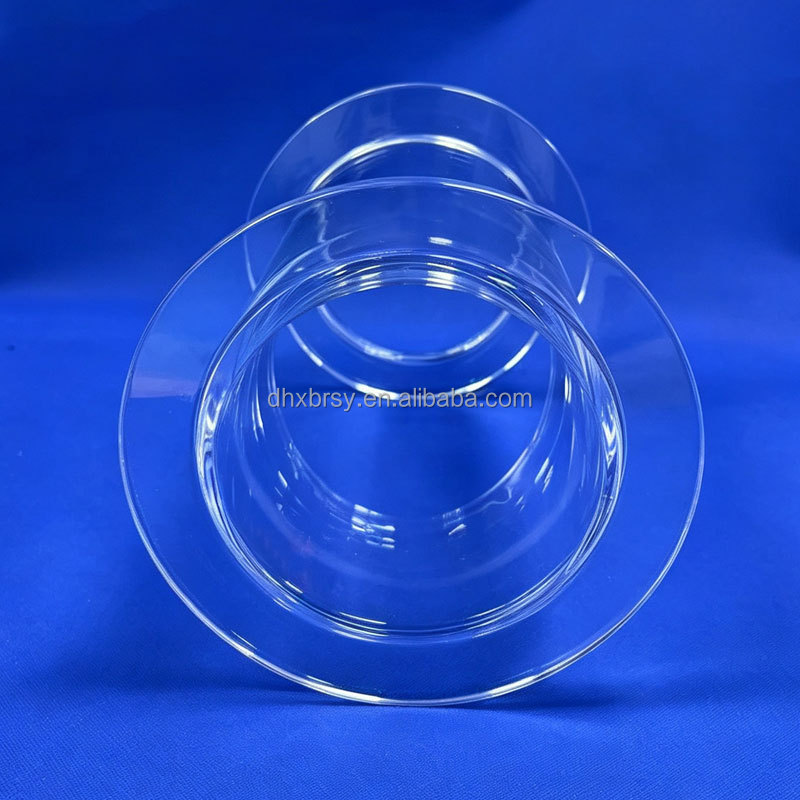
For cleanroom wafer fabrication lines in Reutlingen and Stuttgart, double-flanged quartz process cylinders and horizontal diffusion tubes provide hydrocarbon-free atmospheres for low-pressure chemical vapor deposition (LPCVD), atomic layer deposition (ALD), and silicon oxidation.
Precision-threaded quartz pipes serve as thermal sensor wells and catalyst holding vessels in hydrogen fuel cell diagnostic benches, offering complete resistance to embrittlement and maintaining high-vacuum hermetic seals via polished ground flanges.
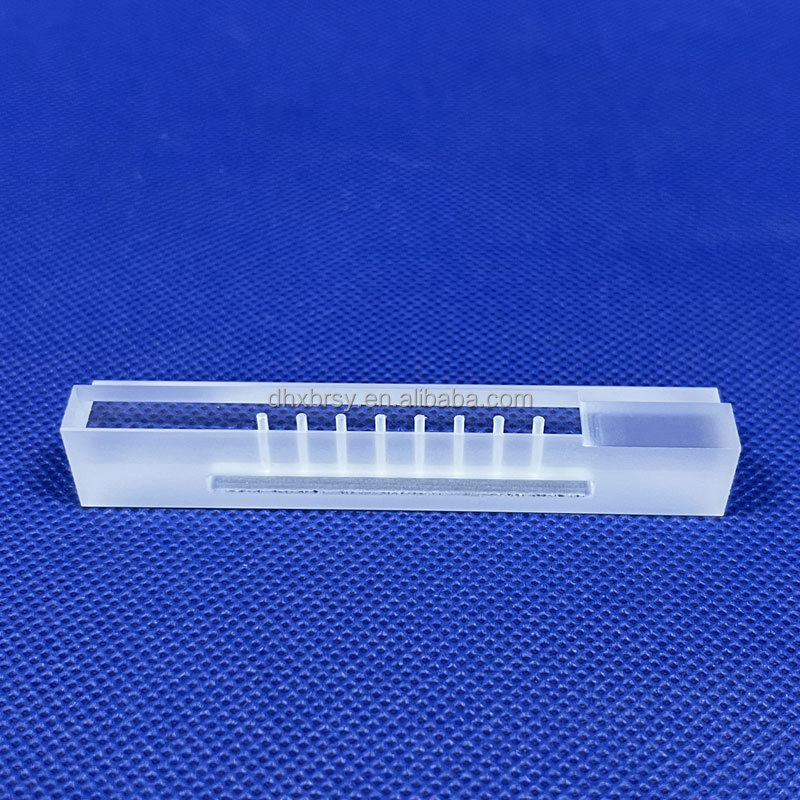
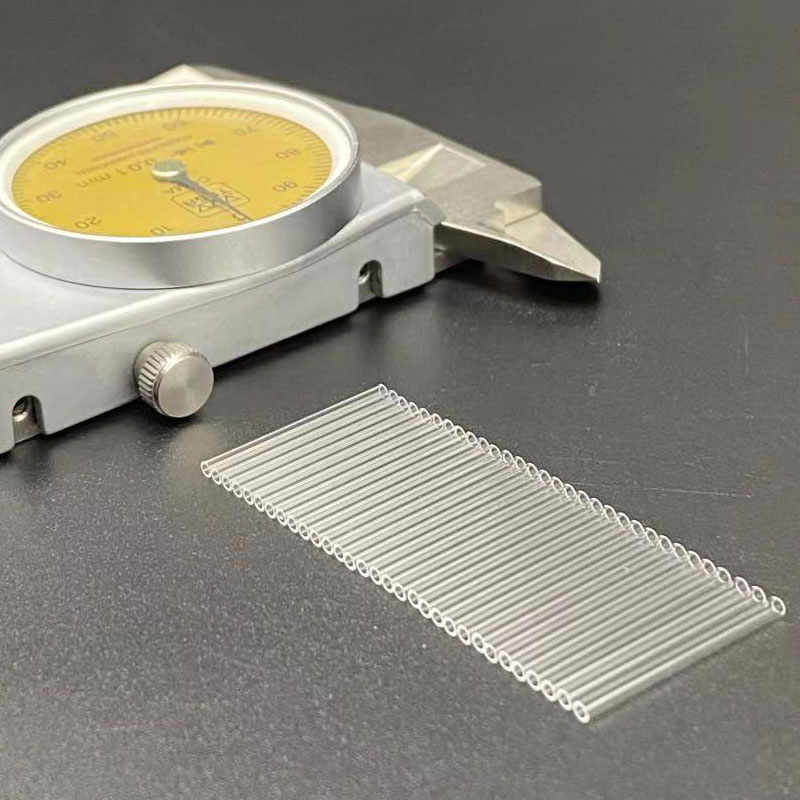
Custom precision-drilled micro-bore quartz capillary pipes and flow cuvettes are deployed in diagnostic analytical instruments, ensuring 92% optical transmission without background fluorescence in clinical testing.
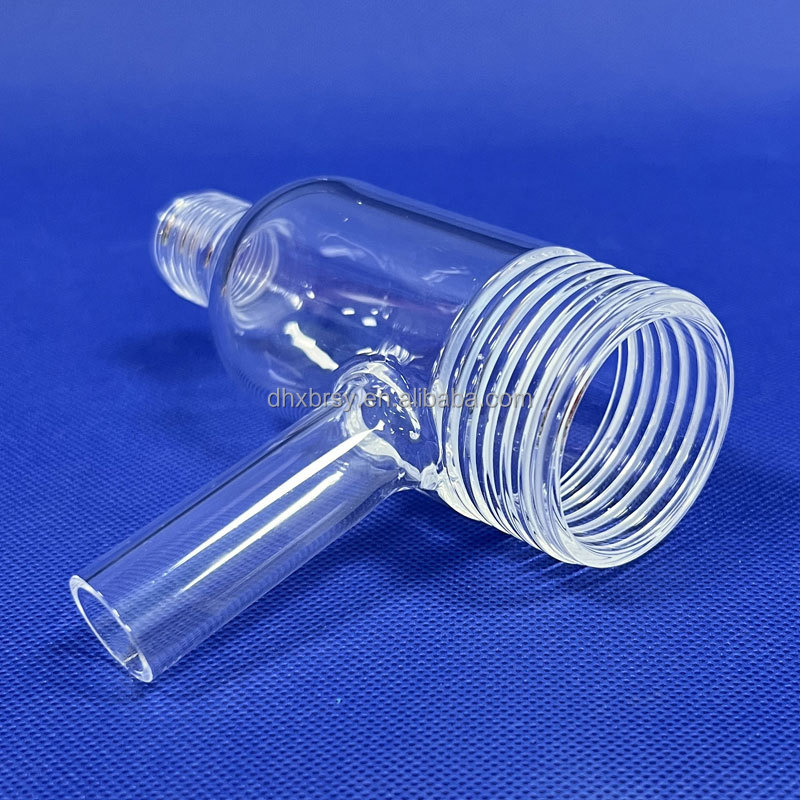
High-temperature long-neck flasks and welded pipe manifolds resist aggressive halogenated acids and reflux conditions across specialty industrial synthesis laboratories, eliminating heavy metal contamination.
The manufacturing infrastructure of Stuttgart is undergoing a structural shift toward climate-neutral production, electrification, and sovereign microelectronics manufacturing. This industrial transition creates new technical demands for custom quartz tube fabricators:
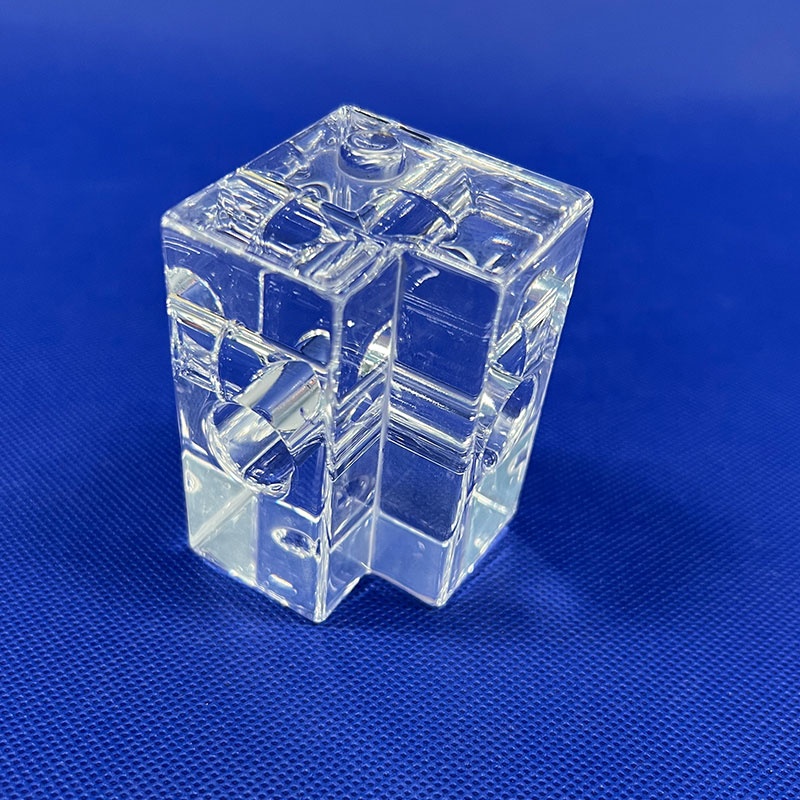
1. Shift Toward Sub-Micron CNC Quartz Geometry: Standard hot-blown glassware tolerances of ±1.0 mm are obsolete for robotic automated assembly lines. Modern cleanrooms in southwestern Germany mandate CNC-machined ground flats, slotting tolerances down to ±0.005 mm, and ultra-flat precision mating surfaces for viton or metal gasket seals.
2. Advanced Stress Birefringence Standards: Rapid thermal ramp furnaces used in semiconductor chip prototyping require quartz pipes that have undergone multi-stage electric furnace annealing. Unannealed latent stresses trigger spontaneous catastrophic implosions under vacuum. German engineers increasingly demand verification via dual-polarization stress birefringence analyzers.
3. Closed-Loop Traceability & RoHS/REACH Auditing: As supply chain regulations tighten across the EU, Stuttgart OEM buyers require complete supply chain transparency. Every batch of fused silica must be certified free of restricted heavy metals (lead, cadmium, mercury, hexavalent chromium) with documented raw material source batch reports.
Lovri Quartz Products Co., Ltd. brings decades of technical expertise to high-purity vitreous silica manufacturing. Headquartered in Lianyungang, Jiangsu—the epicenter of high-purity natural silica mineral reserves—we manage the complete production chain from raw crystal extraction to ultra-precise CNC component milling. Our direct factory model provides German OEMs with uncompromised quality, prototype responsiveness, and competitive production costs.
Our 14,271 m² production facility has undergone rigorous on-site auditing by SGS Group, validating factory operations, cleanroom lines, and technical management systems.
In-house quartz lump crushing, chemical acid pickling, and purification remove iron, aluminum, and alkali traces, guaranteeing standard ≥99.99% SiO2 purity.
Every drawing progresses through our documented 12-step cycle: raw sizing, drawing, computer annealing, multi-axis CNC drilling, fire polishing, and stress testing.
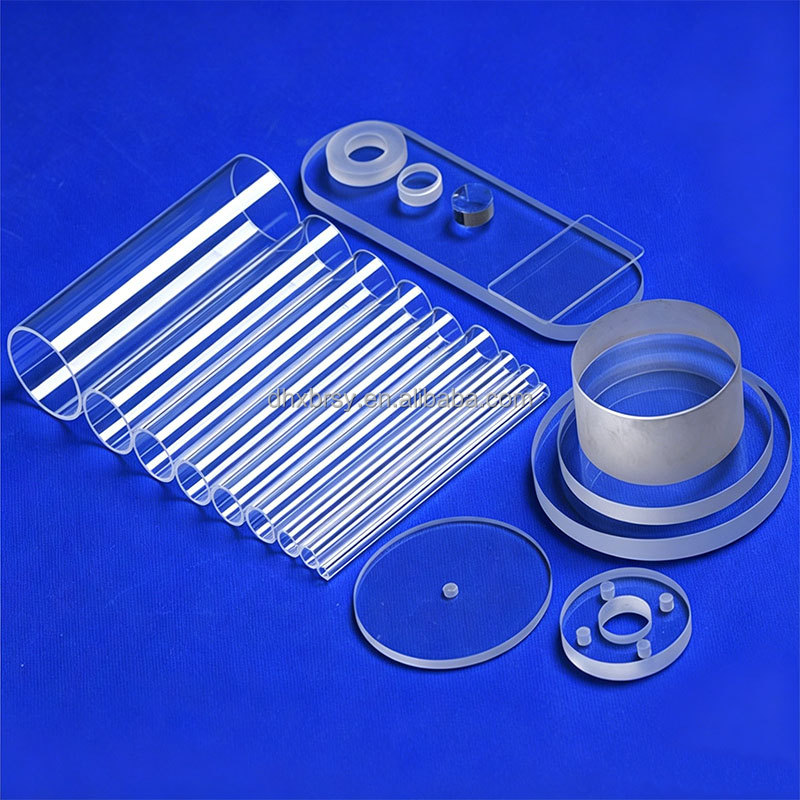
Fragile thin-wall tubes, double-flanged cylinders, and optical sheets are individually isolated in high-density customized foam enclosures and reinforced wooden flight cases.
Direct answers to the most common engineering, verification, and logistics inquiries submitted by procurement managers across Baden-Württemberg.
Planning a custom quartz tube drawing, high-temperature reaction jacket, or optical UV window for your Stuttgart production line? Upload your specifications, target temperatures, and dimensional tolerances for an engineering review and commercial quote within 12 hours.