SGS Onsite-Verified Fused Quartz Manufacturer [email protected]
Direct OEM Manufacturer · SGS Audited

Custom OEM Quartz Plate Factories & Factory for the Tartu Market

Delivering ultra-high purity 99.99% SiO₂ optical plates, laser-grade synthetic quartz, and precision-machined substrate components engineered for South Estonia's high-tech photonics, scientific research institutes, and deep-tech OEMs.

99.99%
SiO₂ Base Chemical Purity
14,271 m²
SGS-Verified Floor Space
1,100 °C
Continuous Thermal Ceiling
±0.02 mm
CNC Optical Tolerance Capability

Technical Whitepaper: Precision Synthetic & Fused Quartz Plates in Advanced Baltic Engineering

In modern industrial manufacturing and high-precision physical sciences, quartz plate substrates are not generic consumables—they are mission-critical optical and thermodynamic interfaces. As high-tech industrial ecosystems accelerate across Tartu and Southern Estonia—anchored by elite academic research clusters, photonics laboratories, aerospace initiatives, and biomedical diagnostic developers—the demand for OEM custom fused quartz plates with verified material lineages has never been higher.

Lovri Quartz Products Co., Ltd. operates a comprehensive 14,271 m² primary fabrication campus located in Lianyungang, Jiangsu, China’s primary geological and industrial hub for high-purity natural silica synthesis. By integrating raw quartz crushing, chemical de-ironing, and acid purification with advanced automated thermal vacuum fusing, planar lapping, dual-side optical polishing, and multi-axis CNC dry/wet machining, we bridge the gap between primary mineral refinement and micrometer-scale finished components. This integrated supply chain guarantees Tartu industrial clients, physics departments, and instrumentation assemblers immediate access to JGS1, JGS2, and JGS3 grade quartz plates that combine near-zero thermal expansion with extreme mechanical toughness and verified UV-to-NIR spectral clarity.

Factory Catalog Showcase

Featured Fused Quartz Components & Substrates

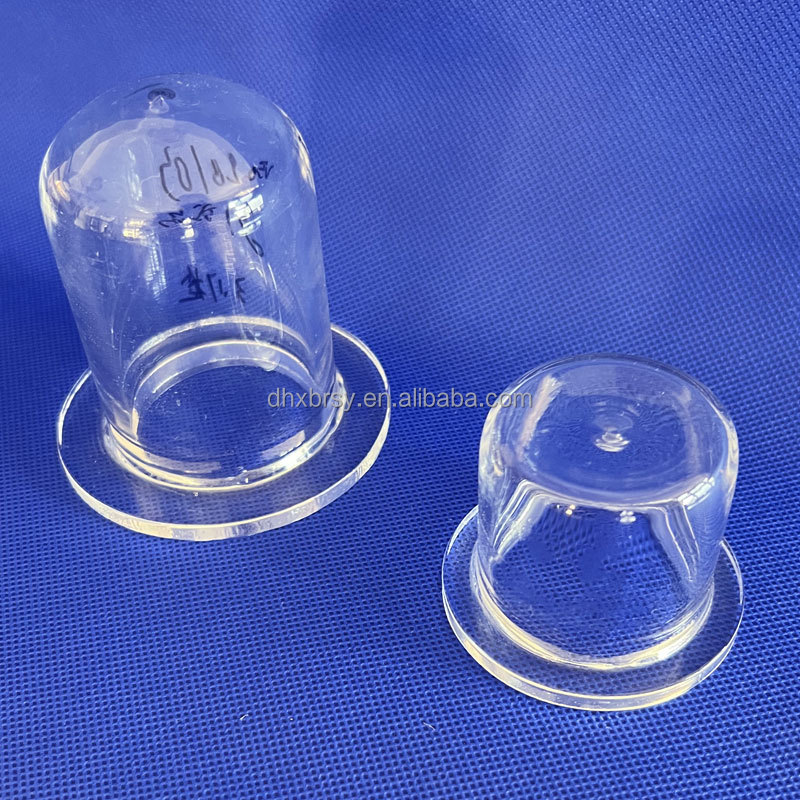
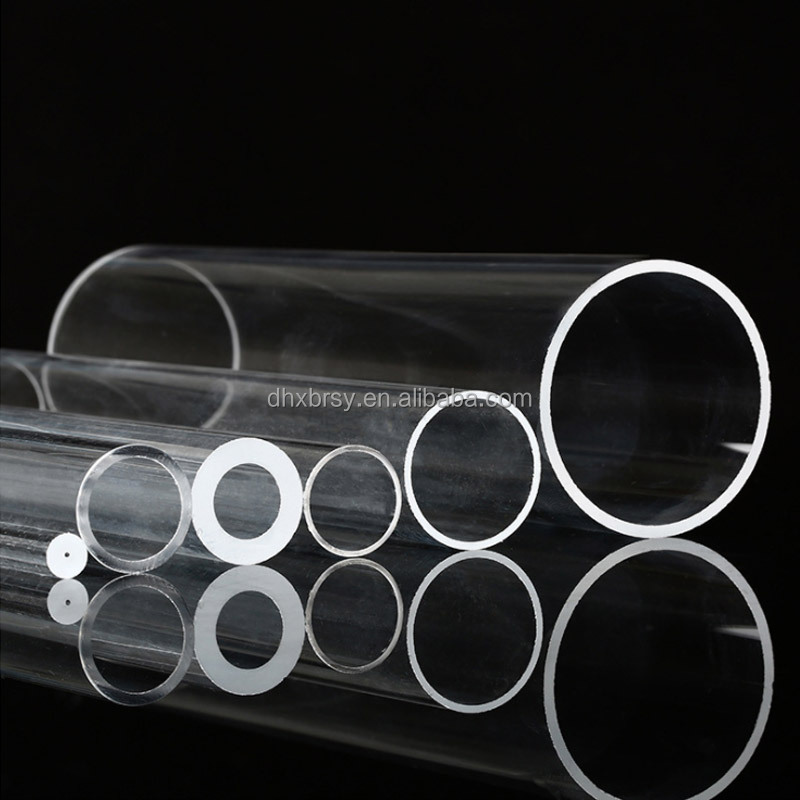
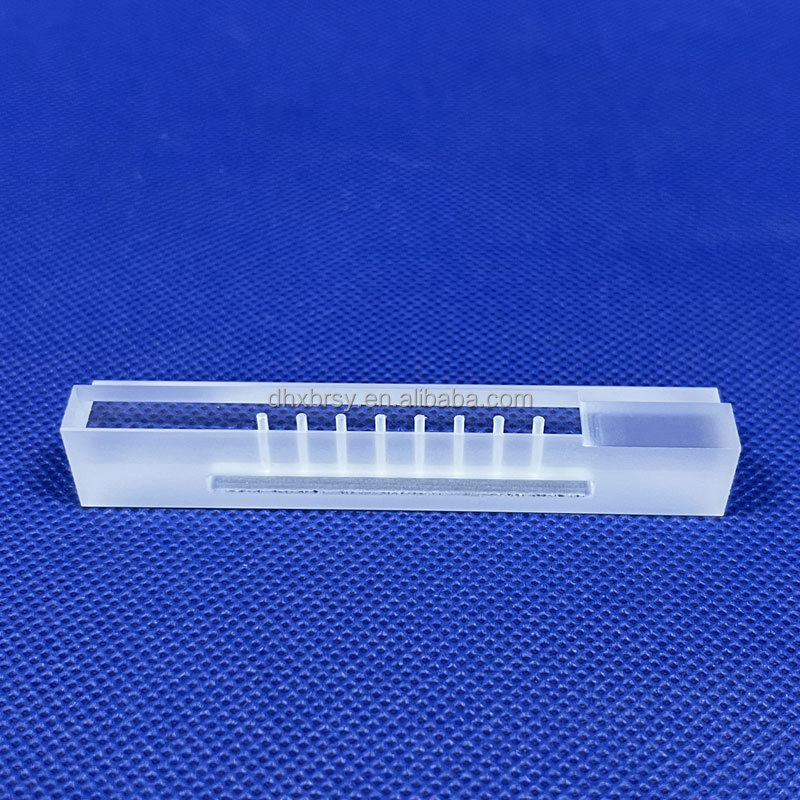
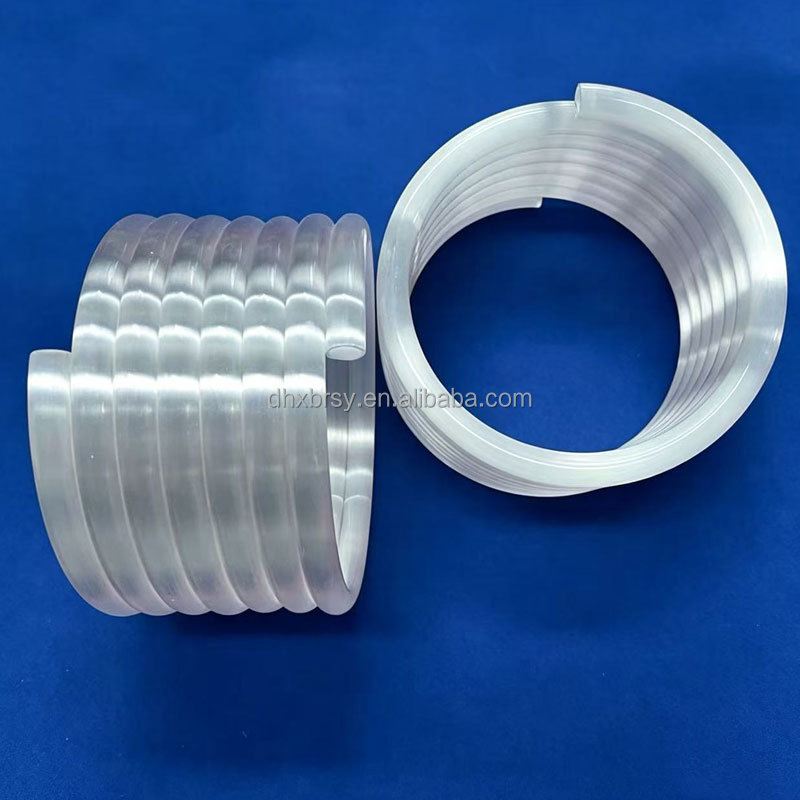
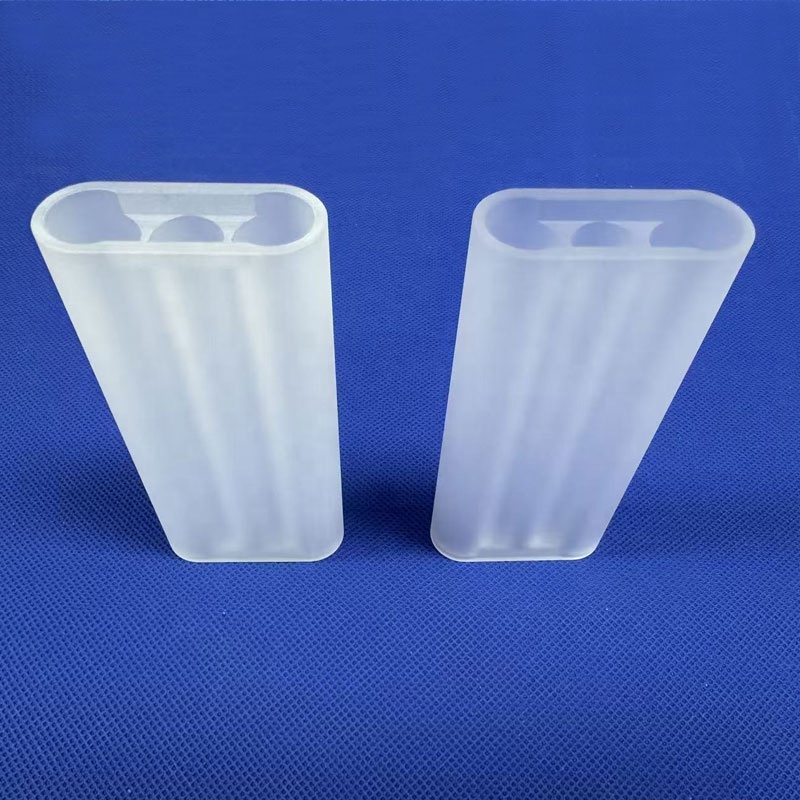
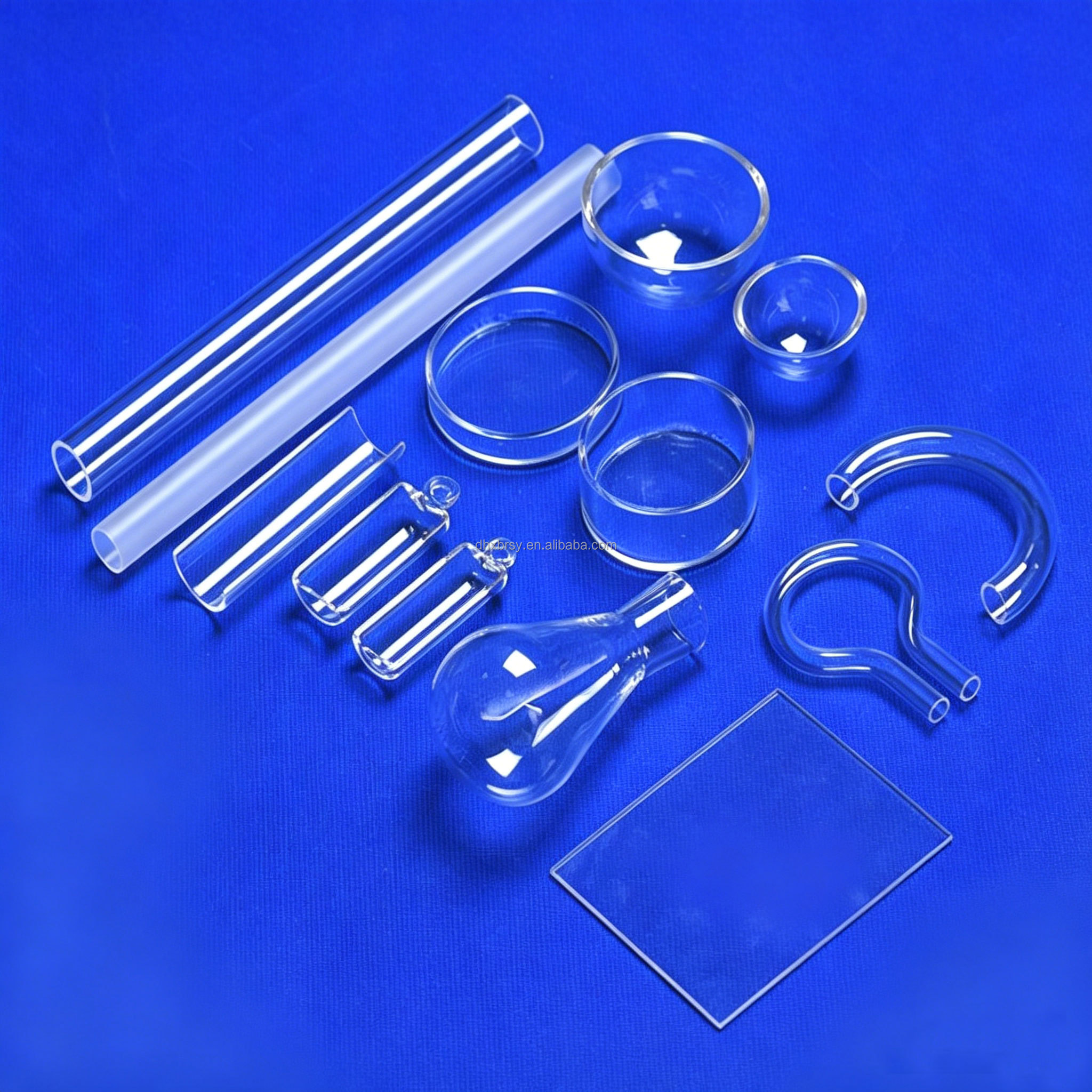
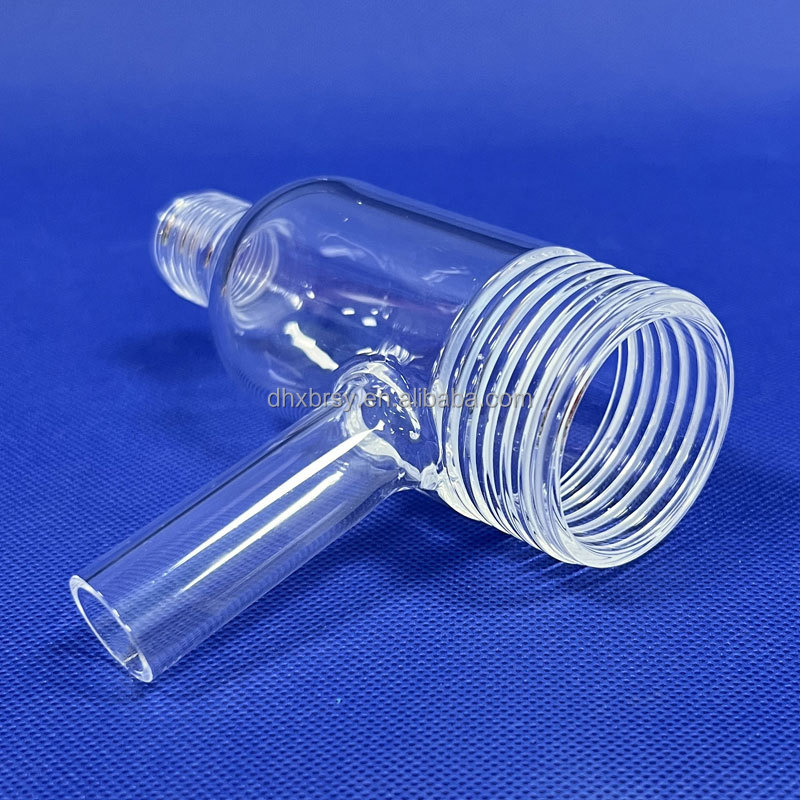
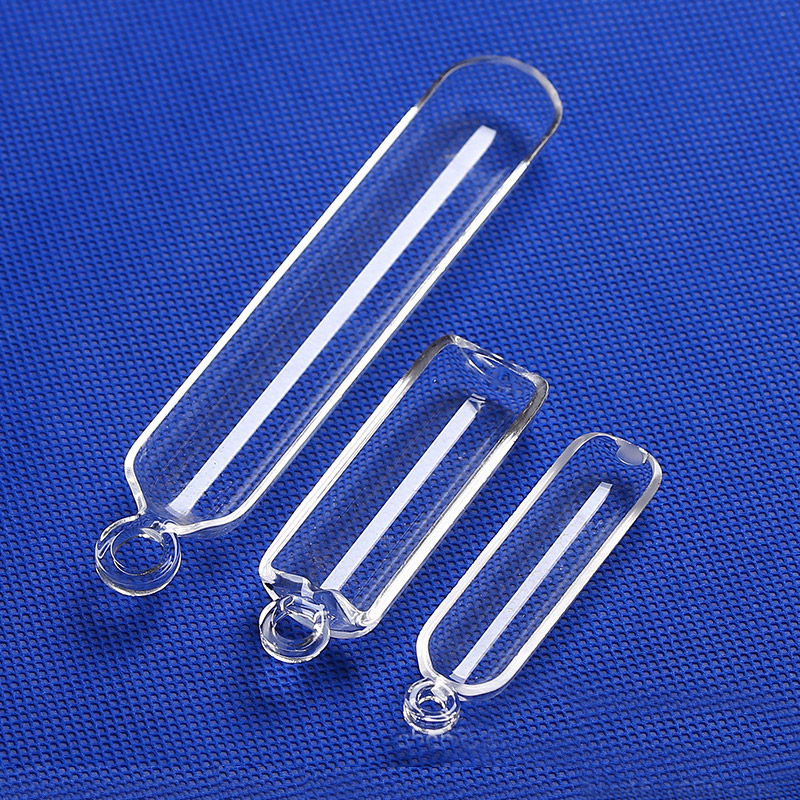
Direct OEM manufacturing compliant with RoHS and CE standards. Explore our benchmark structural quartz assemblies, UV windows, reaction tubes, and multi-bore fluidic cells.

Tartu Regional Focus

Engineering Application Scenarios in Tartu & Southern Estonia

Tartu stands as the intellectual and technological nerve center of the Baltic states. Our OEM quartz plates serve specific operational environments across local high-tech industry clusters.

Spectroscopy & Deep-UV Optics

Institutes such as the Institute of Physics at the University of Tartu require synthetic JGS1 quartz windows for excimer laser research, synchrotron radiation beamlines, and fluorometric instrumentation operating down to 185 nm without solarization degradation.

Aerospace & Earth Observation

Spun out from the Tartu Observatory cluster in Tõravere, local space hardware companies utilize our stress-free, double-side polished quartz viewport plates for satellite remote-sensing payloads, hyperspectral thermal imagers, and orbital optical baffles.

Biomedical & Microfluidics

Biotechnology startups inside Tartu Science Park leverage custom CNC micro-drilled quartz plates and 96-well quartz plates for PCR micro-reactions, UV transmission fluorescence assays, and microchannel fluidic devices demanding zero background autofluorescence.

Clean Energy & Battery R&D

Pioneers in supercapacitors, hydrogen fuel cells, and solid-state battery technology in Southern Estonia use our chemical-resistant quartz inspection plates for in-situ optical dilatometry and high-temperature electrochemical reactor sight windows.

Material Science Reference

Fused Quartz Grade Classification Matrix

Selecting the appropriate synthetic or natural silica grade prevents costly in-field failures. Use this technical rubric when preparing your engineering drawings.

Grade Classification Synthesis Method Spectral Bandwidth Hydroxyl (OH⁻) Level Tartu Target Applications
JGS1 Fused Silica Synthetic SiCl₄ Vapor Deposition 185 nm – 2,500 nm (Deep UV) < 5 ppm to 1200 ppm (Opt.) UV laser viewports, photolithography, excimer research optics
JGS2 Fused Quartz High-Temperature Oxyhydrogen Flame 220 nm – 2,500 nm (Optical UV-VIS) ≈ 150 – 200 ppm Analytical sight glasses, industrial viewports, standard optical flats
JGS3 Fused Quartz Electric Vacuum Melting Furnace 260 nm – 3,500 nm (Extended IR) < 5 ppm (Near Water-Free) IR pyrometry windows, FTIR spectrometer windows, heater plates
Opaque Fused Silica Sintered High-Purity Micro-Vesicular Broadband Diffuse / IR Scatter Variable Thermal shielding, furnace baffles, cleanroom heat reflectors
Procurement Intelligence

Emerging Trends in Tartu's Advanced Material Sourcing

An evaluation of market dynamics shaping how Estonian procurement engineers and laboratory managers source high-performance fused silica.

Trend 01

Demand for Direct-from-Source OEM Customization

Local research labs and deep-tech spinoffs in Tartu are increasingly bypassing broad-line European distribution catalogs. Catalog products rarely match custom non-standard dimensions or exact hole pitches. By working directly with an audited source factory like Lovri Quartz, engineers acquire custom-cut geometries with prototype MOQs starting from a single unit.

Trend 02

Stringent Residual Stress & Polarization Standards

Thermal cracking under rapid thermal cycles (RTAs) represents a significant project risk in thin-film coating and laser ablation testing. Baltic procurement leads now mandate polarization stress testing documentation per ASTM or ISO methods. Annealed quartz plates with low internal stress prevent catastrophic vacuum implosion in high-differential environments.

Trend 03

Supply Chain Decoupling & Quality Transparency

High inflationary pressures across Western European supply chains have spurred Estonian engineers to seek audited Tier-1 OEM manufacturing partners who operate self-contained raw material processing. Direct factory sourcing provides full chemical traceability (99.99% SiO₂ certificates) and substantial cost efficiencies without compromising optical wavefront tolerances.

Manufacturing Rigor

Why Global Clients Rely on Lovri Quartz

From raw silica sand pickling in Lianyungang to final cleanroom export packaging, our factory operates with transparent traceability across all 12 key production phases.

Step 01 - 03
Mineral Preparation

Direct quartz lump selection, dry pulverizing into refined granular sizes, and vibration rescreening to remove particle outliers.

Step 04 - 06
Chemical De-Ironing & Fusion

Multistage acid pickling removing trace metals down to parts-per-million, followed by electric vacuum fusion and thermal annealing.

Step 07 - 09
Planar Cutting & Grinding

High-precision wire slicing, continuous edge beveling, and ultrasonic multi-axis drilling for customized port interfaces.

Step 10 - 12
Optical Lapping & Inspection

Double-side chemical-mechanical polishing (CMP), polarization stress verification, and export-grade vacuum cushioning.

Procurement Inquiries

Frequently Asked Questions for Tartu Buyers

Clear answers to questions regarding import documentation, custom tolerance handling, physical properties, and transit safety to Estonia.

How do we select between JGS1, JGS2, and JGS3 quartz plates for optical projects?
Selection depends directly on your system's operational wavelength. JGS1 is synthetic fused silica offering superior transmission in the deep ultraviolet range (185 nm to 2500 nm), free of bubbles and striations, making it mandatory for UV spectroscopy, excimer lasers, and photolithography. JGS2 is natural fused quartz produced by oxyhydrogen flame melting; it transmits well from 220 nm to 2500 nm and serves as an economical standard for general sight glasses and UV curing viewports. JGS3 is melted under vacuum electric furnaces; it has virtually zero OH⁻ absorption bands around 2700 nm and provides clear transmission deep into the infrared spectrum up to 3500 nm.
Can Lovri Quartz manufacture custom plates from CAD/STEP drawing files?
Yes. Our CNC machining facilities handle PDF, DWG, DXF, and 3D STEP formats. We routinely machine complex custom planar shapes, countersunk holes, high-aspect ratio micro-apertures, edge chamfers, ground step bevels, and surface metallization undercuts. Standard linear tolerances are maintained within ±0.05 mm, with precision CNC finishing down to ±0.02 mm available upon technical review.
What are the minimum order quantities (MOQ) for prototypes sent to Tartu?
We support Tartu’s university research teams and early-stage startup spin-offs by providing prototype runs from as low as 1 to 5 pieces. You can validate the thermal, chemical, and dimensional fit of your design before scaling into batch manufacturing. Full commercial batch volume production is seamlessly handled with scaled tier pricing.
How is brittle quartz protected against breakage during long-distance transit to Estonia?
Every quartz plate undergoes static cleaning and is packed with protective surface film, vacuum-sealed PE bags, and custom high-density molded EPE foam brackets. For express air shipments (via DHL, FedEx, or UPS direct to Tartu Airport or Tallinn logistics hubs), items are housed in double-wall corrugated heavy cartons. For heavier freight or multi-plate bulk orders, reinforced ISPM-15 compliant export plywood crates are employed to guarantee zero transit damage.
What regulatory and quality certifications accompany the quartz shipments?
Lovri Quartz Products Co., Ltd. has undergone comprehensive onsite supplier assessment by SGS Group. All quartz products comply with European Union RoHS Directive requirements for hazardous materials. Each delivery can be accompanied by raw material spectral transmission curves, dimensional CMM inspection sheets, and Certificate of Conformity (CoC) documents upon request during quotation.

Equip Your Tartu Facility with Tailored Quartz Components

Submit your CAD drawings or technical specifications today. Our engineering review team provides manufacturability assessments, optical grade recommendations, and transparent direct-factory quotations within 24 hours.