Featured Quartz Glass Tubes & Engineered Apparatus
Explore our custom OEM product line engineered for analytical labs, photochemical digestion, plasma reactors, and thin-film deposition across New York State.
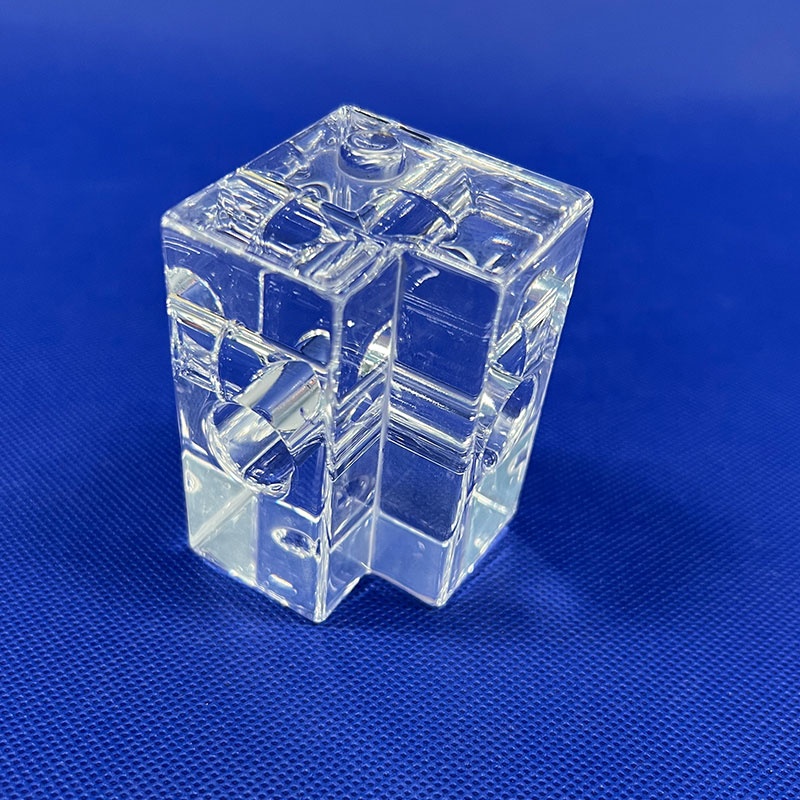
Custom Fused Quartz High-Purity Annealed Fluidic Tube
200 mesh (75μm) annealed at 1200°C. Zero thermal stress, RoHS certified, ideal for microfluidics and ultra-clean thermal digestion.
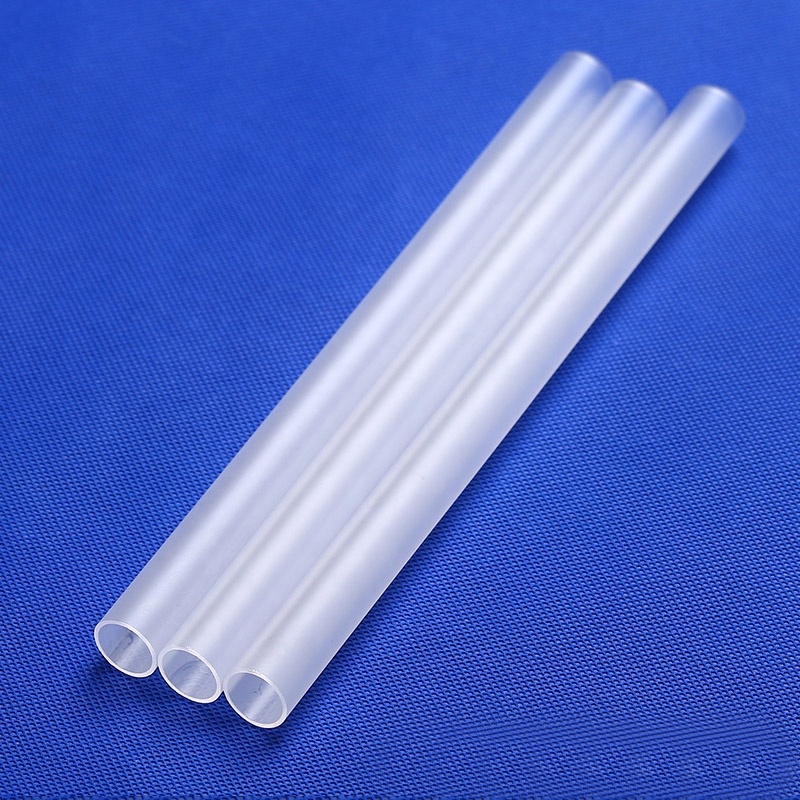
High-Purity Polished Quartz Glass Ozone Reaction Tube
Precision fire-polished finish. Excellent high-ozone and deep-UV transmission for laboratory reactors and infrared inline heaters.
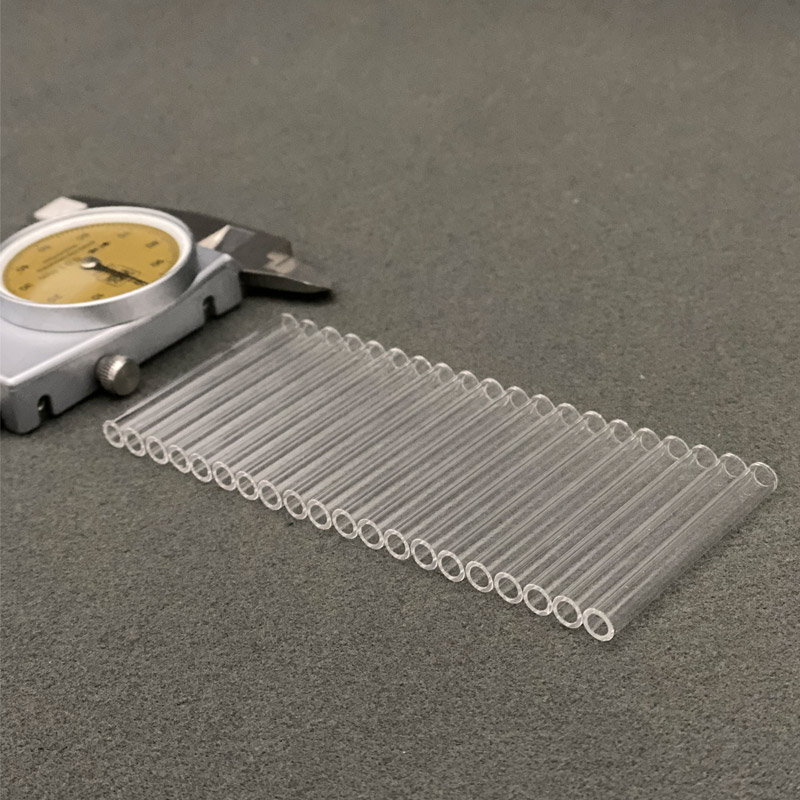
Fused Quartz Precision Capillary Tube for Laser Machinery
Sub-millimeter inner bore tolerance. High thermal shock resilience, calibrated for medical lasers, chromatography, and flow cells.
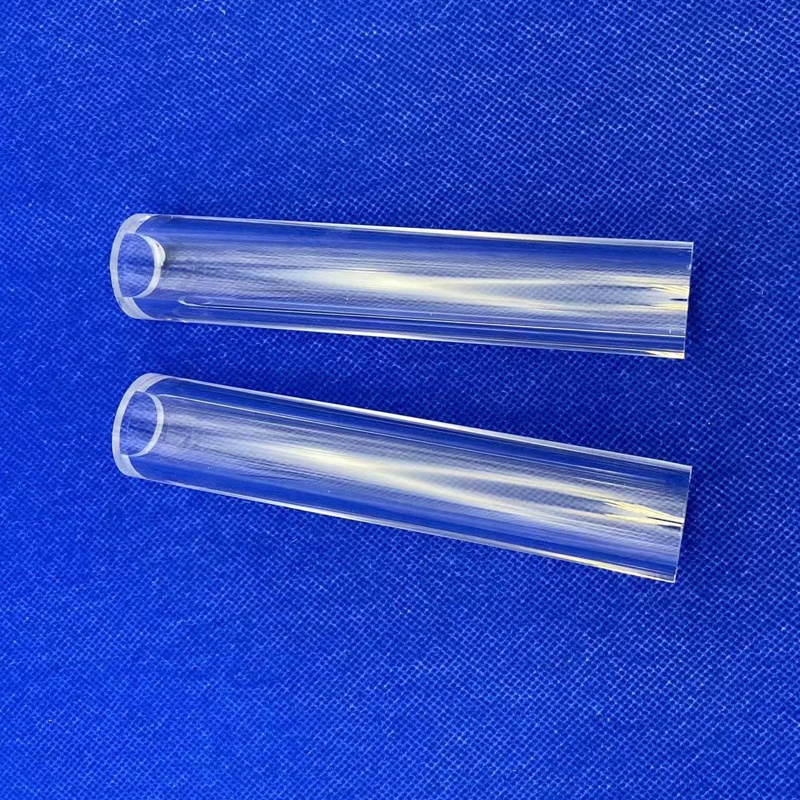
High-Precision Clear Fused Silica Tube for Ozone & Heaters
Custom dimensional bending, cutting, and flange welding. Zero-bubble formation, designed for far-infrared thermal systems.
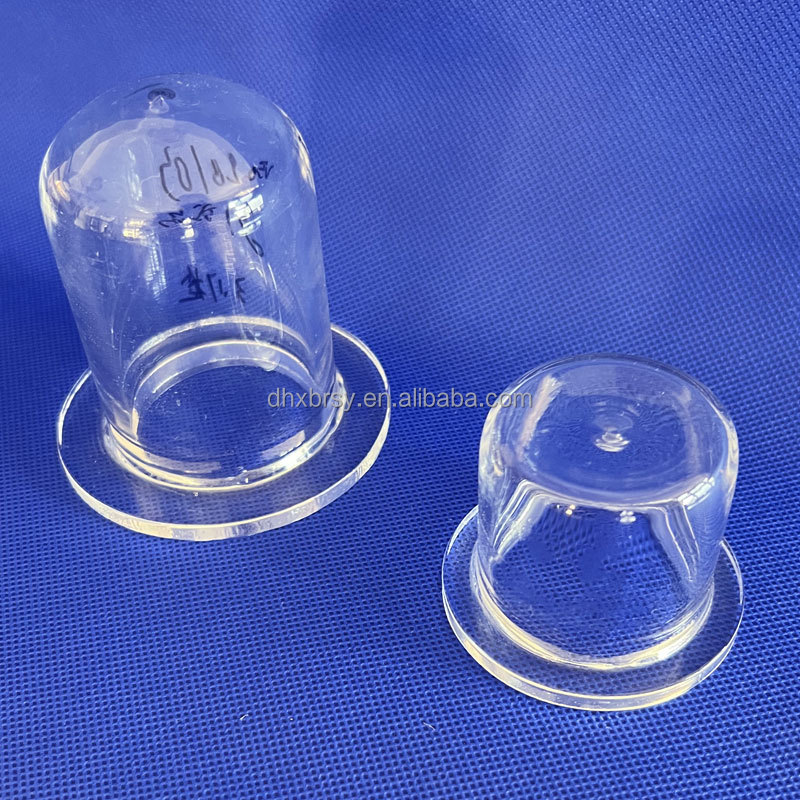
High-Transmittance Quartz Tube for Sintering Furnaces
Broad-spectrum optical clarity. Engineered for continuous thermal runs up to 1150°C in photovoltaic cell and thin-film sintering.
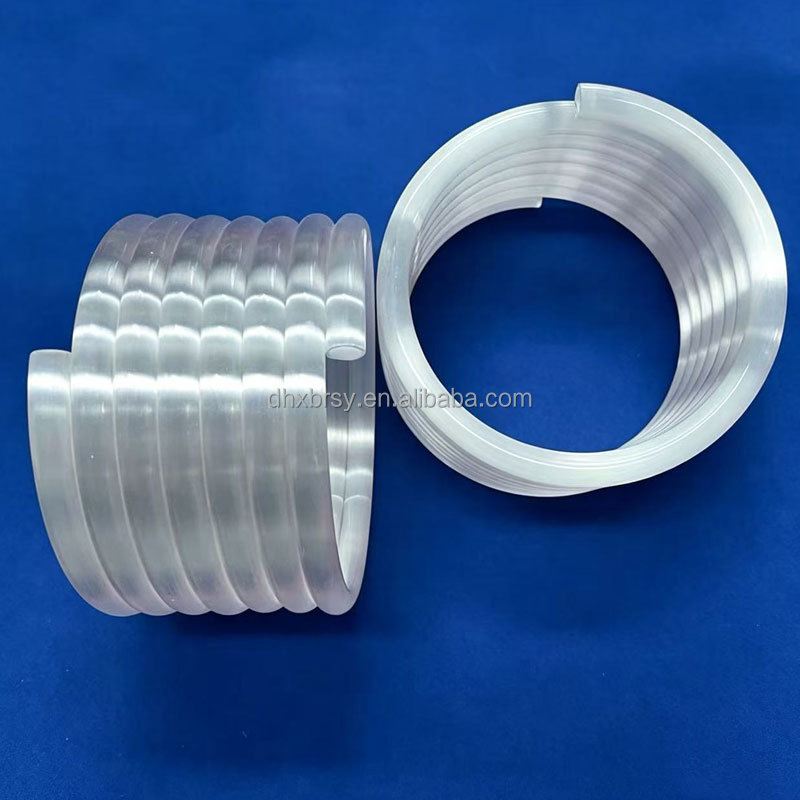
Milky White Opaque Fused Silica Spiral Tube & Helix Coil
Micro-bubble diffuse scattering geometry. Tailored for industrial heating elements, infrared reflectors, and rapid thermal cycling.
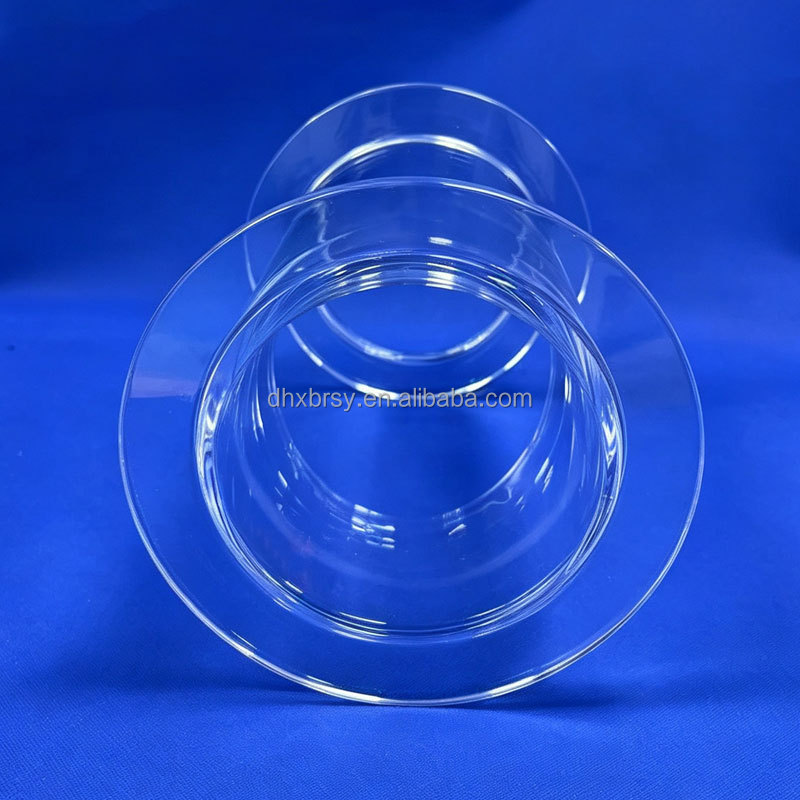
Double-Flange Transparent Fused Quartz CVD Reactor Tube
Hermetic sealing faces with ground optical flanges. Extreme resistance to corrosive precursors (SiH4, NF3) during wafer deposition.
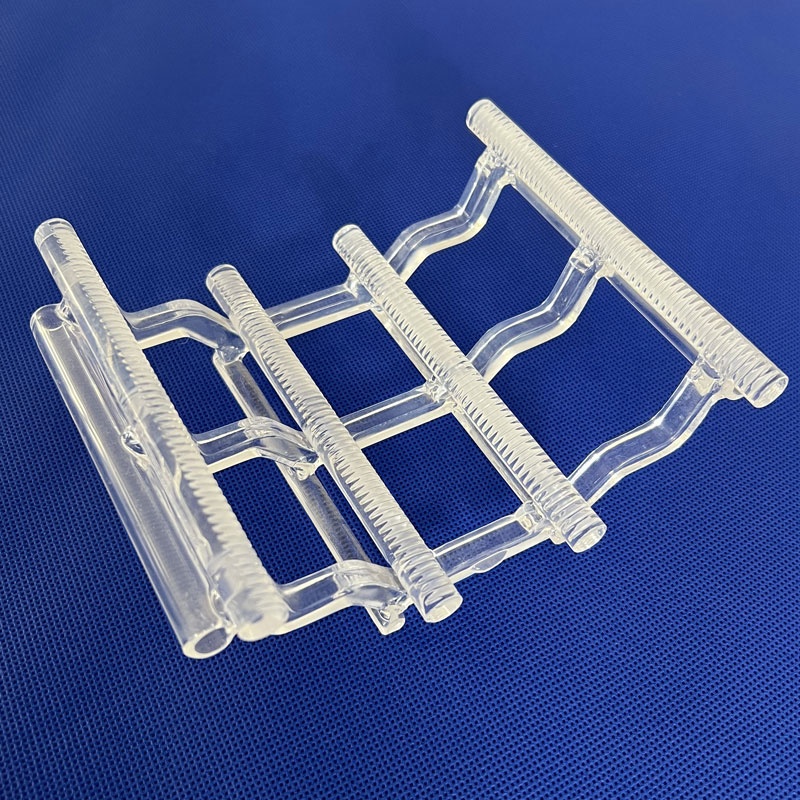
High-Temperature Fused Quartz Semiconductor Wafer Carrier
Precision laser-slotted pitch for 2-inch to 8-inch substrates. Minimal sag and zero devitrification in high-heat oxidation furnaces.
Material Science of Fused Quartz: Why Standard Borosilicate Fails in Rigorous NYC & Upstate Applications
In demanding laboratory synthesis, high-temperature furnace calcination, and photonic diagnostics across New York's biotechnology and semiconductor sectors, standard borosilicate glass (Pyrex 7740 / Schott Duran) faces severe physical thresholds. Borosilicate exhibits a thermal expansion coefficient of roughly 3.3 × 10⁻⁶ /°C and an annealing point near 560°C. When exposed to immediate thermal gradients exceeding 150°C, structural failure via micro-cracking is frequent.
In contrast, Lovri Quartz manufactures custom test tubes and apparatus from non-crystalline fused silica (SiO₂ purity ≥ 99.99%). Fused quartz offers an extraordinarily low coefficient of thermal expansion (5.5 × 10⁻⁷ /°C), virtually eliminating thermal shock. A red-hot Lovri quartz test tube heated to 1100°C can be plunged instantly into ice-cold 0°C water without mechanical fracture. Furthermore, its ultra-low dielectric loss tangent and chemical inertness prevent metallic ion leaching, preserving biological and semiconductor sample integrity.
| Physical / Chemical Property | Fused Quartz (Lovri OEM Specification) | Standard Borosilicate 3.3 | Engineering Advantage in NY Laboratories |
|---|---|---|---|
| Chemical Purity (SiO₂) | ≥ 99.99% (Trace metals < 20 ppm total) | ≈ 81% (Contains B₂O₃, Na₂O, Al₂O₃) | Zero boron or sodium leaching during ICP-MS & cell culture |
| Thermal Expansion (20°C–320°C) | 5.5 × 10⁻⁷ / °C | 3.3 × 10⁻⁶ / °C | 6× higher resistance to extreme rapid temperature swings |
| Continuous Working Temp. | 1,100 °C (Short-term surge to 1,300 °C) | 490 °C – 500 °C max | Supports chemical vapor deposition, pyrosynthesis & ash analysis |
| Softening Point | ≈ 1,730 °C | ≈ 820 °C | Maintains structural vacuum integrity under furnace operations |
| Spectral Transmission (185–2500 nm) | > 90% (Deep UV across JGS1 / JGS2) | Drops sharply below 310 nm | Essential for UV photochemistry, excimer lasers & optical cuvettes |
| Acid Resistance (except HF / H₃PO₄) | Completely inert to aqua regia, HNO₃, HCl | Moderate; prone to alkali/acid etching | Withstands harsh piranha cleans and aggressive solvent reflux |
Optical Grade Classifications: JGS1, JGS2, and JGS3
When designing custom quartz test tubes, viewports, or flow channels for New York research institutions, selecting the appropriate optical transmission class is critical to cost-effective performance:
1. JGS1 (Synthetic Fused Silica): Synthesized via gas-phase oxidation of silicon tetrachloride (SiCl₄). Free of visible bubbles and metallic trace impurities, JGS1 exhibits outstanding transmittance across the deep ultraviolet (DUV) range from 185 nm to 2500 nm. Preferred by laser optics labs and lithography development centers in Rochester and Albany.
2. JGS2 (Optical Fused Quartz): Smelted from purified natural crystalline silica under high-temperature oxyhydrogen flames. Transmits efficiently from 220 nm through 2500 nm. The gold standard for New York analytical testing tubes, spectrophotometric absorption cells, and ozone generator reactors.
3. JGS3 (Electrically Fused Quartz): Smelted in high-vacuum electrical resistance furnaces. Virtually free from hydroxyl absorption bands (OH content < 5 ppm), delivering exceptional infrared transparency up to 3500 nm. Widely applied in infrared thermal processing, pyrolysis tubes, and radiant heat shields.
Localized Application Scenarios in New York State
From Manhattan's premier biomedical research clusters to the high-tech semiconductor corridor along the Hudson Valley, our custom OEM quartz products fulfill strict mission-critical requirements.
NYC Biomedical & Life Sciences Corridor
Serving medical centers, universities, and biotech startups across Manhattan (Weill Cornell, Columbia University Irving Medical Center, NYU Langone, Mount Sinai) and the Brooklyn Navy Yard. Lovri supplies heavy-wall quartz test tubes, multi-well digestion plates, and flow-through spectrophotometer cells resistant to piranha cleans, enzymatic digestion, and autoclaving.
Albany Nanotech & Hudson Valley Semiconductor
In the semiconductor ecosystem anchored by NY CREATES Albany NanoTech Complex and Hudson Valley fabrication facilities, purity is paramount. We provide ultra-pure 99.999% synthetic fused quartz process tubes, wafer carrier boats, and plasma etch viewports engineered with zero alkali metal contamination, ensuring zero wafer gate oxide defects.
Rochester & Finger Lakes Photonics Hub
Rochester’s historic optics capital demands high-precision optical quartz cylinders, laser excitation capillary tubes, and fire-polished UV windows. Our precision CNC grinding and double-sided lapping hold wave-front distortion to λ/4, catering to precision laser machinery, lithography testing, and spectroscopic instrumentation.
Long Island High-Energy Physics & Defense
Collaborating with national laboratories and defense contractors on Long Island (Brookhaven National Laboratory cluster), Lovri produces thick-walled high-vacuum combustion tubes, radio-chemical sample vials, and microwave plasma chambers capable of operating under deep vacuum at continuous 1100°C thermal loads.
New York Procurement Trends in Fused Quartz (2025–2030)
Strategic supply chain dynamics reshaping technical glassware procurement for New York engineering and research teams.
1. CHIPS Act Expansion & High-Purity Consumables
With billions in federal and state capital flowing into Upstate New York’s semiconductor corridors (Albany, Marcy, East Fishkill), local fabs demand ultra-low heavy metal content in quartz consumables. Fused quartz with < 0.1 ppm copper, iron, and sodium has transitioned from a niche preference to a baseline procurement specification.
2. Demand for Rapid Prototyping (Low MOQ)
NYC biotechnology startups and university incubators cannot commit to bulk production runs during phase-1 clinical and experimental phases. Procurement managers require manufacturers that offer 1-piece to 5-piece custom prototype fabrication directly from CAD/STEP files without excessive tooling surcharges.
3. Frictionless Air Freight into JFK & EWR Hubs
Given the fragile nature of high-aspect-ratio quartz test tubes, New York buyers prioritize supplier packaging engineering. Custom foam cavity inserts, vacuum bubble cushioning, and drop-tested wooden cases routed through JFK, Newark Liberty, and Albany International airports ensure zero-breakage delivery.
Why New York Procurement Chooses Lovri Quartz
Vertically integrated production from raw silica processing to CNC optical finishing, certified by SGS Group.
End-to-End In-House Control: From Sand Refining to Polariscopic Verification
Unlike distributors or glass blowers who outsource raw tube stock, Lovri Quartz controls the complete production line in our 14,271 m² facility. We process raw silica through cutting, pulverizing, acid pickling, vertical drawing, and stress-relief annealing. This vertical integration allows us to guarantee consistent 99.99% purity and rapid response times.
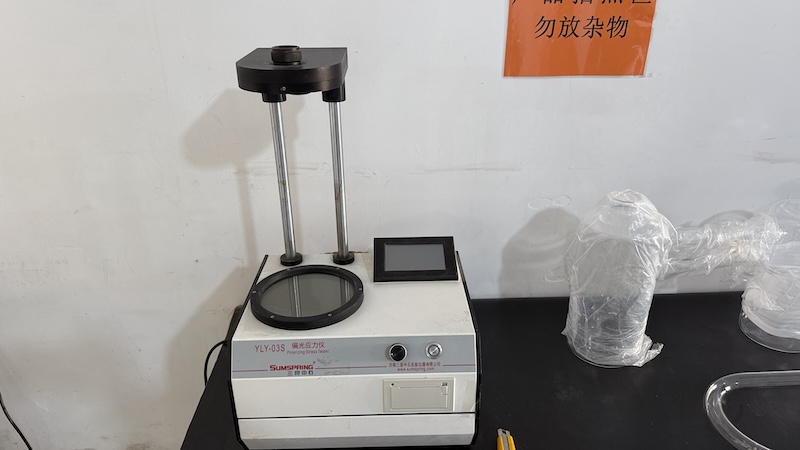
- Polarization Stress Testing: 100% of custom annealed test tubes are inspected under cross-polarized light to guarantee zero residual internal stress.
- Sub-Millimeter CNC Tolerances: Multi-axis CNC centers drill, mill, slot, and thread quartz components with concentricity within ±0.02 mm.
- SGS Onsite Assessment: Verified manufacturing capacity, employee health, cleanroom handling, and RoHS compliance certificates available for export review.
- Flexible Prototyping: Dedicated sample workshop accepting drawings in PDF, DWG, DXF, or STEP format with turnarounds as fast as 72 hours.
Frequently Asked Questions by New York Procurement Teams
Clear answers on tariffs, logistics, lead times, optical choices, and drawing review protocols.
What is the typical shipping timeline from your plant to New York facilities?
Can you manufacture custom test tubes with ground joints, flanges, or threaded necks?
How do you guarantee that high-aspect-ratio quartz tubes will not break in transit?
What is the difference in chemical resistance between HF and other acids in quartz tubes?
What documentation and test reports are included with custom OEM orders?
Can you work directly from engineering CAD files, or do you require physical samples?
Initiate Your Custom OEM Quartz Project Today
Whether you need a single prototype quartz reaction tube for an Albany laboratory trial or thousands of high-purity combustion sleeves for continuous industrial processing, our engineers are ready to review your tolerances, material specs, and delivery schedule.