Precision Fused Quartz Components for Romanian Industrial & Research Clusters
Select high-purity quartz tubing, polished plates, specialty CNC laser chambers, and chemical reaction apparatus manufactured to rigorous ISO 9001 and RoHS export standards.
Technical White Paper: Fused Quartz & Silica Material Capabilities in Eastern European Industrial Infrastructure
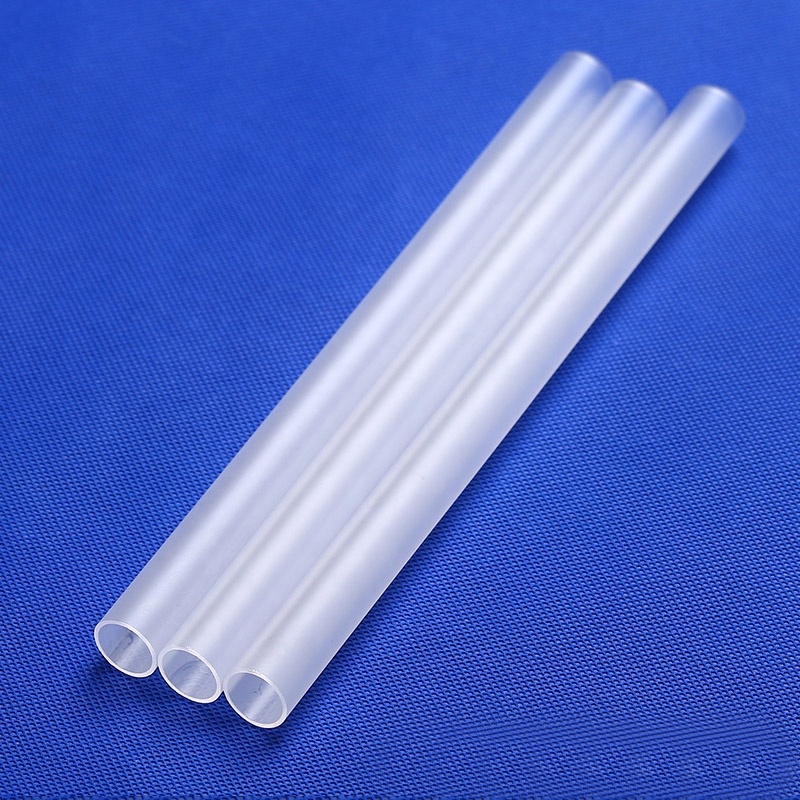
In high-precision manufacturing, fused quartz (thermal glass derived from crystalline natural quartz) and synthetic fused silica (chemically synthesized SiCl4) serve as the backbone of extreme-environment engineering. With a thermal expansion coefficient of merely 5.5 × 10⁻⁷ /°C—approximately 1/30th that of regular soda-lime glass and 1/5th that of borosilicate 3.3—fused quartz exhibits unprecedented thermal shock resilience. It can undergo rapid heating to over 1100°C followed by immediate water quenching without catastrophic micro-fracturing.
As Romania consolidates its status as a vital technology and manufacturing hub within the European Union, precision quartz components are integral across four foundational sectors: high-power photonics research, automotive electronics fabrication, chemical and petrochemical refineries, and renewable photovoltaic integration. Delivering repeatable, high-grade fused quartz requires a vertically integrated supply chain, starting from precise raw mineral acid pickling to eliminate trace metallic cations (Fe, Al, Ti, Na, K, Li) down to single-digit parts-per-million (ppm) levels, through advanced diamond tooling CNC shaping and polarized stress annealing.
| Physical / Chemical Property | Standard Fused Quartz (Natural) | Synthetic Fused Silica (Optical JGS1) | Borosilicate Glass 3.3 (Comparative) |
|---|---|---|---|
| SiO2 Chemical Purity | ≥ 99.99% | ≥ 99.9999% | ≈ 81% (Contains B2O3, Na2O, Al2O3) |
| Thermal Expansion (20°C–300°C) | 5.5 × 10⁻⁷ K⁻¹ | 5.2 × 10⁻⁷ K⁻¹ | 33 × 10⁻⁷ K⁻¹ |
| Continuous Working Temperature | 1100 °C | 1150 °C | 450 °C |
| Short-Term Softening Point | 1730 °C | 1710 °C | 820 °C |
| Dielectric Strength (20°C, 1MHz) | 25–40 kV/mm | 30–45 kV/mm | 10–15 kV/mm |
| Optical Spectral Transmission Range | 220 nm – 2500 nm | 185 nm – 2500 nm (No UV Absorption) | 310 nm – 2200 nm |
| Chemical Attack Resistance | Inert to all acids except HF / hot H3PO4 | Exceptional purity, zero leaching | Moderate acid resistance, leaching prone |
Key Industrial Applications of Custom Quartz Across Romania
From automotive electronics around Timișoara and Pitești to extreme laser physics in Ilfov County, our custom quartz parts are tailored for Romania's regional industrial clusters.
High-Intensity Laser Physics & Optics (Măgurele Hub)
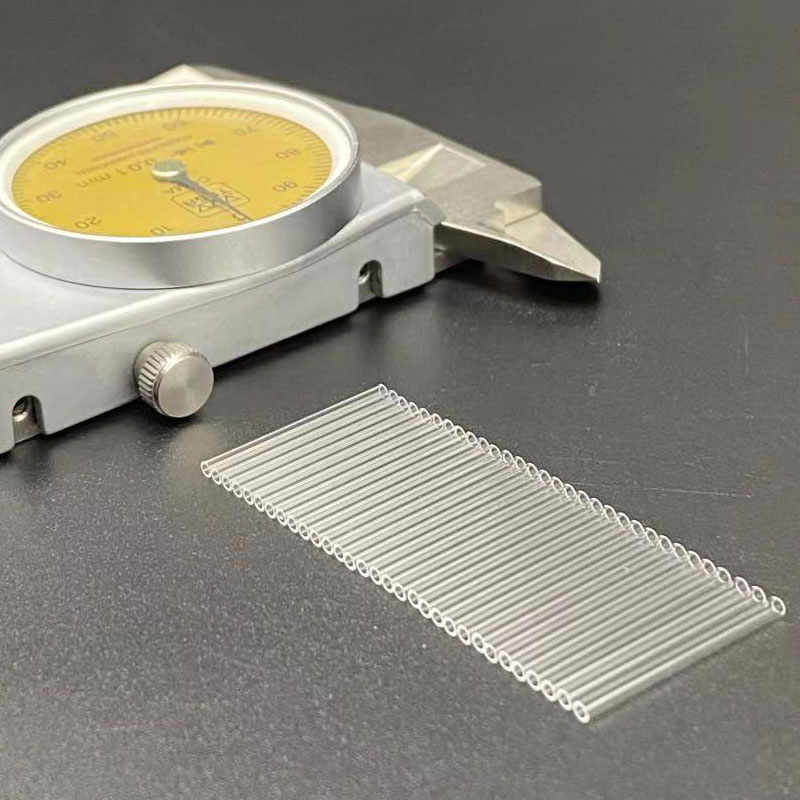
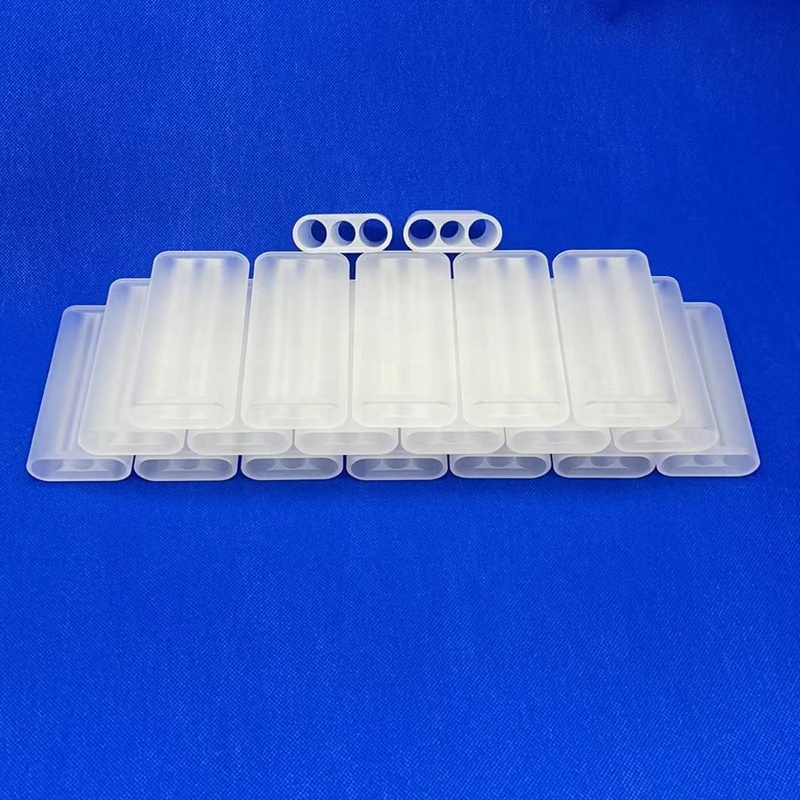
Anchored by the world-class ELI-NP (Extreme Light Infrastructure – Nuclear Physics) project in Măgurele, Romania operates some of the planet's highest-peak-power petawatt lasers. These systems require custom JGS1 optical window blanks, precision fused quartz triple-bore liquid cooling tubes, and low-fluorescence beam splitters capable of enduring intense gigawatt and terawatt pulses without dielectric breakdown or thermal lensing.
Automotive Semiconductor Assembly (Timiș, Cluj & Argeș)
The automotive industrial base powering Dacia-Renault, Continental, and Tier-1 sub-assembly plants requires high-purity thermal diffusion tubes, quartz wafer boats, and slotted carrier cassettes for sensor packaging, power semiconductors, and microcontroller fabrication. Minimal particulate emissions and trace alkali-metal suppression ensure yield rates during high-temperature baking and wafer handling.
Petrochemical Refineries & Analytical Labs (Ploiești Basin)
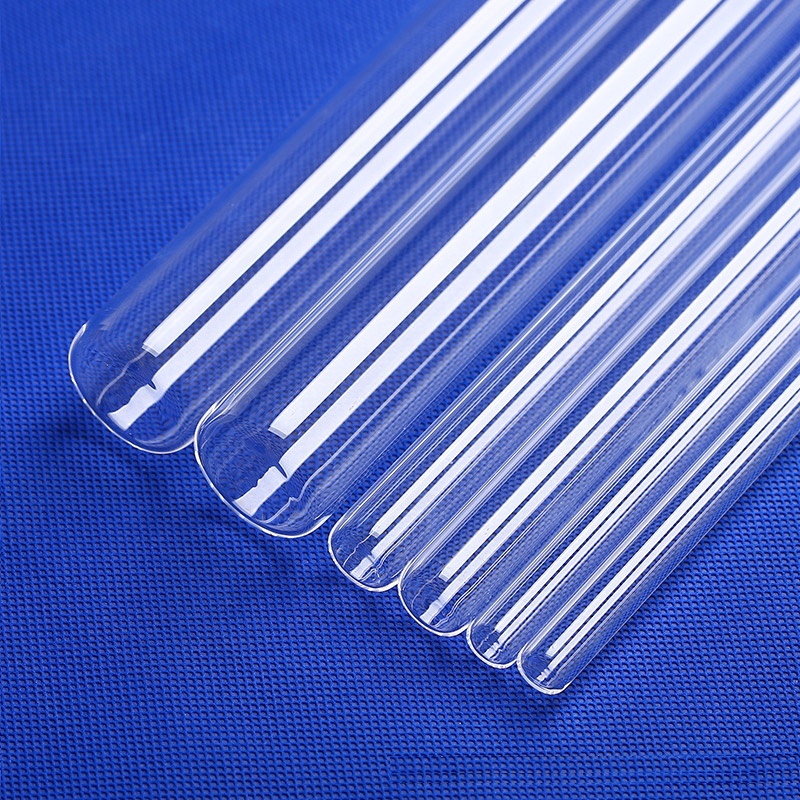
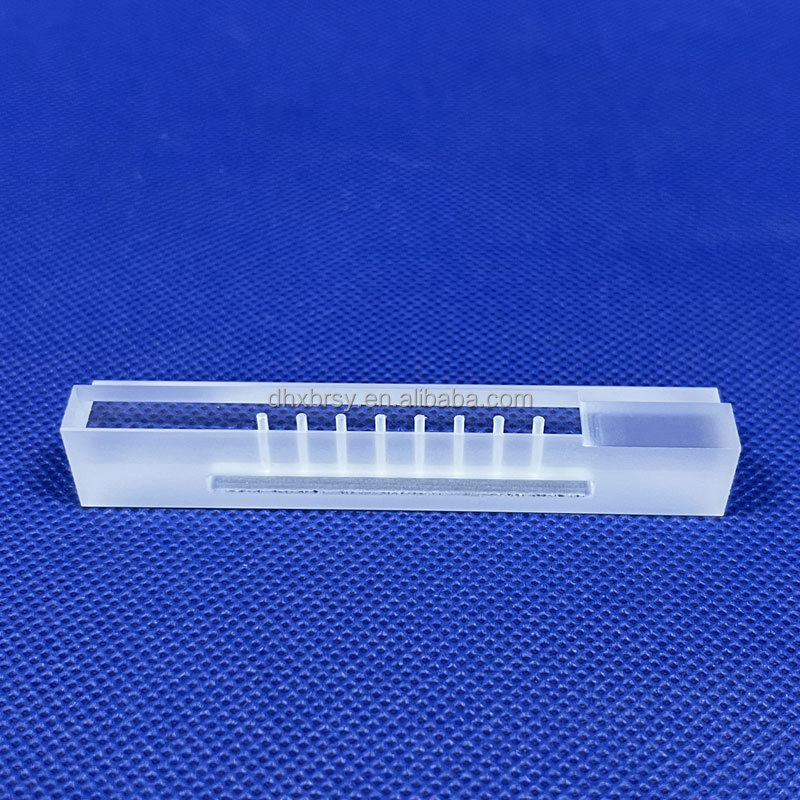
Romania's long-established oil, natural gas, and specialty polymer complexes in Prahova County count on corrosion-resistant quartz reactor vessels, high-temperature combustion test tubes, and optical flow-through cuvettes. Quartz glass withstands aggressive boiling acids, chlorine atmospheres, and volatile hydrocarbons up to 1200°C without devitrification or element contamination.
Photovoltaic Cell Manufacturing & Green Energy Transition
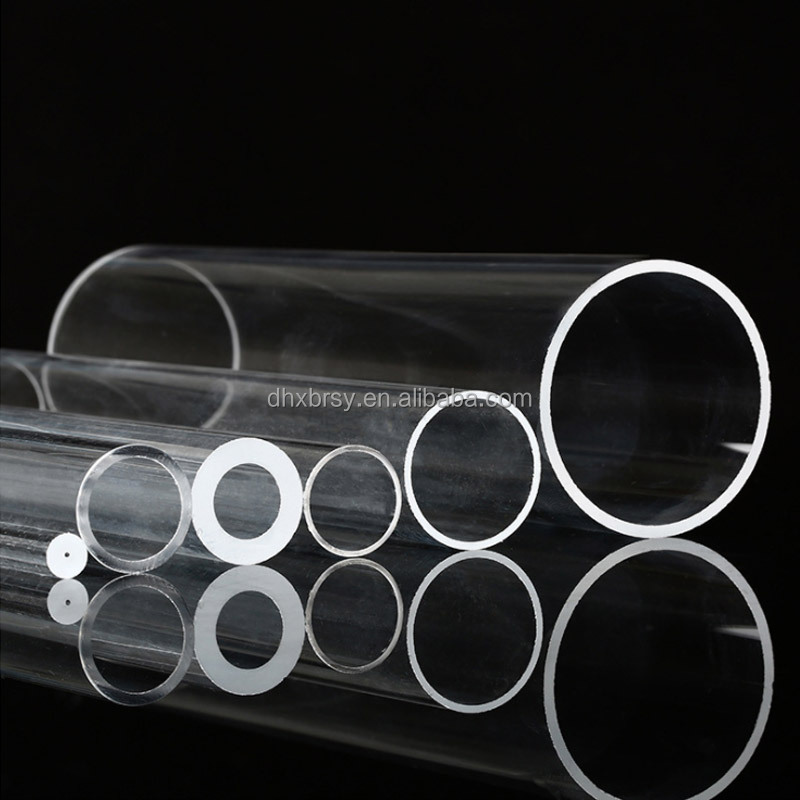
With Romania accelerating investments under the EU Green Deal and national solar park expansions across the southern Oltenia and Dobrogea regions, localized ingot crystallization facilities utilize massive-diameter fused quartz crucibles and diffusion furnace liners that maintain dimensional stability across multi-day silicon crystal pull operations.
Municipal Water Disinfection & Ozone Reactors (Bucharest & Constanța)
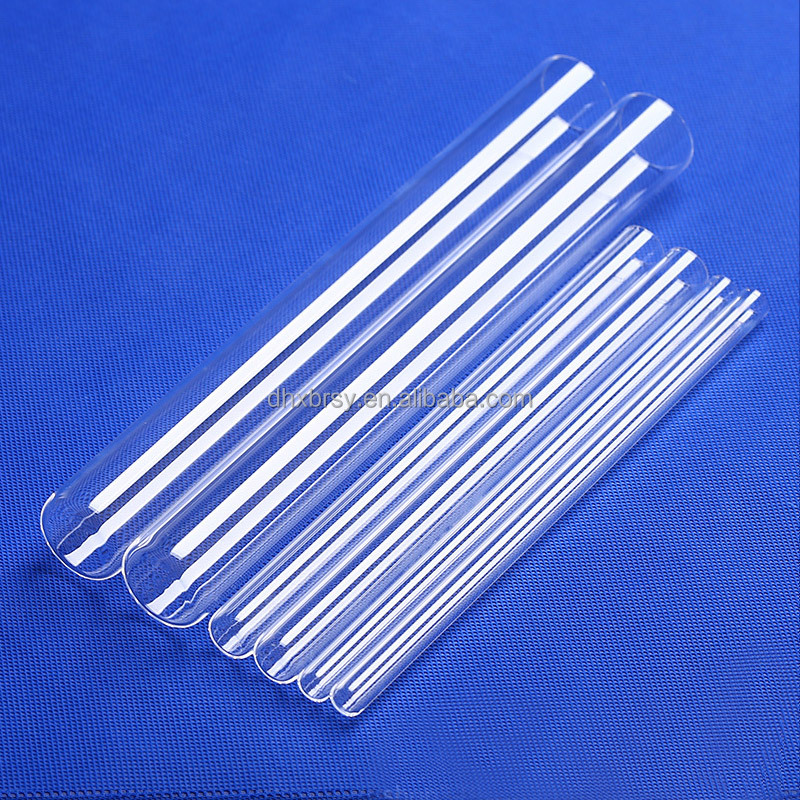
Municipal water upgrades and pharmaceutical manufacturing plants in Bucharest and Iași demand high-ozone generating quartz sleeves and UV germicidal protective jackets. Our high-transmittance 253.7 nm UV-C quartz tubes provide long working lifespans under continuous immersion without solarization-induced optical clouding.
University & Academic Research Laboratories
Institutions including Universitatea Politehnica din București, Babeș-Bolyai University in Cluj-Napoca, and Gheorghe Asachi Technical University of Iași require custom specialized quartz labware, vacuum multi-port apparatus, and precision microplates to conduct innovative materials science and nanophotonics experiments.
Emerging Market Trends: Romania's Industrial Modernization Driving Quartz Demand
Romania's industrial economy is shifting toward higher-value, technology-intensive output. Supported by EU Horizon Europe programs, National Recovery and Resilience Plan (PNRR) funds, and international direct investments, four macro trends are reshaping quartz part procurement across Romanian commercial and state enterprises:
1. Sub-Millimeter CNC Machining Tolerances
Standard tolerance bands of ±0.5mm are no longer acceptable for modern optical sensors and automated machinery. Romanian automated assembly lines increasingly mandate quartz components machined on 5-axis ultrasonic CNC platforms achieving dimensional tolerances tighter than ±0.02mm, alongside optical pitch surface roughness below Ra 0.2 µm.
2. Supply Chain Nearshoring & Direct Factory Auditing
Romanian procurement teams are moving away from multi-tier European trade intermediaries to mitigate compounding markups and lengthy distributor lead times. Buyers seek audited, SGS-verified source manufacturing partners capable of translating CAD drawings directly into prototypes within 7 to 10 days.
3. Strict RoHS, REACH & Traceability Compliance
As a European Union member state, Romania strictly enforces EU Directive 2011/65/EU (RoHS) and Regulation (EC) No 1907/2006 (REACH). Procurement managers require verified batch chemical inspection records showing zero restricted hazardous substances or volatile plasticizers in glass-to-metal seals and quartz assemblies.
4. Demand for Specialty Doped & Opaque Silica
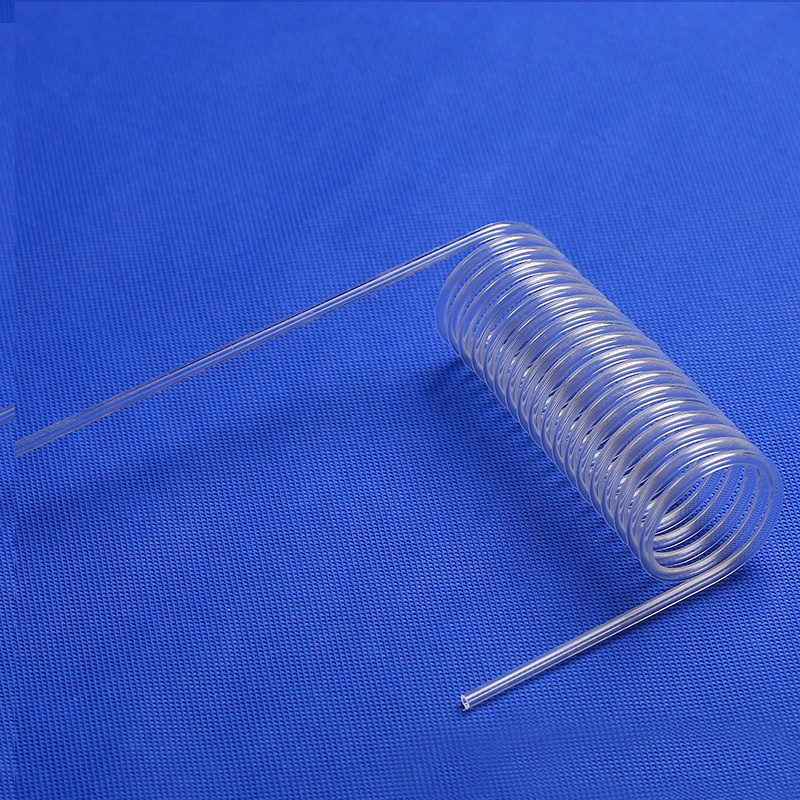
Beyond traditional clear fused silica, technical sectors are rapidly adopting customized formulations, including cerium-doped quartz to shield against deep UV degradation, gold-coated quartz infrared spiral heaters, and high-scattering opaque silica for precision thermal baffling in vacuum sintering furnaces.
Lovri Quartz Engineering Advantage: Certified Source Manufacturing
Direct oversight across raw quartz refinement, precision cold processing, thermal flame synthesis, and strict quality verification ensures performance consistency for export orders.
14,271 m² Dedicated Facility & Material Purity
Located in Lianyungang, China's central quartz manufacturing cluster, our operations control the complete value chain from raw natural quartz lump selection, mechanical pulverizing, and multi-stage chemical acid pickling to produce pristine fused silica with ≥ 99.99% SiO2 purity. We minimize iron, aluminum, and alkali traces that undermine thermal endurance and optical clarity.
Full 12-Step In-House Production Process
Unlike finishing shops that buy secondary tubing on the open market, our facility houses continuous horizontal and vertical tube-drawing machines, high-temperature hydrogen-oxygen flame annealing ovens, multi-axis automated CNC milling systems, and optical surface polishing equipment, maintaining consistent mechanical tolerances across complex geometries.
100% Polariscopic Stress Relief Verification
Latent thermal stress formed during glassblowing, flange welding, or CNC core drilling is the primary cause of spontaneous glass shattering in service. Every batch of our quartz components undergoes thorough de-stress annealing followed by polarization optical polariscope inspection, guaranteeing zero hazardous internal stress concentrations.
SGS Verified & Comprehensive Export Certification
Our operational capabilities, corporate documentation, production capacity, and employee workflows are independently assessed onsite by the SGS Group. We provide mill test certificates, chemical analysis reports, RoHS compliance certifications, and dimension inspection sheets alongside every international delivery.
Rapid Drawing-to-Part Prototyping
Whether submitting simple sketch drawings, PDF mechanical prints, or complex CAD files (.STEP, .IGS, .DWG), our engineering department completes thermal and manufacturability evaluations within 24 hours. We welcome low-MOQ prototype trials (from 1 piece) to support R&D proof-of-concept stages before full production commitments.
Engineered Multi-Layer Export Packaging
Exporting brittle, high-aspect-ratio quartz tubes and delicate optical plates requires specialized cushioning systems. We use custom shock-absorbent expanded polyethylene (EPE) foam cavities, double-wall corrugated cartons, and vacuum-sealed vapor barriers packed in ISPM-15 compliant heat-treated wooden crates for safe transit to Romania.
Frequently Asked Questions by Romanian Technical Buyers & Importers
Practical technical, logistical, and commercial information for engineers and procurement specialists sourcing custom quartz parts across Romania.
What are the differences between JGS1, JGS2, and JGS3 quartz grades for European orders?
• JGS1 (Synthetic Fused Silica): Manufactured from high-purity silicon tetrachloride (SiCl4). It features virtually zero bubble inclusions and no absorption bands across 185 nm to 2500 nm. It is best suited for deep-UV optics, excimer laser windows, photolithography, and high-energy physics research such as ELI-NP installations.
• JGS2 (Standard Fused Quartz): Smelted from natural high-purity crystal quartz via hydrogen-oxygen flame. It provides good optical transparency across 220 nm to 2500 nm, making it a reliable, cost-effective choice for furnace sight windows, UV curing sleeves, standard laboratory tubes, and chemical reactors.
• JGS3 (Electrically Fused Quartz / IR Grade): Vacuum-melted with minimal hydroxyl (OH⁻) content (typically < 5 ppm). It avoids the strong water absorption dip around 2730 nm, delivering superior transmission across 260 nm to 3500 nm for infrared heating, pyrometry viewports, and thermal cameras.
How do you prevent breakage and thermal stress cracks during shipment to Romania?
What dimensional tolerances can you achieve on custom CNC quartz components?
• Outer Diameter (OD) & Inner Diameter (ID): ±0.05 mm on standard machining; down to ±0.01 mm with precision honing.
• Length & Width: ±0.05 mm.
• Thickness: ±0.02 mm on ground and polished sheets.
• Angularity & Perpendicularity: Within 30 arc-seconds.
• Surface Polish Quality: Optical scratch-dig standards 60/40, 40/20, or 20/10 upon drawing specification.
Can our engineering team order a single prototype piece prior to bulk serial delivery?
What documentation and quality certificates accompany shipments to Romanian customs?
1. Certificate of Conformity (CoC): Stating drawing revision compliance, dimensional parameters, and batch serials.
2. Material Chemical Analysis Report: Documenting SiO2 content (≥ 99.99%) and trace impurity limits.
3. RoHS 2.0 & REACH Compliance Declarations: Assuring adherence to EU chemical import mandates.
4. Commercial Documents: Fully prepared Commercial Invoice (with accurate HS Codes: 7002.31.00 / 7017.10.00), Packing List, and Certificate of Origin (COO) to facilitate customs clearance through Romanian ANAF/Customs checkpoints.
What are the typical logistics methods, lead times, and Incoterms for delivery to Romania?
How can engineers distinguish between cheap borosilicate 3.3 glass and authentic fused quartz?
• Thermal Shock Resistance Test: Heat the tube or plate to 1000°C over an open flame and immediately plunge it into ice water (0°C). Fused quartz remains intact, whereas borosilicate glass will shatter.
• Refractive Index Measurement: Fused silica has a low refractive index (nd ≈ 1.458), while borosilicate 3.3 is notably higher (nd ≈ 1.473).
• UV Spectral Cutoff: Borosilicate glass blocks UV transmission below 300 nm, while fused quartz maintains clear optical throughput down to 220 nm (JGS2) or 185 nm (JGS1).
Ready to Build Custom Fused Quartz Solutions for Your Facility in Romania?
Submit your CAD files, mechanical sketches, or application requirements. Our senior glass engineers will evaluate manufacturability, optimize tolerances, and provide an export quotation tailored to your timeline.