SiO₂ 99.99%
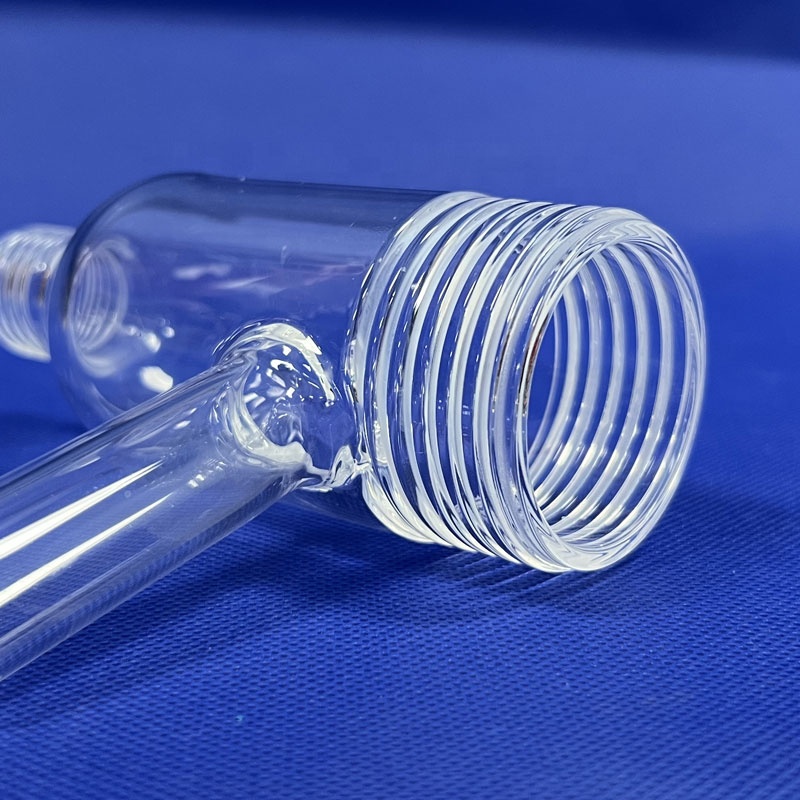
BAO RAN 515 Transparent 99.99% Fused Quartz Threaded Reaction Tube
Side-arm lab reaction vessel precision-threaded for airtight vacuum containment and high-purity chemical digestion.
Engineered at our 14,271 m² production facility from purified natural & synthetic silica. Fully compatible with automated liquid handlers, high-temperature sintering, and deep-UV spectroscopy systems across Colorado.
Side-arm lab reaction vessel precision-threaded for airtight vacuum containment and high-purity chemical digestion.
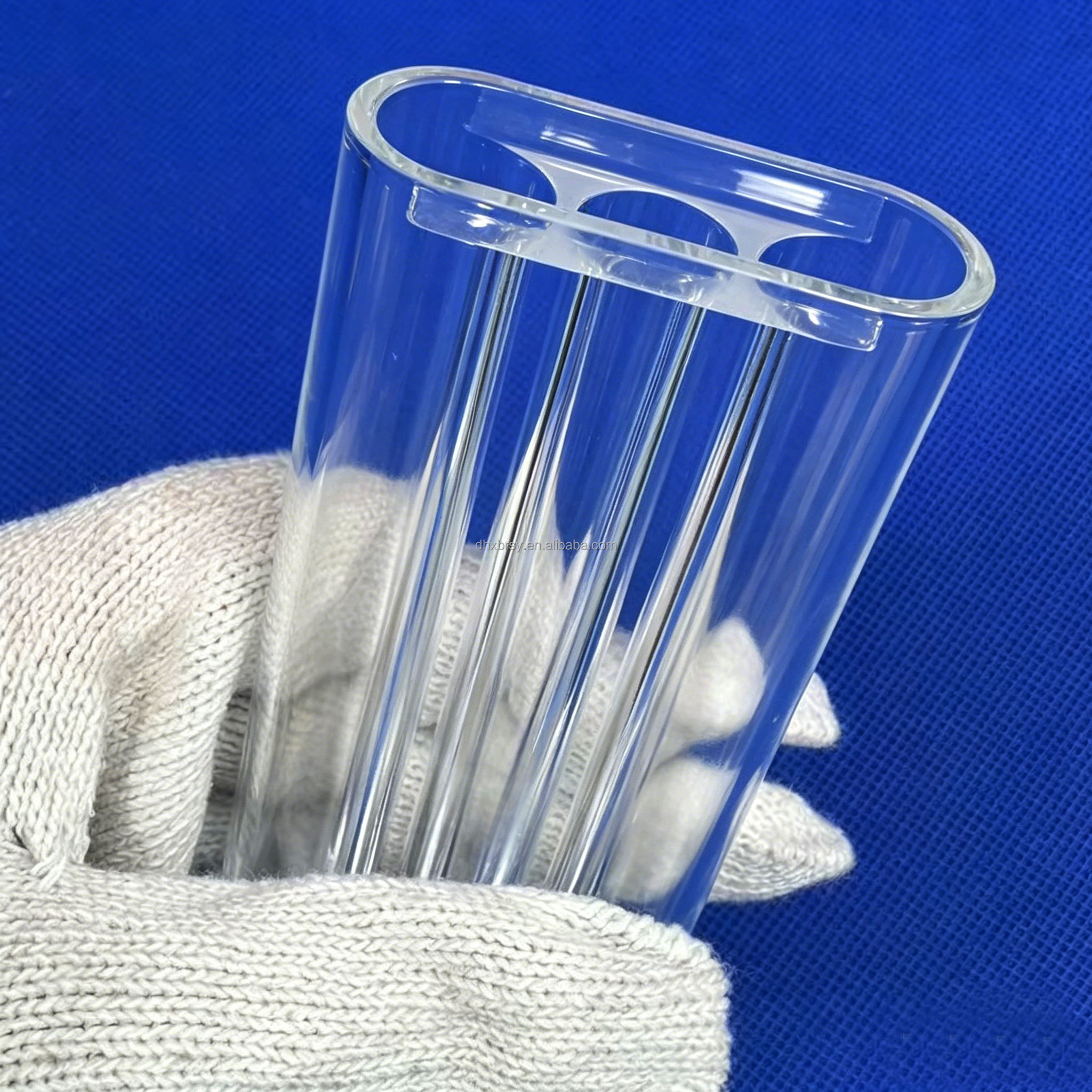
Continuous thermal resistance up to 1100°C for semiconductor diffusion, chemical vapor deposition, and lab annealing furnaces.
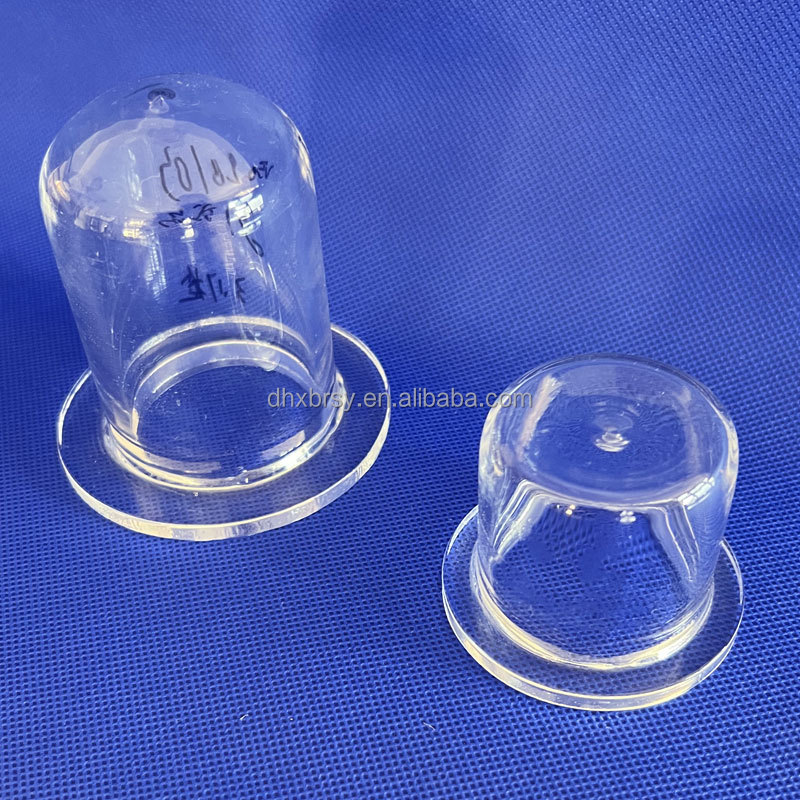
RoHS-certified 99.99% pure silica glass ensuring maximum infrared transmission and ultra-low bubble inclusion for PV cells.
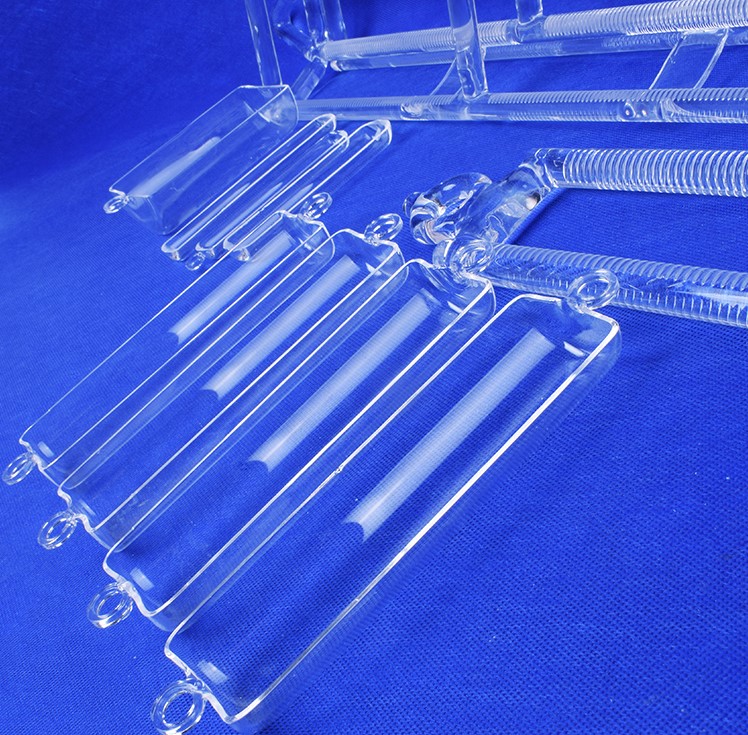
High-precision slotted carrier boats fabricated from monolithic quartz rods with high acid resistance and uniform thermal expansion.
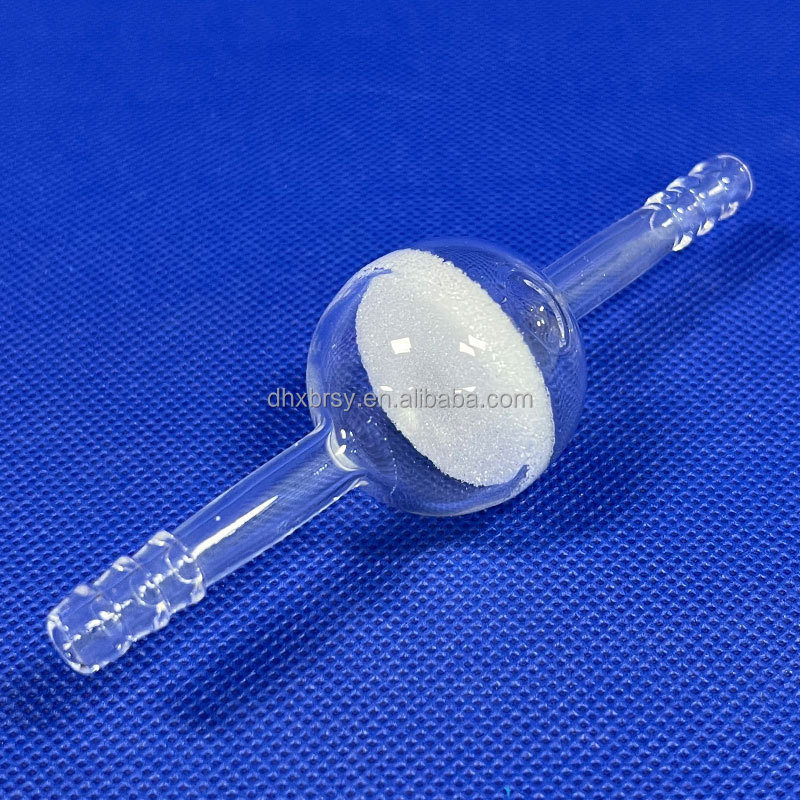
Double-side polished optical quartz plates engineered for UV spectrometer viewports, fluorescence sensors, and digestion vessels.
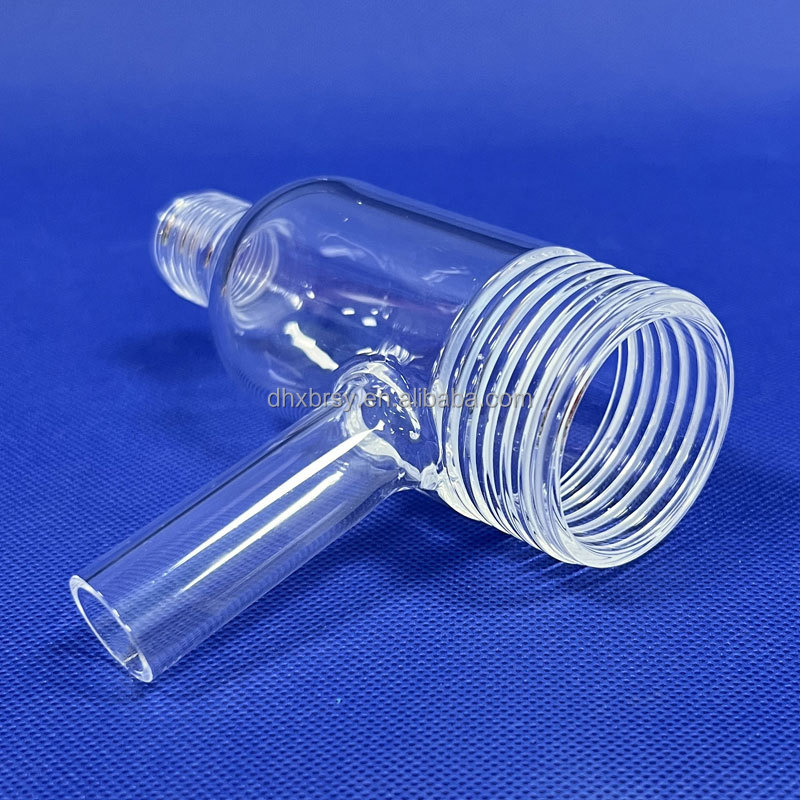
Hydrodynamically polished fused silica tubing with precision-ground outer and inner threads for corrosive liquid processing.
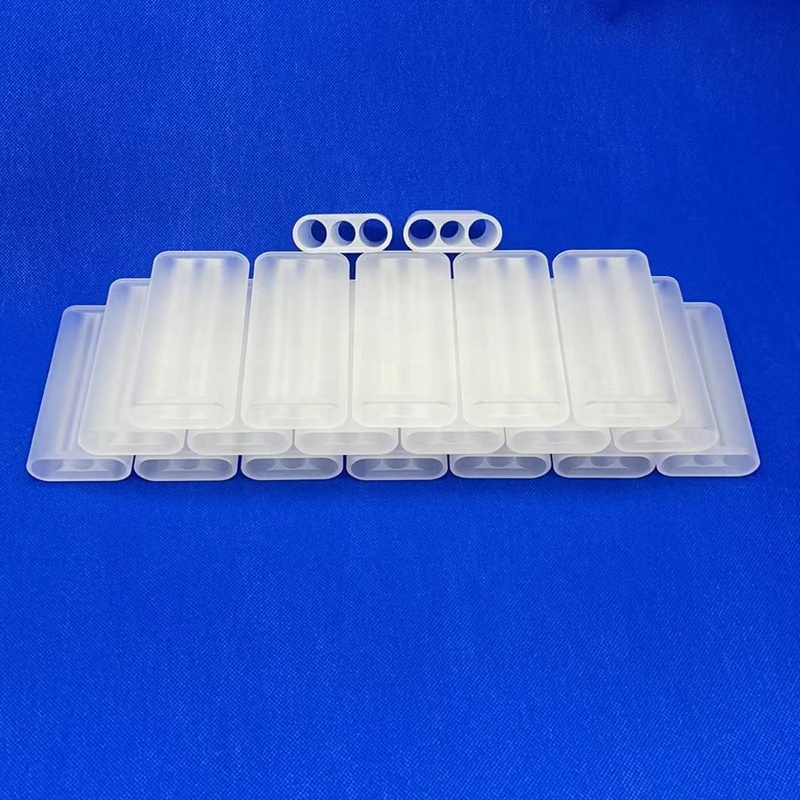
Special-shaped C-profile and multi-bore quartz flow conduits with flame-welded seals and tight inner bore diametric tolerances.
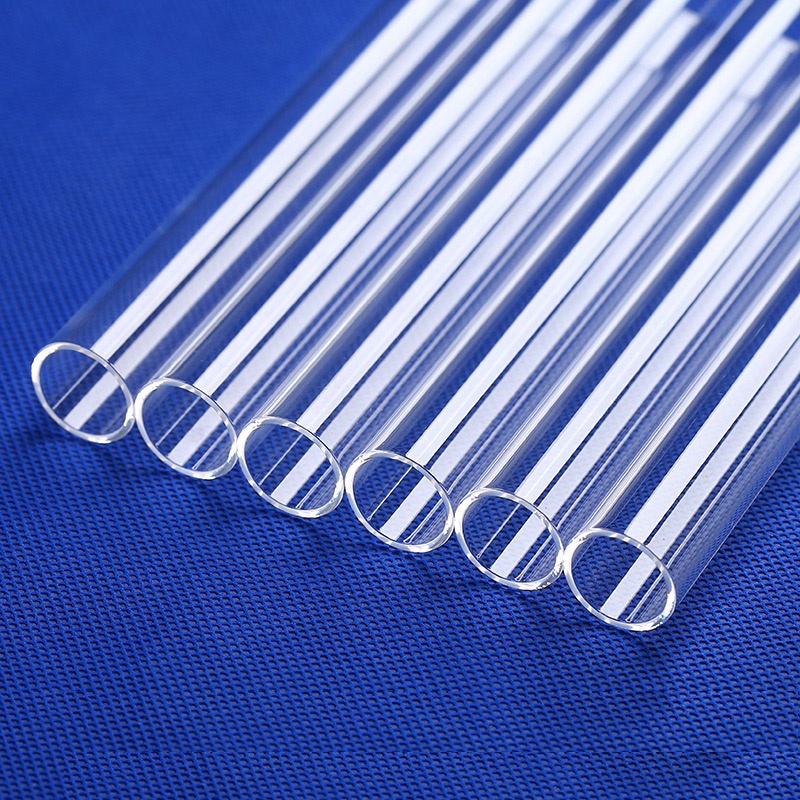
Calibrated wall-thickness quartz pipeline components designed for ultra-pure fluid transfer, semiconductor etching, and solvent lines.
In the rapidly expanding life sciences and biopharmaceutical ecosystem along the Colorado Front Range—anchored by the Fitzsimons Innovation Community and the University of Colorado Anschutz Medical Campus in Aurora, the biotechnology clusters of Boulder, and contract research organizations across the Denver Tech Center (DTC)—high-throughput screening (HTS) and optical characterization have entered an era of sub-nanomolar detection sensitivity. In these high-precision assays, standard laboratory consumables fabricated from polystyrene (PS), polypropylene (PP), or standard borosilicate glass introduce significant operational bottlenecks. Polystyrene induces strong background autofluorescence below 350 nm, deforms under thermal sterilization, and reacts with organic solvents such as DMSO, acetone, and methylene chloride.
Lovri Quartz addresses these scientific limitations by delivering monolithic, CNC-machined Fused Quartz 96-Well Microplates directly from our vertically integrated Lianyungang manufacturing facility to laboratories and procurement teams throughout the greater Denver area. Fabricated from ultra-pure synthetic fused silica (JGS1) and premium flame-fused quartz (JGS2), our 96-well quartz microplates conform to international ANSI/SLAS 1-2004 through ANSI/SLAS 4-2004 standards. This standardization guarantees direct physical and optical interchangeability with automated liquid handling platforms including Tecan Fluent, Hamilton Microlab STAR, Beckman Coulter Biomek, and PerkinElmer EnVision microplate readers commonly installed in Denver biomedical facilities.
Denver’s physical elevation of 5,280 feet (1,609 meters) above sea level produces an ambient atmospheric pressure of roughly 83 to 84 kPa (approximately 12.1 psi)—roughly 17% below standard sea-level barometric pressure. This low-pressure environment accelerates liquid evaporation rates during prolonged enzymatic micro-reactions and exacerbates thermal shock transitions during high-temperature autoclave cycles. Fused quartz features an exceptionally low coefficient of thermal expansion (α = 5.5 × 10⁻⁷ /°C from 20°C to 320°C), making it virtually immune to thermal cracking when cycled rapidly from liquid nitrogen cryo-storage (-196°C) to baking ovens exceeding 1000°C.
Tailored quartz glass solutions matching specific research, diagnostic, and manufacturing protocols throughout Colorado.
At CU Anschutz Medical Campus, oncology and immunology researchers conduct direct UV absorbance assays at 260 nm (nucleic acid purity) and 280 nm (tryptophan/protein concentration). Our JGS1 quartz microplates provide >90% transmission down to 200 nm, allowing lab teams to bypass chemical fluorescent staining reagents and measure target binding affinity directly in micro-volumes.
Adjacent to Denver in Golden, CO, researchers at the National Renewable Energy Laboratory (NREL) require sample wells capable of continuous irradiation under high-intensity xenon solar simulators without UV solarization, discoloration, or matrix leaching. Fused quartz maintains total chemical inertness and optical transparency under concentrated multi-sun UV-A and UV-B exposure.
Aerospace instrument developers and quantum sensor labs clustered around Littleton and Centennial utilize our CNC-milled 96-well quartz grids as high-precision sample matrices for space-radiation simulation, optical coating testing, and multi-channel cryogenic component testing down to sub-Kelvin temperatures with zero phase alteration.
Analytical toxicology and cannabis testing labs operating under Colorado Department of Public Health and Environment (CDPHE) compliance process concentrates using aggressive extraction solvents like tetrahydrofuran, chloroform, and hexane. Unlike polymers that leach phthalates and oligomers into the specimen, quartz remains completely non-reactive.
Bioprocessing facilities in Boulder and Longmont mandate stringent dry-heat depyrogenation cycles at 250°C to 300°C to destroy endotoxins. Our fused quartz 96-well microplates withstand thousands of dry-heat and steam autoclave cycles without well-to-well warpage, surface haze formation, or dimensional drift.
For single-molecule genomics and micro-capillary electrophoresis development in Denver research incubators, optical surface finish is paramount. Each well bottom is optically polished to Ra ≤ 1.0 nm, maximizing signal-to-noise ratios during high-sensitivity confocal and laser-induced fluorescence imaging.
Colorado's life science leaders have set aggressive ESG (Environmental, Social, and Governance) targets to decrease biohazard lab plastic waste across university and private campus laboratories. A standard high-throughput screening facility in the Denver-Aurora corridor consumes between 12,000 and 35,000 disposable polymer microplates annually, generating metric tons of solid plastic waste destined for industrial autoclaves and landfill incineration. Furthermore, the recurrent procurement cost of specialized UV-transparent cyclic olefin copolymer (COC) microplates ($35 to $65 per single-use plate) imposes a perpetual operational burden.
By transitioning to reusable, chemically non-stick Fused Quartz 96-Well Microplates, Denver research institutions achieve a complete capital payback within 18 to 24 lab cycles. Cleaned effortlessly with hot nitric acid, piranha solution, or ultrasonic enzymatic wash baths, quartz retains pristine surface smoothness and spectral transmission for hundreds of subsequent screenings. When factored over a three-year operating horizon, our Denver clients report an average 72% reduction in microplate consumable budgets, paired with the complete elimination of leachable plasticizer interference in LC-MS and UV plate-reader runs.
An engineering evaluation of optical, thermal, and chemical capabilities for mission-critical assay design.
| Performance Metric | Synthetic Fused Silica (JGS1) | Flame-Fused Quartz (JGS2) | Borosilicate Glass | UV-Transmitting Polymer (COC/COP) |
|---|---|---|---|---|
| UV Spectral Cut-off (50% T) | ≤ 185 nm | ≤ 210 nm | ≈ 310 nm | ≈ 230 - 240 nm |
| Autofluorescence (260 - 340 nm) | Zero / Undetectable | Extremely Low | Moderate to High | Moderate (Degrades over time) |
| Continuous Working Temp. | 1100°C (1300°C short-term) | 1050°C (1250°C short-term) | ≈ 450°C | ≤ 120°C (Deforms in autoclave) |
| Thermal Expansion (α 20-300°C) | 5.5 × 10⁻⁷ /°C | 5.5 × 10⁻⁷ /°C | 33 × 10⁻⁷ /°C | 600 × 10⁻⁷ /°C |
| Organic Solvent Resistance | Impervious (DMSO, Hexane, Ketones) | Impervious | Impervious | Swelling / Crazing with Aromatics |
| Well Bottom Flatness (ANSI/SLAS) | ≤ 10 μm across plate | ≤ 15 μm across plate | ≈ 25 - 40 μm | ≥ 50 - 100 μm (Meniscus warp) |
| Depyrogenation Baking | Fully Compatible (>250°C) | Fully Compatible (>250°C) | Compatible | Incompatible (Melts/Degrades) |
Lovri Quartz operates at the epicenter of China’s premier silica quartz cluster in Tuofeng Industrial Park, Lianyungang, Jiangsu. Controlling 14,271 square meters of SGS-verified workshop area, our manufacturing model differs decisively from trading intermediaries. We execute the full value chain under one roof: from raw high-purity natural silica rock sizing, crushing, re-screening, and hydrofluoric/nitric acid pickling (≥99.99% SiO₂ chemical grade) to tube drawing, high-temperature quartz vacuum annealing, and computerized 5-axis CNC diamond drilling.
Fabricating a solid-body 96-well quartz microplate requires specialized thermal and mechanical handling. Micro-drilling 96 individual 6.8 mm or 7.0 mm cylindrical flat-bottom wells into a solid monolithic optical quartz plate generates severe subsurface mechanical stress. Without controlled stress-relief protocols, microplates crack during rapid temperature cycles or laser-excitation assays. At Lovri Quartz, every batch of microplates undergoes:
Export packaging is engineered specifically for trans-Pacific air freight to Denver International Airport (DEN). Plates are cleaned in cleanroom ultrasonic baths, double vacuum-sealed in dust-free anti-static nitrogen pouches, cushioned in custom-molded high-density EVA shock absorbing inserts, and secured in export-grade reinforced wooden crating equipped with external ShockWatch impact indicators and tilt sensors.
Everything you need to know about material selection, lead times, Denver logistics, and cleaning protocols.
Send us your target plate specifications, well volume, required transmission grade (JGS1/JGS2), and projected order volume. Our optical engineering team provides free manufacturability analysis, dimensional CAD verification, and volume quotations within 12 hours.