Fused Quartz Crucible Suppliers & Exporter in the Hai Phong Market
Direct Factory-Engineered ≥99.99% SiO₂ Vessels, Solar Ingot Crucibles, and Diffusion Carriers Tailored for Hai Phong's Semiconductor and Photovoltaic Manufacturing Corridors.
Export-Grade Portfolio
Engineered Quartz Products for Hai Phong High-Tech Hubs
Directly serving advanced fabrication lines, solar photovoltaic crystal pulling plants, and cleanroom foundries situated across DEEP C, VSIP Hai Phong, and Tràng Duệ Industrial Parks.
99.99% SiO₂
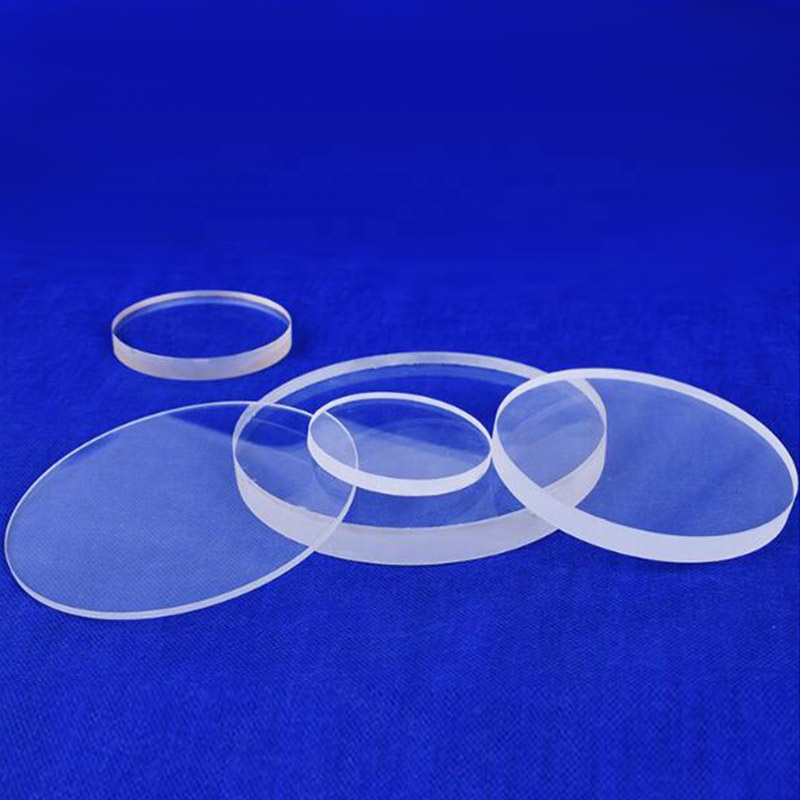
High-purity Polishing Fused Quartz Plate/Sheet Disc 200 Mesh 99.99% Silica Content ROHS Certified BAO RAN Optical Grade Laser
Optical laser transmission, double-sided chemical mechanical polishing (CMP), heat resistance up to 1200°C, zero thermal hysteresis.
Technical Whitepaper: Material Integrity & Fused Quartz Crucible Kinetics
In high-purity thermal metallurgical synthesis, monocrystalline silicon ingot pulling, and advanced compound semiconductor crystallization, the fused quartz crucible serves not merely as a mechanical containment vessel, but as an active thermodynamic interface. At operating temperatures spanning 1150°C to 1420°C, molten elements exhibit profound reactive wettability against silica walls. Any interstitial defect, micro-bubble expansion, or trace chemical contamination within the crucible body propagates directly into the crystallizing ingot, yielding catastrophic structural dislocations, lattice slippage, or electrical shunting.
For engineers and procurement executives operating inside Hai Phong's burgeoning high-tech manufacturing parks, understanding the microscopic morphology of fused silica is pivotal to securing sustained process yields. Lovri Quartz controls the full metallurgical synthesis chain from our primary beneficiation plant in Lianyungang to precision CNC finishing, ensuring our quartz vessels strictly inhibit phase-transformation failures.
During extended heating cycles typical of Czochralski (CZ) monocrystalline crystal growth or directional solidification furnaces (DSF), fused quartz inherently tends toward devitrification—the nucleation and growth of crystalline α- and β-cristobalite. Cristobalite possesses a different thermal expansion coefficient (α = 10.3 × 10⁻⁶ /°C) relative to amorphous fused silica (α = 5.5 × 10⁻⁷ /°C). Upon localized cooling or thermal oscillations, the resulting structural mismatch causes surface spalling, micro-fissuring, and catastrophic release of silica particles into the molten melt.
Our export-grade crucibles integrate an advanced double-layer composite structure:
Inner Vitreous Barrier Layer (Micro-Bubble Free): Formed via high-temperature rotating arc fusion under high-vacuum desorbing fields. This layer features virtually zero open porosities (bubble density < 0.05 mm³/g) and an exceptionally low hydroxyl (OH⁻) content (< 20 ppm). The lack of interstitial nucleation sites delays cristobalite transformation kinetics for over 72 to 120 hours of continuous high-heat exposure.
Outer Opaque Thermal Dissipation Layer: Engineered with uniformly dispersed, sealed micro-bubbles that scatter radiant infrared energy, promoting even thermal conduction across the perimeter and preventing localized furnace hot-spot embrittlement.
2. Elemental Purity & Trace Impurity Control Table
Controlling transition metals, alkali metals, and boron/phosphorus dopants is essential. Even sub-ppm concentrations of Sodium (Na) and Potassium (K) catalyze rapid cristobalite crystallization at temperatures above 1000°C. Heavy metals like Iron (Fe) degrade minority carrier lifetimes in solar wafers, while Copper (Cu) causes semiconductor junction breakdown. The table below outlines our guaranteed ICP-OES and GDMS chemical limits compared to standard industrial tolerances.
Localized Application Scenarios Across Hai Phong's Hi-Tech Ecosystem
Hai Phong has transformed into Northern Vietnam's undisputed manufacturing anchor. Our fused quartz crucibles and thermal carriers integrate seamlessly into the region's prominent manufacturing pipelines.
Solar Ingot Pulling & Wafer Manufacturing
Situated within the Dinh Vu - Cat Hai Economic Zone and Tràng Duệ Industrial Park, Tier-1 multinational solar cell fabricators rely on our large-diameter quartz crucibles (18" to 36" diameters) for high-efficiency N-type TOPCon and heterojunction (HJT) silicon ingot crystallization, sustaining steady viscosity under extended 1400°C pulls.
Semiconductor Front-End Wafer Carriers
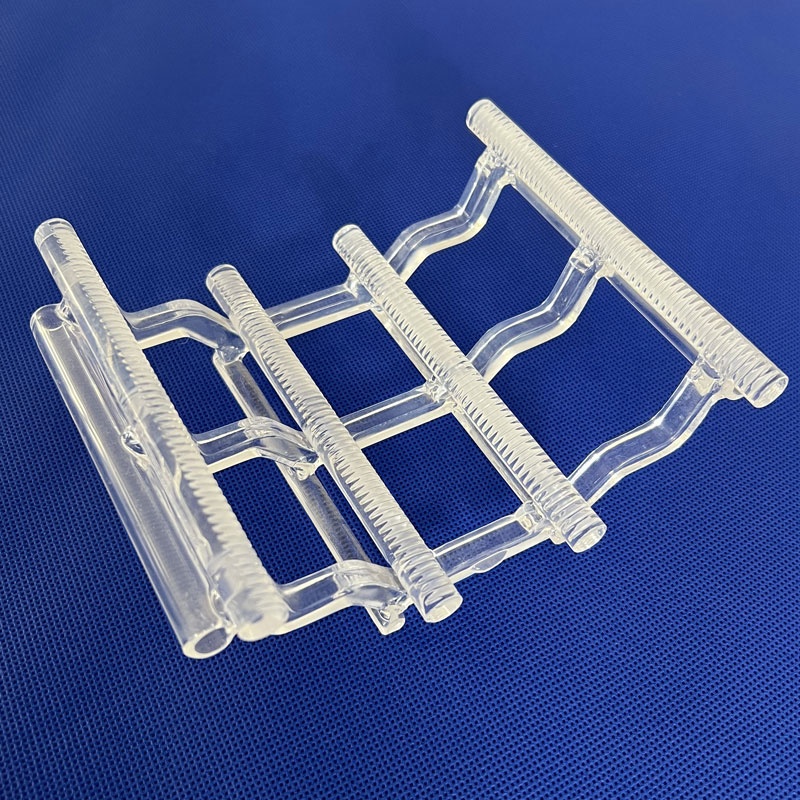
In VSIP Hai Phong and An Duong Industrial Park, electronics foundries processing micro-scale chips require specialized quartz wafer boats, furnace process tubes, and transfer paddles. Our low-stress quartz designs resist warp across repeated thermal ramping cycles in LPCVD, diffusion, and oxidation stages.
Rare-Earth & Precision Alloy Melting
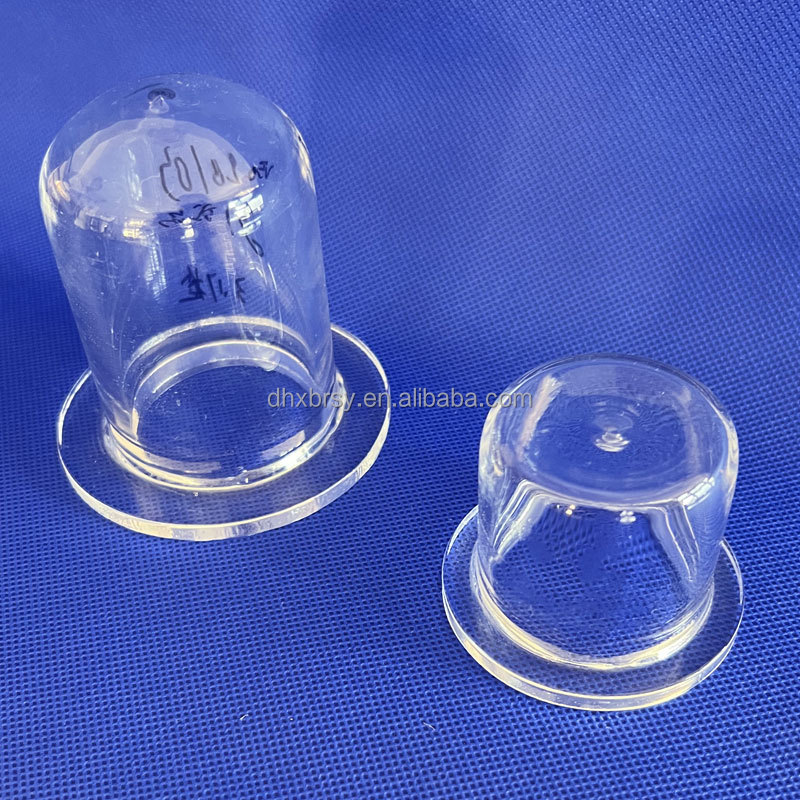
Serving specialized metallurgical and automotive electronics plants in DEEP C Hai Phong, our fused silica crucibles provide the chemical inertness necessary to melt high-purity rare-earth magnetic materials, copper alloys, and platinum-group metals without container wall leaching or thermal shock failure.
Optoelectronic & Laser Component Sintering
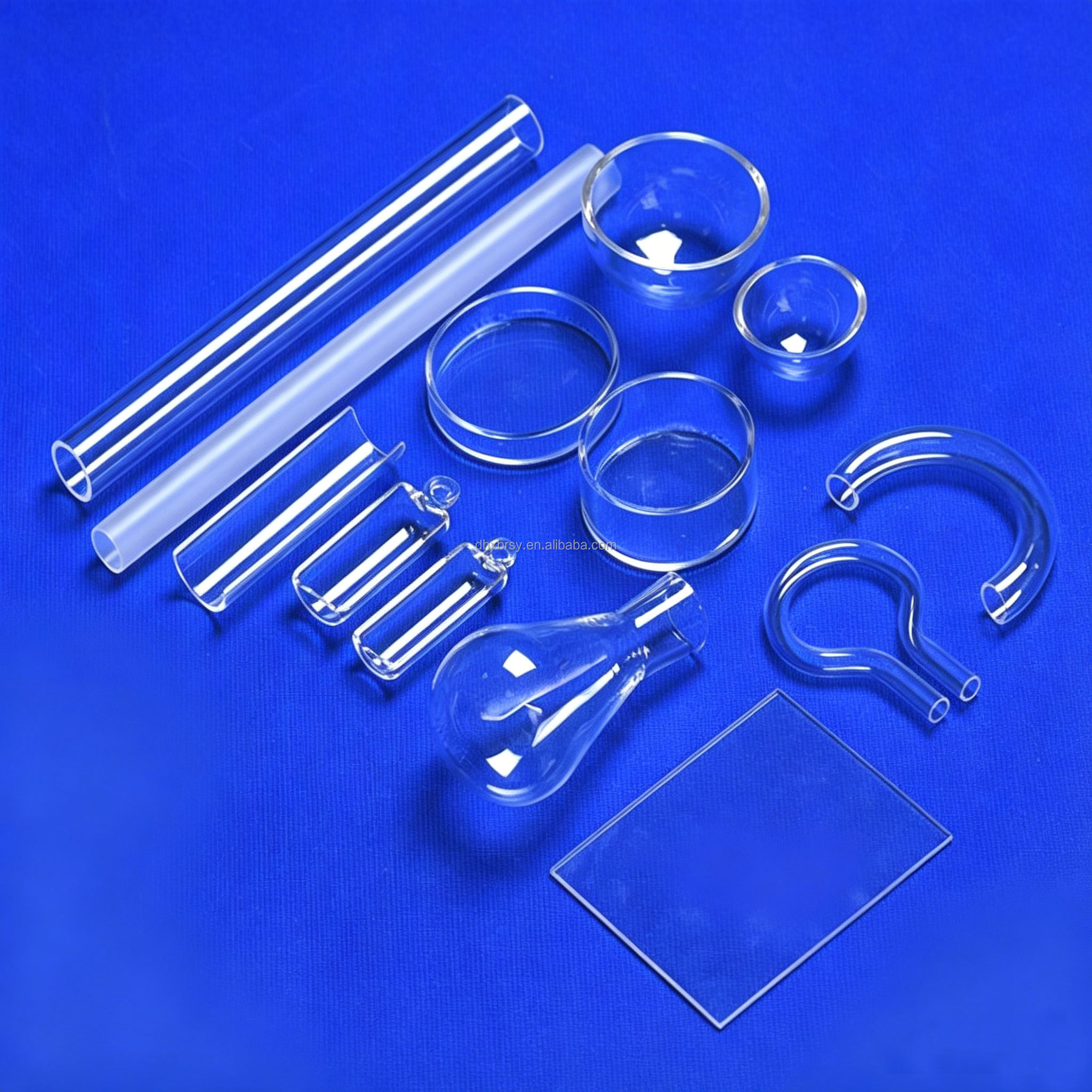
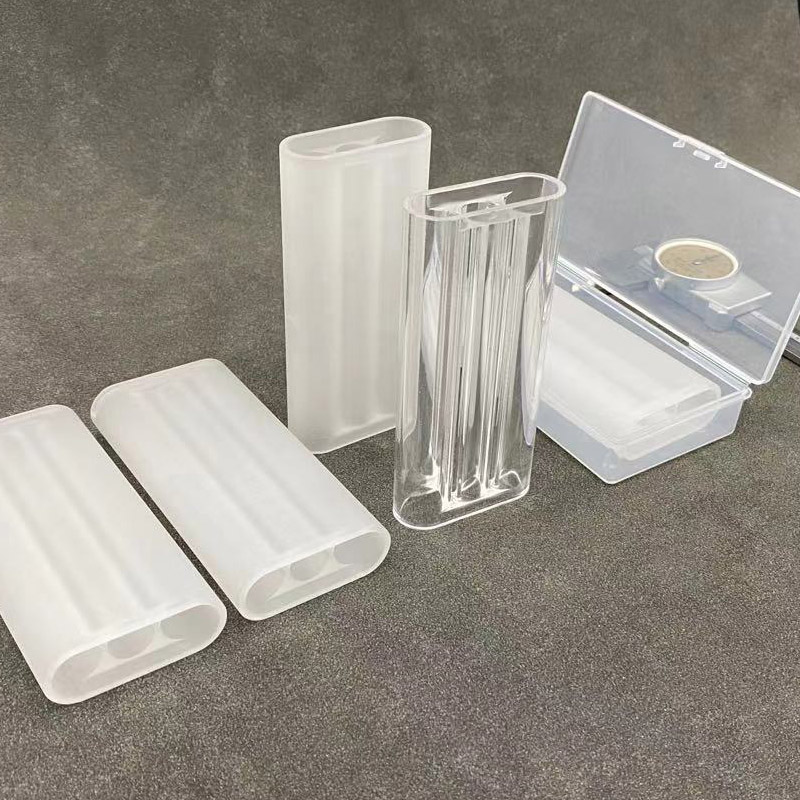
Hai Phong's precision electro-optical assemblies utilize our custom-dimensioned optical quartz dishes, plates, and triple-bore flow sleeves. Engineered with transmission up to 92% across infrared and UV bands, these components prevent beam distortion in automated laser diode alignment and assembly cells.
Chemical Digestion & Environmental Analytics
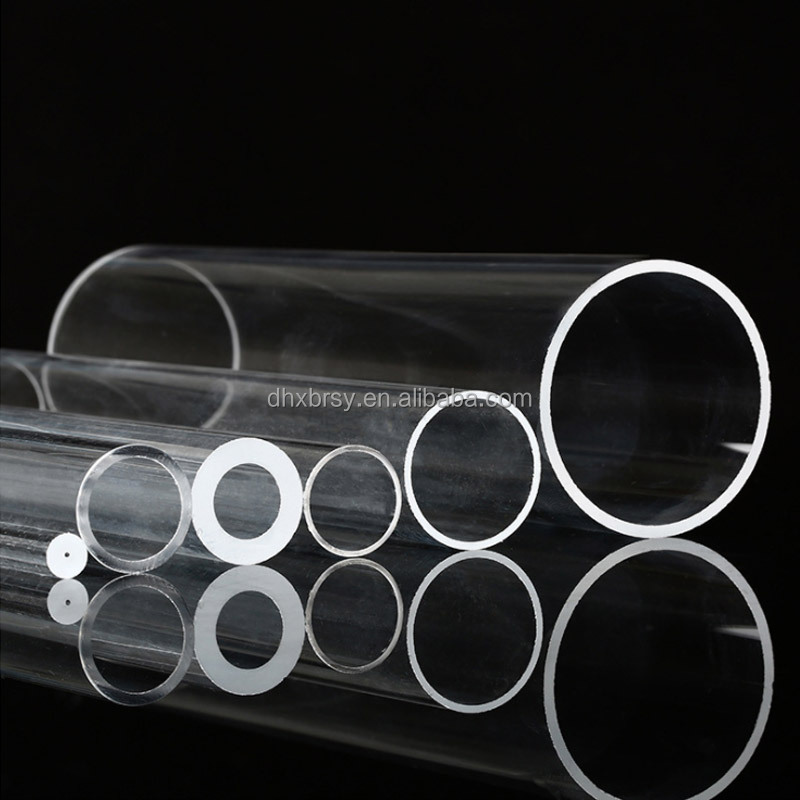
Independent analytical laboratories and corporate QA testing centers monitoring Hai Phong's coastal water chemistry and chemical plants deploy our heavy-wall quartz digestion tubes and combustion crucibles, resisting continuous concentrated nitric and hydrofluoric acid washdowns.
High-Temperature Vacuum Furnace Liners
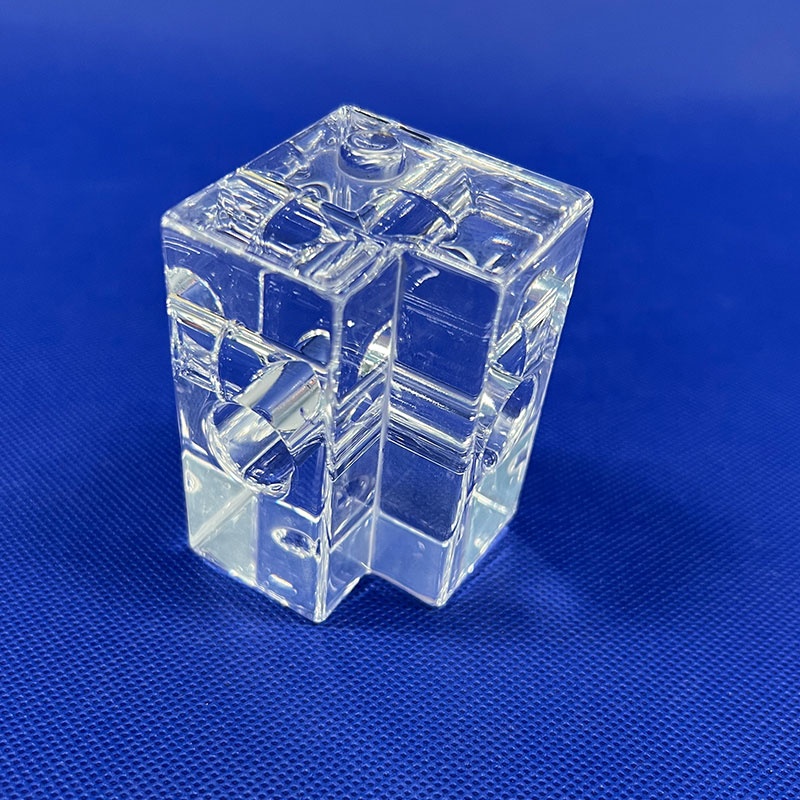
Continuous thermal sintering facilities operating within Nam Cau Kien Eco-Industrial Park use our custom-molded opaque quartz thermal baffles, large-bore outer liner tubes, and sealing flanges to secure ultra-clean internal atmospheres at vacuums down to 10⁻⁵ Pa without outgassing.
Hai Phong Procurement Dynamics & Regional Industrial Evolution
The industrial landscape of Hai Phong is experiencing an unprecedented qualitative evolution. Driven by rapid capital deployment from foreign direct investment (FDI) conglomerates based in South Korea, Japan, Taiwan, and Singapore, Northern Vietnam has transitioned from low-complexity consumer electronic sub-assembly into wafer-scale processing, precision component casting, and multi-gigawatt photovoltaic cell generation.
Key Structural Trends Reshaping Quartz Demand:
Transition to Multi-Day Continuous Ingot Pulling: Regional photovoltaic suppliers are switching from conventional 36-hour crucible runs to extended 90+ hour multi-pull operations. This shift demands quartz crucibles with barium-doped or synthetic vitreous inner coatings that resist devitrification under prolonged high-temperature exposure.
Logistics De-risking via Lach Huyen Deep-Sea Terminal: Hai Phong's Lach Huyen deep-water port allows maritime container lines to ship directly to and from East Asian source bases without transshipment through Singapore or Hong Kong. For fragile quartz glass vessels, this direct maritime link minimizes handling shock, dampens breakage rates, and reduces freight times down to 3 to 5 transit days.
Stricter Cleanroom Standards (ISO Class 5 & Class 4): Semiconductor packaging facilities around VSIP Hai Phong require incoming consumables to be cleanroom-washed, double vacuum-bagged, and certified with zero particulate shedding. Traditional crating has been replaced with static-dissipative, heat-sealed cleanroom packaging.
Rapid Engineering Re-tooling via Native CAD/STEP Support: As Hai Phong engineers introduce localized design variations to furnace jigs and wafer holders, suppliers must maintain full-process CNC machining capable of producing rapid prototypes within 48 to 72 hours from digital blueprints.
Enterprise Manufacturing Strength
Why Industrial Engineers in Hai Phong Source from Lovri Quartz
Operating from China’s silica heartland in Lianyungang, Jiangsu, Lovri Quartz controls the complete supply route from pure crystal rock to precision-machined crucibles, verified onsite by SGS Group.
Raw Material Integration
We process natural quartz lumps in-house through crushing, pulverizing, screening, and chemical pickling to reach 99.99% SiO₂. Eliminating intermediary brokers protects consistent purity across every batch.
SGS-Assessed Facility
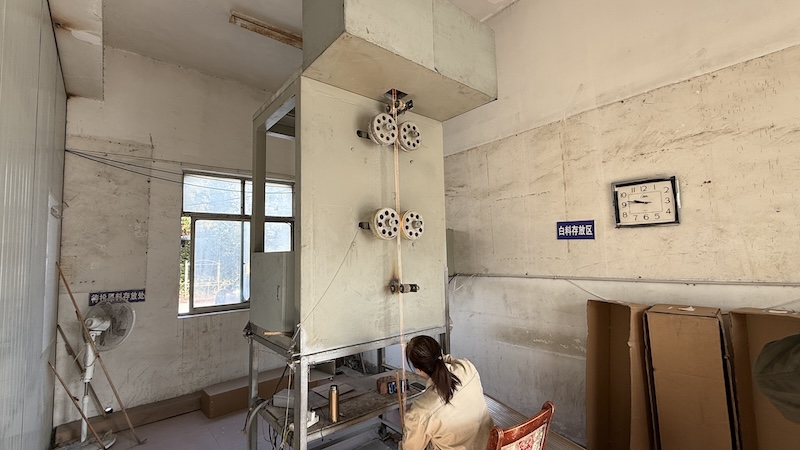
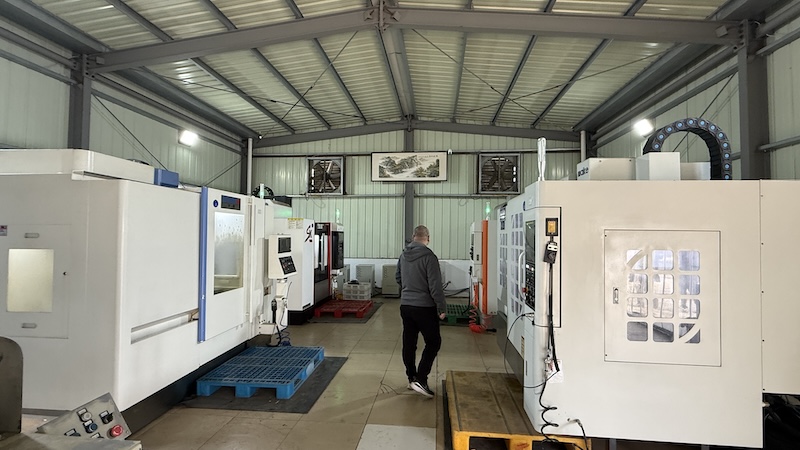
Our verified 14,271 m² production facility hosts multi-axis CNC machines, continuous electrical melting drawing towers, and automated annealing lehrs under ISO 9001 and ISO 14001 quality frameworks.
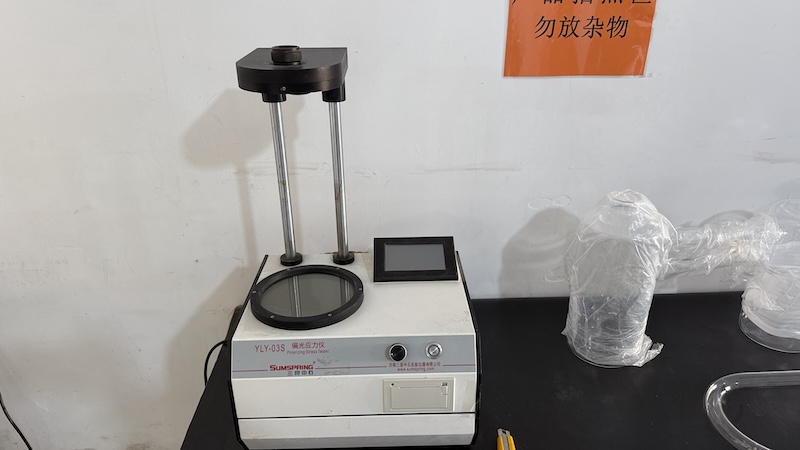
Polarization Stress Testing
Every single quartz crucible, tube, and wafer boat passes through automated polarization polariscopes to verify that residual annealing stress remains below 4 nm/cm, safeguarding against thermal cracking.
Direct Port Delivery
We ship via the Lianyungang-to-Hai Phong maritime lane. We handle palletization, fumigated export wooden casing, and customs clearance documents (Form E for zero or preferential tariffs).
Frequently Asked Questions: Sourcing Fused Quartz Crucibles in Hai Phong
Here are answers to the primary technical and logistical questions asked by Vietnamese procurement managers, factory directors, and cleanroom maintenance teams.
1. What is the typical freight transit time from your factory to the Port of Hai Phong?
Because our main factory is situated in Lianyungang, Jiangsu—a premier deep-water coastal port with direct maritime links to Vietnam—sea freight typically arrives at Dinh Vu Port or Lach Huyen International Port in Hai Phong within 3 to 5 business days. For emergency prototyping or replacement wafer boats, air freight into Cat Bi International Airport (HPH) or Noi Bai International Airport (HAN) takes approximately 24 to 48 hours.
2. How do you prevent crucible breakage and structural fracture during sea transport?
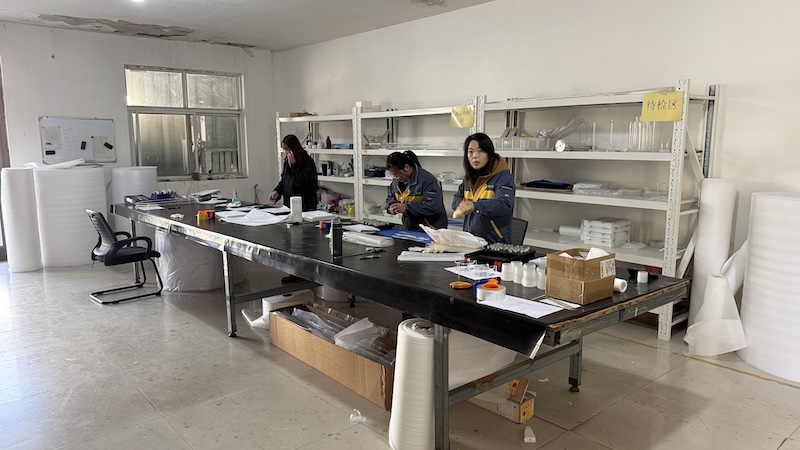
Crucibles and quartz apparatus are fragile glass structures vulnerable to dynamic resonance. We pack our export items using custom-molded, high-density polyethylene (EPE) foam dampeners shaped to each vessel's exact curvature. The units are isolated within impact-resistant corrugated inner boxes and bolted inside steel-strapped, ISPM-15 fumigation-certified solid plywood crates. We also place multi-axis ShockWatch and TiltWatch indicator tags on the exterior crates to monitor handling across transit.
3. Can Vietnamese enterprises benefit from preferential customs tariffs under ACFTA (Form E)?
Yes. As a certified Chinese exporter, Lovri Quartz issues authentic Form E Certificate of Origin documents under the ASEAN-China Free Trade Agreement (ACFTA). For eligible fused quartz articles (HS Code 7020.00 / 6903.10), this documentation reduces the standard import tariff to 0%, lowering overall landed costs for factories located in Hai Phong's Export Processing Zones (EPZs) and local tax zones.
4. Can you manufacture custom crucibles and wafer carriers to our own engineering drawings?
Yes. We regularly produce tailored quartz components directly from customer CAD drawings supplied in PDF, DWG, DXF, or STEP format. Our engineering team reviews the dimensional tolerances, thermal stress vectors, and manufacturability before production. Standard custom turnaround times run from 7 to 12 production days, and we accommodate low prototype minimum order quantities (MOQ starting at 1 piece for standard sizes).
5. How do Lovri crucibles compare with local secondary suppliers regarding purity and lifetime?
Many intermediate vendors re-melt recycled scrap or lower-grade domestic silica sand, resulting in high alkali concentrations (Na, K > 5 ppm) that cause premature cristobalite devitrification and crucible wall sagging after only 24 to 36 hours. Lovri Quartz refines virgin natural silica lumps via dedicated acid washing and vacuum electric fusion, guaranteeing ≥99.99% SiO₂ purity. In continuous pulling applications, this gives our crucibles an operational life that is 20% to 35% longer than typical commercial alternatives.
6. What quality inspection certificates accompany every export consignment?
Every shipment arrives with a complete Quality Assurance Dossier containing: (1) A Certificate of Analysis (COA) specifying elemental purity via ICP-OES spectroscopy; (2) A polariscopic residual stress testing clearance certificate; (3) Dimensional tolerance CMM inspection records; and (4) RoHS and REACH compliance certificates.
Technical Handling & Maintenance Protocol for Fused Quartz Crucibles
Maximizing the operating life of high-purity quartz vessels in high-temperature environments requires clean handling and strict thermal management. Even minor surface contamination can shorten component life.
1. Cleanroom Unpacking & Degreasing Guidelines
Skin oils, perspiration, and industrial lubricants contain trace quantities of Sodium (Na) and Potassium (K). If touched with bare fingers and subsequently placed in a furnace above 800°C, these finger marks will catalyze immediate local devitrification, forming opaque white rings that crack under thermal cycling. Technicians must handle all components using lint-free, powder-free nitrile or cleanroom gloves. Prior to initial charging, crucibles should be wiped down with high-purity semiconductor-grade isopropyl alcohol (IPA, 99.99%) and allowed to dry within a laminar-flow hood.
2. Thermal Shock Mitigation & Ramping Parameters
Fused quartz exhibits exceptionally high resistance to thermal shock thanks to its low coefficient of thermal expansion (α = 5.5 × 10⁻⁷ /°C). While a thin quartz tube can safely be quenched from 1100°C into cold water, thick-walled industrial crucibles (wall thicknesses between 8 mm and 25 mm) generate internal temperature gradients between their inner and outer surfaces. We advise heating ramping rates not to exceed 10°C to 15°C per minute within the brittle transition zone (20°C to 600°C), particularly when heavily loaded with raw silicon charge or metal nuggets.
3. Atmospheric Compatibility
Our quartz vessels maintain complete chemical inertness within neutral and oxidizing atmospheres (e.g., Argon, Nitrogen, pure Oxygen) up to 1350°C. In the presence of dry Hydrogen (H₂), surface reduction can begin above 1150°C, yielding volatile Silicon Monoxide (SiO) gas. Under vacuum processing conditions below 0.1 Pa, users should monitor continuous temperatures to avoid softening or inward deflection caused by external hydrostatic furnace pressures.
Source High-Purity Fused Quartz Directly for Your Hai Phong Facility
Whether you require standard 18-to-36 inch CZ crucibles, tailored diffusion carriers, or custom CNC-slotted quartz apparatus, our engineering team can review your drawings and provide technical advice and quotations.