LASER WAVEGUIDE
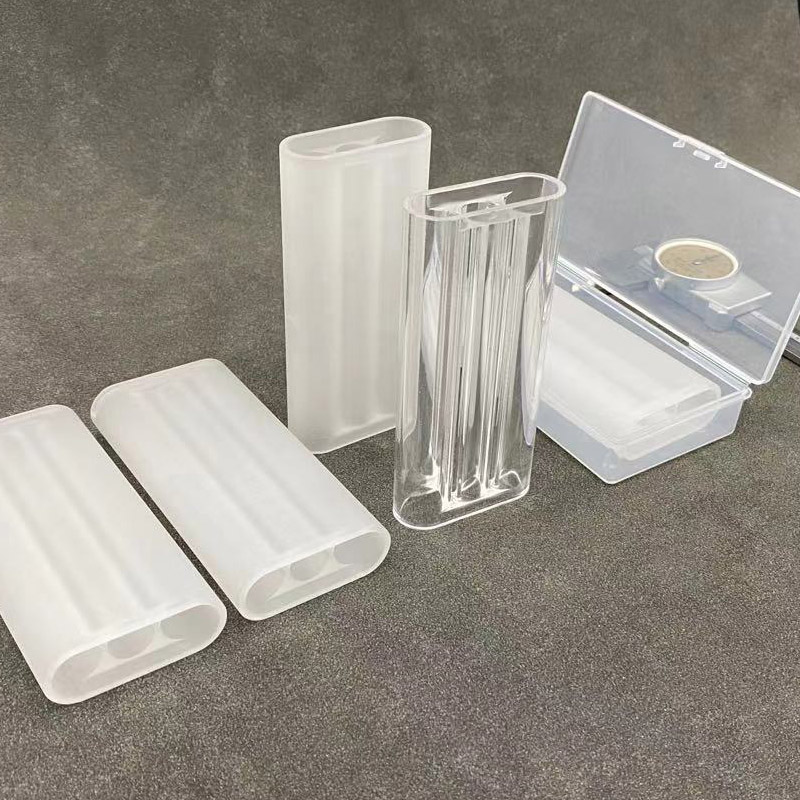
Designed specifically to meet the demanding mechanical and optical criteria required by laboratory analytical instruments, UV water purification rigs, and high-power laser waveguides deployed in Cap-Haïtien and the wider Nord Department of Haiti.
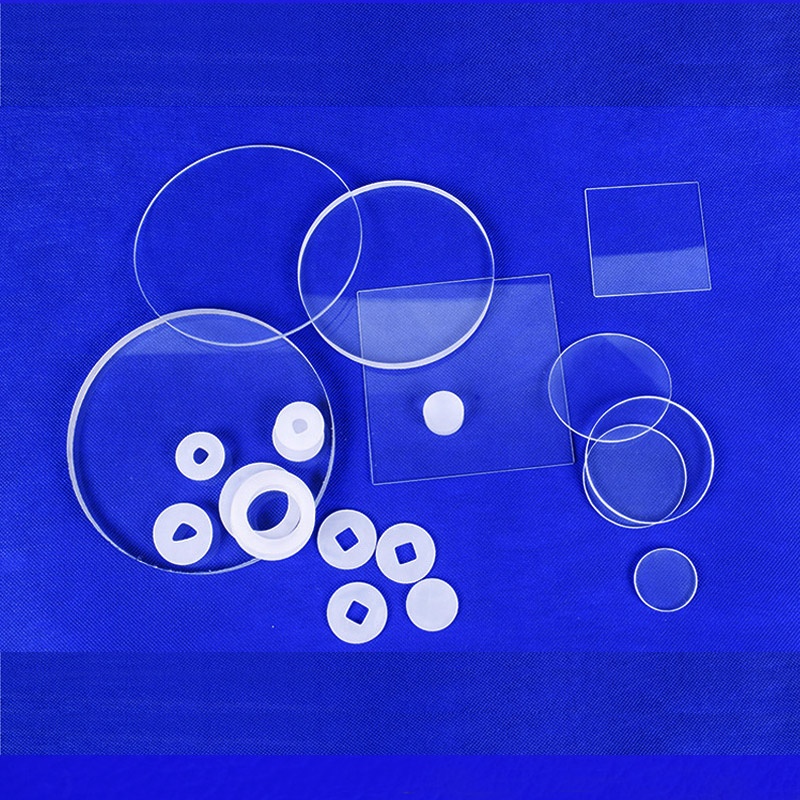
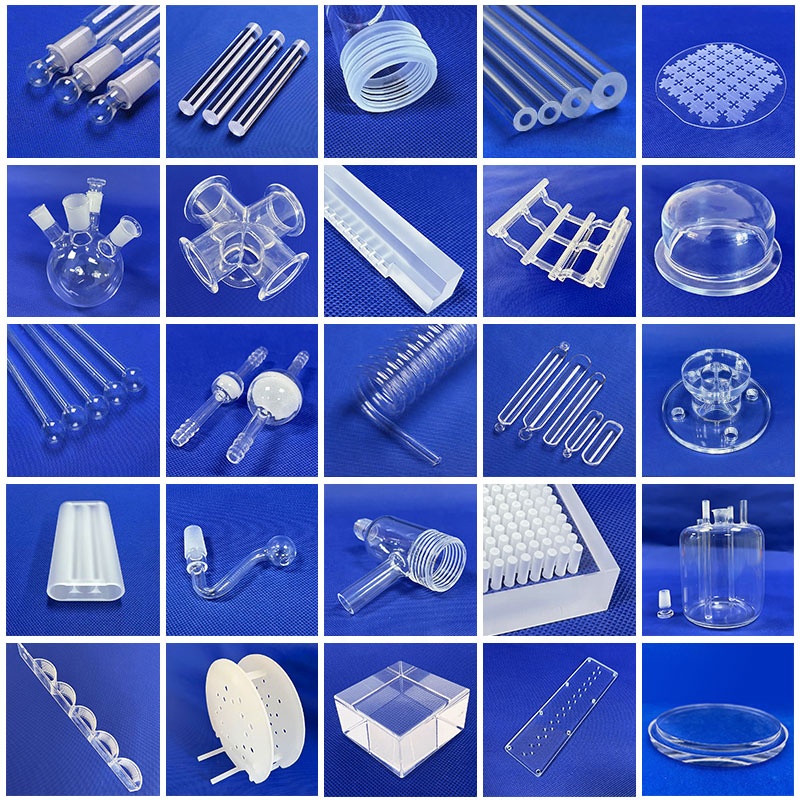
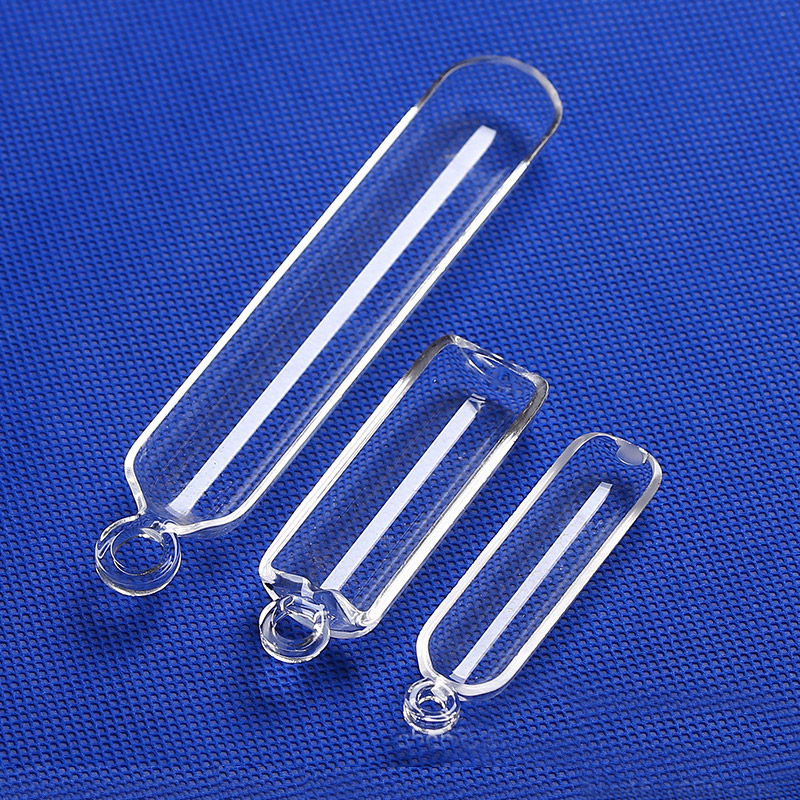
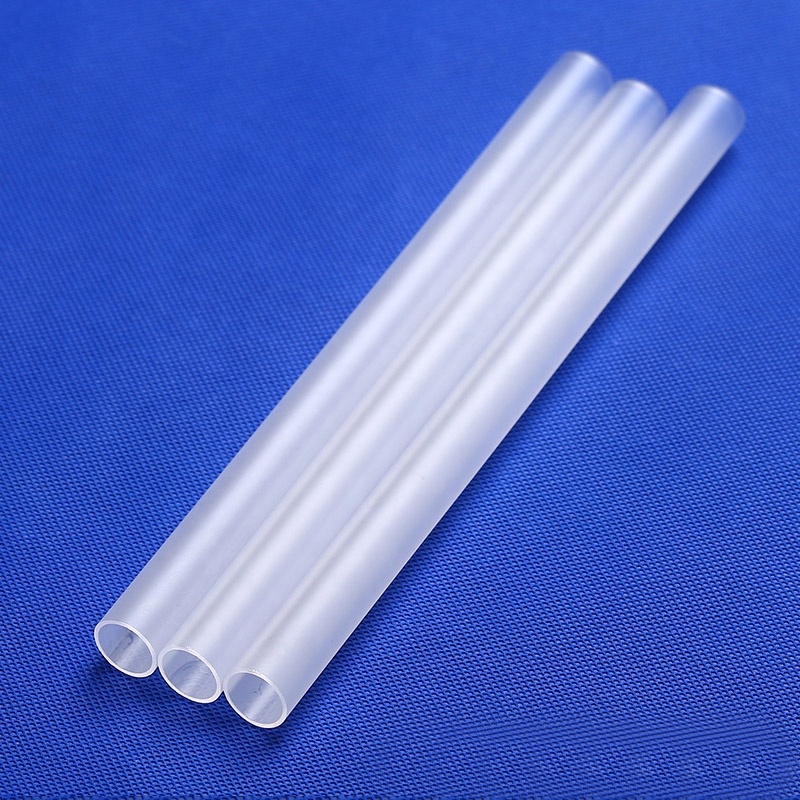
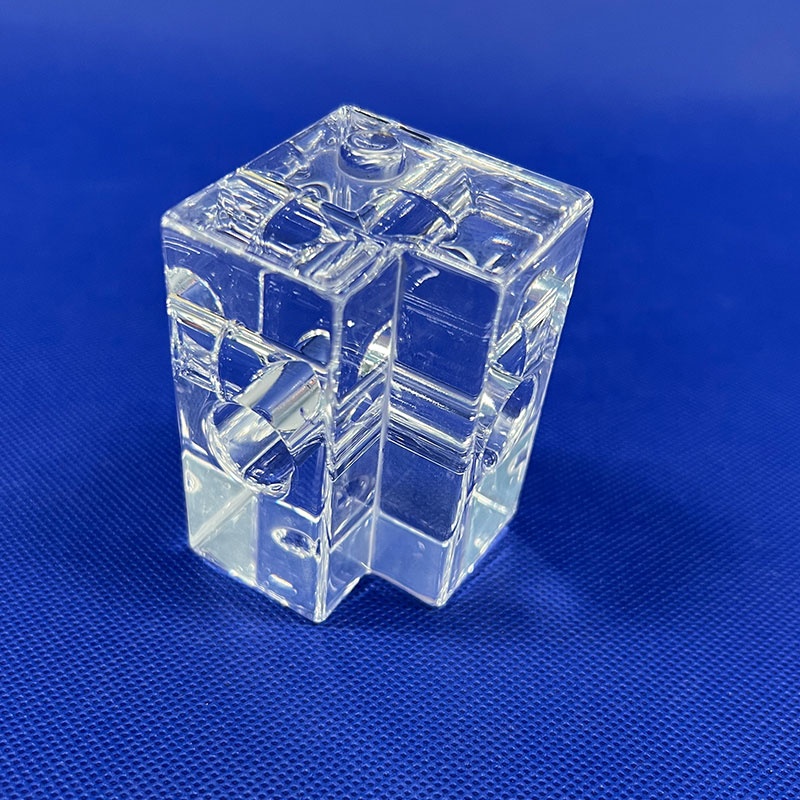
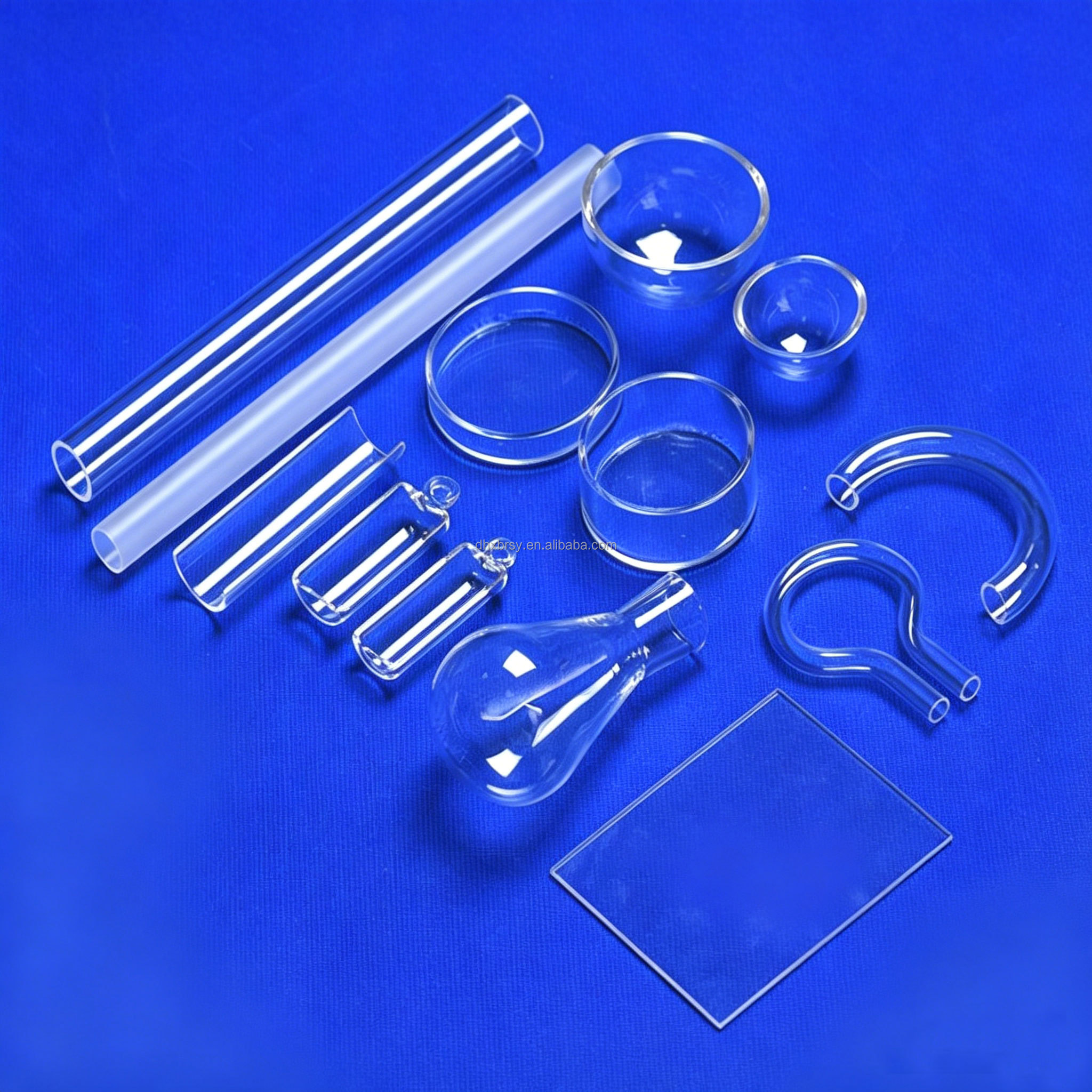
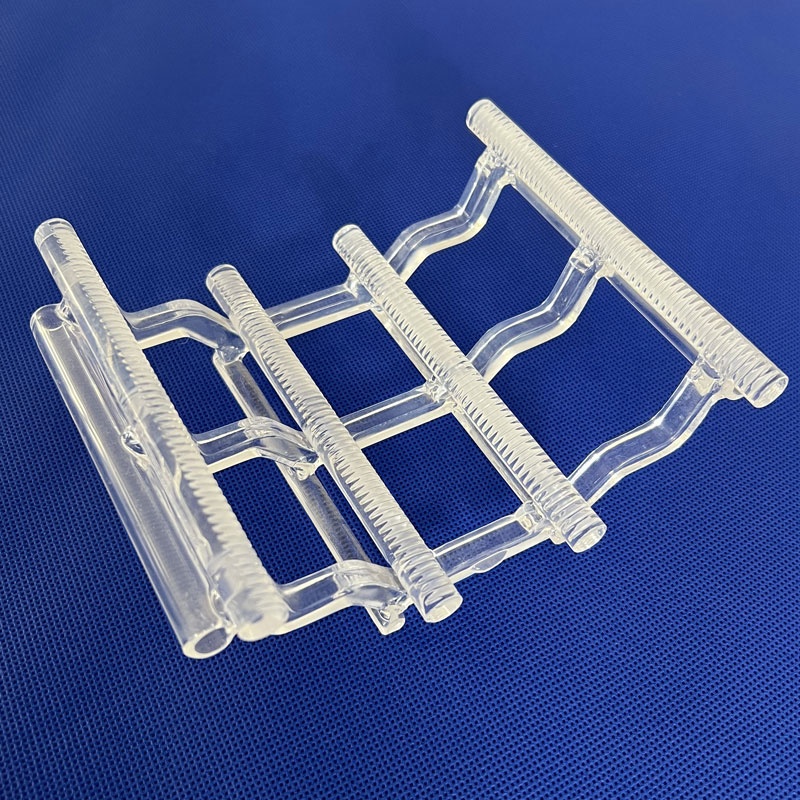
Understanding the physics of high-efficiency optical transmission, attenuation coefficients, and thermal-mechanical boundaries for high-temperature and tropicalized optoelectronic installations.
A fused quartz light guide rod acts as an unclad, monolithic dielectric waveguide. With a refractive index of approximately n = 1.458 at the sodium D-line (589.3 nm), the critical angle calculated by Snell’s Law is θc = arcsin(1 / 1.458) ≈ 43.3°. By achieving surface roughness parameters of Ra < 0.5 nm (80-50 scratch-dig specification or better), our cylindrical and square light homogenizing rods maintain over 92% transmission across extended axial lengths without premature scatter loss or peripheral optical leakage.
Unlike standard borosilicate (3.3 × 10⁻⁶ /°C) or soda-lime glass (9.0 × 10⁻⁶ /°C), fused silica displays an extraordinarily low coefficient of thermal expansion (CTE) of approximately 5.5 × 10⁻⁷ /°C between 20°C and 300°C. In high-power laser pumping or ultraviolet irradiation setups where concentrated photonic energy creates steep radial temperature gradients, fused quartz rods can transition from 1100°C to an ice-water quench without catastrophic mechanical fracturing or structural micro-crazing.
Under continuous germicidal ultraviolet (UVC at 254 nm) or high-intensity excimer laser flux (193 nm / 248 nm), conventional optical polymers and cheap quartz degrade due to "solarization" caused by non-bridging oxygen hole centers (NBOHC). Our synthetic JGS1 grade fused silica maintains exceptionally low hydroxyl (OH⁻) radicals or precise dopant equilibrium, preserving transmittance across millions of joules of cumulative exposure in tropical, continuous-duty disinfection stations.
| Material Property | JGS1 Synthetic Fused Silica | JGS2 Fused Quartz (Optical Grade) | JGS3 Electrically Fused Quartz |
|---|---|---|---|
| Optical Transmission Band | 185 nm – 2500 nm (Deep UV to Near-IR) | 220 nm – 2500 nm (UV to Visible) | 260 nm – 3500 nm (Extended Infrared) |
| SiO₂ Purity Grade | ≥ 99.999% | ≥ 99.99% | ≥ 99.98% |
| Hydroxyl (OH⁻) Content | < 1200 ppm (or custom dry < 5 ppm) | 150 – 200 ppm | < 5 ppm (Water-free absorption) |
| Continuous Operating Temp | 1100 °C | 1100 °C | 1150 °C |
| Short-term Peak Temp | 1300 °C | 1300 °C | 1350 °C |
| Density / Mohs Hardness | 2.20 g/cm³ / 5.5 – 6.5 | 2.20 g/cm³ / 5.5 – 6.5 | 2.20 g/cm³ / 5.5 – 6.5 |
| Refractive Index (nd at 589 nm) | 1.4584 | 1.4585 | 1.4584 |
From industrial maritime processing along the Cap-Haïtien harbor to decentralized hospital water purification and regional solar mini-grid infrastructures, high-purity quartz fulfills an essential role where inferior glasses succumb to tropical heat, humidity, and salinity.
Cap-Haïtien, situated along the Bay of Cap-Haïtien, faces persistent challenges regarding municipal water treatment and bacterial pathogen mitigation. Industrial ultraviolet disinfection stations rely on high-intensity UV-C radiation at the peak germicidal wavelength of 253.7 nm to neutralize microorganisms without relying heavily on volatile chemical reagents.
Standard glass completely blocks UV-C radiation below 300 nm. Our transparent JGS1 and JGS2 fused quartz light guide rods and protective sleeve tubes achieve over 90% direct transmission at 254 nm. When submerged within saline-heavy brackish water or municipal drainage effluent, our quartz rods channel UV photonic energy from concentrated LED banks directly into flowing liquids without degrading or suffering pitting corrosion.
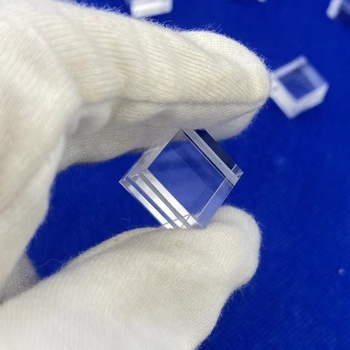
Northern Haiti receives exceptional global horizontal irradiance (GHI), often exceeding 5.5 kWh/m²/day. Renewable energy microgrids built around Cap-Haïtien, Limonade, and the Caracol Industrial Park increasingly leverage concentrated solar optical modules and pyranometer monitoring assemblies.
Fused quartz light guide rods function as optical homogenizers (integrating rods) that receive uneven focalized sunlight from primary Fresnel concentrators and uniformly redistribute the solar flux across multi-junction photovoltaic cells. Because ambient outdoor temperatures in Cap-Haïtien consistently hover around 30°C to 35°C with solar focal points surging past 400°C, fused quartz avoids the catastrophic thermal softening common to polymer lenses (PMMA/Polycarbonate).
Strategic infrastructure investments, healthcare modernization, and light manufacturing are driving direct overseas factory sourcing across Northern Haiti.
Historically, industrial materials destined for Northern Haiti were routed through Port-au-Prince, creating substantial transit delays and logistical friction. Current commercial buyers and NGO operations in Cap-Haïtien now leverage direct maritime container lines calling at the modern Port of Cap-Haïtien. Sourcing fused quartz rods packed in reinforced ISPM-15 compliant export crates directly from our factory in Lianyungang ensures unbroken supply chains with streamlined customs clearance.
Regional healthcare clinics and teaching hospitals in Cap-Haïtien (such as Justinien University Hospital) are actively upgrading sterilization infrastructure. High-power autoclave sensors, quartz sight glasses, and UV light guide assemblies for endoscopic and dermatological phototherapy equipment require continuous spare parts support. Procurement managers prioritize high-purity quartz over generic soda-lime replacements to prevent mid-procedure equipment failure.
Procurement teams in Northern Haiti have learned through experience that unverified glass components develop cloudy devitrification or shatter under sudden voltage spikes common to regional generator power grids. Sourcing has firmly shifted toward suppliers who provide verifiable batch-specific polarization stress tests, spectrographic purity reports (SiO₂ ≥ 99.99%), and international RoHS/CE compliance documentation.
Operating from Tuofeng Industrial Park in Lianyungang, China—the undisputed epicentre of global silica refining—we control every production phase from raw mineral quartz sand to 5-axis CNC finished optical light guide rods.
Unlike middleman export traders who purchase generic tubing from open markets, Lovri Quartz controls an integrated 14,271 m² production compound. We perform raw quartz lump sorting, pulverizing into uniform silica sands, multistage acid pickling to eliminate trace transition metals (Fe, Cu, Ni), continuous tube drawing, stress annealing, and final CNC surface polishing.
This 12-step vertical integration ensures that every quartz light guide rod, wafer boat, or laser flow tube delivered to Cap-Haïtien carries complete batch traceability, uncompromising physical geometry, and certified chemical consistency.
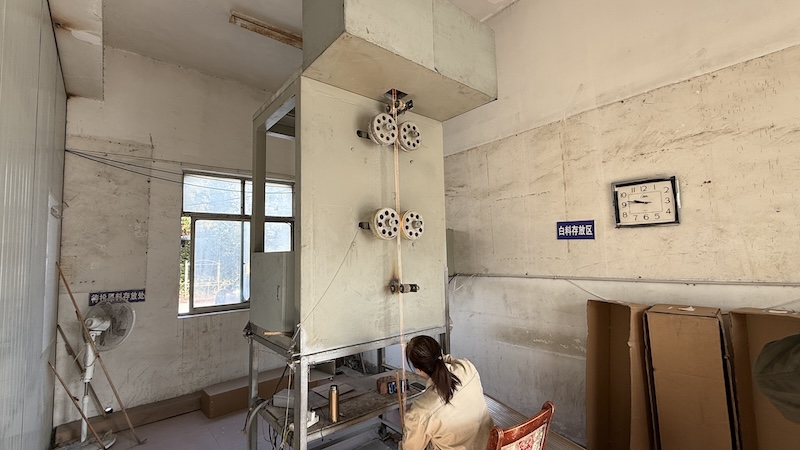
Independent third-party audits ensure strict quality assurance across all workshop facilities, personnel competencies, CNC milling tolerances, and test bench calibration standards.
Send your CAD drawings (.step, .dwg, or PDF). We perform diamond-wheel grinding, ultrasonic slotting, custom end-face beveling, threading, and flame polishing to sub-micron dimensional specifications.
Fragile optical components undergo individual vacuum wrapping, custom-molded high-density EPE foam buffering, moisture-barrier desiccants, and solid fumigated wooden crates built for ocean transit.
Essential considerations regarding logistics, shipping protection, material specifications, and quality guarantees when ordering fused quartz directly to Haiti.
Yes. We routinely arrange sea freight on CIF or FOB terms destined directly for the Port of Cap-Haïtien (HTCAP) as well as expedited air cargo directly into Hugo Chávez International Airport (CAP). We supply the complete export package including commercial invoices, packing lists with net/gross weights, certificates of origin, and bill of lading sets for smooth customs processing.
Every fused quartz rod and optical plate is treated as a precision optical instrument. Components are vacuum-sealed in anti-static PE sleeves, nested within high-density expanded polyethylene (EPE) shock absorbers, boxed in heavy triple-wall corrugated cartons, and then bolted inside fumigated plywood crates reinforced with external metal edge guards. Breakage rates historically remain below 0.1%.
While borosilicate is acceptable for basic chemical beakers, it falls short in high-performance optical and thermal environments. Borosilicate absorbs ultraviolet light below 310 nm, experiences rapid thermal fracture when temperature spikes exceed 450°C, and exhibits solarization under continuous radiation. Fused quartz provides over 90% transmission down to 185–220 nm and withstands 1100°C continuous duty without thermal expansion stresses.
Because we operate our own specialized tube drawing and CNC precision machining workshops, we support engineers, universities, and industrial contractors with low MOQ prototype orders starting from 1 to 5 pieces. Volume contract pricing is available for continuous supply agreements and standard catalogue sizes.
If your application involves deep ultraviolet (UVC sterilization, excimer lasers, optical spectroscopy < 250 nm), choose synthetic fused silica JGS1. For visual lighting, solar integration, and standard UV illumination, JGS2 offers superior value. For high-temperature furnaces, infrared quartz heaters, and thermal viewports > 1000 nm, water-free JGS3 is optimal.
Our precision CNC grinding and polishing lines maintain standard diameter tolerances of ±0.05 mm, with precision ground options down to ±0.01 mm on request. End-face squareness and parallelism can be held to < 3 arcminutes, with optical end-face flatness of λ/4 at 632.8 nm.
Need custom fused quartz light guide rods, flow tubes, or specialized lab apparatus delivered to Cap-Haïtien? Send our engineering department your dimensions, drawings, or material grade requirements today.