1200°C Annealed
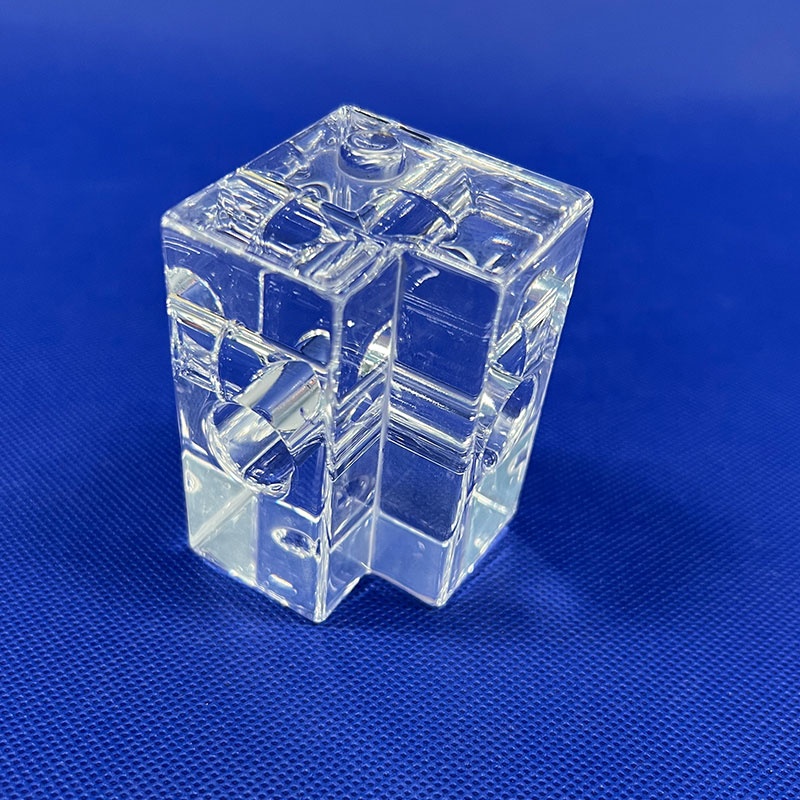
High-grade synthetic silica (≥99.99% SiO₂) components configured for severe thermal gradient endurance, precision optical transmission, and deep-vacuum laser apparatus.
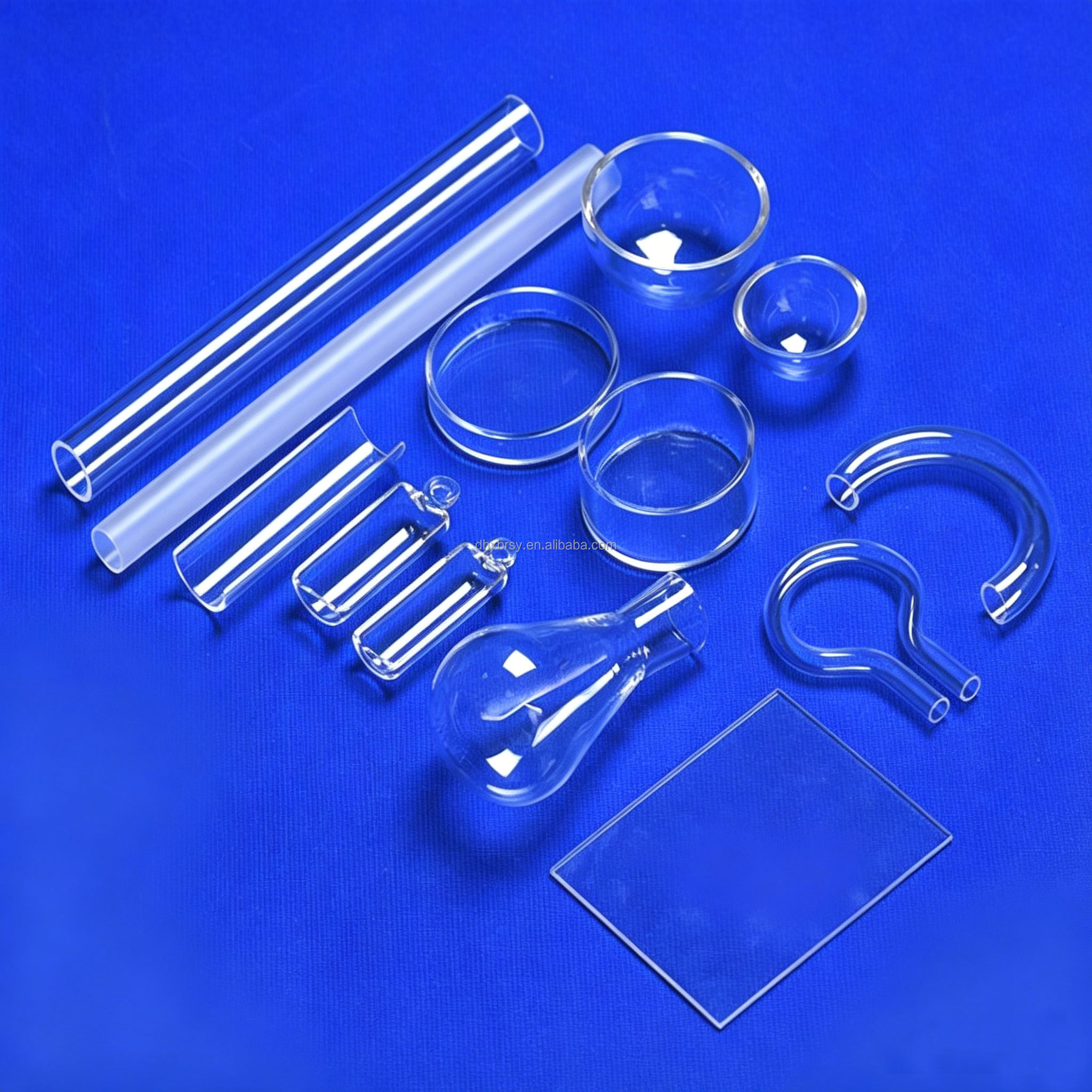
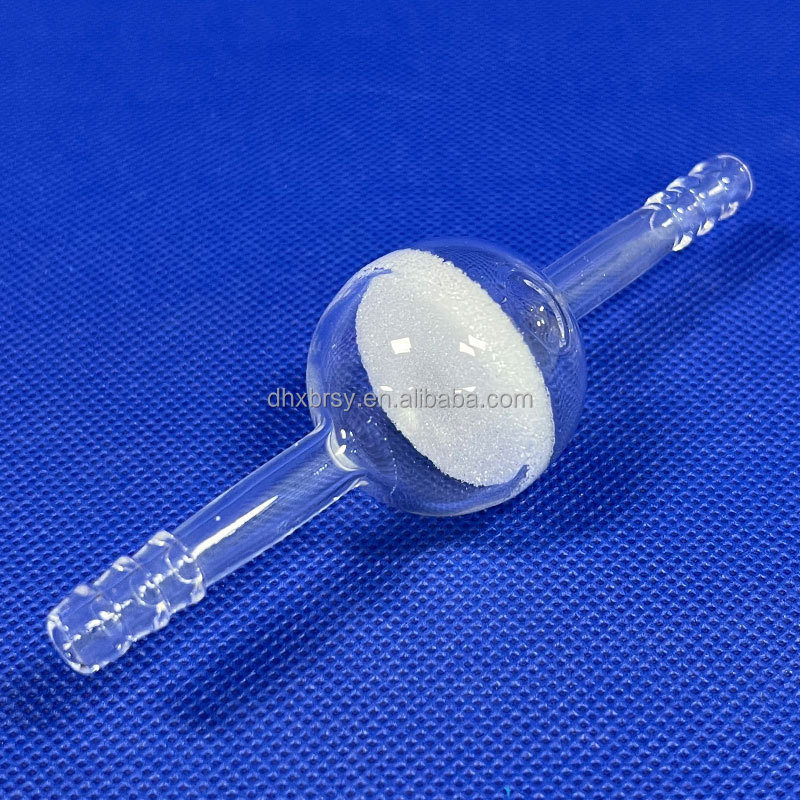
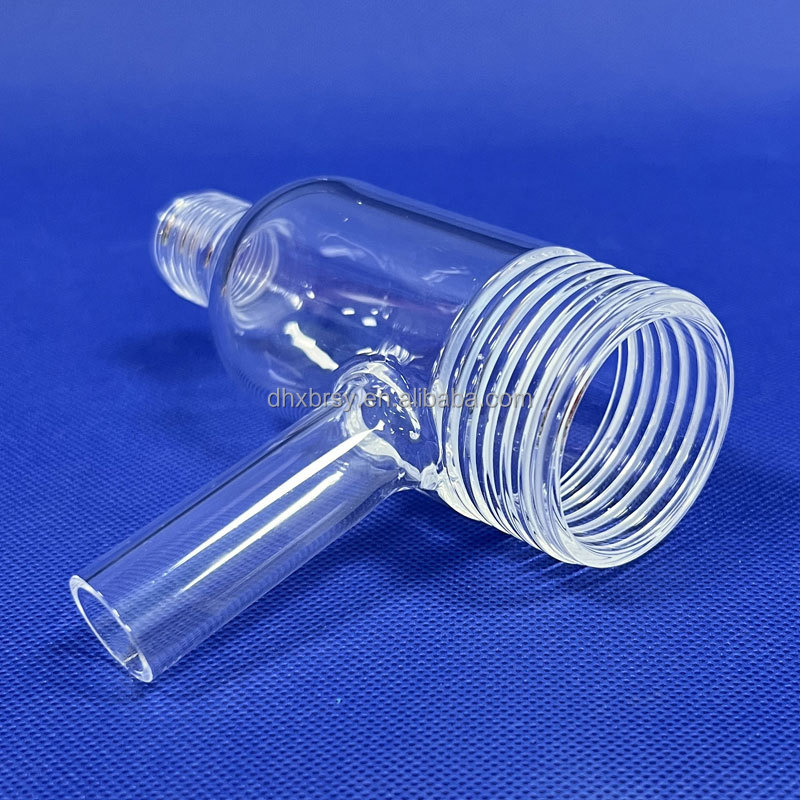
In the evolving manufacturing and precision maintenance landscape across Tiraspol and the broader Dniester River basin, industrial infrastructure is undergoing a steady transformation toward modernized automation, energy optimization, and advanced instrumentation. As specialized machine repair hubs, high-temperature thermal treatment facilities, and optical metrology setups expand their operational footprint, the demand for chemically inert, thermally shock-resistant, and high-transmittance optical elements has become critical. Fused silica lenses, optical viewports, and synthetic quartz substrates represent the core foundational material required to bridge demanding operational environments with uncompromising optical accuracy.
Synthetic and natural fused silica distinctively outclasses conventional borosilicate or soda-lime formulations by delivering a virtually zero coefficient of thermal expansion (α ≈ 5.5 × 10⁻⁷ / °C between 20°C and 320°C). For facilities in Tiraspol handling metallurgy monitoring, high-voltage transformer discharge diagnostics, heavy-duty laser marking systems, and optical fluidic sensors, using lower-grade glasses consistently leads to thermal fracturing, rapid solarization under continuous UV irradiation, and catastrophic focal shifts. By maintaining strict control over synthetic crystalline feedstock and automated glassblowing technologies, our manufacturing facility delivers fused silica optics engineered specifically to withstand heavy industrial operating profiles without optical degradation.
Precision optics serve critical roles across varied operational hubs in Eastern Europe. Through specialized direct-factory supply chains, industrial operators in Tiraspol deploy our custom-engineered fused quartz and silica elements across multiple critical domains:
Sight windows and pyrometric viewports mounted directly to industrial boilers, gasification lines, and transformer monitoring ports capable of withstanding uninterrupted exposure to 1100°C operating ambients.
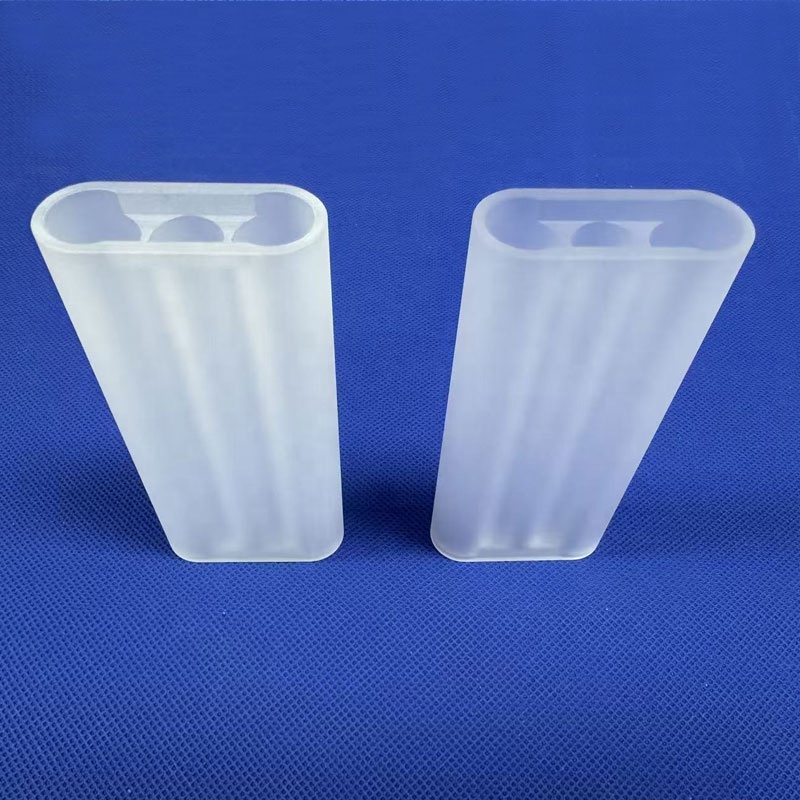
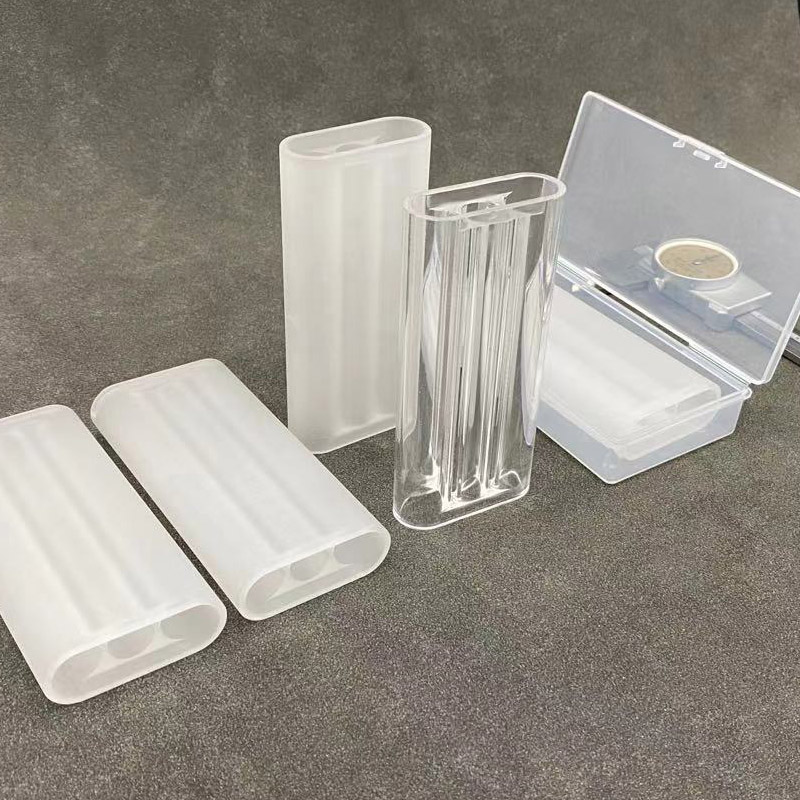
Anti-reflective coated JGS1 fused silica protective lenses and triple-bore beam-delivery flow tubes designed to handle high megawatt-level optical power densities without thermal lensing.
Deep-ultraviolet spectrophotometric cuvettes, digestion vessels, and multi-well microplates engineered for soil purity verification and water quality monitoring near agricultural basins.
High-precision multi-bore quartz flow tubes and laser cavity guide channels utilized for cooling flashlamps in medical dermatological equipment operating throughout private and municipal clinics.
Precision procurement requires aligning technical application boundaries with the corresponding glass grading. We provide verifiable synthetic and naturally fused grades fabricated according to strict European standard testing regimes:
| Optical Material Grade | Transmission Bandwidth | Hydroxyl (OH⁻) Content | Optimal Regional Use Case |
|---|---|---|---|
| JGS1 (Synthetic Silica) | 185 nm – 2500 nm (Deep UV) | < 5 ppm to ≤ 1200 ppm (Grade dep.) | Excimer laser focusing, UV disinfection lines, high-accuracy spectroscopy. |
| JGS2 (Flame Fused Quartz) | 220 nm – 2500 nm (Standard Optical) | 150 ppm – 300 ppm | Industrial observation ports, furnace viewports, optical grade windows. |
| JGS3 (Electrically Fused) | 260 nm – 3500 nm (Infrared Transmissive) | < 5 ppm (Water-free) | CO₂ laser beam splitting, IR pyrometry, thermal sensing instrumentation. |
| Opaque Fused Quartz | Diffuse IR Reflective / Shielding | N/A (Microcellular structure) | Thermal insulation baffles, diffuse heating spiral encasements, furnace rings. |
Historically, procurement departments across Tiraspol and neighboring Transnistrian zones relied on fragmented downstream intermediaries, legacy Soviet-era glass reserves, or complex multi-tiered European distributors. This legacy structure led to excessive lead times, inflated costs, and an absence of original mill-test certificates. Over the past three years, local enterprise procurement teams have shifted decisively toward direct-factory manufacturing partnerships.
Direct supply contracts provide two distinct operational advantages: comprehensive customization based on native CAD/STEP drawings, and rigorous pre-dispatch stress screening. As manufacturing entities in Tiraspol invest in automated laser welding, high-temperature sintering, and modern analytical testing laboratories, our factory fulfills technical orders directly from our primary manufacturing hub in Lianyungang, China—the global center of high-purity fused quartz production. By combining containerized consolidated freight with international door-to-door express parcel routing, supply chain predictability is sustained irrespective of fluctuating European regional distribution conditions.
As an SGS onsite-verified manufacturer, our operational infrastructure bridges primary raw quartz purification with sub-micron CNC precision optical machining, providing clients serving the Tiraspol market with clear engineering advantages:
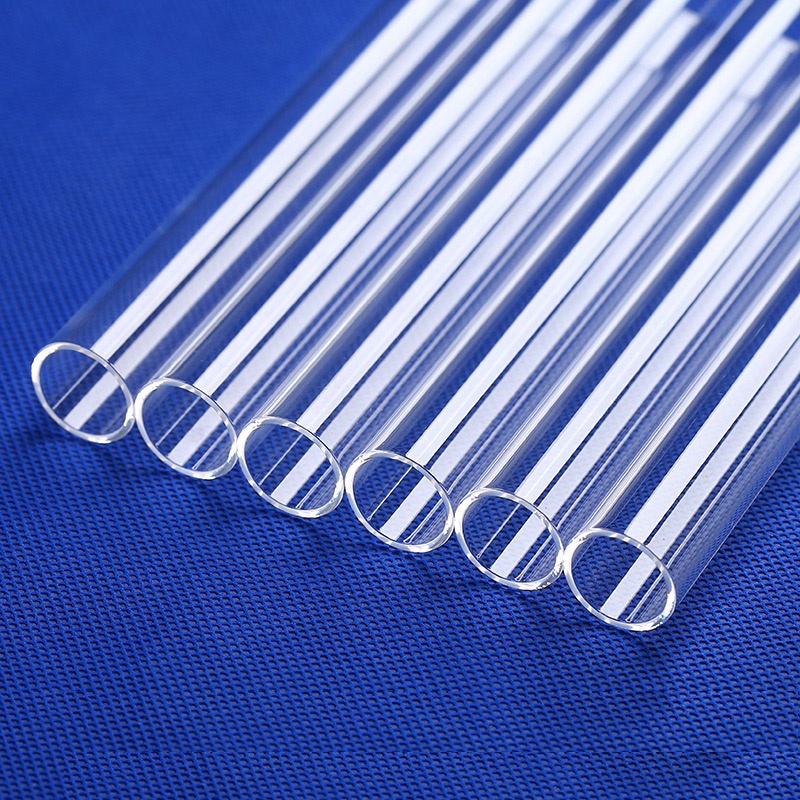
We do not source third-party semi-finished tubes. Our 14,271 m² production facility directly performs crushing, rescreening, multi-stage acid pickling, automated tube drawing, and precision rotary sealing to deliver genuine ≥99.99% SiO₂ chemical purity.
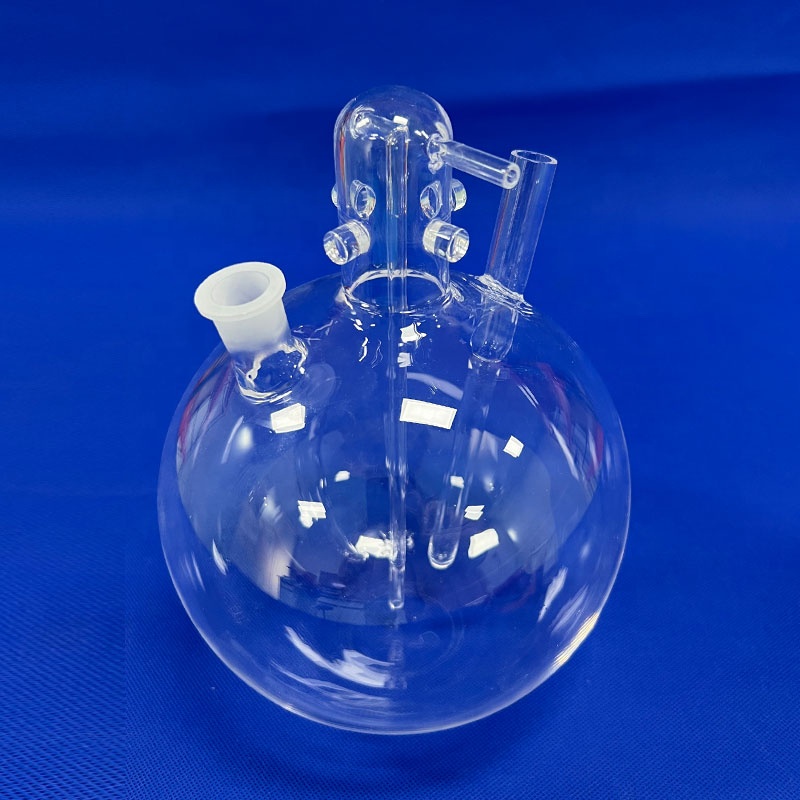
Every single annealed glass tube, window, and custom reactor undergoes polariscopic residual strain evaluation. By eliminating latent internal stresses at our 1200°C annealing cycle, we guarantee zero spontaneous micro-cracking under intense cyclic heat loads.
From custom triple-bore Candela laser flow tubes and threaded quartz pipes to 96-well biochemical microplates, our machining floors execute diamond-wheel drilling, cylindrical grinding, laser polishing, and optical planar edging to micron tolerances.
Critical considerations addressing import logistics, specifications, batch testing, and freight durability for procurement teams in Tiraspol.
Connect directly with our precision fused silica engineering team. Submit your dimensional parameters, operating temperature requirements, or custom CAD files for a comprehensive quotation within 24 hours.