Featured Fused Silica & Quartz Components for Dutch Industry
From deep-UV lithography optical plates to high-temperature diffusion tubes and multi-bore laser chambers, our Lianyungang manufacturing facility provides ISO-compliant fused silica machined to tight geometric tolerances.
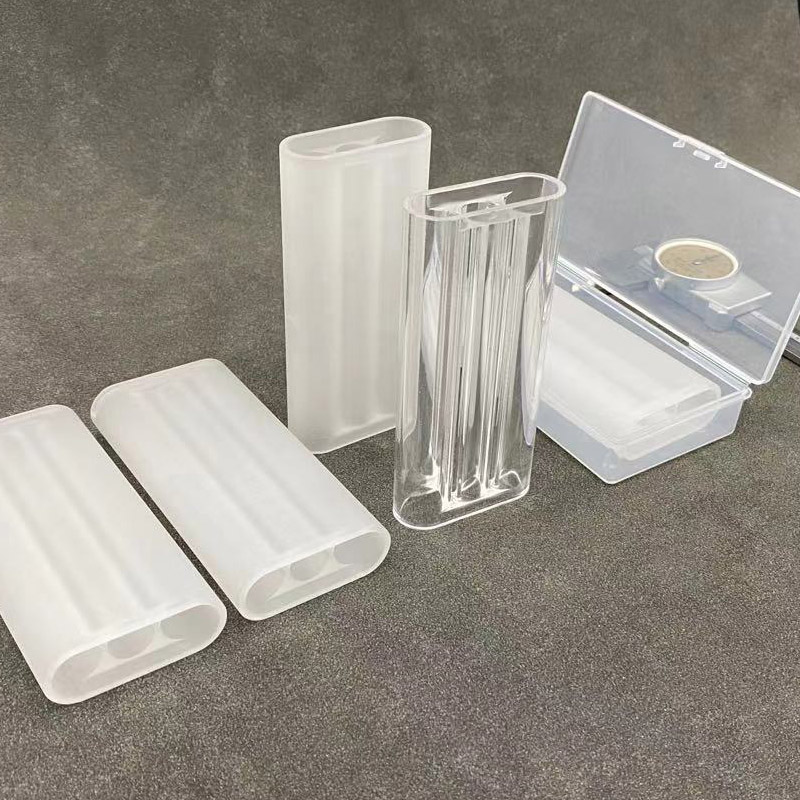
Candela Triple Bore Fused Quartz 99.98%
Specialized multi-channel cooling and beam integration tube with custom ID/OD tolerances, designed for advanced medical and industrial laser systems.
View Specifications →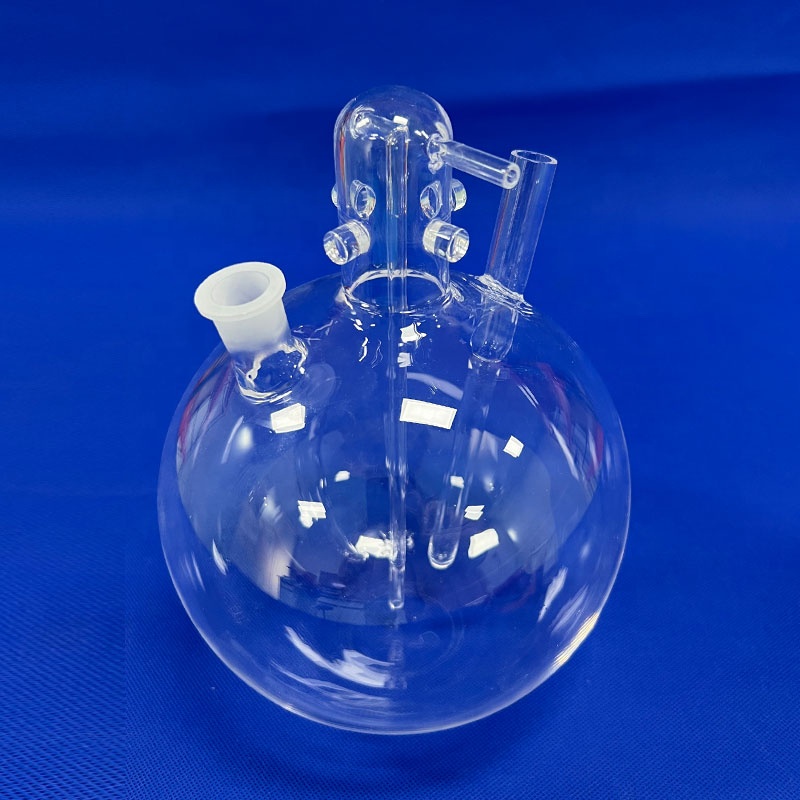
419 High Purity SiO2 Laser Reactor Instrument
Precision CNC-processed 99.99% SiO2 optical chamber engineered for gas laser machinery, chemical fluidics, and localized plasma excitation viewports.
View Specifications →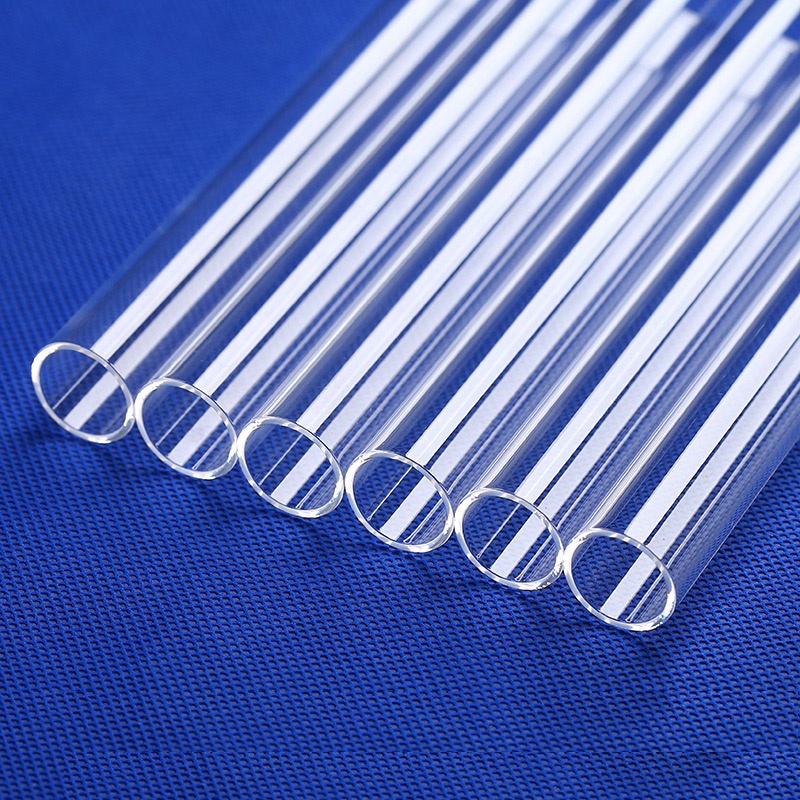
High Precision Clear Quartz Tubing (10-20mm)
Chemical-resistant fused silica tube for ultra-clean semiconductor wafer cleaning pipelines, wet-bench fluid lines, and acid pickling setups.
View Specifications →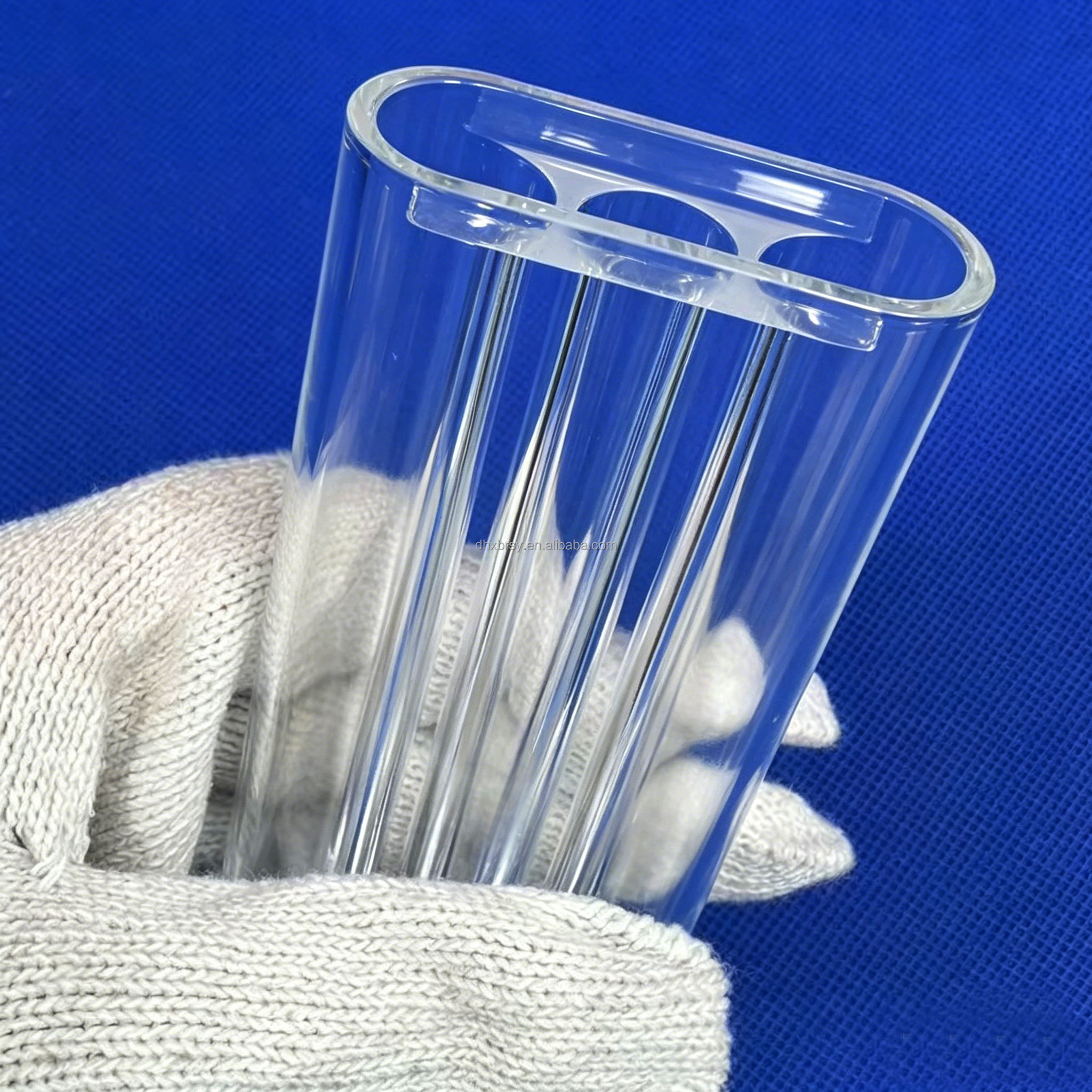
916 Factory High-Temp Furnace Tube
Heavy-wall fused quartz cylinder rated for continuous service up to 1100°C and short-term thermal excursions to 1300°C in Dutch university and R&D labs.
View Specifications →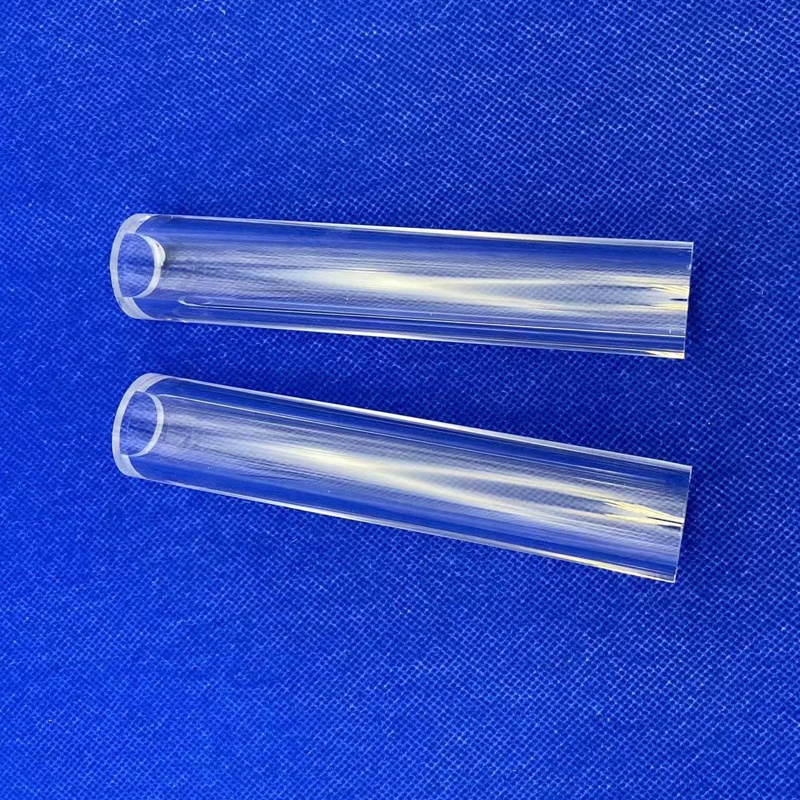
Clear Fused Silica Ozone & Heating Tube
High-dielectric strength, hydroxyl-optimized quartz tube designed for corona discharge ozone synthesis and far-infrared rapid thermal processing heaters.
View Specifications →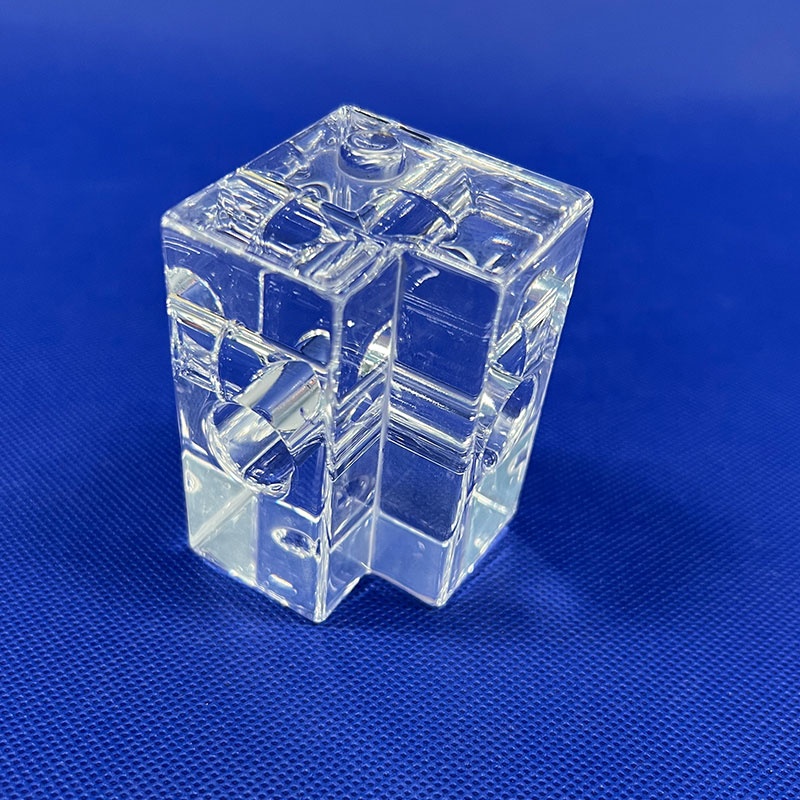
420 BAO RAN Annealed Fused Quartz (200 Mesh)
Precision-annealed 99.99% SiO2 fused quartz media and custom sintered porous disks for high-temperature fluidized beds and cleanroom gas filtration.
View Specifications →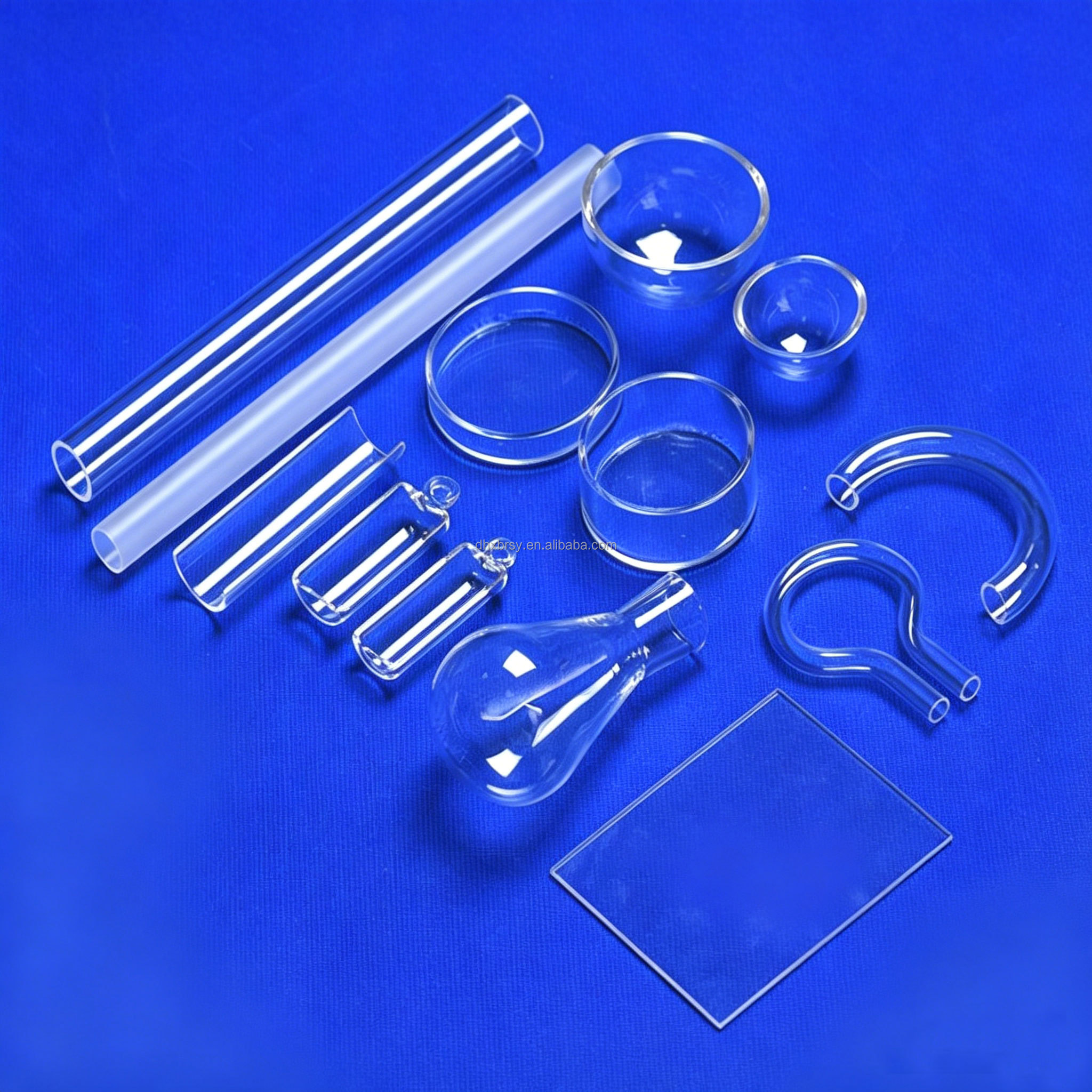
Custom Semiconductor Quartz Apparatus
Bespoke quartz glass labware, evaporation crucibles, and gas-washing assemblies fabricated strictly according to customer STEP/CAD engineering files.
View Specifications →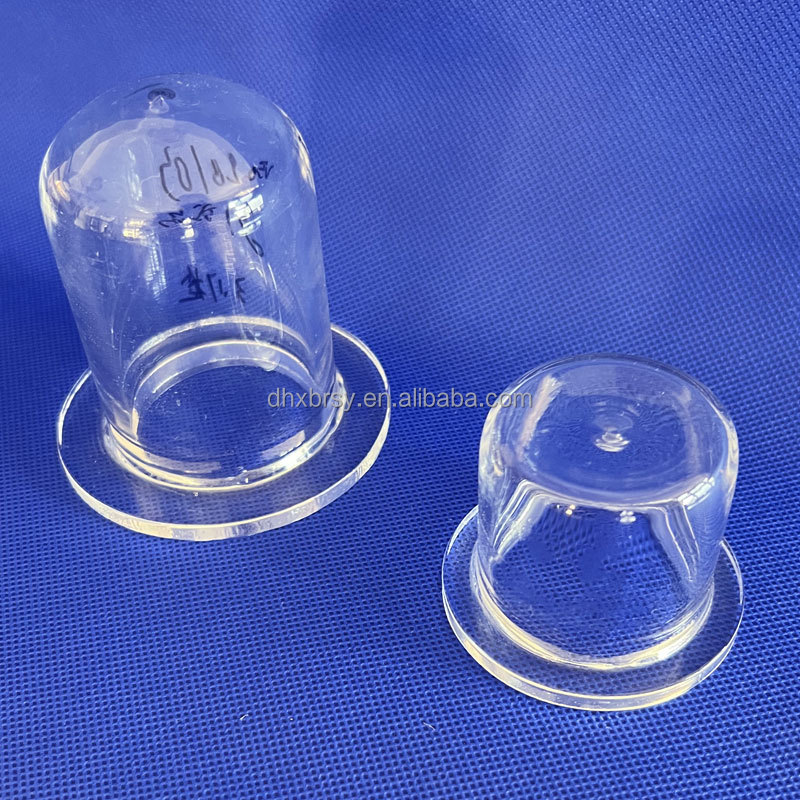
518 High Transmittance PV Sintering Tube
Ultra-clear fused quartz furnace core tube providing outstanding radiant heat transfer and mechanical durability for silicon cell sintering furnaces.
View Specifications →Engineering Synthesis: Fused Silica Material Physics for Dutch High-Tech Systems
A comprehensive metallurgical and optical review of amorphous silicon dioxide (SiO2) substrates for senior optical design engineers, semiconductor cleanroom managers, and equipment procurement teams.
In modern industrial applications across the Netherlands—spanning from the photolithography cluster in Brainport Eindhoven to advanced integrated photonics labs in Enschede and Delft—fused silica plates (amorphous silicon dioxide) represent a foundational dielectric material. The physical attributes that distinguish industrial-grade quartz glass from standard borosilicate or soda-lime glass include its exceptionally low coefficient of thermal expansion (α ≈ 5.5 × 10⁻⁷ /°C), superior broadband transmission spanning from the deep ultraviolet (185 nm) to the mid-infrared (3500 nm), exceptional resistance to thermal shock (ΔT > 1000°C), and chemical inertness in hostile plasma and acidic environments.
| Optical Grade | Raw Material Base | Transmission Range | Typical OH- Content | Primary Dutch Application Focus |
|---|---|---|---|---|
| JGS1 (Synthetic Fused Silica) | High-purity SiCl4 via chemical vapor deposition | 185 nm – 2500 nm (Deep UV to Near IR) | > 800 – 1200 ppm | Excimer laser optics, semiconductor reticle mask blanks, DUV lithography windows, beam splitters. |
| JGS2 (Optical Fused Quartz) | Refined natural crystal quartz via oxyhydrogen flame | 220 nm – 2500 nm (Standard UV to Near IR) | 150 – 200 ppm | Semiconductor wafer inspection sight glasses, plasma chamber viewport plates, UV curing lamps. |
| JGS3 (Infrared Fused Silica) | Natural quartz sand via vacuum electro-thermal fusion | 260 nm – 3500 nm (Visible to Mid-Infrared) | < 5 – 10 ppm | Infrared sensor windows, pyrometry sight glasses, high-temperature thermal process monitoring. |
| Opaque / Sintered Silica | High-purity micro-pulverized silica sand | Diffuse scattering / High IR reflection | N/A (Micro-porous structure) | Thermal heat shields, furnace diffusion baffles, semiconductor wafer boat bases, RTP thermal isolators. |
The dimensional precision of fused silica components imported into the Netherlands must satisfy rigorous ISO 1101 geometric dimensioning and tolerancing (GD&T) standards. Through 5-axis CNC diamond ultrasonic grinding and double-sided Chemical Mechanical Polishing (CMP), Lovri Quartz holds dimensional tolerances to ±0.01 mm, surface roughness down to Ra < 0.5 nm (Super-Polish), and surface quality compliant with MIL-PRF-13830B Scratch-Dig standards (20-10 or 10-5 for laser grade optics; 60-40 for industrial sight viewports).
Localized Application Scenarios in the Dutch Industrial Landscape
How our precision fused silica plates, tubes, and CNC components integrate directly into primary Dutch high-tech ecosystems and European supply chains.
Brainport Eindhoven Semiconductor Tooling
Tier-2 and Tier-3 equipment suppliers in the Veldhoven-Eindhoven corridor rely on our JGS1 ultra-flat quartz plates for wafer clamp rings, electrostatic chuck dielectric cover plates, and reaction chamber viewports resistant to fluorine and chlorine dry plasma etching.
Integrated Photonics (PIC) Clusters (Enschede & Eindhoven)
Under the PhotonicDelta initiative, research consortia require ultra-thin fused silica sheets (down to 0.1 mm) with uniform index of refraction (n = 1.4585 at 589 nm) as low-loss carrier substrates for indium phosphide (InP) and silicon nitride (SiN) hybrid photonic integration.
Leiden Bio Science Park & Analytical Systems
Biomedical instrument developers deploy our precision-drilled 96-well quartz microplates and UV-grade flow-through quartz cuvettes for real-time PCR, high-throughput fluorescence spectroscopy, and deep-UV protein chromatography without background luminescence.
Rotterdam & North Sea Green Hydrogen Infrastructure
In high-pressure supercritical water electrolysis and hydrogen fuel cell pilot facilities around Rotterdam, heavy-wall fused quartz observation discs permit visual process diagnostics at operating pressures exceeding 15 MPa and temperatures up to 800°C.
Delft Quantum Computing & Cryogenic Platforms
TU Delft and QuTech spin-offs utilize our ultra-pure synthetic fused silica as non-magnetic, low dielectric loss tangent (tan δ < 0.0001 at 10 GHz) microwave sub-mounts operating reliably at dilution refrigerator temperatures near absolute zero (10 mK).
Wageningen Agri-Tech & Optical Sensor Networks
Precision agriculture sensor nodes and greenhouse environmental photometers require anti-reflective coated quartz cover glasses capable of surviving harsh ammonia atmosphere, continuous UV solar exposure, and aggressive CIP washdown protocols.
Market Trends Shaping Quartz Glass Procurement in the Netherlands
Key macroeconomic, regulatory, and engineering factors driving Dutch engineering procurement decisions in 2025 and beyond.
The implementation of the European Chips Act has accelerated capital expenditure into Dutch semiconductor packaging, testing, and equipment assembly clusters. Dutch original equipment manufacturers (OEMs) are re-evaluating supply chains to mitigate supply-chain disruption while demanding verified chemical purity and traceable documentation from raw sand to finished sub-assembly. Key trends include:
1. Escalation of Ultra-Low Trace Impurity Requirements: Modern 3 nm and 2 nm process node tool designs do not tolerate alkali metal migration. Dutch semiconductor process engineers now mandate total alkali (Na, K, Li) content ≤ 0.5 ppm and transition metals (Fe, Cu, Ni, Cr) ≤ 0.1 ppm. Lovri Quartz satisfies this through quadruple-stage acid pickling (hydrofluoric-nitric leaching) of raw quartzite prior to furnace fusion.
2. Cleanroom Class 100 (ISO 5) Packaging Protocol: Components delivered to Schiphol Cargo or the Port of Rotterdam destined for cleanroom facilities require specialized packaging. We utilize double-layer vacuum heat-sealed anti-static bags, particulate-free nitrogen flushing, and lint-free protective membranes, eliminating on-site pre-cleaning cycles for Dutch receiving inspection teams.
3. Demand for Rapid Prototype-to-Serial Scalability: Dutch engineering firms, operating within agile sprint models, demand functional prototypes within 7 to 10 working days, backed by seamless transition into volume manufacturing batches without re-qualification of optical tolerances.
Why Dutch Engineers Trust Lovri Quartz
Direct manufacturing authority from Lianyungang, China—the world's highest-concentration high-purity quartz processing belt—delivering end-to-end quality control without intermediaries.
Vertical Raw Material Control
From initial lump grading, rock crushing, and hydrofluoric acid pickling to continuous automatic tube drawing, our control over the raw synthesis stage guarantees batch-to-batch chemical consistency that independent traders cannot match.
100% Polariscopic Stress Release
Every single annealed quartz plate, tube, and flange passes through a cross-polarized transmission strain viewer to certify absence of residual micro-stresses, virtually eliminating spontaneous fracture under thermal or mechanical loading.
International Compliance Standards
Fully compliant with EU RoHS Directives (2011/65/EU and 2015/863) and REACH Regulation (EC No 1907/2006). Complete metallurgical spectrometry inspection reports (ICP-OES) and dimensional CMM inspection certificates accompany every Dutch shipment.
Frequently Asked Questions for Dutch Procurement Officers
Clear, technically verified answers regarding lead times, Dutch import logistics, customs tariffs, quality inspection, and custom fabrication.
What are the typical shipping lead times and door-to-door Incoterms for deliveries to the Netherlands?
For high-priority prototype batches and urgent cleanroom spare parts, we ship via DHL, FedEx, or air freight into Amsterdam Airport Schiphol (AMS) within 3 to 5 business days from factory dispatch. For high-volume production orders (such as standard furnace quartz tubes and optical discs), we offer FCL/LCL ocean freight into the Port of Rotterdam with typical ocean transit times of 28 to 32 days. We support DAP (Delivered at Place) and DDP (Delivered Duty Paid) terms, coordinating import declarations and customs clearance directly with Dutch logistics brokers.
How do you handle Dutch VAT and Article 23 import tax deferment?
Dutch companies holding a license under Article 23 of the Dutch VAT Act (Artikel 23 Wet op de omzetbelasting) can defer import VAT to their periodic VAT declaration, eliminating the need to pay 21% VAT at the border. We provide commercial invoices with correct TARIC/HS codes (such as HS 7002.31 for fused quartz tubes and HS 7006.00 for worked optical plates) and complete packing lists to facilitate rapid, frictionless customs processing by your fiscal representative.
What GD&T tolerances and optical surface qualities can your CNC workshop guarantee?
For custom CNC milled, drilled, or wire-cut fused silica plates, our standard machining tolerance is ±0.05 mm, with precision CNC grinding delivering ±0.01 mm on request. Optical surface flatness can be brought to λ/4 or λ/10 per 25 mm aperture. Surface roughness can be configured from standard fine-ground (N6, Ra ≈ 0.8 μm) up to laser-quality optical polish (Ra ≤ 0.5 nm, Scratch-Dig 20-10) measured via non-contact optical profilometry and Zygo interferometers.
How do you ensure zero transit breakage for fragile quartz glass products exported to Europe?
Export packaging is engineered for zero-defect transit. Every quartz plate or apparatus is individually wrapped in cleanroom-grade peelable protective film, suspended inside custom high-density closed-cell polyethylene (EPE) shock-absorbing foam molds, and sealed into heavy-duty 5-ply corrugated master cartons. For fragile large-diameter tubes or volume shipments, these cartons are banded inside ISPM-15 heat-treated, fumigated plywood export crates with exterior shock/tilt indicators. Our transatlantic damage claim rate is below 0.08%.
Can you manufacture custom-engineered quartz components directly from 3D CAD/STEP files?
Yes. Our in-house engineering team regularly reviews STEP, IGES, DWG, and PDF technical drawings. Within 24 hours of receipt, our manufacturing engineers evaluate draft angles, stress concentrations, machining tool clearances, and thermal boundary conditions, returning a detailed Design for Manufacturability (DFM) review alongside competitive prototype and serial quotation schedules.
Have an Engineering Drawing or High-Purity Quartz Requirement?
Consult with our fused silica materials specialists today. Send us your specifications, temperature envelope, dimensional tolerances, or CAD files for rapid engineering evaluation and a factory-direct quote.