Featured Fused Silica & Quartz Components for Debrecen
Precision-annealed, low-stress optical quartz sheets, custom test vessels, and triple-bore laser tubes fabricated for rigorous production environments.
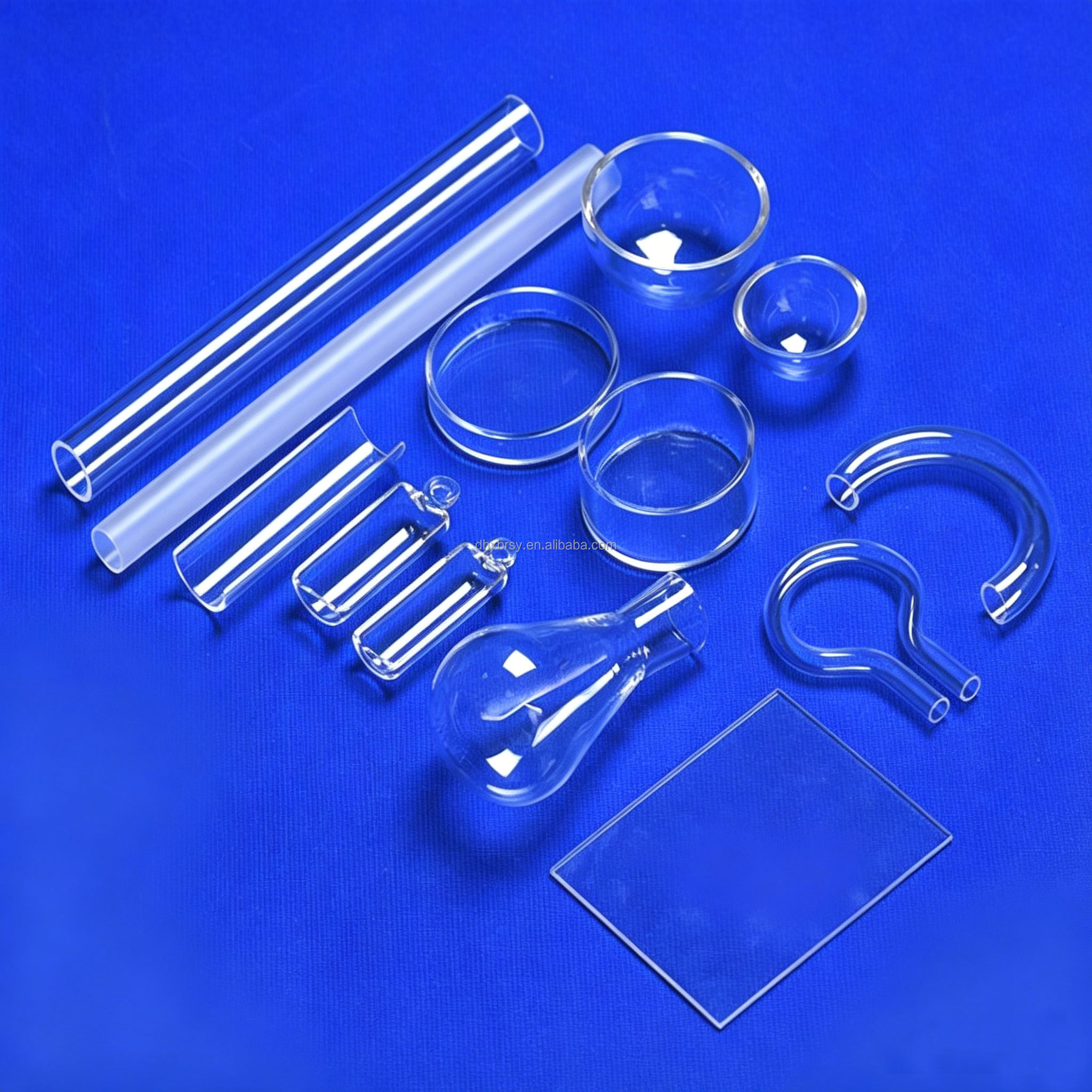
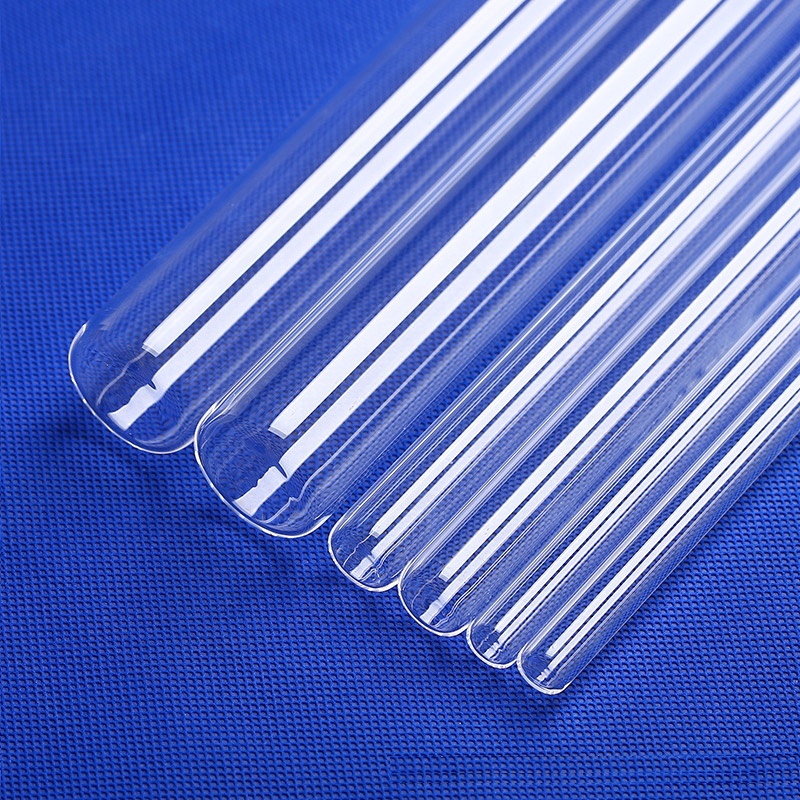
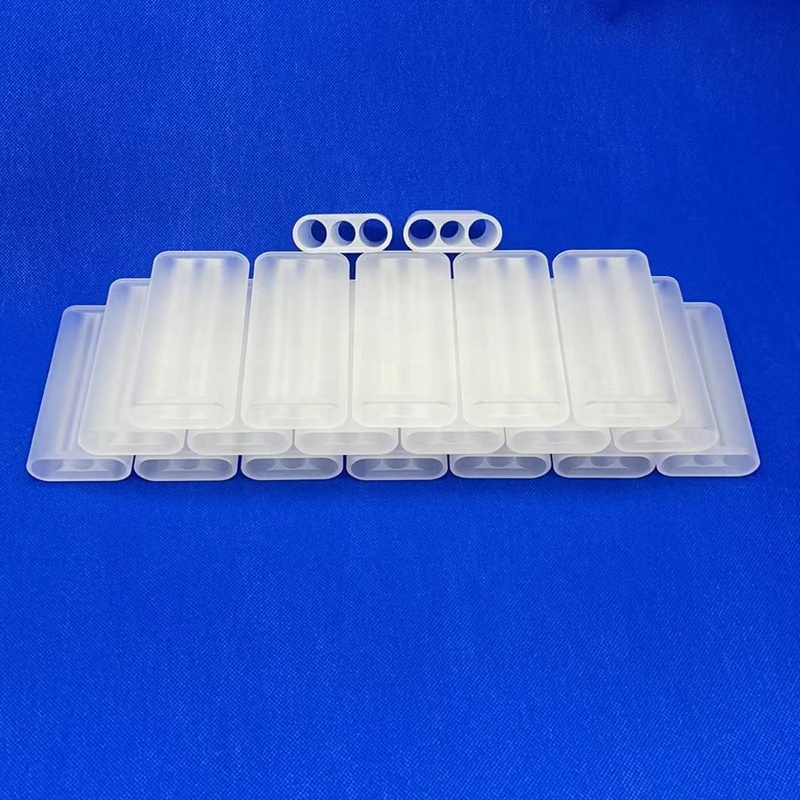
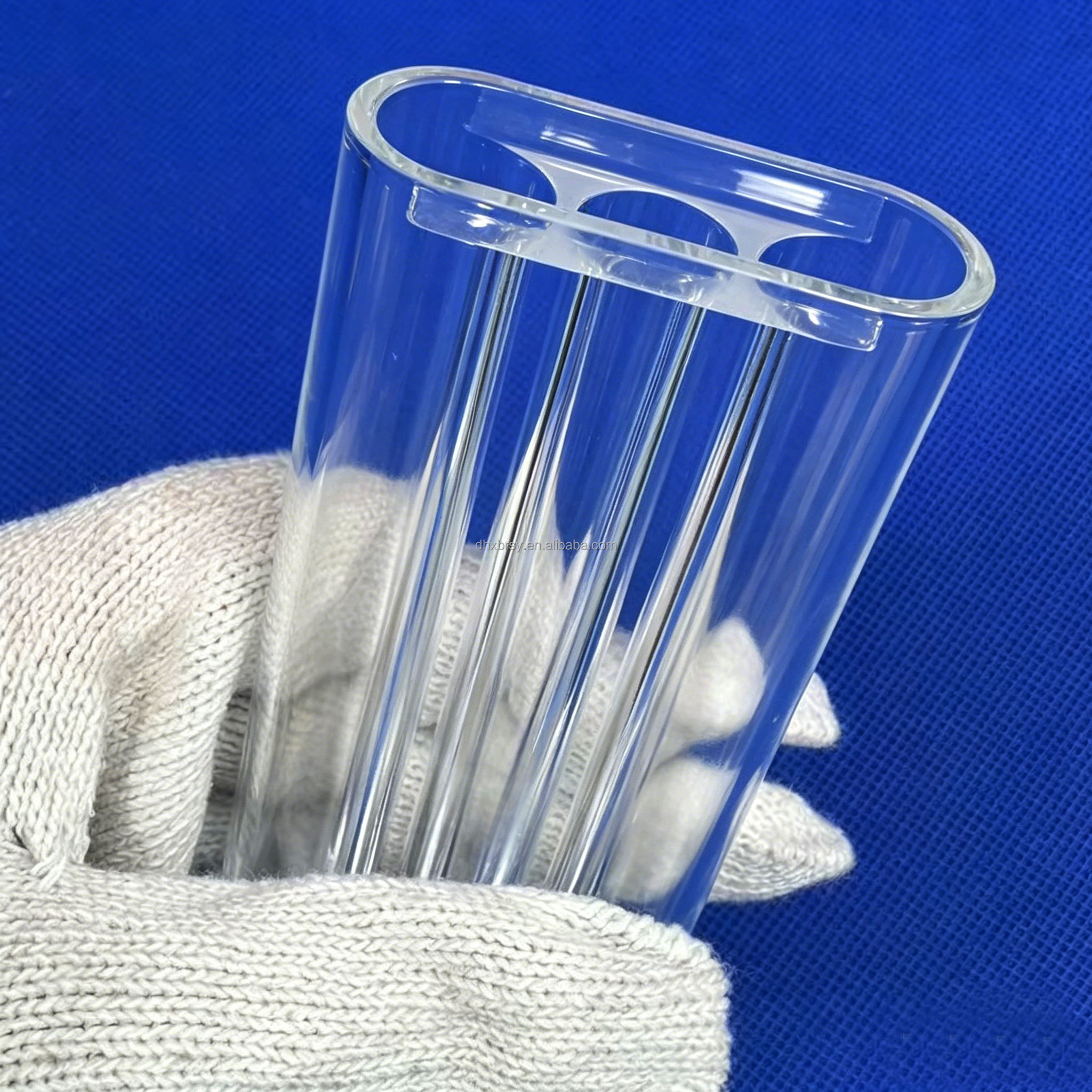
Engineering Fused Silica Plates for High-Precision European Manufacturing
Why purity grades, thermal coefficient stability, and hydroxyl (OH-) radical concentrations dictate performance in next-generation Central European industrial hubs.
Executive Abstract for Hungarian Procurement Directors: As Debrecen rapidly evolves into one of Central and Eastern Europe's most formidable industrial corridors—driven by historic multi-billion-euro investments in lithium-ion battery mega-factories, premium electric vehicle manufacturing (e.g., BMW iFactory), and advanced solid-state optical research—the specification of high-reliability glass substrate materials has become mission-critical. Standard borosilicate and aluminosilicate glasses frequently suffer catastrophic thermal failure or severe optical distortion under prolonged high-temperature sintering, plasma environments, and extreme UV exposures. Lovri Quartz supplies 99.99% SiO₂ fused silica plates, precision ground windows, and custom-milled reaction carriers that resolve these fundamental operational limits.
Fused silica (synthetic SiO₂) and transparent fused quartz (flame-fused or electrically fused natural crystalline quartz) represent the pinnacle of vitreous silicon dioxide technology. When specifying flat quartz plates or optical windows, understanding the synthesis route is paramount. Synthetic fused silica, characterized as JGS1 under international standards, is manufactured via the chemical vapor deposition (CVD) or flame hydrolysis of silicon-containing precursors (such as SiCl₄). This synthesis delivers an amorphous glass matrix virtually free of metallic contaminants (Fe, Al, Ti, Na concentrations under 0.1 ppm). Crucially for optical engineers in Hajdú-Bihar county, JGS1 exhibits outstanding transmission in the deep ultraviolet (DUV) band starting from 185 nm, rendering it entirely solarization-resistant under excimer laser irradiation and high-intensity germicidal UV systems.
Conversely, JGS2 fused quartz is derived from the high-temperature flame fusion of high-purity natural silica sand. With an SiO₂ content exceeding 99.99%, it demonstrates exceptional mechanical durability, high continuous thermal resistance up to 1100 °C, and superior broad-spectrum optical transparency across the visible into the near-infrared spectrum (220 nm to 2500 nm). For heavy industrial thermal observation, lithium-ion battery slurry drying viewports, and acid-resistant inspection liners, JGS2 provides an unbeatable economic balance between thermodynamic stability and commercial scalability. When applications transition into specialized infrared monitoring and mid-IR heating, JGS3 electrically fused quartz is deployed, uniquely devoid of the 2.73 µm hydroxyl (OH-) absorption dip, transmitting efficiently up to 3500 nm.
Localized Application Scenarios Across the Debrecen Industrial Corridor
Integrating specialized fused silica plate solutions into the core manufacturing and scientific institutions of Eastern Hungary.
EV Battery Gigafactory Lines
Debrecen's Southern Industrial Park hosts monumental battery cell investments (such as CATL and Eve Energy). Fused silica plates serve as non-conductive, fireproof insulating barriers, infrared drying tunnel observation plates for cathode/anode coating, and sight windows resisting corrosive lithium salt vapors during electrolyte filling.
Automotive Laser Welding Shielding
Supporting the BMW Group Plant Debrecen and its Tier-1 supply ecosystem. High-power laser welding of automotive chassis and battery module aluminum-copper busbars requires laser protective windows capable of handling extreme 1064 nm and 1070 nm fiber laser power density without thermal lensing or thermal fracture.
Nuclear Physics & Materials Science
Debrecen is home to ATOMKI (Institute for Nuclear Research) and the University of Debrecen's Faculty of Science and Technology. Our JGS1 fused silica plates and high-vacuum CF flanges serve in target chambers, high-energy particle accelerators, and precision synchrotron beamlines requiring ultra-low outgassing under ultra-high vacuum (<10⁻⁹ mbar).
Pharmaceutical Fine Chemical Synthesis
Teva Pharmaceutical Works Debrecen and regional API chemical reactors demand inert reaction viewports. Fused silica sheets exhibit almost total resistance to deionized water leaching and aggressive organic reagents, remaining chemically unreactive across pH extremes (except HF) while maintaining pristine optical clarity.
Photovoltaic Sintering & Semi Jigs
Supply chain partners fabricating wafer carriers, diffusion boats, and slotted quartz racks require high-precision ground plates. Lovri Quartz delivers custom CNC-milled slotted sheets holding positional slot tolerances within ±0.03 mm, perfectly matching automated robotic cassette arms.
Municipal & Industrial UV Disinfection
Debrecen's modern water stewardship and industrial wastewater recycling plants demand high-output UVC (254 nm) disinfection units. Fused silica plates and flat windows provide an internal transmittance exceeding 91% at 254 nm, maximizing pathogen neutralization while withstanding mechanical hydrodynamic pressure.
Strategic Supply Dynamics: Sourcing Quartz Glass in Debrecen & Eastern Hungary
The manufacturing landscape of Debrecen has transformed from an agricultural and regional educational capital into Eastern Hungary's largest advanced technology epicentre. The emergence of the Debrecen International Airport Logistics Zone and the rapid development of the North-Western Economic Zone have brought together global Tier-1 automotive integrators, European semiconductor equipment developers, and high-energy physics laboratories. However, one enduring supply chain vulnerability remains: the domestic scarcity of primary high-purity quartz melting and precision annealing facilities within Central and Eastern Europe.
European component purchasers frequently encounter punitive lead times of 16 to 24 weeks when ordering customized fused silica plates from traditional Western European distributors, who often act as third-party brokers without direct factory floor controls. Lovri Quartz bypasses these intermediary hurdles. By leveraging our verified 14,271 m² production base in Lianyungang—China's primary quartz production hub—we offer Debrecen engineers direct manufacturer access: fully compliant with EU standards, RoHS certified, and backed by verifiable third-party SGS onsite verification. From one-piece custom CNC prototypes for research departments to continuous containerized shipments for high-volume automotive lines, our end-to-end process control assures unparalleled dimensional accuracy and competitive landed costs at Debrecen warehouses.
| Physical / Optical Property | JGS1 (Synthetic Fused Silica) | JGS2 (Optical Fused Quartz) | JGS3 (Infrared Fused Quartz) |
|---|---|---|---|
| Optical Transmission Range | 185 nm – 2500 nm (Deep UV to NIR) | 220 nm – 2500 nm (UV-Vis to NIR) | 260 nm – 3500 nm (Deep IR Transparent) |
| SiO₂ Purity Level | ≥ 99.999% (Electronic/Optical grade) | ≥ 99.99% (High Purity Flame Fused) | ≥ 99.99% (Electrically Vacuum Fused) |
| Density | 2.20 g/cm³ | 2.20 g/cm³ | 2.20 g/cm³ |
| Thermal Expansion (20°C to 320°C) | 5.5 × 10⁻⁷ / °C | 5.5 × 10⁻⁷ / °C | 5.5 × 10⁻⁷ / °C |
| Max Working Temp (Continuous) | 1050 °C – 1100 °C | 1100 °C – 1150 °C | 1150 °C – 1200 °C |
| Max Working Temp (Short Term) | 1300 °C | 1300 °C | 1350 °C |
| Softening Point | 1680 °C | 1730 °C | 1730 °C |
| Annealing Point | 1180 °C | 1215 °C | 1220 °C |
| Hydroxyl (OH⁻) Content | High OH (>800-1200 ppm) | Moderate OH (~150-200 ppm) | Ultra-Low OH (<5 ppm) |
| Refractive Index (nd at 589.3 nm) | 1.4585 | 1.4585 | 1.4585 |
| Typical Debrecen Applications | Laser windows, UV spectrometers, lithography | Battery furnace viewports, sight glasses | Pyrometric viewports, IR heating plates |
Why European Buyers Partner with Lovri Quartz
Procurement teams across Hungary, Germany, and broader Western Europe demand uncompromising precision and batch uniformity. Rather than acting as a simple glass cutter, Lovri Quartz controls the complete metallurgical and glass-drawing workflow from raw silica sand refinement to final CNC optical polishing.
- 100% Polarization Stress Inspection: Residual thermal stress is the silent cause of shattered viewports. Every fused silica plate is annealed in microprocessor-governed kilns and verified via optical cross-polarization inspection before packaging.
- High-Precision 5-Axis CNC Milling: Chamfering, stepped edge grinding, precision hole countersinking, and laser-slot cutting holding positional tolerances down to ±0.02 mm to match strict CAD drawings.
- Source Factory Purity Guarantee: Raw quartz lumps undergo crushing, rescreening, and multi-stage acid leaching directly within our plant, maintaining 99.99% SiO₂ integrity without secondary cross-contamination.
- Export-Grade Custom Crating: Fragile optical plates receive dust-free cleanroom wrapping, multi-layered shock-absorbing EVA foam padding, and reinforced plywood export casing, guaranteeing zero damage via air or express freight into Debrecen.
Full Traceability Production Lifecycle
From raw silicon dioxide extraction to certified European delivery—every phase executed in-house.
Chemical Leaching
Selected crystalline silica lumps undergo chemical pickling in hydrofluoric-free proprietary acid baths to scrub heavy metal oxides down to trace sub-ppm limits.
Fusion & Drawing
Vacuum electrical or oxyhydrogen flame fusion melts pure silica at 2000 °C. Ingots are hot-drawn or cast into dense, bubble-free blocks with near-zero striations.
Annealing & Stress Relief
Critical thermal holding at 1215 °C followed by ultra-slow cooling ensures the amorphous glass lattice achieves optimal isotropic homogeneity and structural toughness.
Precision Slicing & Lapping
High-speed diamond wire saws slice blanks into targeted thickness (0.1 mm to 50 mm). Double-side planetary lapping achieves exact parallelism and uniform planar flatness.
Optical Polishing
Cerium oxide and chemical mechanical polishing (CMP) refine the surface roughness to Ra < 0.5 nm, achieving laser-grade 60/40 or 20/10 scratch-dig cosmetic standards.
CNC Milling & Chamfer
Wet-grinding CNC machining centers execute internal hole drilling, step milling, laser notches, and safety corner bevels without generating micro-fracture zones.
Metrology Inspection
Interferometric wave-front evaluation, coordinate measuring machine (CMM) dimensional checks, and spectrophotometer transmission verification documented per shipment.
Cleanroom Export Packing
Ultrasonic cleaning in 18 MΩ·cm pure DI water, anti-static vacuum sealed bagging, and reinforced foam-lined export packaging to protect mirror finishes in transit.
Frequently Asked Questions by Hungarian Engineers
Direct answers addressing customs clearance, import logistics into Debrecen, thermal boundaries, and chemical tolerances.
How fast can custom fused silica plates be delivered to factories in Debrecen?
For urgent engineering prototypes and maintenance replacements, standard custom-machined fused silica plates can be fabricated and dispatched within 5 to 8 working days. We ship regularly via DHL Express, FedEx Priority, or air freight directly into Debrecen International Airport (DEB) or Budapest Ferenc Liszt International Airport (BUD), achieving door-to-door transit into Hajdú-Bihar industrial parks in 3 to 5 business days. For volume manufacturing contracts (such as recurring battery assembly line consumables), scheduled monthly consolidated sea-rail shipments via Koper or Piraeus into Debrecen multimodal freight terminals offer optimized landed economics.
Do you provide complete customs documentation and EU RoHS / REACH compliance certificates?
Yes. Every consignment destined for Hungary is accompanied by comprehensive export documentation, including detailed Commercial Invoices with matching HS codes (typically 7002.31 or 7006.00 for worked fused quartz), Packing Lists, Certificates of Origin (COO), and factory Certificates of Conformity (COC). Our fused silica glass has undergone exhaustive hazardous substance screenings, fully meeting EU Directive 2011/65/EU (RoHS) and Regulation (EC) No 1907/2006 (REACH) standards, ensuring effortless clearance through Hungarian customs authorities (NAV).
Why should our plant select fused silica over standard borosilicate 3.3 glass for furnace viewports?
While borosilicate 3.3 glass is a reliable material for low-temperature observation, its thermal limits peak around 450 °C to 500 °C, beyond which it suffers mechanical deformation and thermal stress failure. Fused silica can operate continuously at 1100 °C and endure short peaks up to 1300 °C. Furthermore, the coefficient of thermal expansion of fused silica (5.5 × 10⁻⁷ / °C) is roughly six times lower than borosilicate (33 × 10⁻⁷ / °C). A red-hot fused silica plate heated to 1000 °C can be dropped into freezing water without fracturing—a crucial safety attribute in high-temperature battery sintering or molten metal casting in Debrecen.
Can you machine mounting counterbores, beveled edges, and stepped profiles directly from CAD drawings?
Absolutely. Our CNC machining department operates multi-axis diamond tooling rigs specifically calibrated for hard, brittle glass materials. We accept all native engineering formats including .STEP, .IGES, .DWG, and .DXF. We routinely produce complex geometries: through-holes, recessed countersinks for O-ring vacuum seals, waterjet profiling, polished C-edges to eliminate mechanical stress concentrators, and laser-etched fiducial marks for automated machine vision alignment.
What is the minimum order quantity (MOQ) for custom-cut rectangular or circular quartz plates?
To actively support early-stage R&D projects at research institutes like ATOMKI or pilot lines in the Debrecen industrial parks, our MOQ starts at just 1 to 5 pieces for customized parts. We believe in providing agile, low-barrier prototyping support so your engineering teams can validate geometry, thermal behavior, and optical performance before scaling into multi-thousand-piece manufacturing runs.
Accelerate Your Project with Precision Fused Silica Plates
Send your CAD drawings, required operating temperatures, and dimensional tolerances. Our senior optical glass engineers will review your application requirements and furnish an official quotation and DFM assessment within 12 hours.