Annealed 1200°C
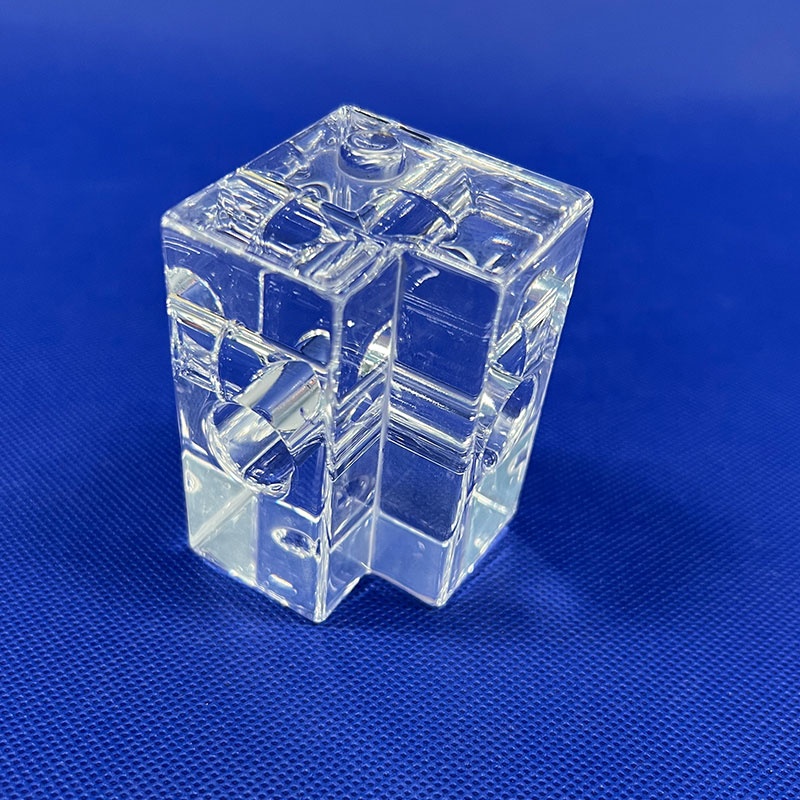
420 BAO RAN High-Purity 99.99% SiO2 Annealed Plate
- Purity: ≥ 99.99% Ultra-Pure SiO2
- Thermal Threshold: 1200°C Continuous Service
- Standard: Fully RoHS Certified
Engineered to withstand extreme thermal gradients, corrosive chemical environments, and high-energy ultraviolet radiation across demanding Nordic operations.
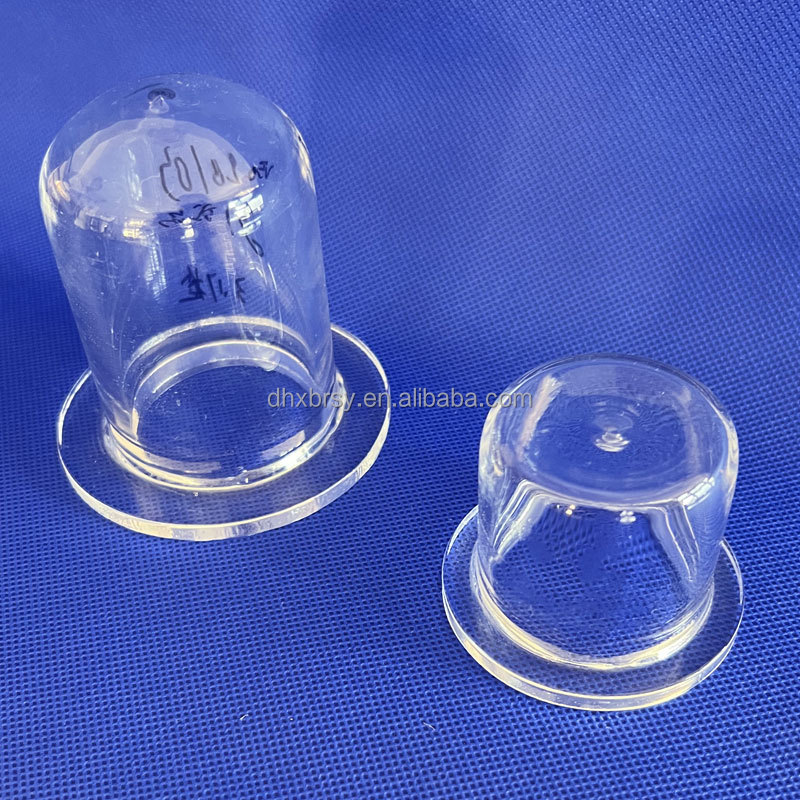
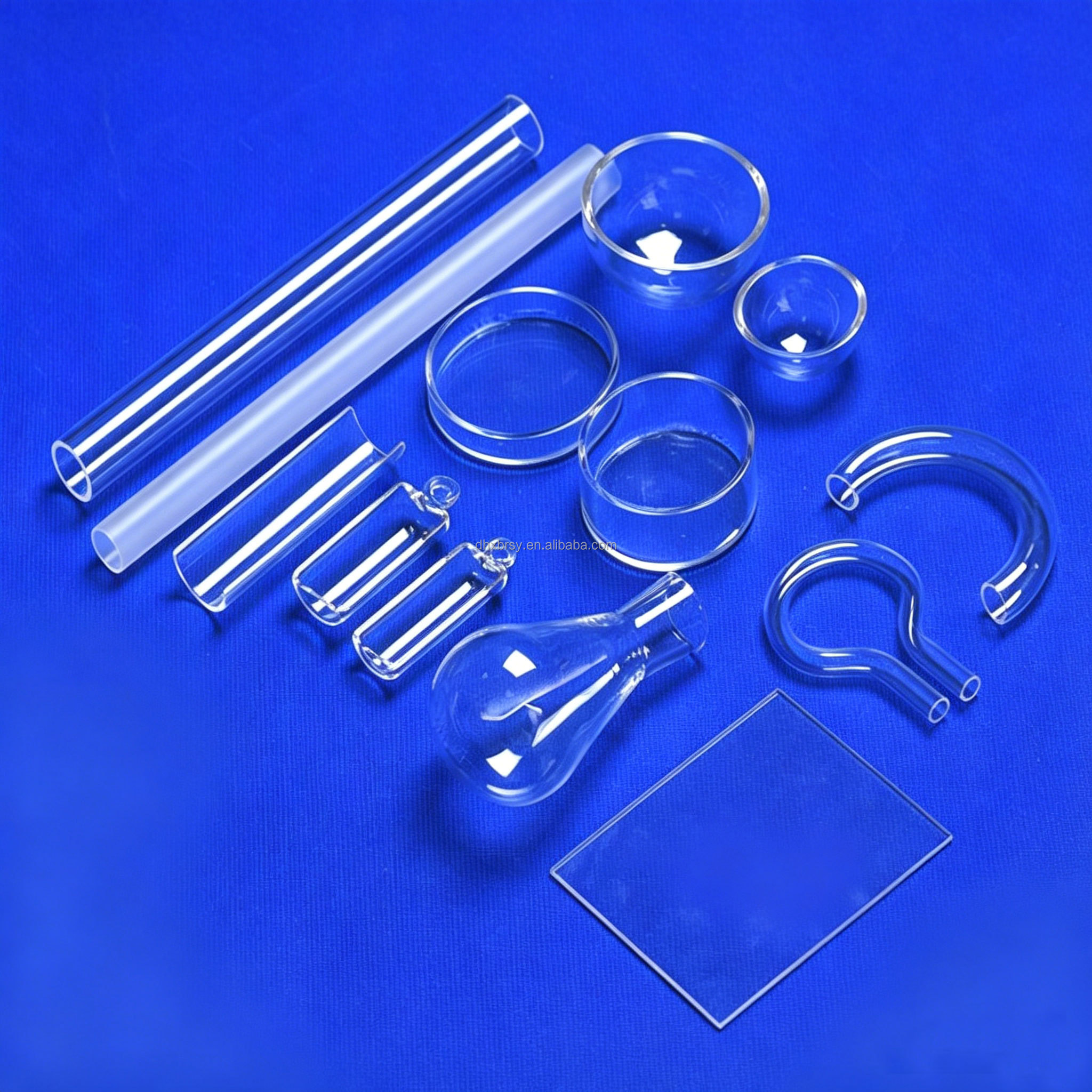
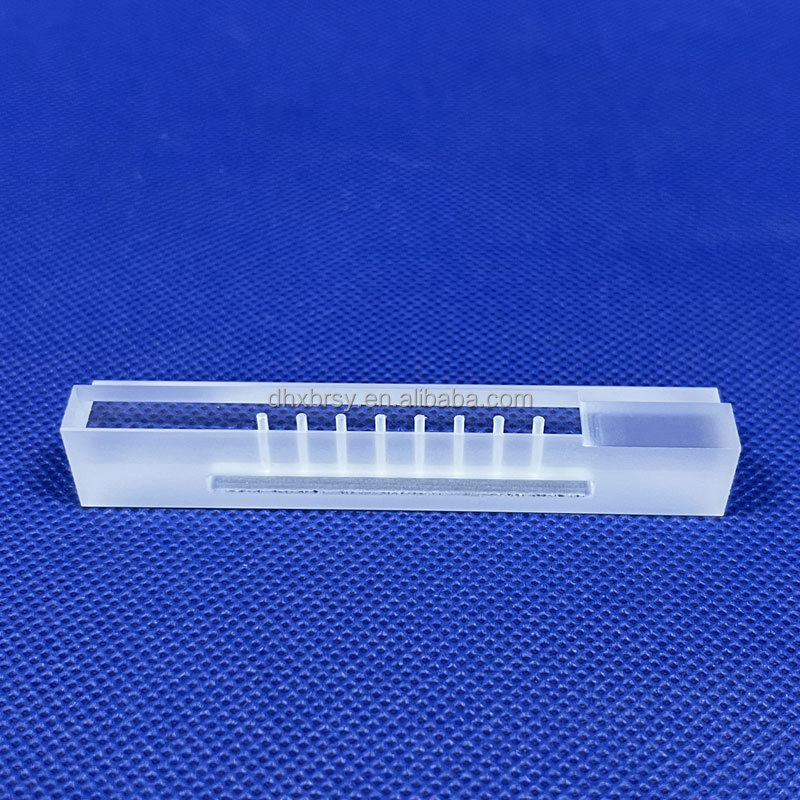
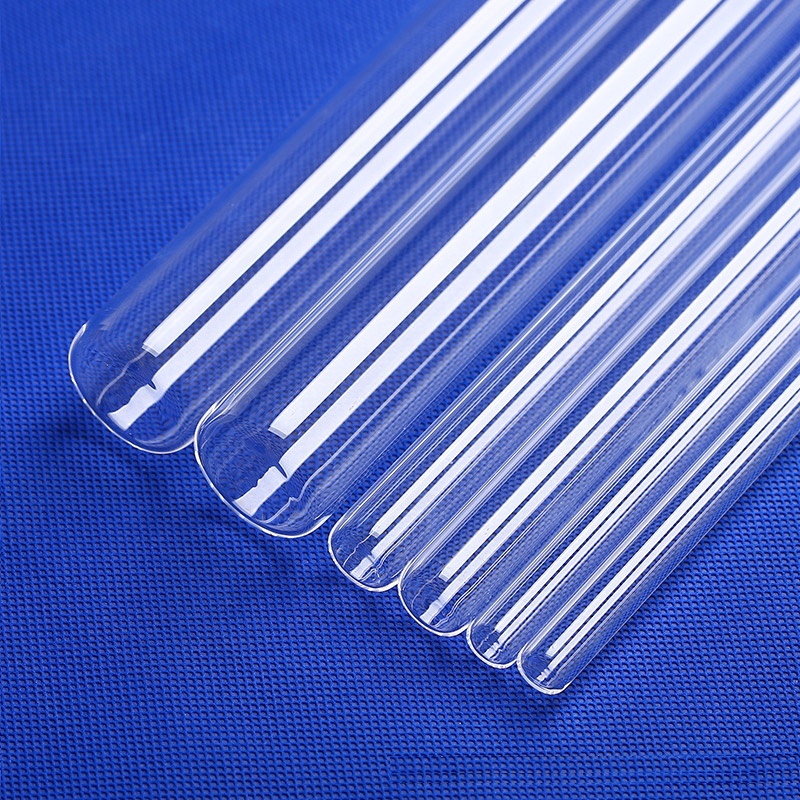
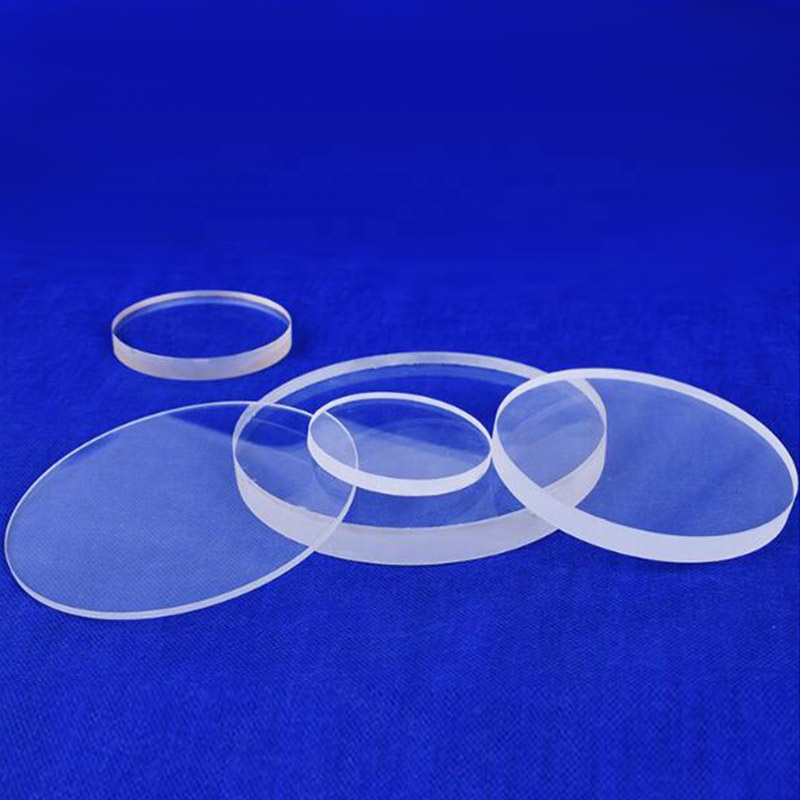
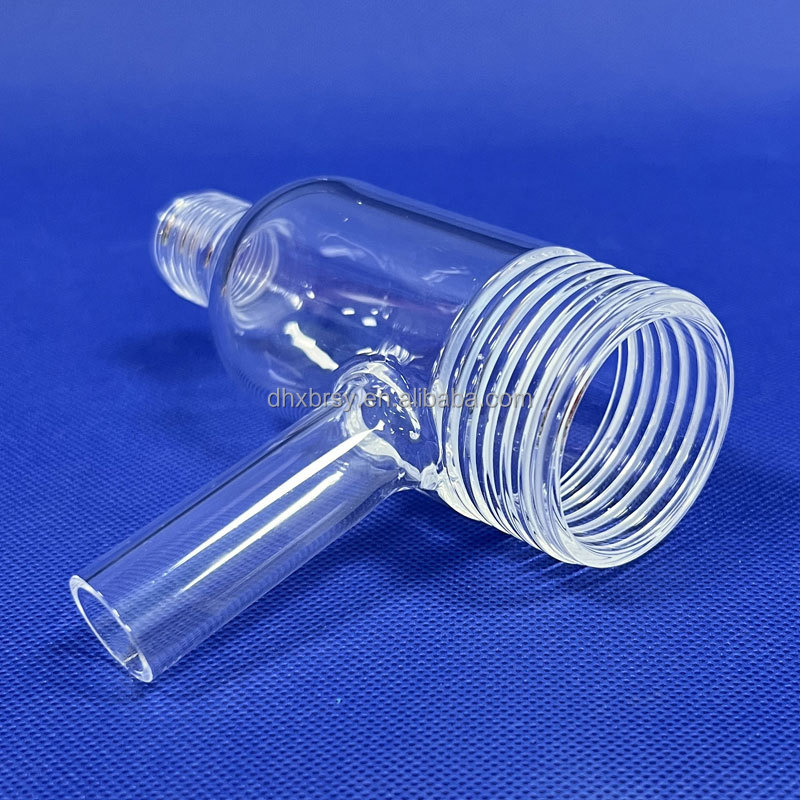
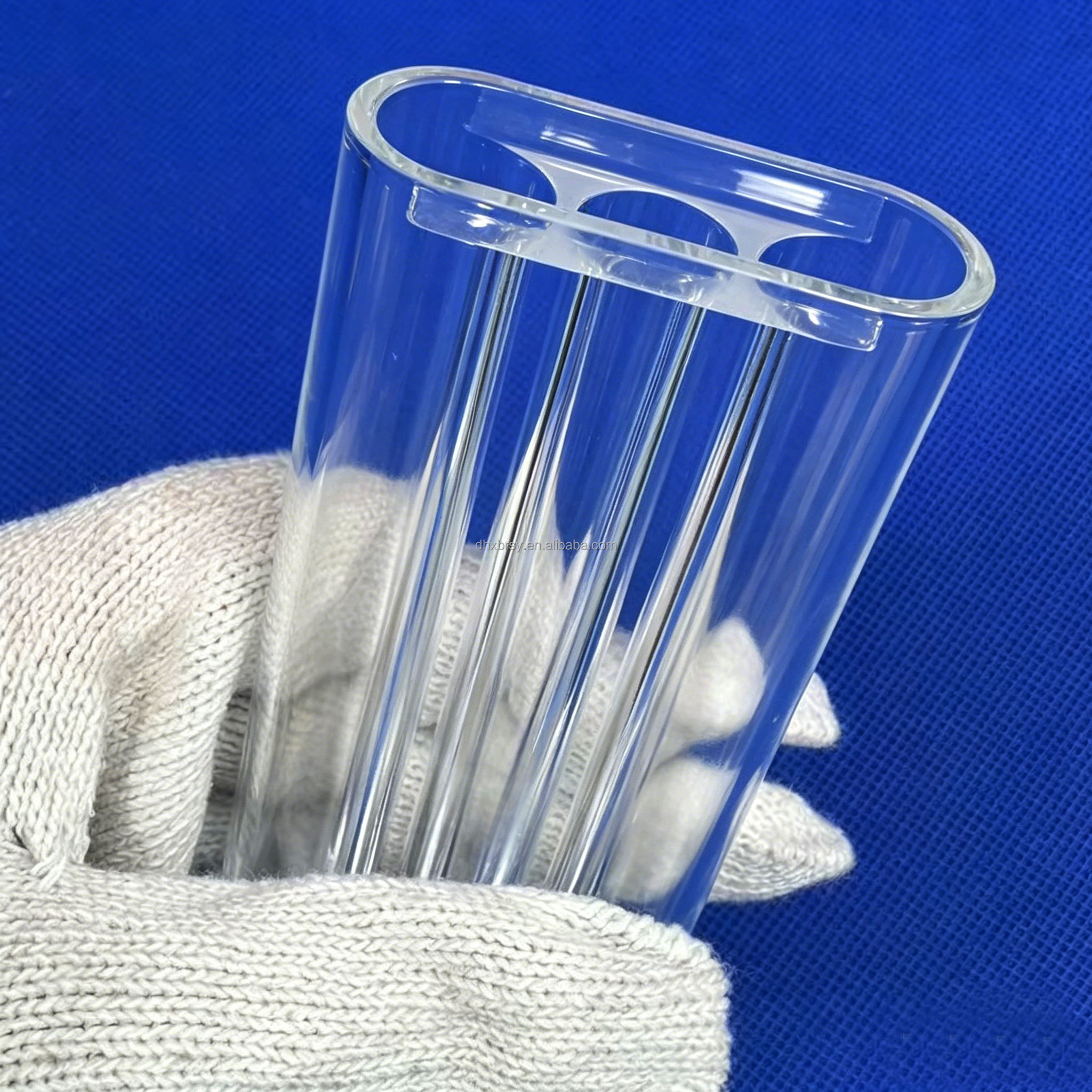
Västerås stands as Sweden’s undisputed capital of high-voltage transmission, industrial automation, and power grids. The technical demand for synthetic and fused silica plates in this region extends far beyond baseline laboratory uses.
Within high-capacity transmission equipment and converter substations, our optical-grade fused silica plates serve as non-conductive, dielectric observation windows and arc-resistant blast barriers. With an exceptional dielectric strength (>25 kV/mm) and zero metallic leaching, these plates endure extreme ionization discharges without electrical breakdown or thermal degradation.
As the Nordic hub for automated assembly and heavy robotics, Västerås equipment manufacturers require debris protection windows for precision laser welding heads, fiber-optic sensors, and optical sorting systems. Our double-side polished JGS1 windows deliver >90% transmission across deep-UV to near-infrared spectra, preventing optical distortion while protecting expensive cameras from spatters up to 1300°C.
The aggressive expansion of lithium-ion battery cell development and cathode processing in Mälardalen relies heavily on calcination and chemical vapor processes. Our custom-machined fused quartz sintering plates and furnace carrier substrates exhibit near-zero thermal expansion (5.5×10⁻⁷/°C), preventing thermal shock fracturing during rapid furnace loading cycles.
Västerås operates some of Europe’s most progressive waste-to-energy and biomass co-generation facilities. Fused silica sight glasses provide long-term chemical inertness against concentrated sulfurous flue gases and corrosive steam, outperforming standard borosilicate sight glasses that cloud or degrade under continuous acid contact above 300°C.
Precision prototyping conducted within university cleanrooms and private tech incubators demands high-purity microfluidic glass chips, lithography masks, and plasma etching observation discs. Our synthetic fused silica blanks ensure low auto-fluorescence and atomic-level flatness required for state-of-the-art academic and private R&D initiatives.
Heavy machinery and specialty alloy plants across Västmanland utilize high-power kilowatt fiber lasers for cutting sheet steel. Our laser-grade fused silica protective debris plates possess virtually zero bulk absorption at 1064 nm and 1070 nm wavelengths, eliminating thermal lensing phenomena and maintaining laser focus consistency.
Procuring fused silica plates for Nordic operating environments requires meticulous matching of trace impurity profiles, OH- content, and transmission thresholds. Using incorrect grades leads to catastrophic solarization under UV exposure or thermal rupture under uneven convective cooling.
| Quartz Grade | Manufacturing Route | Transmission Bandwidth | Hydroxyl (OH⁻) Level | Ideal Application in Västerås |
|---|---|---|---|---|
| JGS1 (Synthetic Fused Silica) | Chemical vapor deposition using high-purity silicon tetrachloride (SiCl4) | 185 nm – 2500 nm (Deep UV to NIR) | Typically < 5 ppm to 30 ppm (Dry) | Excimer lasers, semiconductor lithography, UV disinfection systems, optical sensor masks. |
| JGS2 (Fused Quartz) | Oxyhydrogen flame fusion of purified natural quartz crystal sand | 220 nm – 2500 nm (UV to NIR) | Typically 150 ppm to 200 ppm | High-temperature viewports, furnace sight glasses, high-voltage observation covers. |
| JGS3 (Infrared Fused Quartz) | Electric vacuum furnace fusion of raw crystal feedstock | 260 nm – 3500 nm (Extended Infrared) | Ultra-dry (< 5 ppm) | Pyrometric monitoring windows, thermal imaging lens plates, high-efficiency IR heat systems. |
| Opaque Fused Silica | Sintered high-purity silica micro-bubbles | Diffuse / High IR Reflectance | Variable | Thermal insulation baffles, structural flanges for high-temp vacuum furnaces. |
Need specific polarization stress profiles, chamfered edge geometry, or ultrasonic micro-drilling for sensor feeds?
Analyzing key industrial transformations driving the demand for high-spec fused silica components across east-central Sweden.
As Sweden aims for net-zero carbon output, Västerås continues to expand its position as the nerve center for continental HVDC (High Voltage Direct Current) converters and smart-grid infrastructure. Switchgear operating at several hundred kilovolts demands high-performance dielectric barriers that maintain mechanical strength without outgassing under thermal load. Fused silica's exceptional resistivity of 10¹⁸ Ω·cm at 20°C makes it the premier material choice for mission-critical sensor isolators.
Simultaneously, the demand for precision thermal inspection has surged. Power engineers require robust sight glass panels capable of facilitating uninterrupted infrared thermography inspections, eliminating the need to shut down transformers or convertor blocks during scheduled maintenance rounds.
Combining complete raw-material control with advanced CNC processing to deliver zero-defect silica glass solutions directly from our SGS-audited production center.
We do not procure questionable open-market quartz ingots. From initial raw lump sizing, mechanical crushing, and acid pickling to 99.99% purity extraction, every production milestone is conducted in-house at our Lianyungang hub.
Thermal rupture is almost universally caused by unreleased internal strain. Our components undergo precise 1200°C soak schedules followed by gradual controlled descent, inspected 100% on automated polarization stress meters.
Our production facilities, workforce competencies, and precision measuring systems have undergone stringent on-site inspection by the SGS Group. Full RoHS, CE compliance, and spectral transmission reports accompany your consignment.
Precision-machined optical plates and wafer boats travel through customized vacuum cushioning, anti-static moisture wraps, and heavy export-grade plywood crates, ensuring safe transit directly to your door in Västerås.
Addressing fundamental engineering, compliance, logistics, and material selection parameters for local Scandinavian buyers.
Connect directly with our senior quartz engineering team. Send your operating parameters, dimensional tolerances, or CAD files for prompt design review and quotation.