High-Precision Fused Silica Substrates & Fabricated Quartz Assemblies
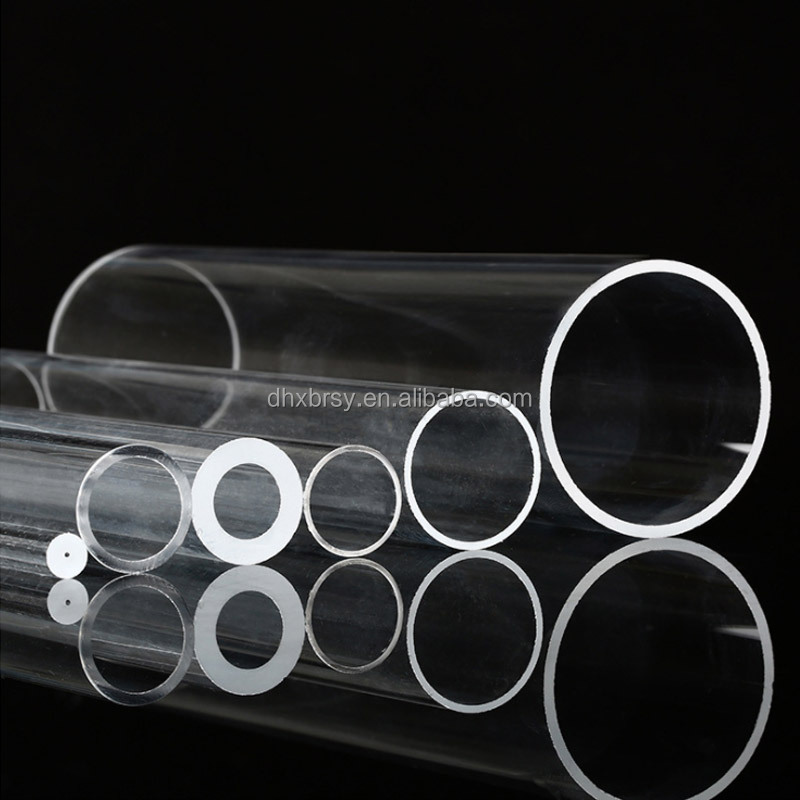
Explore our SGS-verified fused quartz tubes, high-transmittance optical plates, wafer processing carriers, and CNC precision-machined elements engineered for demanding thermal, chemical, and photochemical systems.
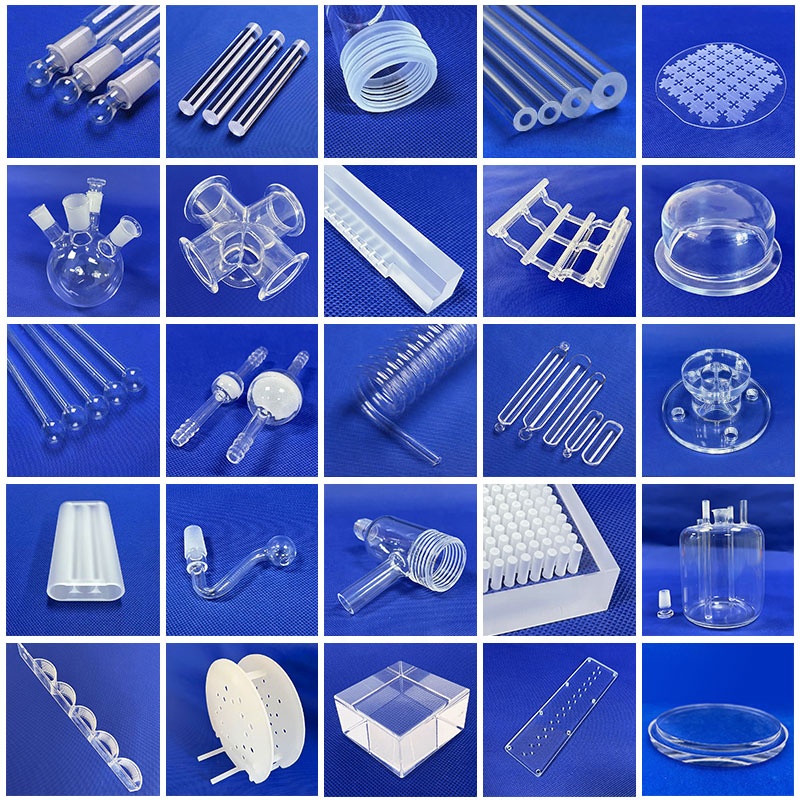
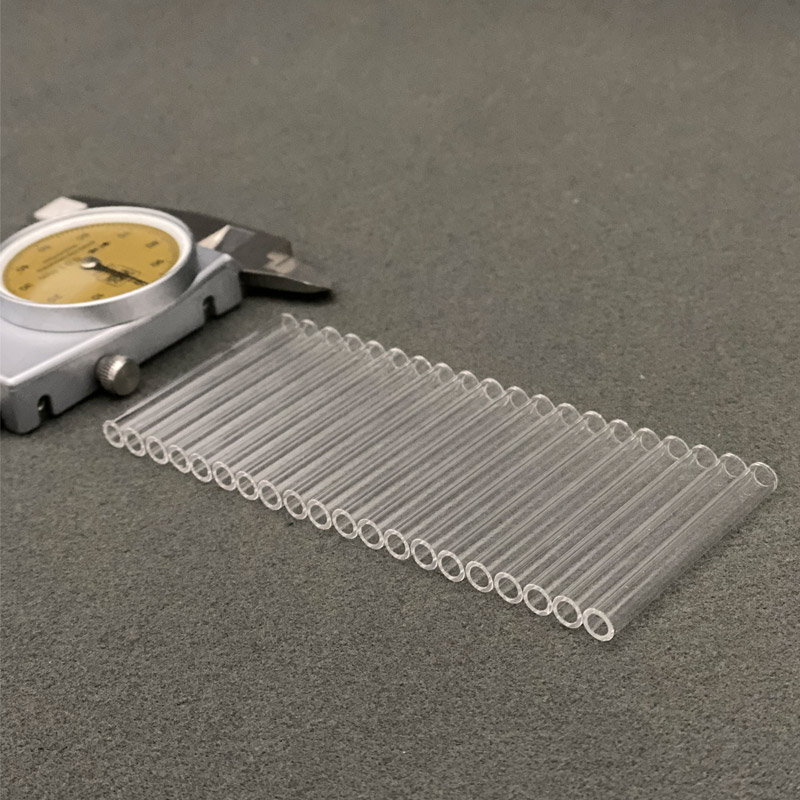
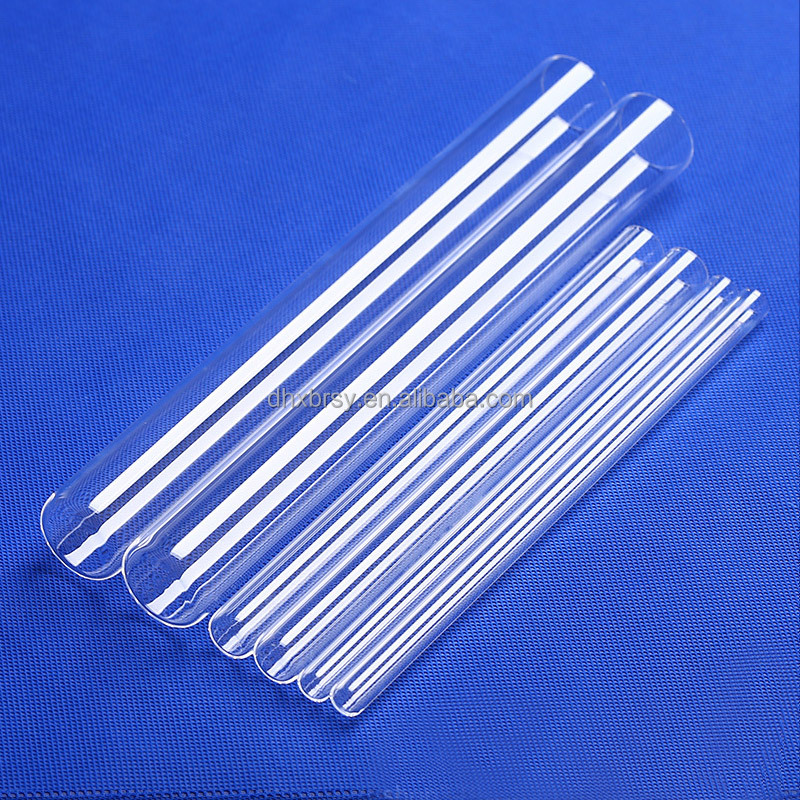
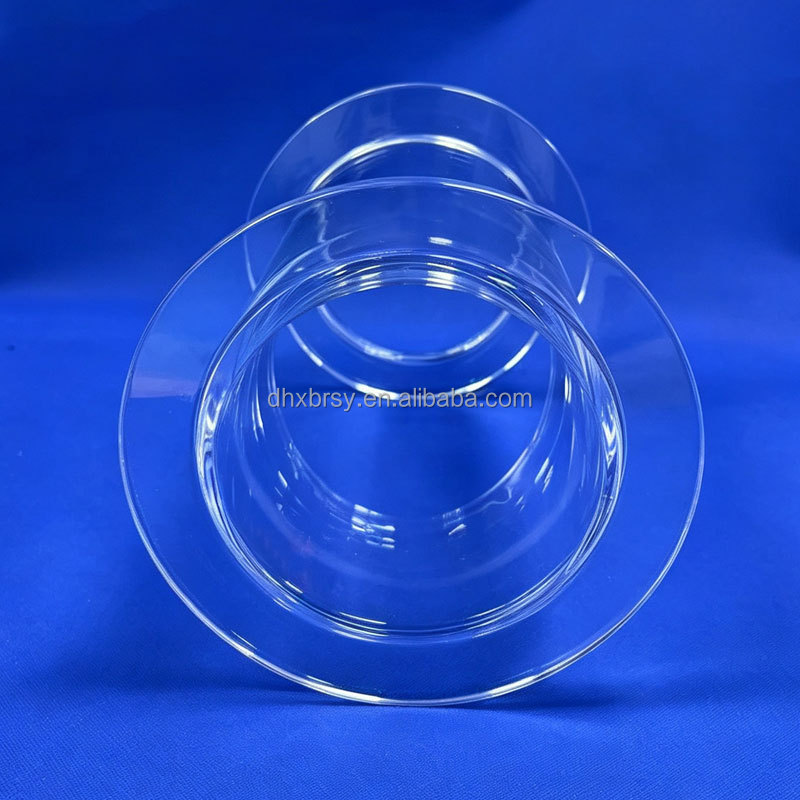
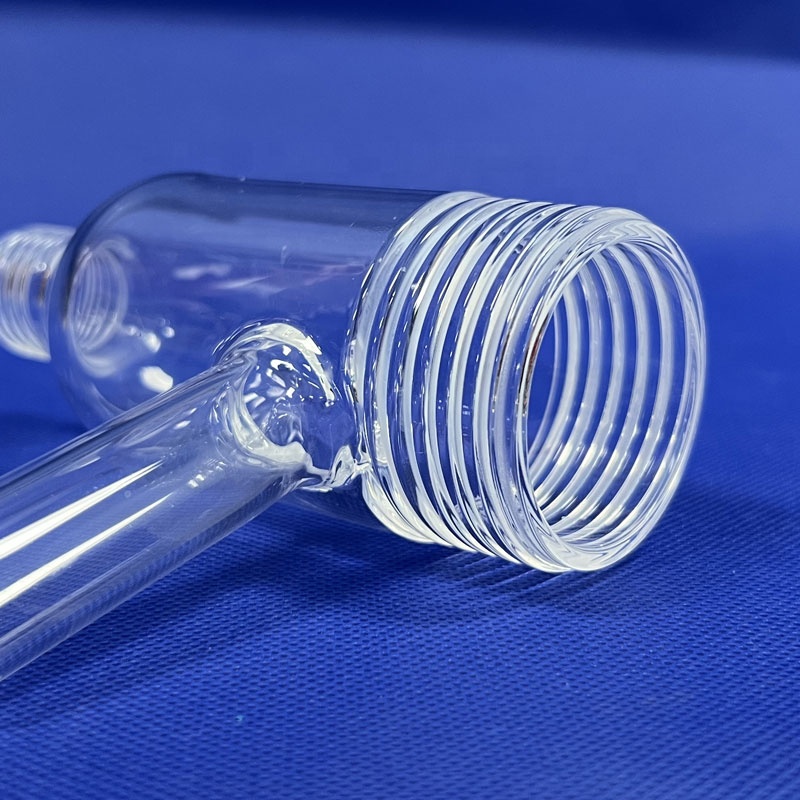
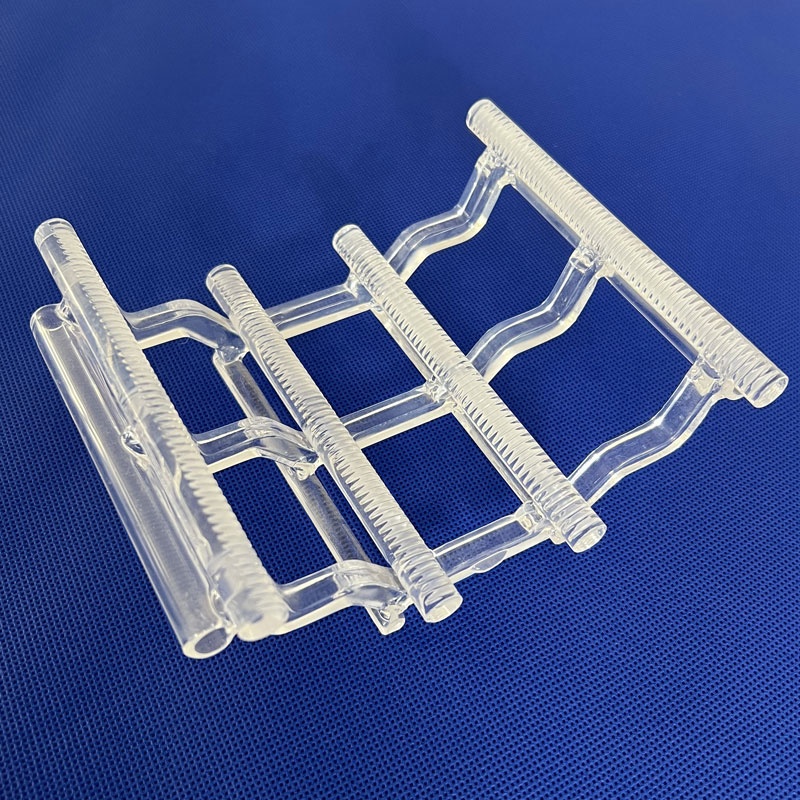
916 One End Closed High Pressure Resistant Quartz Glass
Engineering Authority: JGS1 Synthetic Fused Silica Optical Windows in Coastal Environments
In high-precision optical, analytical, and photochemical systems, optical window selection dictates overall equipment throughput, signal-to-noise ratio, and operational lifetime. JGS1 (Synthetic Fused Silica) represents the pinnacle of transparent amorphous silicon dioxide technology. Synthesized through the chemical vapor deposition (CVD) of high-purity silicon tetrachloride (SiCl₄) in an oxygen-hydrogen flame, JGS1 exhibits virtually zero metallic impurities (trace elements < 0.1 ppm total) and avoids the typical infrared-absorbing hydroxyl and metallic absorption bands found in naturally sourced quartz.
For industrial operators, analytical facilities, and engineering contractors situated in Montego Bay, St. James, and across Jamaica, sourcing JGS1 optical windows requires balancing optical purity with severe environmental realities. Coastal marine environments impose aggressive atmospheric challenges: constant airborne marine aerosols containing sodium chloride (NaCl) and magnesium chloride (MgCl₂), ambient relative humidity regularly surpassing 85%, and high ultraviolet insolation. Commercial-grade glass and standard borosilicate optics rapidly undergo solarization (photodarkening), micro-pitting, and surface leaching under intense UV irradiation combined with saline moisture. Lovri Quartz delivers precision-manufactured JGS1 UV Quartz Windows specifically engineered to overcome these environmental degrade vectors while maintaining exceptional transmission down to 185 nm.
Technical Distinction: Unlike natural electrically fused quartz (JGS3) or flame-fused quartz (JGS2), synthetic JGS1 quartz completely eliminates absorption troughs in the ultraviolet-C band (200–280 nm) and exhibits exceptional solarization resistance. When exposed to continuous excimer laser radiation or germicidal UV-C emitters (253.7 nm), JGS1 retains > 90% internal transmittance without developing optical color centers (E' centers).
Optical Classification & Physical Benchmark Comparison
Procurement teams must carefully differentiate between quartz glass grades to prevent premature system failure and unnecessary expenditure. Below is the empirical comparison governing international optical quartz manufacturing standards:
| Optical Quartz Grade | Effective Transmission Range | Dominant Manufacturing Method | Typical OH⁻ Hydroxyl Content | Primary Industrial Applications |
|---|---|---|---|---|
| JGS1 (UV Grade Synthetic) | 185 nm – 2,500 nm | Synthetic SiCl₄ Flame Hydrolysis (CVD) | < 5 ppm to 30 ppm (Controlled) | Deep-UV optics, excimer laser viewports, photolithography, UV-C sterilizers |
| JGS2 (Optical Grade Natural) | 220 nm – 2,500 nm | High-purity natural silica flame fusion | 150 ppm – 300 ppm | UV lamps, sight glasses, solar simulation, mid-UV analytical windows |
| JGS3 (Infrared Grade Natural) | 260 nm – 3,500 nm | Vacuum electric furnace fusion | < 5 ppm (Water-free IR grade) | Thermal imaging, CO₂ laser optics, high-temp observation viewports |
Thermomechanical Resilience Under Coastal Jamaican Working Conditions
A critical engineering attribute of Lovri Quartz JGS1 windows is an extraordinarily low coefficient of thermal expansion (CTE) of approximately 5.5 × 10⁻⁷ /°C from 20°C to 320°C. This enables optical viewports to tolerate instantaneous thermal shocks exceeding 1000°C without mechanical rupture. In industrial water purification or ozone generation plants along the north coast of Jamaica, sudden tropical squalls, power interruptions, or rapid cycle shut-offs create extreme temperature differentials across window flanges. While ordinary glass fractures under thermal gradients of 50°C to 80°C, JGS1 fused silica remains structurally stable, preserving vacuum integrity and preventing costly fluid leakage.
Localized Industrial & Municipal Applications in Montego Bay and Greater Jamaica
Montego Bay is not only Jamaica’s premier tourism capital; it is the economic hub of the western parishes and a critical free-zone logistics node. Rapid modernization of infrastructure, advanced municipal water facilities, expanded medical diagnostics, and luxury hospitality operations have accelerated the demand for high-reliability quartz optics. Below are the key engineering contexts where our JGS1 quartz windows deliver verified performance:
Resort & Municipal Desalination
Large-scale reverse osmosis (RO) desalination plants and high-volume wastewater reclamation facilities across Montego Bay, Rose Hall, and Negril employ high-output medium-pressure UV disinfection reactors. JGS1 quartz windows serve as critical optical monitoring windows and lamp isolation barriers, ensuring 92%+ UV-C transmission at 254 nm while resisting heavy mineral fouling and scaling.
Biomedical Labs & Hospital Diagnostics
Regional healthcare networks, including medical centers supporting the Cornwall Regional Hospital health corridor, utilize UV spectrophotometers, HPLC detectors, and microfluidic blood analysis equipment. JGS1 windows and flow cells provide absolute chemical inertness, high refractive index homogeneity, and negligible background fluorescence for precise diagnostic accuracy.
Solar Monitoring & Port Sensors
The transition toward renewable microgrids and solar PV farms in St. James requires precision pyranometers and UV radiometers. Marine telemetry and environmental monitoring systems in Montego Bay Marine Park rely on JGS1 windows to protect sensitive optoelectronic sensors against corrosive salt mist, abrasive coral sand, and solar degradation.
Food & Spirits Distillation Sanitation
Jamaica's world-renowned rum distilleries and food processing operations rely on ozone generators and UV photo-oxidation to sanitize process water, tanks, and bottling lines. Lovri JGS1 optical sight glasses and quartz reaction chambers endure continuous ozone (O₃) oxidation and caustic CIP (Clean-in-Place) washdowns without surface haze formation.
Aesthetic & Dermatological Lasers
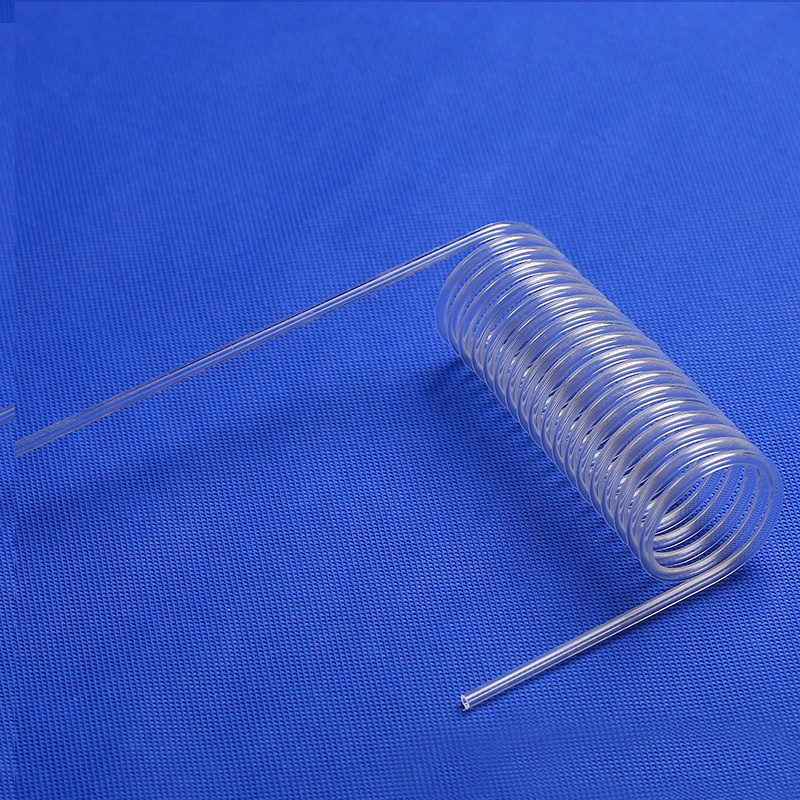
High-end wellness clinics and medical spas in Montego Bay utilize Nd:YAG, Alexandrite, and intense pulsed light (IPL) systems. Lovri manufactures custom JGS1 light guides, optical windows, and spiral flashlamp sleeves that ensure low optical loss, minimal thermal lensing, and zero laser-induced damage during clinical dermatological procedures.
Sangster Airport Air Handling UV-C
High-traffic international air transit hubs, such as Sangster International Airport (MBJ), incorporate in-duct germicidal ultraviolet (UVGI) arrays. Quartz observation ports enable HVAC engineering crews to inspect emitter status and radiant flux safely without direct exposure to hazardous UV-C wavelengths.
Regional Trends: Jamaica’s Sustainable Development & The Shift to Advanced Optical Infrastructure
Under the framework of Jamaica's National Development Plan (Vision 2030), the western parishes are executing strategic modernization agendas focused on water security, environmental protection, and medical tourism expansion. These macro-level initiatives directly drive localized technical procurement requirements for high-durability optical quartz:
1. Elimination of Chemical Biocides in Fragile Marine Ecosystems: Montego Bay's coastal reefs and Marine Protected Areas (MPAs) are vulnerable to chlorine and chemical sanitizer discharge. Regional resort conglomerates and municipal utilities are actively retrofitting effluent systems with advanced ultraviolet photo-catalytic oxidation. This environmental shift mandates robust JGS1 quartz sleeves and reactor windows capable of continuous high-power UV-C radiation without solarizing, reducing replacement frequencies and eliminating chemical toxicant runoff into Montego Bay's barrier reefs.
2. Expansion of Western Jamaica's Medical and Diagnostic Hub: With ongoing public and private investments upgrading medical facilities and private clinics along the north coast corridor, regional laboratories require certified replacement optical components. Having direct manufacturer access to high-purity JGS1 windows, cuvettes, and capillary flow assemblies minimizes diagnostic downtime and guarantees compliance with international clinical quality standards.
3. Resilience Engineering Against Tropical Maritime Salinity: Caribbean engineering teams have historically suffered premature maintenance cycles when utilizing standard optical glasses. Sodium ion diffusion and alkaline surface clouding necessitate frequent viewport replacements. By adopting JGS1 synthetic silica—which is chemically impervious to saline atmosphere, sulfur compounds, and ambient acid vapors—local plant operators achieve a tenfold extension in maintenance intervals, drastically reducing lifecycle operational expenditures.
Manufacturer Profile: Lovri Quartz Products Co., Ltd. Enterprise Advantages
Sourcing precision fused quartz components from thousands of miles away requires unwavering trust in technical specifications, raw material integrity, and export logistics. Lovri Quartz Products Co., Ltd., based in Lianyungang, China—the global epicenter of high-purity silica processing—operates as an SGS-verified custom manufacturer providing complete vertical supply chain governance:
Full Vertical Material Control
Unlike secondary cutting workshops, Lovri controls raw material sizing, mechanical pulverizing, high-temperature roasting, and hydrofluoric/nitric acid pickling. We refine raw silica to 99.99% SiO₂ in-house, ensuring complete purity before optical drawing and annealing.
Multi-Axis CNC Optical Machining
Our facility houses 5-axis CNC ultrasonic machining centers, continuous double-sided lapping systems, and precision cylindrical grinding lathes. We routinely achieve dimensional tolerances of ±0.02 mm, surface flatness of λ/4 to λ/10, and scratch-dig specifications of 20/10.
Polarization Stress & Purity Verification
Internal stress birefringence is the primary failure mode in high-temperature and pressurized quartz windows. 100% of our optical production batches undergo computer-aided polariscope inspection post-annealing (1215°C) to guarantee zero residual structural tension.
SGS Assessed & RoHS/CE Compliance
Our 14,271 m² production facility has undergone stringent on-site inspection and verification by the SGS Group. All optical and industrial glass products are certified fully compliant with European Union RoHS environmental standards and CE safety requirements.
Zero-Breakage Caribbean Export Packaging
Shipping precision optics across ocean routes requires specialized crating. Every Lovri quartz window is wrapped in anti-static dust-free film, sealed with optical moisture desiccant, nested in custom high-density EVA foam chambers, and crated in fumigated reinforced plywood cases.
Low MOQ Prototyping for Local Engineers
We believe engineering innovation should never be hindered by massive volume thresholds. We support Montego Bay university researchers, custom equipment builders, and facility maintenance teams with low Minimum Order Quantities (from 1 to 5 pieces) on bespoke drawings.
Montego Bay Procurement & Technical FAQ
Procuring specialized optical glass in the Caribbean involves unique logistics, customs, and technical validation questions. Here are clear answers provided directly by our optical manufacturing engineering team:
How are quartz optics shipped to Montego Bay safely?
We offer reliable air-express logistics (DHL, FedEx, UPS) directly to Sangster International Airport (MBJ) or door-to-door in Montego Bay with transit times typically ranging between 4 to 7 business days. For consolidated containerized freight or larger equipment orders, sea cargo is routed through the Port of Montego Bay (Montego Bay Freeport) or via Kingston Container Terminal with full customs documentation, HS coding, and insurance coverage.
What is the international HS Code for customs import clearance?
Standard optical quartz windows, polished fused silica plates, and quartz tubes generally clear Jamaican Customs Agency (JCA) under HS Code 7002.31.00 (Tubes of fused quartz or other fused silica) or HS Code 7006.00.00 / 9001.90 (Glass optical elements, unmounted, of fused quartz/silica). We furnish complete commercial invoices, packing lists, and Certificates of Origin (CO) to ensure frictionless customs release.
Can Lovri fabricate custom dimensions from engineering drawings?
Yes. Our engineering department works directly from customer CAD drawings supplied in PDF, DWG, DXF, or 3D STEP formats. We fabricate custom circular sight windows, rectangular viewports, drilled optical plates with mounting holes, stepped flanges, and polished bevels tailored to your exact enclosure requirements.
How does JGS1 tolerate direct sea-spray and high humidity?
Synthetic fused silica is chemically inert to water, marine salt aerosols, and ambient atmospheric humidity. While sodalime and borosilicate glasses leach sodium ions when exposed to continuous moisture and develop an irreversible cloudy alkali film, JGS1 maintains chemical stability (Hydrolytic Resistance Class 1, Acid Class 1) indefinitely without loss of optical transparency.
What is the difference between optical polish and commercial polish?
Commercial fire-polish or standard machine buffing retains microscopic wave patterns and sub-surface micro-fractures, which scatter light and induce catastrophic laser damage under high radiant flux. Optical polish entails chemical-mechanical polishing (CMP) to achieve surface roughness Ra < 0.5 nm, laser-grade scratch-dig of 40/20 or 20/10, and wavefront distortion below λ/4, ensuring pristine beam transmission.
What inspection documentation is provided with shipments?
Every shipment is accompanied by a Certificate of Conformance (CoC), spectral transmission curves measured by spectrophotometer (covering 185 nm to 1100 nm), polarization stress birefringence verification reports, and precision dimensional inspection sheets.
Accelerate Your Project with Certified High-Purity Quartz Optics
Whether you require standard optical JGS1 sight windows for water desalination in Montego Bay, customized quartz reaction vessels for laboratory research, or high-temperature CVD furnace tubes, Lovri Quartz delivers verified Chinese source-factory manufacturing directly to Jamaica.