LAB APPARATUS
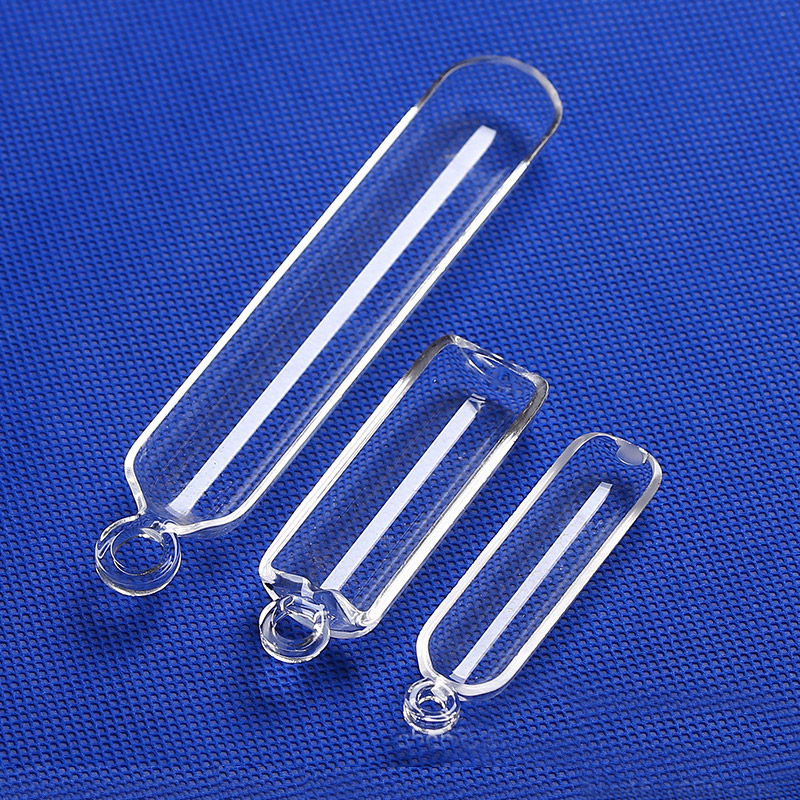
Procurement engineers and plant maintenance directors across the Holguín industrial basin operate in a rigorous metallurgical and high-temperature manufacturing context. Milky quartz glass tubes (also recognized as opaque or translucent fused silica tubes) provide a singular thermodynamic advantage: high diffuse infrared scattering combined with nearly non-existent coefficient of thermal expansion (α ≈ 5.5 × 10⁻⁷ / °C). Lovri Quartz Products Co., Ltd. delivers SGS-verified, 99.98% to 99.99% SiO2 purity opaque and translucent quartz tubes engineered to withstand thermal cycling up to 1200°C, severe acid leaching vapor phases, and extensive mechanical resistance challenges.
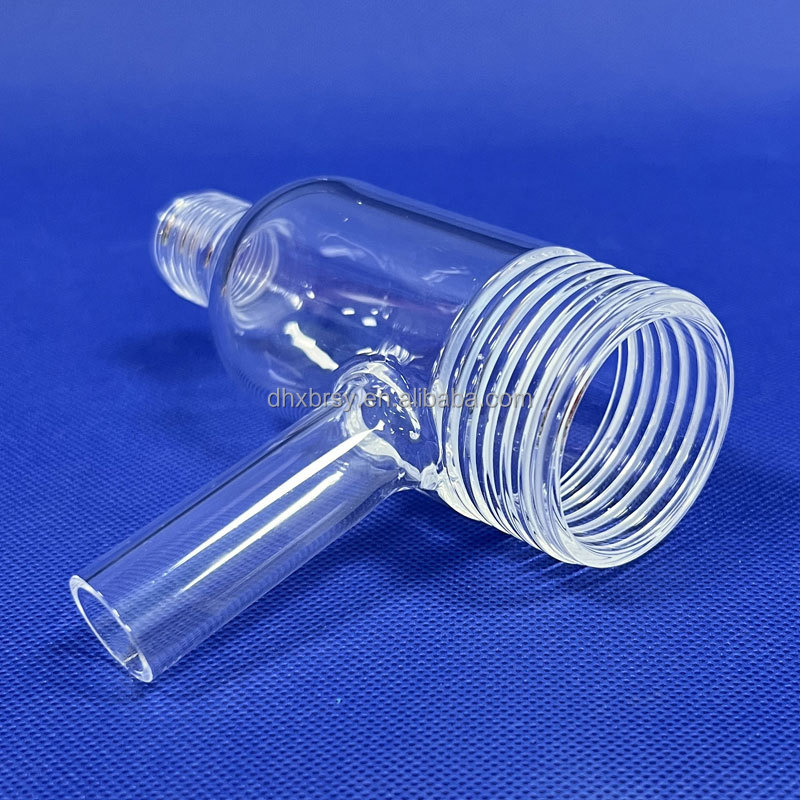
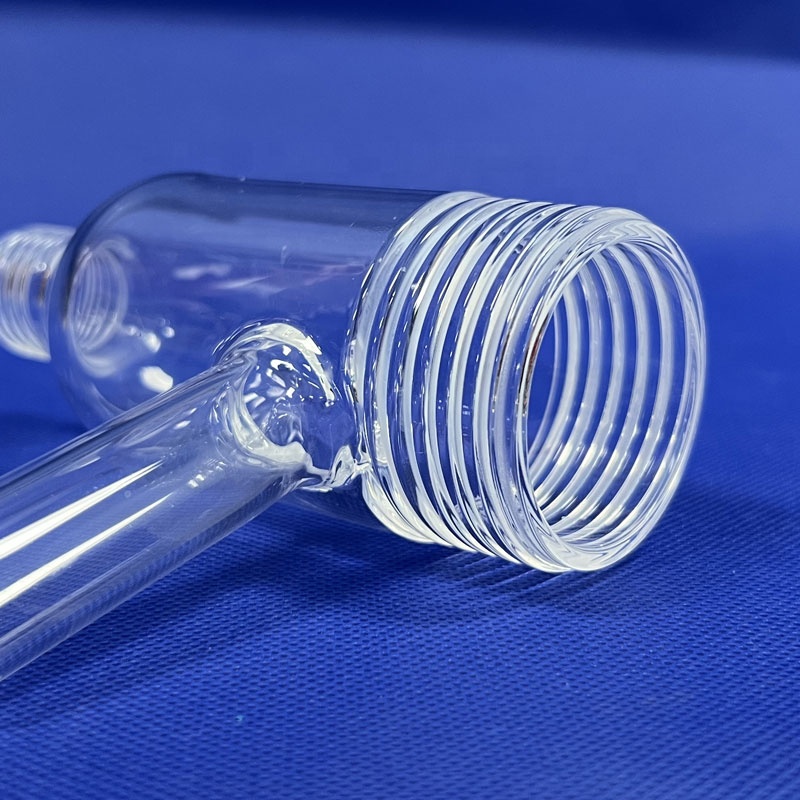
Select from our certified range of opaque, clear, and specialized structural fused quartz apparatus custom-fabricated to customer engineering drawings.
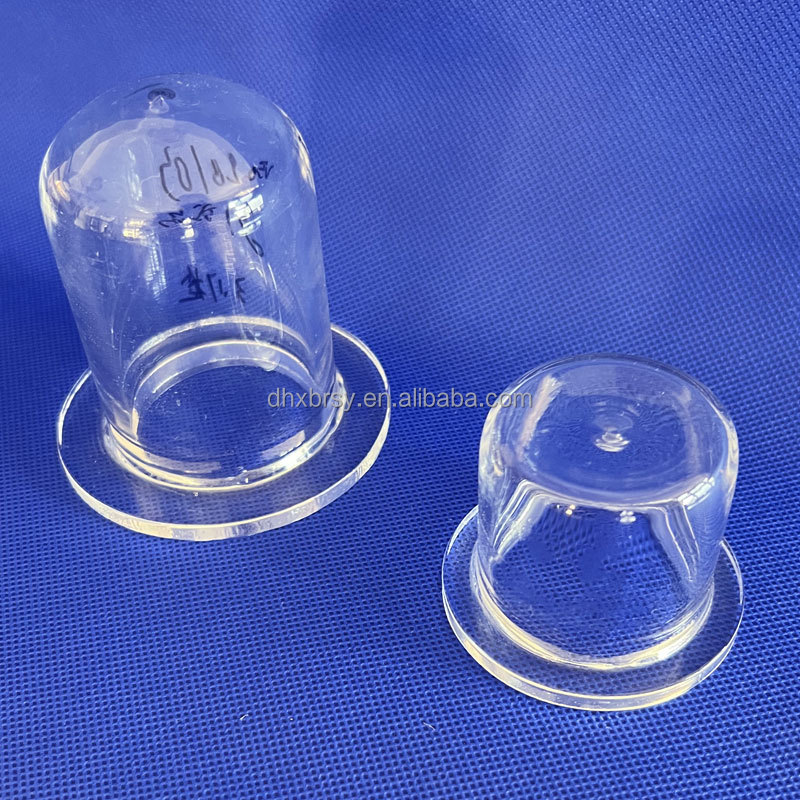
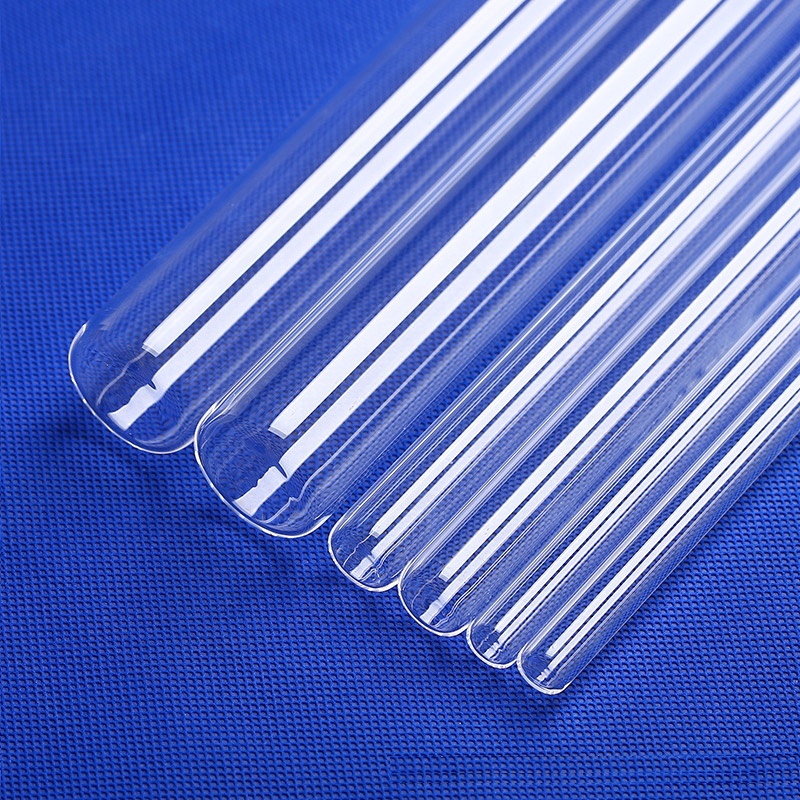
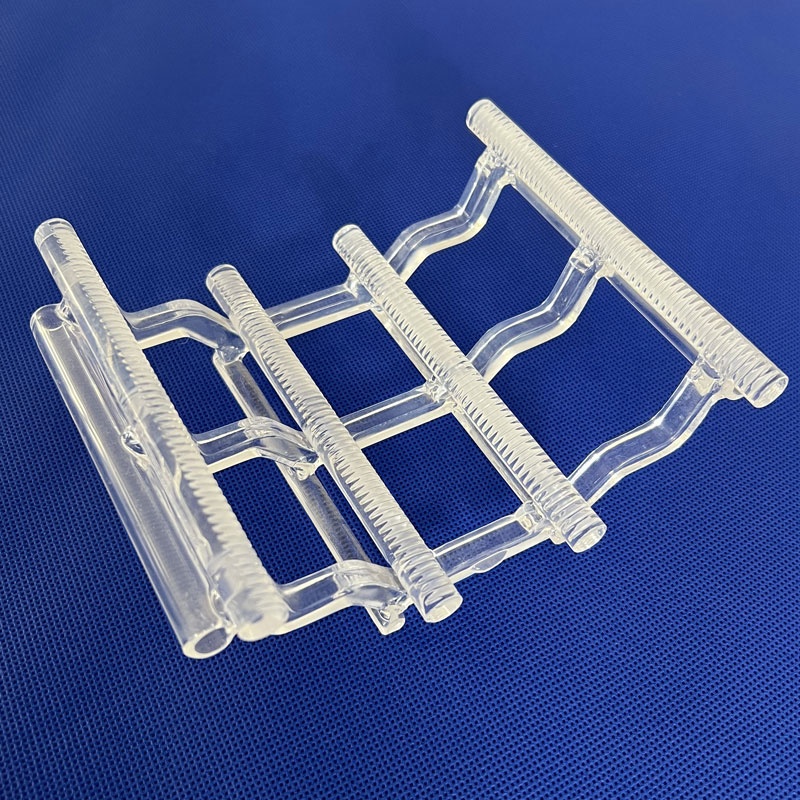
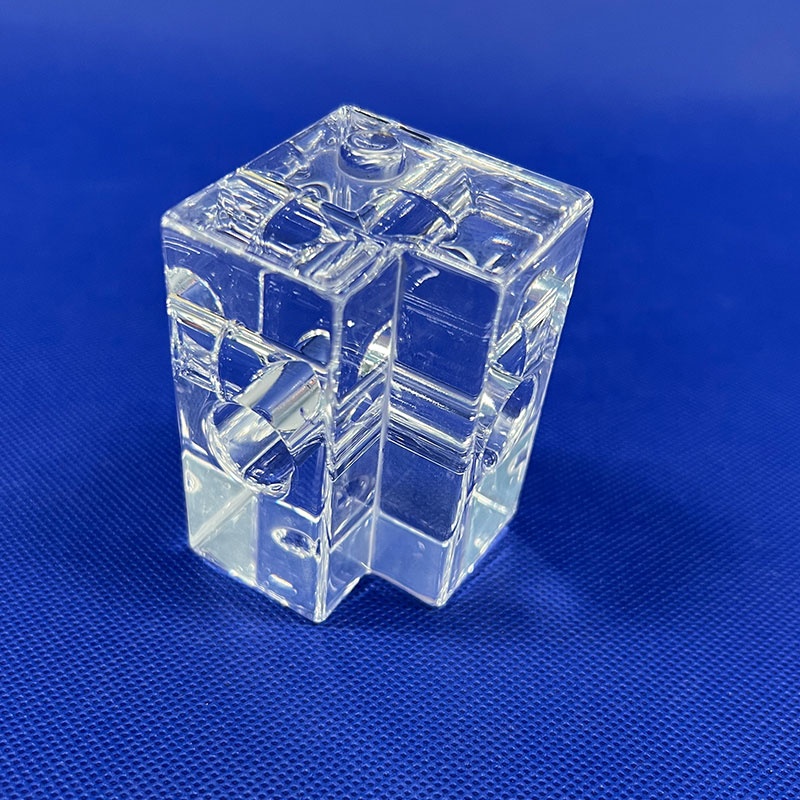
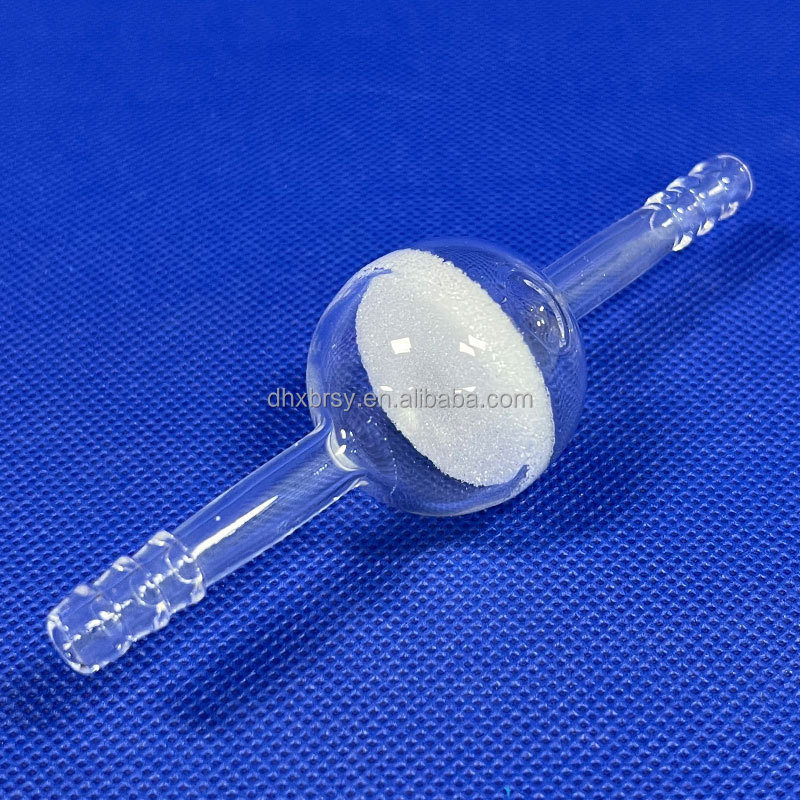
Why structural micro-porosity and controlled gaseous bubble dispersion make milky white fused silica superior for infrared heating and refractory insulation.
Unlike transparent quartz which allows clear direct transmission of electromagnetic radiation across the 0.2 to 2.5 µm spectrum, milky quartz contains hundreds of thousands of microscopic enclosed bubbles per cubic millimeter. These internal air pockets diffuse infrared rays evenly, converting direct radiant energy into homogenous, highly efficient planar thermal radiation while minimizing hotspot degeneration.
With an extraordinarily low thermal expansion coefficient of approximately 5.5 × 10⁻⁷ / °C, milky quartz tubes can easily survive immediate quenching from 1100°C into cold water without structural shattering. This critical thermodynamic tolerance makes them irreplaceable in smelting exhaust observation, thermocouple protection, and industrial furnace sight housings.
Composed of ultra-pure amorphous silicon dioxide (≥ 99.98% SiO2), our milky quartz remains chemically inactive against nearly all acids, including concentrated sulfuric, hydrochloric, and nitric acids at elevated temperatures. Only hydrofluoric acid (HF) and concentrated phosphoric acid at sustained temperatures exceeding 150°C cause surface dissolution.
| Characteristic / Parameter | Milky / Opaque Fused Quartz Tube | Clear Fused Silica Tube (JGS2/JGS1) | Borosilicate 3.3 Glass |
|---|---|---|---|
| SiO₂ Purity Ratio | ≥ 99.98% | ≥ 99.99% | ≈ 81.0% (with B₂O₃, Na₂O) |
| Continuous Working Temperature | 1050 °C to 1100 °C | 1100 °C to 1150 °C | ≤ 450 °C |
| Short-Term Strain Temperature | 1250 °C | 1300 °C | 500 °C |
| Thermal Expansion (20–300°C) | 5.4 × 10⁻⁷ K⁻¹ | 5.5 × 10⁻⁷ K⁻¹ | 33 × 10⁻⁷ K⁻¹ |
| Apparent Density | 2.06 – 2.18 g/cm³ | 2.20 g/cm³ | 2.23 g/cm³ |
| Optical Appearance | Milky-white, translucent, diffuse | Optical clear (>92% transmittance) | Transparent |
| Dielectric Strength (20°C, 1MHz) | 25 – 30 kV/mm | 25 – 40 kV/mm | ≈ 10 kV/mm |
Tailored engineering deliveries meeting the exact processing, geological, and climatic criteria of Holguín province and surrounding municipalities.
In the acid pressure leaching and calcination stages of the Moa mineral district, corrosive sulfuric gases and abrasive slurry vapors quickly erode conventional ceramic and metal thermocouple sheaths. Our custom-sealed milky quartz tubes function as durable pyrometry jackets, high-temperature furnace liners, and corrosion-resistant gas exhaust vents capable of surviving acidic thermal cycles.
Central sugar mills across Holguín depend on biomass boilers and high-pressure steam distillation. Milky quartz level gauge glasses and infrared heating spiral tubes provide safe, non-scaling optical visibility and robust electrical insulation in intense boiler control rooms, unaffected by sudden temperature swings or humidity changes.
Metallurgical testing centers and regional universities in Holguín rely on specialized fused silica digestion tubes, quartz boats, and side-arm reaction tubes for mineral assaying. Achieving purity levels of 99.98% SiO2 ensures zero heavy metal contamination during high-precision trace element spectroscopic evaluation.
The eastern industrial region of Cuba is rapidly modernizing thermal efficiency to counteract fuel cost pressures. Engineering teams are upgrading from outdated ceramic elements to milky quartz infrared heating sleeves. The high infrared reflectivity of opaque quartz channels focused heat straight into the target materials, saving between 15% and 25% in electrical power. Concurrently, mining operations are prioritizing localized supply chains with certified Asian manufacturers that provide seaworthy packaging, pre-shipment polarization testing certificates, and direct OEM customization from blueprints.
Holguín's coastal climate brings salt spray and elevated tropical humidity. When inferior quartz or high-alkali glass is stored in local warehouses, atmospheric moisture can trigger micro-scale devitrification and surface hazing. Lovri Quartz employs sealed barrier packaging with moisture-absorbing desiccants and custom foam padding inside reinforced export crates. This prevents both mechanical breakage during maritime transport to the Port of Antilla or Havana and surface deterioration during humid on-site storage.
Operating out of our 14,271 m² manufacturing facility in Lianyungang, China, Lovri Quartz controls the complete fused silica production cycle. We perform our own raw crystal crushing, pulverization, acid pickling, thermal drawing, lathe welding, and high-precision CNC machining in-house.
Every product batch is systematically heat-treated in computer-controlled annealing ovens at 1215°C to relieve internal thermal stresses, then verified on polariscopic stress inspection stations. Holguín procurement professionals receive direct-from-factory pricing, certified chemical compliance, and custom CAD-to-part production.
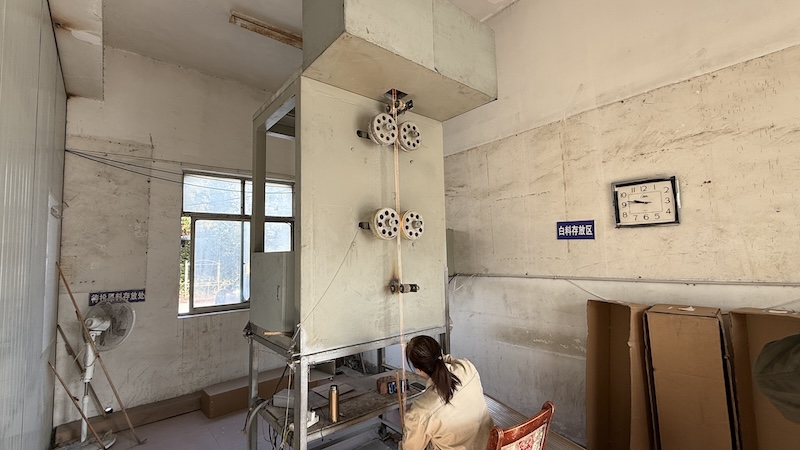
Answers to essential technical, logistics, and quality assurance questions when importing custom quartz tubes into Cuba.
Connect with our technical engineering desk to review dimensional tolerances, material certifications, and maritime logistics. Receive a comprehensive quotation within 24 hours.