Precision Fused Quartz Solutions Available for Bago
Direct supply from SGS-verified manufacturing workshops with full traceability, precision hot-working seals, and crack-free polarized stress certification.
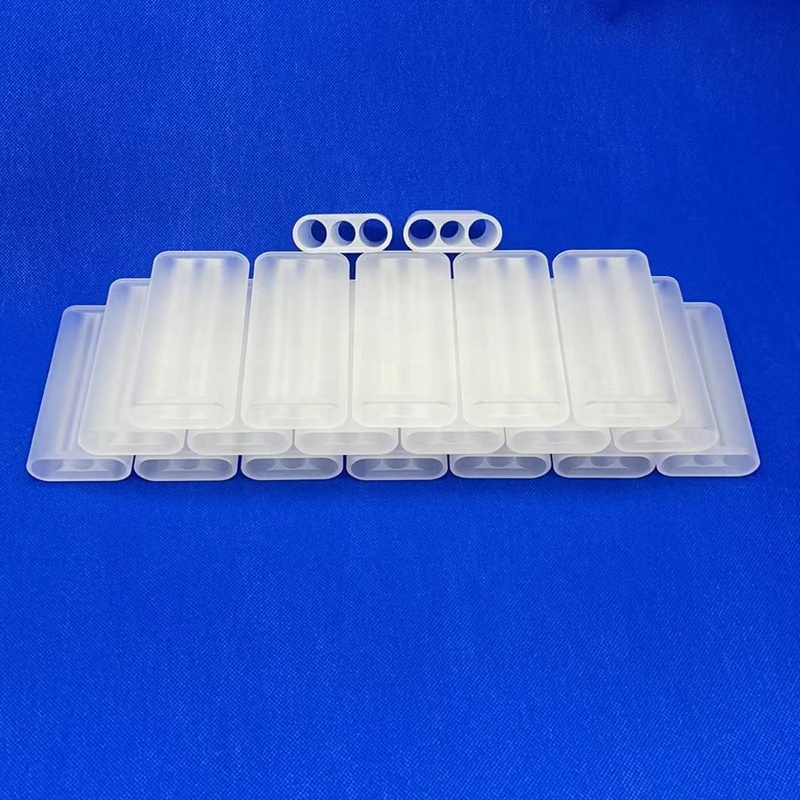
Quartz Triple Bore Flow Tubes Laser C Shape Fused Quartz Welding Bending Cutting Services 99.98% Silica Content ROHS Certified
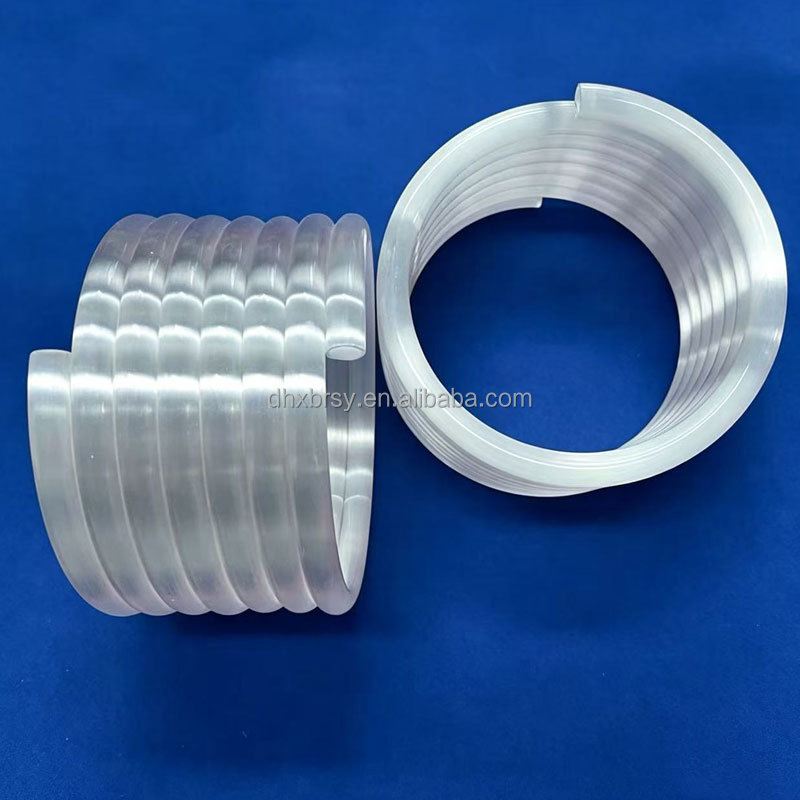
Custom Milky White Opaque Fused Silica Quartz Spiral Tube Helix Coil for Industrial Infrared Heating Furnace
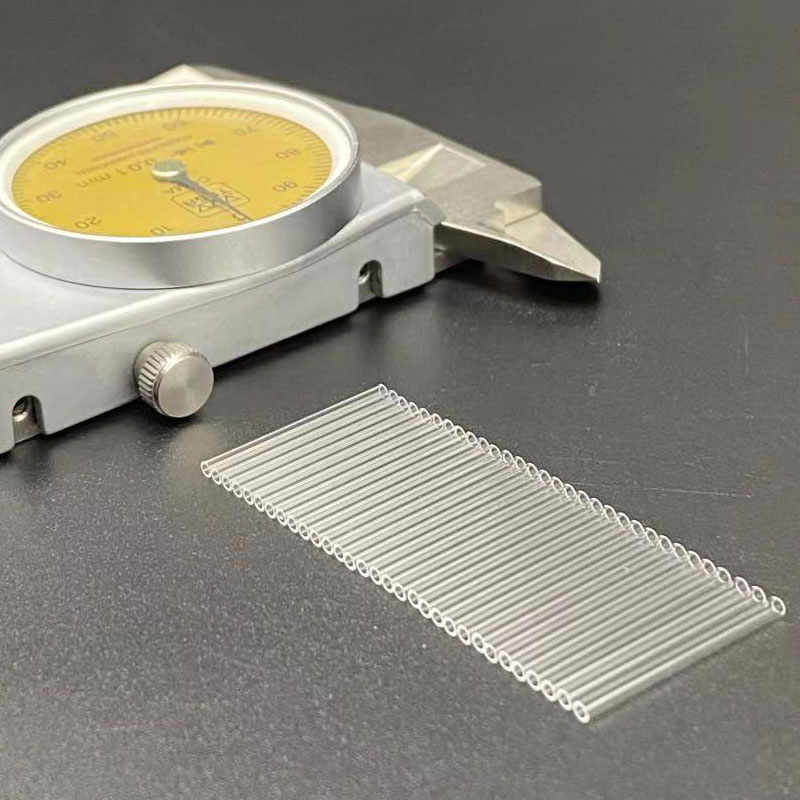
BAO RAN 419 Best Selling 0.1mm 0.2mm 0.3mm 0.4mm 0.5mm Quartz Sheet 99.99% Silica Content SiO2 ROHS Certified 200 Mesh for Laser
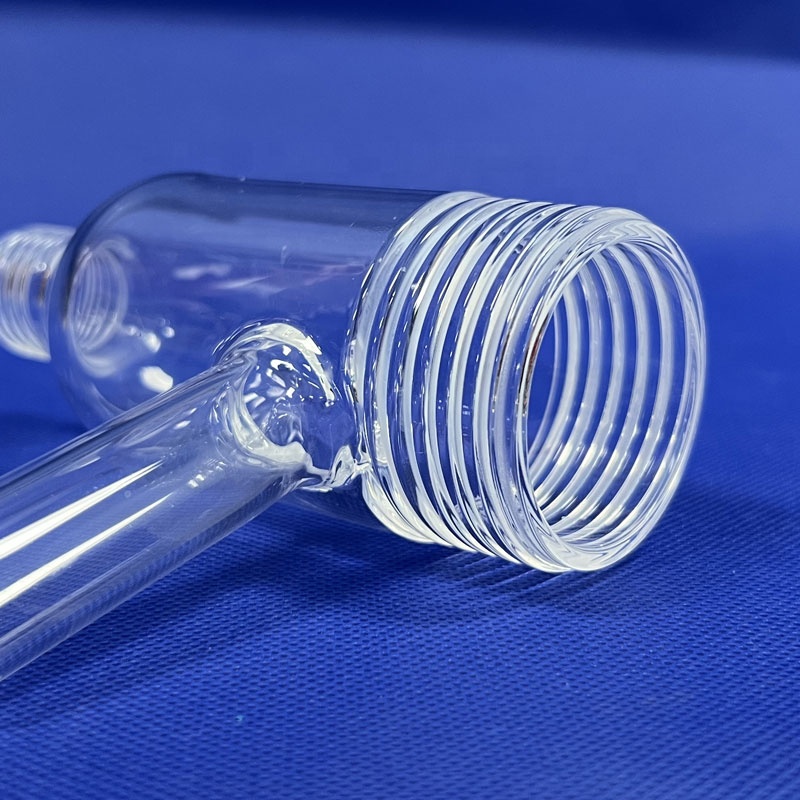
BAO RAN 515 Transparent High Purity 99.99% Fused Quartz SiO2 Glass Threaded Reaction Tube Side Arm Custom Lab Reaction Vessel
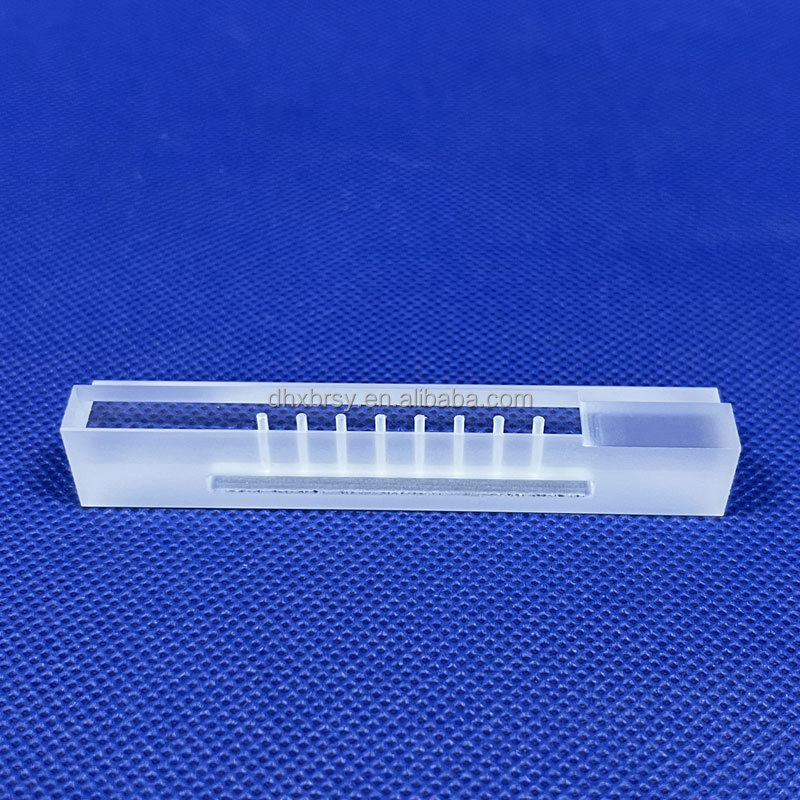
High Purity Fused Quartz V Groove Fixture Precision Machined Quartz Fiber Array Holder Optical Communication Laser 99.99% Silica
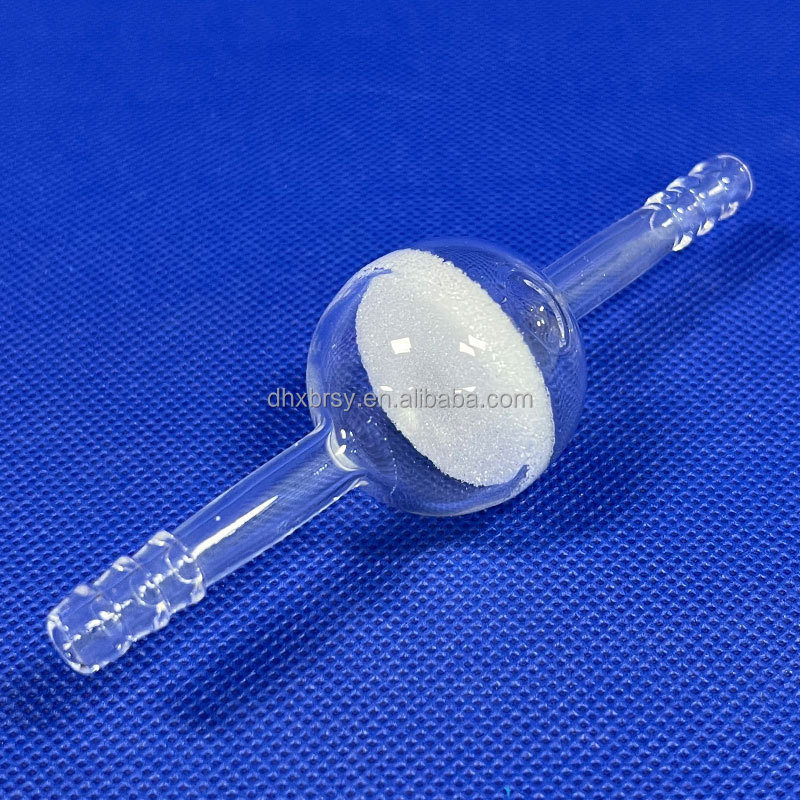
High Purity Transparent Fused Quartz Sheet High Light Transmittance Heat Resistance Customizable Digestion Tube ROHS Certified
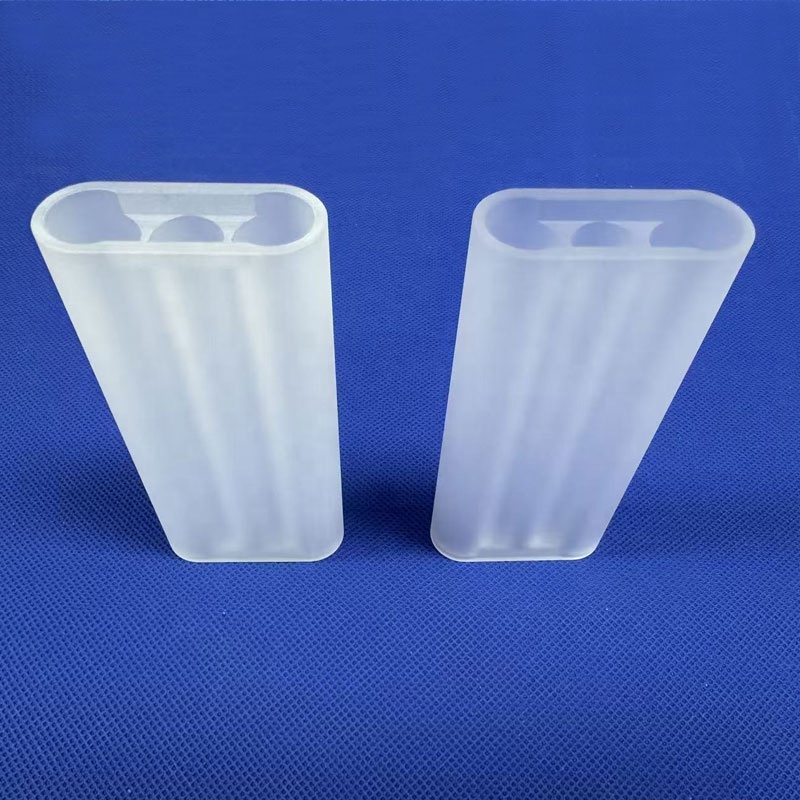
BRO RAN High Precision Triple Bore Quartz Glass (SiO2) 200 Mesh Laser Cavity Flow Tube for GentleYag/GentleMax Hair Removal
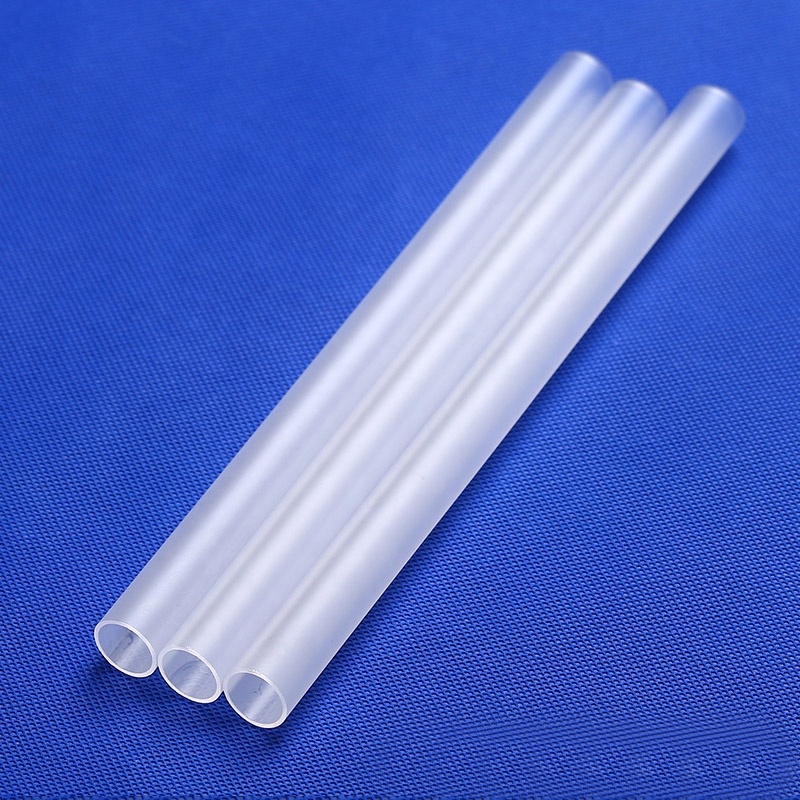
High Purity Translucent Polished Quartz Glass Tube Welding Bending Cutting High Ozone Ozone Generator Lab Infrared Heating UV
High-Performance Quartz Tubing for Bago's Industrial Expansion
Understanding the thermomechanical dynamics, envelope morphology, and material integrity required for severe environmental and chemical conditions.
Thermal Shock & Expansion
The defining structural attribute of transparent fused silica is its near-zero thermal expansion coefficient (5.5 × 10⁻⁷ /°C between 20°C and 320°C). Unlike conventional borosilicate 3.3 or aluminosilicate glass tubing, one end closed quartz tubes can be repeatedly plunged from a 1100°C furnace environment directly into ambient water without catastrophic thermal fracture.
For factory facilities operating in the Bago division, where fluctuating utility grids and sporadic thermal cycling stress continuous furnace lines, our thermal shock resistance delivers crucial uptime stability.
Hemispherical & Flat Sealed End Geometries
The morphology of the closed bottom directly dictates mechanical pressure resistance and hydrodynamic integrity. Lovri Quartz employs computerized oxy-hydrogen rotational glass lathes to execute Uniform Wall Hemispherical Closures and Flat Optical Bottoms.
Hemispherical closures ensure even thermal dissipation and mechanical stress balancing under vacuum conditions (down to 10⁻⁵ Torr) or internal pressurized gas regimes. Flat-bottom sealed tubes provide stable positioning for vertical sample combustion and photometric optical detection.
Trace Hydroxyl [OH⁻] Control
Dehydroxylation during fused silica vacuum baking ensures trace hydroxyl radical contents stay below 20 ppm in electrically fused tubing (JGS3) and below 5 ppm in specially dehydrated silica products.
Low OH⁻ concentrations drastically mitigate high-temperature sagging, eliminate infra-red absorption bands at 2.73 μm, and retard devitrification (cristobalite crystal nucleus formation) that plagues low-grade commercial quartz when deployed at continuous operating temperatures exceeding 1000°C.
Fused Quartz Physical & Thermodynamic Benchmarks
Comprehensive physical properties evaluated and certified by SGS Group and internal quality lab testing.
| Physical / Chemical Property | Certified Standard Metric | Operational Significance for Field Engineers |
|---|---|---|
| SiO₂ Chemical Purity | ≥ 99.99% (Spectrometric ICP-OES Analyzed) | Prevents metallic dopant contamination in high-temperature agricultural ash analysis and metallurgical sintering. |
| Density & Porosity | 2.20 g/cm³ | Apparent Porosity 0% | Completely gas-impermeable matrix prevents volatile leakage and guarantees vacuum retention down to 10⁻⁶ Torr. |
| Coefficient of Thermal Expansion | 5.5 × 10⁻⁷ /°C (Mean: 20°C to 300°C) | Permits violent cyclic thermal shifts without thermal cracking or mechanical wall fatigue. |
| Thermal Transformation Softening Point | ≈ 1730°C (Annealing Point: 1215°C) | Enables prolonged operational cycles at 1100°C and intermittent duty cycles reaching up to 1350°C. |
| Spectral Transmission (1.0 mm wall) | UV-Grade JGS1: > 90% @ 200–2500 nm | Permits optical inspection, ultraviolet radiation sanitization, and laser cavity excitation with minimal optical loss. |
| Polarization Residual Annealing Stress | < 5 nm/cm Optical Retardation | 100% stress-relieved in automated annealing kilns, virtually eliminating spontaneous catastrophic cleavage. |
Targeted Applications in the Bago Regional Economy
How Bago’s evolving industrial landscape—spanning agricultural processing, riverine water sanitization, and specialized metallurgy—leverages one-end-closed quartz tubes.
Biomass Cogeneration & Rice Mill Boilers
As the primary agricultural heartland of lower Myanmar, the Bago Division hosts massive rice milling and wood-waste biomass gasification facilities. Fluidized-bed and grate boilers in these mills demand extreme-temperature monitoring.
Lovri's one-end closed quartz thermocouple sheaths isolate delicate platinum-rhodium pyrometric sensors from corrosive flue gases, alkali-rich fly ash, and sulfurous vapors while delivering near-instant thermal responsiveness.
Riverine Water Sterilization & Aquaculture
Municipal infrastructure projects, beverage plants, and intensive fish hatcheries around the Bago River basin rely on high-output amalgam UV lamps. These UV emitters require single-ended closed quartz sleeves that isolate high-voltage ballasts from flowing water.
Our flame-polished, JGS2 and high-transmission synthetic sleeves deliver up to 92% transmission at the critical germicidal 253.7 nm UV-C peak, resisting solarization and microbial biofilm fouling over multithousand-hour operational cycles.
Soil Assay & Food Quality Laboratories
Modern export-oriented agricultural companies located in the Bago Special Industrial corridors utilize our closed-bottom quartz digestion tubes for heavy metal extraction (arsenic, lead, cadmium) using concentrated boiling nitric, perchloric, and hydrochloric acids.
The completely non-reactive nature of 99.99% SiO₂ prevents trace mineral leaching, ensuring uncompromising analytical accuracy during atomic absorption spectroscopy (AAS) and inductively coupled plasma (ICP) testing.
Bago’s Industrial Trajectory: Modernizing Industrial Infrastructure
Strategic economic positioning along the Yangon-Mandalay logistics corridor drives industrial equipment upgrades and technical glass consumption.
Grid Modernization & Distributed Energy
With power reliability investments continuing across Southern Myanmar, solar photovoltaic adoption and mini-grid installations are surging. Quartz diffusion tubes, sintering fixtures, and infrared heater envelopes are experiencing renewed capital allocation as local assembly hubs emerge.
Transition to Local Direct-Factory Sourcing
Traditionally, plants in Bago procured precision quartz components through secondary trading intermediaries in Yangon or Bangkok, resulting in hefty markups, extended delivery lag times, and limited access to bespoke engineering modifications.
Engineers are increasingly pivoting toward direct OEM/ODM engagement with Chinese integrated source factories, allowing custom wall-thickness tolerances, tailored flange welding, and reduced spare-parts inventory overhead.
Stringent Quality Compliance Demands
As agricultural processing ventures seek global food safety and environmental certifications (GAP, ISO 14001, HACCP), downstream testing apparatus must conform strictly to RoHS standards with zero contaminant leeching, eliminating substandard uncertified glass across local labs.
Why International Buyers Trust Lovri Quartz Co., Ltd.
Consolidated production pipelines located in China's quartz capital ensure end-to-end quality control and factory-direct cost efficiencies.
Integrated Raw Silica Beneficiation
We govern our raw materials at the geological level in Lianyungang, managing our own raw lump cutting, pulverizing, re-screening, and hydrofluoric acid pickling. This guaranteed upstream control yields consistent 99.99% SiO₂ matrix purity without random metallic inclusions.
In-House 12-Step Manufacturing Cycle
From initial vertical tube drawing and precision end sealing to automated annealing, flame welding, high-vacuum evacuation, and CNC 5-axis milling, every manufacturing stage occurs under a single roof, cutting out intermediary delays and handling risks.
Polariscope & Geometric Metrology
Thermal failure originates from latent structural stresses. Lovri subjects 100% of annealed one-end closed quartz tubes to cross-polarized light polariscope examinations, verifying optical birefringence clearance before applying ultrasonic dimensional thickness testing.
SGS-Audited & Maritime Packaging
Assessed and validated onsite by SGS Group. To weather tropical oceanic humidity and regional handling along the Yangon shipping lane, all products are hermetically sealed, cushioned in shock-absorbent EPE foam shells, and secured within plywood export crates.
Frequently Asked Questions for Bago Regional Purchasers
Addressing crucial specifications, logistical parameters, and engineering configurations for Southeast Asian industrial clients.
What is the standard lead time and sea freight schedule to the Bago area?
Standard tube dimensions and prototypes typically ship within 5 to 7 business days from our Lianyungang facility. Custom drawings requiring CNC ground joints, tailored flanges, or specific wall thicknesses take roughly 10 to 14 days. Ocean freight dispatched via Shanghai or Qingdao ports arrives at Yangon port (MITT / AWPT) within 12 to 18 transit days, followed by straightforward customs bonded transport into the Bago industrial zone.
How do you guarantee that closed-end quartz tubes arrive without transit micro-fractures?
Brittle glassware logistics require multi-tier passive protection. Each one-end closed tube is individual sealed in dust-free polywrap, nested inside heavy custom-molded high-density polyethylene (EPE) foam chambers, and boxed into heavy multi-layer corrugated containers before being bolted inside heat-treated export plywood crates. This process holds our long-distance maritime breakage rate below 0.5%.
Can you provide custom wall thicknesses and flanges based on CAD drawings?
Yes. As an OEM/ODM direct manufacturer, we regularly construct custom quartz apparatus from client-submitted STEP, DWG, DXF, or PDF engineering prints. We routinely fabricate heavy-wall furnace tubes (up to 8 mm wall thickness), integrate precision ground taper joints (NS 14/23, 29/32, 45/40), and fuse KF/NW or ISO high-vacuum quartz flanges directly onto closed-end sleeves.
What is the maximum continuous working temperature for pyrometer sheaths?
Our clear fused quartz sheaths safely handle continuous thermal exposure up to 1100°C and short-term thermal excursions up to 1350°C. For continuous operating regimes operating between 1150°C and 1300°C, we supply vacuum-dehydroxylated (low OH⁻) quartz tubing or synthetic fused silica options that offer enhanced devitrification resistance.
How does 99.99% fused silica resist acids in mining and agricultural analysis?
Fused silica exhibits near-total chemical inertness to virtually all mineral and organic acids—including hot concentrated sulfuric (H₂SO₄), nitric (HNO₃), and hydrochloric (HCl) acid solutions. The only chemical exceptions that etch quartz are hydrofluoric acid (HF) and concentrated phosphoric acid (H₃PO₄) when heated above 150°C.
What is the Minimum Order Quantity (MOQ) for custom-dimension prototypes?
Unlike rigid industrial glass suppliers, Lovri offers flexible prototype evaluation. Custom-engineered one-end closed tubes, specialized digestion vessels, and multi-bore experimental sleeves can be ordered with an MOQ as low as 1 to 5 pieces, allowing your plant engineering team to validate thermal and mechanical compatibility before committing to batch procurement.
Request an Engineered Quote for Bago Industrial Projects
Send our senior engineering team your target dimensions, operational operating temperatures, and mechanical CAD drawings. We review project feasibility, confirm material selection, and submit complete factory-direct pricing within 24 business hours.