SPIRAL QUARTZ
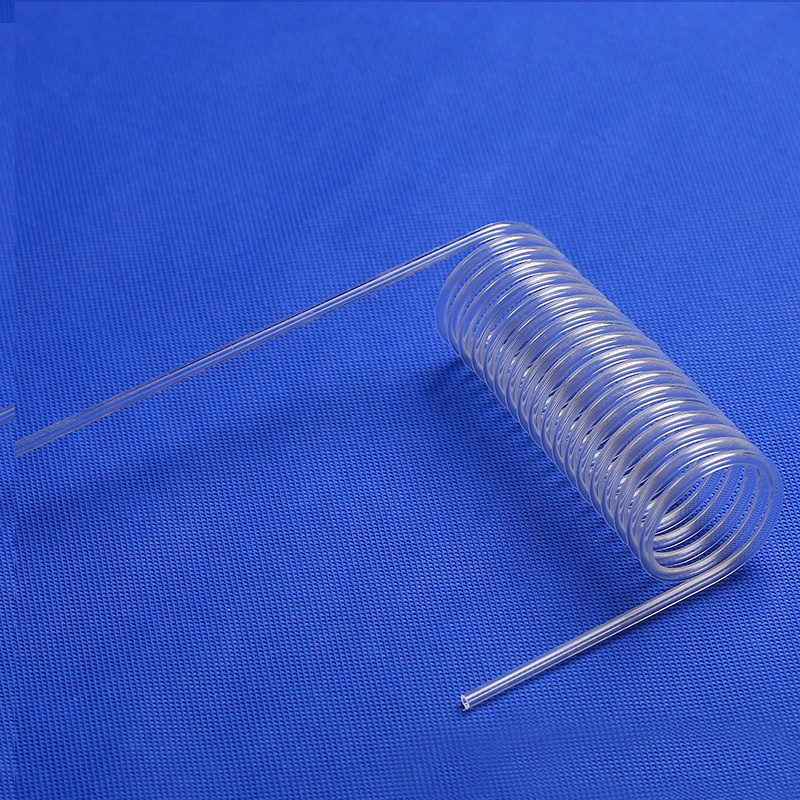
Yellow Clear High Purity Fused Quartz Spiral Tube for Laser Beauty Equipment
Selective wavelength filtering · ROHS certified · Custom bending & welding · Thermal shock resistant
Sourced directly from our 14,271 m² production complex in Lianyungang to meet the exacting physical, thermal, and optical benchmarks required by Turku Science Park laboratories and Nordic industrial consortia.
Selective wavelength filtering · ROHS certified · Custom bending & welding · Thermal shock resistant
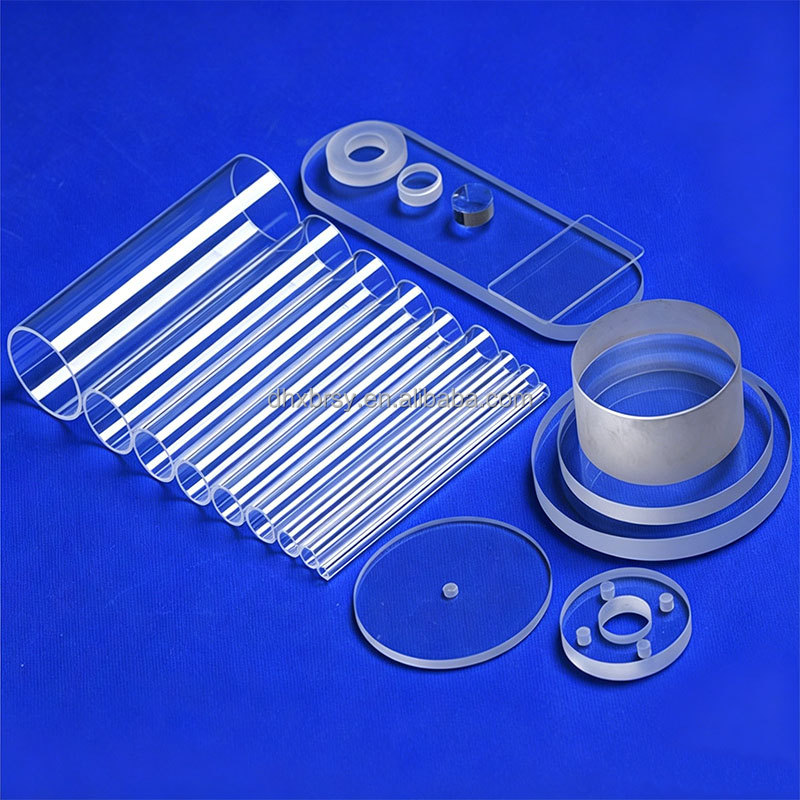
Deep-UV transmission ≥90% at 200nm · Precision CNC machined jig · Semiconductor & spectroscopy ready
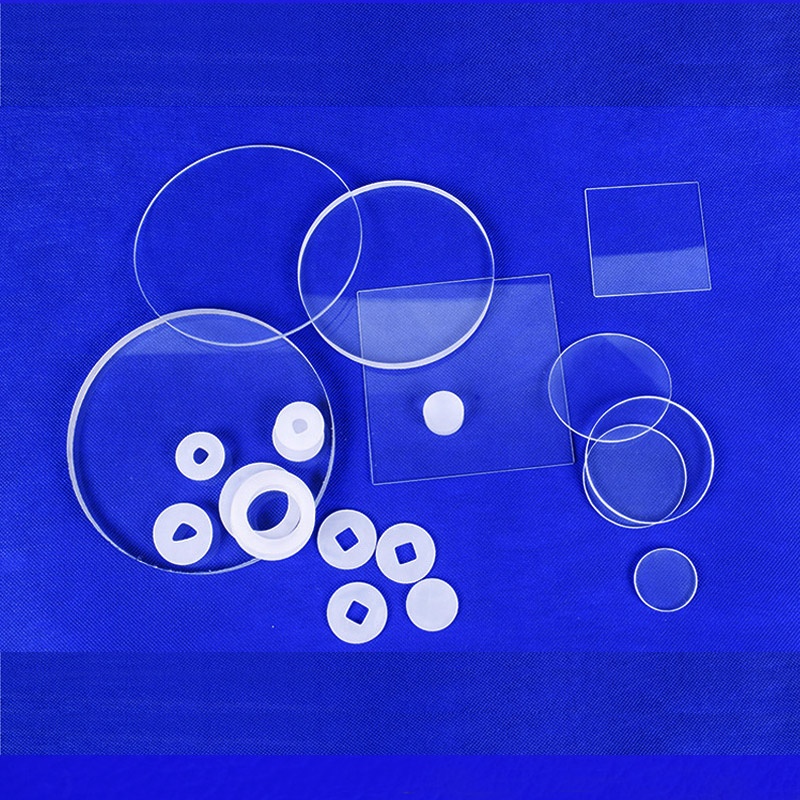
Double-side optical polish · 200 Mesh raw material base · No bubble inclusions · Wavefront distortion < λ/4
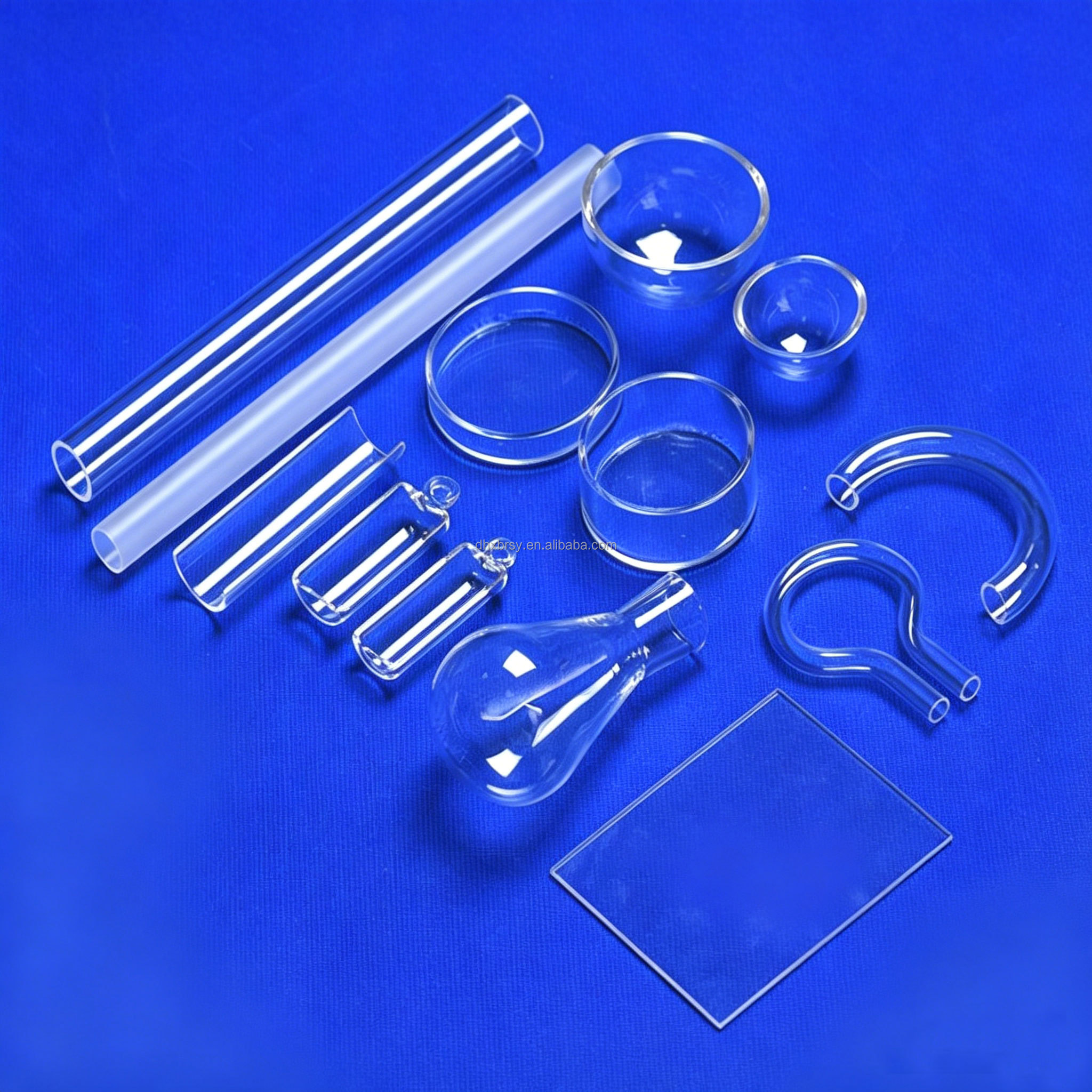
Precision joint ground mouths · Micro-reaction flasks · Zero chemical leaching · Semi & pharma compliant
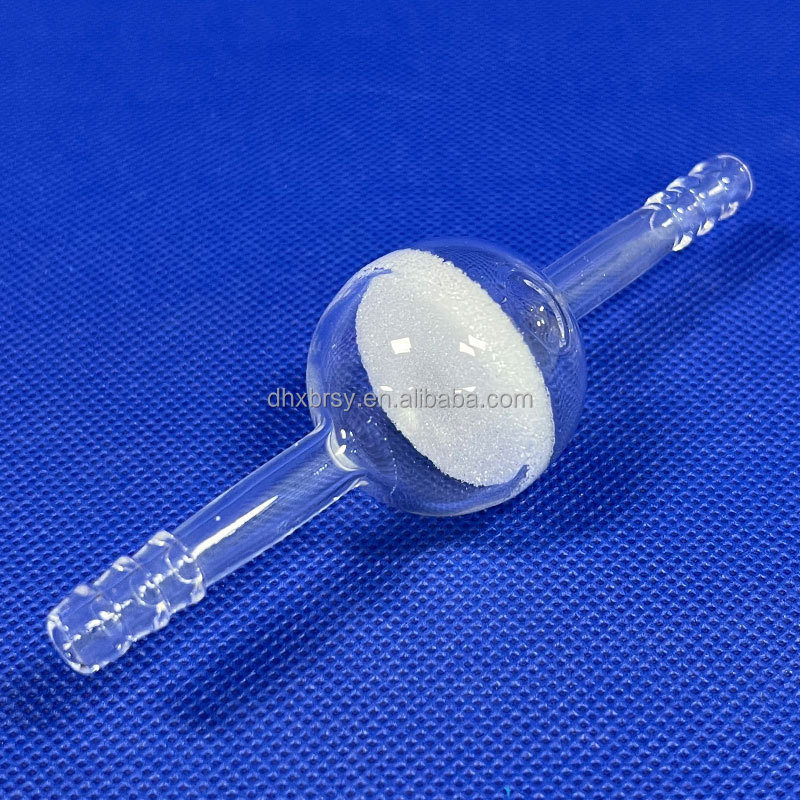
Ultra-high pressure containment · Aqua regia & acid resistant · Heavy metal analytical vessel · High transmittance
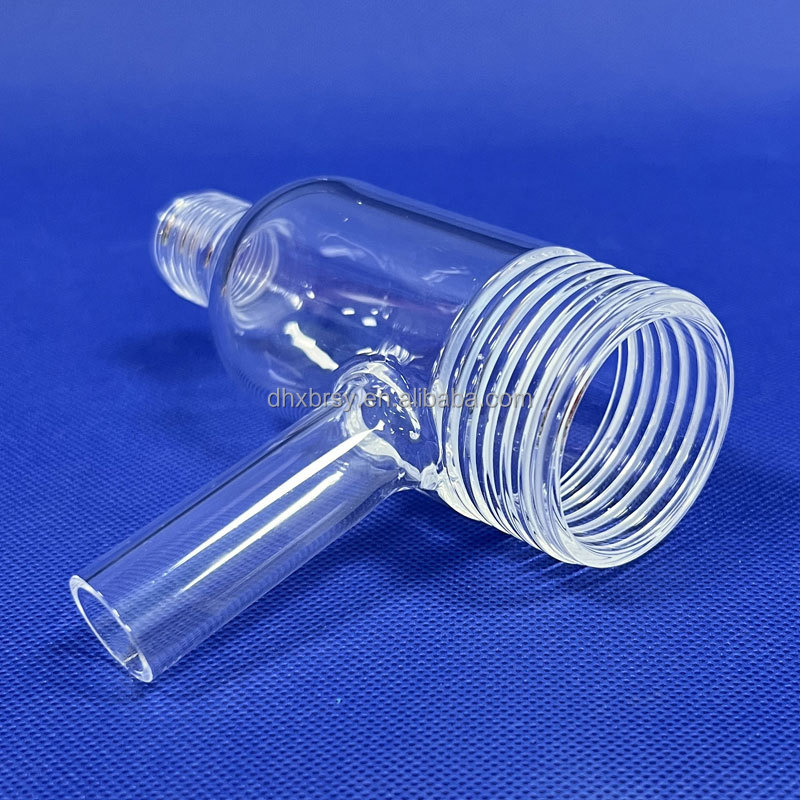
Precision ISO/GL ground threads · Hermetic PTFE coupling · 1300°C peak thermal threshold · Optically polished
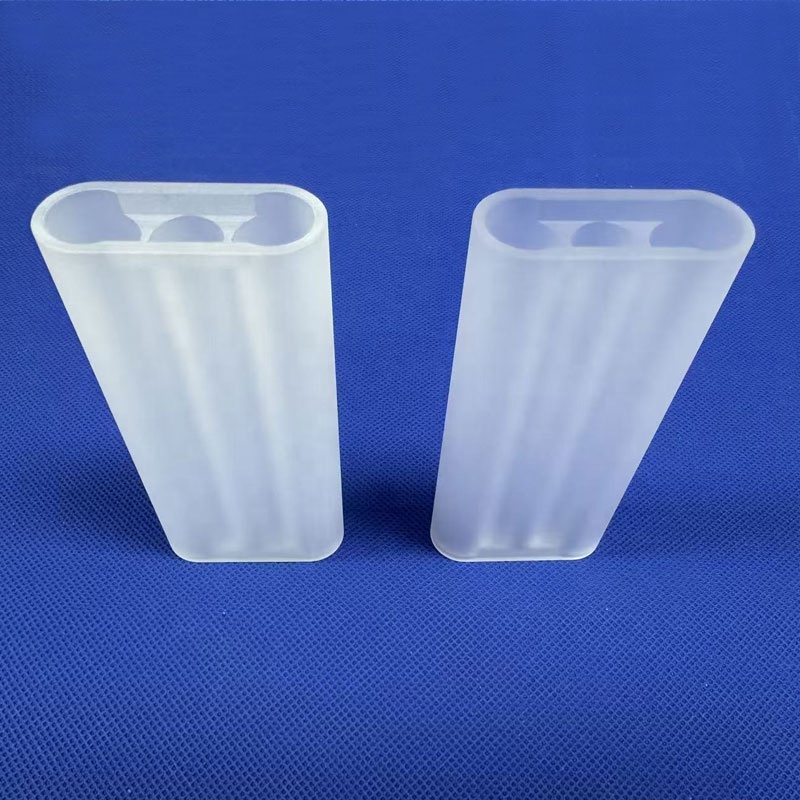
Calibrated capillary bores · Medical laser cavity flow · Zero bubble inclusions · Tight concentricity
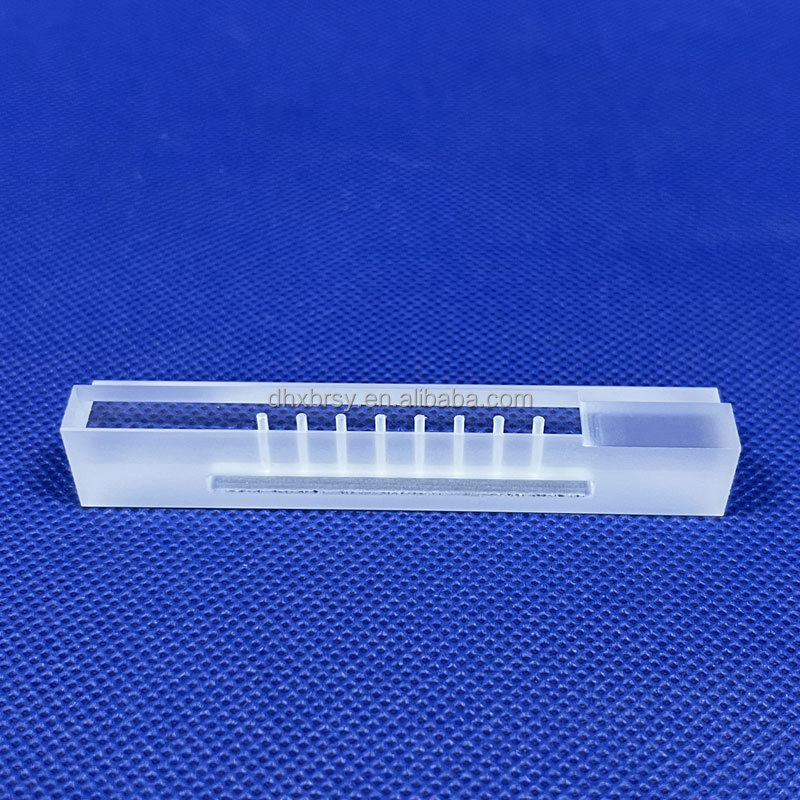
Sub-micron pitch CNC alignment · Optical communications · Thermal expansion 5.5×10⁻⁷/°C · 99.99% SiO2
Understanding why standard borosilicate 3.3 and ordinary glass bottles fail in Turku’s high-performance life sciences, clean energy, and analytical environments.
In high-precision quantitative chemistry, trace metal background noise can invalidate months of experimental research. In pharmaceutical bio-conjugation, elemental leaching of Boron (B), Sodium (Na), Potassium (K), and Aluminum (Al) from conventional borosilicate bottles into acidic or alkaline peptide solutions alters pH buffers and causes catalytic degradation. Our 99.99% fused silica and quartz vessels manufactured in Lianyungang utilize natural high-grade crystalline quartz refined through multi-stage acid leaching, eliminating background ion elution down to parts-per-billion (ppb) thresholds.
Furthermore, Turku’s pharmaceutical cold-chain verification and cryo-preservation protocols demand containers capable of undergoing rapid thermal cycling from -196°C (liquid nitrogen phase) to +250°C autoclave dry heat sterilization without micro-fracturing. Transparent fused silica boasts a thermal expansion coefficient of merely 5.5 × 10⁻⁷ /°C—approximately one-sixth that of standard borosilicate glass—guaranteeing complete structural integrity under extreme thermal shock.
| Physical / Chemical Property | Lovri JGS1 Synthetic Silica | Lovri JGS2 Fused Quartz (Tubes/Bottles) | Standard Borosilicate 3.3 Glass |
|---|---|---|---|
| SiO&sub2; Purity Content | ≥ 99.999% (5N) | ≥ 99.99% (4N) | ~ 80 - 81% (Contains B&sub2;O&sub3;, Na&sub2;O, Al&sub2;O&sub3;) |
| Continuous Working Temperature | 1150 °C | 1100 °C | 450 °C (Softens at 525 °C) |
| Maximum Short-Term Peak Limit | 1350 °C | 1300 °C | 500 °C |
| Thermal Expansion (20°C - 320°C) | 5.4 × 10⁻⁷ / °C | 5.5 × 10⁻⁷ / °C | 33 × 10−7 / °C |
| UV Transmission Spectral Range | 185 nm – 2500 nm (Deep UV) | 220 nm – 2500 nm (UV-Visible) | Opaque below 310 nm |
| Resistance to Thermal Shock (ΔT) | > 1100 °C (Water Quench at 1100°C) | > 1000 °C (Water Quench at 1000°C) | Max ΔT ≈ 100 °C |
| Hydrolytic Resistance Class (ISO 719) | Type I Ultra-Neutral | Type I Ultra-Neutral | Type I Standard |
| Acid Resistance (ISO 1776) | Class 1 (Inert to all acids except HF) | Class 1 (Inert to all acids except HF) | Class 1 |
From Turku Science Park (BioCity & PharmaCity) to the maritime clean-tech testing facilities on the Baltic archipelago, our quartz bottle configurations directly solve application-specific engineering bottlenecks.
Turku hosts over 50% of Finland’s pharmaceutical and diagnostic export output. In monoclonal antibody (mAb) synthesis, in-vitro diagnostics (IVD), and diagnostic reagent formulation, our quartz bottles deliver absolute container neutrality.
Turku shipyard innovations and maritime environmental researchers require robust analytical vessels for marine exhaust scrubber testing, ballast water biocidal residue measurement, and maritime water pollution monitoring.
The academic axis between the University of Turku (UTU) and Åbo Akademi University pioneers research into organic electronics, solar energy conversion, and advanced high-temperature inorganic chemical vapor deposition (CVD).
Analyzing regulatory shifts, green transition mandates, and the shift from single-use plastics back to ultra-durable high-purity fused silica within Finland’s life sciences sector.
Finland maintains some of the most aggressive environmental and carbon neutrality targets in the European Union. Over the past decade, Turku-based research institutions and pharmaceutical manufacturers relied heavily on single-use fluoropolymer and polystyrene containers. However, expanding EU Packaging and Packaging Waste Directives (PPWR) alongside corporate Scope 3 decarbonization commitments are forcing quality assurance and sustainability managers to transition to reusable, infinitely autoclave-sterilizable fused quartz containers.
Our fused quartz bottles can endure hundreds of high-temperature dry depyrogenation cycles (300°C to 400°C) without surface hazing, embrittlement, or leaching microplastics into effluent water—a factor of high priority for environmental auditors in Southwest Finland.
Turku’s clinical research organizations are increasingly directing resources toward mRNA platforms, viral vector purification, and radiopharmaceuticals for oncology imaging. These next-generation modalities operate at stringent pH thresholds and are exceptionally sensitive to heavy metal ions (specifically Fe, Ni, Cu, and Zn). Standard glassware exhibits ionic exchange phenomena, whereas our JGS1 and synthetic fused silica bottles maintain total non-reactivity, safeguarding precious batch yields from adsorption losses.
Procurement directors across Turku and Naantali industrial corridors have encountered severe lead-time fluctuations with domestic and central European glass fabricators. By establishing direct OEM supply channels with a vertically integrated source manufacturer like Lovri Quartz, Finnish buyers reduce lead times from 24 weeks down to 3–5 weeks, while maintaining complete batch traceability, polarization stress validation reports, and material certificate compliance under EN 10204 3.1 standards.
Direct from Lianyungang, Jiangsu—the epicenter of the world’s silica processing cluster—our facilities unite raw ingot extraction, high-temperature thermal drawing, sub-micron CNC precision, and certified cleanroom packaging.
Onsite verified by SGS Group with dedicated raw pulverizing, automatic tube drawing lines, and specialized manual glassblowing workshops.
We process natural quartz lumps through in-house crushing, acid-bath pickling, and electric arc fusion to ensure guaranteed 99.99% SiO&sub2; baseline purity.
Every single quartz bottle and CNC component undergoes rigorous polarization polariscopic evaluation post-annealing to eliminate thermal cracking risks.
Custom form-fitting polyethylene foam inner linings, shock-isolated cardboard barriers, and ISPM 15 heat-treated plywood crates engineered for air/sea transit.
Whether your technical team provides a 2D PDF drawing, a high-precision STEP/IGES CAD model, or an existing legacy laboratory sample, our engineering design unit translates specifications into production routines within 24 hours. We offer diverse processing services including:
Clear, direct answers regarding custom drawings, export compliance, shipping logistics to Turku, and quality assurance documentation.
Send our senior glass engineers your technical drawings (PDF, CAD, DWG, STEP) or target specifications. We will perform a free manufacturability review, tolerance analysis, and return a comprehensive quotation within 24 hours.