SGS Onsite-Verified Fused Quartz Manufacturer [email protected]
SGS-Verified Source Factory · Lianyungang High-Purity Cluster

OEM/ODM Quartz Laboratory Apparatus Manufacturer & Exporters in the Bergen market

Specialized Fused Silica (SiO₂ ≥ 99.99%) Glassware, Flow Cells, Digestion Vessels, and Subsea Sensor Windows Tailored for Vestland's Marine Institutes, Biotechnology Cleanrooms, and Hydrocarbon Analytics.

Export-Grade Inventory & Custom Fabrications

Featured Precision Quartz Components

Engineered from Grade JGS1/JGS2 synthetic and thermal fused quartz to withstand aggressive chemical digestions, extreme thermal shocks (up to 1200°C), and demanding optical spectroscopy in marine and industrial environments.

14,271m²
SGS-Assessed Plant Area
99.99%
Synthetic Silica Purity (SiO₂)
1,215°C
Annealing Stress Relief Point
±0.005mm
CNC Milling Bore Tolerance
Strategic Regional Focus

Empowering Western Norway's Marine, Energy, & Biotech Scientific Clusters

Bergen stands as Norway's paramount marine research capital and North Sea energy gateway. Scientific accuracy in these extreme marine and high-pressure subsea environments requires laboratory apparatus that surpasses standard borosilicate limits.

Marine Biology & Fjord Oceanography

Institutions like the Institute of Marine Research (Havforskningsinstituttet) and the University of Bergen (UiB) demand non-leaching, pristine quartz digestion vessels, and optical flow cells for deep-UV chlorophyll fluorescence, nutrient auto-analyzers, and microplastic pyrolysis.

Subsea Energy & Offshore Geochemistry

Analytical labs serving Mongstad and offshore platforms require high-pressure fused silica sight glasses, reactor tubes, and custom chromatography liners capable of operating within autoclave environments without ionic contamination or hydrogen embrittlement.

Nordic Biopharma & Molecular Cleanrooms

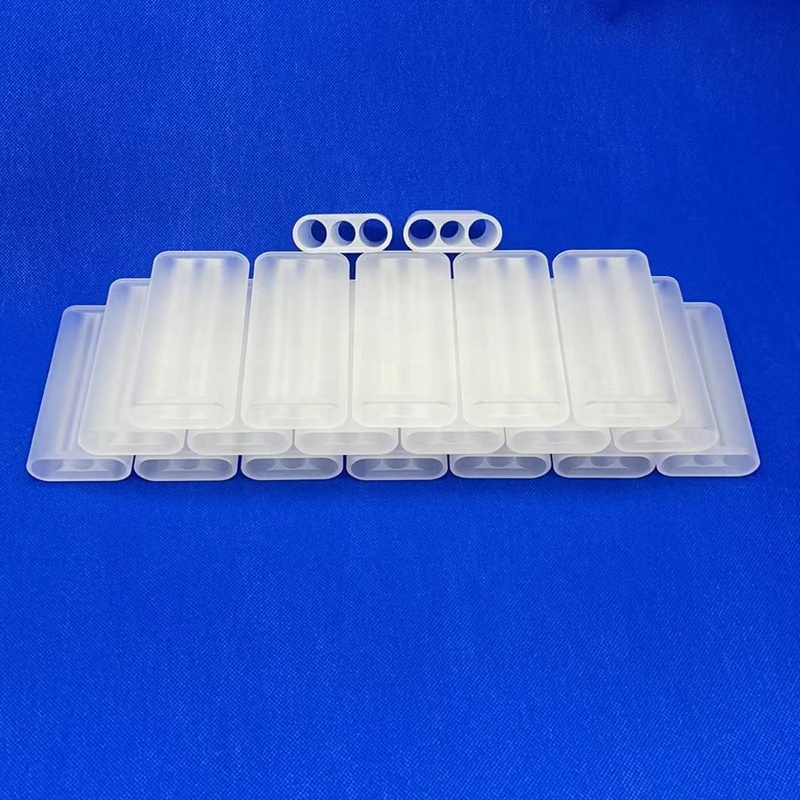
Bergen's emerging life science incubators at Marineholmen require quartz 96-well spectrophotometry plates, multi-bore laser flow tubes, and germicidal UV-C reactor jackets that withstand aggressive ozone, autoclave sterilization, and enzymatic digestion workflows.

Engineering Whitepaper & Metallurgical Criteria

Critical Quartz Metallurgy: Why Bergen Laboratorians Specify JGS1, JGS2 & Synthetic Fused Silica

Laboratory equipment performance in Western Norway is governed by intense reliability thresholds. When conducting trace heavy metal detection in Arctic water columns or high-temperature cracking studies of marine biofuels, conventional glass fails via trace ion extraction (sodium, boron, and iron leaching) and thermal strain fractures. Fused quartz, composed almost entirely of pure silicon dioxide (SiO₂ ≥ 99.99%), eliminates structural leaching while maintaining an exceptionally low thermal expansion coefficient of 5.5 × 10⁻⁷ /°C.

Thermal Shock Resilience Explained: A transparent fused quartz apparatus manufactured by Lovri Quartz can be heated continuously to 1,150°C and instantly quenched in ice-cold fjord seawater (4°C) without micro-fracturing or catastrophic failure. This property makes our quartz crucibles, furnace liners, and boiling vessels non-negotiable for rapid mineral digestions.

Material Grade Comparison for Laboratory Procurement

Procuring researchers in the Bergen market frequently balance deep-UV transmittance against infrared thermal dissipation. Selecting the incorrect silica grade leads either to prematurely degraded signal-to-noise ratios in spectroscopic instruments or unnecessary procurement expense:

Quartz Grade Transmission Bandwidth Hydroxyl (OH⁻) Concentration Ideal Laboratory Applications in Bergen
JGS1 (Synthetic Fused Silica) 185 nm – 2,500 nm (Deep UV) < 5 ppm to 30 ppm (Dry) / 1,200 ppm (Wet) Marine spectrophotometer cuvettes, UV-induced fluorescence, subsea laser sensors, excimer laser windows.
JGS2 (Fused Natural Quartz) 220 nm – 2,500 nm (Optical UV-Vis) 150 – 200 ppm Digestive Kjeldahl flasks, offshore water monitor viewports, photolytic reactor jackets, atomic absorption tubes.
JGS3 (Electrically Fused Quartz) 260 nm – 3,500 nm (Full IR Extended) < 10 ppm (Virtually anhydrous) Infrared absorption cells, high-temperature thermal pyrolysis, offshore combustion analyzers, tube furnaces.
Opaque / Translucent Fused Silica Diffuse Scattering (Broad IR) Variable micro-porosity High-temperature insulation collars, thermal muffles, furnace sintering boats, evaporative sample dishes.

Hydroxyl Radical (OH⁻) Control & Solarization Resistance

In analytical applications involving excimer lasers or germicidal UV wavelengths (254 nm and 185 nm), standard commercial quartz suffers from "solarization"—a gradual degradation of transmittance caused by the formation of E-centers (color centers) in the silicon-oxygen matrix. Our proprietary hydrogen-oxygen flame fusion and electric vacuum melting processes strictly regulate hydroxyl (OH⁻) content to prevent photochemical graying, ensuring stable optical baseline calibrations for oceanographic monitoring stations deployed across the Vestland coast for months without manual recalibration.

Direct Manufacturing Excellence

Why Direct Sourcing from Lovri Quartz Gives Bergen Labs a Decisive Advantage

From raw mineral extraction in Lianyungang to certified polarization testing, our vertically integrated plant bypasses high Nordic intermediary markups while providing fully customizable OEM/ODM glassblowing and CNC machining.

Vertically Controlled Purity at Every Phase

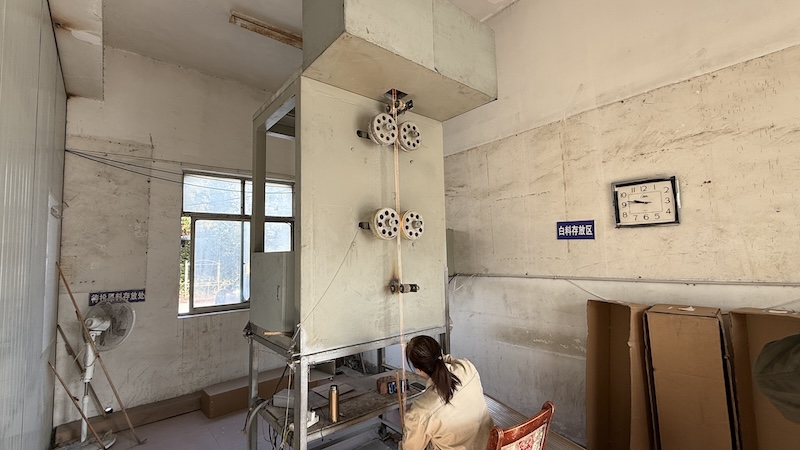
Unlike trading entities, Lovri Quartz operates a 14,271 m² production facility in China’s quartz epicenter (Tuofeng Industrial Park, Lianyungang). We refine quartz lumps through mechanical crushing, pneumatic separation, and concentrated acid pickling to yield SiO₂ feedstock with non-detectable iron and aluminum impurity levels.

  • Stress-Relief Annealing: Every custom-blown apparatus undergoes a programmed 1,215°C soak and slow-cool cycle inside computer-controlled furnaces, verified with cross-polarization stress benches to guarantee zero residual internal tensile stress.
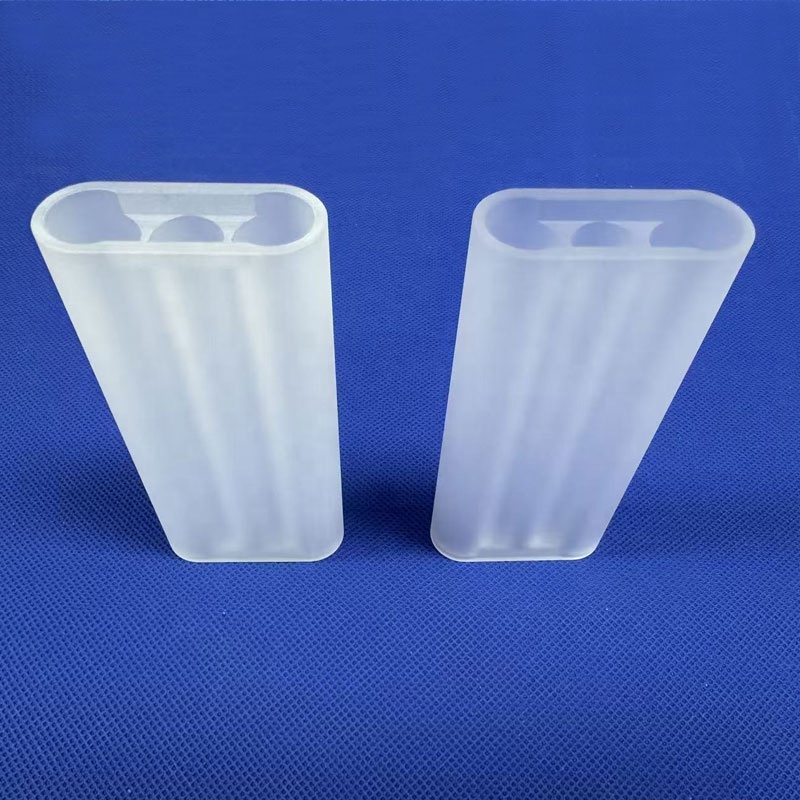
  • 5-Axis CNC Ultrasonic Milling: Complex internal fluidic paths, multi-bore capillaries, and wafer carriers are machined with micron-level fidelity (±0.005 mm) to fit automated robotic sample changers.
  • Transparent Traceability: Fully audited and onsite-verified by SGS Group, with complete material safety datasheets (MSDS), RoHS, and REACH documentation supplied with every export shipment.
Lovri Fused Quartz Manufacturing Plant Lianyungang

Precision Flame Welding

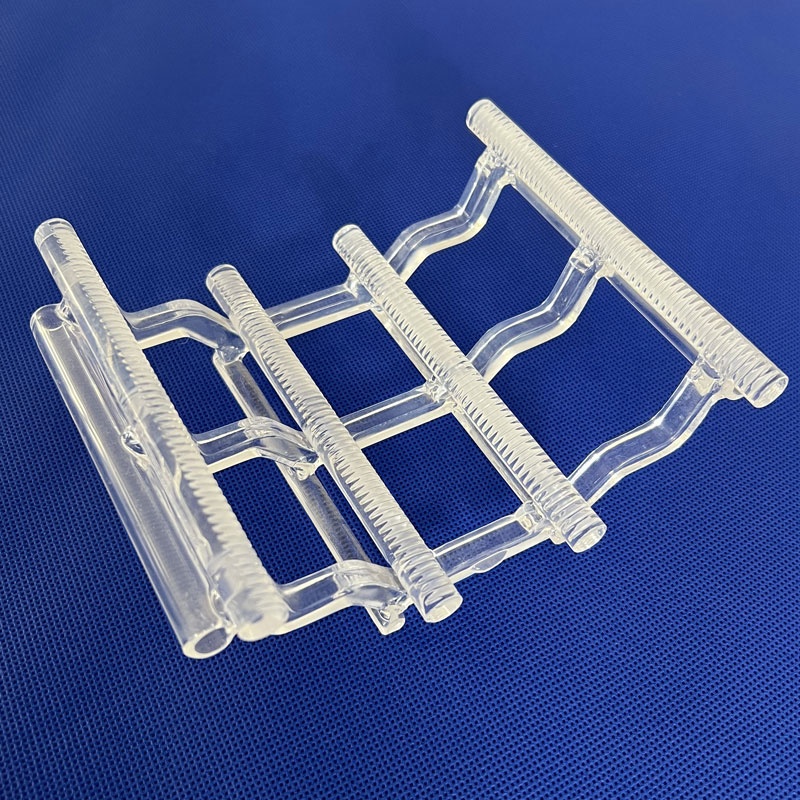
Seamless oxyhydrogen joins of high-vacuum flanges, ground-glass joints, and side-arms without micro-crack initiation points.

Optical Polishing

Flatness to λ/4, surface roughness Ra < 0.5 nm, and scratch-dig 20/10 standards for high-resolution confocal microscopy.

Micro-Capillary Drawing

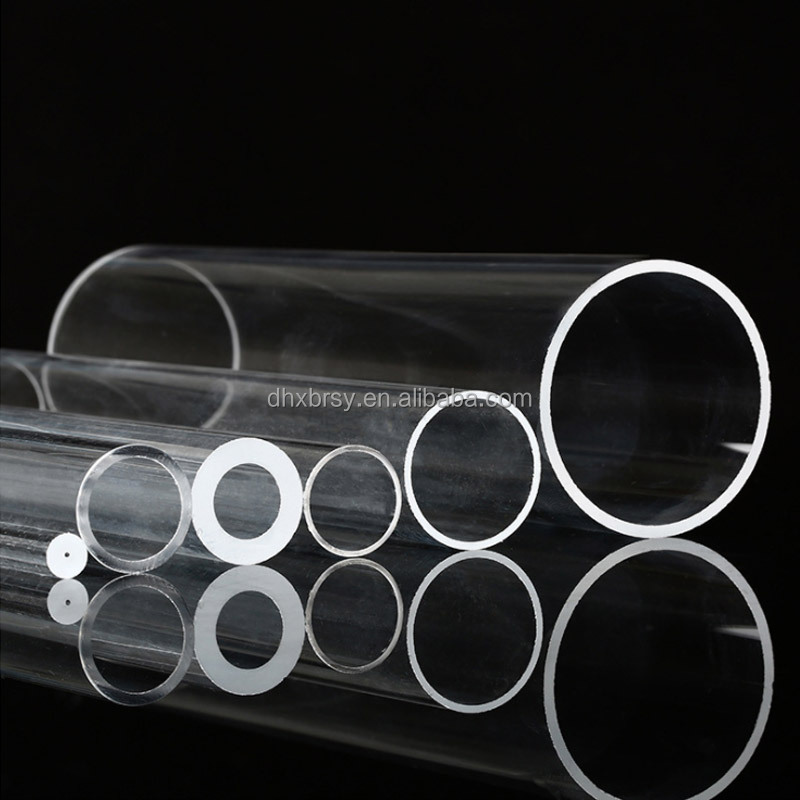
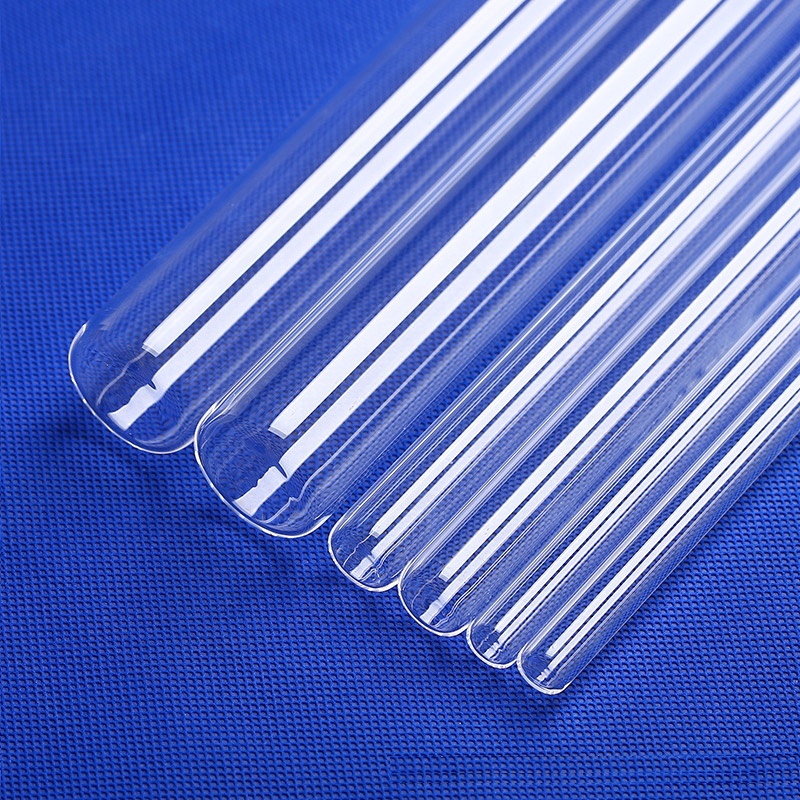
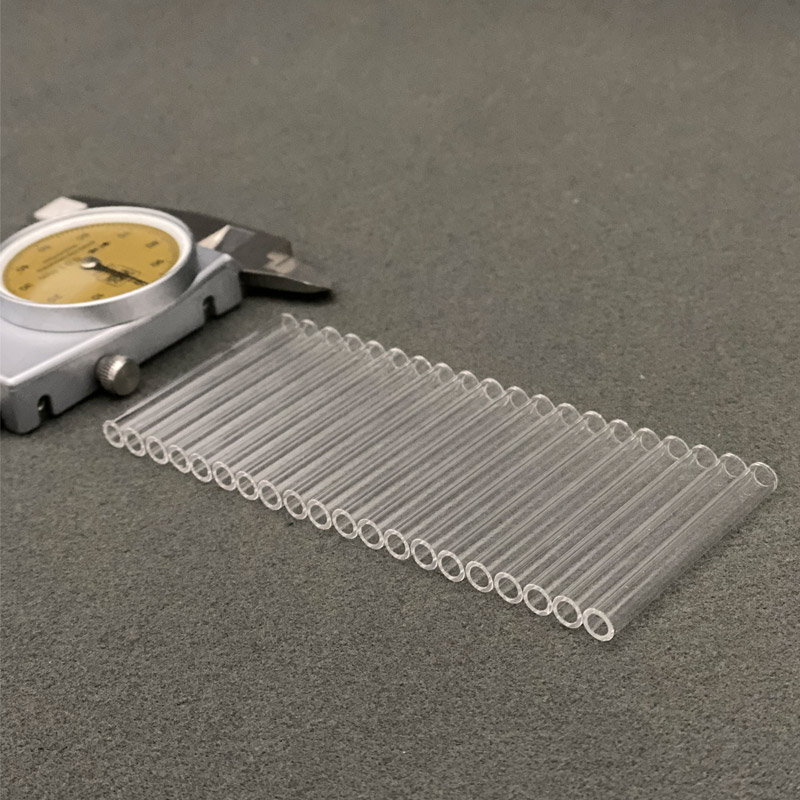
Ultra-fine single and multi-bore capillary tubes for gas chromatography and electrophoresis with internal diameters down to 10 µm.

Custom ODM Tooling

Rapid CAD-to-prototype tooling cycles: send DWG, STEP, or PDF sketches and receive production-grade prototypes in 7–10 days.

Strategic Horizon Analysis

Emerging Technological Trends Reshaping Quartz Procurement in Western Norway

As Norway steers toward a sustainable blue economy and digitalized offshore operations, laboratory infrastructure across the Vestland county is evolving rapidly. Key technological transitions dictating laboratory supply requirements include:

1. Automated In-Situ Fjord and Arctic Monitoring

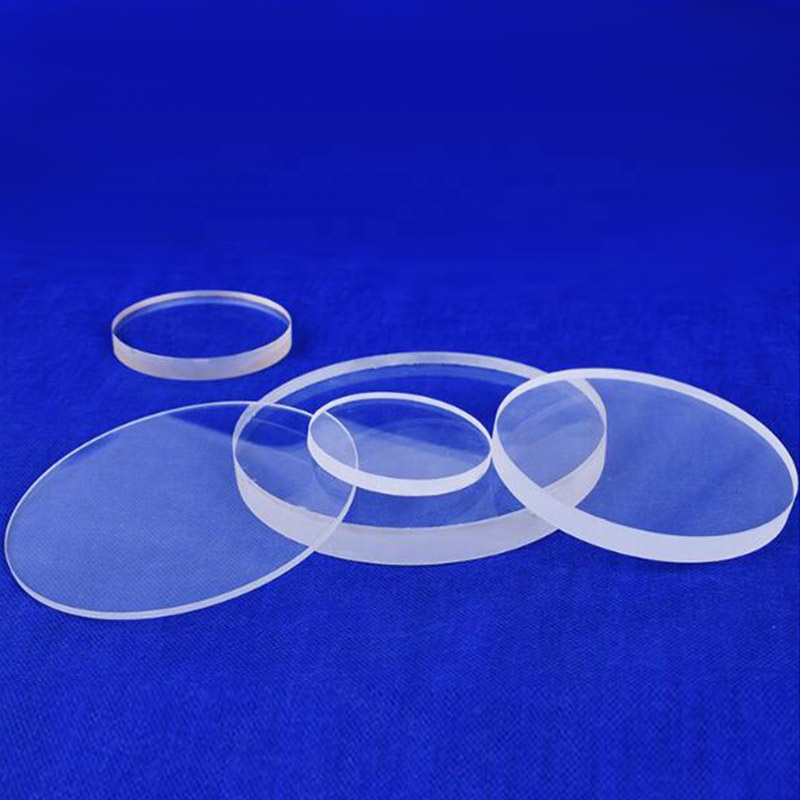
Traditional manual sample extraction from western fjords like Sognefjorden and Hardangerfjorden is transitioning toward autonomous underwater vehicles (AUVs) and continuous observation buoys. These platforms deploy optical sensor packages that require deep-submergence pressure windows engineered from thick, scratch-resistant synthetic quartz plates that resist biological fouling and marine bio-corrosion while maintaining optical clarity under dozens of atmospheres of hydrostatic pressure.

2. Green Hydrogen and CCUS (Carbon Capture) Laboratory Pilot Units

The development of the Northern Lights CCS infrastructure along the western Norwegian coast has accelerated carbon dioxide mineralization research. These autoclaves operate at supercritical CO₂ conditions combined with acidic brine solutions. Quartz reaction liners provide total chemical passivity where stainless steel and specialty alloys experience stress-corrosion cracking.

3. Sustainable Land-Based Aquaculture Diagnostics

With massive investments in closed-containment recirculation aquaculture systems (RAS) across Vestland, rapid molecular screening for pathogenic micro-organisms (such as salmon lice larvae or viral pathogens) is critical. Labs require quartz flow-through cells and quartz 96-well plates that facilitate high-throughput automated fluorometric detection without autofluorescence interference.

Direct Logistics to Bergen (Flesland & Port of Bergen): To serve our Norwegian research and corporate clients efficiently, we maintain standardized export packaging utilizing high-density custom EVA cutouts, vacuum-sealed polyethylene wrappers, and impact-reinforced international wooden cases. Shipments are routed via direct air freight into Bergen Airport, Flesland (BGO) with full DDP/DAP customs clearing assistance.
Procurement & Technical Inquiries

Frequently Asked Questions by Bergen Laboratory Engineers

Detailed clarifications covering material tolerances, chemical compatibility, shipping durability, and custom design validation.

How does Lovri Quartz prevent breakages during air and marine transport to Bergen?
Fragile quartz glassware and precision capillary apparatus are individually cleaned, wrapped in static-neutral air-cushion polymers, and seated within customized high-density shock-absorbing EVA foam cavities. Outer containment consists of reinforced corrugated export cartons or fumigated wooden crates built according to ISPM 15 standards. Over 99.4% of our international fragile shipments arrive with zero transit damage. In the unlikely event of transit fracture, our comprehensive replacement policy guarantees immediate fabrication and expedited re-dispatch.
Can you fabricate custom quartz glassware from non-standard CAD designs or research hand sketches?
Yes. Our engineering division works daily with academic researchers and R&D project teams. You can supply files in STEP, IGES, DWG, DXF, or PDF engineering drawing formats. Even for preliminary hand sketches with dimensional indications, our senior glass-working technicians will draft a formal manufacturability blueprint, verify thermal clearance tolerances, calculate wall pressure ratings, and issue a full technical quotation within 24 hours.
Why is fused quartz preferred over Borosilicate 3.3 for analytical marine digestion?
Borosilicate glass begins softening around 560°C and contains substantial quantities of boron oxide, sodium oxide, and aluminum oxide. During aggressive microwave or acid digestion (using hot concentrated nitric or perchloric acids), these trace elements leach into the solution, skewing ICP-MS and AAS baseline measurements. Fused quartz (99.99% pure SiO₂) is chemically inert to all acids (except hydrofluoric and hot phosphoric acid) and can operate indefinitely at 1,100°C, providing the pristine baseline required for trace metal analysis in seawater.
What dimensional tolerances can your CNC quartz machining center achieve on specialized apparatus?
For precision CNC milling, surface grinding, slotting, and micro-hole drilling, we achieve tolerances of ±0.01 mm on standard production and up to ±0.005 mm on critical optical flow channels and laser cavity components. Outside diameter (OD) and inside diameter (ID) tolerances on drawn and polished tubes are maintained within ±0.05 mm, ensuring perfect vacuum-tight fitments into standard Swagelok, NW/KF, and ConFlat flange assemblies.
Are your quartz products compliant with EU/Norwegian environmental and trade regulations?
All raw silica and finished quartz apparatus supplied by Lovri Quartz are fully compliant with RoHS Directive (EU) 2015/863 and REACH Regulation (EC) No 1907/2006 regarding SVHC (Substances of Very High Concern). We supply authentic declaration certificates, SGS heavy metal test assays, and factory certificates of conformity (CoC) to satisfy internal procurement audits for Norwegian public universities, hospital cleanrooms, and private energy corporations.
What is the Minimum Order Quantity (MOQ) for custom prototypes?
We understand that novel scientific apparatus, custom pilot manifolds, and prototype flow chambers frequently require one-off testing before institutional scale-up. Therefore, our MOQ is set at just 1 to 5 pieces for most custom-machined or blown items. Volume scale pricing automatically unlocks as production batches expand into pilot and routine operational quantities.

Initiate Your Custom Quartz Project for the Bergen Market

Whether you require standard optical cuvettes, high-pressure reaction cylinders, or custom-drawn capillary apparatus, our engineering team is ready to analyze your technical requirements and provide an itemized quote within 24 hours.

Contact Us