Furnace / Tube
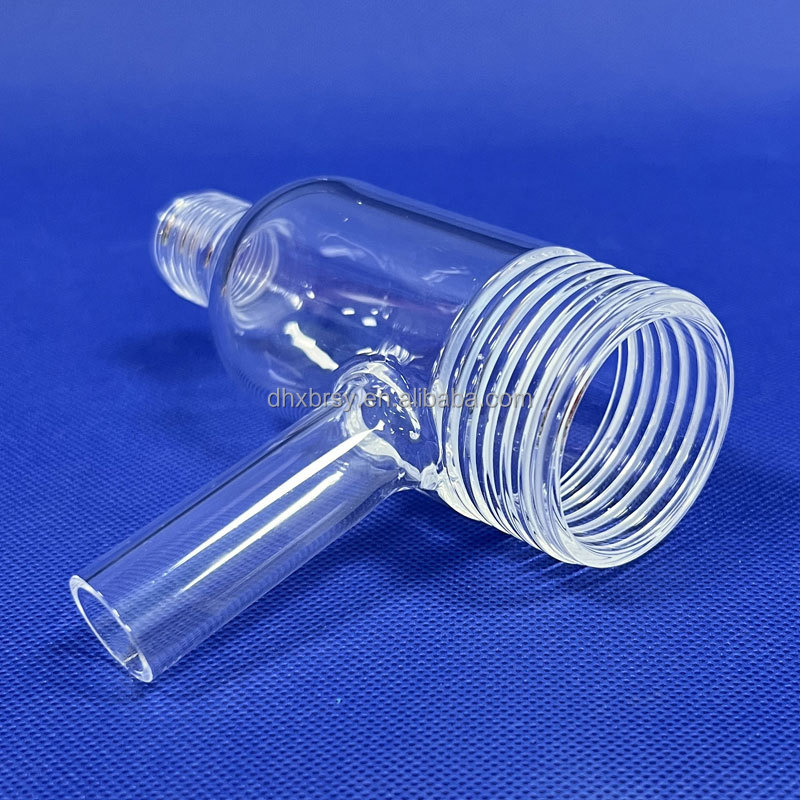
High Quality Polished High-Temp Corrosion-Resistant Threaded Quartz Tube
- 99.99% SiO₂ Purity
- Precision Threaded CNC Ends
Explore our flagship OEM/ODM manufactured optical quartz discs, carrier plates, precision flow channels, and semiconductor handling fixtures, fabricated strictly in-house to customer technical drawings.
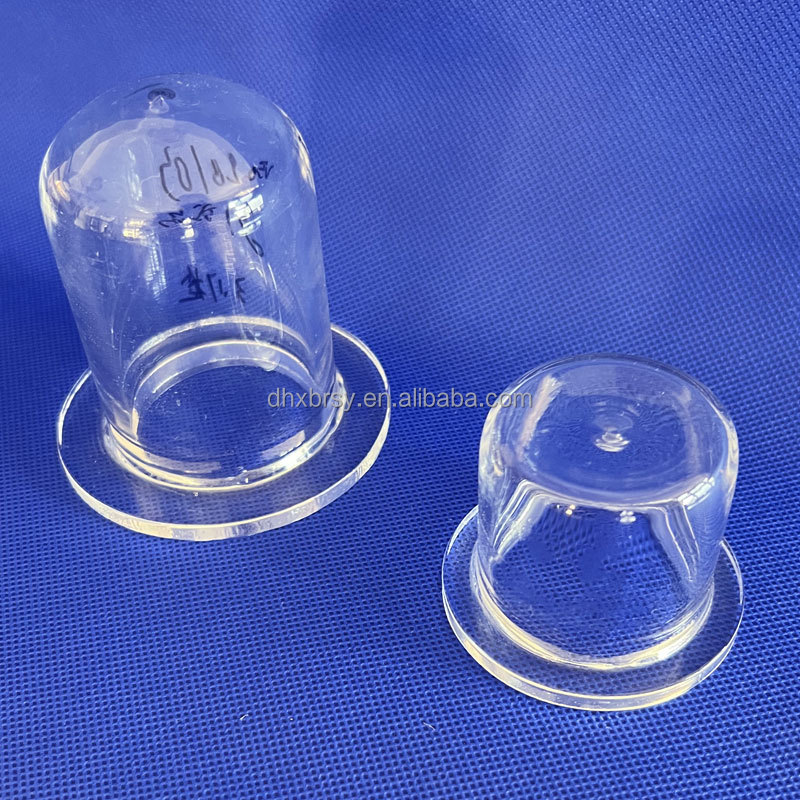
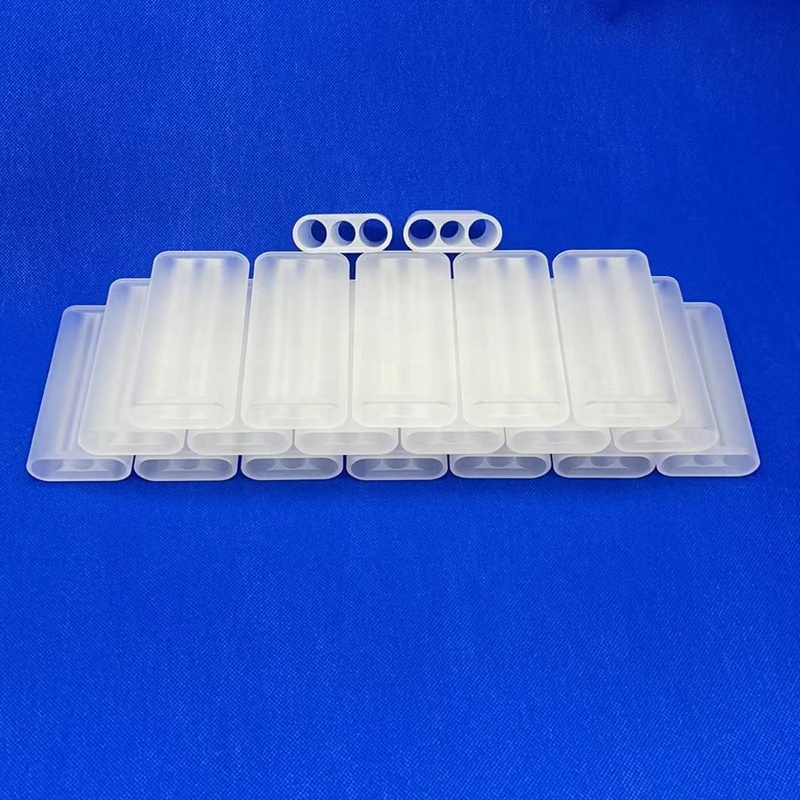
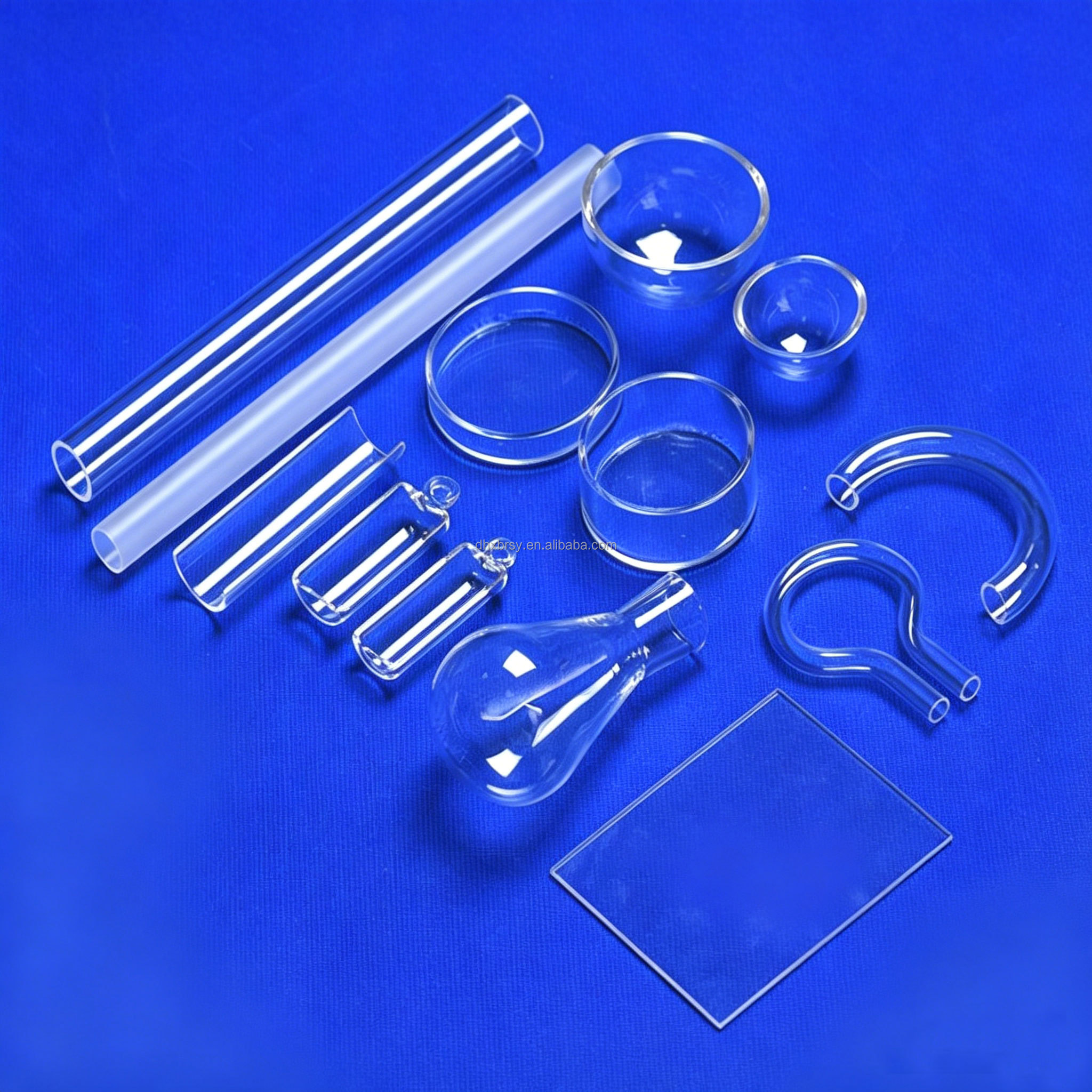
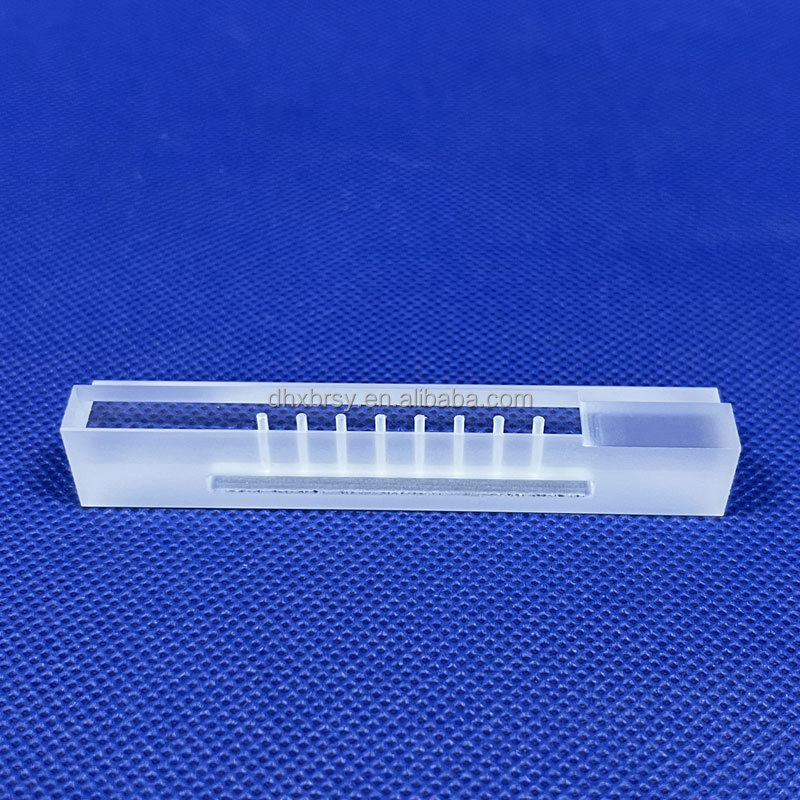
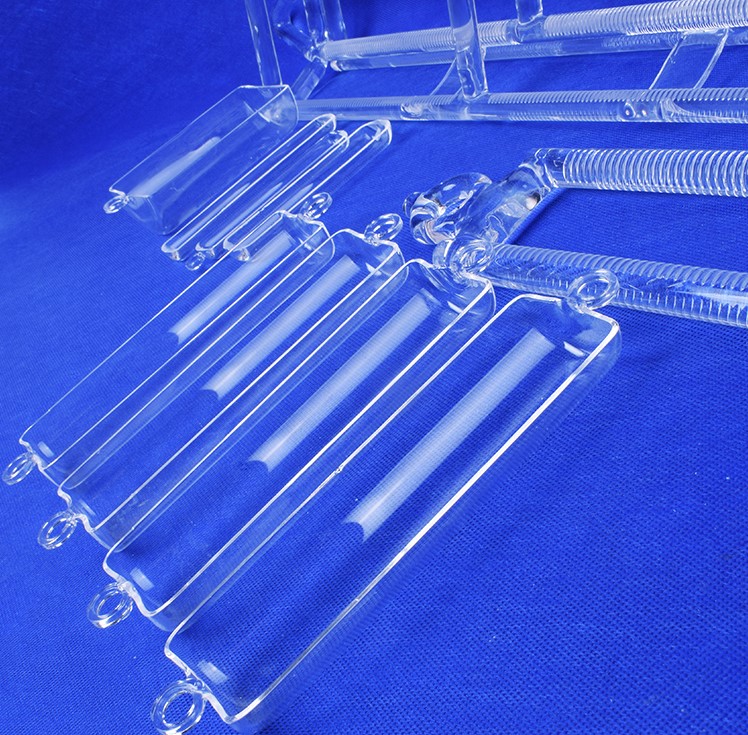
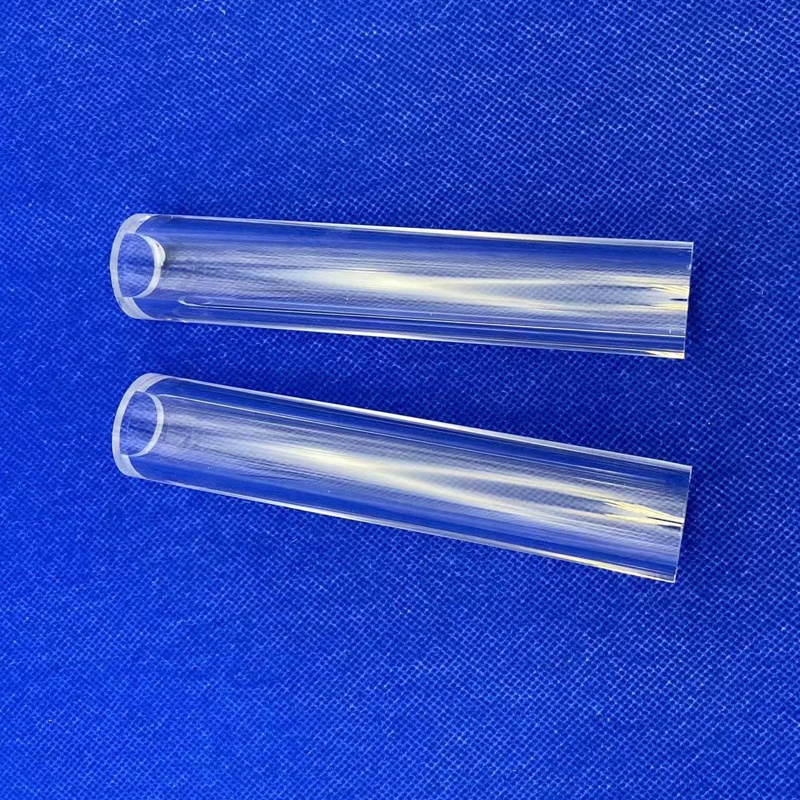
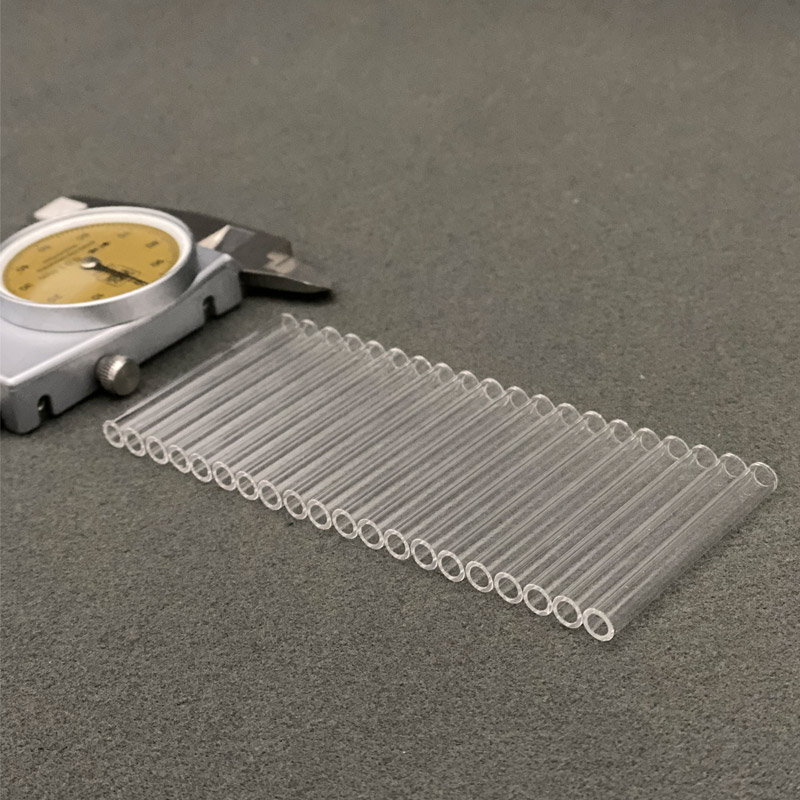
Modern optoelectronic and photolithographic infrastructure demands substrate materials that remain dimensionally immutable under intense optical power densities and aggressive chemical reagents. Transparent fused quartz optical discs—synthesized by high-temperature fusion of ultra-pure silicon dioxide (SiO₂ ≥ 99.99%)—offer a near-zero coefficient of thermal expansion (α ≈ 5.5 × 10⁻⁷ / °C between 20°C and 320°C). This structural stability eliminates focal shifts in laser processing chambers and preserves interference wavefronts in precision metrology.
Unlike standard borosilicate or aluminosilicate glasses, optical discs processed from high-grade synthetic fused silica (JGS1) and natural fused quartz (JGS2/JGS3) operate across spectral boundaries from 185 nm deep-ultraviolet excimer illumination up to 3500 nm near-infrared bands. At Lovri Quartz, every raw ingot undergoes multi-stage chemical leached refining, vacuum electric melting, and precision annealing to eliminate point defects, bubbles, and striae.
Gingerland's fast-maturing advanced manufacturing clusters rely heavily on dependable, precision-tolerance fused quartz discs and custom apparatus. Our OEM/ODM quartz factory supports three primary industrial pillars across the Gingerland market.
In Gingerland's regional semiconductor cleanrooms, high-purity quartz optical discs serve as sacrificial carrier plates, viewports for plasma etch chambers, and wafer support platens during dry etching and chemical vapor deposition (CVD). Zero metallic ion outgassing guarantees defect-free sub-micron fabrication cycles.
Gingerland laser equipment integrators deploy our custom cut and CNC-polished quartz discs as protective cover windows, laser output mirrors, and triple-bore flow containment cells. Superior laser damage threshold (LDT) values prevent solarization and thermal blooming under kilowatt CW or ultrafast pulsed fiber laser sources.
Renewable solar cell production lines located in Gingerland utilize large-aperture quartz optical discs and high-transmittance furnace tubes (518-series) to isolate high-temperature heating zones. These components ensure unobstructed infrared radiant transfer, optimizing photovoltaic cell conversion efficiency while resisting thermal cycling fatigue.
Understanding regional procurement dynamics helps supply chain leaders mitigate bottlenecks and elevate system reliability.
Gingerland optics buyers are steadily upgrading from commercial JGS2 glass to synthetic fused silica (JGS1), eliminating transmission cut-offs below 250 nm in UV sterilization and photolithography.
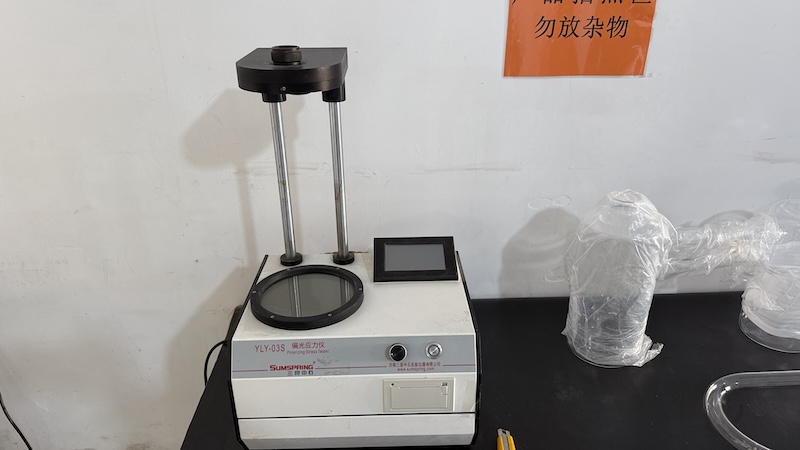
Supply chain protocols in Gingerland now require complete trace documentation, from raw sand acid pickling data to certified RoHS, CE, and non-destructive polarization stress inspection certificates.
Tier-1 system builders are avoiding regional distributors, choosing direct factory OEM/ODM partnerships to secure tight tolerances (±0.02 mm) while shortening turnaround on custom modifications.
Gingerland engineers require fully integrated multi-axis CNC drilling, beveling, step-milling, and optical face polishing on discs and apparatus in a single facility to avoid multi-vendor handling risks.
Technical specifications for project engineers drafting OEM/ODM quartz optical discs and component drawings.
| Optical Quartz Grade | Transmission Bandwidth | Hydroxyl (OH⁻) Content | Typical Applications |
|---|---|---|---|
| JGS1 (Synthetic Silica) | 185 nm – 2500 nm | < 5 ppm to 1200 ppm (Grade dep.) | Excimer laser optics, Deep-UV windows, photolithography discs, microplates |
| JGS2 (Fused Natural Quartz) | 220 nm – 2500 nm | < 30 ppm to 150 ppm | Sight glasses, UV sterilization reactor discs, furnace inspection windows |
| JGS3 (Infrared Fused Quartz) | 260 nm – 3500 nm | < 5 ppm (Water-free IR grade) | Infrared pyrometry windows, thermal imaging viewports, CO₂ laser optics |
| Opaque Silica (Milky White) | Diffuse / IR reflective | N/A | Thermal insulation baffles, radiant heater sleeves, heat shields |
| Parameter / Physical Property | Tested Metric Value | Analytical / Standard Method |
|---|---|---|
| SiO₂ Chemical Purity | ≥ 99.99% | ICP-OES Spectrochemical Assay |
| Density (ρ) | 2.20 g/cm³ | ASTM C693 Density Determination |
| Coefficient of Thermal Expansion (CTE) | 5.5 × 10⁻⁷ / °C (20°C to 320°C) | Dilatometric Thermal Expansion Testing |
| Annealing Point / Softening Point | 1215°C / 1730°C | ASTM C336 Standard Test |
| Max Continuous / Peak Working Temp | 1100°C / 1300°C | Atmospheric Furnace Stability Cycle |
| Standard Surface Roughness (Super-polish) | Ra ≤ 0.5 nm (40/20 or 20/10 Scratch/Dig) | White Light Optical Interferometry |
Controlling every manufacturing phase in our Lianyungang facility ensures complete metallurgical purity, dimensional precision, and stress-free optical clarity.
Selected high-purity natural quartz lumps are pulverized and sized into calibrated crystalline grain distributions.
Multi-stage acid chemical washing removes trace metallic inclusions, achieving confirmed 99.99% SiO₂ matrix baseline purity.
Vacuum thermal melting transforms silica into transparent ingots, hollow cylinder forms, and continuous drew tubes.
Computerized thermal ramp cycles dissipate internal molecular shear stress, eliminating thermal cleavage risks during machining.
Ingots are sliced into raw discs, rounds, or rectangular blanks with precise thickness offsets and chamfered edges.
Precision drilling, micro-milling, step-profiling, and threading applied directly in accordance with customer STEP/DWG drawings.
Chemical mechanical polishing (CMP) delivers optical flat surfaces, achieving λ/4 to λ/10 wavefront flatness and Ra < 0.5 nm.
Every piece undergoes polarization stress testing, dimensional CMM verification, and cleanroom vacuum packaging.
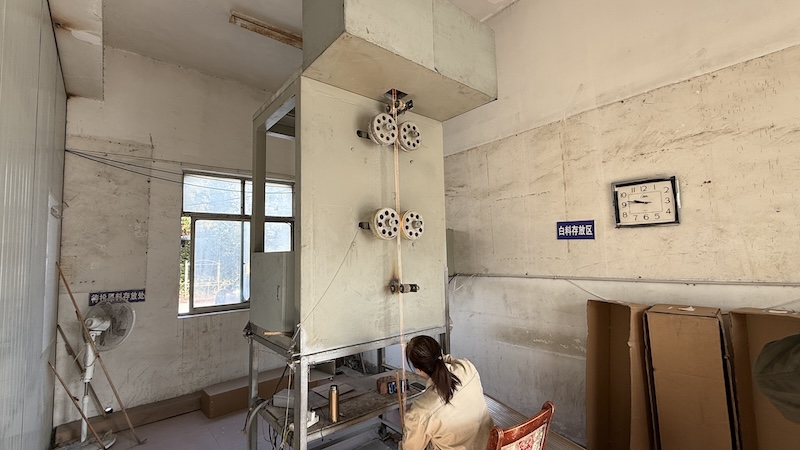
Lovri Quartz Products Co., Ltd. operates in Tuofeng Industrial Park, Lianyungang, Jiangsu — the primary epicenter of China's quartz material and manufacturing sector. With raw mineral resources, specialist glassworking artisans, and advanced CNC centers centralized under one operational umbrella, we provide unparalleled supply chain speed and cost advantages.
Key considerations for importing custom OEM/ODM quartz optical discs, flanges, and high-temperature apparatus.
Upload your optical disc specifications, drawing formats, or thermal criteria. Our applications engineers respond within 8 business hours with DFM reviews and volume price breaks.