99.99% SiO₂
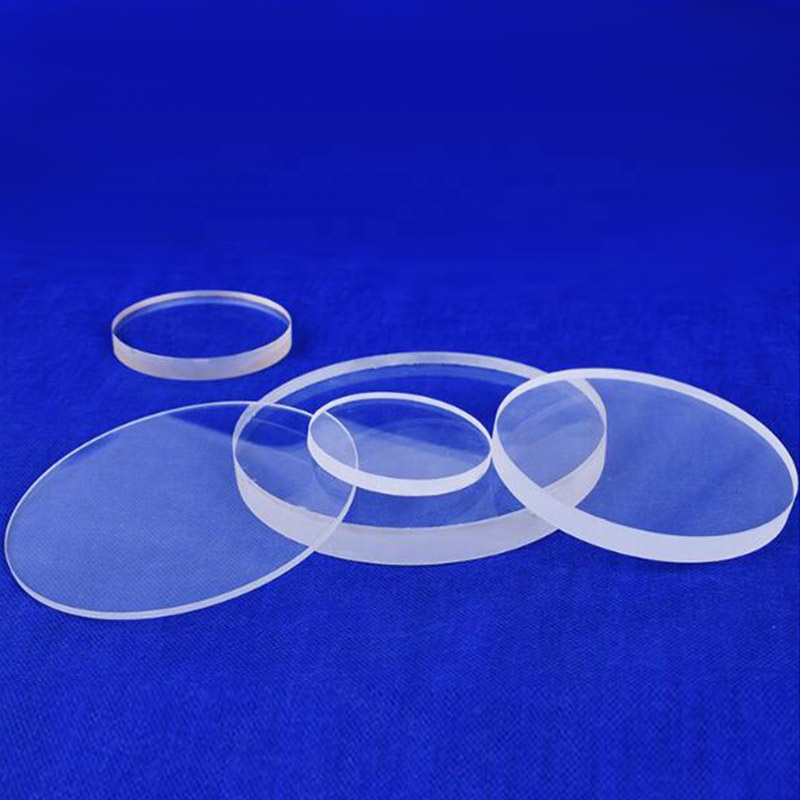
Optical Grade Fused Quartz Plate & Disc
200 Mesh optical polish, ROHS certified fused silica plate with ultra-low thermal expansion and UV transparency.
Explore our verified high-temperature, acid-resistant fused quartz apparatus, plates, and tubes designed for cleanroom processes and harsh laboratory syntheses in Liège.
200 Mesh optical polish, ROHS certified fused silica plate with ultra-low thermal expansion and UV transparency.
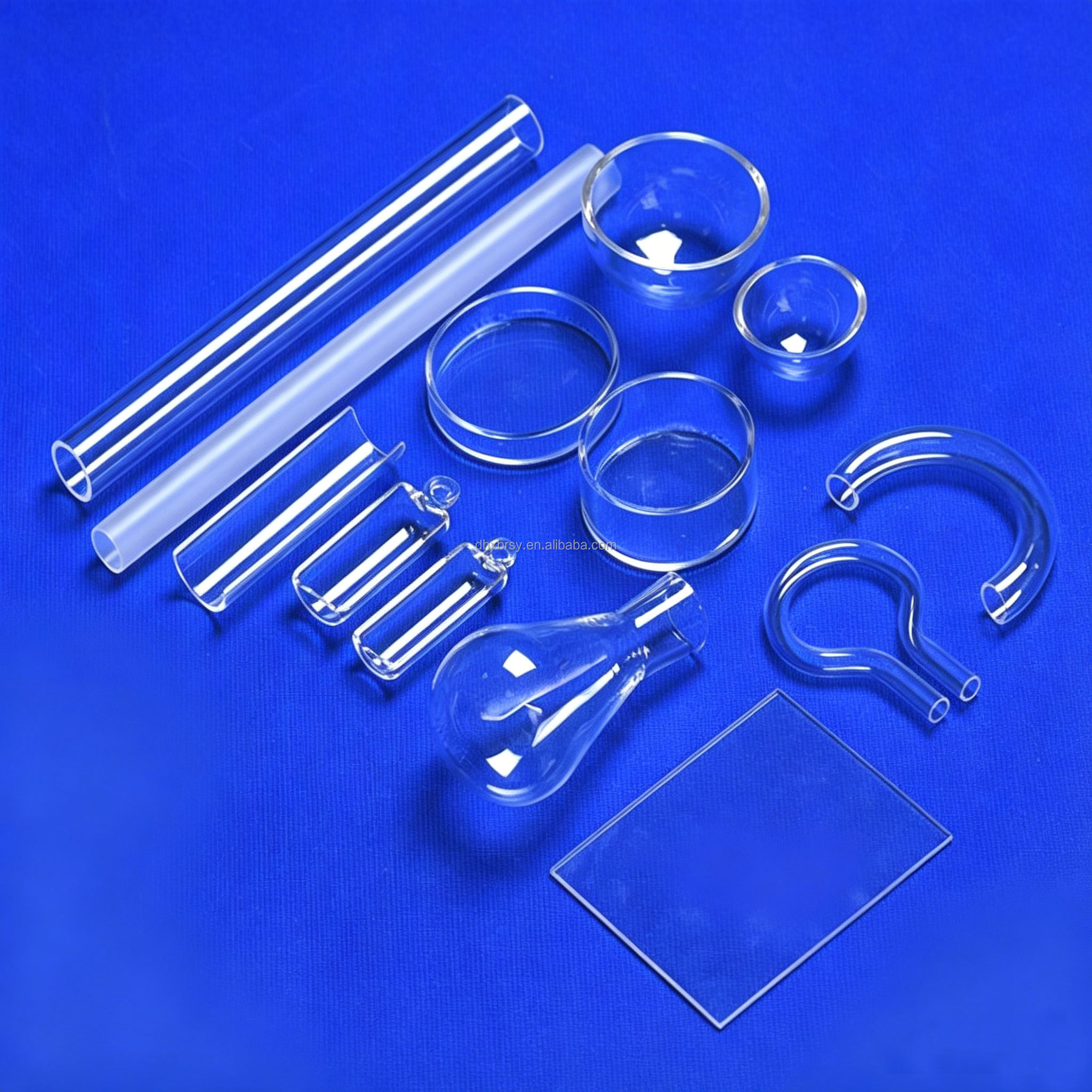
High insulation precision quartz glass sheet for laser machinery, sight ports, and photochemical reaction windows.
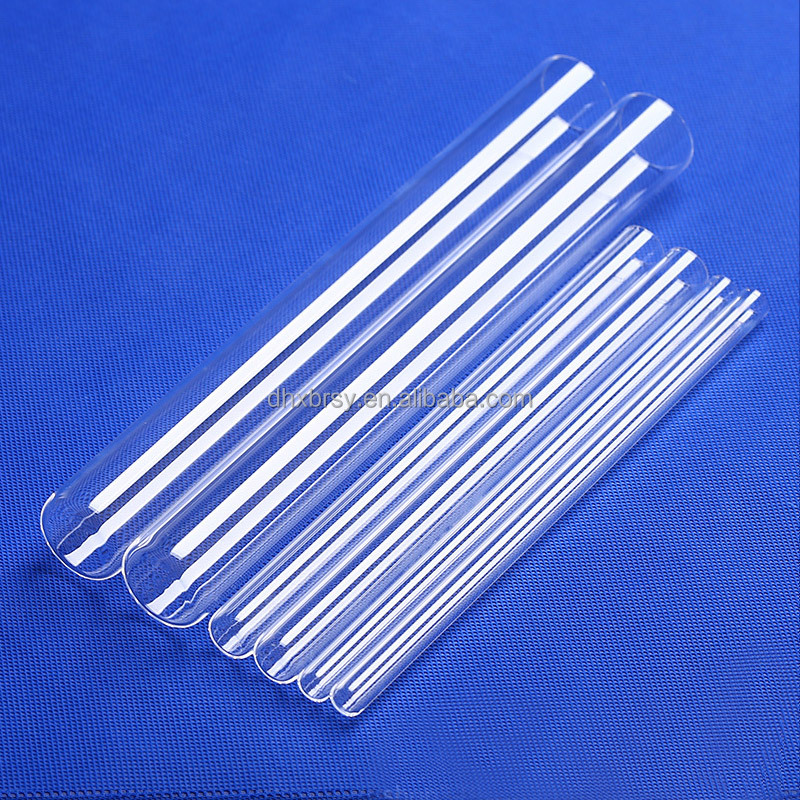
High-pressure resistant translucent polished tube sustaining continuous 1100°C and short-term 1400°C heating cycles.
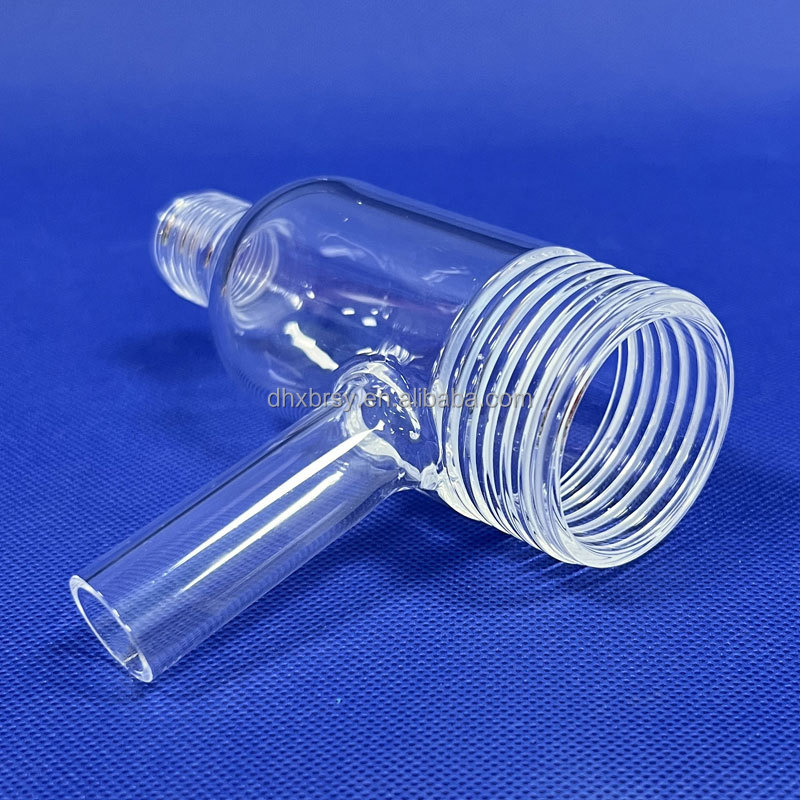
Precision male/female threaded silica tube engineered for acid synthesis, leak-tight flanged reactors, and gas feeding.
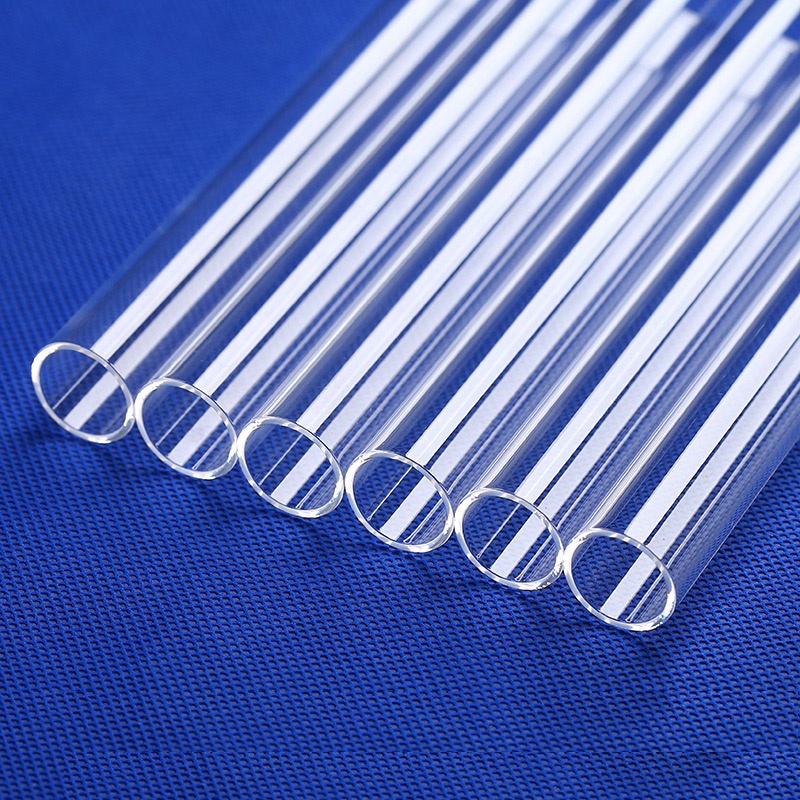
Bending and welding certified fused silica tubing for semiconductor etching conduits and reaction manifold lines.
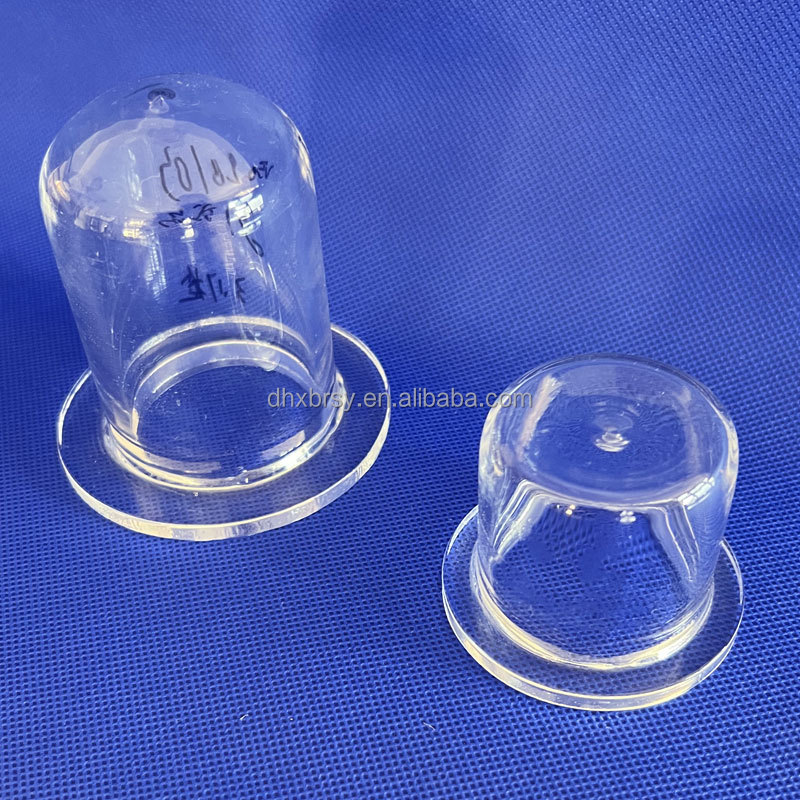
Ultra-clear solar and battery material calcination tubes offering uniform thermal dissipation and zero metal contamination.
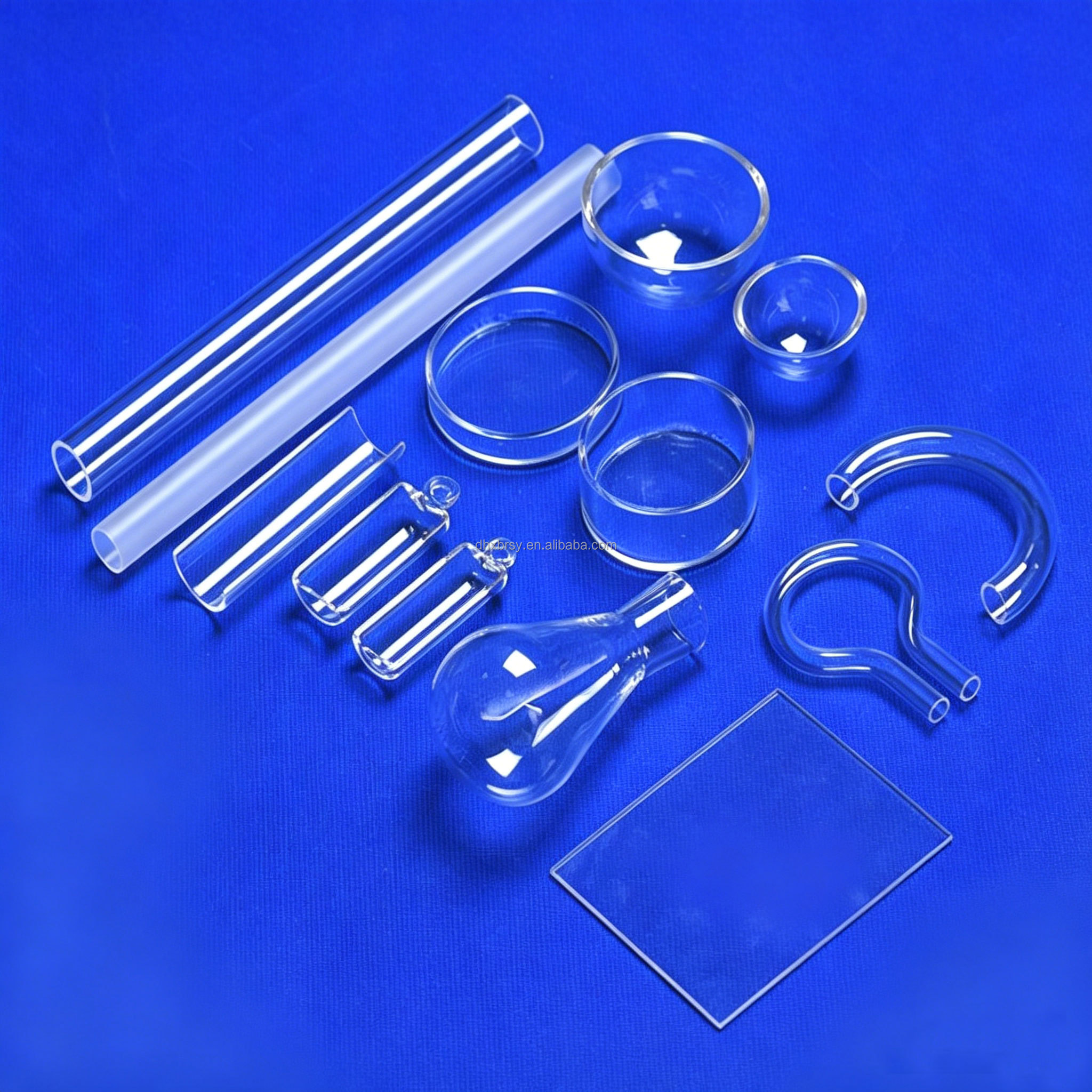
Multi-neck reaction flasks, jacketed synthesis bodies, distillation condensers, and customized manifolds to customer CAD.
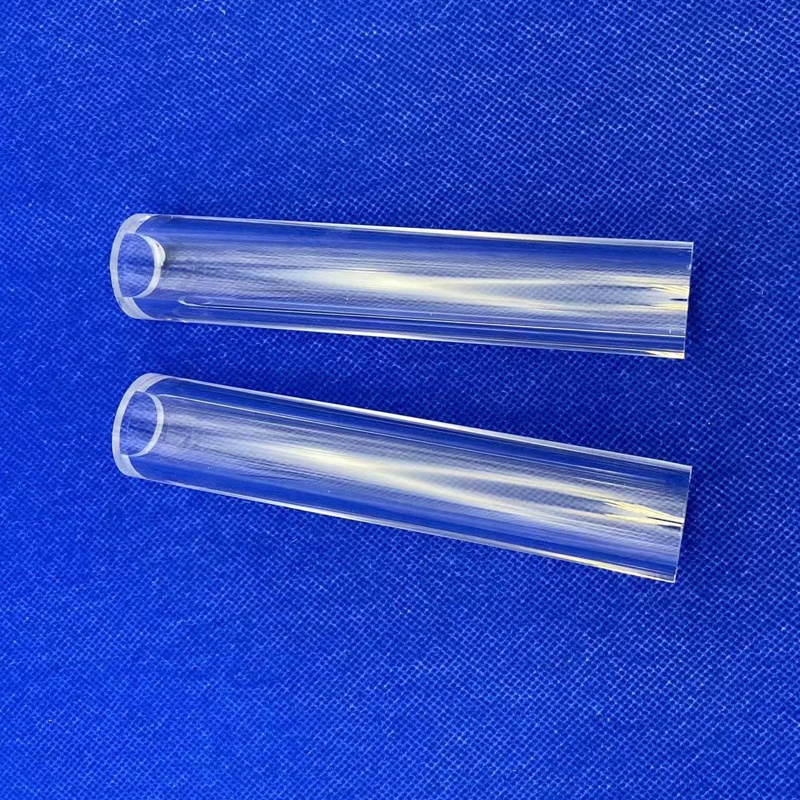
Deep-UV transmitting and ozone generation fused silica tubes with polished cut edges and high mechanical durability.
In advanced analytical synthesis, continuous-flow chemistry, and high-temperature catalytic processing, the chemical and physical limitations of conventional borosilicate glass (Pyrex / Duran 3.3) represent a primary point of process failure. For scientific facilities and industrial manufacturers in the Liège metropolitan area and across the wider Wallonia region, transitioning to 99.99% high-purity fused quartz reaction flasks provides an essential operational leap. With a softening point exceeding 1730°C, continuous service reliability up to 1100°C, and virtually zero coefficient of thermal expansion (5.5 × 10⁻⁷ /°C), our custom-fabricated fused silica vessels withstand severe thermal shocks, aggressive acid environments, and intensive photochemical irradiation without ion leaching or structural degradation.
Laboratory glassware failures under high-temperature refluxing, flash pyrolyses, or photolytic digestions generally originate from two phenomena: thermal shock stress gradients and alkaline earth metal contamination. Borosilicate glass contains approximately 12–15% boron trioxide (B₂O₃) and 4% sodium/aluminum oxides. When subjected to temperatures exceeding 450°C or prolonged contact with boiling acidic solutions, trace boron and alkali ions continuously leach into the reaction mass, catalyzing unwanted side reactions or ruining the spectroscopic purity of pharmaceutical APIs.
Lovri Quartz addresses this limitation by deploying pure synthetic and electric-arc melted fused quartz with less than 20 ppm total metallic impurities (Fe ≤ 1.2 ppm, Al ≤ 14 ppm, Ca ≤ 0.4 ppm). The tetrahedral silica network confers exceptional chemical inertness against virtually all industrial acids—including concentrated boiling hydrochloric (HCl), sulfuric (H₂SO₄), and nitric acid (HNO₃)—with the single exceptions of hydrofluoric acid (HF) and concentrated phosphoric acid at elevated temperatures.
| Physical / Chemical Property | High-Purity Fused Quartz (Lovri) | Standard Borosilicate 3.3 Glass | Engineering Significance for Liège Syntheses |
|---|---|---|---|
| SiO₂ Content | ≥ 99.99% | ≈ 80 - 81% | Zero boron or sodium leaching during trace element pharma analysis |
| Continuous Operating Temp | 1100 °C | 450 °C - 500 °C | Allows molten salt syntheses, dry pyrolysis, and gas vapor deposition |
| Thermal Expansion Coeff. (20-300°C) | 5.5 × 10⁻⁷ /°C | 33 × 10⁻⁷ /°C | Immune to thermal shock; can be heated to 1000°C and plunged in water |
| Softening Point | ≈ 1730 °C | ≈ 820 °C | Prevents dimensional sag during localized burner or RF heating |
| UV Cutoff Wavelength (JGS1) | 185 nm (Deep UV) | ≈ 310 nm (Blocks UV-C/B) | Permits direct photochemical chlorination and excimer irradiation |
| Dielectric Strength (20°C, 1MHz) | 2.5 × 10⁷ V/m | 1.0 × 10⁷ V/m | Superior insulation for microwave-assisted and RF plasma reactors |
How Lovri Quartz OEM/ODM reaction vessels empower key technological nodes in Liège Science Park, the Meuse Valley chemical corridor, and university laboratories.
The concentration of life science ventures, contract research organizations (CROs), and specialized peptide/oligonucleotide producers along Sart-Tilman requires jacketed quartz reaction vessels. Because our vessels offer non-reactive internal surfaces, researchers achieve zero metal-catalyzed product degradation during high-value biopharmaceutical crystallization and active ingredient scaling.
Collaboration with teams affiliated with the Centre Spatial de Liège (CSL) demands reaction flasks capable of withstanding extreme cyclic vacuum-thermal environments. Our multi-neck quartz flasks serve as ultra-clean outgassing chambers and chemical vapor purification bulbs that maintain seal integrity without micro-fracturing at sub-zero cryogenic gradients.
Industrial decarbonization initiatives along Seraing and Herstal require quartz reactors for steam methane reforming, methane pyrolysis, and fuel cell electrolyte catalysis. Fused silica accommodates continuous operating temperatures of 1100°C while resisting the sulfur-bearing and carbonizing atmospheres that rapidly degrade metal alloys.
Rooted in Liège’s historical metallurgical heritage, local research institutions focusing on solid-state battery electrolytes and specialty alloy hydrides rely on our custom quartz digestion flasks. Our vessels endure aggressive hot aqua regia leaching protocols while enabling continuous visual verification of dissolution endpoints.
Using synthetic JGS1 grade quartz with deep ultraviolet light transmission down to 185 nm, our custom-blown photochemical immersion flasks permit direct mercury lamp or UV-LED irradiation inside the core reaction medium, eliminating UV-absorption losses inherent to borosilicate.
Academic laboratories at the University of Liège (ULiège) studying sol-gel chemistry, nanostructured ceramics, and perovskites use our customized multi-neck flasks, Schlenk line quartz adaptations, and thermocouple well tubes to isolate ultra-pure matrices without glass-derived contamination.
The industrial landscape of Liège and Wallonia is undergoing an aggressive transition under the Wallonia Recovery Plan (Plan de Relance), emphasizing advanced biomanufacturing, circular chemistry, clean hydrogen production, and specialized aerospace instrumentation. As regional scientific institutions scale from exploratory bench-top syntheses to pilot-scale continuous production, laboratory procurement teams face shifting operational priorities:
European laboratories require strict compatibility with existing glassware systems. Our OEM fabrication supports DIN standard conical ground joints (NS 14/23, 19/26, 24/29, 29/32, 45/40) as well as flat ground flanges (DN 60, DN 100) with mirror-polished surfaces ensuring hermetic vacuum seals (≤ 10⁻⁵ mbar).
Belgian environmental and workplace standards enforce rigorous traceability. Every quartz flask batch shipped to Liège is accompanied by comprehensive raw material certifications verifying zero hazardous substances (RoHS) and full chemical registration alignment under EU REACH protocols.
Liège Airport serves as Europe’s leading cargo hub for specialized freight. Leveraging dedicated direct air-cargo routes from China to LGG, Lovri Quartz minimizes transit handling, customs delays, and the multi-hop shock hazards that typically endanger fragile scientific glass consignments.
Modern process chemistry is shifting away from batch flasks toward modular micro-channel reactors. Our in-house 5-axis CNC ultrasonic glass machining centers deliver multi-port reaction heads, internal baffle quartz geometry, and precision optical sensor wells accurate to ±0.05 mm.
Located in Lianyungang—China's premium quartz cluster—we eliminate intermediate trading markup while enforcing strict scientific QA standards verified by SGS Group.
Unlike secondary workshops that purchase unverified glass blanks, Lovri Quartz manages raw quartz lump cutting, crushing, pulverizing, and multi-stage hydrofluoric/nitric acid pickling in-house. This guarantees an initial SiO₂ purity baseline of 99.99%, minimizing OH radical content and bubble inclusions.
Residual structural stress inside quartz glass flasks is the primary trigger of violent shattering during rapid temperature transitions. Every reaction vessel produced in our 14,271 m² workshop undergoes electric furnace stress-relief annealing followed by 100% polariscope birefringence inspection.
Whether you require a round-bottom 500 mL single-neck flask, a 50-liter cylindrical reaction vessel with bottom drain quartz valve, or a quadruple-neck photochemical jacketed reactor, our glassblowing technicians and CNC engineers work directly from customer drawings (PDF, DWG, STEP) with prototypes starting from 1 unit.
Practical technical, operational, and commercial insights to streamline your procurement cycle from China to Belgium.
Submit your design drawings (CAD, DWG, PDF, or STEP), operating temperature parameters, and chemical specifications. Our senior quartz engineering team will review manufacturability, recommend optimal silica grades, and provide a competitive direct-factory quotation within 24 hours.
Inquire Now