Customized Clear Quartz Glass Tube Fused Silica Test Tube
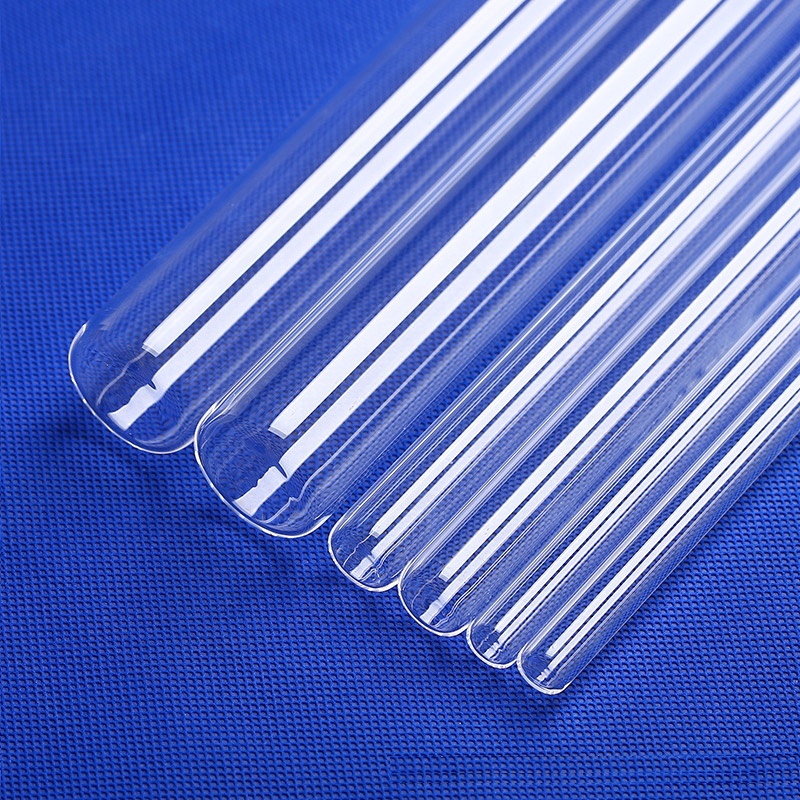
One-end closed bottom design engineered with 99.99% SiO2 for semiconductor diffusion, chemical vapor deposition, and thermal digestion.
Direct supply lines from our specialized fused quartz facilities to research hubs, laser integration lines, and semiconductor laboratories in Iași.
One-end closed bottom design engineered with 99.99% SiO2 for semiconductor diffusion, chemical vapor deposition, and thermal digestion.
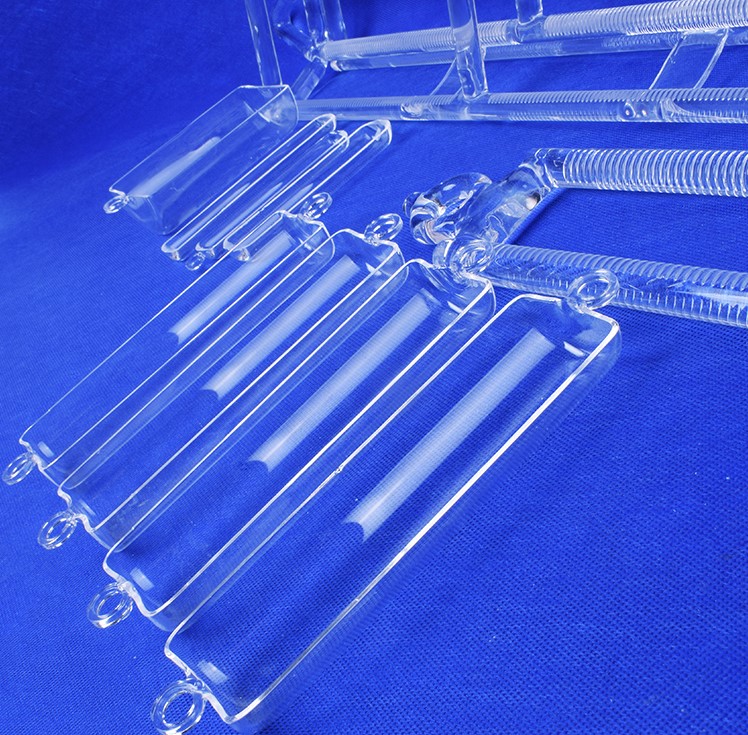
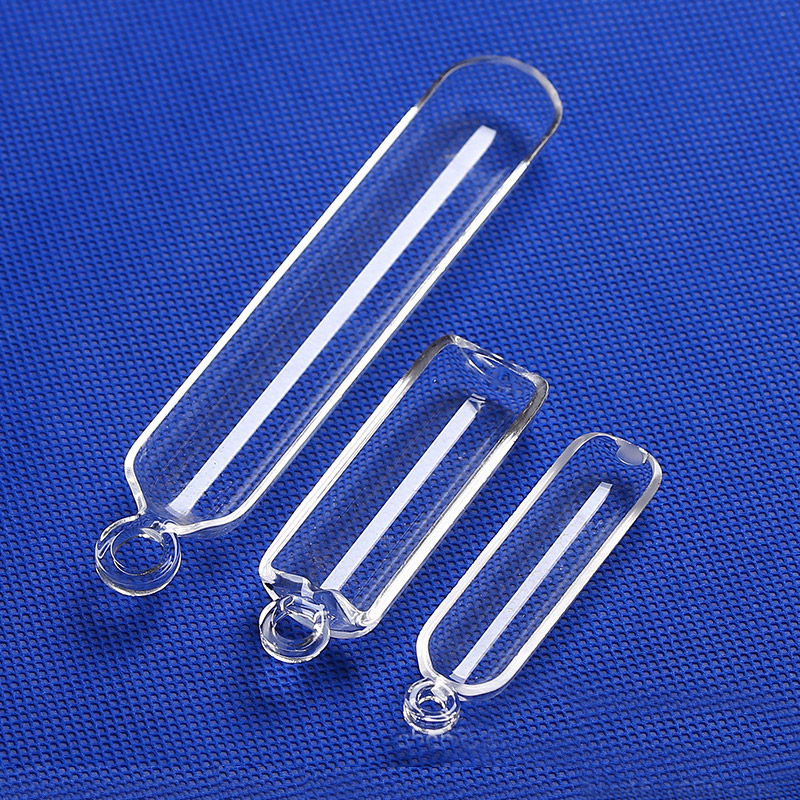
Heavy-duty carrier boats crafted for high-temperature wafer diffusion furnaces, chemical acid baths, and crystalline silicon processing.
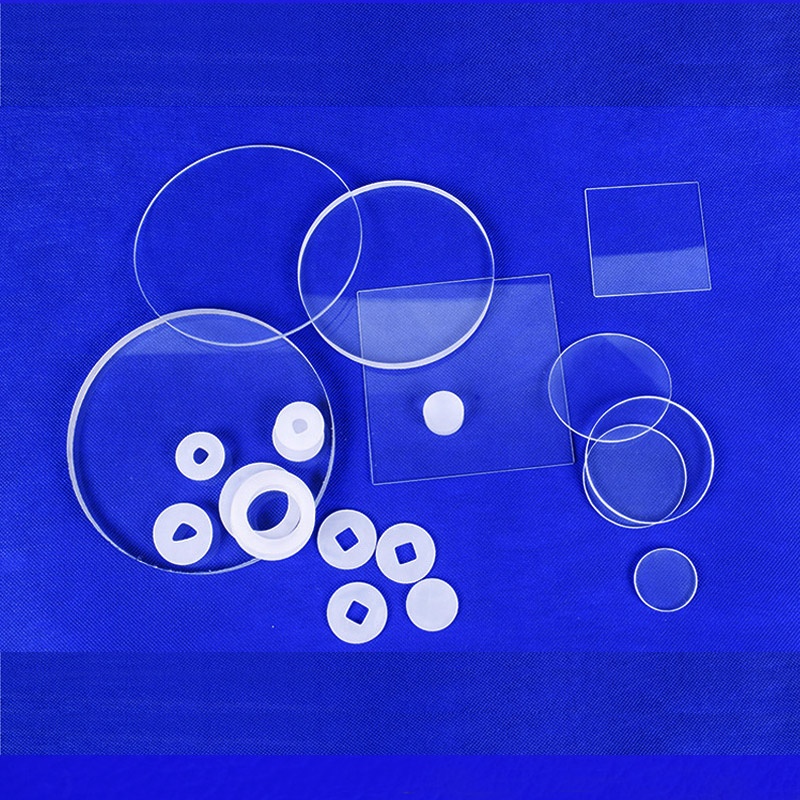
99.99% SiO2 optical plate annealed for ultra-low stress birefringence. Deep UV transparency across the 185–2500 nm range.
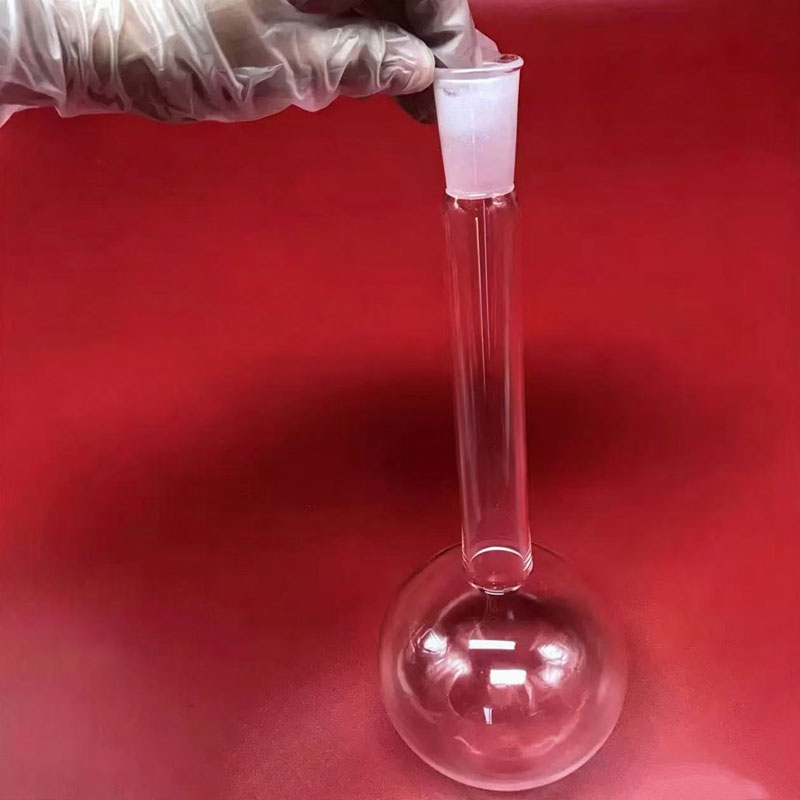
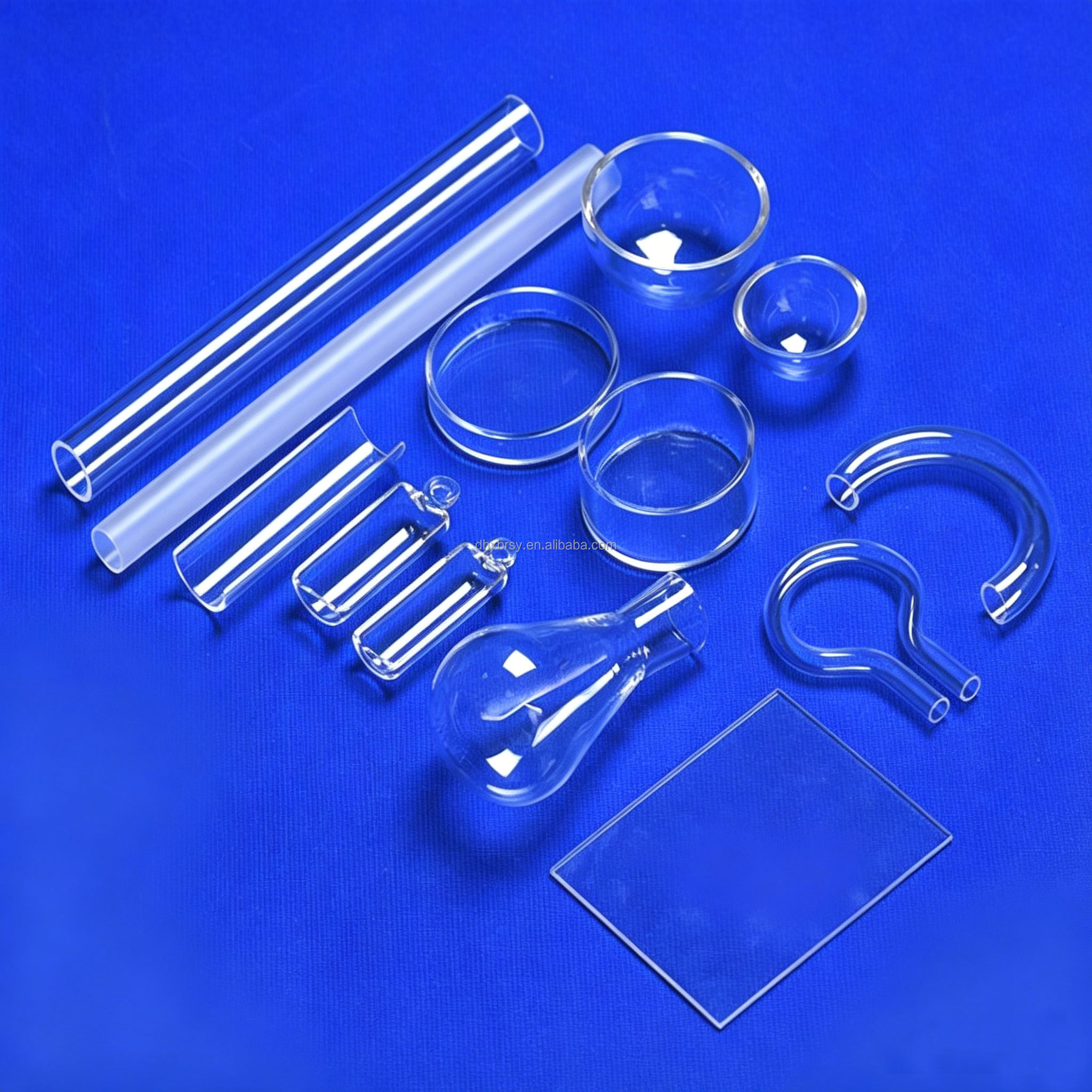
Precision flame-welded lab apparatus with smooth polished edges. High chemical inertness for corrosive reagents and sample calcination.
Withstands operating environments up to 1200°C continuously. Excellent thermal shock resistance with zero softening under steep gradients.
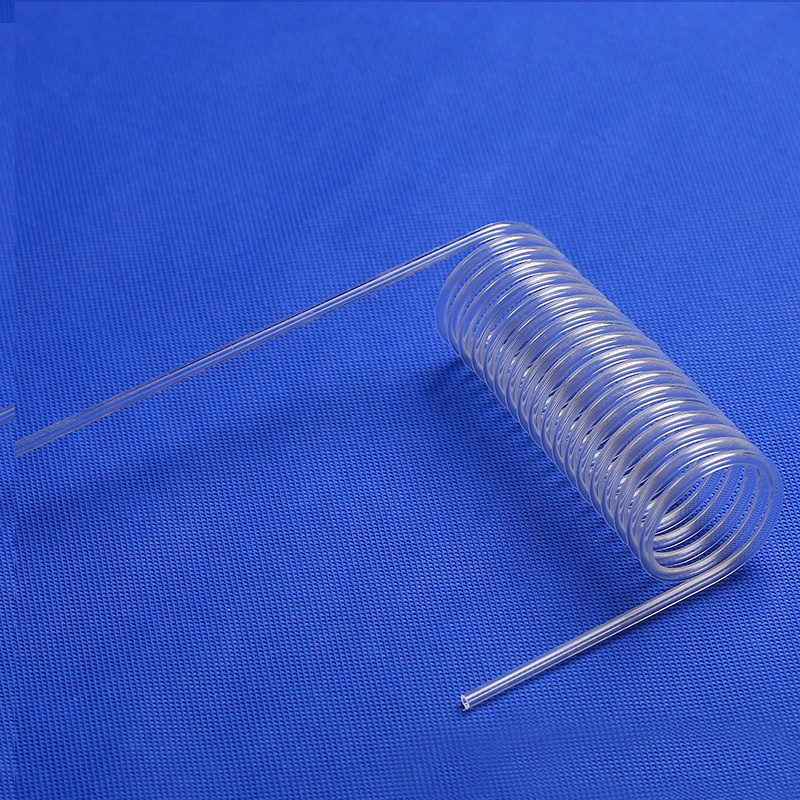
Selective filtering quartz helix engineered to cut off harmful stray radiation while maintaining high cooling flow efficiency for pump cavities.
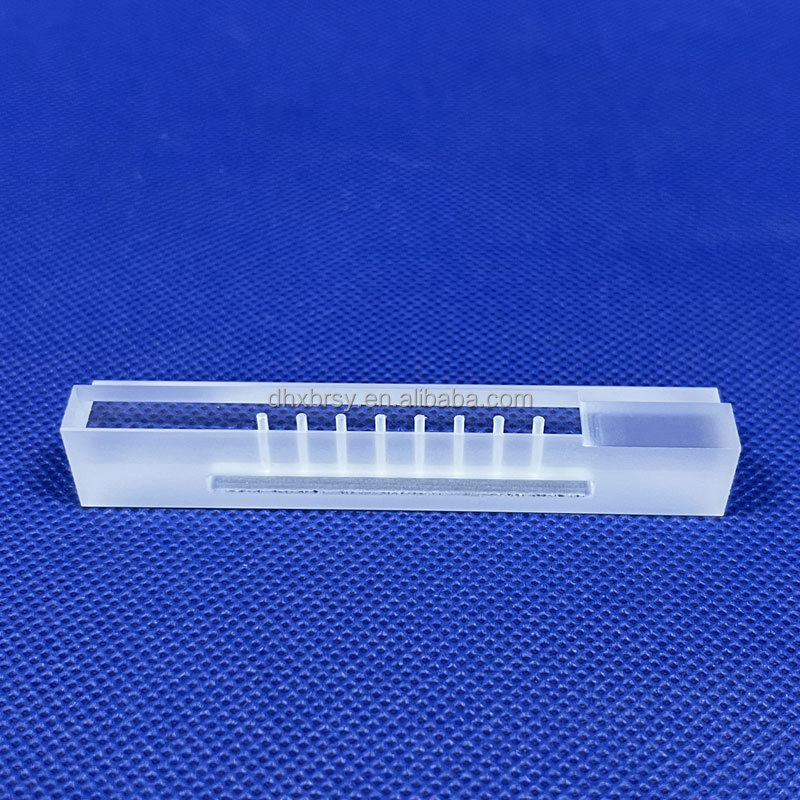
Sub-micron CNC machining tolerances for multi-channel optical fiber alignment, photonic integrated circuit packaging, and optoelectronics.
High-damage-threshold quartz window designed for industrial fiber laser cutting heads, beam splitters, and observation ports.
As Eastern Europe accelerates its semiconductor, optical sensor, and industrial laser processing capacity, Iași stands at the epicenter of Moldavia's academic research and precision optoelectronics. Procuring engineered optical quartz glass sheets requires thorough validation of optical grade homogeneity, hydroxyl (OH⁻) content, thermal stability, and mechanical birefringence.
Synthetic fused silica and high-purity natural fused quartz represent the foundation of modern high-power photonics, precision microelectronics, and deep ultraviolet (DUV) applications. Unlike generic borosilicate or standard technical glasses, optical quartz glass consists of amorphous silicon dioxide (SiO2) with trace elemental impurities measured strictly in parts per million (ppm) or parts per billion (ppb). In demanding laboratory environments—such as the advanced laser diagnostics centers at the Gheorghe Asachi Technical University of Iași (TUIASI) or the Department of Physics at Alexandru Ioan Cuza University (UAIC)—slight variations in material purity dictate the success or failure of complex optoelectronic systems.
When specifying optical quartz glass sheets for export to Iași, industrial procurement engineers and academic researchers face three fundamental challenges: thermal deformation during prolonged cycling, optical transmission degradation under high-fluence UV radiation, and wavefront distortion caused by unrelaxed mechanical stress. Addressing these factors requires an integrated manufacturing methodology—from raw crystalline silica selection through chemical acid refining, continuous electric-arc or oxyhydrogen fusion, precision annealing, and comprehensive polarization stress testing.
Selecting the exact grade of fused quartz or synthetic silica determines operational parameters, transmission cutoffs, and capital expenditures. Below is the reference operational matrix utilized by our engineering department when certifying optical quartz glass plates for European clients:
| Optical / Physical Property | JGS1 (Synthetic Fused Silica) | JGS2 (Optical Fused Quartz) | JGS3 (Infrared Fused Quartz) | Standard Borosilicate 3.3 |
|---|---|---|---|---|
| Effective Transmission Band | 185 nm – 2500 nm (Deep UV to NIR) | 220 nm – 2500 nm (UV to NIR) | 260 nm – 3500 nm (Extended IR) | 320 nm – 2000 nm (Visible spectrum) |
| Hydroxyl (OH⁻) Content | < 5 ppm to > 1200 ppm (Configurable) | 150 – 200 ppm (Flame Fused) | < 5 ppm (Electrically Fused, Dry) | Non-Applicable (Multi-component) |
| SiO2 Purity Level | ≥ 99.999% | ≥ 99.99% | ≥ 99.99% | ≈ 81% SiO2 (B2O3, Na2O alloys) |
| Coeff. of Thermal Expansion (CTE) | 5.5 × 10⁻⁷ / °C (20°C – 320°C) | 5.5 × 10⁻⁷ / °C | 5.5 × 10⁻⁷ / °C | 3.3 × 10⁻⁶ / °C (∼6x higher) |
| Continuous Max. Service Temp. | 1100 °C | 1100 °C | 1150 °C | 450 °C |
| Thermal Shock Resistance (ΔT) | > 1000 °C (Quench into cold water) | > 1000 °C | > 1000 °C | ≤ 150 °C failure threshold |
| Refractive Index (nd, 589.3 nm) | 1.4585 | 1.4585 | 1.4585 | 1.4720 |
| Stress Birefringence Limit | ≤ 5 nm/cm (Precision Annealed) | ≤ 8 nm/cm | ≤ 10 nm/cm | ≥ 25 nm/cm (Commercial grade) |
How advanced engineering organizations and research facilities across Iași County integrate high-precision optical quartz glass sheets into mission-critical systems.
Institutes such as UAIC and the National Institute of Research and Development for Technical Physics (NIRDTP Iași) utilize JGS1 synthetic silica plates as low-dispersion window substrates, beam samplers, and dielectric mirror carriers in high-fluence ultrafast laser setups.
With major Tier-1 automotive software and hardware engineering facilities established throughout Iași, optical quartz plates serve as high-durability optical covers, sensor calibrators, and environmental test viewports resistant to thermal shock, gravel impact, and broad-spectrum weathering.
Industrial machinery fabricators and metalworking factories across the Miroslava and Tomești industrial parks rely on 99.99% SiO2 protective quartz discs to safeguard sensitive 6 kW to 20 kW laser focusing optics from molten spatter, dust, and thermal distortion.
Clinical laboratories associated with the Grigore T. Popa University of Medicine and Pharmacy (UMF Iași) utilize our double-side polished JGS1 micro-plates and flow-through quartz cells for precise UV absorbance spectroscopy, DNA quantification, and enzymatic assays.
Supporting Romania's renewable energy transition, specialized crystalline silicon wafer carriers, quartz boats, and furnace viewing windows are deployed in cleanroom thin-film research lines, providing zero cross-contamination under extreme thermal soaking.
Iași’s expanding micro-electronics and hardware incubation projects incorporate our precision CNC-machined quartz V-groove arrays, spacer blocks, and sub-micron polished interposers for structural stability in telecommunication prototypes.
Iași is solidifying its position as one of Eastern Europe’s premier technological powerhouses. Historically famed as an academic bastion, the region has transformed over the past decade through substantial private and European Union capital investments into software engineering, automotive hardware design, biomedical devices, and micro-electromechanical systems (MEMS).
This regional industrial evolution has reshaped the requirements for optical quartz glass procurement:
1. Nearshoring and Tier-1 Supply Chain Localization: Automotive and electronic manufacturers in Romania are moving away from multi-tiered brokerage distribution models. Engineering procurement leads in Iași require direct relationships with verified source factories capable of guaranteeing material traceability, providing factory test reports (MTCs), and delivering custom CNC geometries on short turnaround cycles.
2. Escalation into Deep-Ultraviolet (DUV) & Excimer Laser Regimes: With university laboratories winning competitive Horizon Europe research consortia, the local demand for synthetic silica (JGS1) with deep-UV cutoff below 185 nm has surged. Research teams require windows free of internal bubble inclusions (verified to ISO 10110 standards) that do not suffer from solarization or color center formation under long-duration 193 nm and 248 nm exposure.
3. Rigorous Quality Compliance and Direct Customs Clearance: Romanian industrial enterprises operate under strict European CE, RoHS, and REACH frameworks. Consignments delivered to Iași International Airport (IAS) or arriving via air freight through Henri Coandă International Airport (OTP) require pristine export documentation, dual-use exemption declarations, and verified non-hazardous material safety datasheets (MSDS).
Originating from Lianyungang, China's premier fused silica industrial cluster, our complete in-house manufacturing process ensures uncompromised quality control.
From lump crushing, pulverizing, and rescreening to high-temperature acid leaching, we refine raw silica in-house to achieve 99.99% to 99.999% SiO2 purity before furnace melting begins, eliminating trace metal contamination.
Our 14,271 m² production facility has undergone complete onsite verification by SGS Group. We operate dedicated CNC machining centers, automated tube drawing towers, electric annealing lehrs, and clean packaging bays.
Unrelaxed internal stress is the leading cause of sudden mechanical failure under high thermal gradients. Every batch of optical quartz sheets undergoes polariscope birefringence inspection to verify residual stress ≤ 5 nm/cm.
To eliminate transit damage across continental rail, air courier, or sea freight, our optical glass sheets are vacuum-sealed, lined with static-free optical paper, suspended in multi-layer pearl foam, and boxed in reinforced export crates.
Clear, actionable answers addressing logistics, customs documentation, dimensional tolerances, and optical certification for Romanian buyers.
Base your selection on operational wavelength: Select JGS1 (synthetic silica) if your application involves deep ultraviolet radiation (185–2500 nm), excimer lasers, or DUV spectroscopy. Choose JGS2 for visible, near-infrared, and general thermal viewports (220–2500 nm) where cost efficiency is paramount. Choose JGS3 for infrared optics up to 3500 nm, as its electrically fused production removes the infrared absorption peak caused by OH⁻ ions.
For urgent prototypes, small batches, and custom optical windows, we utilize expedited air express (DHL / FedEx / UPS) with transit times of 4 to 7 business days directly to your facility in Iași. For high-volume production orders (such as large furnace tubes or industrial quartz sheet batches), door-to-door (DAP) air cargo or ocean shipping via the Port of Constanța is arranged with complete customs clearing documentation provided.
Yes. All optical quartz glass sheets, tubes, and rods manufactured by Lovri Quartz are composed of high-purity amorphous silicon dioxide (99.99%+ SiO2) and are fully compliant with EU RoHS Directive 2011/65/EU and REACH (EC 1907/2006). Certificates of Compliance (CoC) and third-party laboratory test reports are provided with every export shipment.
Absolutely. Our CNC quartz machining center accepts STEP, DWG, DXF, and PDF drawings. We maintain standard linear tolerances of ±0.05 mm, with precision machining capabilities down to ±0.01 mm on optical edges, step bevels, countersinks, V-grooves, and multi-bore flow channels. Surface finishes can be specified from fine ground to optical laser grade (Ra < 0.5 nm).
We support academic research and industrial prototyping in Iași with an MOQ of just 1 to 5 pieces for customized quartz sheets, windows, or wafer boats. This enables university research labs and Tier-1 prototyping engineers to validate designs before committing to commercial production volumes.
Every optical sheet is thoroughly cleaned in an ultrasonic bath, individually wrapped in dust-free lintless protective tissue, and secured in custom-molded high-density polyethylene (EPE) foam cutouts. The inner boxes are packed inside shock-absorbing master cartons or reinforced fumigated wooden crates engineered to absorb drop forces and vibrations encountered during international transit.
Whether you need certified JGS1 ultraviolet optical windows, custom-machined CNC quartz fixtures, or high-temperature furnace tubes, our technical engineering team provides immediate design-for-manufacturing (DFM) reviews and competitive direct-factory quotations.