Featured Optical Windows & Fused Silica Components
Direct factory production with 99.99% SiO₂ purity, high continuous thermal shock resistance up to 1100°C, and sub-nanometer surface roughness for rigorous optical and semiconductor packaging environments in North Rhine-Westphalia.
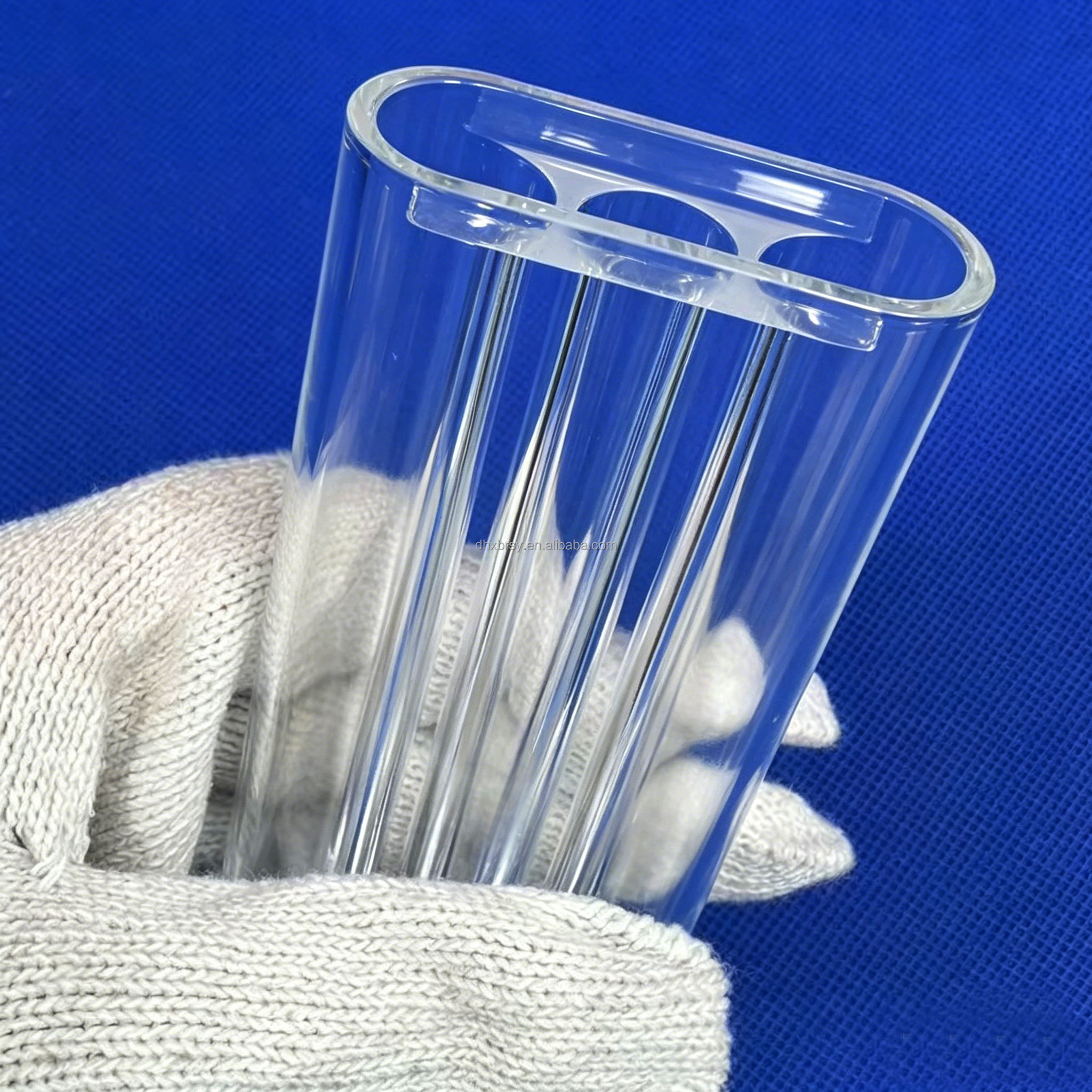
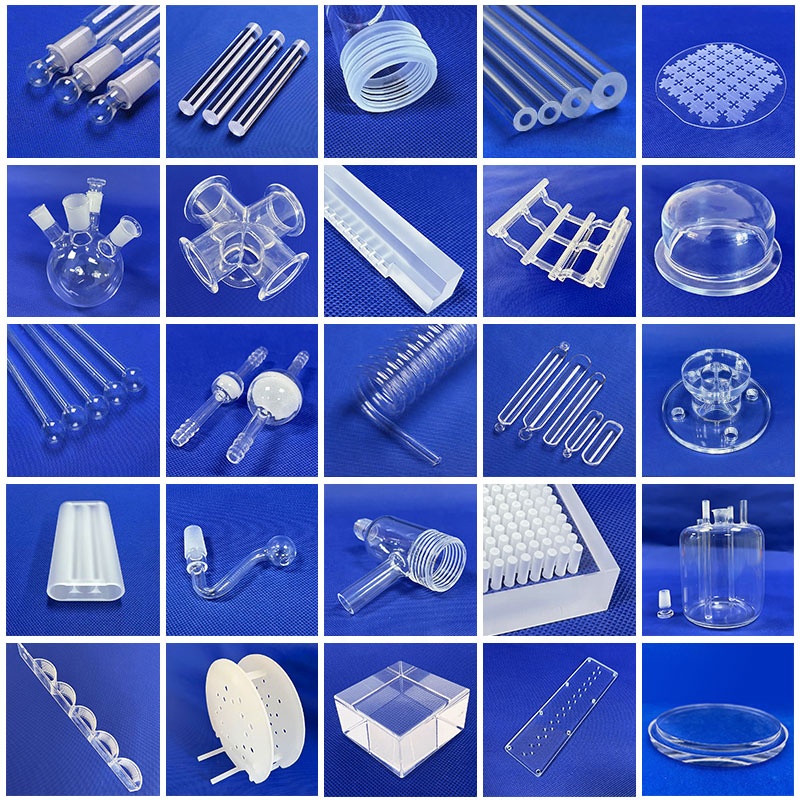
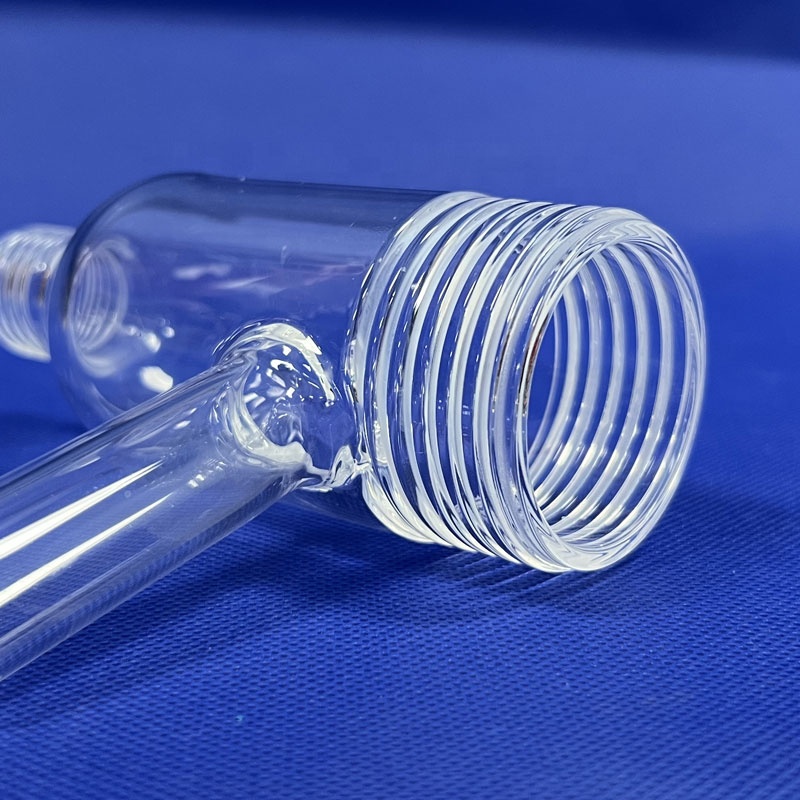
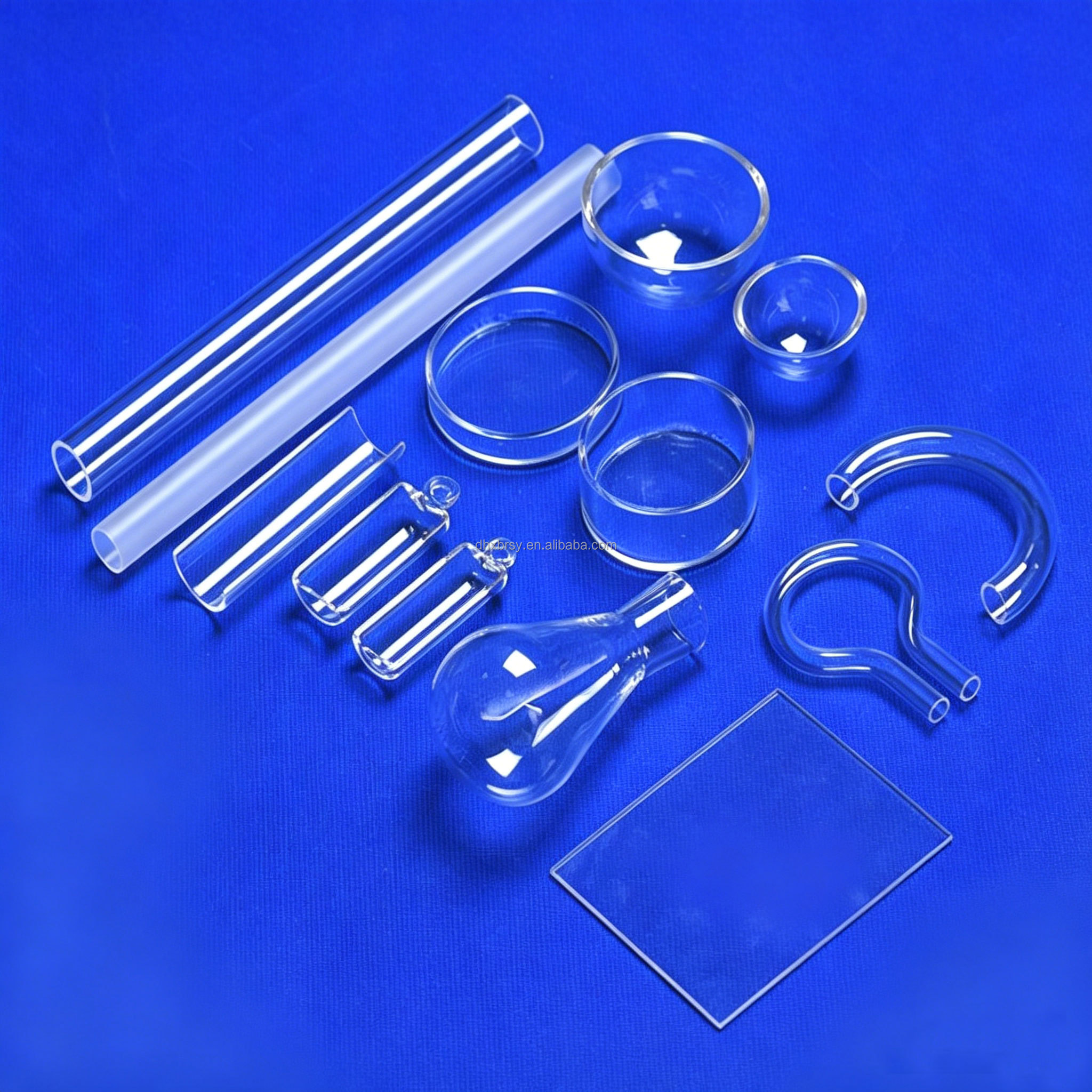
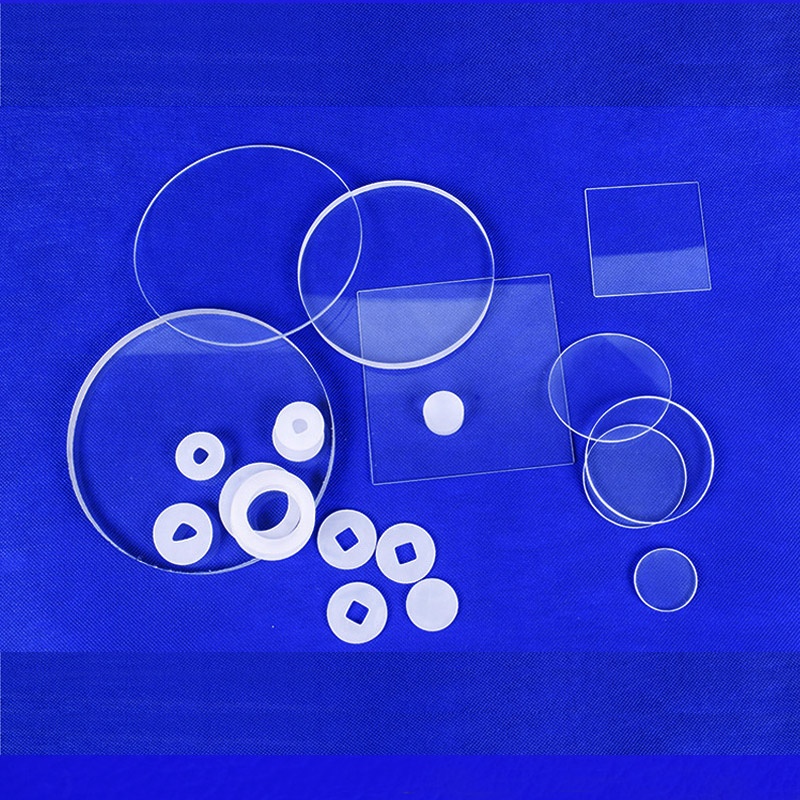
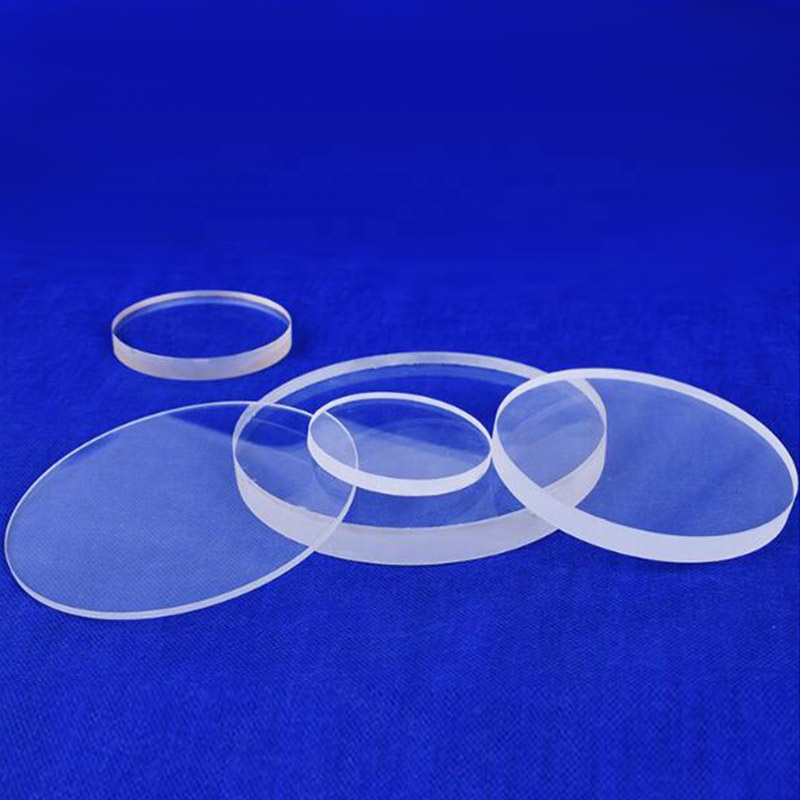
Engineering Authority: Optical Quartz Window Fabrication for Dortmund’s Advanced Technology Corridors
In the industrial transformation of North Rhine-Westphalia (NRW), Dortmund has solidified its status as an international powerhouse for microtechnology, optical sensing, and precision engineering. Between the innovation campus of TU Dortmund University, the microtechnology clusters at MST.factory Dortmund, and major industrial centers across Phoenix West, optical components face rigorous environmental extremes. An optical quartz window cannot simply be viewed as a generic clear glass disc; it acts as a critical optical aperture, high-vacuum barrier, and thermal shield capable of sustaining deep ultraviolet to near-infrared photon flux without wavefront degradation or catastrophic thermal fracture.
As a vertically integrated fused quartz manufacturer operating a 14,271 m² production facility with SGS onsite verification, Lovri Quartz Products Co., Ltd. bridges precision optical fabrication with direct industrial supply chains serving Dortmund and the broader Ruhr area. By synthesizing high-purity natural silica sand (≥ 99.99% SiO₂) and deploying computer-controlled double-sided polishing and state-of-the-art annealing kilns, we engineer optical windows that resolve common failure mechanisms: excimer laser color centering, thermal shock fracture, and polarization birefringence.
Material Chemistry: JGS1 vs. JGS2 vs. JGS3 Optical Grades
Optical engineers in Dortmund selecting fused quartz windows must match their electromagnetic transmission window with specific spectral bands to avoid absorption bands caused by hydroxyl (-OH) radicals or metallic trace impurities. Lovri Quartz categorizes its synthetic and fused silica plate inventory into three core international grades:
| Optical Grade | Raw Material & Manufacturing Route | Transmission Band (T > 80%) | Hydroxyl (OH⁻) Content | Primary Application in Dortmund / NRW |
|---|---|---|---|---|
| JGS1 (Synthetic Fused Silica) | Synthetic silicon tetrachloride (SiCl₄) flame hydrolysis | 185 nm – 2,500 nm (Deep UV) | < 5 ppm to 1200 ppm (Grade dependent) | Semiconductor lithography, excimer laser optics, UV spectrometry at MST.factory labs. |
| JGS2 (Optical Fused Quartz) | Selected natural quartz crystal, oxy-hydrogen flame fusion | 220 nm – 2,500 nm (Standard UV-Vis) | ≈ 150 – 200 ppm | High-pressure sight glasses, industrial inspection viewports, UV disinfection reactors. |
| JGS3 (IR Fused Silica) | Natural quartz crystal vacuum electric resistance fusion | 260 nm – 3,500 nm (Near-to-Mid IR) | < 5 ppm (Water-free) | Pyrometry inspection windows, IR thermal sensors, CO₂ & solid-state laser debris shields. |
| Opaque / Milky Quartz | Sintered high-purity silica sand with distributed micro-pores | Diffuse scattering / High thermal reflection | Variable | Heat baffles, tube furnace insulation collars, semiconductor heating element shields. |
A critical challenge for Dortmund’s precision spectroscopy manufacturers is the notorious 2.73 µm absorption dip found in standard quartz glasses. When using JGS1 or JGS2 in mid-infrared setups, the presence of bonded -OH groups creates sharp vibrational absorption notches. For FTIR spectroscopy and thermal imaging sensors developed in regional research institutions, our electrically melted JGS3 eliminates this hydroxyl absorption band, guaranteeing uninterrupted transmission across the near-to-mid infrared spectrum.
Localized Industrial Application Scenarios in Dortmund
Dortmund’s economy has transitioned from heavy coal and steel mining to advanced microtechnology, robotics, biomedical sensor manufacturing, and logistics technology. Our quartz window and tube solutions directly empower this industrial matrix:
Semiconductor & MOEMS Packaging
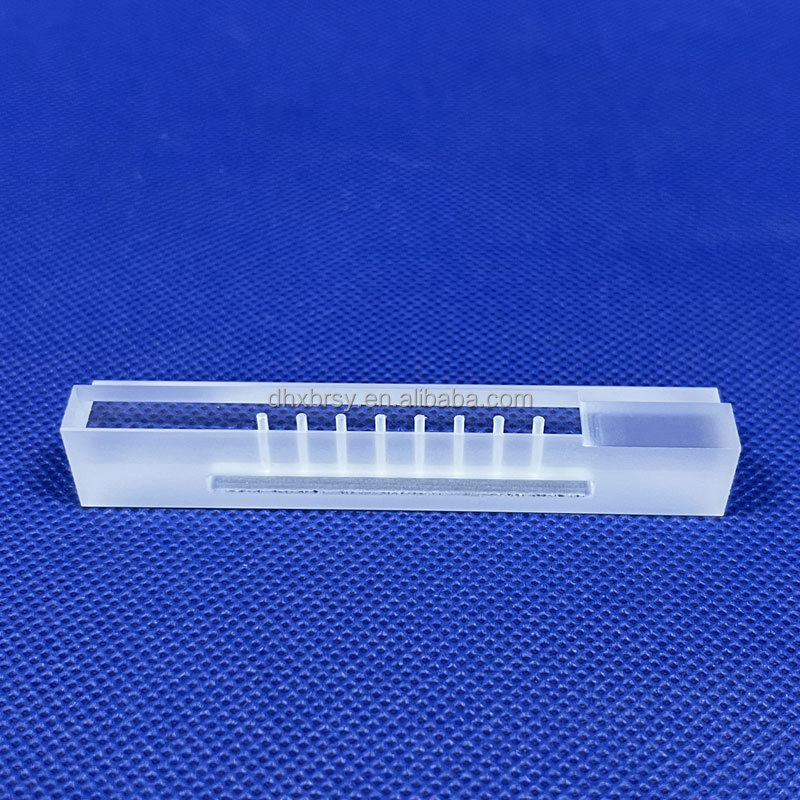
At Dortmund’s Technology Park and MST.factory, micro-opto-electro-mechanical systems (MOEMS) require hermetic window packaging. Our CNC-machined quartz coverslips and V-groove arrays maintain dimensional stability across wafer bonding cycles.
High-Power Fiber Laser Tooling
Ruhr Valley metal fabricators deploy multi-kilowatt laser cutting systems. Our optical quartz debris windows withstand high laser damage thresholds (LDT > 10 J/cm² @ 1064 nm, 10 ns) while preventing molten spatter damage to costly focusing optics.
Hydrogen & Catalyst Research
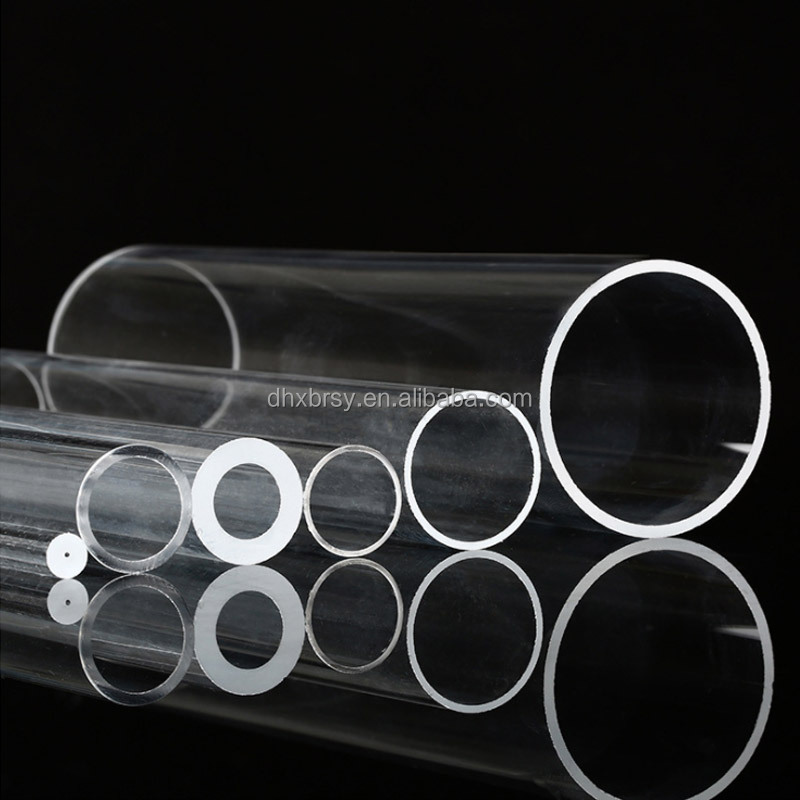
As Dortmund spearheads green hydrogen initiatives, local pilot plants run chemical cracking and micro-reactions. Our high-pressure quartz reaction tubes and observation viewports resist hot acidic gas corrosion while withstanding pressures above 15 bar.
Localized Development Trends: The Shift Towards Green Photonics and Zero-Defect Metrology
Procurement criteria across Dortmund and European industrial centers have undergone a fundamental shift toward quantifiable physical traceability. The German industrial benchmark DIN ISO 10110 (Preparation of drawings for optical elements and systems) sets stringent tolerances for surface imperfections, wavefront deformation, and stress birefringence. Several distinct trends dominate regional buying requirements:
1. Strict Traceability of Raw Minerals: Buyers in Dortmund operating in medical and cleanroom environments require assurance that quartz products are synthesized free of toxic heavy metals, compliant with EU REACH Regulation (EC No 1907/2006) and RoHS Directive 2011/65/EU. Lovri Quartz controls its raw quartz sand refining from the initial hydrochloric and hydrofluoric acid pickling phases, delivering complete material safety and purity analysis certificates per production run.
2. Wavefront Preservation in Machine Vision: With the rise of automated vision-guided robotic arms in Dortmund’s logistics hubs, vision viewports must exhibit minimal optical distortion. Standard float glass or inferior borosilicate induces wavefront warping, blinding AI sorting sensors. Double-side precision polished quartz windows maintain optical parallelism under 30 arcseconds and flatness within λ/4 across the clear aperture.
3. Resilience Against Extreme Thermal Transients: Fused quartz possesses an exceptionally low coefficient of thermal expansion (α ≈ 5.5 × 10⁻⁷ /°C between 20°C and 300°C)—less than one-tenth that of standard soda-lime glass. When Dortmund furnace operators or laser technicians subject a quartz viewport to sudden temperature swings from 1000°C to cold water quenching, zero micro-cracking occurs.
Direct Source Factory Advantage: Lovri Quartz
Headquartered in Lianyungang's world-renowned silica cluster and assessed onsite by SGS Group, Lovri Quartz operates 14,271 m² of specialized workshops spanning CNC quartz milling, continuous tube drawing, and precision double-side polishing lines.
- 100% Polarization Stress Inspected
- SGS Audited Cleanroom Processing
- Flexible Prototype MOQ (From 1 Piece)
- Direct Express Delivery to Dortmund / NRW
Request an Engineering Review
Upload your CAD, DWG, or STEP files for direct DFM feedback, optical grade selection, and factory-direct volume pricing.
Inquire NowComparative Physical Properties: Fused Quartz vs. Alternative Technical Glasses
Procurement teams evaluating glass choices for thermal viewports and optical instruments frequently compare fused quartz with borosilicate glass (e.g., Borofloat 33) and sapphire. The table below details why fused silica remains the substrate of choice for extreme photonics and high-temperature processing:
| Physical / Optical Property | High Purity Fused Quartz (Lovri) | Borosilicate Glass (Borofloat) | Synthetic Sapphire (Al₂O₃) |
|---|---|---|---|
| Density (g/cm³) | 2.20 | 2.23 | 3.98 |
| Thermal Expansion (10⁻⁶ / K) | 0.55 (Superior Shock Resistance) | 3.25 | 5.8 |
| Max Working Temperature (°C) | 1100 (Continuous) / 1300 (Short) | 450 | 1900 |
| Refractive Index (n_d @ 587.6 nm) | 1.458 | 1.471 | 1.768 |
| UV Transmission Cut-off (nm) | 180 – 185 (JGS1) | ≈ 300 | ≈ 190 |
| Dielectric Constant (1 MHz) | 3.75 | 4.6 | 9.3 |
| Raw Substrate Cost / Machinability | Moderate / Excellent Precision CNC | Low / Standard Machining | Extremely High / Brittle Hardness |
Frequently Asked Questions for Dortmund & German Procurement Engineers
To streamline supplier evaluation, our engineering support desk has compiled technical answers to the most common inquiries from German industrial buyers:
How does Lovri guarantee compliance with DIN ISO 10110 standards?
What is the typical shipping lead time to Dortmund and North Rhine-Westphalia?
How do you prevent micro-cracks and thermal stress failure during furnace operations?
What customs and import documents are provided for German customs clearance (Zoll)?
Can Lovri apply customized Anti-Reflective (AR) optical thin-film coatings?
How are fragile quartz windows protected against transit shock during export?
Partner with an SGS-Verified Fused Quartz Manufacturer
Whether you are designing a proprietary microfluidic flow cell for a biotechnology startup in BioMedizinZentrum Dortmund, replacing CVD quartz tubes in a regional semiconductor fabrication line, or sourcing high-damage-threshold laser protective windows for metal cutting machinery across the Ruhrgebiet, Lovri Quartz delivers verified purity, tight dimensional tolerances, and predictable factory lead times.
Review our core product series above or contact our application engineering team directly with your specifications, CAD drawings, or operating parameters for an expeditious, engineering-backed quotation.