Featured Quartz Glass Products for High-Frequency Industrial Systems
Explore our SGS-verified, RoHS-compliant quartz glass components tailored for corona discharge ozone synthesis, semiconductor furnaces, high-power lasers, and chemical reaction chambers.
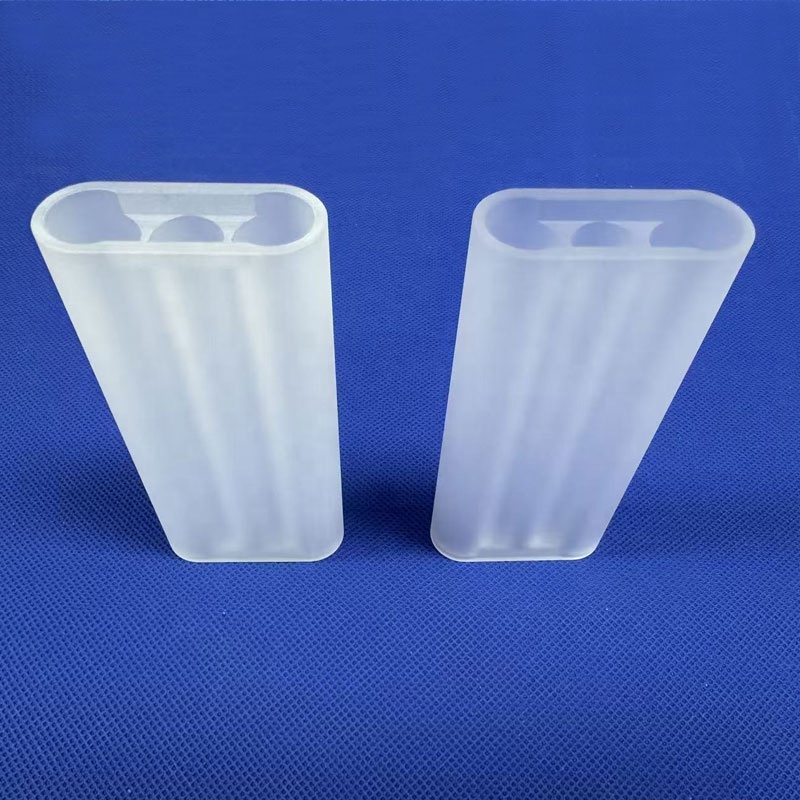
BRO RAN High Precision Triple Bore Quartz Glass (SiO2) 200 Mesh Flow Tube
Multi-bore engineered flow tube with high dielectric boundary precision, uniform wall thickness, and micro-channel coolant cooling geometry.
Explore Technical Specs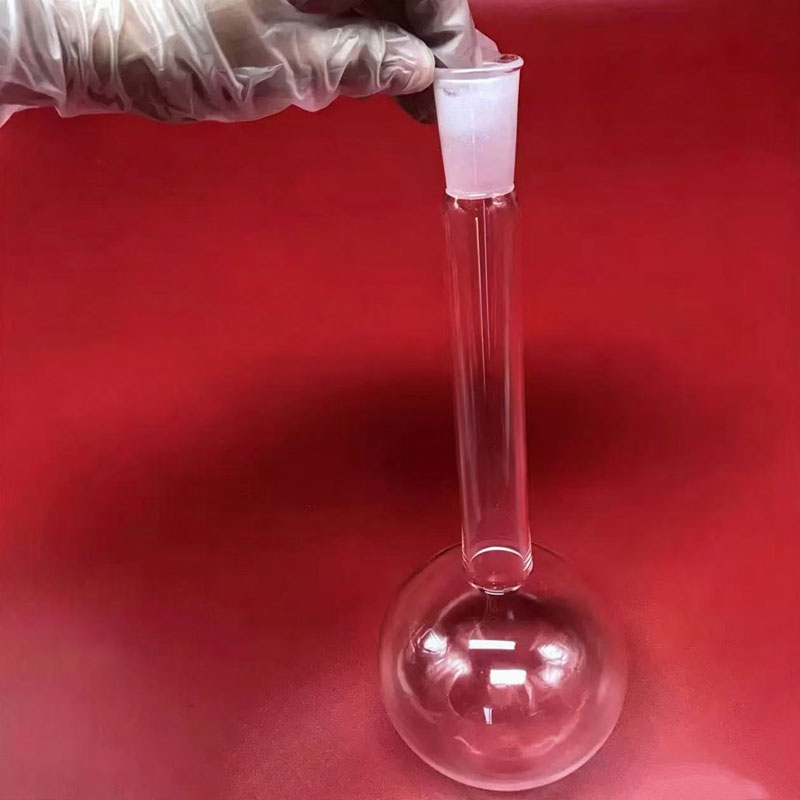
99.99% High-Purity SiO2 1200-Degree Resistant Long-Neck Quartz Flask
Extreme chemical resistance and zero-bubble fused silica integrity, ideal for high-purity chemical testing and harsh ozone oxidation reactions.
Explore Technical Specs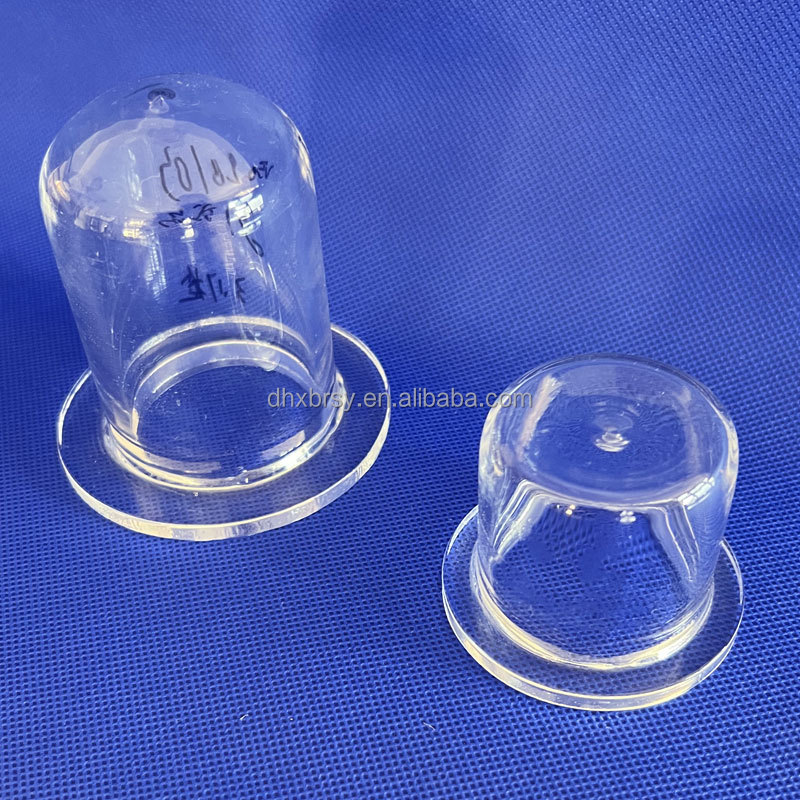
518 High Transmittance Fused Quartz Tube for Photovoltaic & Sintering
Optical-grade clear fused quartz providing maximum UV-ozone generation efficiency and low dielectric dissipation under high voltage excitation.
Explore Technical Specs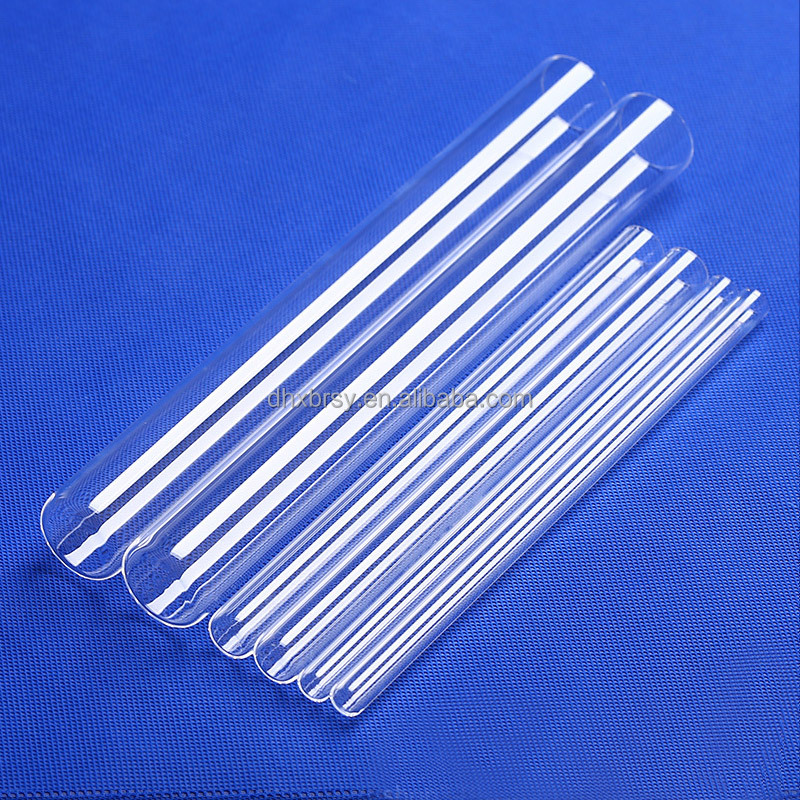
916 One End Closed High-Pressure Translucent Polished Fused Quartz Tube
Engineered for dielectric sheath enclosures, thermal sensors, and high-pressure inline ozone generation headers with hermetic end seals.
Explore Technical Specs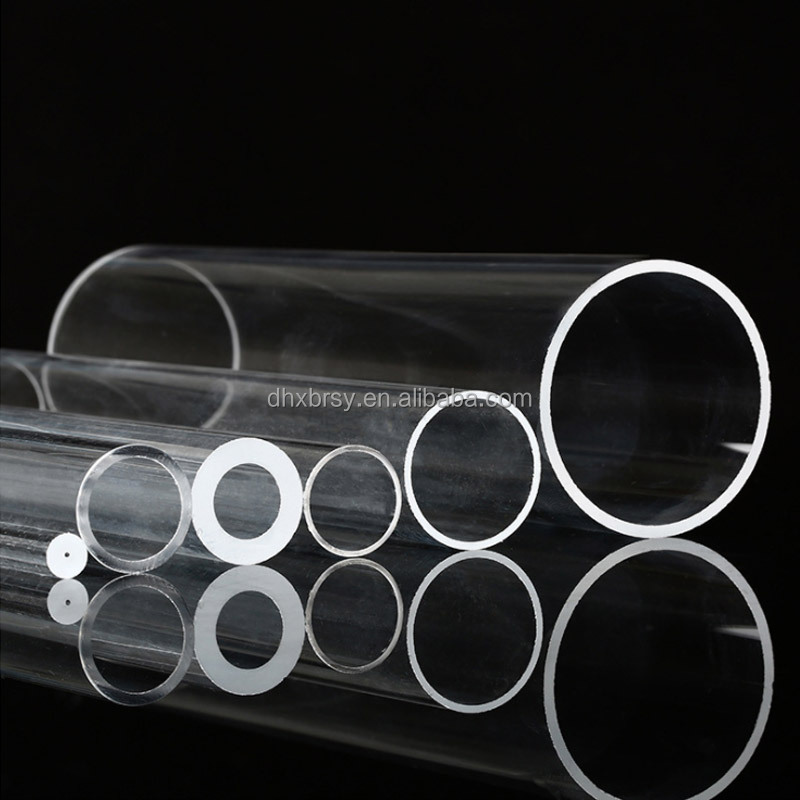
BAO RAN SiO2 Quartz Tube for Disinfection Cabinets & Water Dispensers
Rapid thermal dissipation fused silica tube designed for compact corona discharge cells, drying chambers, and medical sterilizers.
Explore Technical Specs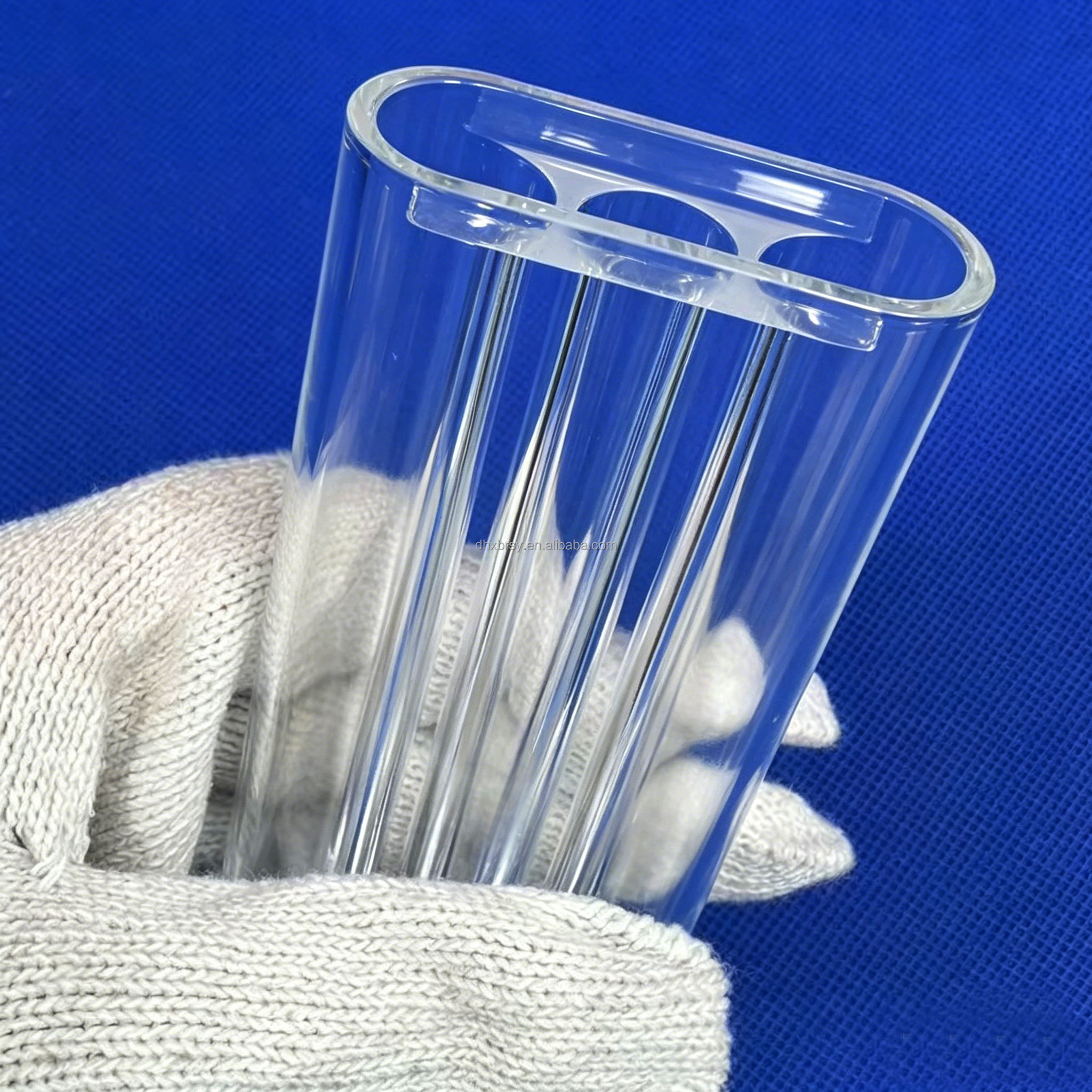
916 Customized High-Temperature Fused Silica Quartz Glass Lab Furnace Tube
Ultra-low thermal expansion rate (5.5 × 10⁻⁷ /°C), precision wall-thickness tolerance (±0.05 mm), and superior mechanical durability.
Explore Technical Specs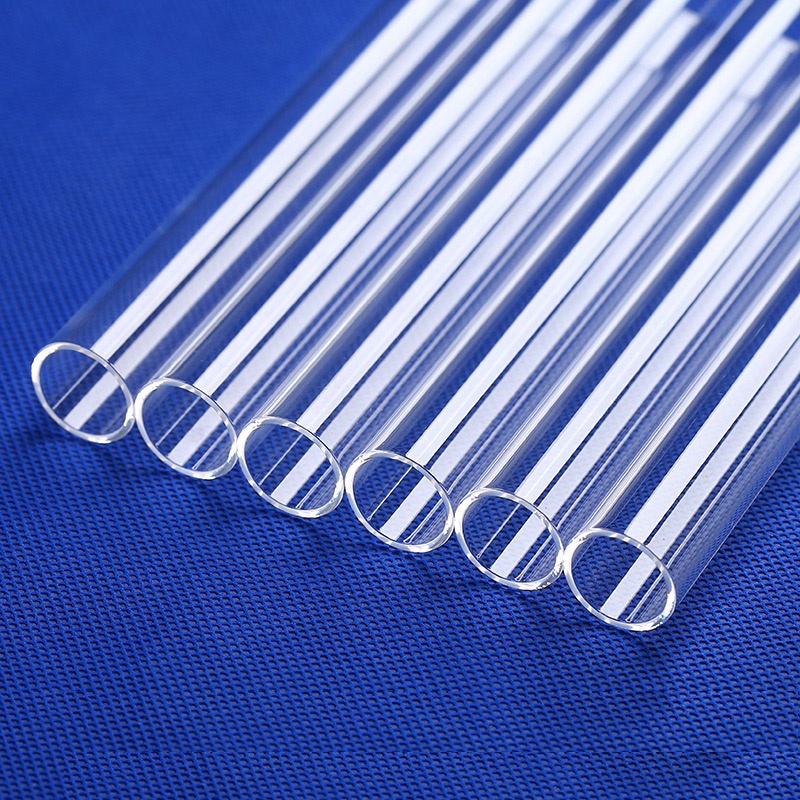
High Precision Clear Quartz Tubing OD 10mm/14mm/20mm for Pipeline Bending
Standardized diameter dielectric tubing formulated specifically for uniform discharge air gaps in high-frequency ozone generator blocks.
Explore Technical Specs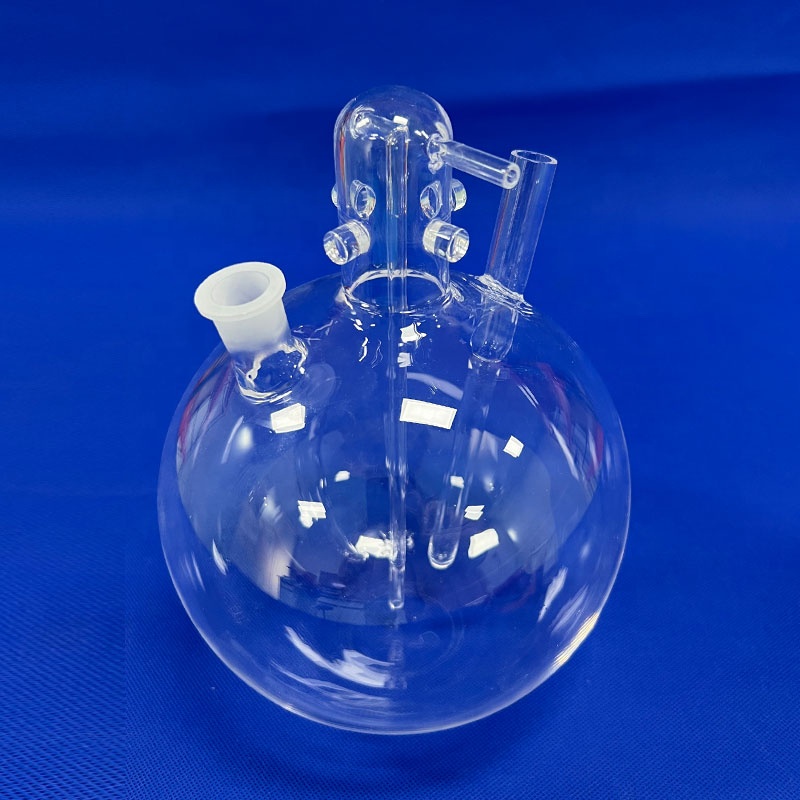
419 Processing High-Purity SiO2 Quartz Instrument & Custom Reactor Vessel
Multi-port gas catalytic quartz reactor designed for harsh oxidative chemistries, pilot plants, and continuous ozone synthesis systems.
Explore Technical Specs1. The Critical Dielectric Function of Quartz Glass in Industrial Ozone Generation
In modern industrial oxidation and disinfection chemistry, corona discharge or Dielectric Barrier Discharge (DBD) stands as the quintessential technology for synthesizing ozone (O₃) at high yields and concentrations. At the thermodynamic heart of every high-performance DBD ozone generator lies the dielectric barrier. While traditional generators historically employed ceramic cylinders or borosilicate glass tubes, modern industrial plants demand materials capable of enduring non-stop electric stress, elevated dielectric constant uniformity, and extreme thermal resilience. High-purity fused silica (synthetic and electrically fused quartz containing over 99.99% SiO₂) has decisively established itself as the global benchmark material.
The dielectric barrier serves a dual physical role: it prevents the formation of a catastrophic spark or thermal arc between high-voltage electrodes, and it transforms continuous electrical energy into millions of micro-discharges (streamers) evenly distributed across the discharge gap. Fused quartz exhibits an intrinsic dielectric breakdown strength exceeding 25 to 35 kV/mm at 20°C, combined with an extraordinarily low dielectric loss tangent (tan δ < 1 × 10⁻⁴ at 1 MHz). This ensures that electrical power fed into the generator cell is converted into atomic oxygen dissociation rather than parasitic dielectric dissipation that generates unwanted thermal heat.
Furthermore, ozone is an aggressive allotrope of oxygen with an oxidation potential of +2.07 V, capable of corroding almost all conventional polymers and low-grade glassy alloys. Fused silica's tetrahedral SiO₄ covalent network demonstrates total chemical passivity against molecular ozone, moist hydroxyl radicals (•OH), nitrogen oxides (NOx byproducts), and nascent singlet oxygen, guaranteeing that the dielectric barrier maintains a pristine, pit-free optical surface over tens of thousands of continuous operational hours.
| Characteristic Parameter | Lovri 99.99% Fused Quartz | Borosilicate 3.3 Glass | Alumina Ceramic (96% Al₂O₃) |
|---|---|---|---|
| Dielectric Strength (kV/mm at 20°C) | 25.0 – 40.0 | 10.0 – 14.0 | 15.0 – 18.0 |
| Dielectric Constant (ε at 1 MHz) | 3.75 – 3.82 | 4.6 – 5.0 | 9.0 – 9.8 |
| Dielectric Loss Factor (tan δ, 1 MHz) | < 1.0 × 10⁻⁴ | 3.5 × 10⁻³ | 3.0 × 10⁻⁴ |
| Coefficient of Thermal Expansion (10⁻⁷/K) | 5.5 (0–300°C) | 33.0 | 72.0 |
| Max Continuous Service Temperature | 1,100 °C | 450 °C | 1,400 °C |
| Thermal Shock Resilience (ΔT Air/Water) | > 1,100 °C quenching | ≈ 150 °C | ≈ 200 °C |
| Surface Hydroxyl (OH⁻) Impurity Content | < 5 ppm to 30 ppm | Variable / Porous | Non-applicable |
| Wall Thickness Concentricity Tolerance | ± 0.03 mm to ± 0.05 mm | ± 0.20 mm | ± 0.15 mm |
2. Localized Industrial Applications in North Korea (DPRK)
As state-directed modernization efforts across the Democratic People's Republic of Korea continue to prioritize heavy industry self-reliance, environmental remediation, and closed-loop municipal resource management, the procurement of robust dielectric materials has become a focal point for chemical, metallurgical, and sanitation engineers. Industrial enterprises in key development nodes—from the industrial hubs of Hamhung and Nampo to the mining provinces of South Hamgyong and Chagang—rely heavily on large-scale ozone generation infrastructure.
Municipal Potable Water Systems
Major civic water purification plants along the Taedong River in Pyongyang and downstream coastal utility districts require high-capacity ozonation units to degrade persistent micropollutants, eliminate algal geosmin and 2-MIB tastes, and replace decaying chlorine-based biocides without forming toxic trihalomethanes (THMs).
Heavy Chemical & Fertilizer Plants
At massive coal-chemical and synthetic fertilizer complexes such as the Hungnam Fertilizer Complex and Namhung Youth Chemical Complex, high-concentration gas-phase ozone acts as a powerful oxidant for treating refractory phenolic effluents, stripping cyanide residues, and neutralizing sulfide waste streams.
Hydrometallurgy & Mining Wastewater
In the non-ferrous and precious metal processing regions of Komdok and Dancheon, mine drainage treatment relies on ozone-assisted catalytic oxidation to precipitate toxic heavy metal complexes and rapidly destroy cyanide derivatives utilized in gold, zinc, and lead leaching operations.
Agricultural Grain Storage & Food Security
State-managed grain storage silos, cold-storage warehouses, and cooperative mushroom cultivation installations employ gaseous ozonation to sterilize warehouse air, prevent aflatoxin and Aspergillus mold propagation, and safeguard seasonal reserves without chemical pesticide residues.
Pharmaceutical & Hospital Sterilization
The Pyongyang Pharmaceutical Factory, regional hospitals, and biological research centers utilize ultra-pure water (UPW) loops disinfected via ozone generators equipped with high-purity quartz dielectric flow tubes, eliminating bacterial endotoxins and microbial biofilms.
Industrial Flue Gas DeNOx & Scrubber Systems
Thermal power generating stations and metallurgical smelting works employ ozone gas injection at low temperatures (120–160°C) to oxidize insoluble nitric oxide (NO) into highly soluble dinitrogen pentoxide (N₂O₅), enabling simultaneous desulfurization and denitrification in wet scrubbers.
3. Emerging Trends in North Korea's Dielectric & Ozone Equipment Procurement
A rigorous analysis of industrial procurement patterns within North Korea reveals substantial technical shifts away from legacy equipment toward high-efficiency, precision-engineered quartz glass components. These trends reflect both operational exigencies and broader national engineering priorities:
A. Transition from Low-Frequency Borosilicate to Medium/High-Frequency Fused Silica
Legacy ozone systems implemented during the late 20th century utilized massive, low-frequency (50/60 Hz) transformers coupled with thick-walled borosilicate glass or porcelain tubes. These systems suffered from dismal energy efficiency (requiring up to 18–22 kWh per kilogram of O₃ produced from air) and frequent dielectric punctures caused by excessive thermal accumulation. Modernized plants are comprehensively replacing these obsolete generator banks with medium-frequency (1 kHz to 10 kHz) and high-frequency inverter-driven systems. High-frequency discharge requires ultra-thin (1.0 mm to 1.5 mm), geometrically precise fused quartz tubes that maintain high dielectric breakdown strength while reducing electrical resistance and power consumption down to 7–9 kWh/kg O₃ when fed with concentrated oxygen.
B. Precision Concentricity Demands Driven by Narrow Discharge Gaps
To maximize ozone synthesis yield and minimize spontaneous thermal decomposition back into oxygen, contemporary generator designs utilize extremely narrow annular discharge gaps (often between 0.3 mm and 0.6 mm). Maintaining an identical gas gap along a 1,500 mm or 2,000 mm tube length requires outer diameter (OD) and wall thickness tolerances within ±0.03 mm to ±0.05 mm, alongside total runout (straightness) tolerances under 0.1%. When standard commercial glass deviates, the gas gap becomes asymmetric, generating localized current crowding, hot spots, and erratic ozone yield. North Korean factory technical bureaus are increasingly specifying laser-gauged fused silica tubing with documented micrometric certification.
C. Demand for Integrated Electrode-Dielectric Assemblies
Procurement teams are shifting away from buying raw quartz tubes that require local manual sputtering or delicate mechanical mesh fitting. Instead, there is growing demand for pre-engineered, factory-sintered components—such as quartz dielectric tubes equipped with internally deposited, plasma-sprayed stainless steel, copper, or precious metal electrode layers, complete with fused quartz end-caps or precision ground female/male flanges. This turn-key modular approach drastically simplifies field maintenance and retrofitting in distant industrial facilities where specialized glass-lathe welding expertise may be constrained.
4. Manufacturer Technical Superiority: Why Industrial Plants Rely on Lovri Quartz
Lovri Quartz Products Co., Ltd., based in Lianyungang, Jiangsu Province—the epicenter of China's world-leading fused silica production cluster—combines complete vertical supply chain integration with world-class quality verification standards.
Complete Raw Material Refining
From primary natural quartz cutting, precision pulverization, and proprietary acid pickling, we control SiO₂ purity at ≥99.99%, minimizing metal ion and OH⁻ defects.
In-House 14,271 m² Production Plant
Assessed and onsite-verified by SGS Group, our integrated facilities house continuous drawing towers, CNC 5-axis machining stations, and specialized annealing furnaces.
Polarization Stress Annealing
Every single quartz tube undergoes controlled thermal de-stressing and full-body polarization stress inspection to eliminate residual strain, preventing high-voltage bursting.
Export-Grade Heavy Packaging
Individual vacuum bagging, form-fitting closed-cell high-density EPE foam armor, and steel-banded marine plywood crates guarantee zero transit fractures across sea or rail.