99.99% SiO₂
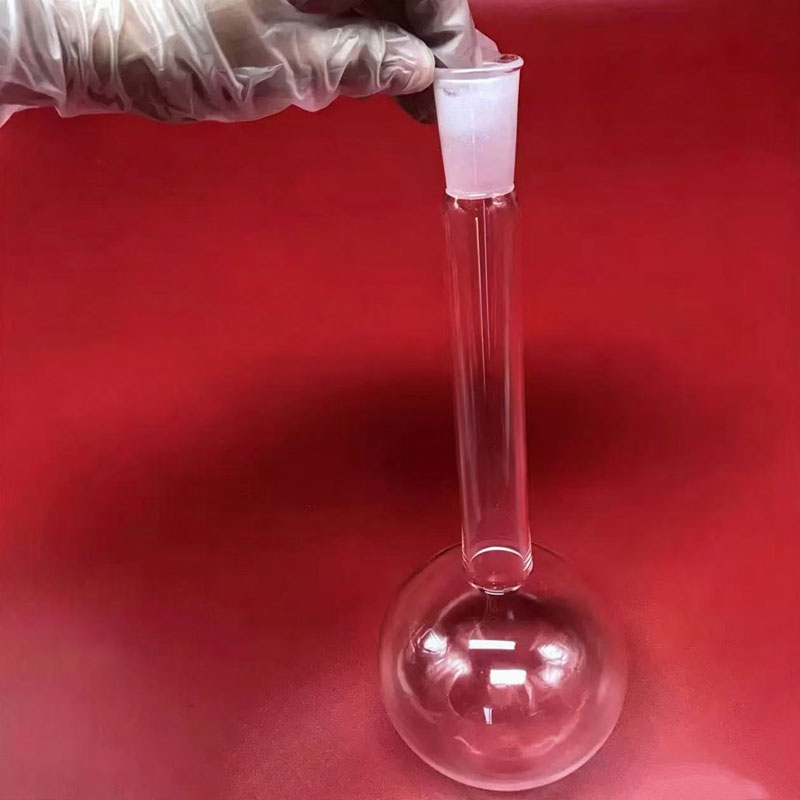
Precision Fused Silica Glassware, Thermal Reaction Vessels & High-Purity Quartz Solutions Tailored for Lower Silesia’s High-Tech, Semiconductor & Chemical Corridors
Fabricated from certified 99.99% pure silica feedstock, our engineered long-neck quartz bottles, flasks, and specialized apparatus deliver extreme thermal stability (≤1200°C continuous) and acid corrosion resistance for critical processes.
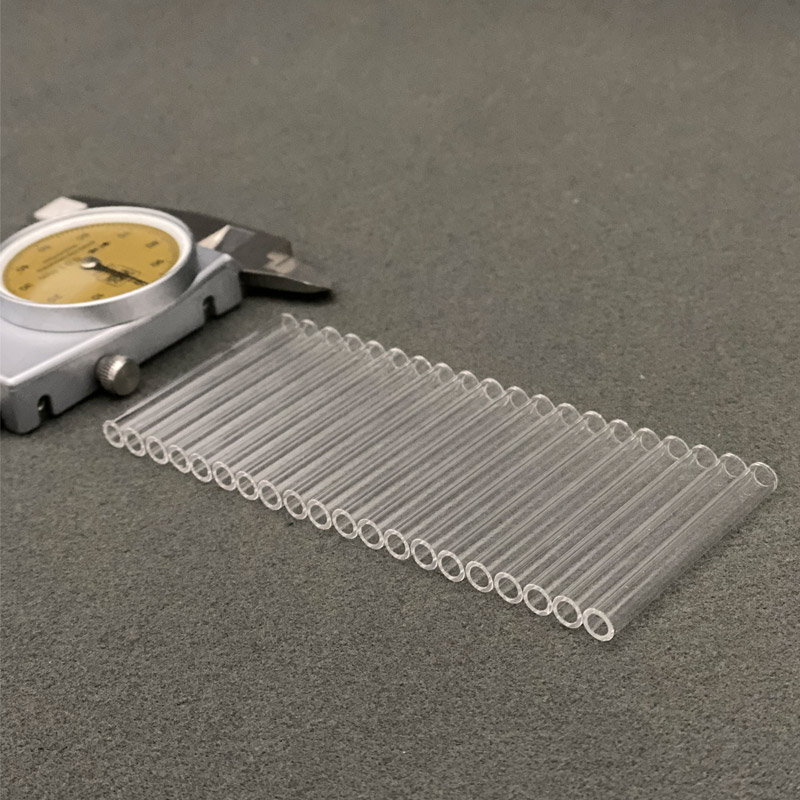
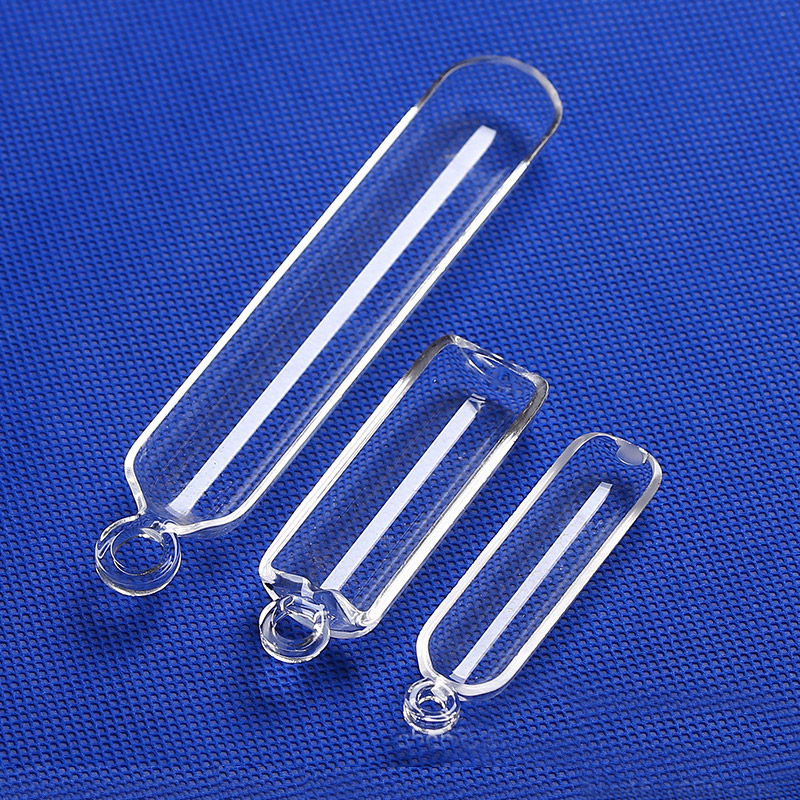
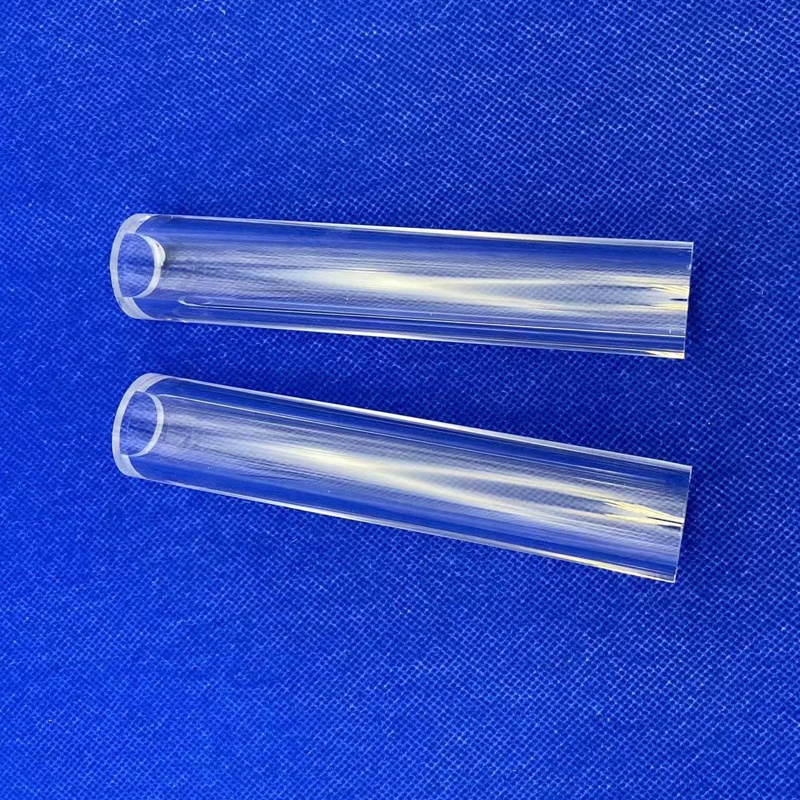
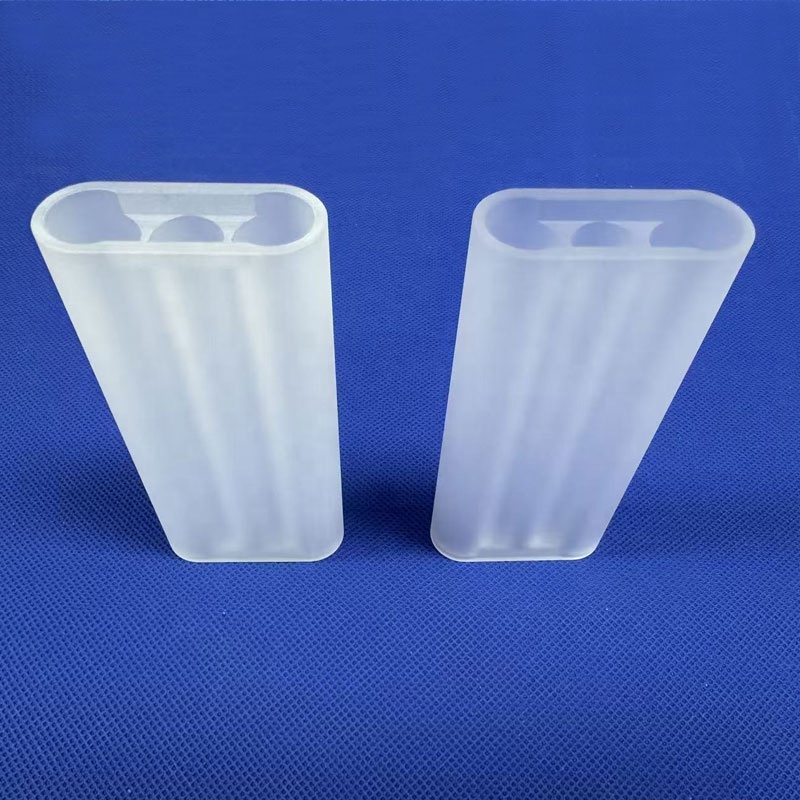
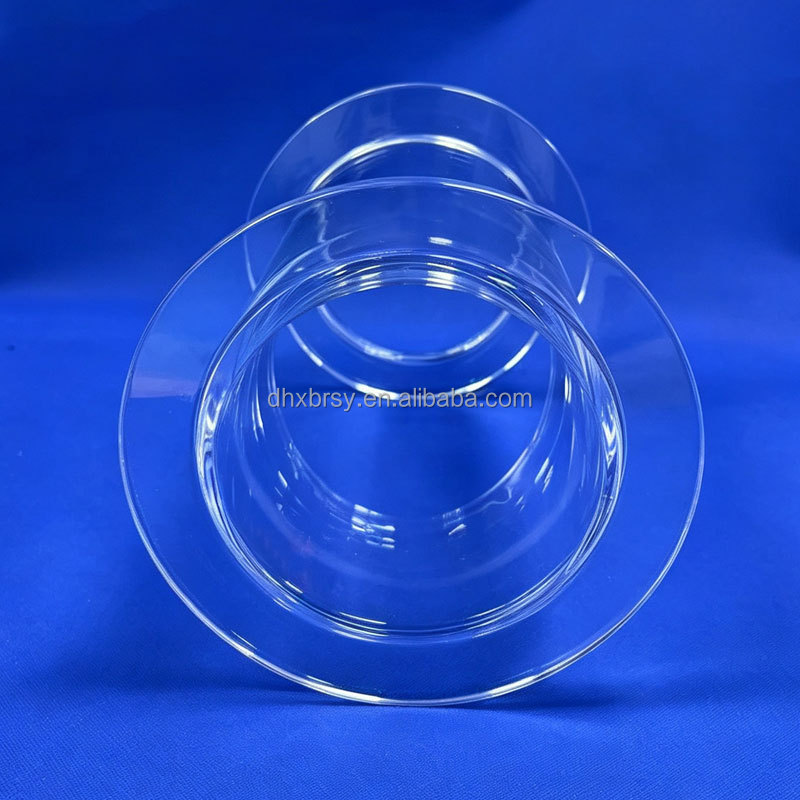
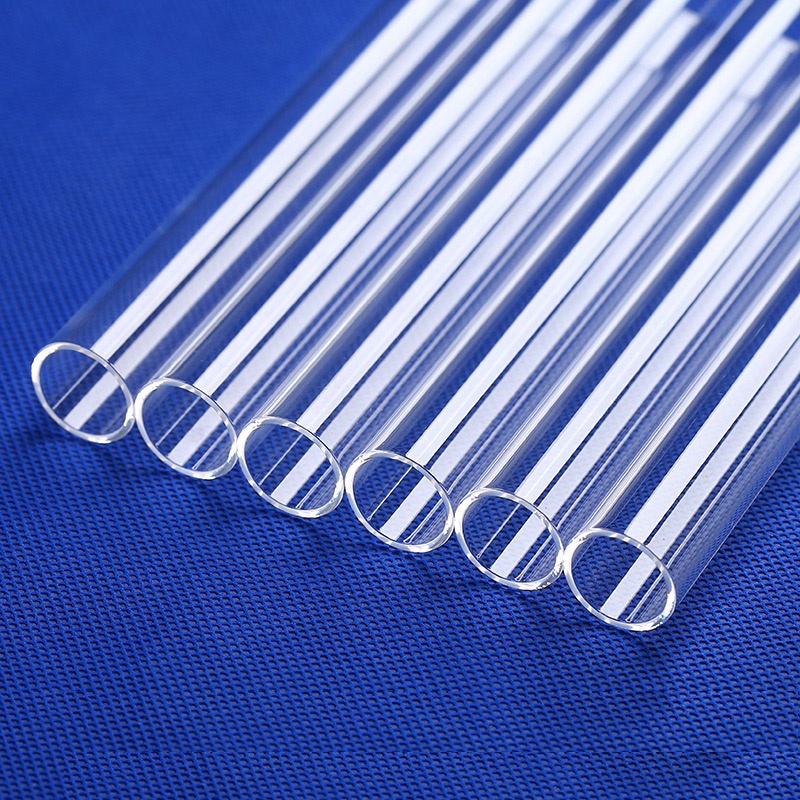
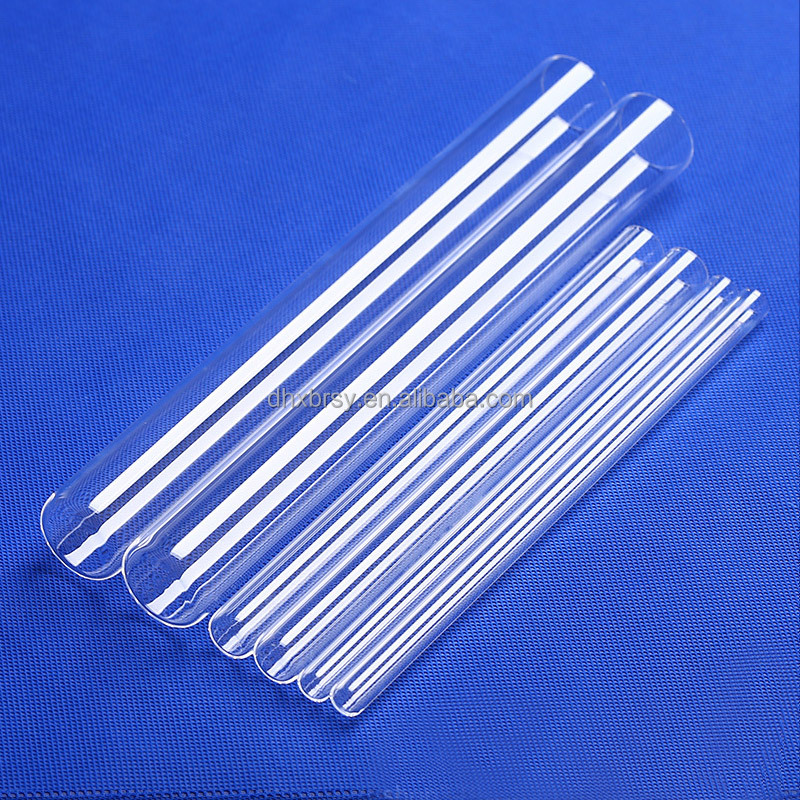
The Wrocław Metropolitan Area (Wrocławski Obszar Metropolitalny) alongside surrounding special economic zones such as the Legnica-Głogów Copper Belt (LGOM) and Wrocław-Kobierzyce High-Tech Hub has rapidly transformed into Central Europe's critical nexus for semiconductor assembly, lithium-ion battery mega-factories, industrial optoelectronics, and analytical biotechnology laboratories.
Standard laboratory borosilicate glassware, which exhibits high thermal expansion (~33 × 10⁻⁷/°C) and begins softening near 500°C, routinely fails under the rigorous conditions demanded by Wrocław's next-generation processing corridors. Whether containing ultra-pure acid vapors in cleanroom wet benches or serving as reaction flasks and bottles for metal-organic CVD precursors, high-purity fused silica (transparent vitreous quartz) is indispensable.
Our direct manufacturing factory bridges the gap between raw crystal beneficiation and custom bench apparatus fabrication. We supply specialized quartz bottles, distillation long-neck flasks, thermal digestion vessels, and vacuum-flanged reaction chambers directly to Wrocław engineers with full technical traceability.
Immunity to hot aqua regia, hydrofluoric acid gas mixtures, and ultra-pure precursor contamination ensures zero leachout of heavy metals into microchip cleaning and etching phases.
Optical grade JGS1 synthetic silica bottles and laser flow conduits ensure broad transmission from deep UV (≥185 nm) through the infrared boundary (≤2500 nm) with zero solarization degradation.
Vessels tolerate explosive thermal gradients: our fused quartz can be heated to 1100°C and plunged into ice water without micro-fracturing or catastrophic failure.
Comparative material science indices showing why Wrocław's process engineering departments migrate critical operations to high-purity fused silica.
| Property Parameter | Lovri High-Purity Fused Quartz | Borosilicate Glass 3.3 | Industrial Soda-Lime Glass |
|---|---|---|---|
| Silica Purity (SiO₂) | ≥ 99.99% (Low trace metals < 20 ppm) | ~ 80 - 81% | ~ 70 - 73% |
| Continuous Safe Operating Temp | 1100 °C | 450 °C | 120 °C |
| Short-Term Peak Thermal Ceiling | 1300 – 1400 °C | 500 °C | 150 °C |
| Linear Thermal Expansion (20-300°C) | 5.5 × 10⁻⁷ / °C (Exceptional Shock Tolerance) | 33 × 10⁻⁷ / °C | 90 × 10⁻⁷ / °C |
| Softening Point | ~ 1730 °C | 820 °C | 700 °C |
| Optical Spectral Transmission | 185 nm – 3500 nm (UV-VIS-NIR) | 310 nm – 2200 nm | 380 nm – 2000 nm |
| Dielectric Strength (at 20°C, kV/mm) | 25 – 40 kV/mm | 10 – 15 kV/mm | 5 – 8 kV/mm |
How recent industrial shifts across the Lower Silesian Technology Park and University of Science and Technology (Politechnika Wrocławska) ecosystem dictate bespoke quartz vessel specifications.
With massive investments entering Kobierzyce and Miękinia near Wrocław, sub-micron wafer processing requires custom double-flanged quartz reaction chambers, furnace diffusion bottles, and carrier boats configured for contamination-free carrier gas routing.
Lower Silesia hosts Europe’s largest lithium-ion manufacturing concentrations. Quartz digestion vessels, high-pressure reaction flasks, and capillary chromatography tubes are essential to synthesize, analyze, and recycle cathode and solid-state electrolyte chemistries without alkaline interference.
Municipal water upgrades along the Oder basin combined with photonics clusters utilize triple-bore flow chambers, UV immersion quartz jacket bottles, and synthetic quartz flow-through cuvettes to optimize optical penetration and prevent biofouling.
Located within Lianyungang's globally renowned quartz geological hub, Lovri Quartz controls the complete production cycle, eliminating trading middleman markups and guaranteeing verifiable batch-level purity.
Operating dedicated workshops for natural crystal sorting, rotary kilns, ultra-clean acid pickling, automatic tube drawing, CNC multi-axis milling, and high-temp glassblowing lathes verified onsite by SGS Group.
Quartz bottles and thick-walled vessels undergo mandatory multi-stage controlled annealing up to 1215°C followed by 100% optical polarization stress inspection, preventing sudden mechanical cracking under cyclic thermal load.
Vessels travel over 8,000 km securely packed in precision die-cut pearl cotton (EPE), sealed moisture-barrier bags, and reinforced wooden crates engineered to survive air freight directly into Wrocław Strachowice Airport (WRO) or multimodal rail hubs.
Practical answers concerning duty, customs compliance, material testing reports, lead times, and customization parameters for Polish enterprises.