Engineered Quartz Products for Precision Industrial Systems
Manufactured from ultra-pure natural and synthetic silica (SiO₂ ≥ 99.99%) in Lianyungang, providing superior thermal-shock resistance, deep UV-to-IR transmission, and dimensional stability for demanding European engineering protocols.
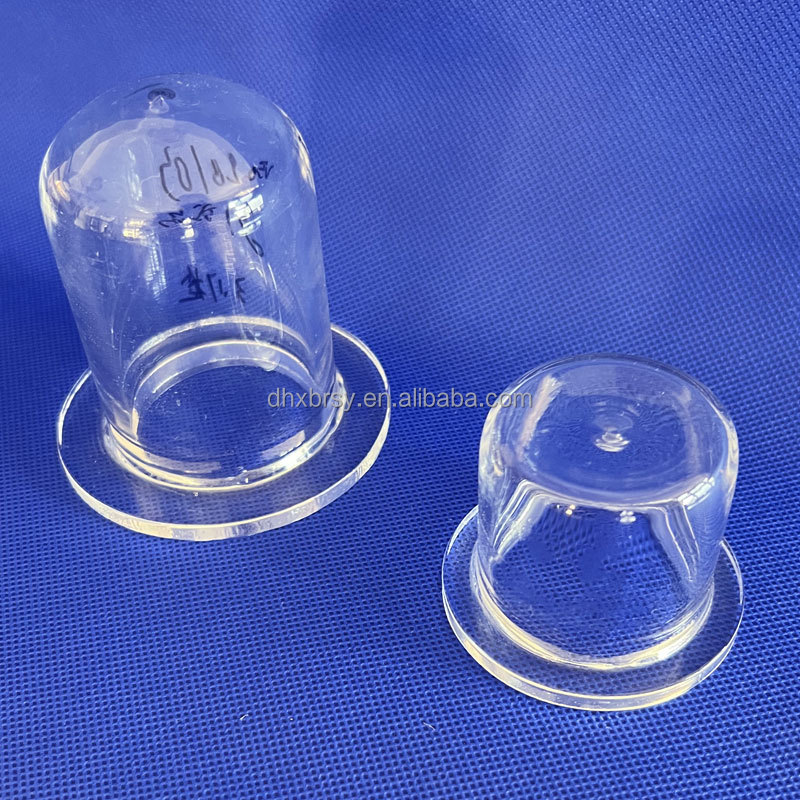
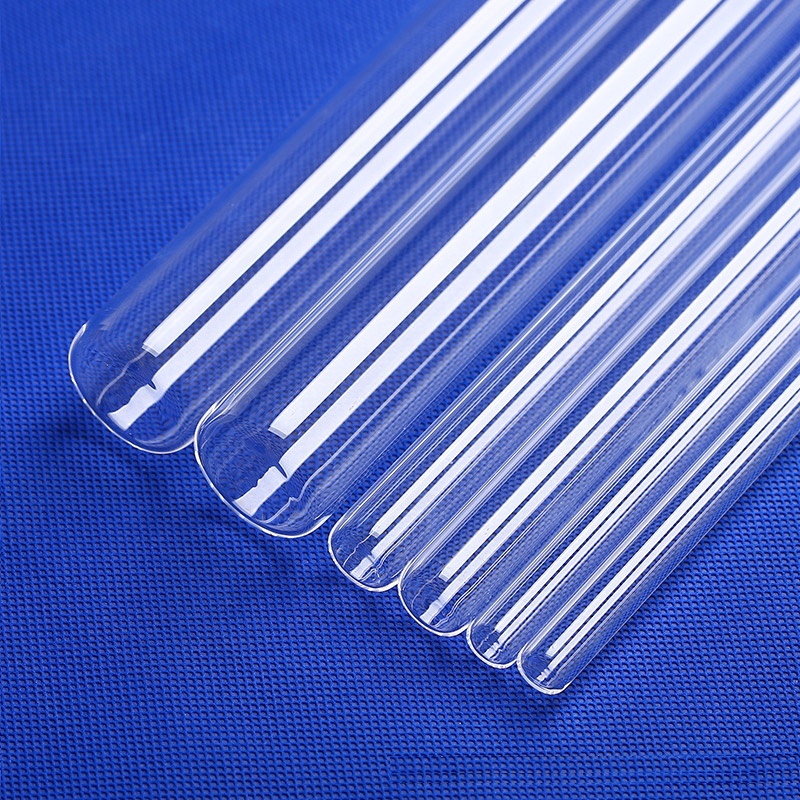
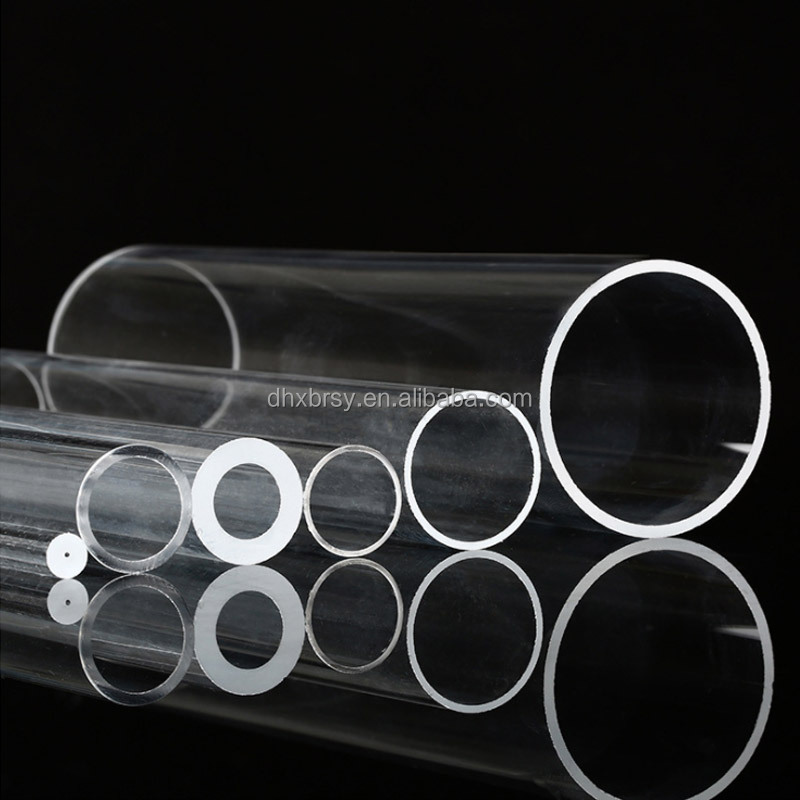
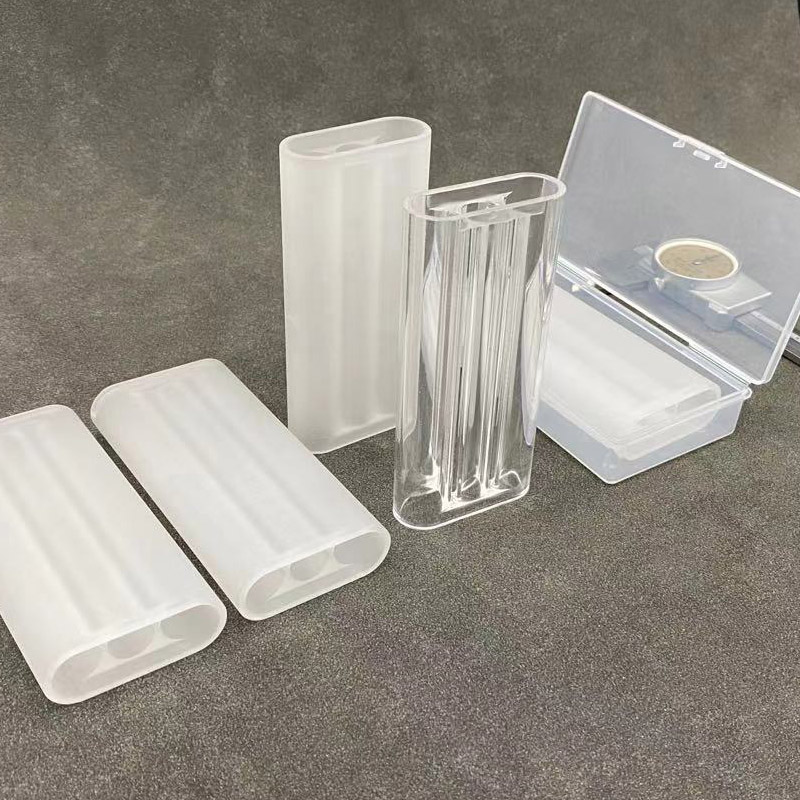
Whitepaper: Precision Quartz Capillary Rods in Optical & Microfluidic Architecture
In high-precision photonics, microfluidic sensing, and semiconductor fabrication throughout southern France—particularly within the Côte d'Azur technology corridor anchored by Sophia Antipolis, Nice, and Cannes—the demand for micro-scale vitreous silica elements has shifted dramatically toward ultra-low stress, high geometric consistency components. Fused quartz capillary rods represent a critical cornerstone in modern precision engineering. Unlike standard borosilicate or soda-lime glass rods, capillary rods manufactured from synthetic fused silica (SiO₂ ≥ 99.999%) or refined electro-fused natural quartz (SiO₂ ≥ 99.99%) offer near-zero thermal expansion, unparalleled chemical durability across aggressive acidic media, and exceptional optical transmittance across deep ultraviolet (DUV), visible, and short-wave infrared (SWIR) wavebands.
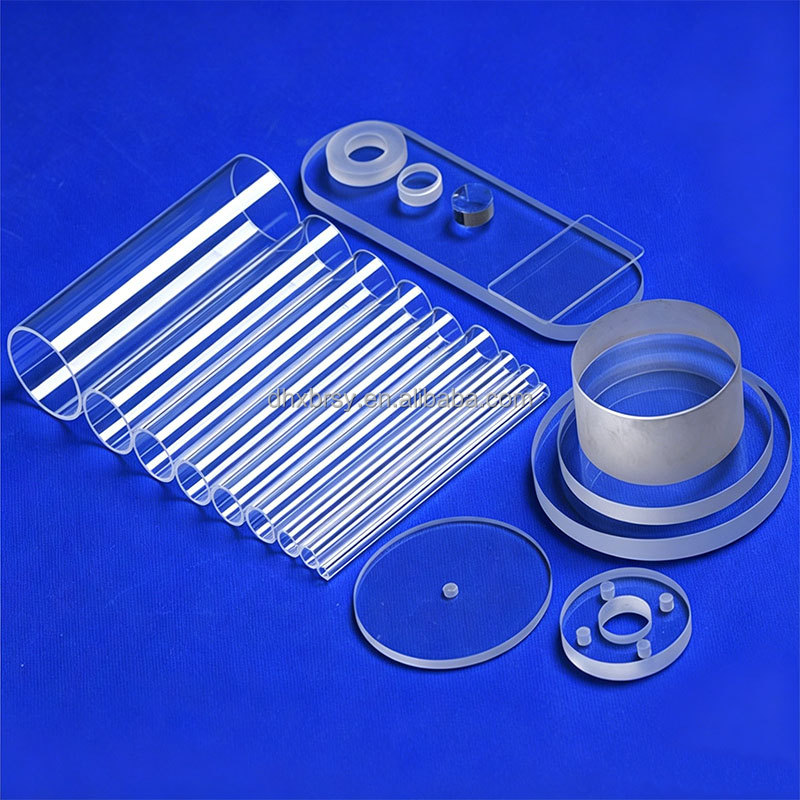
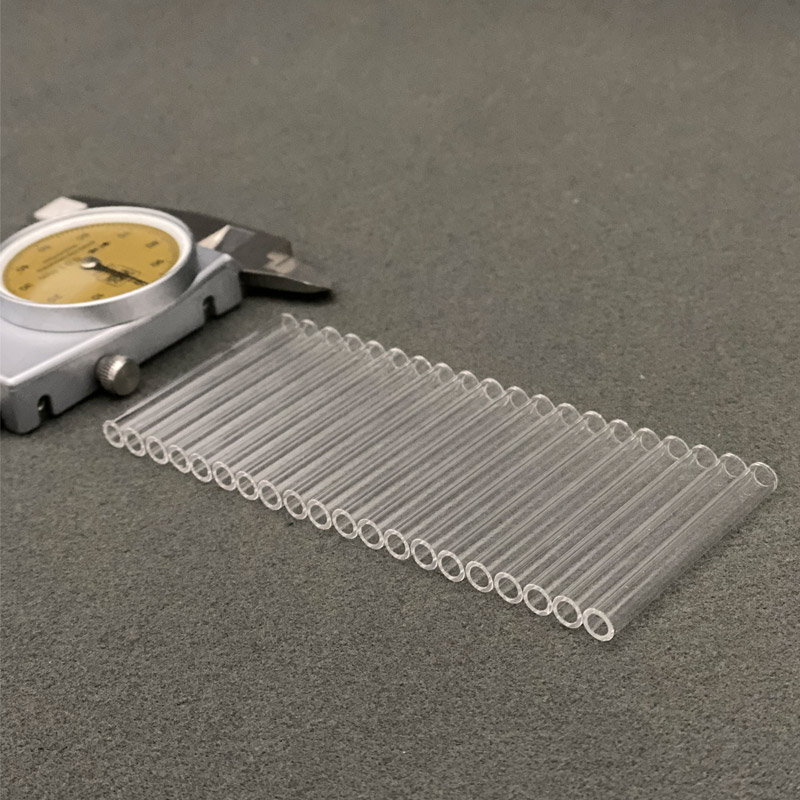
Precision quartz capillary rods, characterized by solid core cross-sections ranging from 0.1 mm to 10.0 mm in diameter, serve as light-guiding filaments, optical collimators, high-voltage dielectric insulators, sensor probes, and structural micro-spacers. The critical quality differentiator in the European market is not merely chemical purity, but internal structural homogeneity. The presence of micro-bubbles, striae, crystalline inclusions (cristobalite transformations), or localized thermal residual strain can compromise optical coherence in laser optics or induce catastrophic mechanical cleavage during high-temperature thermal cycling in vacuum diffusion furnaces.
Primary Manufacturing Insight for Nice Engineers: Thermal expansion coefficients of our fused silica capillary rods remain fixed at approximately 5.5 × 10⁻⁷ /°C from 20°C to 320°C. This grants an extraordinary thermal-shock resistance: a finished Lovri capillary rod can be heated to 1100°C and immediately immersed into cold water without surface crazing or tensile structural failure.
Material Classification: JGS1 vs. JGS2 vs. JGS3 Capillary Synthetics
Engineering departments throughout Sophia Antipolis must distinguish precisely between the international optical quartz classifications to avoid over-engineering costs or mid-process transmission drop-off:
JGS1 (Synthetic Fused Silica): Produced through chemical vapor deposition (gas-phase oxidation of silicon halides such as SiCl₄), JGS1 is essentially free of metallic trace impurities (Fe, Al, Ti < 0.1 ppm). It provides near-lossless optical transmission from 185 nm deep-UV through 2500 nm, making it the non-negotiable benchmark for excimer laser delivery rods, spectrophotometry capillary cells, and fluorescence excitation pins.
JGS2 (Optical Grade Fused Quartz): Synthesized via flame-fusion of ultra-purified natural quartz crystal sands. Transmitting effectively between 220 nm and 2500 nm, JGS2 provides balanced optical transmission and superior structural resistance to high-temperature deformation at a significantly reduced procurement expenditure, widely implemented in medical laser light guides, ozone generation rods, and pyrometry view guides.
JGS3 (Electrically Fused Quartz / IR Grade): Vitrified in electric vacuum furnaces, this material features an exceptionally low hydroxyl (OH⁻) content—typically below 5 ppm. Because the 2.73 µm infrared OH absorption dip is effectively eliminated, JGS3 capillary rods are favored in infrared thermography sensors, optical pyrometers, and telecommunication fiber preform spacers across the Alpes-Maritimes region.
| Physical / Chemical Property | JGS1 (Synthetic Silica) | JGS2 (Optical Grade Quartz) | JGS3 (Infrared Grade Quartz) | Commercial Borosilicate Glass |
|---|---|---|---|---|
| SiO₂ Purity Content | ≥ 99.999% | ≥ 99.99% | ≥ 99.98% | ~ 80.5% (with B₂O₃, Na₂O) |
| Optical Spectral Window | 185 nm – 2,500 nm (DUV) | 220 nm – 2,500 nm (UV/Vis) | 260 nm – 3,500 nm (Vis/IR) | 350 nm – 2,000 nm (Visible only) |
| Hydroxyl (OH⁻) Concentration | ~ 1,200 ppm (High OH) | ~ 150 - 200 ppm | < 5 ppm (Water-free IR) | N/A (Complex alkali network) |
| Thermal Expansion (20–300°C) | 5.4 × 10⁻⁷ /°C | 5.5 × 10⁻⁷ /°C | 5.5 × 10⁻⁷ /°C | 33.0 × 10⁻⁷ /°C (6× Higher) |
| Maximum Working Temp (Continuous) | 1,050 °C | 1,100 °C | 1,150 °C | 450 °C (Softens prematurely) |
| Annealing Point / Softening Point | 1,180 °C / 1,710 °C | 1,215 °C / 1,730 °C | 1,220 °C / 1,730 °C | 560 °C / 820 °C |
| Dielectric Strength (20°C, 1MHz) | 25 - 40 kV/mm | 25 - 35 kV/mm | 25 - 35 kV/mm | 10 - 15 kV/mm |
Strategic Applications Across the Nice & Sophia Antipolis Ecosystem
Connecting global raw-material refining directly to the Alpes-Maritimes advanced clusters: how Lovri's customized capillary rods and precision tubes serve Mediterranean high-technology sectors.
Biophotonics & Medical Dermatology
Nice and its adjacent university healthcare incubators (Institut Universitaire de la Face et du Cou, Centre Antoine Lacassagne) pioneer optical diagnostic instruments. Our capillary rods and triple-bore laser flow tubes act as non-solarizing light guides in dermatological Nd:YAG and alexandrite aesthetic lasers, transmitting high-energy 532 nm and 1064 nm pulses without laser-induced optical damage (LIDT).
Semiconductor Metrology & Wafer Processing
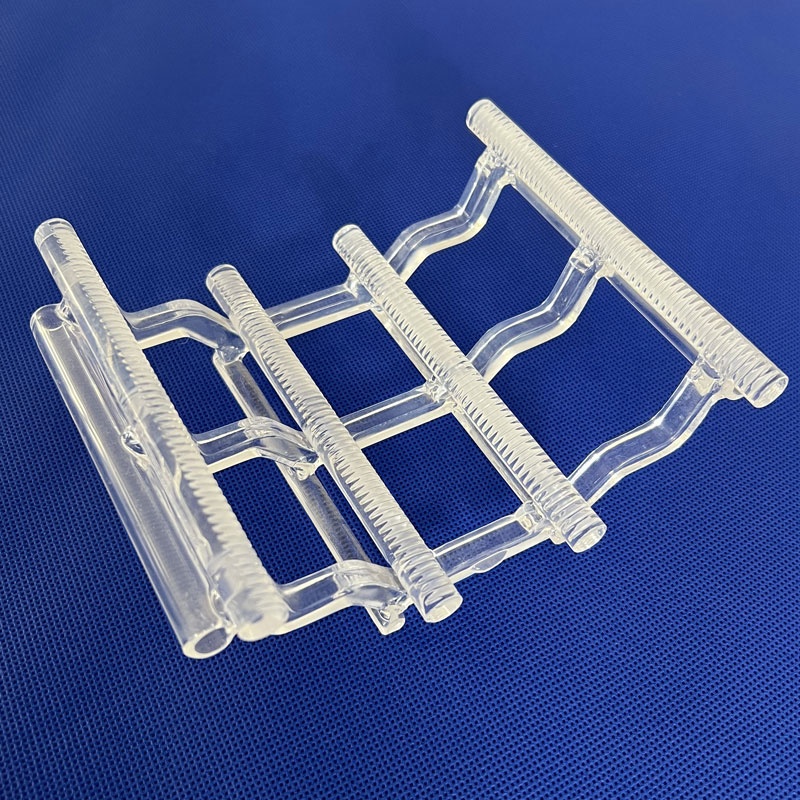
With world-class microelectronics design and test firms situated in the Sophia Antipolis technology park, our solid quartz capillary rods and micro-slotted wafer boats provide inert handling jigs and wafer edge detectors, resisting cyclic exposure to concentrated hydrofluoric/nitric gas atmospheres during chemical vapor deposition (CVD) clean routines.
Aerospace Space-Optics & Earth Observation
The aerospace sector along the French Riviera (anchored by satellite manufacturing in Cannes-Mandelieu and satellite telemetry labs in Nice) requires extreme-environment dimensional stability. Our capillary rods function as reference spacers, cryogenic thermal breaks, and optical fiber collimation ferrules subjected to thermal shifts from -150°C to +200°C.
Microfluidics & Capillary Electrophoresis
Biomedical researchers across Université Côte d'Azur deploy our capillary rods and calibrated capillary tubes for capillary zone electrophoresis (CZE), DNA sequencing arrays, and flow-through optical cells, exploiting quartz's superior surface zeta potential stability and absence of autofluorescence in UV-induced analysis.
Photovoltaic & Advanced Thermal Calcination
Renewable solar R&D initiatives throughout Provence-Alpes-Côte d'Azur rely on Lovri's high-purity quartz support rods and sintering tubes for high-efficiency TOPCon and heterojunction (HJT) silicon wafer cell firing, avoiding metal vapor migration (sodium, iron) that degradates photovoltaic conversion efficiency.
Water Purification & Advanced Oxidation (AOP)
Municipal water monitoring and fragrance extract purification systems across Grasse and Nice leverage our synthetic UV capillary light guides and ozone generator tubes. The high 185 nm VUV radiation transmittance ensures maximized radical generation for chemical oxidation and microbial sterilization without wall degradation.
Nice & European Market Trends: Supply Chain Decoupling and Precision Tolerance Shifts
Over the past three years, the technical procurement landscape across France has experienced two fundamental structural evolutions: the demand for localized engineering accountability and strict traceability compliance mandated by European Union directives (RoHS 2011/65/EU and REACH EC 1907/2006). For manufacturing managers in Nice, sourcing fused quartz components historically posed significant procurement friction due to multilayered European trading intermediaries, inflated markups, and extended 14-week lead times for custom-machined geometry.
Today, technological advancement in Sophia Antipolis requires miniature tolerances that standard glass-drawing lines cannot achieve. High-speed optical data transceivers, micro-channel photonic devices, and quantum sensor modules demand capillary outer diameter tolerances controlled down to ±0.005 mm, with end-face perpendicularity within 15 arcminutes and optical surface polishing exceeding 20/10 scratch-dig specifications. Furthermore, as research institutions in the PACA region secure Horizon Europe and French national research grants, suppliers must supply comprehensive material certificates, ICP-MS trace elemental analyses, and polarization stress birefringence test graphs.
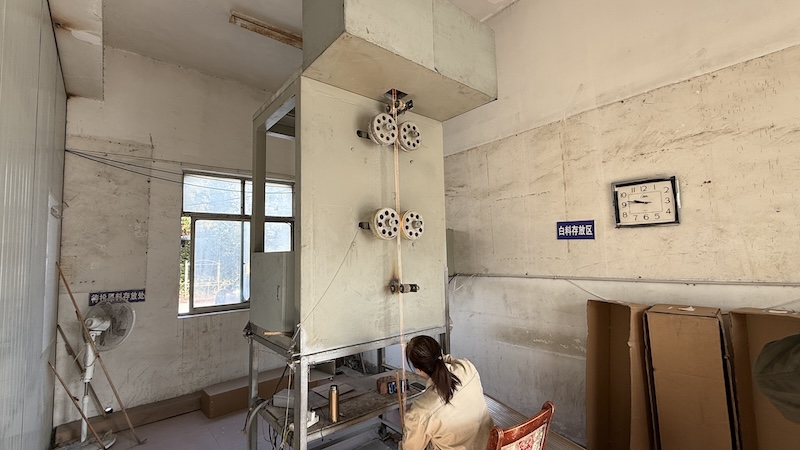
By establishing a direct factory-to-laboratory channel from our 14,271 m² primary refining center in Lianyungang directly to Alpes-Maritimes engineering facilities via secured air courier freight (CDG/NCE customs bonded routing), Lovri removes trading tiers, accelerates custom drawing-to-prototype turnaround to 7–10 days, and preserves full raw-material transparency from quartz lump calcination to final CNC diamond tooling.
Why Direct Factory Fabrication Outperforms Intermediate Brokers
Located in Lianyungang—China's preeminent natural silica cluster containing over 80% of global quartz processing expertise—Lovri Quartz Products Co., Ltd. operates a vertically unified production chain. We do not purchase pre-drawn stock from third parties; we refine, purify, draw, anneal, machine, and inspect within a single SGS-verified industrial complex.
- Full Material Genesis Control: In-house rock crushing, acid pickling, and centrifugal de-ironing guarantee consistent 99.99% SiO₂ baseline purity before thermal vitrification.
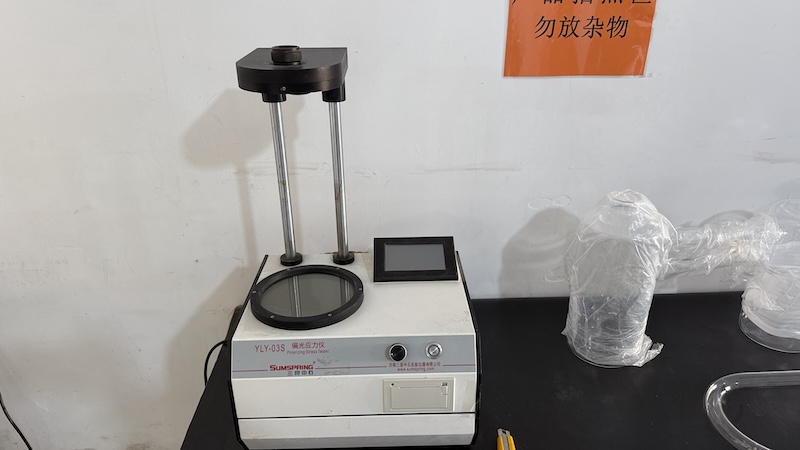
- Full-Cycle Thermal Annealing: High-temperature electric annealing furnaces running at 1215°C release internal stress. Every single rod is verified via dual-polarization stress birefringence analyzers.
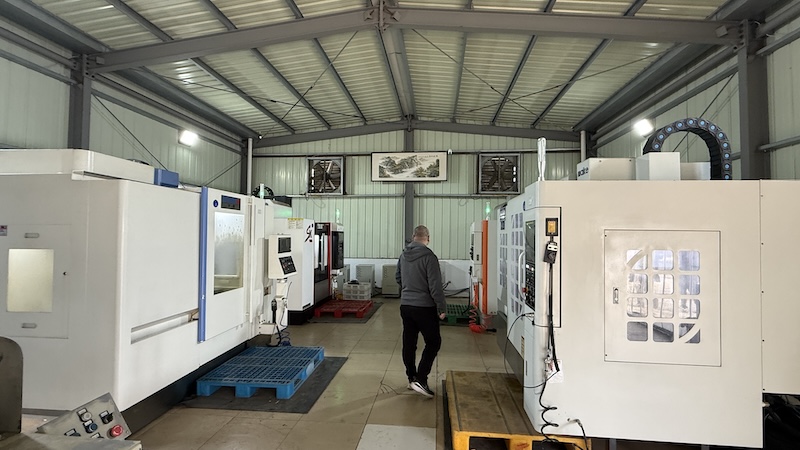
- Advanced CNC Micromachining: In-house ultrasonic drilling, CNC profiling, slotting, precision optical polishing (λ/4 flatness, 20/10 scratch-dig), and fire-polishing capabilities.
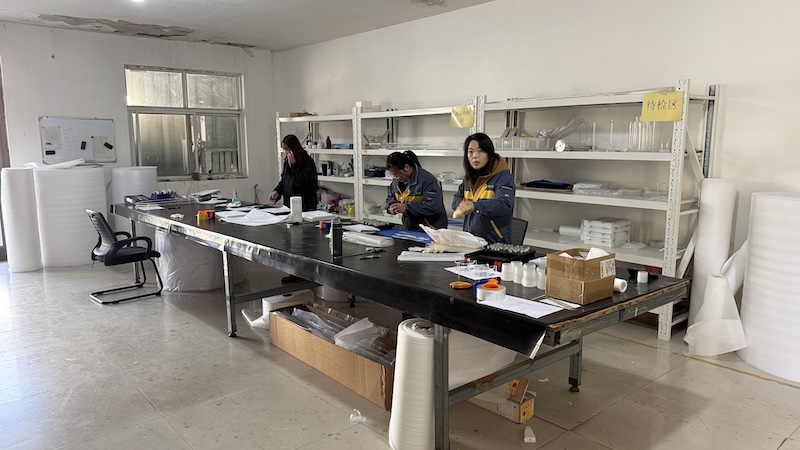
- Zero-Breakage Export Packaging: Multilayer anti-static vacuum sealing, shock-absorbent high-density EPE foam cradles, and heavy plywood crating custom-built for intercontinental air transit.
Frequently Asked Questions for Nice & PACA Buyers
Direct answers to the most critical technical, shipping, and quality assurance questions asked by procurement teams and project engineers across the French Riviera.
Quartz capillary rods—particularly micro-diameters between 0.5 mm and 3 mm—are vulnerable to shear impacts. We pack them in customized rigid polymer tubing lined with shock-absorbent non-reactive silicone end-plugs. These modules are enclosed in custom die-cut EPE foam beds and secondary double-walled cardboard or reinforced marine-plywood crates with tip-and-tell shock indicator sensors. Our historical export damage rate across Western Europe is <0.05%.
For drawn capillary rods, standard diameter tolerance is ±0.02 mm. Using precision post-drawing centerless diamond grinding and polishing, we hold critical outer diameter (OD) tolerances down to ±0.005 mm. Length tolerances can be maintained at ±0.05 mm, with end-face flatness of λ/2 and perpendicularity to axis within 15 arcminutes upon engineering specification.
Yes. We accept standard engineering exchange files including STEP, IGES, DXF, DWG, as well as dimensional PDF drawings. Our engineering team conducts a thorough Design-for-Manufacturability (DFM) review within 24 hours, evaluating wall transitions, stress concentrations, and thermal taper requirements before initiating tooling.
Our synthetic JGS1 silica rods feature an exceptional laser-induced damage threshold (LIDT) exceeding 10–15 J/cm² at 1064 nm (10 ns pulse). Because synthetic vapor oxidation eliminates metallic absorbing centers (Fe < 0.05 ppm, Cu < 0.01 ppm), localized thermal lensing and non-linear photo-refraction are virtually eliminated during continuous wave (CW) or Q-switched laser coupling.
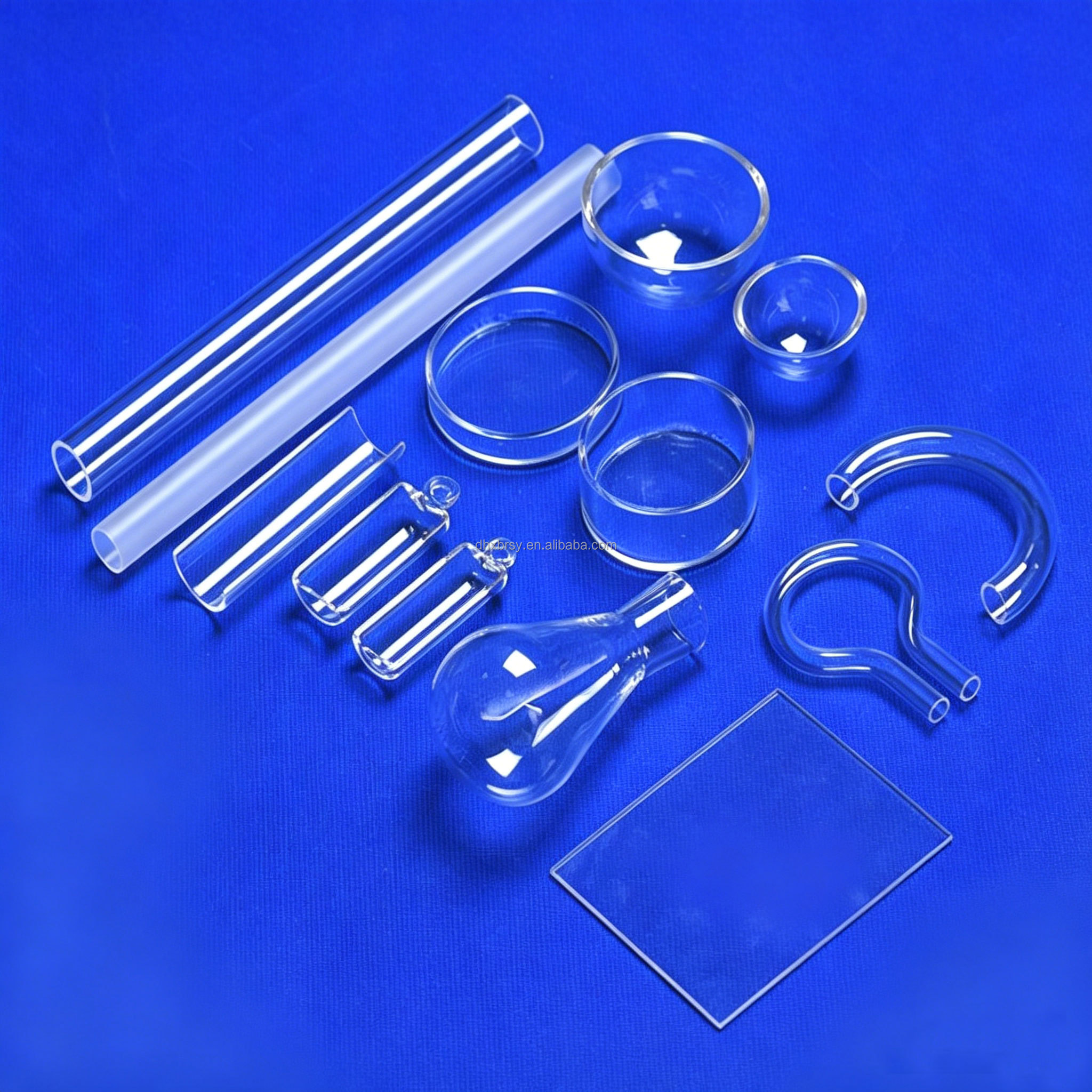
Yes. All quartz tubes, plates, rods, and CNC apparatus manufactured by Lovri are 100% compliant with RoHS Directive 2011/65/EU and REACH (EC 1907/2006). They contain zero heavy metals, lead, cadmium, mercury, or halogenated compounds. Official testing documentation by SGS Group is provided with dispatch consignments.
We actively support high-tech prototyping and early-stage experimental validation. For custom-machined or specific diameter capillary rods, our minimum order quantity starts at just 1 to 5 pieces. We offer scalable tiered pricing allowing university laboratories to transition seamlessly from bench validation to multi-thousand piece commercial manufacturing.
For air-express consignments (DHL/FedEx/UPS Direct), delivery from our Lianyungang factory floor to your facility in Sophia Antipolis or Nice typically requires 4 to 6 business days following fabrication. Custom parts typically enter production within 48 hours of drawing sign-off, with typical CNC prototyping turnaround within 7 to 10 days.
Each production lot passes through a dark-field crossed-polarizer analyzer. Any rod or component displaying anomalous colorful photoelastic fringing indicative of unacceptable localized shear stress is returned for secondary annealing. A formal Certificate of Conformance (CoC) and polarization test confirmation accompany your consignment.
Ready to Accelerate Your Precision Quartz Project in Nice?
Whether you require standard capillary rods, micro-bored laser flow tubes, or customized CNC-machined quartz jigs for your Sophia Antipolis cleanroom, our engineering specialists will review your CAD drawings and deliver a competitive direct-from-factory quote within 24 hours.