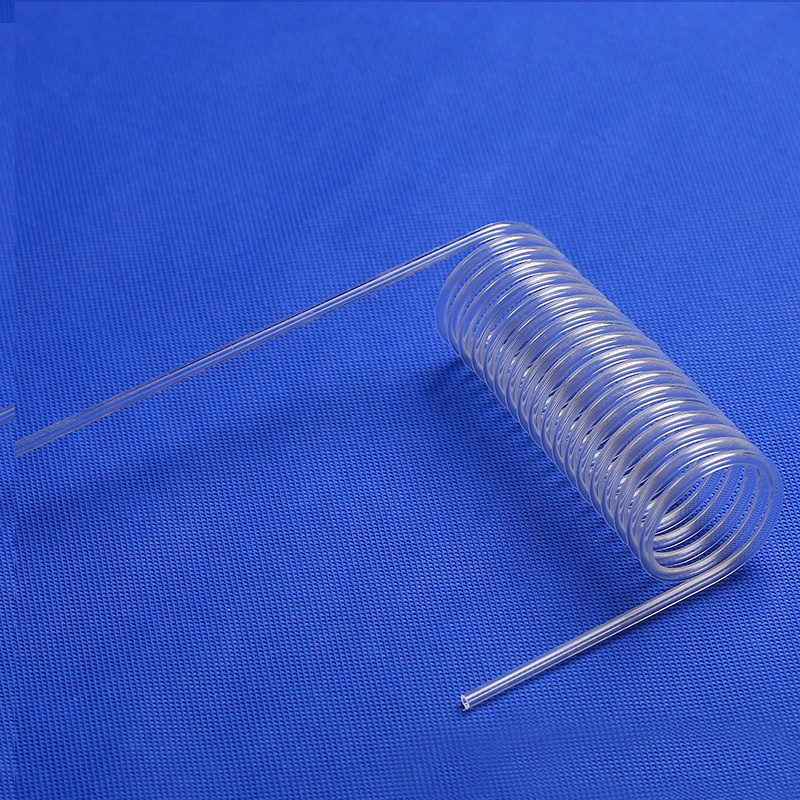
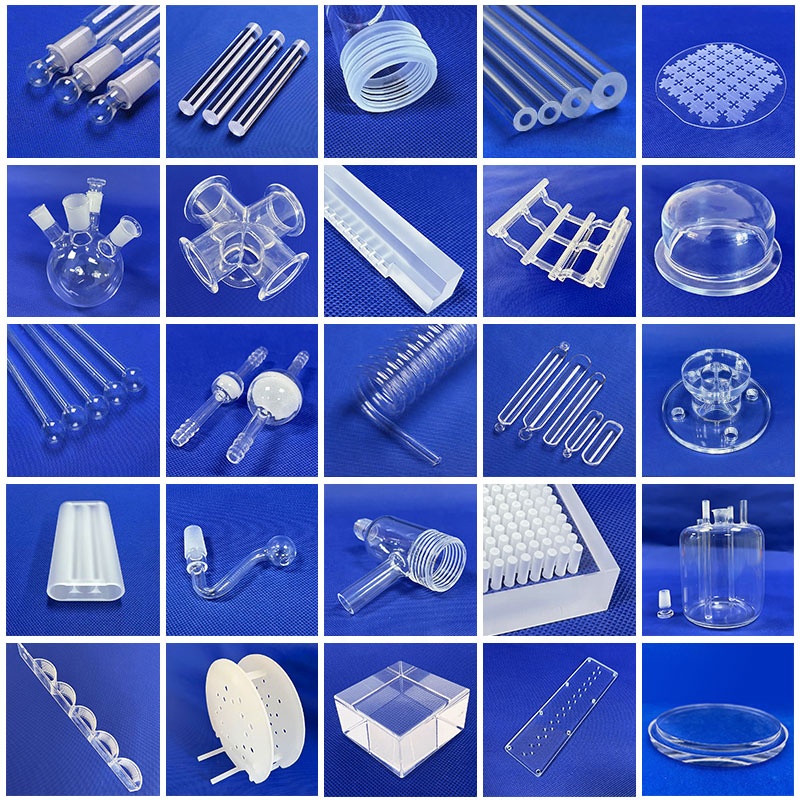
Engineered Fused Quartz & Silica Apparatus Portfolio
From high-temperature reaction vessels to micro-drilled optic cells, discover our factory-direct fused silica assemblies calibrated for industrial and academic end-users.
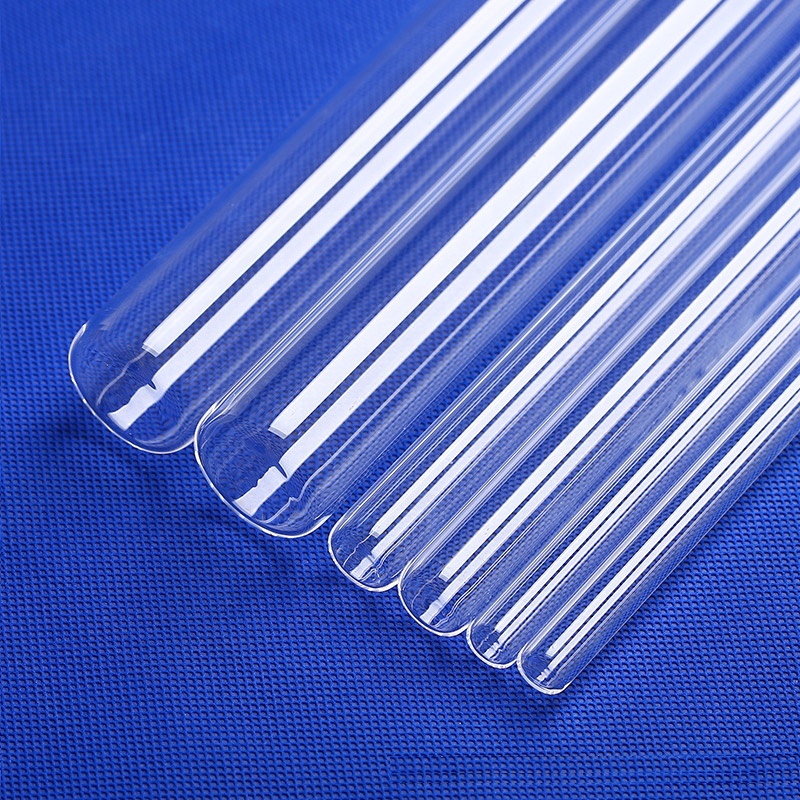
Customized Clear Quartz Glass Tube Fused Silica Test Tube One End Closed Bottom Premium Quality SiO2 Semiconductor Manufacturing
BAO RAN 419 Corrosion Resistant High Light Transmittance Double Sided Polishing White Rim Fused Quartz Sheet 99.99% SiO2 Content
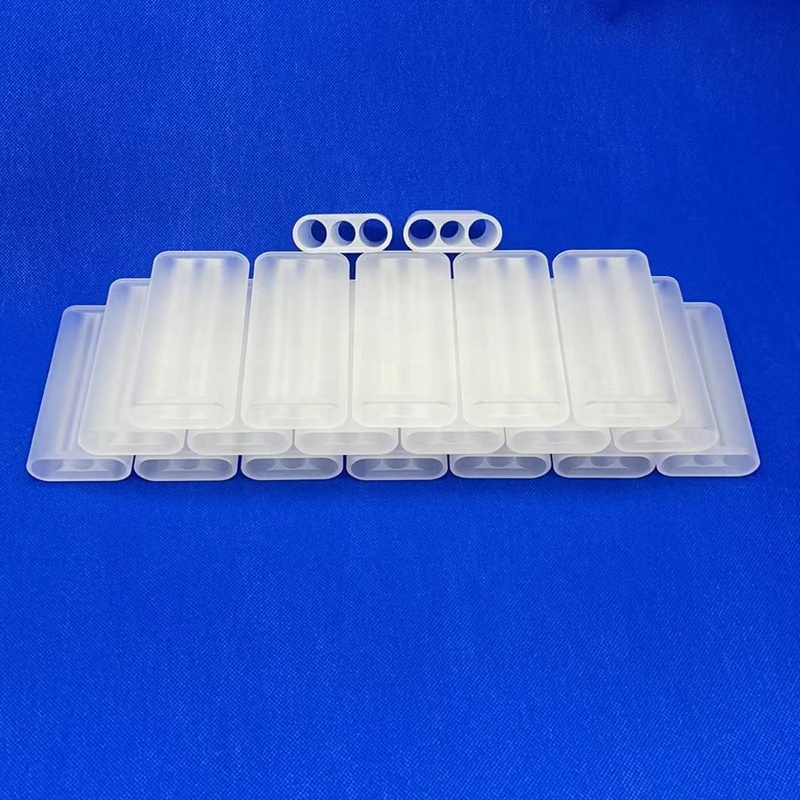
Quartz Triple Bore Flow Tubes Laser C Shape Fused Quartz Welding Bending Cutting Services 99.98% Silica Content ROHS Certified
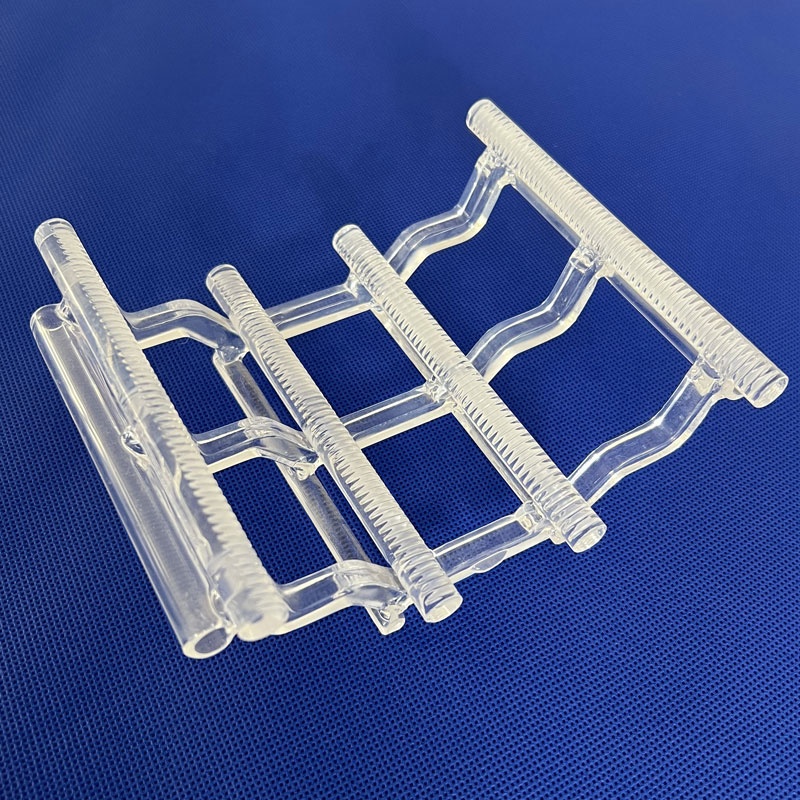
Custom Size High Temperature Fused Quartz Wafer Boat 99.99% Silica Content ROHS Certified Semiconductor Processing Carrier
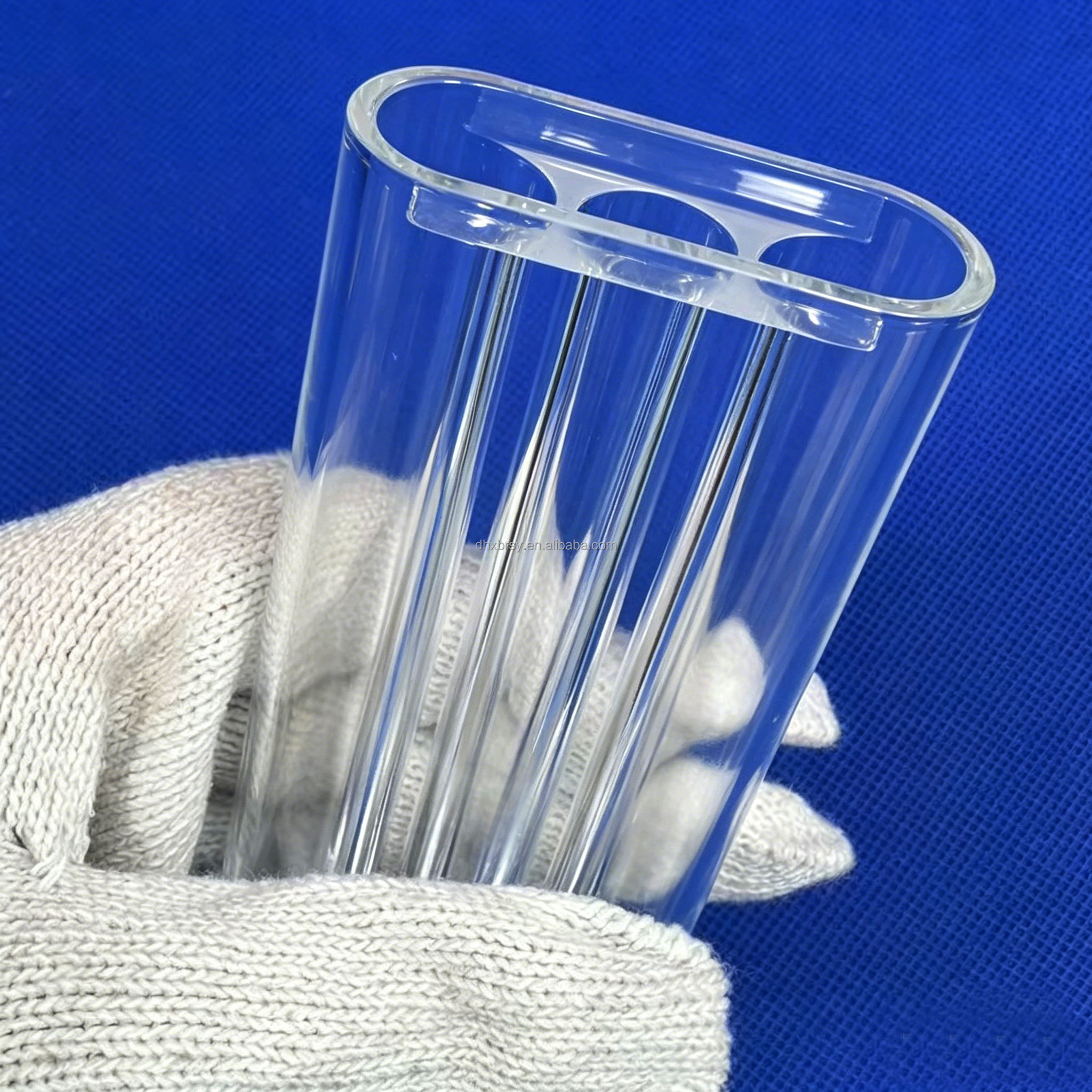
916Factory Customized Quartz Glass Tubes High Temperature Fused Silica Quartz Glass Tube for Lab Furnace Semiconductor Industry
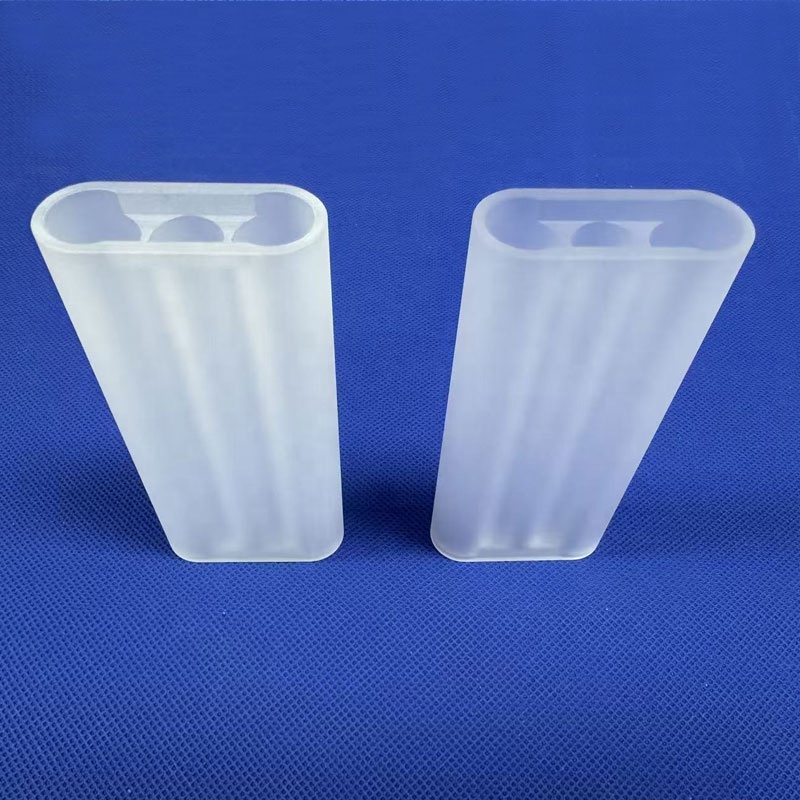
BRO RAN High Precision Triple Bore Quartz Glass (SiO2) 200 Mesh Laser Cavity Flow Tube for GentleYag/GentleMax Hair Removal
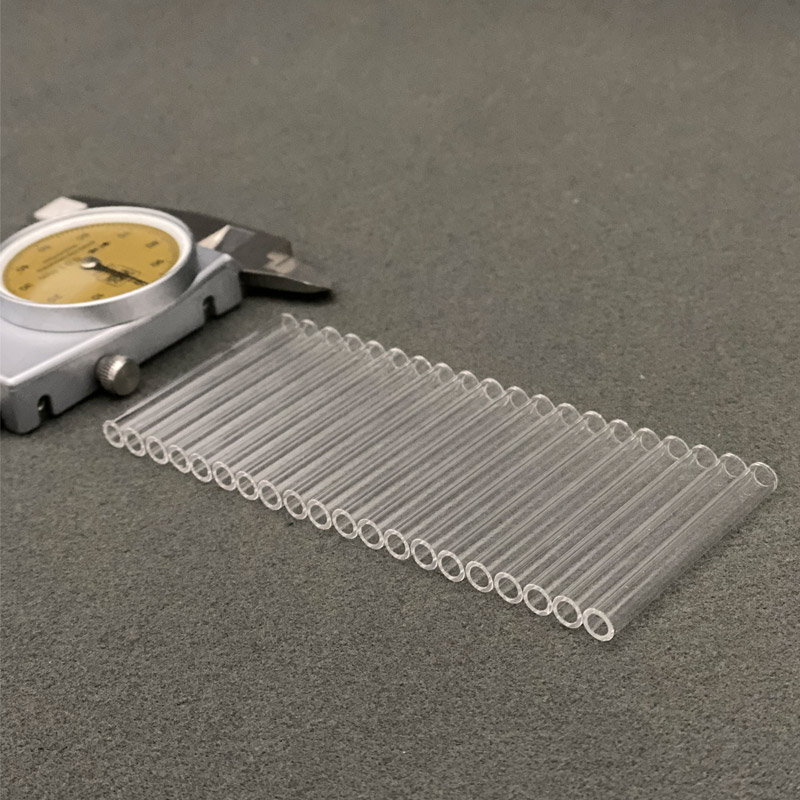
BAO RAN 419 Fused Quartz Capillary Tube (SiO2 99.99% 200 Mesh 75m Annealed 1200C ROHS Certified) Laser Machinery
Naples Industrial Landscape: High-Temperature Quartz Flask Demands
A granular exploration into why Southern Italy’s scientific laboratories, naval propulsion hubs, and marine research institutes demand superior fused silica solutions.
Marine Bio-Technology & Stazione Zoologica Anton Dohrn
Naples is globally recognized for oceanographic discovery and environmental microbiology, spearheaded by the renowned Stazione Zoologica Anton Dohrn and the marine complexes in the Gulf of Naples. Marine researchers routinely work with hyper-saline digestion, trace element extraction, and seawater acidification modeling.
Standard borosilicate glass fails prematurely in these applications due to trace alkali ion leaching, which alters ultra-trace ICP-MS analytical baselines. Our transparent 99.99% pure fused silica quartz flasks (boiling, flat-bottom, and Erlenmeyer geometries) ensure absolute chemical inertness. They withstand continuous boiling in concentrated nitric and hydrochloric acids without degrading, ensuring sample integrity for marine toxicology and ocean biochemistry.
Campania Aerospace & Advanced Thermal Coatings Hub
The Campania region constitutes a primary pillar of the Italian aerospace industry, anchored by facilities in Pomigliano d'Arco and the metropolitan area of Naples. Industrial laboratories developing high-velocity ceramic coatings, turbine alloy treatments, and composite resins require calcination flasks, sublimators, and quartz chambers capable of enduring severe temperature spikes.
With an instantaneous working limit of 1300°C and an annealing point of 1215°C, Lovri quartz flasks allow aerospace metallurgists to perform vapor-phase vacuum synthesis and high-energy thermal testing without wall deformation or vessel fracture under high-vacuum draw conditions.
Chemical Petrochemical Infrastructure in Port of Naples
The port infrastructure and petrochemical complexes flanking eastern Naples operate round-the-clock fuel quality testing, hydrocarbon crack distillation, and catalytic refining processes. Analytical flasks used in these refineries must resist sudden cooling cycles during ASTM test sequences.
Due to a nearly negligible coefficient of thermal expansion (5.5 × 10⁻⁷ /°C), our quartz flasks can be taken red-hot straight out of a 1000°C muffle furnace and submerged directly into icy water baths without shattering. This catastrophic thermal shock resistance prevents explosive lab accidents and costly process downtime.
Pharmaceutical & API Formulation in San Giovanni a Teduccio
Naples’ growing pharmaceutical manufacturing corridor focuses heavily on active pharmaceutical ingredient (API) synthesis, lyophilization vessels, and specialized fine chemicals. Purity is non-negotiable; any boron or sodium leaching from substandard glassware contaminates batch synthesis.
We supply specialized round-bottom multi-neck quartz reaction flasks with ground-glass standard joints (NS 14/23, NS 29/32, NS 45/40), fabricated using automated fire-polishing to guarantee zero particulate shedding and exceptional optical clarity across deep UV spectroscopy bands.
Photochemical Reactor Vessels & CNR Research Units
Research units across the University of Naples Federico II and local CNR (Consiglio Nazionale delle Ricerche) institutes focus heavily on photochemical energy conversion, hydrogen fuel generation, and solar-induced synthesis. These photochemical experiments rely on high transmittance deep into the ultraviolet range.
Using premium JGS1 synthetic fused silica and select JGS2 optical grades, Lovri quartz flasks deliver over 90% transmittance down to 200 nm, maximizing the quantum yield of photochemical catalytic reactions without solarization or UV browning over extended exposure.
Geothermal & Volcanological Monitoring (Campi Flegrei & Vesuvius)
The unique geological environment of Campania—surrounded by Mount Vesuvius and the Campi Flegrei caldera—requires continuous geochemical sampling. Field scientists capture volcanic gas condensates rich in hydrofluoric acid vapors, sulfur dioxide, and hydrochloric mixtures at elevated subterranean temperatures.
Our heavy-wall custom quartz gas sampling flasks, equipped with threaded PTFE valves and fused silica capillary delivery paths, offer the highest thermal resilience and anti-corrosive properties available, empowering Italian geochemists to monitor critical seismic and volcanic shifts safely.
Evolving Sourcing Trends for Technical Glassware in Southern Italy
How the European green transition, supply chain nearshoring, and micro-precision specifications are redefining how Neapolitan enterprises procure quartz apparatus.
Shift from Intermediaries to Primary Manufacturers
Historically, procurement directors in Campania relied heavily on European distributors in Northern Italy or Germany, paying substantial margins of 100% to 250% for standard quartz flasks and tubes. Today’s industrial landscape demands lean purchasing.
Naples procurement heads now bypass multi-tier supply networks, collaborating directly with integrated Chinese manufacturers capable of providing SGS-verified factory audits, raw quartz chemical assays, and fast express air-freight logistics straight to Capodichino International Airport or the Port of Naples.
Demand for Custom CAD/STEP Engineering Collaboration
Off-the-shelf catalog vessels no longer suffice for advanced thin-film deposition setups, solar cell crystallization fixtures, and laser-guided micro-reactors. Modern labs require custom dimensions, specialized side-arm necks, flanged access points, and sensor access wells.
Buyers in Campania increasingly seek suppliers with comprehensive in-house CNC quartz machining, ultrasonic drilling, and glass-lathe welding. Supplying 3D CAD files directly to our production floor allows exact bespoke manufacturing within tight dimensional tolerances (±0.05 mm).
Rigorous RoHS and Heavy Metal Traceability
With Italian state compliance tied closely to EU REACH and RoHS regulations, analytical facilities are subjected to strict regulatory audits. Glassware that contains arsenic, lead refining additives, or heavy metal residues can contaminate ultra-pure synthesis.
Neapolitan laboratory directors now insist on full chemical batch documentation. Our quartz glassware is fabricated strictly from high-grade raw silica refined through deep acid pickling, achieving total heavy metal contaminants under 20 ppm, verified by certified material safety data sheets (MSDS).
Lovri Quartz Factory Advantages for Italian Importers
Controlling the entire production chain from raw silica mining in Lianyungang to multi-axis CNC fabrication.
Integrated Raw Silica Refining
Unlike secondary workshops that buy generic stock glass tubes, Lovri operates in-house crushing, pulverizing, re-screening, and hydrochloric-hydrofluoric acid pickling to yield 99.99% pure silica feedstock from the start.
Polarization Stress Inspection
Thermal cracking happens along invisible molecular stress fault lines. Every single quartz flask, sealed neck, and joint undergoes rigorous thermal annealing at 1200°C followed by individual optical polarization stress tests.
SGS-Verified 14,271 m² Facility
Our expansive manufacturing center in Tuofeng Industrial Park, Lianyungang, is completely verified by SGS Group onsite audits. We provide fully documented commercial capability, low MOQs (from 1 pc), and rapid turnarounds.
Engineered Export Shock-Packaging
Exporting fragile quartz apparatus to Italy requires specialist handling. We employ custom-molded high-density EPE foam cushions, dual-wall corrugated export containers, and export-grade plywood crates to guarantee zero-breakage delivery.
Fused Quartz Physical, Thermal & Optical Properties
Review the empirical engineering metrics of our fused quartz material to verify compatibility with your process parameters.
| Characteristic / Parameter | Empirical Value | Practical Operational Impact for Engineers |
|---|---|---|
| Silica Purity (SiO₂) | ≥ 99.99% | Near-zero analytical leaching; prevents ionic contamination in trace ICP analysis. |
| Density | 2.20 g/cm³ | Lightweight structural integrity with exceptional structural rigidity at high vacuum. |
| Thermal Expansion (20°C–300°C) | 5.5 × 10⁻⁷ cm/cm·°C | Near-zero thermal drift; extreme resistance to thermal shock and rapid quench cycles. |
| Softening Point | ≈ 1730°C | Maintains geometric integrity far past the melting points of standard laboratory glass. |
| Annealing Point | ≈ 1215°C | Relieves all manufacturing and welding strain via precise thermal soaking curves. |
| Continuous Working Temperature | 1100°C | Ideal for continuous tube furnace processes, pyrolysis, and long-dwell calcinations. |
| Short-Duration Peak Temperature | 1300°C – 1400°C | Accommodates localized torch heating, plasma ignition, and sudden reaction exotherms. |
| Refractive Index (nD 589.3 nm) | 1.4585 | High optical clarity for spectroscopic diagnostics and laser beam path propagation. |
| Dielectric Strength (20°C) | 250–400 kV/cm | Outstanding electrical insulation properties during high-voltage plasma cracking. |
Procurement FAQs for Naples & Southern Italy Buyers
Direct answers to technical specifications, import documentation, and shipping safety for Neapolitan enterprises.
Why choose fused quartz over borosilicate 3.3 for Naples lab applications?
While borosilicate glass is suitable for standard chemical usage up to 450°C, it softens above 500°C and has a thermal expansion coefficient nearly six times higher than fused quartz. Fused quartz operates comfortably up to 1100°C continuously, resists direct flame impingement, tolerates immediate cold-water quench from 1000°C, and offers unmatched chemical resistance against concentrated acids without leaching boron or alkali metals into sensitive test media.
Can Lovri manufacture custom multi-neck flasks to our technical drawing?
Yes. Customization is our primary strength. We fabricate single, double, triple, and four-neck round-bottom or flat-bottom flasks according to your engineering sketches, PDF blueprints, or 3D STEP files. We can integrate precise ground-glass standard taper joints, GL-threaded necks with PBT/PTFE screw caps, thermocouple thermometer wells, and vacuum stopcocks, all precision-aligned on multi-axis glass lathes.
What quartz grade should we specify for UV photochemical research in Campania?
For photochemical reactions utilizing shortwave ultraviolet radiation (UV-C and deep UV down to 185 nm), we strongly recommend specifying JGS1 synthetic fused silica, which provides superior transmittance (>90% at 200–280 nm) and is practically bubble-free. For standard visible to near-infrared operations (260–2500 nm) or thermal calcination without optical demands, our optical-grade JGS2 fused quartz is the most cost-effective solution.
How do you ensure delicate quartz flasks survive shipping to Southern Italy?
We use engineered export packaging specifically created for fragile scientific quartz. Each flask is individually nested within tailor-cut expanded polyethylene (EPE) shock-absorbent foam casing, enclosed in a multi-wall corrugated box, and grouped inside ISPM-15 compliant heat-treated wooden crates for freight transit. Over 99.8% of our worldwide consignments arrive completely intact. If courier breakage occurs, we replace damaged items promptly upon receiving photographic proof.
What are the typical lead times and logistics routes to Naples?
For prototype or small-batch custom quartz flasks (1 to 20 pieces), fabrication typically requires 7 to 12 working days following drawing approval. We ship urgent scientific consignments via DHL, FedEx, or UPS air express directly to Campania facilities within 4 to 6 business days. For bulk industrial replenishment orders, consolidated sea freight via the Port of Naples (Porto di Napoli) offers maximum shipping economy with a transit time of approximately 28 to 35 days.
Do your quartz products comply with European Union trade and quality standards?
Yes. Our fused quartz components are produced under strict ISO 9001 certified manufacturing controls and comply fully with EU RoHS (Restriction of Hazardous Substances) Directive 2011/65/EU and REACH standards. We supply Certificate of Conformity (CoC), material purity spectrometer breakdowns, and SGS factory verification reports alongside your commercial shipping documentation to streamline Italian customs clearance.