Precision Fused Silica & High-Temperature Quartz Portfolio
Direct supply from China's primary silica hub to industrial enterprises in Sarajevo, Banja Luka, Tuzla, Zenica, and Mostar. Fabricated to strict micron tolerances.
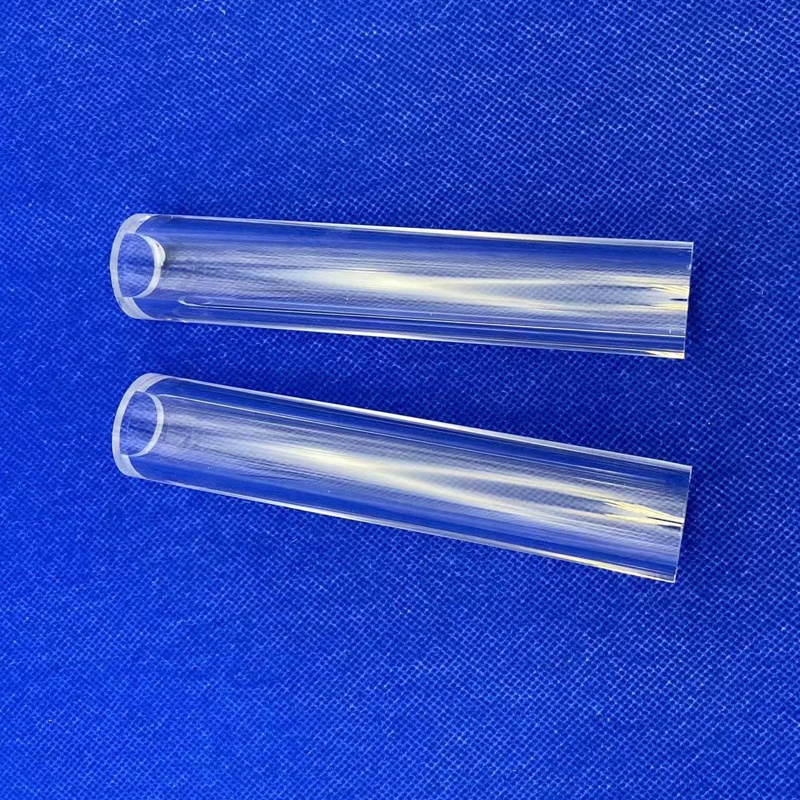
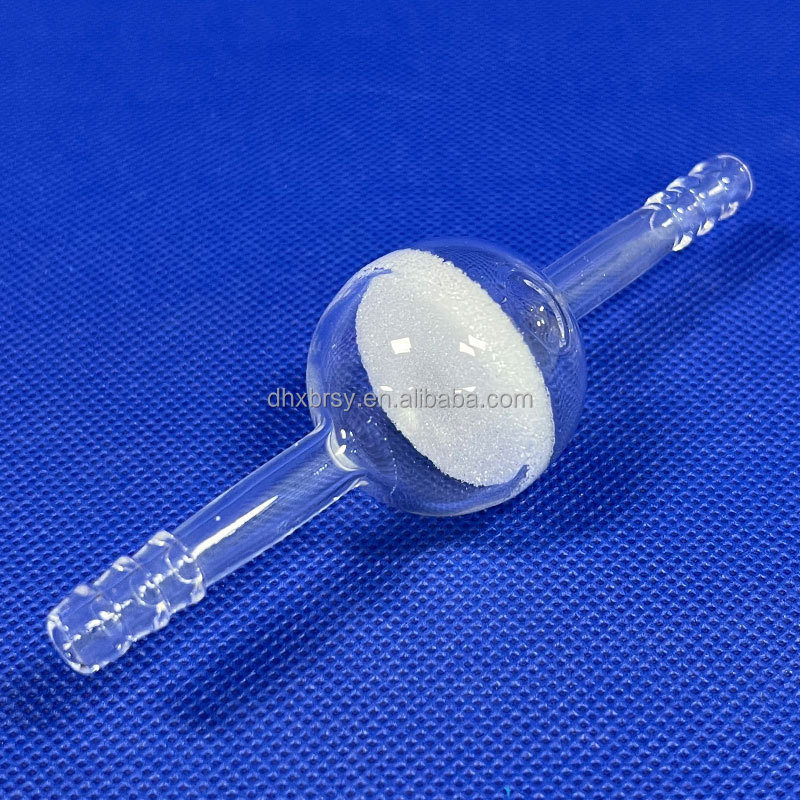
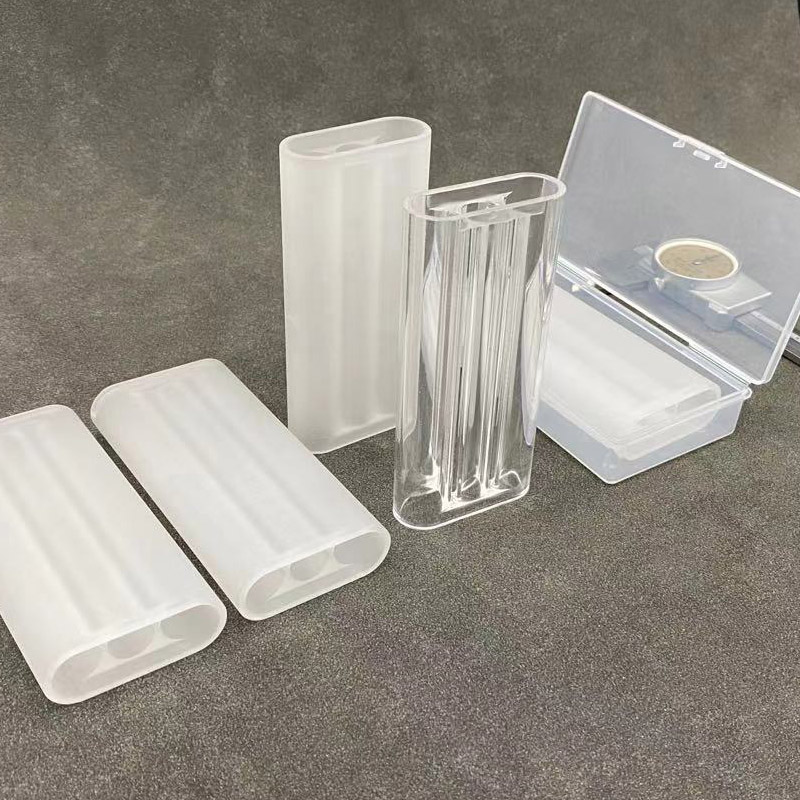
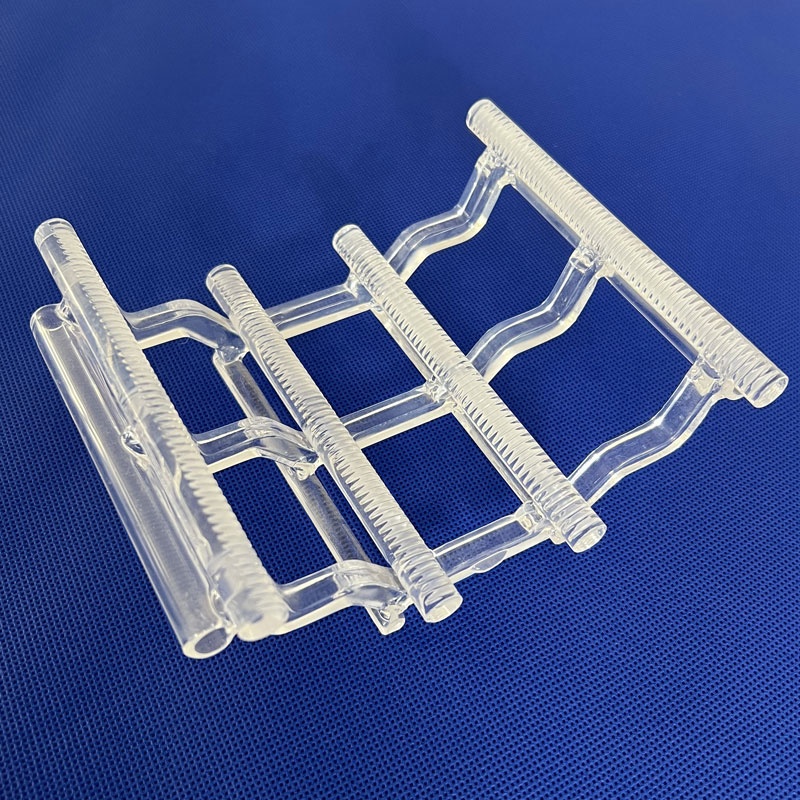

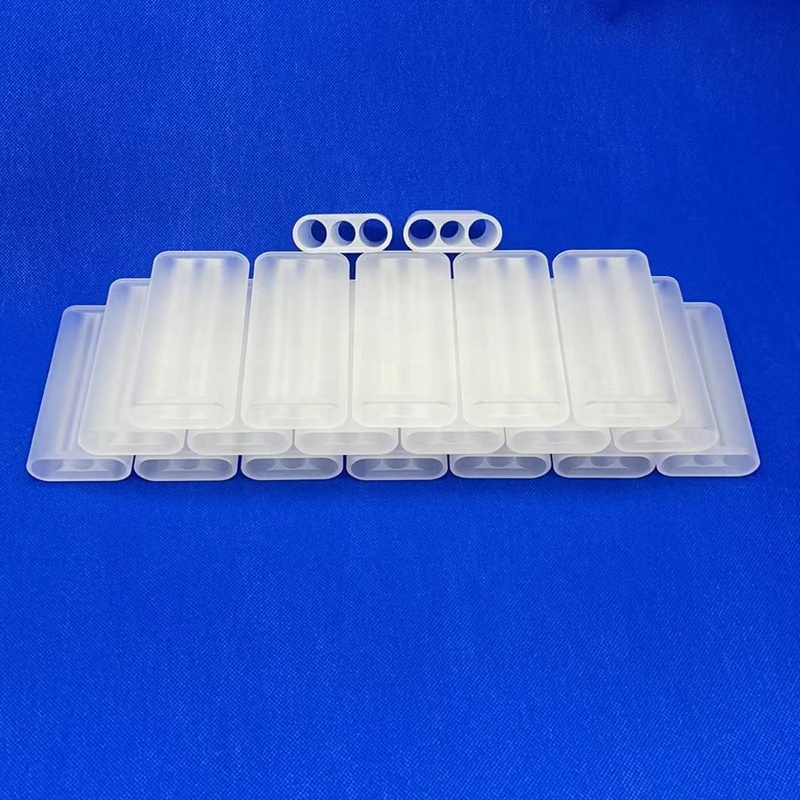
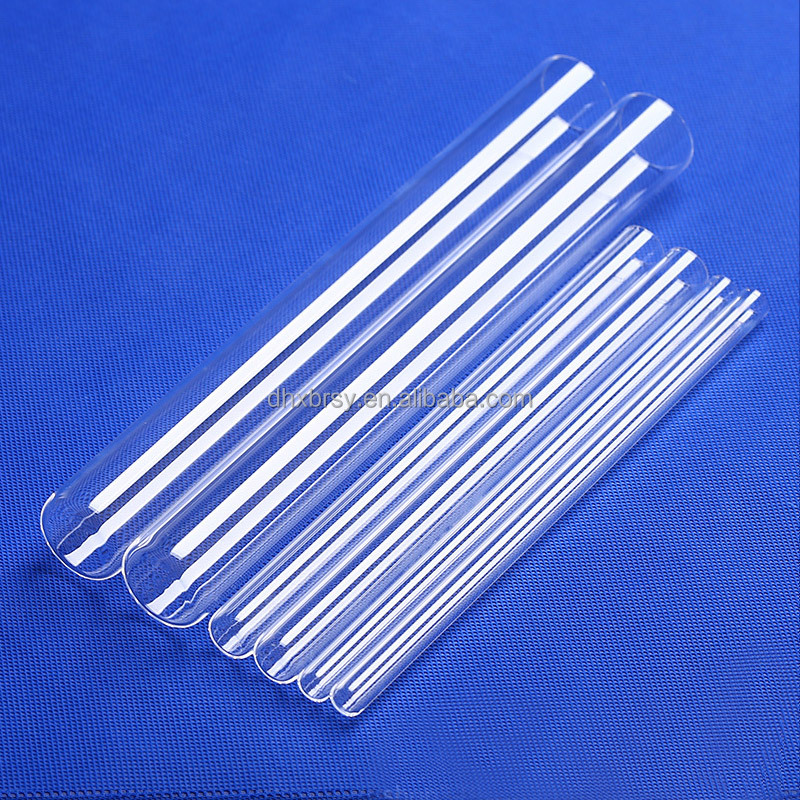
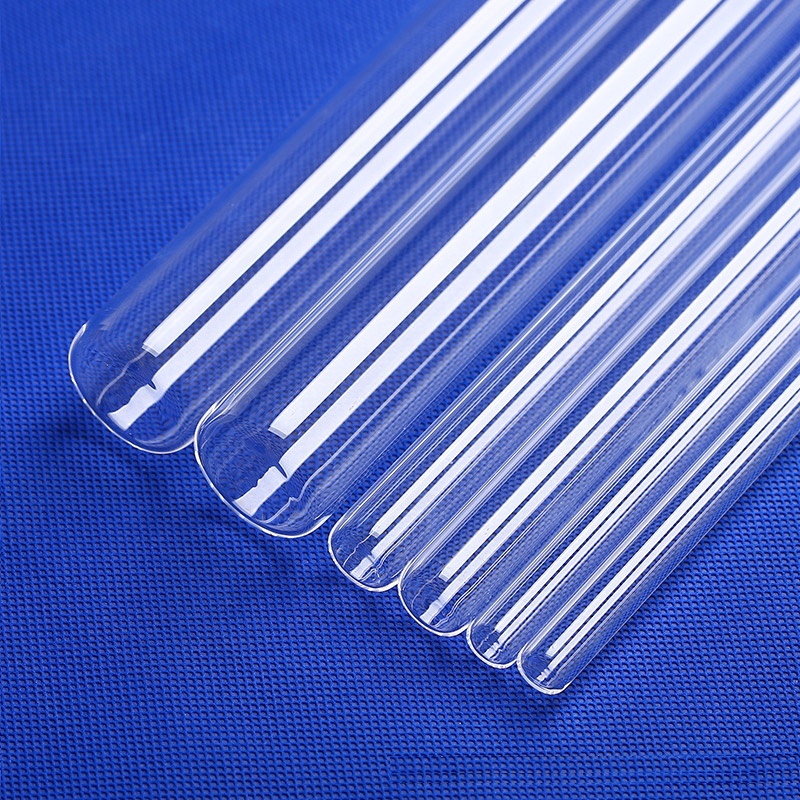
High-Purity Fused Quartz Tube Manufacturing: Technical Dynamics for Bosnia and Herzegovina
In modern high-temperature industrial engineering, transparent fused quartz (fused silica) holds an irreplaceable position due to its unique combination of thermodynamic, optical, and mechanical characteristics. Operating at temperatures that immediately liquify standard borosilicate glasses or destroy transparent polymers, fused quartz tube assemblies maintain continuous structural integrity up to 1100 °C, tolerating short-term thermal excursions up to 1300 °C with a softening point of 1730 °C. For industrial enterprises across Bosnia and Herzegovina (BiH)—a country anchored by heavy manufacturing, pyrometallurgy, chemical syntheses, and an emerging renewable energy supply chain—securing high-performance quartz furnace tubes is a core operational requirement.
The manufacturing architecture of fused quartz begins at the raw crystal stage. Lovri Quartz Products Co., Ltd. operates inside Lianyungang, China's central silica refining hub. Unlike standard processors who acquire external glass tubes for minor flame finishing, our integrated facility oversees raw quartz lump sizing, crushing into silica sand, automated multi-stage rescreening, and aggressive chemical acid pickling. This internal lifecycle eliminates harmful metallic ion contamination (notably Fe³⁺, alkali metals like Na⁺, K⁺, and hydroxyl groups OH⁻), ensuring our fused silica reaches stable purity thresholds of 99.99% SiO₂. For thermal engineers and furnace operators in Bosnia, this microscopic purity directly translates into extended refractory life, zero contamination of treated alloys or silicon boules, and absolute resilience against devastating thermal shock.
Material Science: Thermal & Mechanical Performance Benchmarks
The remarkably low coefficient of thermal expansion (CTE) of transparent fused quartz—measuring approximately 5.5 × 10⁻⁷ /°C from 20 °C to 300 °C—is the cornerstone of its high-temperature durability. This near-zero expansion enables a red-hot quartz furnace tube at 1100 °C to be instantaneously doused in ice-cold water without micro-fracturing or catastrophic failure. In high-cycle metallurgical furnaces, such as those found throughout the industrial nodes of Zenica, Tuzla, and Banja Luka, this thermal shock margin eliminates furnace downtime caused by heating and cooling thermal cycling.
| Physical / Chemical Property | Technical Value / Metric | Relevance to Bosnian Heavy Industry |
|---|---|---|
| Silicon Dioxide Purity (SiO₂) | ≥ 99.99% | Prevents ionic leaching in chemical digestion and semiconductor crystallization. |
| Density (ρ) | 2.20 g/cm³ | Lightweight yet rigid chamber material; lower stress on mechanical cantilever mounts. |
| Coefficient of Thermal Expansion (CTE) | 5.5 × 10⁻⁷ cm/cm·°C (20–300 °C) | Absolute resistance to sudden thermal shock during furnace door openings or water quenching. |
| Softening Point | ≈ 1730 °C | Maintains dimensional profile during extreme high-temperature vacuum sintering. |
| Continuous Maximum Working Temp | 1100 °C | Stable for continuous runs in steel alloy carburizing and CVD ceramic coating. |
| Short-Term Peak Working Temp | 1300 °C – 1400 °C | Allows rapid thermal processing (RTP) and transient crucible burnout without tube sag. |
| Internal Stress Inspection | Polariscopic Stress Analyzer Checked | Complete release of drawing residual strain, eradicating localized spontaneous cracking. |
Localized Industrial Application Scenarios in Bosnia and Herzegovina
The industrial landscape of Bosnia and Herzegovina is undergoing a technological modernization driven by alignment with the European Union Single Market, green transition mandates, and industrial automation. Several distinct economic sectors throughout the Federation of Bosnia and Herzegovina (FBiH) and Republika Srpska (RS) rely fundamentally on high-purity quartz furnace tubes and bespoke fused silica hardware:
Pyrometallurgy & Steelmaking Quality Laboratories
Concentrated in the Zenica-Doboj basin, steelmakers and heavy alloy foundries require robust quartz combustion tubes and immersion dip sleeves for high-precision carbon-sulfur analytical determinators, pyrochemical sample heating, and molten steel temperature sampling.
Photovoltaic & Renewable Energy Manufacturing
As Herzegovina (Mostar, Trebinje) capitalizes on high solar irradiance, regional enterprises are investing in PV module production, solar cell assembly, and experimental silicon crystallization furnaces that demand quartz diffusion tubes and custom quartz wafer carrier boats.
Chemical Processing & Water Purification Facilities
Chemical complexes in Tuzla and municipal wastewater reclamation works across Sarajevo employ large-bore clear quartz sleeves for ozone generator corona-discharge tubes and high-output ultraviolet disinfection systems demanding exceptional UV transmittance.
Macro Trends Shaping Quartz Furnace Tube Procurement in BiH
Procuring precision quartz ware in the Western Balkans has historically involved lengthy distributor chains through Central Europe, which inflate logistics costs and introduce high risk of transit breakage. However, structural shifts are redefining how industrial buyers in Banja Luka, Sarajevo, and Tuzla manage high-temperature refractory components:
1. Direct Factory-to-Plant Supply Chains: Bosnian procurement managers are bypassing European stockists and trading intermediaries in favor of direct engagement with SGS-verified manufacturing plants in China. By dealing directly with source manufacturers like Lovri Quartz, factories in BiH receive custom precision parts manufactured to their specific CAD/STEP drawings, with custom flanges, thermocouple wells, and specialized end-closures, all while saving 30% to 45% in capital replacement costs.
2. Decarbonization and Industrial Energy Efficiency: Outdated gas-fired furnaces across the region are steadily being converted to clean, high-precision electric resistance and induction heating systems. Electric tube furnaces require fused quartz process chambers that can hold deep vacuums or controlled inert atmospheres (Argon, Nitrogen) at high operating temperatures without structural collapse or crystallization.
3. Advanced Research and Academic Expansion: Technical faculties at the University of Sarajevo, University of Banja Luka, and University of Tuzla, alongside independent materials testing centers, are expanding initiatives into nanomaterials, thin-film chemical vapor deposition (CVD), and advanced metallurgy. These research labs require bespoke quartz reactors, microplates, and high-vacuum apparatus tailored to unique experimental parameters.
Why Global & Bosnian Industrialists Source from Lovri Quartz
Comprehensive vertical integration from raw silica purification to 5-axis CNC diamond grinding, backed by internationally documented third-party audits.
Raw Silica Purification at the Source
Operating inside China's primary silica hub, our 14,271 m² facility processes raw crystal into 99.99% SiO₂ through crushing, sieving, and proprietary acid leaching, ensuring batch-to-batch consistency.
100% Polariscopic Stress Relief
Every tube, wafer boat, and optical plate undergoes computer-controlled thermal annealing cycles followed by full polarization stress verification to completely eliminate micro-fissuring risks.
Multi-Axis CNC Machining & Glassblowing
We combine advanced diamond-tool CNC milling, laser cutting, slotting, and flame glassblowing to fabricate complex geometries, flanges, multi-bore flow channels, and threaded ports directly from your CAD files.
SGS-Assessed & Export-Grade Protection
Independently verified by SGS Group with full RoHS and CE documentation. Every shipment to Bosnia and Herzegovina is packed in custom impact-absorbing foam frames and export-grade reinforced wooden crates.
Frequently Asked Questions by Buyers in Bosnia and Herzegovina
Clear, direct answers covering international logistics, customs documentation, optical grade selection, and handling procedures.
Request a Factory-Direct Technical Quotation
Need custom furnace process tubes, JGS1 optical sight glasses, or semiconductor-grade wafer carriers for your plant in Bosnia and Herzegovina? Send your dimensional requirements or CAD drawings to our engineering team today.
Inquire Now