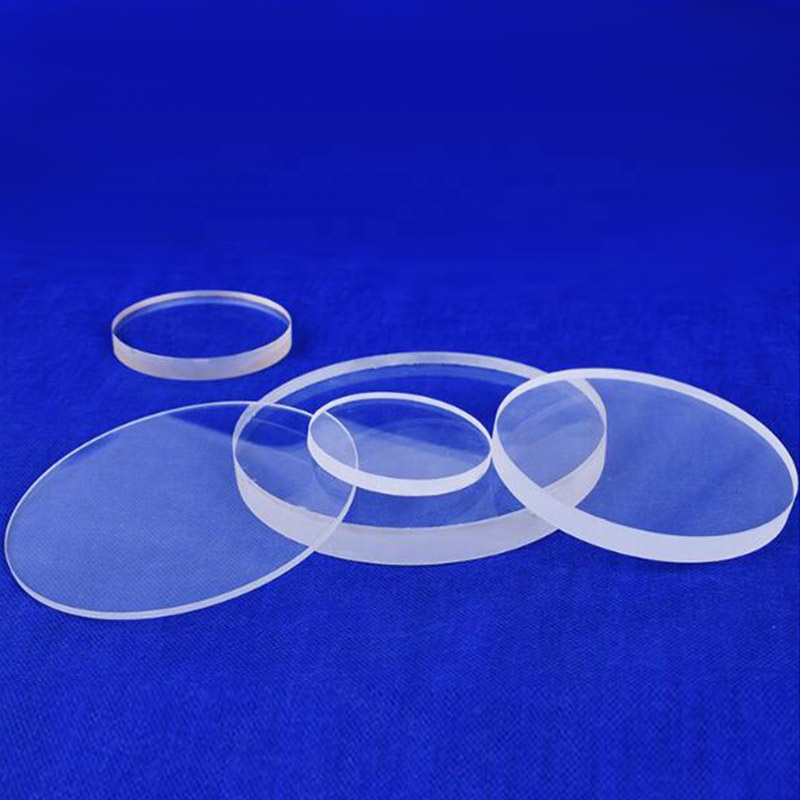
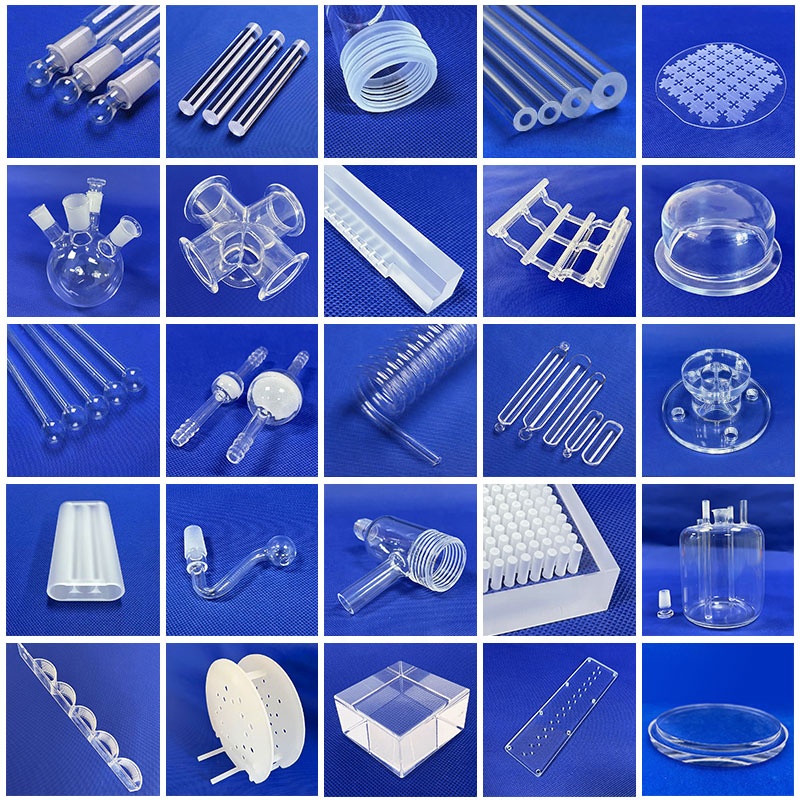
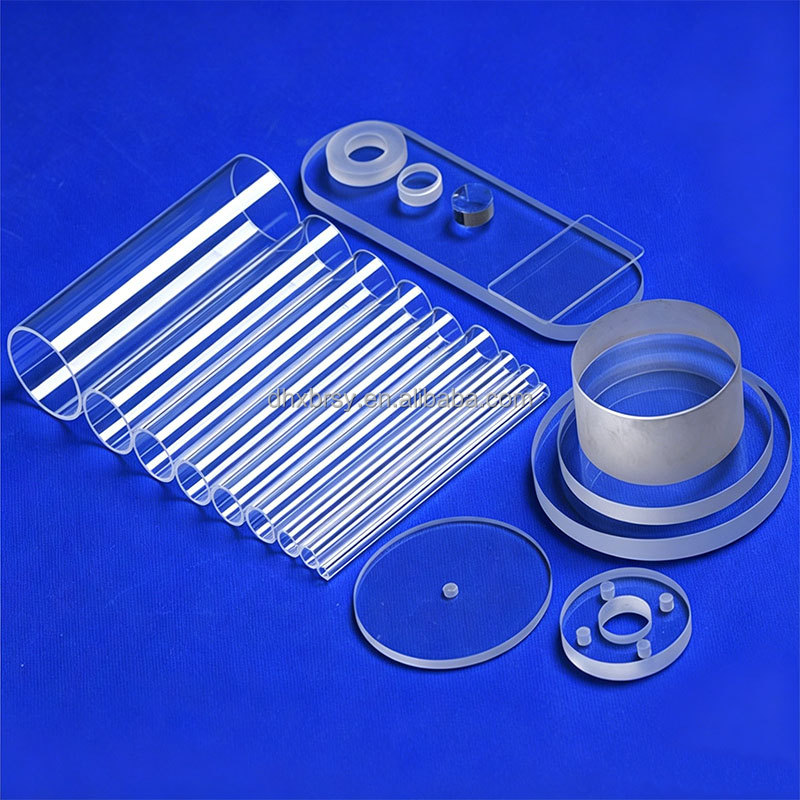
Featured High-Purity Quartz Glass Hardware & Custom Fabrications
Manufactured from ultra-refined synthetic silica and electric-arc fused quartz granules. Each piece undergoes comprehensive annealing, precision cold-end CNC edge-polishing, and polarization strain-gauge inspection before export dispatch to the Greater Tokyo & Yokohama industrial areas.
Industrial Specifications: Fused Silica Bottles & Specialized Quartz Glass for the Keihin Maritime Region
Procurement teams across Kanagawa Prefecture—spanning Yokohama's coastal industrial zone (Tsurumi and Kanagawa wards), the Minato Mirai R&D corridor, and the Kohoku scientific park—require quartz vessels capable of withstanding extreme physicochemical environments. Standard laboratory borosilicate glass fails when exposed to temperatures above 500°C, high-density plasma discharge, and aggressive fluorinated or strong mineral acid conditions. Our fused quartz bottles, reaction tubes, and precision machined manifolds provide an inert, thermally indestructible interface that ensures sample integrity and zero trace contamination.
99.99% SiO₂ Purity & Sub-ppb Metallic Control
Raw crystal quartzite lumps undergo closed-circuit crushing, multi-stage magnetic separation, and hot acid leaching in concentrated hydrofluoric-nitric mixtures. This removes transition metals (Fe, Cu, Ni, Cr) and alkali ions (Na, K, Li) down to parts-per-billion (ppb) thresholds, completely mitigating thermal devitrification and electrical leakage in sensitive wafer etching applications.
Near-Zero Thermal Expansion (5.5 × 10⁻⁷ /°C)
With an annealing point at 1215°C and softening temperature reaching 1730°C, our quartz glass bottles and flanged tubes endure continuous operations at 1100°C and intermittent spikes to 1300°C. They can be heated cherry-red and plunged into ice water without structural fracturing, making them irreplaceable for high-temperature chemical vapor deposition (CVD) and rapid thermal processing (RTP).
Full UV-Vis-NIR Broadband Transmission
For analytical spectroscopy, photochemical synthesizing, and excimer laser housings, grade JGS1 synthetic silica provides over 90% internal transmittance starting from 185 nm deep-ultraviolet wavelengths up to 2500 nm in the near-infrared, entirely bypassing the UV solarization darkening common to commercial float and borosilicate substrates.
Physicochemical Properties: Fused Quartz vs. Standard Labware Glass
This benchmark dataset highlights why advanced manufacturing facilities in Kanagawa prefecture convert mission-critical holding bottles and chamber tubes from borosilicate 3.3 to optical-grade fused silica.
Material Parameter
High-Purity Fused Quartz (Lovri)
Synthetic Silica (JGS1)
Standard Borosilicate 3.3
SiO₂ Content (%)
≥ 99.99%
≥ 99.999%
≈ 80.5%
Continuous Strain Point
1120 °C
1180 °C
510 °C
Thermal Expansion (20-300°C)
5.5 × 10⁻⁷ K⁻¹
5.2 × 10⁻⁷ K⁻¹
33 × 10⁻⁷ K⁻¹ (6× Higher)
Refractive Index (nd at 589 nm)
1.4585
1.4584
1.4730
Dielectric Strength (20°C, 1MHz)
25–40 kV/mm
>40 kV/mm
15–20 kV/mm
UV Cut-off Wavelength
≈ 220 nm
≈ 175–180 nm
≈ 310 nm (Opaque to DUV)
Acid Resistance (except HF/H₃PO₄)
Class 1 (Practically Insoluble)
Class 1 (ISO 1776 Certified)
Class 1–2 (Leaches Boron/Sodium)
Yokohama Regional Applications
Serving Kanagawa’s High-Technology Production & Scientific Clusters
The Keihin Industrial Zone, extending from Tokyo Bay through Kawasaki into Yokohama Port, forms the technological engine of Japanese mechatronics, automotive optics, and semiconductor capital equipment. Lovri Quartz supplies bespoke bottles, digestion vessels, and vacuum components directly aligned with municipal environmental guidelines and the stringent quality standards demanded by local Japanese prime contractors.
Semiconductor Etch & Diffusion Ware
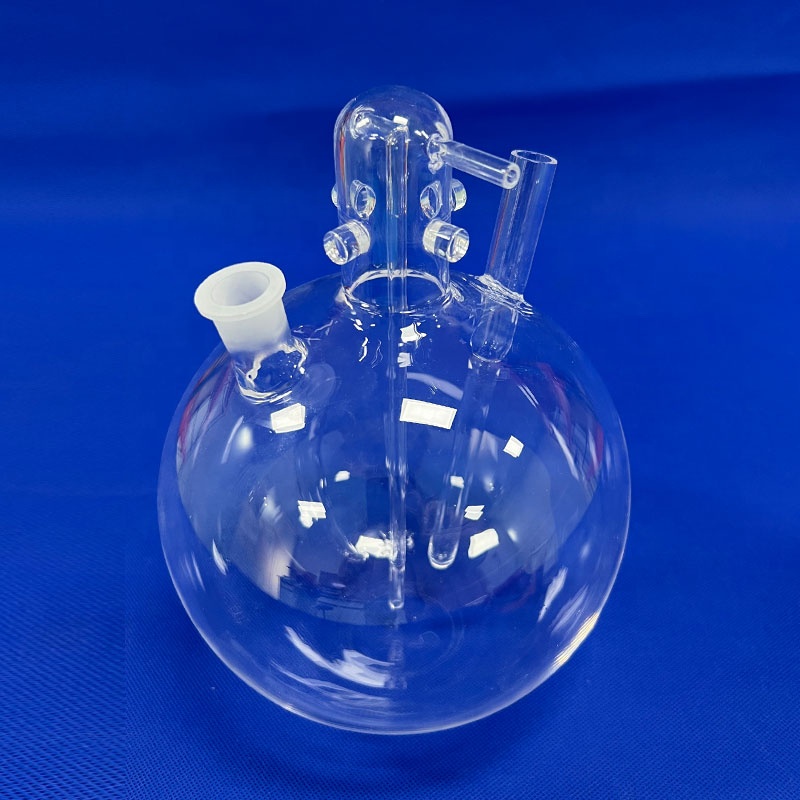
Yokohama foundries and equipment developers rely on our wafer boats, quartz liners, bubbler bottles, and injector tubes. Trace element migration is prevented by our vacuum de-hydroxylation treatment, keeping hydroxyl (OH) levels below 5 ppm for high-temperature gate-oxide uniformity.
Biotech & High-Purity Reagent Storage
Biotechnology laboratories within the Tsurumi life-science cluster use custom screw-cap fused silica bottles for storing ultra-pure reference standards. Unlike soda-lime or plastic polymers, our quartz vessels exhibit zero ionic leaching and zero organic plasticizer outgassing.
Yokohama Port Environmental Trace Analysis
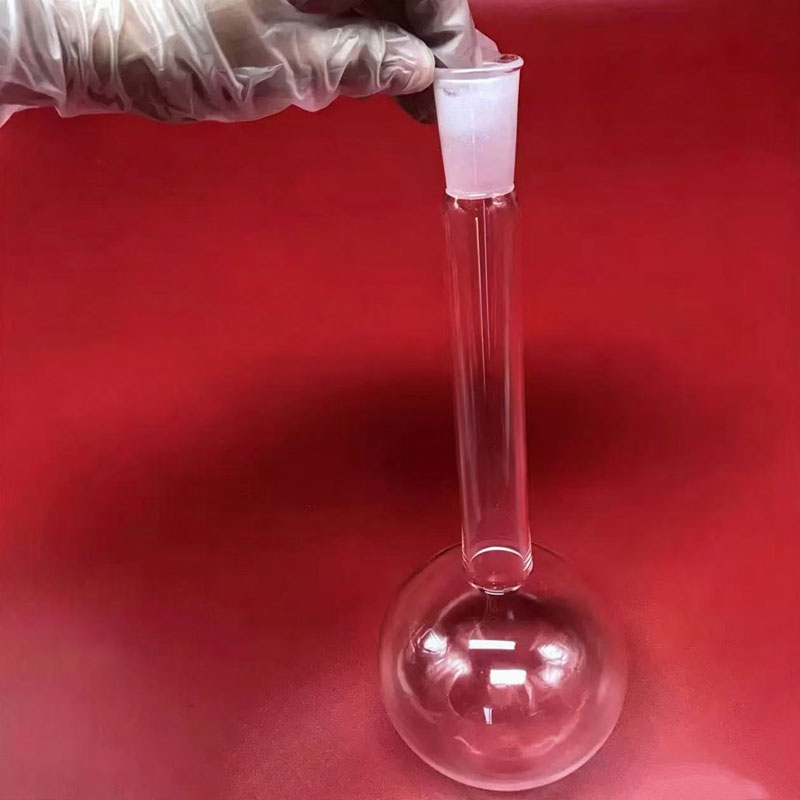
Environmental testing centers monitoring Tokyo Bay seawater and industrial wastewater leverage our long-neck digestion flasks, closed-end digestion vessels, and quartz distillation assemblies to conduct accurate microwave acid dissolutions for heavy metal detection.
Industrial Photonics & Fiber Splicing
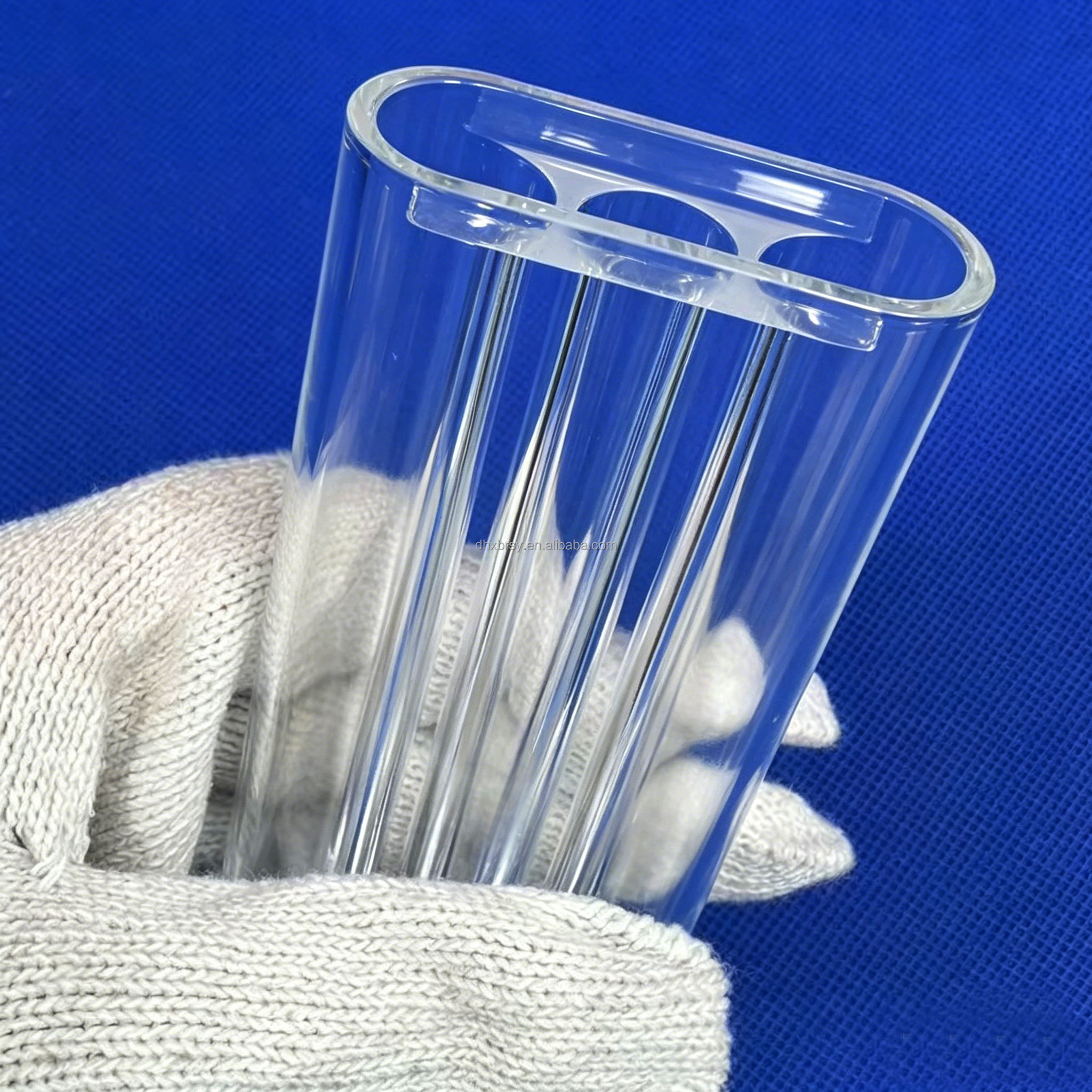
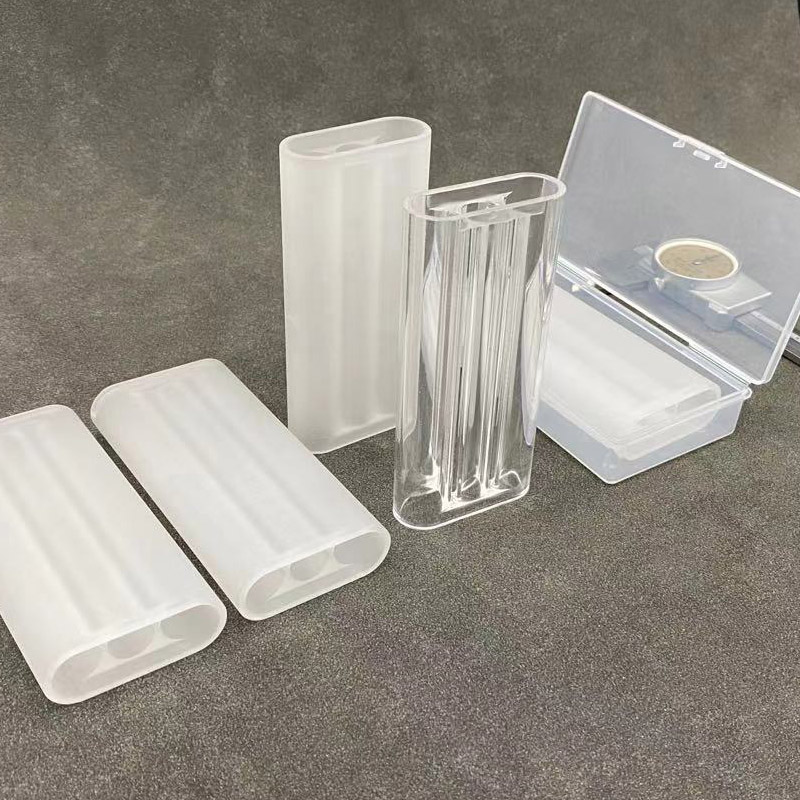
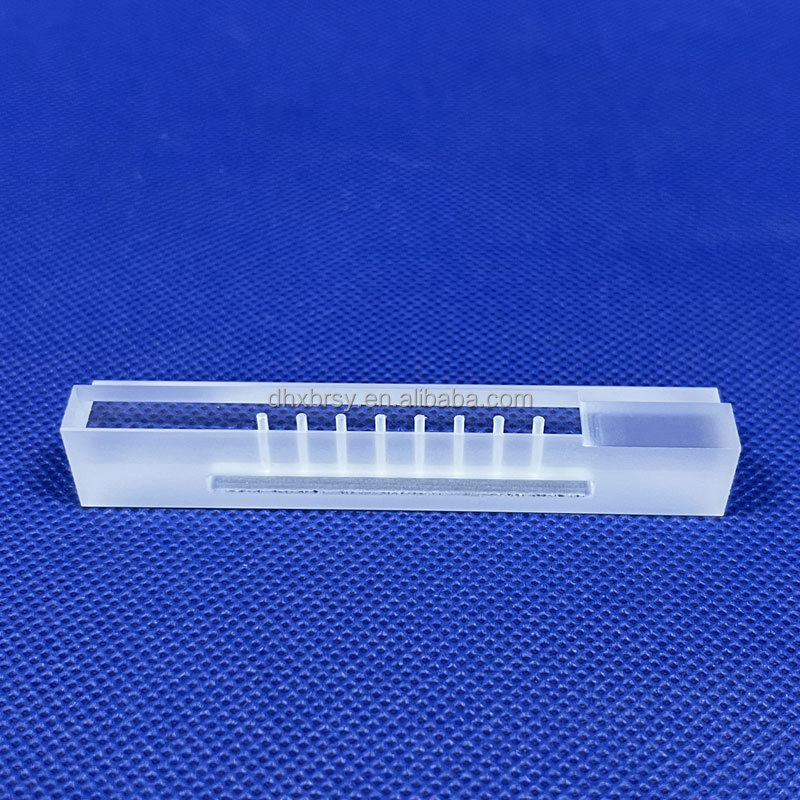
With Kanagawa hosting leading optical fiber telecommunication innovators, our CNC-cut V-groove arrays, flow-through capillary sleeves, and Nd:YAG triple-bore laser chambers deliver micrometer-true alignment with damage thresholds exceeding 15 J/cm² @ 1064 nm.
Procurement demands across the Japanese Kanto region are shifting toward smaller sub-micron lithography nodes, power electronics (SiC and GaN sublimation), and decarbonized green hydrogen catalytic processes. These trends directly dictate stricter engineering parameters for quartz fabrication:
Sub-10nm Compound Semiconductor Fab Expansion
As power electronics shift from standard silicon to Silicon Carbide (SiC) epitaxy, processing temperatures surpass 1400°C. Standard fused quartz tubes suffer premature creep; consequently, Yokohama wafer engineers increasingly mandate synthetic high-viscosity quartz grades reinforced with thermal stabilization coatings.
Stringent JIS & Semiconductor Cleanliness Mandates
Procurement offices within Kanagawa enforce JIS R3216 (testing methods for quartz glass) and SEMI F72 cleanliness specs. Suppliers must provide polarized strain retardance data (<10 nm/cm residual stress) and triple cleanroom bag packing with inert nitrogen flushing to eliminate particle contamination upon arrival.
Supply Chain De-risking & Rapid JIT Replacement
To reduce total cost of ownership (TCO) compared to exorbitant domestic tooling markups, corporate purchasing directors in Yokohama Port prioritize direct tier-1 source factories capable of rapid batch drawing, 3D CAD/CAM custom machining from STEP files, and reliable DDP air-cargo delivery to Haneda/Narita within 7 business days.
Factory Verifications & Advantages
Direct Source Manufacturer: End-to-End Control from Raw Silica to Precision CNC
Lovri Quartz Products Co., Ltd. is located in the world's premier quartz synthesis and smelting base in Lianyungang, operating under strict SGS onsite verification. Unlike trading intermediaries, we govern the entire industrial lifecycle, delivering uncompromised quality assurance directly to Yokohama port and surrounding manufacturing plants.
We synthesize and purify our silica feedstocks in-house. Natural crystal ores are pulverized, classified to uniform particle meshes, and subjected to hydrochemical purification, ensuring zero variability in internal bubble density and thermal expansion across consecutive shipment batches.
Sub-Micron CNC Cold Machining Center
Equipped with 4-axis and 5-axis ultrasonic CNC grinding machinery, optical-grade double-sided planetary lapping tables, and laser slicing systems. We reliably mill high-aspect micro-grooves, wafer slots, internal threads, and optical bevels with tolerances held to ±0.005 mm.
Procurement Knowledge Base
Frequently Asked Questions for Yokohama Corporate & Laboratory Buyers
Clear, transparent technical and logistical answers addressing the real concerns of Japanese engineering departments, procurement heads, and laboratory managers.
How does your factory prevent internal stress cracking in quartz bottles subjected to rapid cyclic heating in furnace chambers?
Internal micro-strains accumulated during blowing, fire-polishing, or CNC milling represent the primary cause of spontaneous failure under thermal shock. Every bottle, vessel, and flanged tube produced in our plant undergoes a 12-hour programmed annealing schedule at 1215°C followed by slow, controlled cooling. Each finished unit is inspected using crossed-polarizer strain testers (Senarmont compensator method) to guarantee residual optical path difference is strictly below 10 nm per centimeter, satisfying the highest tier of Japanese industrial requirements.
What is the standard procedure and timeline for custom fabrication orders from engineering drawings (2D CAD / STEP)?
Upon receiving your PDF, DWG, DXF, or STEP 3D files, our senior quartz tooling engineering team completes a Design for Manufacturability (DFM) review within 24 hours. We evaluate wall-thickness consistency, thermal transition zones, and edge tolerances. Rapid prototyping orders (MOQ starting at 1 piece for evaluation) typically complete fabrication within 5 to 7 working days. Full mass-production runs are ready for dispatch within 14 to 20 days.
Can you provide material trace impurity certificates (ICP-MS) and RoHS/REACH compliance documentation?
Yes. Every order ships accompanied by a comprehensive Certificate of Analysis (CoA) containing Inductively Coupled Plasma Mass Spectrometry (ICP-MS) assay results detailing ppm/ppb levels for 14 critical metallic impurities (including Al, Ca, Fe, Na, K, Li, Cu, Ni, Cr). Full compliance documentation for EU RoHS Directive 2011/65/EU and EU REACH Regulation (EC) No 1907/2006 SVHC candidates is maintained and updated on an annual inspection basis.
How are fragile custom quartz glass bottles and optical tubes safely transported to Yokohama Port or Haneda Airport?
Export shock prevention is integral to our quality management system. Components are individually de-dusted in cleanroom conditions, vacuum-sealed in anti-static PE bags, suspended inside custom-molded high-density polyethylene (EPE) shock absorption foam cavities, and sealed within multi-layer double-wall corrugated cartons or solid plywood export crates complying with ISPM 15 heat-treatment phytosanitary guidelines. We handle ocean freight directly to Yokohama Seaport (Honmoku/Daikoku Piers) or express air freight to Tokyo Haneda (HND) and Narita (NRT) with zero transit loss insurance coverage.
What is the optical distinction between JGS1, JGS2, and JGS3 quartz when choosing sight windows or reaction bottles?
JGS1 is synthetic fused silica synthesized from silicon tetrachloride (SiCl₄), offering bubble-free Class 0 optical quality and ultra-high deep ultraviolet transmission from 185 nm to 2500 nm, making it essential for UV lasers and photolithography. JGS2 is flame-fused natural quartz delivering excellent visual optical transmittance (220 nm to 2500 nm) at an economical price-to-performance point for standard reaction viewports. JGS3 is electrically melted in vacuum environments to eliminate hydroxyl (OH) absorption bands at 2.73 μm, delivering premier transmission across the infrared spectrum up to 3500 nm for IR pyrometry and heating furnaces.
Request an Engineering Quotation for Custom Quartz Glass Fabrications
Whether you are sourcing standardized fused silica laboratory bottles, high-temperature furnace tubes, CVD reaction cylinders, or custom 5-axis CNC machined optical manifolds for delivery in Yokohama and Greater Kanagawa, our technical engineering team is ready to analyze your drawings.