Engineered Quartz Products for High-Tech & Laboratory Applications
Verified fused quartz and silica portfolio manufactured under rigorous polarization stress inspection and certified with full trace compliance.
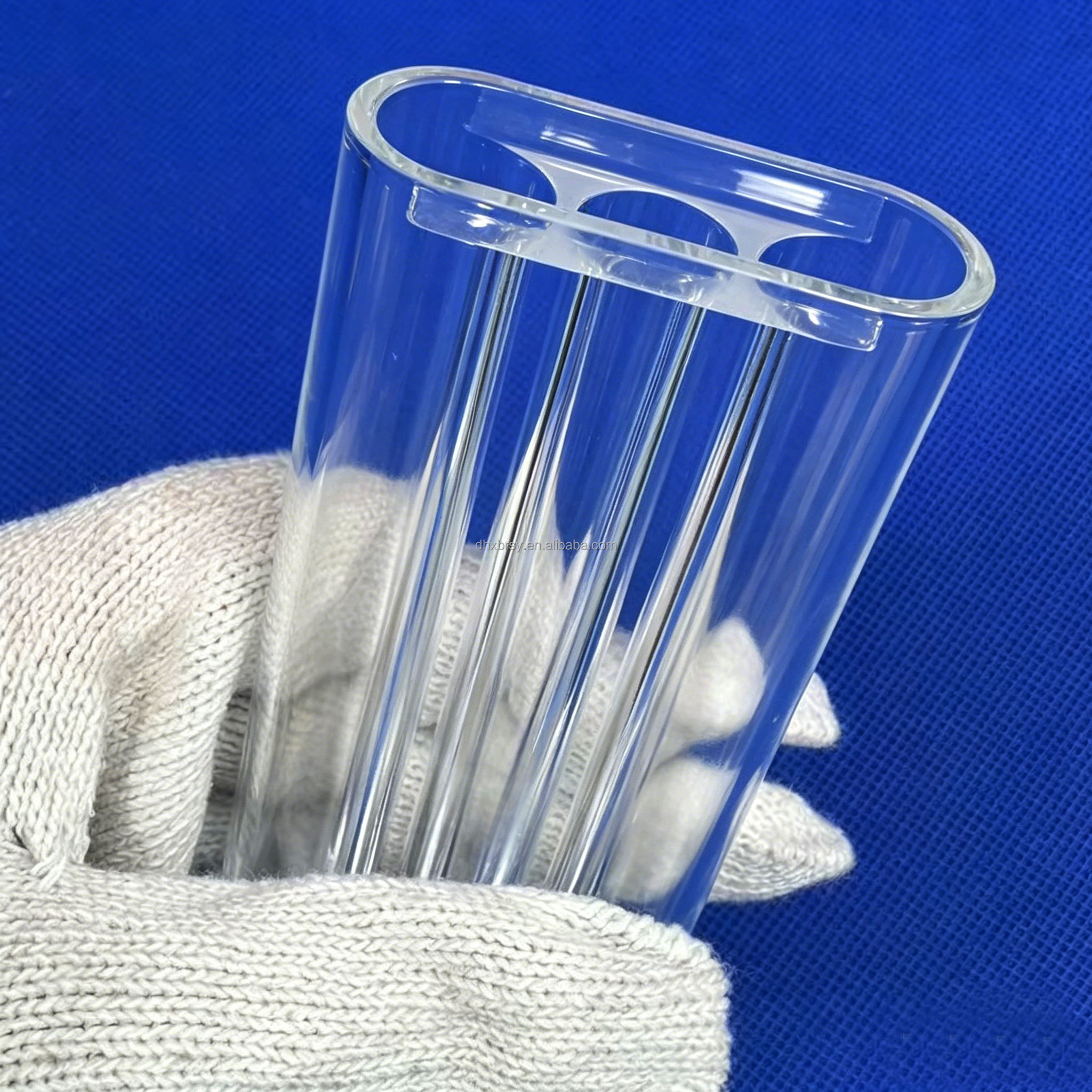

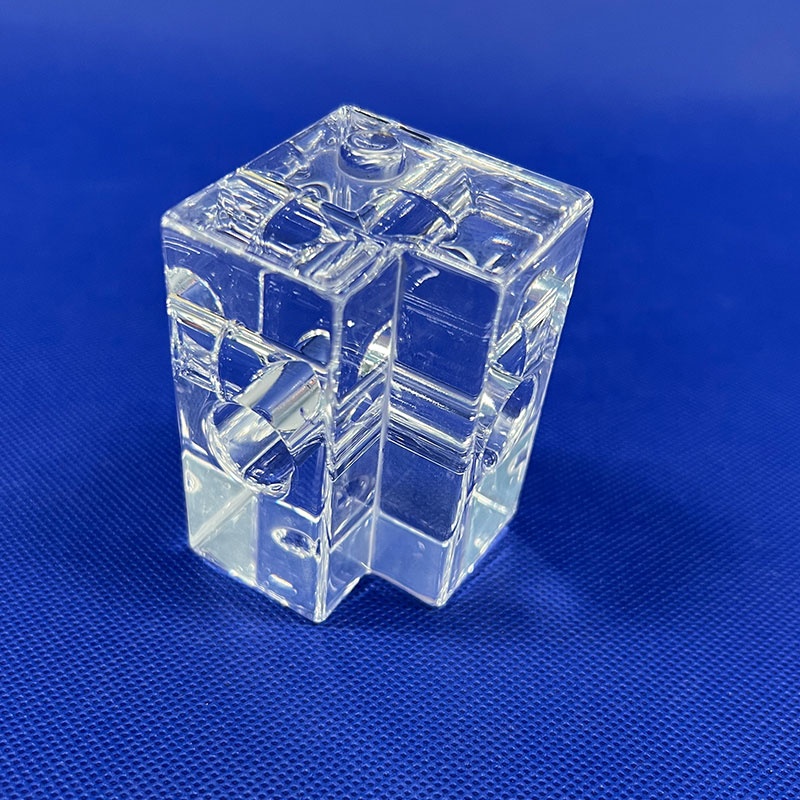
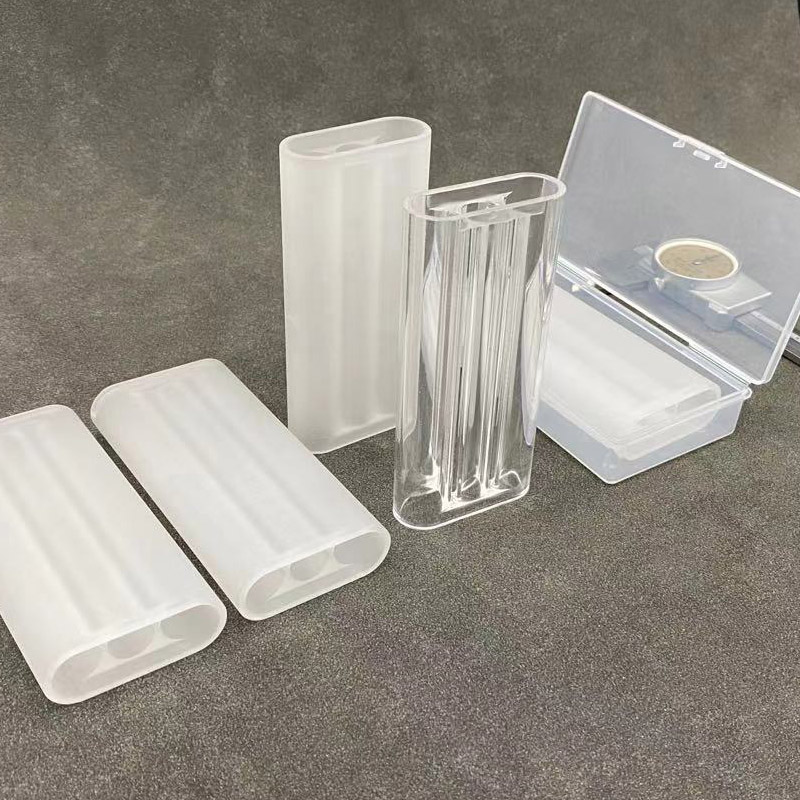
Executive Summary: Quartz Glass Capillary Rod Factories & Suppliers in the Bălți Market
As the industrial capital of northern Moldova, Bălți has rapidly transitioned from traditional post-Soviet electromechanical manufacturing into an advanced manufacturing, automotive electronics, and sub-assembly nexus. Situated along vital Eastern European logistical arteries connecting Chișinău with Romania and Western Ukraine, the Bălți economic sphere is anchored by the Free Economic Zone "Bălți" (ZEL Bălți). This specialized territorial status has attracted premier European automotive wiring harness builders, micro-sensor designers, telecommunications assembly subcontractors, and biomedical research entities affiliated with regional research institutes.
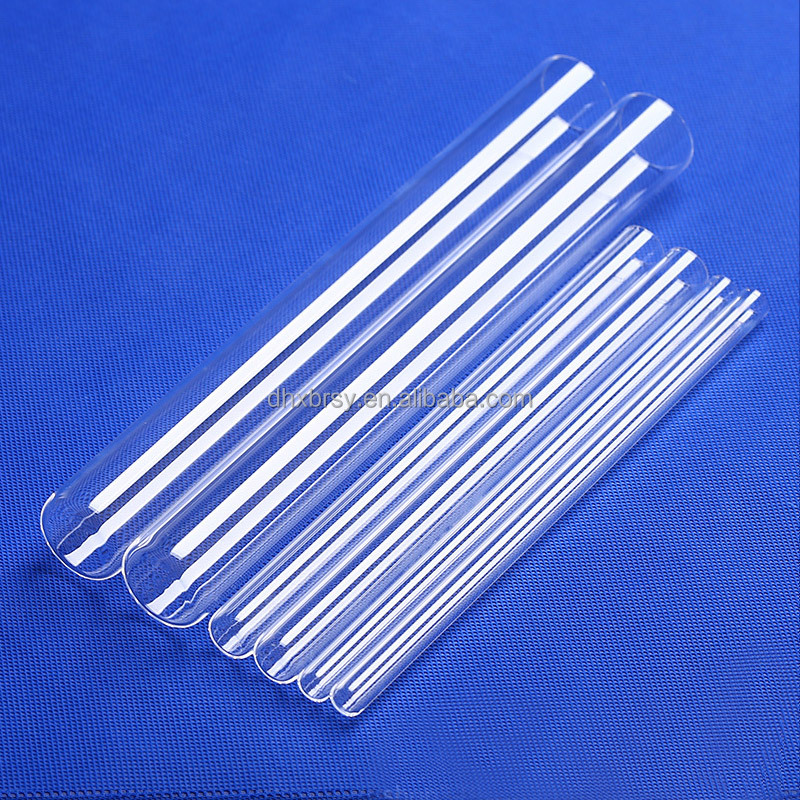
Within this rigorous engineering landscape, the procurement of quartz glass capillary rods represents an essential baseline for precision instruments. Capillary rods—solid cylindrical micro-structures fabricated from high-purity amorphous silicon dioxide (SiO₂ ≥ 99.99%)—serve critical functions where standard borosilicate or aluminosilicate glasses fail. Their near-zero thermal expansion coefficient (5.5 × 10⁻⁷ /°C), unmatched optical transmission across the deep-ultraviolet to near-infrared spectrum (185 nm to 3500 nm), and dielectric stability under severe thermal cycles make them indispensable components. This comprehensive whitepaper provides engineers, supply chain directors, and technical plant managers across Bălți with definitive material benchmarks, processing methodology insights, and reliable procurement pathways.
Automotive & Sensing
Integrated within custom optoelectronic couplers, temperature-resistant sensor probes, and fiber alignment pins inside sub-tier assemblies engineered across ZEL Bălți manufacturing hubs.
Analytical Fluidics & Bio-Labs
Utilized as micro-dispensing rods, optical light-focusing plungers, and non-reactive chemical stirrers in regional pharmaceutical quality assurance and agri-food analytical centers.
Cross-Prut Industrial Corridor
Seamlessly supporting bilateral supply chains traversing the Ungheni and Sculeni border crossings, linking Bălți contract manufacturing directly with European Union Tier-1 automotive networks.
Material Science & Structural Metallurgy of Fused Quartz Rods
A frequent error encountered during industrial procurement in Northern Moldova is conflating commercial hard borosilicate glass rods (such as Pyrex 7740 or Simax 3.3) with high-purity fused quartz capillary rods. Although borosilicate demonstrates satisfactory endurance for non-critical culinary or basic educational apparatus, it undergoes catastrophic structural breakdown when subjected to rapid cycling above 500°C, and exhibits marked UV solarization under intense optical loads.
True fused quartz is synthesized by electric fusion or oxyhydrogen flame fusion of purified crystalline natural silica sand, resulting in an inorganic polymer consisting exclusively of strongly bonded [SiO₄] tetrahedral networks. When synthesized via electrical resistance furnaces in controlled inert atmospheres, the resulting quartz glass achieves a chemical purity rating exceeding 99.99% SiO₂ with trace metallic impurities (Fe, Al, Ti, Na, K, Li) restricted to sub-parts-per-million levels. This pristine atomic matrix is the source of its extraordinary physical resilience.
Comparative Petrochemical & Thermophysical Properties
| Property Parameter | High-Purity Fused Quartz (Lovri Standard) | Optical Silica (JGS1 UV Synthetic) | Industrial Borosilicate 3.3 |
|---|---|---|---|
| SiO₂ Purity Ratio | ≥ 99.99% | ≥ 99.999% | 80.5% - 81.0% |
| Continuous Operating Temp | 1100°C | 1150°C | 450°C - 500°C |
| Short-Term Max Limit | 1300°C - 1400°C | 1450°C | 550°C |
| Softening Point | 1730°C | 1730°C | 820°C |
| Coeff. of Thermal Expansion (CTE) | 5.5 × 10⁻⁷ /°C (20–300°C) | 5.2 × 10⁻⁷ /°C | 33 × 10⁻⁷ /°C |
| Thermal Shock Tolerance | Quench from 1100°C to 20°C H₂O without cracking | Quench from 1150°C without crack | Fails at ΔT > 150°C sudden drop |
| Deep UV Transmission (254 nm) | > 85% (Flame JGS2 Grade) | > 92% (Synthetic JGS1 Grade) | 0% (Completely opaque < 310 nm) |
| Dielectric Strength (20°C) | 25 - 40 kV/mm | 30 - 45 kV/mm | 10 - 15 kV/mm |
For Bălți engineering teams designing precision apparatus, the mechanical strength of capillary rods is determined not simply by diameter, but by surface micro-crack distribution (Griffith flaws) and residual annealing stress. Standard cold-drawn glass rods retain severe internal mechanical stress profiles that shatter during precision laser dicing, diamond grinding, or flame sealing. Lovri Quartz employs computerized polarization stress polariscopes to guarantee that every capillary rod batch is relieved of residual internal stress down to ≤ 8 nm/cm optical path difference, satisfying European optical workshop standards.
Localized Industrial Applications in the Bălți Manufacturing Cluster
The operational conditions present within Moldovan industrial operations dictate specific engineering adaptations for quartz capillary rods. The following localized deployment scenarios illustrate how Bălți plant managers integrate our specialized components into commercial production:
1. Automotive Harness Sensor Insulation & Optoelectronic Ferrules
The foreign direct investments centered within ZEL Bălți focus extensively on electrical wire harnessing, electronic control unit (ECU) sensor integration, and electro-mechanical transducers destined for German, French, and Austrian vehicle assembly lines. Quartz capillary rods with precision outer diameters (0.8 mm, 1.0 mm, 1.25 mm, and 2.5 mm ± 0.005 mm) serve as high-voltage electrical insulators and stable ferrule pins for sensor connectors placed adjacent to exhaust manifolds, turbochargers, and heavy battery packs where operating temperatures consistently exceed 250°C—temperatures that degrade traditional PEEK, Teflon, or standard glass sleeves.
2. Agri-Food Analytical Chemistry & Moisture Spectrometry
Northern Moldova's robust agro-industrial sector—encompassing sunflower oil extraction, sugar refining, concentrated juice processing, and dairy plants surrounding Bălți and nearby Drochia and Fălești—requires rigorous chemical testing. In high-performance liquid chromatography (HPLC) detectors, gas chromatography flame ionization injectors, and near-infrared (NIR) moisture analyzers, our clear quartz capillary rods act as chemically inert light guides and micro-fluidic flow path plungers. Unlike metallic plungers or borosilicate pins, high-purity quartz remains completely inert against concentrated nitric acid, sulfuric acid, and aggressive organic solvents, eliminating cross-contamination during product batch validation.
3. Biomedical Diagnostics & Micro-Capillary Electrophoresis
Collaborative research initiatives between Alecu Russo State University of Bălți (USARB) scientific faculties and private analytical clinics utilize precision-drawn micro-capillary rods. Customized double-ended polished rods serve as internal refractive optical concentrators inside spectrophotometer cuvettes, accelerating enzymatic assays and blood protein fraction separation. The optical clarity of JGS1 quartz permits lossless deep-UV illumination down to 190 nm, enabling uninhibited DNA/RNA nucleic acid quantification.
4. High-Power Laser Cutting & Industrial Tool Cladding
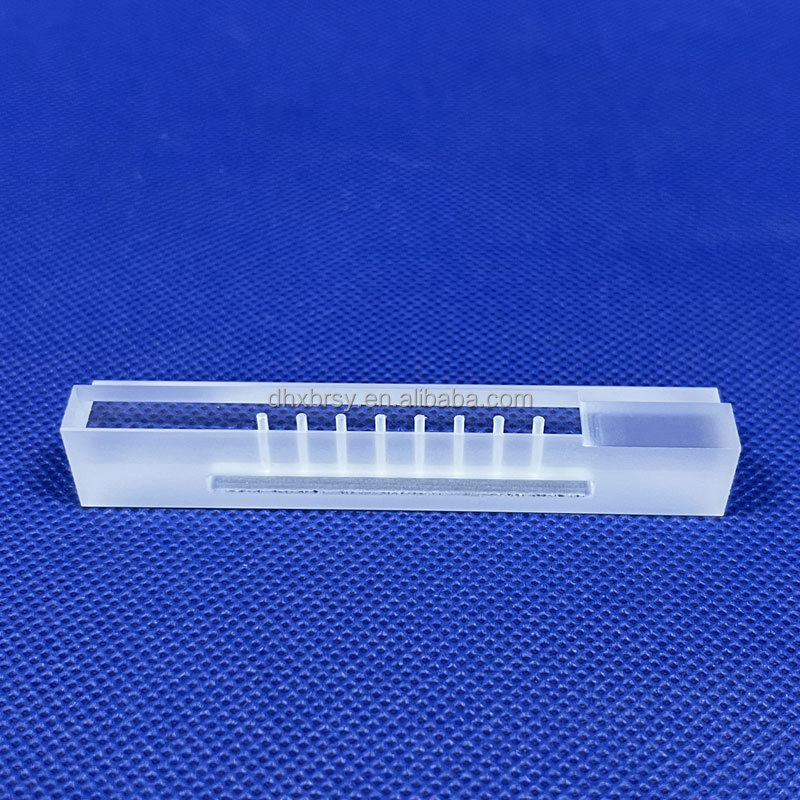
Metal fabrication workshops operating across Bălți's industrial districts are actively upgrading from older CO₂ laser setups to multi-kilowatt fiber laser systems for sheet metal processing. High-purity quartz capillary rods and fiber support alignment holders (such as the Fused Quartz V Groove Fixture) provide pristine dimensional stability under back-reflected 1064 nm and 1070 nm laser wavelengths, preventing beam wander, focal point distortion, and catastrophic thermal runaway.
Regional Market Trends: Bălți's Evolving High-Purity Quartz Ecosystem
Analyzing procurement data and supplier inquiries across the Republic of Moldova reveals three transformative supply chain trends reshaping the acquisition of specialized glass products between 2025 and 2030:
EU Nearshoring & Regulatory Alignment
As Moldova accelerates its EU integration trajectory, manufacturing plants in Bălți face stringent compliance obligations under EU RoHS (Restriction of Hazardous Substances) and REACH. Incoming components must be accompanied by verified laboratory test reports demonstrating zero lead, cadmium, mercury, or hexavalent chromium. Every quartz rod consignment supplied by Lovri arrives backed by full SGS and RoHS toxicological compliance documentation.
Tolerance Compression & CNC Miniaturization
Procurement manifests from northern Moldovan plants reveal a pivot from raw, uncut stock towards semi-finished, CNC-micro-machined quartz geometries. Requirements now mandate capillary rods with laser-cut end faces, chamfered entry angles (0.2 mm × 45°), laser-engraved alignment markings, and optical fire-polishing to achieve surface roughness Ra ≤ 0.05 μm directly at source.
Direct Factory Sourcing vs. Trading Middlemen
Historically, Moldovan facilities purchased quartz products through secondary re-sellers in Bucharest, Warsaw, or Kyiv, incurring 40% to 70% logistical markups and prolonged lead times. Today, procurement officers in Bălți actively establish direct relationships with primary Chinese source manufacturers that offer verifiable quality audits, rapid drawing prototyping, and customized consolidated freight.
In-House Vertical Integration: How Lovri Quartz Guarantees Consistency
Lovri Quartz Products Co., Ltd. is positioned in Lianyungang, Jiangsu Province—the global ground zero for high-purity natural silica synthesis and electric quartz fusion. Spanning 14,271 m² of factory floorspace independently verified by SGS Group, our integrated plant operates 12 distinct manufacturing stages to eliminate third-party quality uncertainty:
1. Raw Material Selection & Grading: High-grade natural silica lumps are culled to isolate pure SiO₂ fractions while rejecting granite-contaminated boundaries.
2. Mechanized Pulverizing & Classification: Ore chunks are pulverized into uniform silica sand ranging between 75 μm and 200 μm (200 mesh).
3. Hydrodynamic Rescreening: Dynamic cyclone vibration sieves extract micro-dust and over-sized grains to guarantee predictable melt dynamics.
4. High-Purity Acid Pickling: Multi-stage immersion in hot hydrofluoric-nitric-hydrochloric acid baths dissolves metallic contaminants (Fe₂O₃, Al₂O₃, TiO₂), elevating purity beyond 99.99%.
5. Atmospheric Electric Drawing: Precision electric-vacuum draw towers melt purified quartz feed into rods and capillary bars with computerized laser diameter gauges continuously monitoring dimensional fidelity.
6. Computer-Programmed Annealing: High-temperature annealing kilns slowly ramp from 1215°C downward to eliminate micro-tensions.
7. Precision Flame End Sealing: Controlled hydrogen-oxygen lathes form hemispherical, domed, or optical flat end geometries.
8. Robotic Sealing & Fusion Welding: Quartz rods are fused into larger assemblies, sensor sleeves, or multi-bore laser flow components.
9. Vacuum Degassing & Thermal Purging: Assemblies are baked in high-vacuum ovens to eliminate volatile OH hydroxyl ions.
10. 4-Axis CNC Micro-Machining: Diamond slotting, core drilling, surface flattening, and laser slotting execute micro-drawings with micron precision.
11. Polarization Stress & Surface Spectrometry: Every rod undergoes stress-birefringence validation and surface defect scrutiny under dark-field LED lighting.
12. Export Multi-Layer Packaging: Individual shock-absorbing foam envelopes, reinforced inner boxes, and fumigated export crates ensure 100% intact delivery to Bălți customs terminals.
Procurement FAQ: Sourcing Quartz Capillary Rods in Bălți
For standard stock diameters (OD 1.0mm, 2.0mm, 3.0mm, 5.0mm up to 10.0mm), orders ship within 3–5 working days from our factory. Custom CNC-machined or precision-drawn capillary rods require 10–14 days for tooling and polarization annealing. Air express shipments (via DHL, FedEx, or UPS direct to Chișinău International Airport followed by bonded road transit to Bălți) take 5–8 days. Consolidated ocean-to-rail freight via Constanța (Romania) or direct European air cargo hubs takes approximately 28–35 calendar days.
Capillary rods are exceptionally susceptible to lateral vibration damage during long-haul transport. Lovri Quartz employs a proprietary 4-stage packaging protocol: First, capillary rods are nested inside rigid PVC/polycarbonate protective sleeves with cushioned silicone end-plugs. Second, sleeves are bundled and vacuum-sealed in anti-static moisture-barrier film. Third, bundles are wrapped in high-density cross-linked polyethylene (EPE) shock absorption foam. Finally, goods are packed into five-layer reinforced export master cartons or custom-built plywood cases with internal shock damping.
Using continuous laser-micrometer feedback draw systems, our standard drawing tolerance is ±0.05 mm for general utility applications. For specialized micro-optics, sensor pins, and laser guide rods, we provide precision-centerless ground and polished rods achieving outer diameter tolerances down to ±0.005 mm, with circularity/ovality ≤ 0.003 mm and straightness deviation ≤ 0.15 mm per 1000 mm length.
Yes. In addition to our CNC diamond-cutting machinery, our master glassblowers execute precision flame-worked geometries on precision lathes. We routinely fabricate hemispherical spherical ends, sealed capillary capsules, flat optical window end-polishes, micro-tapers, angled fire-polished tips, and custom V-groove array holders according to customer CAD files (STEP, DWG, DXF, or PDF).
Enterprises operating inside Free Economic Zone Bălți benefit from specific customs and VAT exemptions. Lovri Quartz supports corporate procurement teams by providing fully itemized Commercial Invoices, detailed Packing Lists with exact net/gross weights and HS codes (e.g., HS 7002.20 for quartz rods and bars), Certificates of Origin (CO), and material purity declarations. This ensures immediate duty-free and simplified clearance through the Bălți Internal Customs Post (Biroul Vamal Nord).
We maintain a low MOQ threshold to support R&D engineers, university labs, and production prototyping. Standard catalog capillary rods can be ordered starting from 1 to 5 pieces. For bespoke CNC-machined components or customized capillary profiles, our sample pilot runs accommodate 10–25 pieces, with seamless scalability to high-volume recurring consignments exceeding 50,000 units per month.
Request an Engineered Quartz Capillary Rod Quotation
Consult directly with Lovri Quartz technical specialists. Send your technical drawings, target dimensions, operating temperature criteria, and order volumes. Our engineering desk replies within 12 hours with manufacturability feedback, DFM optimization tips, and competitive factory-direct pricing for the Bălți industrial market.