Quartz Glass Components Manufacturer & Factories in Palermo
Technical Whitepaper & Industrial Procurement Guide: Delivering Semiconductor-Grade 99.99% Fused Silica, Custom CNC Machined Components, and Severe-Environment Quartz Systems across Sicily and the Mediterranean Basin.
99.99%
Pure SiO₂ Matrix
14,271m²
SGS Verified Facility
1300°C
Peak Thermal Threshold
±0.005mm
CNC Milling Precision
Engineered Portfolio
Precision Quartz Components for Palermo Industrial Sectors
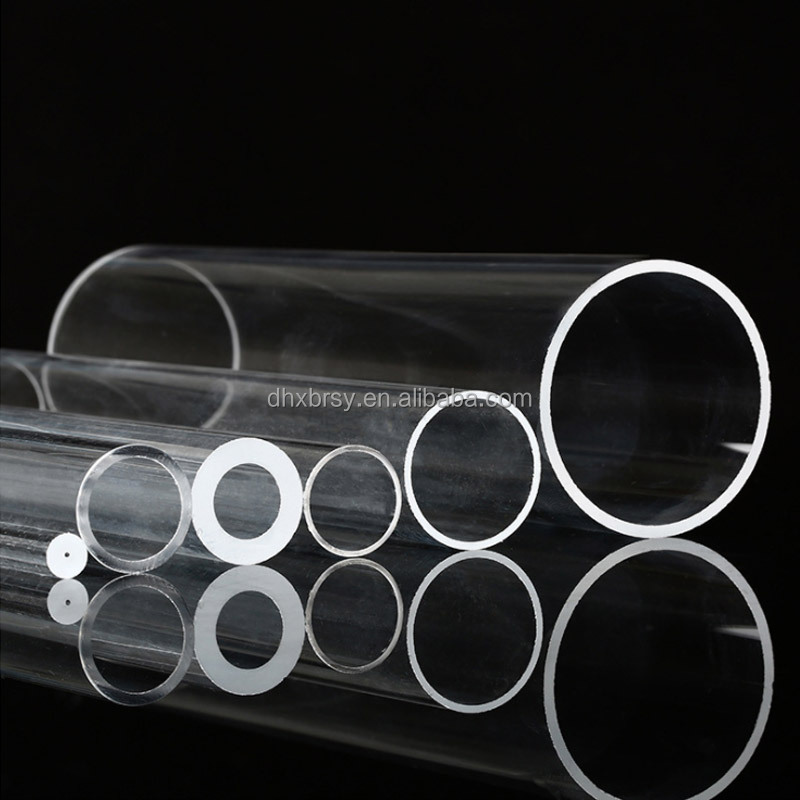
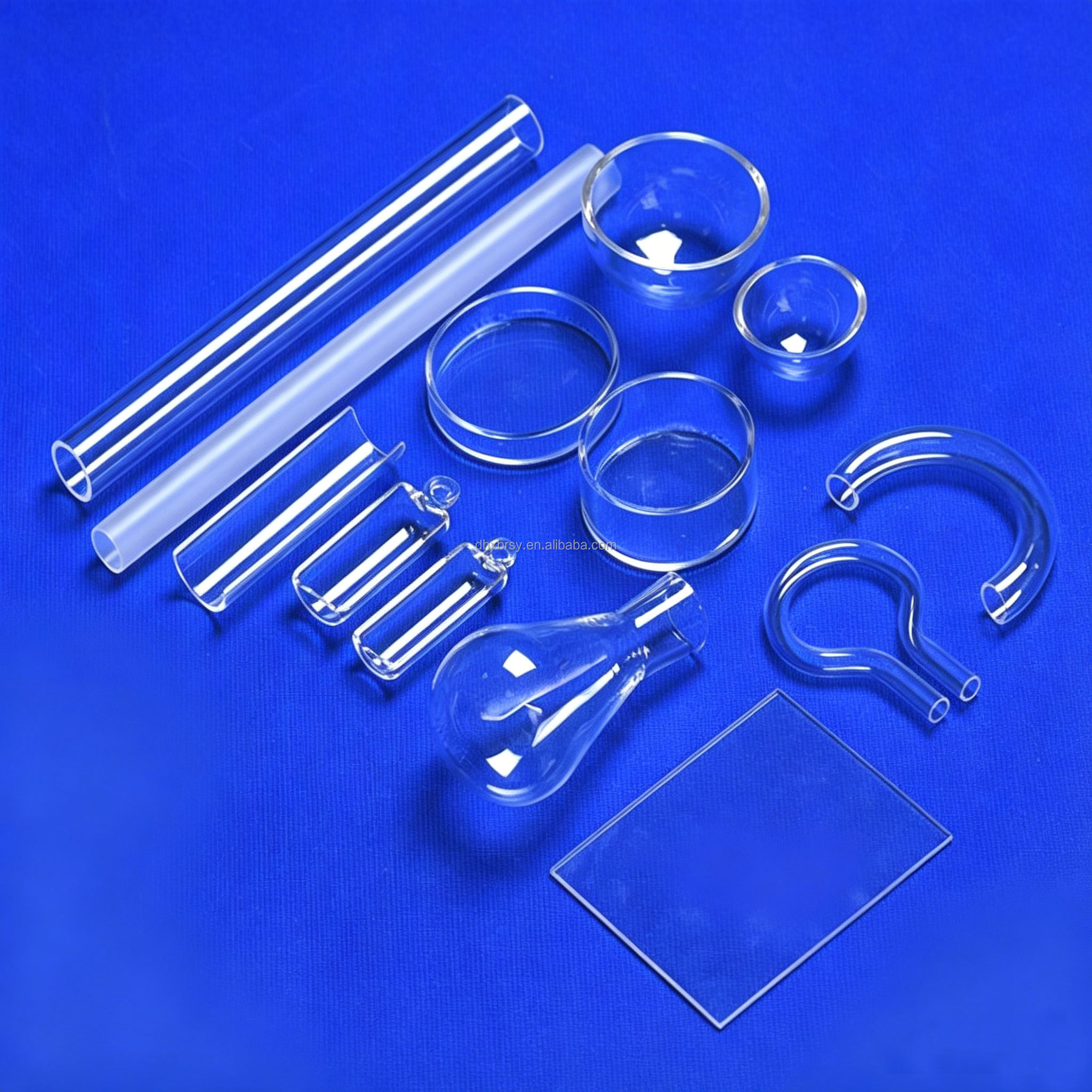
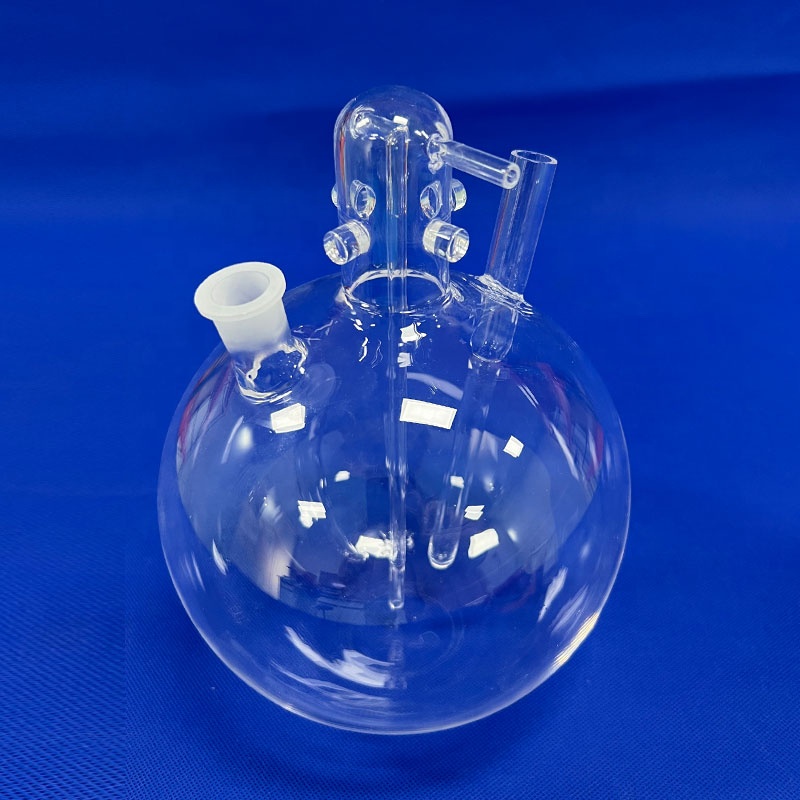
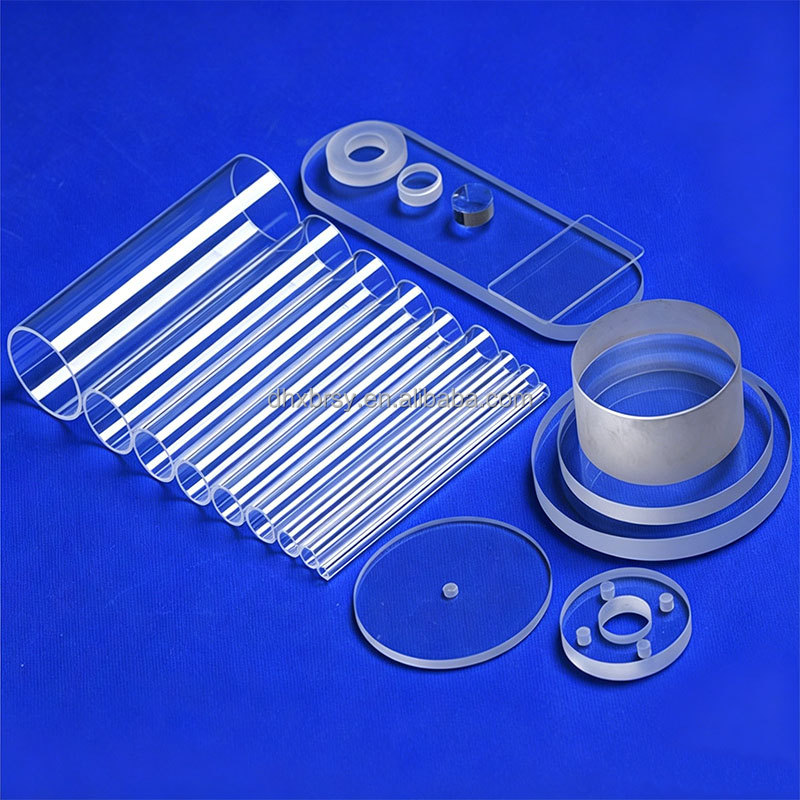
Fully compliant with international RoHS and CE standards, our factory direct fused quartz assemblies undergo full-batch polarization stress testing to assure uncompromised reliability for laser optics, chemical synthesis, and cleanroom vacuum setups.
Engineered for immediate infrared emission, food-grade thermal sanitation cavities, and localized marine food-processing machinery in Palermo port industrial zones.
Ultra-thin, precision-lapped substrate providing high laser damage thresholds and zero wave-front distortion for precision optical sensors and photonic laboratories.
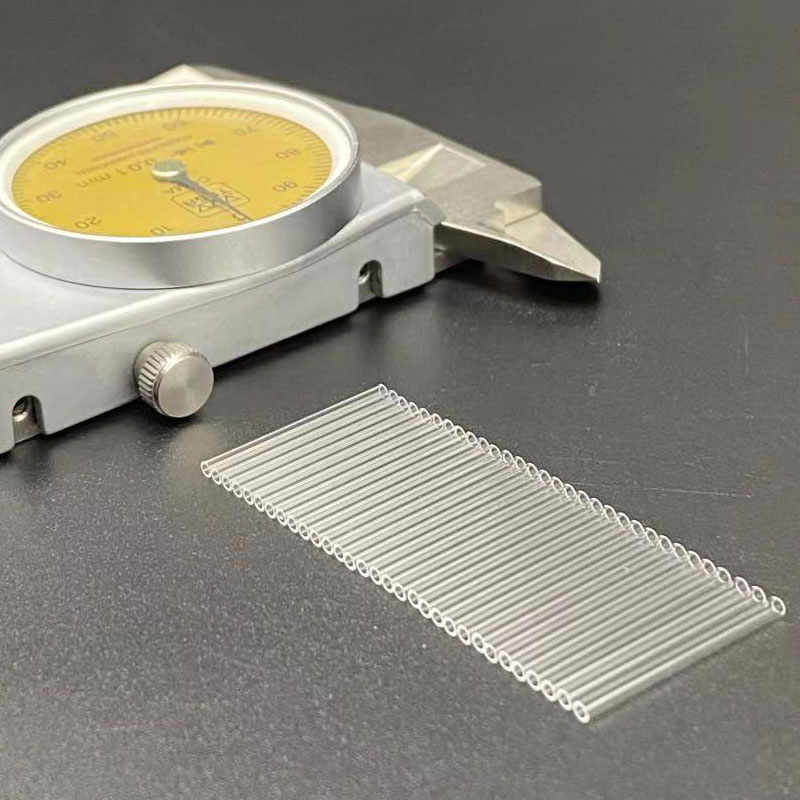
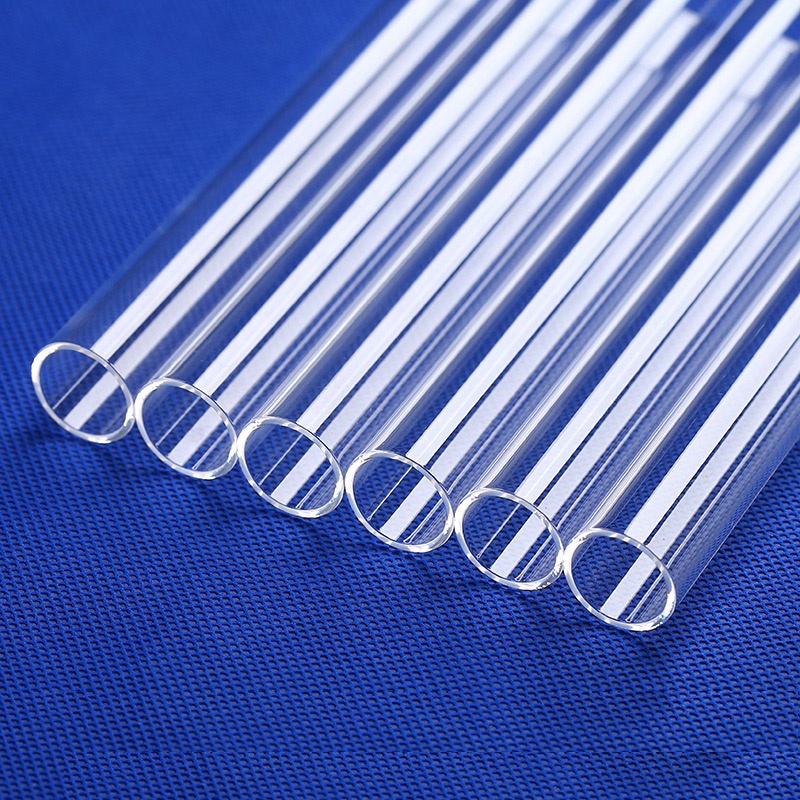
Chemically inert pipeline designed to resist boiling mineral acids, specialized for aggressive reagent delivery in semiconductor wafer cleaning and automated analyzers.
Electrically isolating and heat-resistant quartz window optimized for severe observation ports, industrial blast furnaces, and dielectric optical fixtures.
Strategic Sourcing of Fused Silica Components in Palermo & Regional Mediterranean Hubs
As the metropolitan capital of Sicily, Palermo functions as an expanding nerve center connecting Southern European manufacturing with North African and Mediterranean trade channels. High-precision industrial processes across the Port of Palermo, the Carini Industrial Estate, and regional research campuses require reliable structural materials capable of handling corrosive coastal environments, extreme thermal cycling, and high-frequency analytical instrumentation.
Standard borosilicate or soda-lime glass structures frequently succumb to catastrophic thermal shock or chemical leaching in specialized Sicilian operations. By contrast, fused silica derived from refined natural crystalline quartz yields a stoichiometric structure of ≥99.99% pure SiO₂. This unique atomic network provides nearly zero coefficient of thermal expansion (5.5 × 10⁻⁷ /°C), enabling Palermo technicians to rapidly quench quartz elements from 1100°C into cold water baths without micro-fracturing or surface devitrification.
Material Science Reference
Technical Performance Benchmark: Fused Quartz vs. Standard Glass
Key physical, thermal, and optical constants utilized by European engineering teams to calculate stress margins and lifetime expectation.
Characteristic Parameter
High-Purity Fused Quartz (Lovri JGS1/JGS2)
Standard Borosilicate 3.3 Glass
Procurement Relevance in Palermo
Purity Matrix (SiO₂)
≥ 99.99% trace elemental integrity
~ 80.5% (contains B₂O₃, Na₂O, Al₂O₃)
Prevents catalytic batch contamination in pharmaceutical & semiconductor cycles.
Thermal Expansion (20–300°C)
5.5 × 10⁻⁷ /°C (Extremely Low)
33 × 10⁻⁷ /°C
Zero dimensional distortion during high-power laser firing & tube furnace heating.
Continuous Working Temp.
1100°C (Short excursion up to 1300°C)
450°C to 500°C maximum
Withstands direct torch flame sealing, CVD reactions, and high-temperature calcination.
Optical Transmission Spectrum
185 nm (DUV) to 3500 nm (Near IR)
Cut-off below 320 nm (UV Blocked)
Critical for ultraviolet disinfection pipelines, laser guidance, and FTIR spectroscopy.
Dielectric Strength (20°C)
25–40 kV/mm (Excellent Insulator)
10–15 kV/mm
Essential high-voltage isolation within marine electronics and radar assemblies.
Operational Environments
Localized Application Scenarios across Palermo & Western Sicily
Engineered quartz glass assemblies address distinct operational challenges across municipal, manufacturing, and research sectors.
Marine Exhaust & Shipyard Sensor Viewports
Within the busy dry docks of the Port of Palermo and coastal commercial vessel terminals, optical emission monitoring systems in heavy maritime diesel engines rely on high-pressure quartz sight glasses to observe scrubbers and selective catalytic reduction chambers without degradation from hot sulfurous vapors.
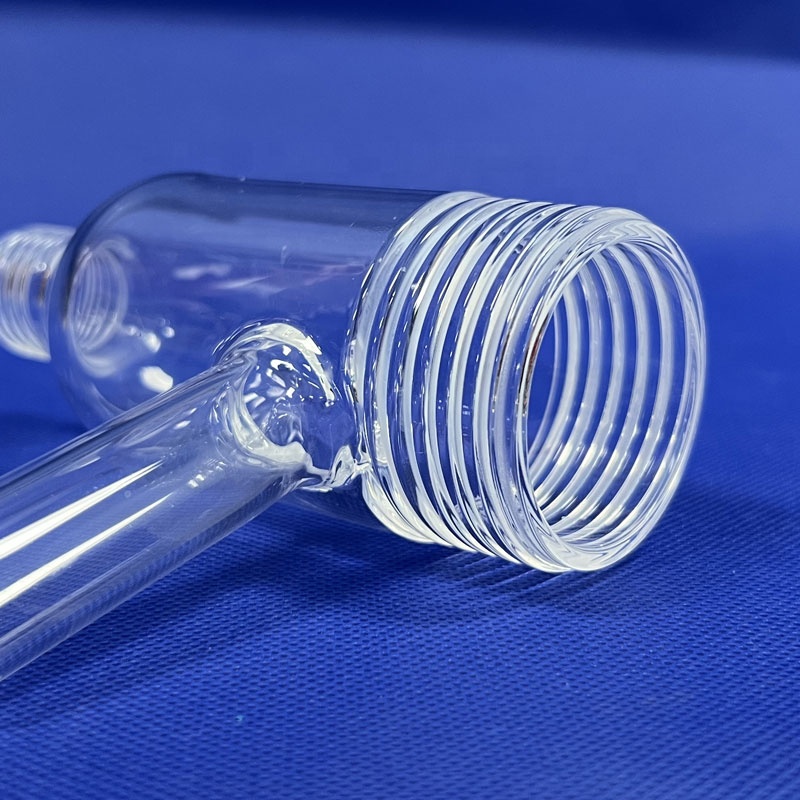
Carini and Partinico agro-industrial processing plants extracting citrus oils, botanical isolates, and pharmaceuticals utilize precision ground quartz threaded reaction vessels and condenser tubes. Quartz is impervious to volatile organic terpenes and aggressive solvents that cloud conventional lab glassware.
Advanced Photovoltaic & Microelectronics Tooling
Leveraging Sicily's emergence as an expanded Mediterranean clean-energy corridor (the "Etna Valley" cluster extending westward), research laboratories in Palermo deploy slotted quartz wafer boats and CVD liner tubes that withstand corrosive gas flows at 1050°C during crystalline silicon cell fabrication.
Three converging market dynamics are accelerating the transition from standard labware to custom-fabricated fused silica components.
Desalination & High-Output Municipal UV Sterilization
With seasonal aridity throughout Southern Italy, water infrastructure authorities across Palermo are expanding municipal recycling and reverse-osmosis desalination complexes. Lovri high-ozone and deep-UV transparent quartz sleeves protect submerged high-output mercury lamps against persistent marine biofouling and scaling.
Expansion of University & Clinical Spectroscopy Facilities
The University of Palermo (UNIPA) and affiliated molecular medicine hubs are investing heavily in automated flow-through spectrophotometry and fluorescence diagnostics. The demand for 96-well fused quartz microplates and UV-grade flow cells ensures zero autofluorescence across critical 200–300 nm bio-assays.
Nearshore Clean-Energy & Green Hydrogen Pilot Lines
As green energy capital flows into Sicily for solar-powered electrolyzer testing, high-temperature quartz catalytic tubes serve as unreactive containment vessels capable of maintaining integrity under hot hydrogen gas flows and elevated atmospheric pressures.
Manufacturing Authority
Direct Factory Execution: Purity, Craftsmanship & SGS Verification
Eliminate intermediary trading margins and technical ambiguity by procuring directly from our comprehensive Chinese silica processing facility.
In-House Raw Material Upgrading
Unlike secondary workshops that source uncontrolled quartz billets, we pulverize, screen, and acid-pickle silica sand on-site. This controlled refining suppresses iron, copper, and alkali ions below 15 ppm, ensuring stable dielectric and thermal characteristics.
Polarization Stress Relief Annealing
Latent molecular stress causes unexpected quartz cracking under heat. Every Lovri tube, flange, and machined wafer carrier undergoes computer-controlled annealing cycles and is 100% verified using cross-polarization optical testers before dispatch.
Multi-Axis Precision CNC Machining
We machine intricate features directly from drawings (CAD/STEP/DWG). Our high-speed diamond tooling drills 96-well microplates, threads quartz pipes, polishes optical windows to 20/10 scratch-dig, and cuts custom flange bevels with sub-micron repeatability.
Shockproof Export Crating to Palermo
Fragile quartz shipments receive individual vacuum seals, high-density polyethylene buffering, and heavy reinforced wooden crates. Consignments arrive reliably at Palermo Port, Falcone Borsellino Airport, or regional Italian freight hubs without breakages.
Direct technical answers addressing lead times, optical grading, custom fabrication protocols, and Italian import clearance.
How should an engineer in Palermo determine whether JGS1, JGS2, or JGS3 fused silica is required?
Grade selection depends on your operational optical transmission band. Select JGS1 (synthetic fused silica) when building systems operating in the deep ultraviolet spectrum (185–2500 nm), such as UV lithography, laser output mirrors, and analytical photochemical diagnostics. Select JGS2 (flame-fused natural quartz) for sight glasses, UV curing lamps, and standard furnace tubes operating across 220–2500 nm. Choose JGS3 (electrically fused quartz) when infrared transmission up to 3500 nm is required without hydroxyl (OH⁻) absorption dips.
Can Lovri manufacture custom quartz components according to proprietary CAD/STEP drawings?
Yes. Custom OEM/ODM manufacturing represents the core of our business. European engineering teams can transmit mechanical specifications via DXF, DWG, PDF, STEP, or IGES files. Our technical desk evaluates dimensional tolerances (achieving ±0.05 mm on standard lathe tooling and ±0.005 mm with 5-axis CNC diamond grinding), wall thickness ratios, and thermal transition zones to ensure reliable production.
What Minimum Order Quantity (MOQ) applies to non-standard prototype components?
To support academic research at the University of Palermo and pre-series industrial R&D trials in Sicily, our standard MOQ is set as low as 1 to 5 pieces for custom prototypes. Once your design is functionally approved on your test rig, volume supply contracts benefit from graduated batch pricing and dedicated raw material reservations.
What shipping arrangements and customs procedures apply when receiving goods in Italy?
We supply shipments under standard Incoterms (EXW, FOB, CIF, or DDP direct to your facility). All documentation—including verified Commercial Invoices, Packing Lists with HS Code classifications (typically 7002.31 for quartz tubes or 7017.10 for quartz laboratory ware), and RoHS certificates of conformity—is compiled for seamless clearance through Italian customs authorities at Palermo or Genoa ports.
Ready to Engineer Your High-Purity Quartz System?
Whether you require standard optical windows, replacement reactor tubes, or complex CNC-ground fused silica prototypes delivered to Palermo or international locations, our engineering team is available to review your design and provide a detailed quotation.