SGS Onsite-Verified Fused Quartz Manufacturer [email protected]
Kyoto Academic & High-Tech Precision Cluster

Quartz Glass Flask Manufacturers & Factories in the Kyoto Market

Precision synthetic & fused silica reaction flasks, round-bottom boiling vessels, and custom digestion apparatus engineered for Keihanna Science City research laboratories and Kansai semiconductor nanofabrication centers.

≥ 99.99% SiO₂ Elemental Purity
1,100 °C Continuous Thermal Ceiling
< 0.54 ppm Total Metal Trace Impurity
14,271 m² SGS-Assessed Plant Base
Precision Product Matrix

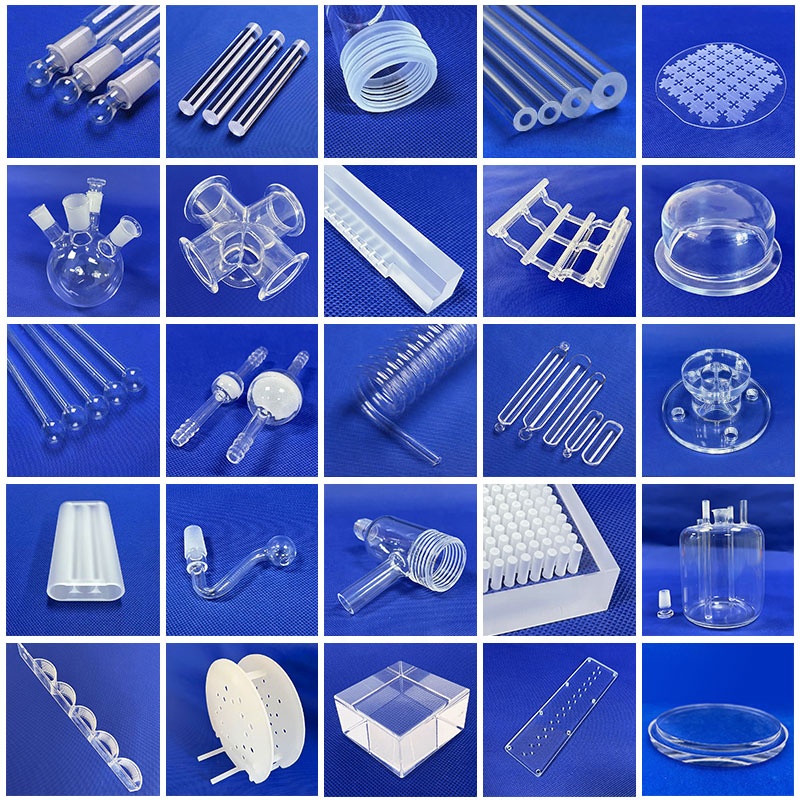
Engineered Quartz Glassware & Components for Kyoto R&D

Fabricated from certified natural crystalline quartz and synthetic silica. Fully compatible with stringent thermal, acidic, and deep-ultraviolet operations across Kansai academic hubs and commercial wafer foundries.

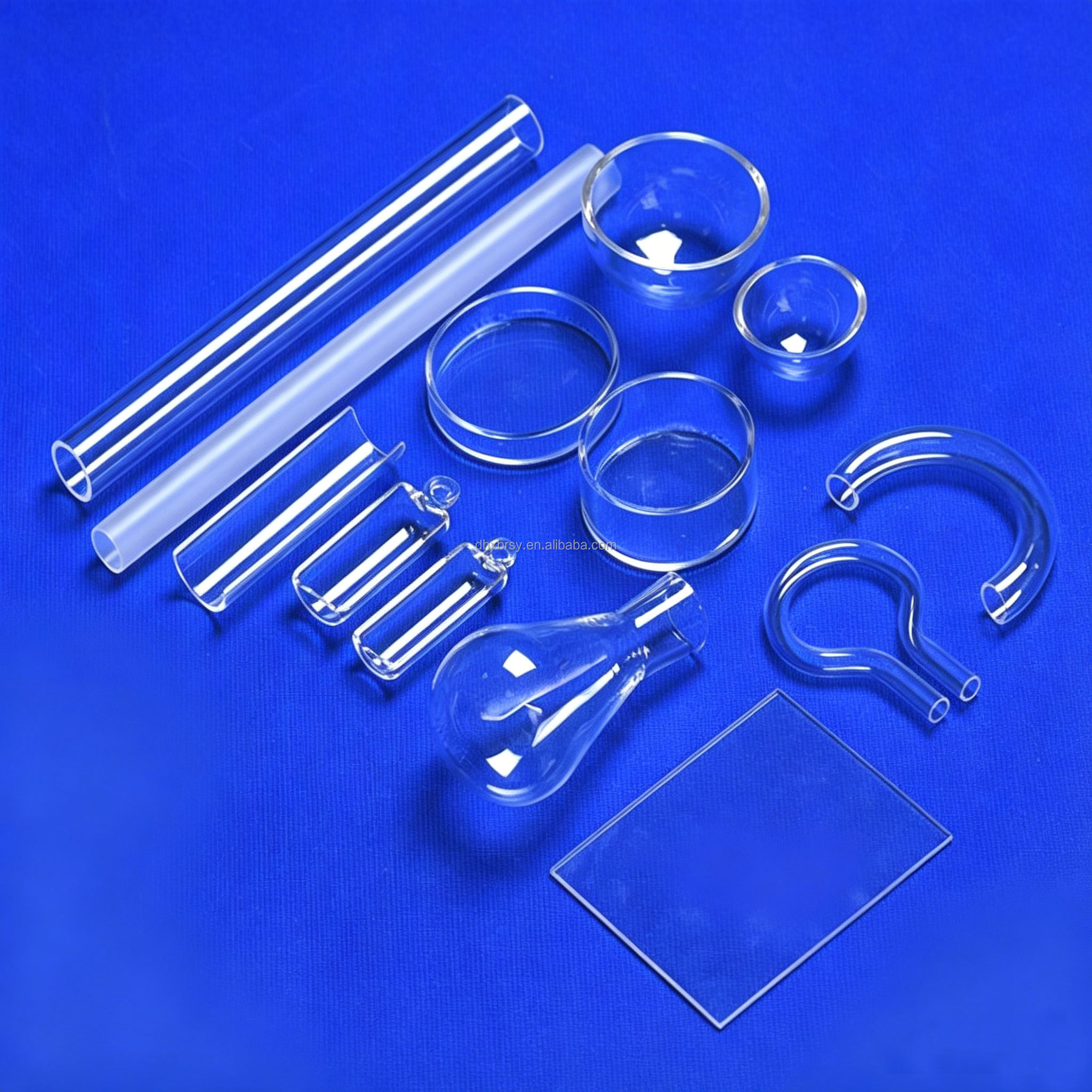
THERMAL ANALYSIS High Purity Transparent Fused Quartz Digestion Tube

High Purity Transparent Fused Quartz Digestion Tube

Certified 99.99% SiO₂ matrix offering high light transmittance and extreme thermal stability for acid digestion, spectroscopic mineralization, and chemical reflux testing.

THERMAL SINTERING Clear Photovoltaic Cell Sintering Furnace Quartz Tube

Clear Photovoltaic Cell Sintering Furnace Quartz Tube

Ultra-pure thermal furnace tube with high optical transmission, uniform wall density, and full RoHS compliance engineered for silicon wafer thermal treatment.

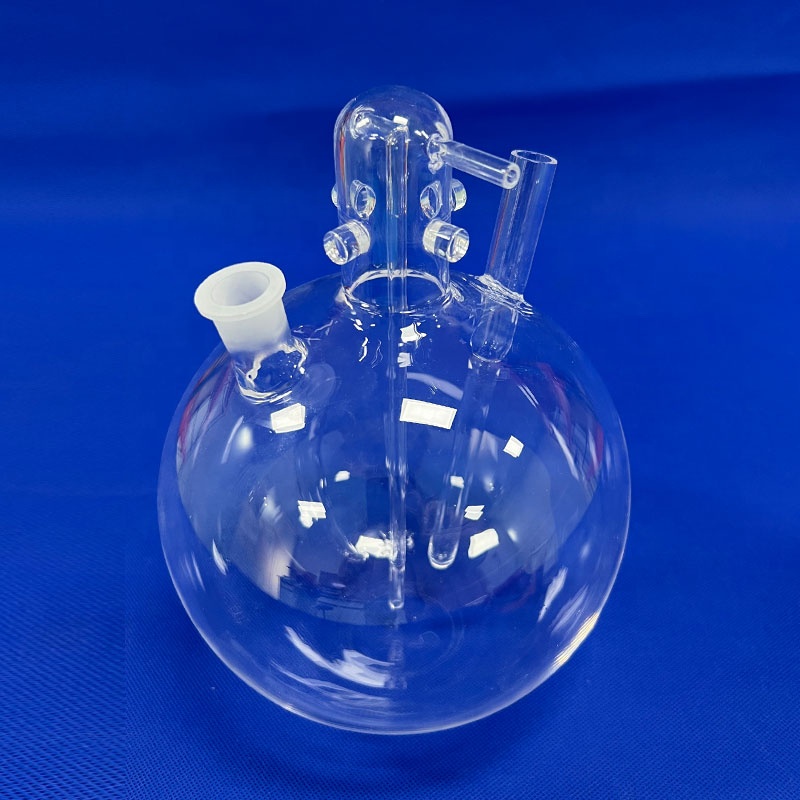
REACTION VESSEL High Purity SiO2 Quartz Glass Laser Reactor

Custom High Purity SiO₂ Quartz Glass Laser Reactor

Multi-port photochemical reactor vessel tailored for photo-assisted synthesis, laser cavity diagnostics, and plasma gas synthesis requiring minimal hydroxyl attenuation.

OPTICAL WINDOW Transparent Fused Quartz Optical Sheet

Transparent Fused Quartz Optical Sheet & Viewport

Parallel-polished 99.99% SiO₂ precision window plate delivering distortion-free laser throughput and dielectric insulation for high-frequency analytic vacuum chambers.

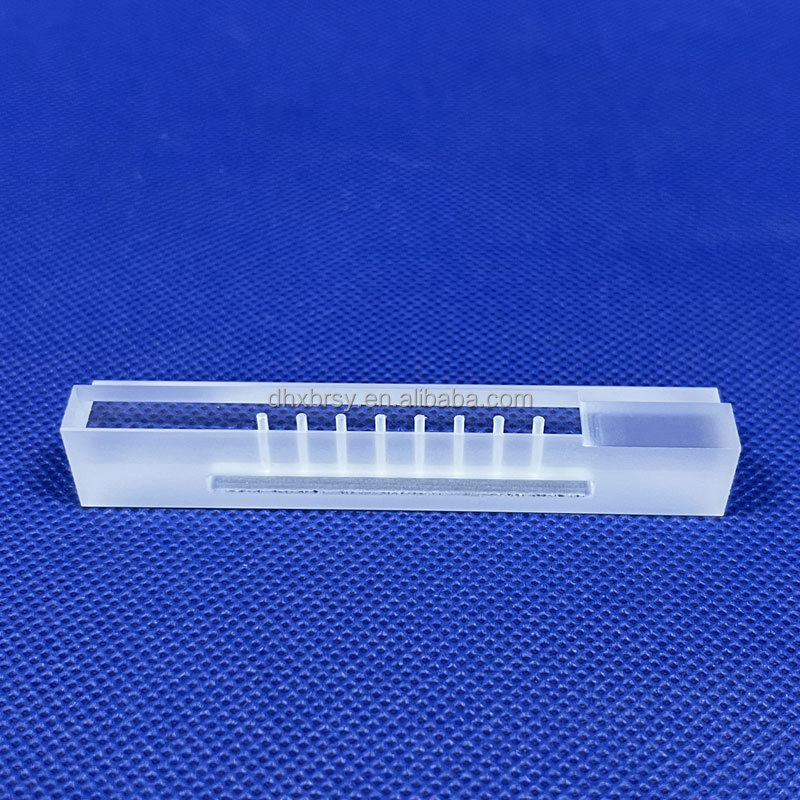
PRECISION FIXTURE Precision Fused Quartz V Groove Fiber Array Holder

Precision Fused Quartz V-Groove Fiber Array Holder

Micro-machined fused silica alignment block with sub-micron groove concentricity, designed for optical communication array bonding and laser coupling assemblies.

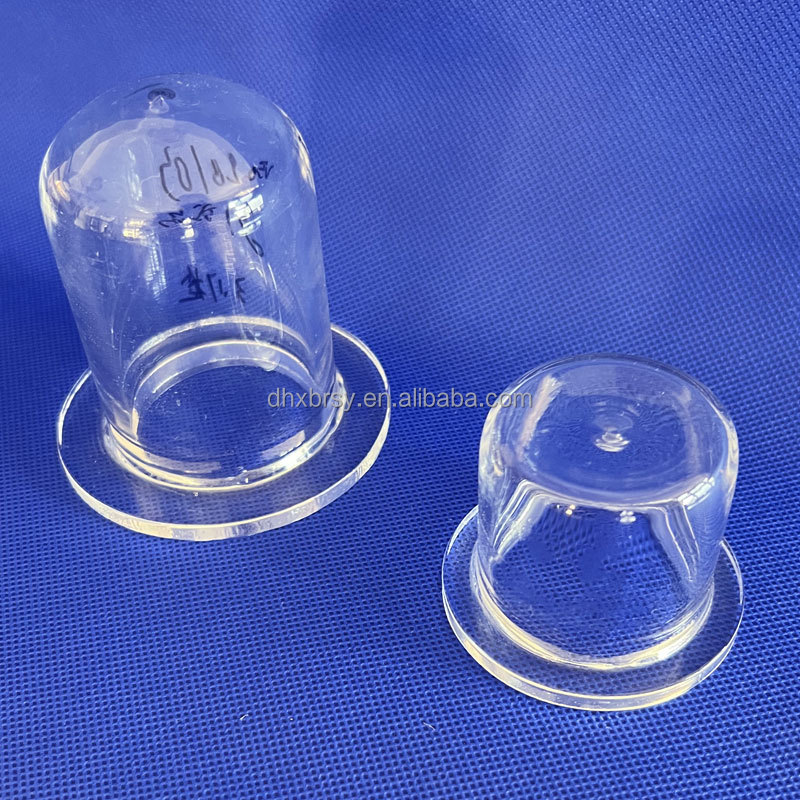
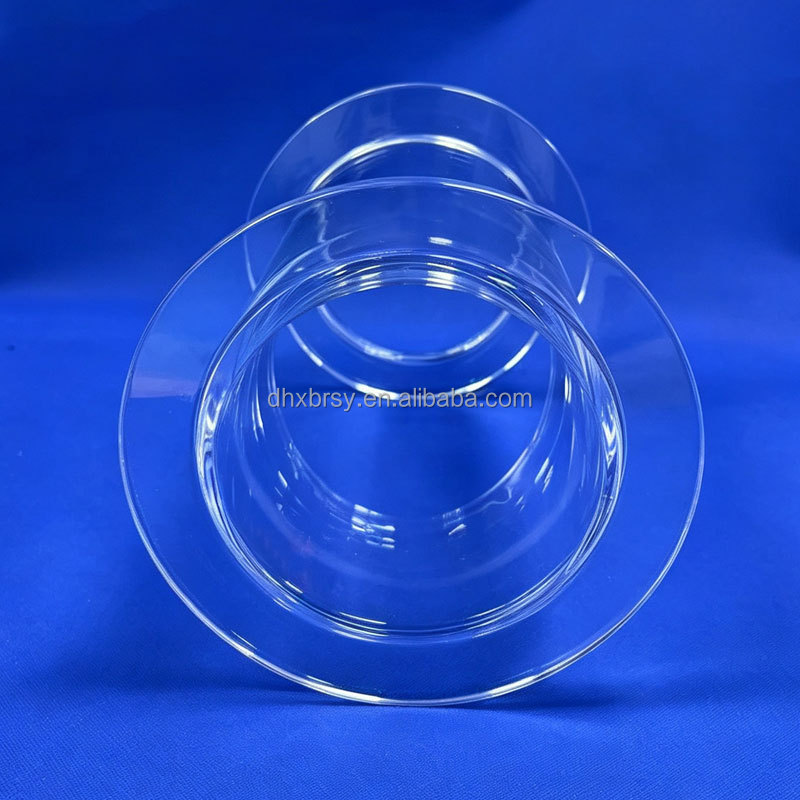
CVD / SEMI Double Flange Quartz Cylinder for Semiconductor CVD

Double Flange Quartz Cylinder for Semiconductor CVD

Large-bore fused silica reaction chamber featuring ground optical sealing flanges to ensure hermetic vacuum isolation during thin-film CVD deposition and wafer annealing.

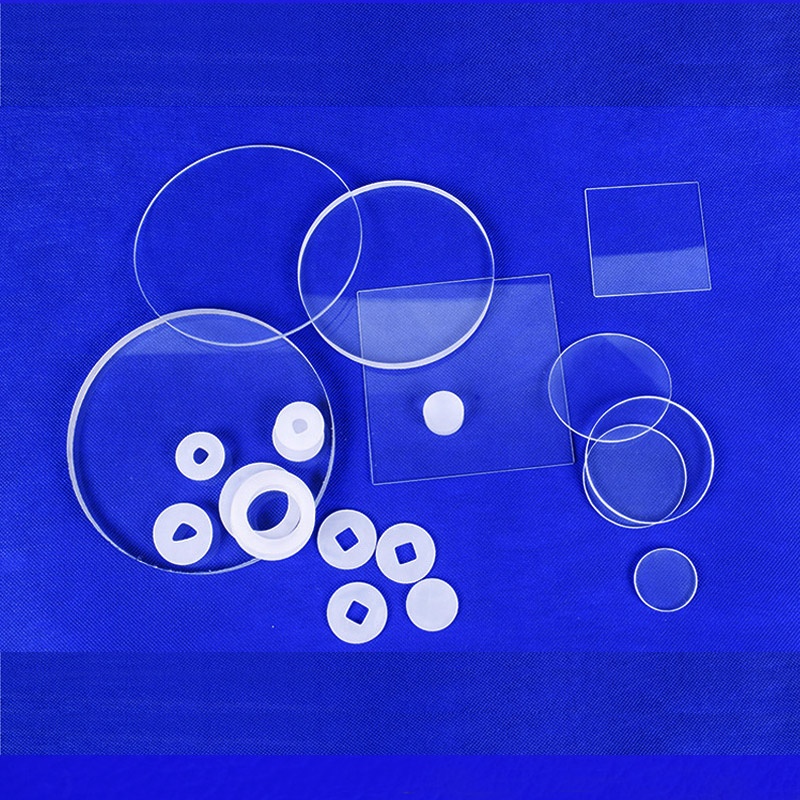
CORROSION PROOF Double Sided Polishing White Rim Fused Quartz Sheet

Corrosion Resistant Double-Sided Polished Quartz Sheet

Acid-etched white rim fused silica disc exhibiting supreme inertness in concentrated boiling aqua regia, nitric acid, and dynamic organic synthesis reagents.

DEEP-UV GRADE JGS1 High Purity Fused Quartz Glass Sheet

JGS1 High Purity Synthetic UV Quartz Glass Plate

Bubble-free synthetic silica wafer annealed to eradicate stress birefringence; provides over 90% internal transmittance down to 185 nm in the deep ultraviolet spectrum.

Industrial Synergy

Localized Engineering Applications in Kyoto's Precision Ecosystem

From historical artisanal ceramic chemical processes to Kyoto University's Nobel-caliber advanced chemistry laboratories, custom fused silica flasks serve distinct technological imperatives across the Kansai economic corridor.

Advanced Academic Chemistry & Catalysis

Institutes across Kyoto University (Yoshida and Uji campuses) and the Kyoto Institute of Technology demand boiling and Kjeldahl-type quartz flasks for high-temperature organometallic reactions. Standard borosilicate glassware leaches trace boron and sodium ions when heated above 450 °C; fused quartz glassware with < 0.54 ppm total metallic trace contamination preserves absolute stoichiometric fidelity during ultra-clean organocatalytic syntheses.

Semiconductor Precursor Boiling & MOCVD

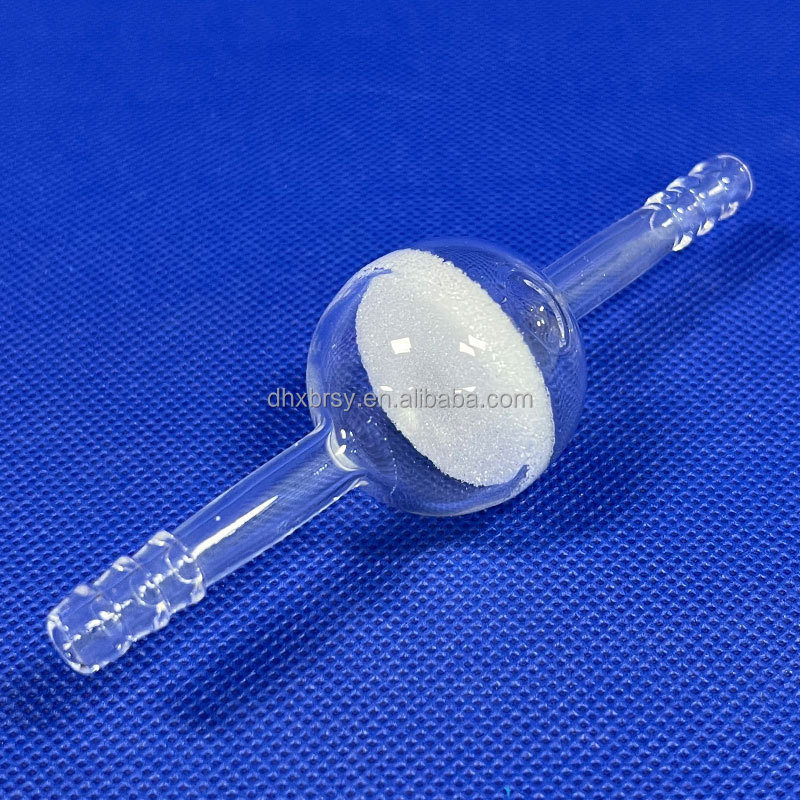
In the Minami-ku tech corridor and Kyoto Research Park (KRP), cleanroom engineers utilize heavy-wall custom quartz bubblers, three-neck distilling flasks, and CVD reaction flasks to vaporize volatile liquid metalloid precursors. Fused silica withstands the harsh thermal cycling of halogen lamps without undergoing devitrification, keeping precursor chemistries pristine during compound semiconductor (GaN, SiC) epitaxy.

Photochemical Synthesis & Laser Spectrometry

Laboratories located in Keihanna Science City integrate JGS1 optical-grade quartz reaction flasks into deep-UV photochemical kinetics experiments. With an optical transmission window extending down to 185 nm, synthetic quartz flasks permit direct excimer laser and germicidal ultraviolet irradiation through the vessel wall without solarization or thermal self-absorption micro-cracking.

Material Metallurgy

Fused Silica vs. Borosilicate: Comparative Engineering Specifications

A granular technical evaluation indicating why Kyoto research facilities transition mission-critical boiling, distillation, and digestion protocols from standard 3.3 borosilicate glass to 99.99% fused quartz.

Physical / Chemical Property High-Purity Fused Quartz (Lovri JGS2/JGS1) Standard Laboratory Borosilicate (3.3) Engineering Benefit in Kyoto Lab Applications
SiO₂ Chemical Purity ≥ 99.99% (Trace Fe < 0.1 ppm, Al < 8 ppm) ≈ 80.5% (Contains B₂O₃ ~12.5%, Na₂O/K₂O ~4%) Prevents metal leaching into ultra-pure ICP-MS sample digests
Softening Point (Log η = 7.6) 1,730 °C 825 °C Permits direct flame operation and high-temperature sublimation without sagging
Maximum Safe Continuous Temp 1,100 °C (Short duration to 1,300 °C) 490 °C (Annealing strain begins at 510 °C) Supports high-vacuum thermal cracking and silicon melt reactions
Coefficient of Thermal Expansion (CTE) 5.5 × 10⁻⁷ /°C (20 °C to 320 °C) 33 × 10⁻⁷ /°C (20 °C to 300 °C) 6x superior thermal shock resistance; survives cold water quench from 1,100 °C
UV-VIS-NIR Optical Transmission 185 nm – 3,500 nm (Over 90% peak) 310 nm – 2,200 nm (Cuts off sharply below 300 nm) Transmits germicidal UVC and deep-UV laser irradiation without solarization
Chemical Acid Resistance Completely inert to aqua regia, HNO₃, H₂SO₄, HCl Gradual surface degradation from strong hot acidic mixtures Essential for corrosive digestion in Kyoto environmental testing labs
Regional Industry Analysis

Evolving Dynamics & Procurement Trends in the Kyoto Market

Driven by national green-transformation (GX) initiatives, compound semiconductor fabrication, and academic spin-offs, Kyoto's specialized laboratory glassware sector is witnessing structural shifts.

Transition to GaN & SiC Power Electronics

Kyoto houses some of Japan's most prominent analog and power semiconductor corporations. The shift from standard silicon to wide-bandgap (WBG) materials like silicon carbide (SiC) and gallium nitride (GaN) necessitates chemical vapor reaction flasks capable of withstanding corrosive chloride carrier gases at processing temperatures above 1,000 °C, accelerating the replacement of quartz-coated ceramic tooling with monolithic fused quartz flasks.

Custom Modular Micro-Scale Synthesis

With life-science and pharmaceutical research groups at Kyoto University Hospital and surrounding bio-ventures shifting toward continuous flow chemistry, there is an escalating requirement for micro-scale multi-neck quartz reaction flasks with CNC-machined micro-channel inlets. Researchers avoid generic off-the-shelf volumes in favor of customized geometries that integrate directly with automated microfluidic synthesis systems.

Reshoring Quality Standards & Supply Resilience

Japanese procurement managers across the Kansai prefecture traditionally relied on local domestic glassblowing guilds, which now face acute master-craftsman retirement shortages. Leading procurement teams are forging direct partnerships with fully integrated manufacturing factories like Lovri, validating automated CNC cold-working and polariscope inspection documentation to guarantee domestic Japanese quality compliance at sustainable production scales.

Procurement Intelligence

Frequently Asked Questions by Kyoto Engineering & Buying Teams

Addressing technical tolerances, customs import classifications, and mechanical compatibility commonly evaluated by Kansai procurement departments.

Q: How do your quartz flasks interface with Japanese JIS standard laboratory ground joints (e.g., TS 15/25, TS 24/40)?
Our CNC precision glass lathe department manufactures standard taper (TS) joints, ball-and-socket spherical joints, and screw threads fully conforming to Japanese Industrial Standards (JIS R3503) and ISO 383 specifications. Whether matching existing Iwaki, Sibata, or custom Japanese distillation glassware, our ground quartz joints guarantee a vacuum-tight seal without grease contamination.
Q: What is the residual internal stress threshold for custom quartz flasks subject to high-vacuum thermal desorption?
Every custom quartz flask undergoes computer-controlled thermal annealing cycles reaching 1,150 °C to eliminate structural hoop stresses induced during blow-molding and lathe welding. Finished components are inspected using a dual-wavelength polarization stress tester to ensure residual optical path difference remains below 5 nm/cm, safeguarding against catastrophic vacuum implosion.
Q: What documentation is provided for shipment clearance at Kansai International Airport (KIX) or Osaka/Kobe ports?
We provide comprehensive export documentation packages tailored for Japanese customs clearance, including full Certificates of Analysis (COA) specifying elemental purity via ICP-OES, RoHS/REACH compliance certifications, dimensional inspection data sheets, and official Declarations of Non-Wooden Packaging conforming to international ISPM-15 phytosanitary standards.
Q: Can Lovri manufacture single-piece bespoke prototypes directly from university CAD models?
Yes. We support Kyoto's innovation ecosystem with low minimum order quantities (MOQ from 1 piece for prototypes). We ingest engineering drawings in STEP, IGES, DWG, or PDF formats. Our engineering team conducts free Design for Manufacturability (DFM) reviews to identify wall-thickness transitions, port angles, and flange tolerances before starting fabrication.
Q: How do you prevent breakage during rapid air express freight directly to research desks in Kyoto?
Our export packaging engineered for delicate glassware employs multi-layer high-density polyethylene (EPE) custom-cut foam nests encased inside reinforced double-wall corrugated cartons or fumigation-free engineered plywood crates. Each shipment is fitted with external shock-watch indicator sensors to ensure accountability during transit.
Q: Which quartz grade is recommended for ultraviolet photochemical flasks: JGS1, JGS2, or JGS3?
For deep-UV photo-oxidation and laser-excited chemistry below 260 nm, JGS1 (synthetic fused silica) is imperative because of its negligible hydroxyl content and absence of metallic micro-inclusions. For general high-temperature boiling and distillation between 260 nm and 2,500 nm, JGS2 (flame-fused natural quartz) offers optimal cost-to-performance efficiency.
Integrated Manufacturing

Why Global & Japanese Researchers Rely on Lovri Quartz

Located in China's quartz heartland of Lianyungang, Lovri Quartz combines full-chain raw material refining with high-precision CNC multi-axis glass machining, confirmed by independent international assessments.

SGS Onsite-Assessed Plant

Verified manufacturing operations encompassing 14,271 m² of production space. Full transparency across all glassblowing, machining, and inspection workshops.

Source Material Purity

We crush, screen, and acid-pickle silica in-house, securing ≥ 99.99% SiO₂ matrix consistency at the inception of production without middleman reliance.

12-Step Quality Control

Rigorous quality workflow featuring full anneal stabilization, polariscope stress validation, and mechanical CMM verification prior to export crate packing.

Global Logistics Precision

Exporting daily to Japan, Germany, USA, and South Korea. Vacuum protective boxing and door-to-door DDP services directly to your laboratory reception.

Need Custom Quartz Flasks or Glassware in Kyoto?

Submit your 2D sketches, CAD STEP models, or volume procurement lists. Our applications engineering team provides complete technical feasibility feedback, material grade optimization, and formal quotes within 12 hours.