Precision Fused Quartz Products Engineered for Holy See Institutions
Manufactured under strict ISO protocols and polarization stress test verification. We provide end-to-end custom machining, optical polishing, annealing, and zero-defect packaging directly dispatched to cultural conservation centers and research facilities in Vatican City.
JGS1 UV OPTICS
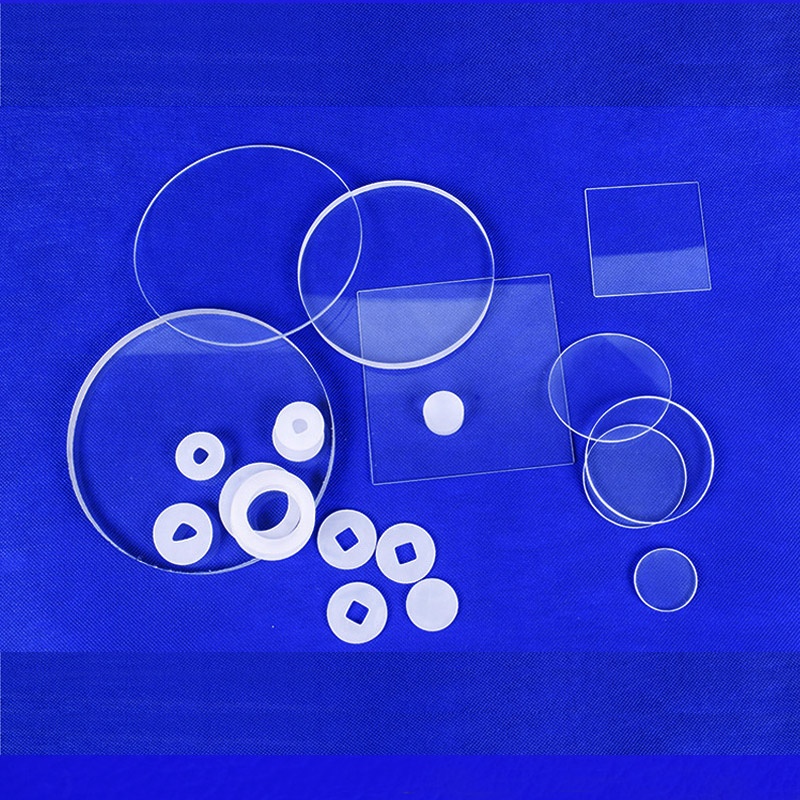
JGS1 High Purity Fused Quartz Glass Sheet
SiO2 ≥ 99.99%, extreme deep-UV transparency (185–2500 nm), ROHS certified, fully annealed to eliminate optical birefringence. Optimized for conservation spectroscopy and UV laser systems.
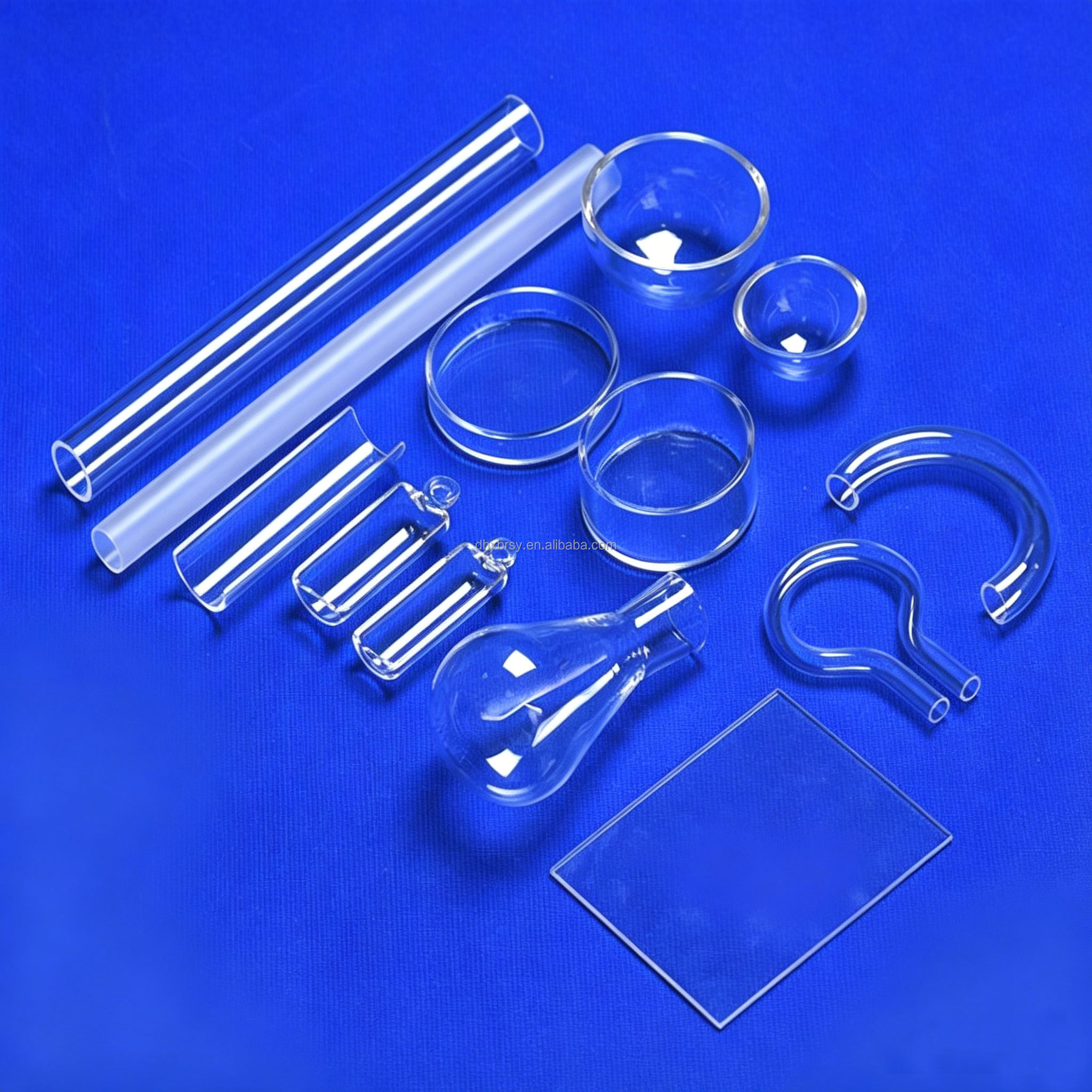
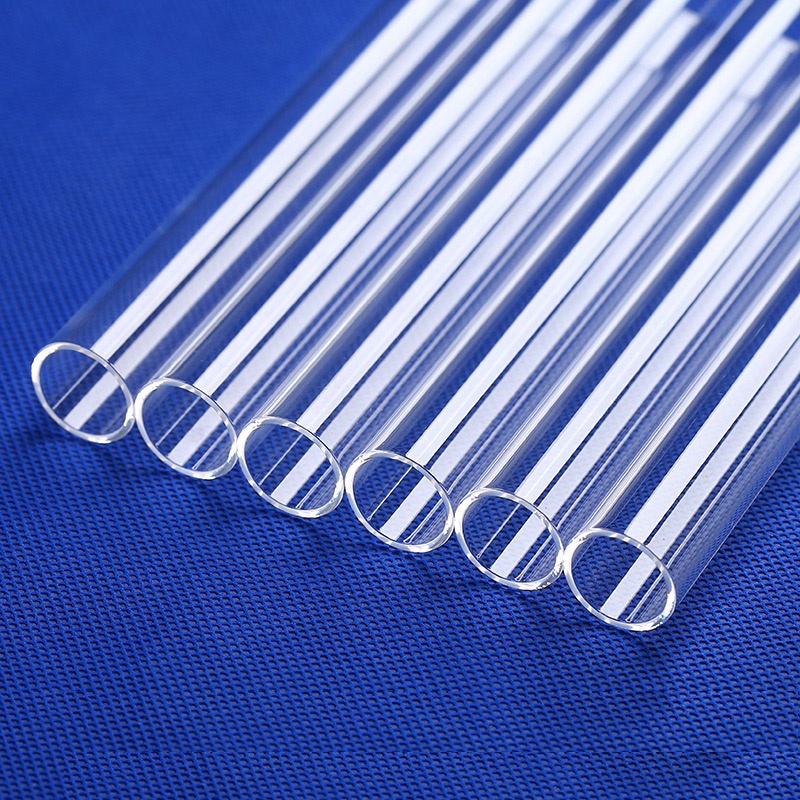
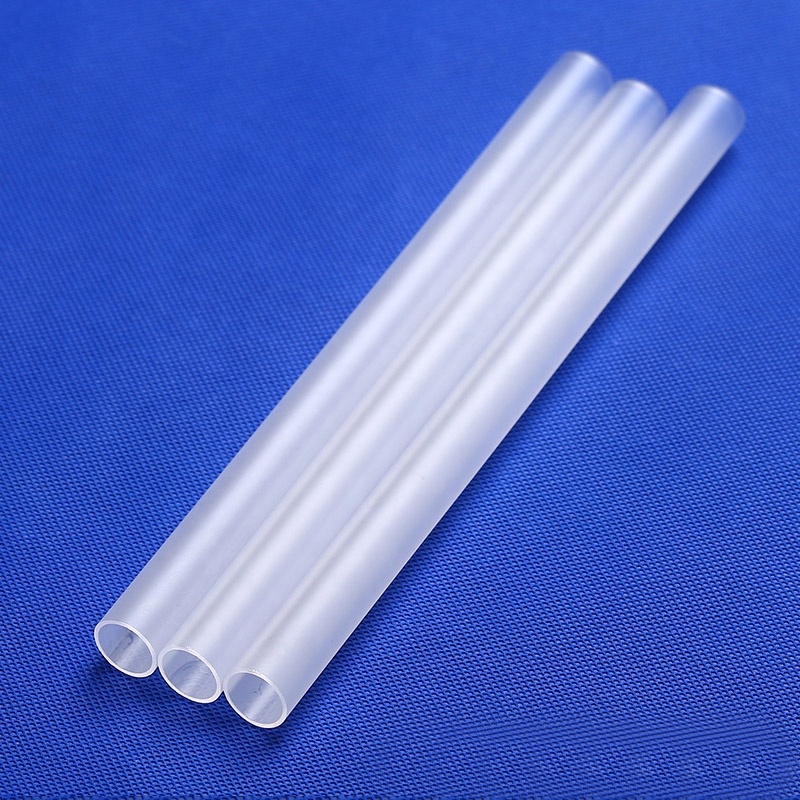
Available in OD 10mm, 14mm, 20mm and custom dimensions. Engineered for chemical pipeline delivery, high-temperature fluidics, bending, welding, and contamination-free gas transfer.
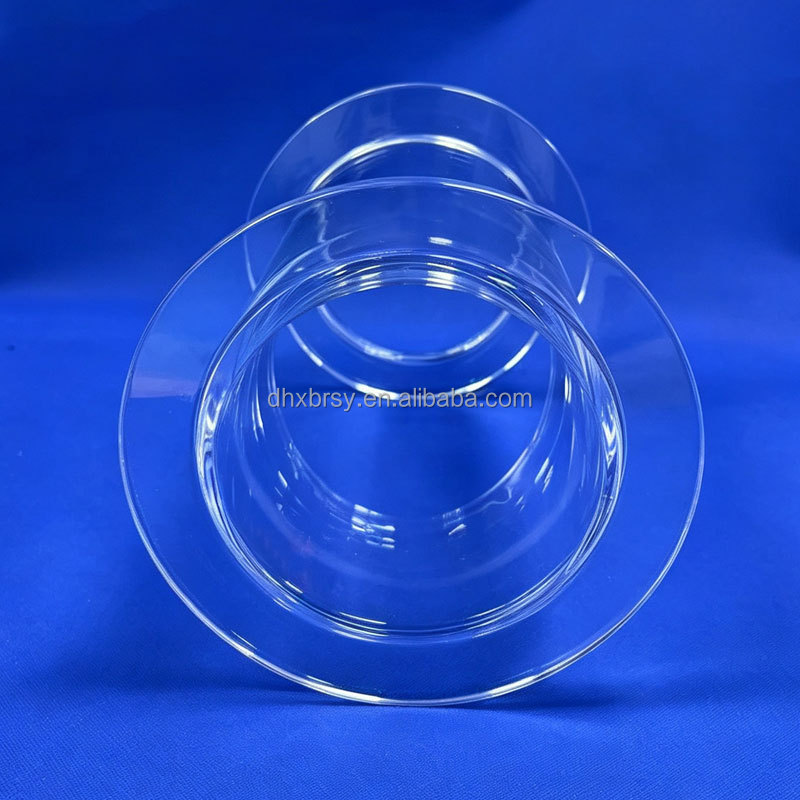
Seamless high-temperature reaction chamber with precision ground flat vacuum flanges. RoHS compliant, designed for chemical vapor deposition (CVD), calcination, and ultra-clean analytical processes.
Specialized for high-yield ozone generation, lab infrared heating, and water purification. Superior resistance to UV solarization, thermal stress, and corrosive acidic environments up to 1100°C.
Custom heavy-wall quartz tubes formulated for vacuum sintering furnaces and sample thermal decomposition. Delivers stable physical properties under rapid temperature cycling up to 1300°C.
Double-sided micro-polished quartz glass with white rim finishing. Provides over 92% light transmission across the visible-NIR spectrum with complete resistance to aggressive cleaning solvents and acids.
High-Purity Fused Quartz: Material Fundamentals for Heritage & Science
A comprehensive examination of why amorphous synthetic and natural fused silica represents the material gold standard for high-stakes archival preservation, astronomical instrumentation, and precision laboratory diagnostics.
Unmatched Chemical Purity (≥ 99.99%)
Standard borosilicate and soda-lime glasses leach alkali metals (Na+, K+, Ca2+) over prolonged contact with microclimates or aggressive organic cleaning agents. Our fused silica is synthesized and refined to remove transition metal contaminants down to parts-per-million levels. This prevents ion migration, surface devitrification, and unwanted catalytic side reactions during delicate diagnostic analyses.
Zero-Expansion Thermal Stability
With an extraordinarily low linear coefficient of thermal expansion (α ≈ 5.5 × 10⁻⁷ /°C from 20°C to 320°C), fused quartz components endure rapid, acute temperature differentials up to 1000°C without micro-fracturing. This parameter is critical for high-fluence laser ablation systems, scientific tube furnaces, and observation apparatus deployed in variable temperature environments.
Broadband Spectral Transmittance
Standard glass exhibits steep absorption edges below 350 nm and broad absorption bands beyond 2000 nm due to intrinsic iron impurities and hydroxyl (-OH) groups. Our JGS1, JGS2, and JGS3 quartz substrates transmit cleanly across deep ultraviolet (185 nm) through visible to the mid-infrared (3500 nm), unlocking uncompromised optical throughput for spectrophotometers and multispectral imaging cameras.
Physical / Chemical Property
JGS1 (Synthetic Fused Silica)
JGS2 (Fused Natural Quartz)
JGS3 (Electrically Fused Quartz)
Soda-Lime / Borosilicate Standard
SiO₂ Purity Concentration
≥ 99.999%
≥ 99.99%
≥ 99.98%
70% – 81% (High Alkali)
Usable Spectral Range
185 nm – 2,500 nm (Deep UV to NIR)
220 nm – 2,500 nm (Optical UV-VIS)
260 nm – 3,500 nm (Infrared Optimized)
380 nm – 2,000 nm (Severe UV Cutoff)
Thermal Expansion (0–300°C)
5.5 × 10⁻⁷ K⁻¹
5.5 × 10⁻⁷ K⁻¹
5.5 × 10⁻⁷ K⁻¹
33 – 85 × 10⁻⁷ K⁻¹
Transformation / Anneal Point
1075 °C / 1215 °C
1070 °C / 1210 °C
1075 °C / 1215 °C
520 °C / 560 °C
Hydroxyl (-OH) Content
≤ 1000 ppm (or ≤ 5 ppm dry)
≤ 150 – 200 ppm
≤ 5 ppm (Eliminates 2.7μm IR band)
Variable / Hydrated surface
Birefringence / Stress Metric
≤ 5 nm/cm (Polarization Tested)
≤ 10 nm/cm
≤ 10 nm/cm
Poor (> 50 nm/cm unannealed)
Jurisdictional & Institutional Focus
High-Purity Quartz Glass Applications for Vatican City
Vatican City represents one of the world's most concentrated centers of artistic patrimony, archival treasures, and elite astronomical research. Here is where precision fused quartz glass is mission-critical inside the Holy See territory.
Scientific Restoration of Vatican Museum Antiquities
The Gabinetto di Ricerche Scientifiche applicate ai Beni Culturali (Scientific Research Laboratory of the Vatican Museums) routinely performs pigment analysis, binder identification, and non-destructive surface evaluations on priceless Renaissance frescoes, classical marbles, and medieval tapestries. Our JGS1 fused quartz slides and flow-through spectrophotometer cells allow X-ray Fluorescence (XRF), Raman spectroscopy, and Fourier Transform Infrared (FTIR) spectroscopy to be conducted with zero background fluorescence interference from the substrate glass.
Specola Vaticana (Vatican Observatory) Optics
Founded by Pope Leo XIII in 1891, the Vatican Observatory operates cutting-edge observational and laboratory astrophysics units. High-purity fused silica is required for collimator lens blanks, diffraction grating substrates, and cryostat viewports. Because quartz retains structural rigidity across extreme temperature swings and exhibits no bubbling or refractive index inhomogeneity, it ensures that spectrographic observations remain pristine across visible and near-infrared bands.
The Vatican Apostolic Archives and the Vatican Library house over 85 linear kilometers of historical codices, papal bulls, and ancient manuscripts. Preserving volatile parchment and illuminated texts requires hermetically sealed microclimatic vitrines. Fused quartz display sheets and sensor cover windows do not undergo glass decay (weeping or crizzling) and block atmospheric contaminants while remaining chemically non-reactive to sensitive historical parchment.
Laser Restoration & Ablation Optics
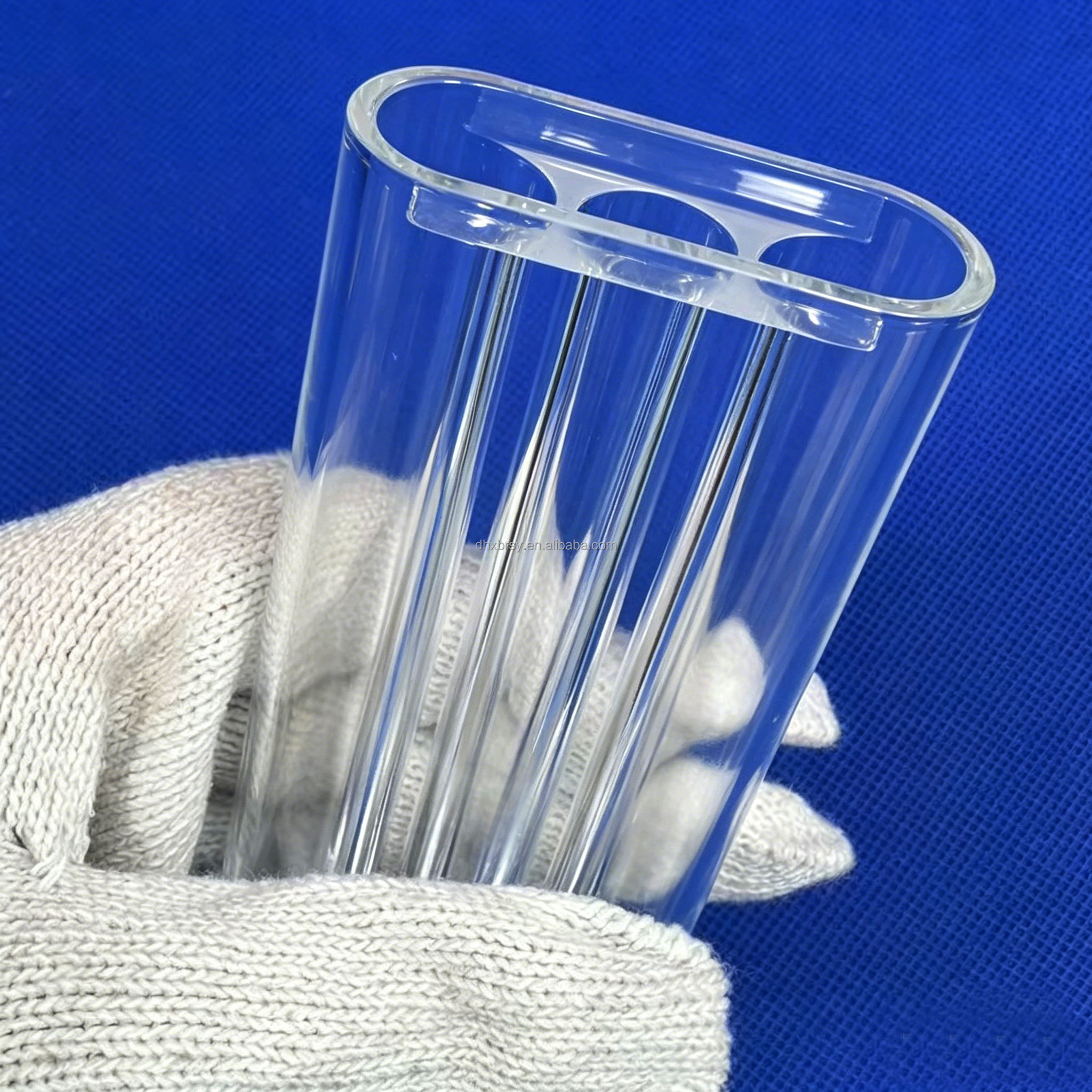
Modern architectural restoration across St. Peter's Basilica, the Bramante Courtyard, and the Sistine Chapel incorporates pulsed Q-switched Nd:YAG laser cleaning to remove centuries of soot and sulfate encrustation from delicate travertine and marble without mechanical abrasion. Our triple-bore laser flow tubes, quartz beam-delivery nozzles, and high-damage-threshold quartz windows resist laser ablation damage up to 10 J/cm² at 1064 nm.
Future Trajectory
Emerging Technology Trends in Vatican Cultural Asset Engineering
A strategic analysis of modern analytical trends and sustainability directives shaping how high-purity quartz products are specified for conservation, lighting, and research across the Vatican enclave.
Conservation science within Italian and Vatican academic spheres is transitioning rapidly from destructive wet chemical tests to in-situ micro-LIBS and macro-XRF elemental scanning. These optical platforms require customized fused silica light guides, micro-aperture focus lenses, and high-purity laser flow channels that introduce zero trace-metal background signals during spectroscopic photon capture.
2. Zero-UV Archival LED Lighting Infrastructure
Under the continuous modernization of lighting inside the Vatican Museums and historical basilicas, high-power solid-state LED systems are replacing legacy halogen fixtures. Fused quartz diffuser plates, heat shields, and optical lenses are engineered to manage intense local thermal loads while functioning as precise UV cut-off filters, ensuring valuable oil pigments and gold leaf substrates do not suffer photochemical degradation.
3. Controlled Ozone Sterilization for Subterranean Repositories
With ancient subterranean catacombs, crypt vaults, and underground document vaults vulnerable to mold, fungal spores, and bacterial blooms, conservation engineers are employing localized high-ozone sterilization cycles. Our translucent quartz ozone generator tubes deliver clean ozone output from silent corona discharge modules without emitting heavy-metal particulates into delicate vault environments.
Manufacturing Rigor
Why Institutional Buyers Rely on Our Production Purity
Operating from Lianyungang, China's premiere high-purity quartz manufacturing cluster, Lovri Quartz controls the complete processing line from raw crystalline silica pickling to 5-axis CNC ultrasonic milling.
14,271 m²SGS-Verified Manufacturing Facility
99.99%Certified Pure SiO₂ Crystal Chemistry
≤ 0.005 mmPrecision CNC Machining Tolerance
100%Polarization Stress & Bubble Inspected
Integrated High-Purity Supply Chain
Unlike secondary workshops that source intermediate glass from third-party suppliers, we operate internal raw lump crushing, acid pickling, sand screening, and electrical/flame fusion. This ensures complete traceability and eliminates cross-batch refractive anomalies or trace contamination.
Polarization Stress Relief Annealing
Thermal stress is the chief culprit in spontaneous shattering of optical viewports and furnace tubes. Every quartz cylinder, window, and vessel produced in our plant undergoes an extensive thermal annealing cycle in automated furnaces followed by verification under an optical polarization polariscope.
Export-Grade Cushion Packaging
Fragile quartz instruments and optical sheets intended for international transport are individually wrapped in anti-static, lint-free paper, custom-embedded in multi-layer high-density polyethylene (EPE) shock foam, and encased within vacuum-sealed moisture barrier bags inside reinforced wood crates.
Procurement Intelligence
Frequently Asked Questions: Sourcing Quartz for Vatican City
Essential guidance for procurement officers, lab directors, and conservators regarding shipping, customs clearance, drawing compliance, and material grades.
How does international freight delivery work into the Vatican City State (Stato della Città del Vaticano)?
Vatican City is an independent sovereign enclave completely surrounded by Rome, Italy. Commercial consignments do not land at an internal airport; instead, air freight arrives via Rome Fiumicino (FCO) or Ciampino (CIA) and passes Italian customs transit under European Union T1 transit procedures or direct delivery via authorized diplomatic/Holy See forwarding agents through Porta Sant'Anna (Sant'Anna Gate). Our logistics desk provides clean air-waybills (AWB), commercial invoices with precise TARIC/HS code classification (7002.31 / 7017.10), and verified certificates of origin to expedite smooth passage through the Vatican customs checkpoint.
What is the practical difference between JGS1, JGS2, and JGS3 quartz grades for our lab?
JGS1 is synthetic fused silica made from silicon tetrachloride (SiCl4). It features zero internal bubbles, no metallic discoloration, and exceptional transmission in the deep ultraviolet (185–2500 nm). It is recommended for UV laser optics, excimer lamps, and UV-fluorescence imaging. JGS2 is fused natural quartz sand; it delivers excellent transmission from 220 nm to 2500 nm at a very economical price point, making it the preferred standard for sight glasses, tube furnaces, and observation windows. JGS3 is electrically melted in a high-vacuum environment to strip hydroxyl ions (≤ 5 ppm -OH), eliminating the strong 2.7 μm water absorption band for superior mid-infrared (IR) transmittance up to 3500 nm.
Can you fabricate customized quartz components directly from our CAD drawings or restoration sketches?
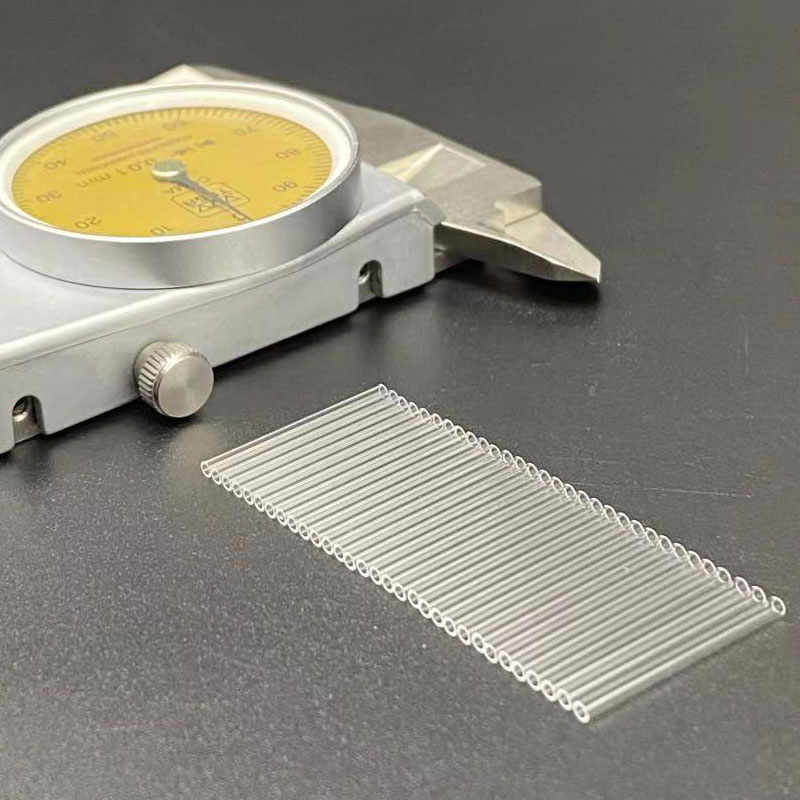
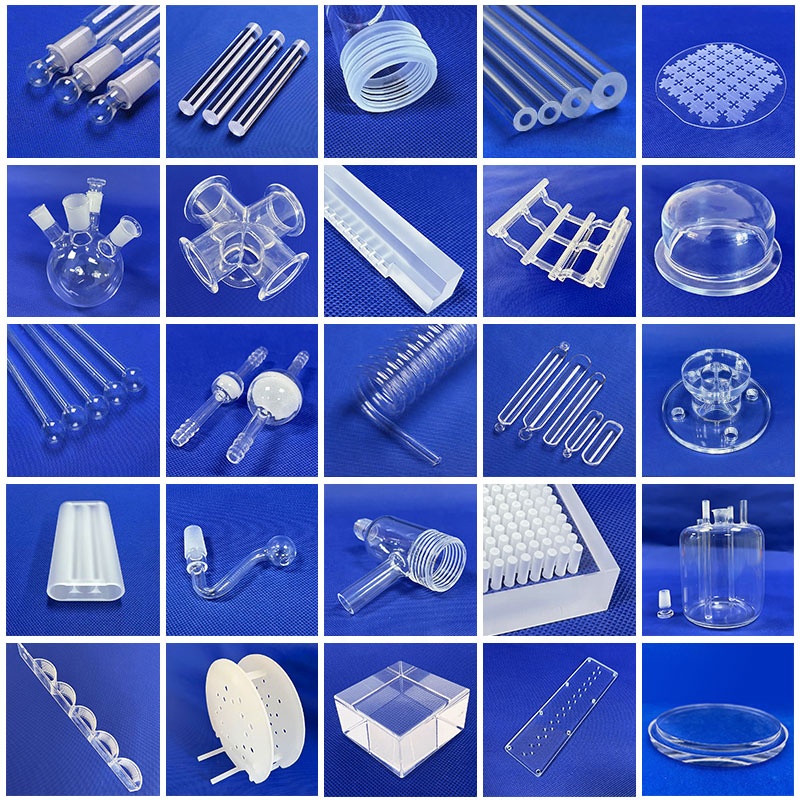
Yes. Our engineering department accepts CAD files in STEP, IGES, DWG, DXF, and dimensioned PDF formats. We support comprehensive OEM/ODM custom tooling, including CNC edge chamfering, diamond drilling of micro-holes down to 0.3 mm, slot milling, optical fire-polishing, laser wafer boat slotting, ultrasonic threading (both male and female threads), and specialized multi-branch glassblowing welding. We routinely assist clients in refining geometric tolerances to optimize strength and prevent stress concentration.
What is your Minimum Order Quantity (MOQ) for specialized scientific research pieces?
We recognize that restoration laboratories, specialized museum research projects, and university workshops frequently require custom single-piece prototypes or small-batch validation runs (1 to 5 pieces) before committing to production volumes. We accept an MOQ as low as 1 piece for custom CNC milled blocks, precision UV windows, or bespoke quartz furnace tubes.
How do you guarantee that optical windows arrive without scratches, stress fractures, or surface haze?
Every optical plate and tube is washed in ultrasonic deionized chemical baths, dried in cleanroom environments, and visually inspected under cross-polarized light tables to confirm zero residual stress. Surfaces are checked for scratch-dig specifications (typically 40/20 or 60/40 optical surface quality). We apply peelable protective polymer film or optical lens wrapping paper to both faces before vacuum packing within custom drop-tested wooden boxes.
Consult Our Fused Quartz Engineering Specialists
Whether you require deep-UV transparent JGS1 windows for multispectral manuscript recovery, quartz flow cells for pigment analysis, or large-diameter furnace tubes for materials synthesis, our factory delivers verified purity and precision.