Precision Fused Quartz Products for Liberec Engineers
Explore our SGS-audited, RoHS-certified fused quartz solutions engineered for deep ultraviolet optics, thermal processing reactors, high-temperature laboratories, and industrial laser cavities.
Engineering Superiority: Fused Quartz in the Liberec Industrial Ecosystem
A comprehensive technical analysis on material selection, chemical purity, and manufacturing thermodynamics for procurement directors, mechanical engineers, and research institutions across the Liberec Region.
The city of Liberec and the broader Liberec Region (Liberecký kraj) hold a revered position in European materials science. Historically celebrated as the cradle of Bohemian glass cutting, crystal jewelry, and technical textile engineering, this northern Czech territory has evolved into a premier high-tech corridor. Today, the industrial landscape of Liberec is anchored by sophisticated automotive mechatronics, advanced polymer nanotechnology, specialized laser optics, and microfluidics.
While traditional soda-lime and borosilicate glasses served twentieth-century laboratory and decorative demands, contemporary manufacturing within Liberec's industrial parks (such as Severoceský Prumyslový Park Liberec, Jablonec nad Nisou, and Turnov) imposes physical conditions that ordinary silicate formulations cannot survive. Temperatures exceeding 1,000°C, extreme thermal cycling shocks, intense excimer ultraviolet radiation, and corrosive plasma etching gas atmospheres mandate an uncompromising transition to Ultra-High Purity Fused Quartz (SiO₂ ≥ 99.99%).
As an SGS-verified fused quartz production enterprise operating integrated refining, drawing, and precision CNC processing facilities, Lovri Quartz delivers high-performance synthetic fused silica and natural fused quartz directly to industrial facilities and academic researchers across northern Bohemia. Our supply architecture bridges direct-from-source pricing with stringent European dimensional and material certifications.
Virtually Zero Thermal Expansion
With an extremely low coefficient of thermal expansion (α ≈ 5.5 × 10⁻⁷ /°C between 20°C and 320°C), our quartz components can be heated past 1,150°C and immediately quenched in ice-cold water without fracturing, delamination, or structural warping.
Broadband Optical Transmission
From deep vacuum-ultraviolet (185 nm VUV) through the visible spectrum to the near-infrared boundary (3,500 nm), our JGS1, JGS2, and JGS3 grades minimize internal absorption and laser-induced fluorescence for optical and photonic assemblies.
Exceptional Chemical Inertness
Fused silica resists virtually all organic solvents, neutral solutions, and concentrated inorganic acids (including boiling HCl, HNO₃, and H₂SO₄), dissolving exclusively when exposed to hydrofluoric acid (HF) or concentrated alkaline mixtures at elevated heat.
Where Precision Quartz Powers Liberec's Core Industries
From university research labs at TUL to Tier-1 automotive manufacturing plants along the E442 corridor, discover how our fused quartz components integrate directly into northern Bohemia's operational environments.
Automotive Lighting & Sensor Manufacturing
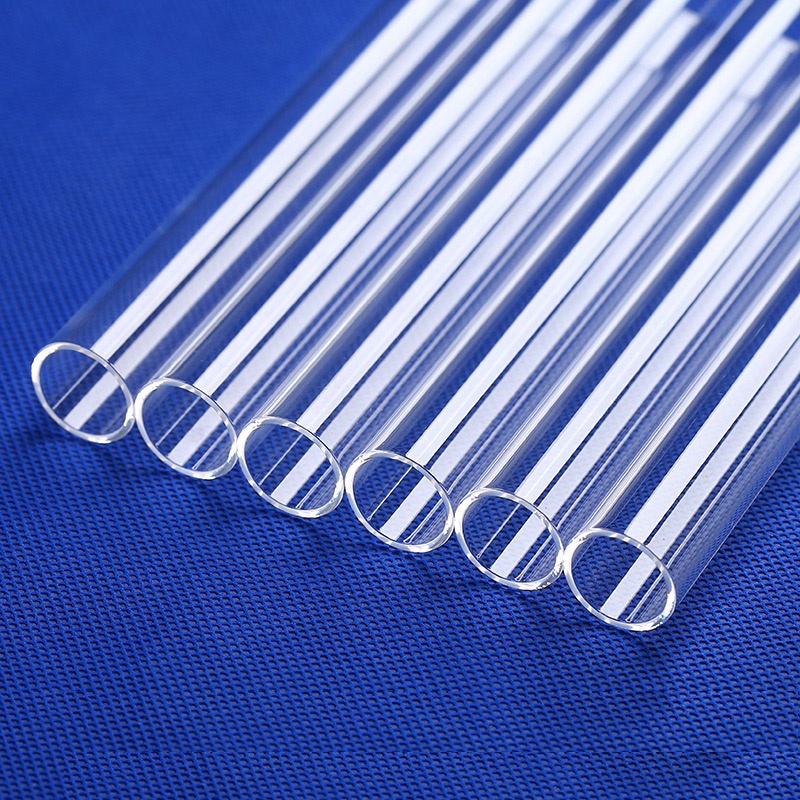
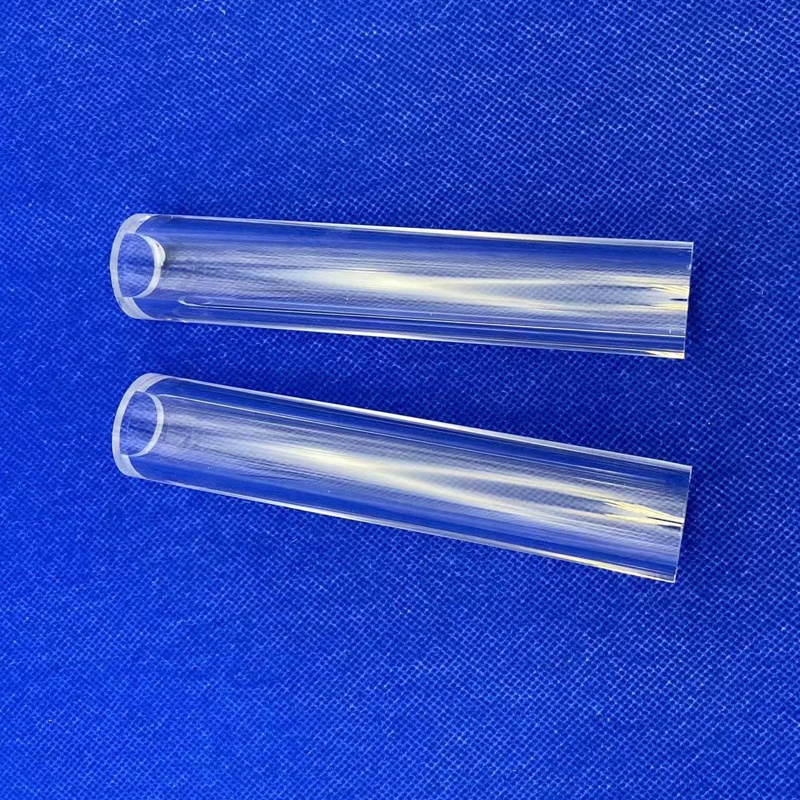
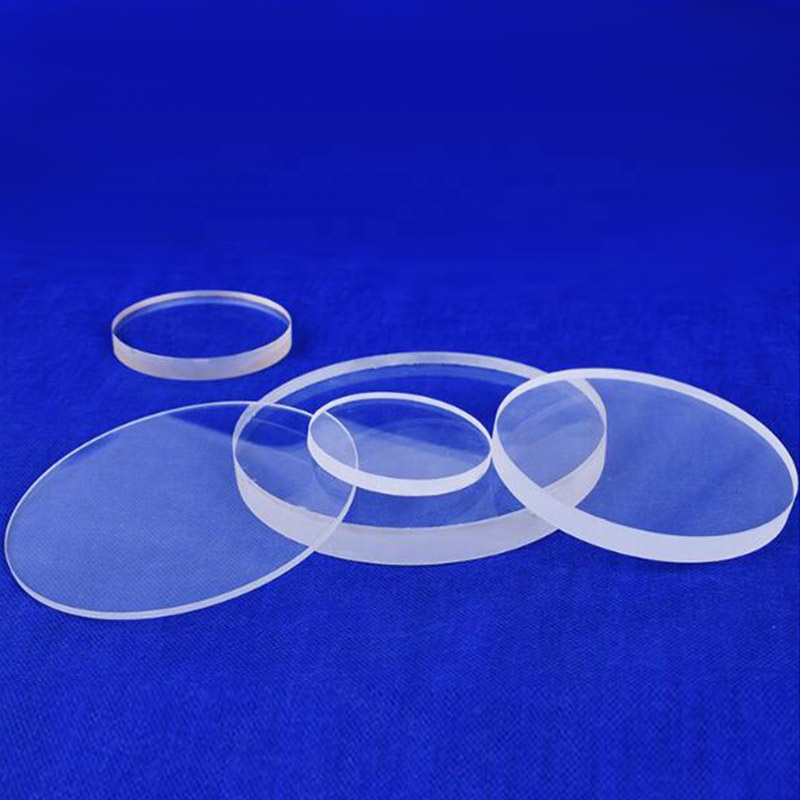
The Liberec and Mladá Boleslav supply belt is dense with Tier-1 automotive component makers. Our high-precision clear quartz tubing and CNC polished plates serve as protective covers for LiDAR emitter windows, high-intensity discharge (HID) arc chambers, and laser soldering nozzles used in automated chassis and sensor fabrication lines.
Nanotechnology & Electrospinning Furnaces
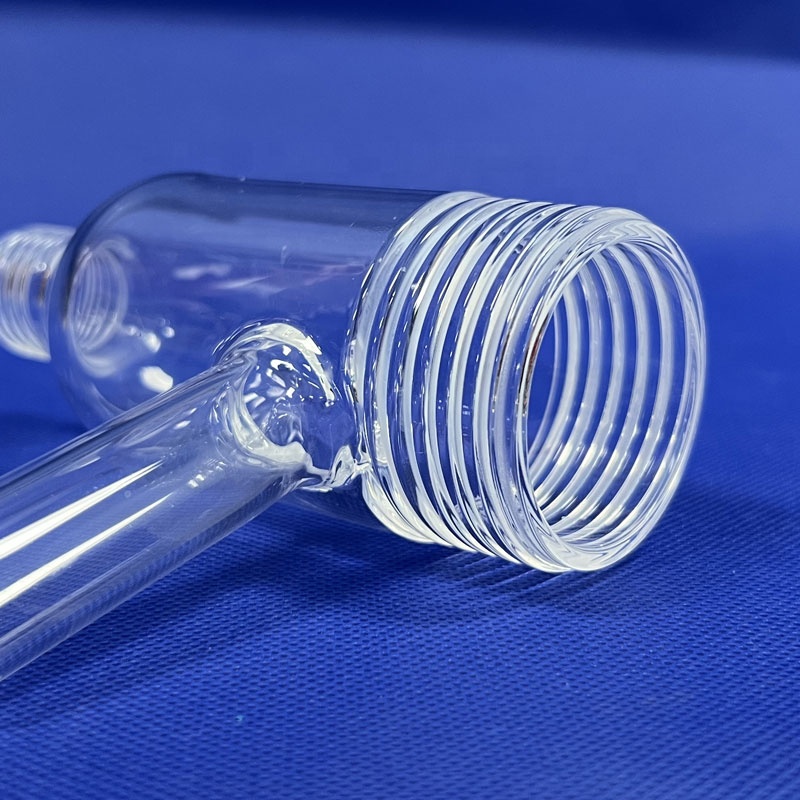
The Technical University of Liberec (TUL) and its Institute for Nanomaterials, Advanced Technologies and Innovation (CXI) are world pioneers in industrial nanofiber production. Our threaded fused quartz reaction vessels, porous quartz frit discs (200 mesh / 75μm), and vacuum tubes provide contamination-free calcination and chemical synthesis chambers.
Turnov-Liberec Precision Optics & Lasers
Positioned right beside Turnov's renowned optics cluster and TOPTEC (Centre for Special Optics), our JGS1 synthetic silica plates and triple-bore flow tubes provide near-zero bubble classification, wavefront distortion < λ/10, and exceptional resistance to high-energy Nd:YAG and fiber laser beam transmission.
PVD/CVD Hard Coatings & Tool Surface Treatment
Tooling and industrial surface coating facilities in northern Bohemia utilize plasma-assisted physical vapor deposition (PVD) and chemical vapor deposition (CVD). We supply flanged quartz vacuum liners, custom furnace tubes up to 450 mm diameter, and thermocouple isolation wells rated for continuous 1,150°C vacuum duty.
Industrial Water Purification & Ozone Generation
Liberec's environmental, pharmaceutical, and beverage facilities mandate rigorous water treatment. Our high-ozone fused quartz sleeves transmit 185 nm VUV radiation to dissociate atmospheric oxygen into active ozone, while our UV-C clear quartz tubes ensure > 90% transmission at the germicidal 253.7 nm wavelength.
Technical Textile IR Curing & Thermal Setting
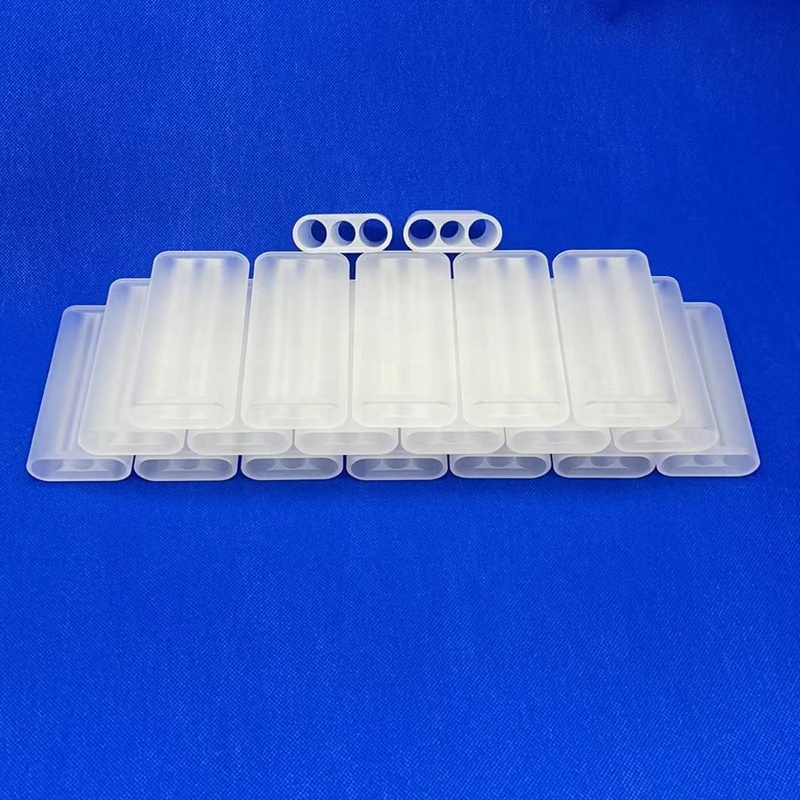
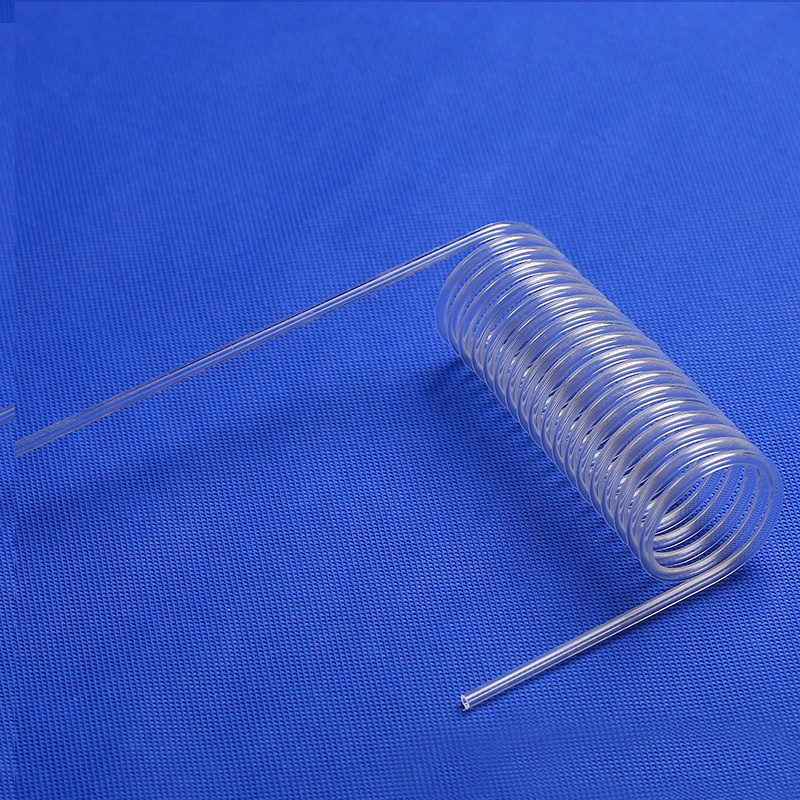
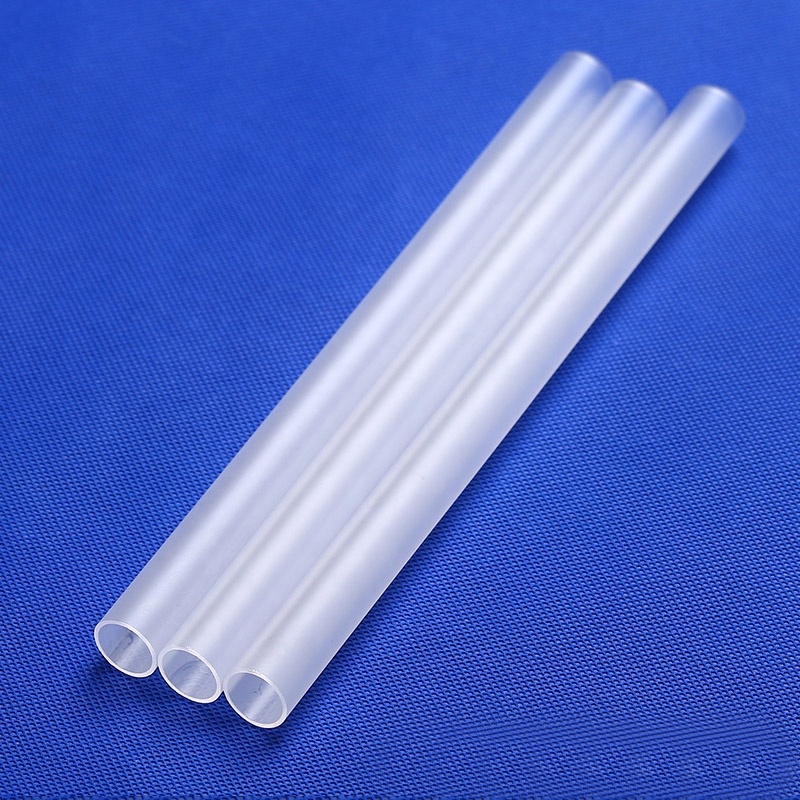
Preserving Liberec's textile pedigree, modern technical non-woven and composite manufacturing relies on fast-response infrared radiant emitters. Our milky-white opaque spiral quartz tubes and twin-tube heaters provide uniform thermal diffusion, preventing localized hot-spots on temperature-sensitive synthetic polymers.
Emerging Manufacturing Trends in Liberec & Central Europe
How the green transition, semiconductor sovereignty, and photonic automation are reshaping material requirements across the Czech Republic.
1. The Transition to Automotive Photonics and E-Mobility Sensor Suites
As Czech automotive manufacturers and their regional suppliers in Liberec accelerate the production of electric vehicles (EVs) and autonomous navigation architectures, vehicle front-ends are transforming into sensor hubs. Traditional optical polycarbonate yellowing and scratches under harsh road debris are driving engineers toward diamond-ground, anti-reflective coated fused silica sight plates for front-facing LiDAR, radar domes, and high-performance camera housings.
2. European Semiconductor & Microelectronics Onshoring
With the European Chips Act catalyzing semiconductor expansion across Central Europe (including the Dresden-Prague-Wrocław corridor surrounding Liberec), regional subcontractors are taking on specialized tooling roles. Semiconductor fabrication requires fused quartz components with total metallic impurity concentrations strictly under 15 ppm. Our raw silica acid-pickling treatment achieves alkali impurity levels (Na, K, Li) well below 1 ppm, eliminating batch cross-contamination during silicon wafer diffusion.
3. Green Hydrogen & High-Temperature Electrolysis Cells
Liberec research groups are actively participating in national and EU clean energy consortia investigating solid oxide electrolysis cells (SOEC). Testing these cells at operating temperatures between 700°C and 900°C requires hermetically sealed quartz test chambers capable of isolating hydrogen gas from ambient oxygen while offering optical access for thermal spectroscopy imaging.
Fused Quartz vs. Synthetic Fused Silica: Comparative Engineering Guide
Selecting the optimal quartz grade directly dictates thermal endurance, optical throughput, and project budget. Review the empirical physical properties below before drafting your technical RFQ.
| Property Parameter | JGS1 (Synthetic Silica) | JGS2 (Optical Quartz) | JGS3 (Infrared Quartz) | Opaque Fused Silica |
|---|---|---|---|---|
| Primary Raw Material | Synthetic SiCl₄ gas synthesis | Refined natural crystal sand | Vacuum electro-melted quartz | High-purity micro-porous silica |
| Spectral Window | 185 nm – 2,500 nm (Deep UV) | 220 nm – 2,500 nm (UV-Vis) | 260 nm – 3,500 nm (Infrared) | Diffuse / IR reflective blocking |
| OH (Hydroxyl) Content | < 5 ppm (or custom < 1 ppm) | ≈ 150 – 200 ppm | < 10 ppm (OH free) | N/A (Porous morphology) |
| Max Working Temp (Continuous) | 1,100 °C | 1,150 °C | 1,200 °C | 1,050 °C |
| Softening Point | 1,730 °C | 1,710 °C | 1,735 °C | 1,650 °C |
| Refractive Index (nd @ 589nm) | 1.4585 | 1.4584 | 1.4586 | N/A |
| Typical Liberec Applications | Excimer optics, laser windows, UV spectroscopy | Viewports, UV curing sleeves, sight glasses | IR furnace tubes, thermal monitoring ports | Heater flanges, thermal insulation plates |
| Physical / Mechanical Attribute | Standard Test Value | Test Standard |
|---|---|---|
| Density | 2.20 × 10³ kg/m³ | ASTM C693 |
| Coefficient of Thermal Expansion (20–300°C) | 5.5 × 10⁻⁷ K⁻¹ | ASTM E228 |
| Thermal Conductivity (20°C) | 1.4 W/(m·K) | ASTM C177 |
| Dielectric Strength (20°C, 1MHz) | 25 – 40 kV/mm | IEC 60243-1 |
| Mohs Hardness / Knoop Indentation | Mohs 7.0 / 600 kg/mm² | ASTM E384 |
| Compressive Strength | 1,100 – 1,150 MPa | ASTM C773 |
Factory-Direct Purity, Engineering Precision & European Logistics
Discover why mechanical designers and procurement professionals in the Czech Republic partner directly with Lovri Quartz for both standard stock and custom-machined quartz hardware.
SGS-Audited Manufacturing Facility
Our expansive 14,271 m² production site located in the heart of China’s silica capital (Lianyungang) is certified and onsite-audited by the SGS Group. No intermediaries, no broker markups—every millimeter of quartz is traced directly to raw silica refining.
Full In-House Processing: 12-Step Control
From lump crushing, sizing, and multi-stage acid leaching to electric-arc tube drawing, laser cutting, hot-lathe welding, optical grinding, and 5-axis CNC ultrasonic machining, all operations remain strictly under our unified ISO quality management system.
100% Polarization Stress Inspection
Residual stress created during thermal flanging or hot-bending is the hidden cause of spontaneous cracking. Every batch undergo controlled annealing at 1,215°C followed by mandatory inspection under polariscopes to verify birefringence and stress elimination.
Prototyping Freedom: MOQ from 1 Piece
We believe advanced engineering begins with low-volume pilot testing. You do not need to order hundreds of units to qualify a design. We gladly machine bespoke prototype tubes, wafer carriers, or optical cells from single-piece drawings.
CAD/STEP Engineering Review
Our bilingual glass-working engineers review your CAD, STEP, DXF, or PDF engineering drawings within 24 hours. We evaluate wall-thickness transitions, recommend cost-effective chamfers, and optimize radii for maximum mechanical robustness.
Zero-Breakage European Export Packaging
Fragile quartz requires specialized logistics. We wrap each component in multi-layer antistatic pearl foam, encapsulate high-value assemblies in custom-cut high-density EPE cradles, and ship them in international-standard reinforced fumigated wooden crates.
Procurement & Technical FAQ for Liberec Buyers
Straightforward answers regarding shipping times to the Czech Republic, customs clearance, drawing files, dimensional tolerances, and testing certificates.