Precision Fused Quartz Glassware for French Industry
Explore our core export series manufactured under stringent ISO-aligned quality management. Designed to meet the high thermal, chemical, and optical standards required across French cleanrooms, foundries, and scientific laboratories.
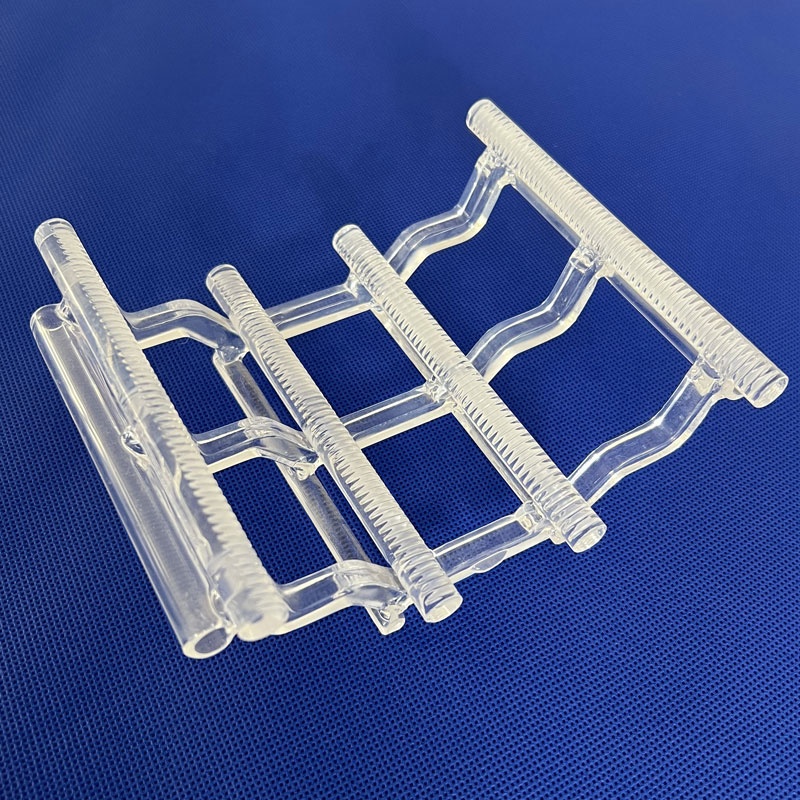
Custom Size High Temperature Fused Quartz Wafer Boat 99.99% Silica Content
- Purity: 99.99% Ultra-Pure SiO₂
- Operating Temp: Up to 1300°C
- Custom slot pitch & wafer sizes
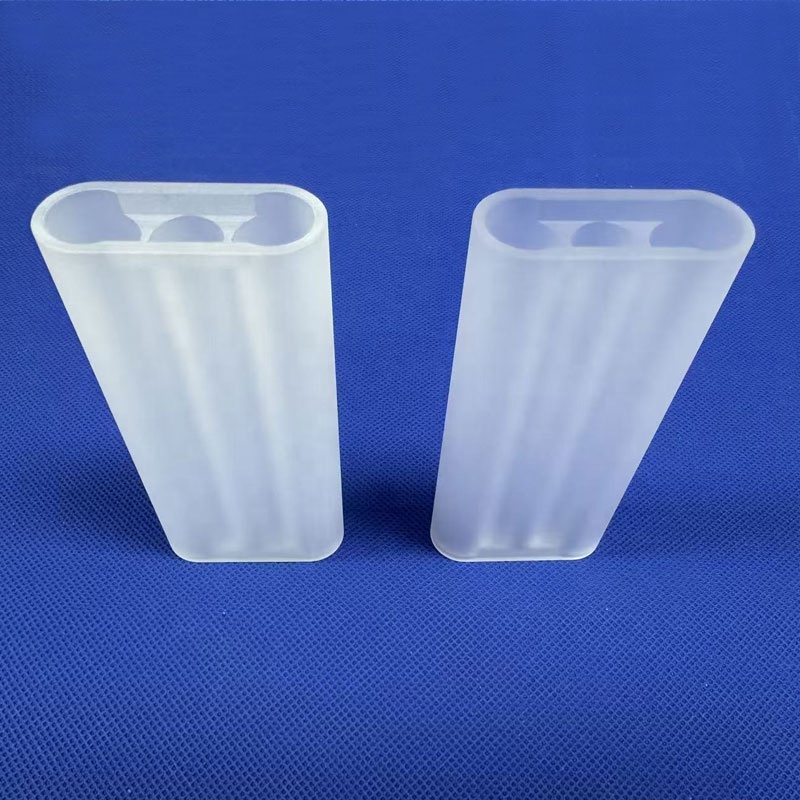
BRO RAN High Precision Triple Bore Quartz Glass Laser Cavity Flow Tube
- Medical laser / GentleMax ready
- Precision parallel multi-bore
- High thermal shock resilience
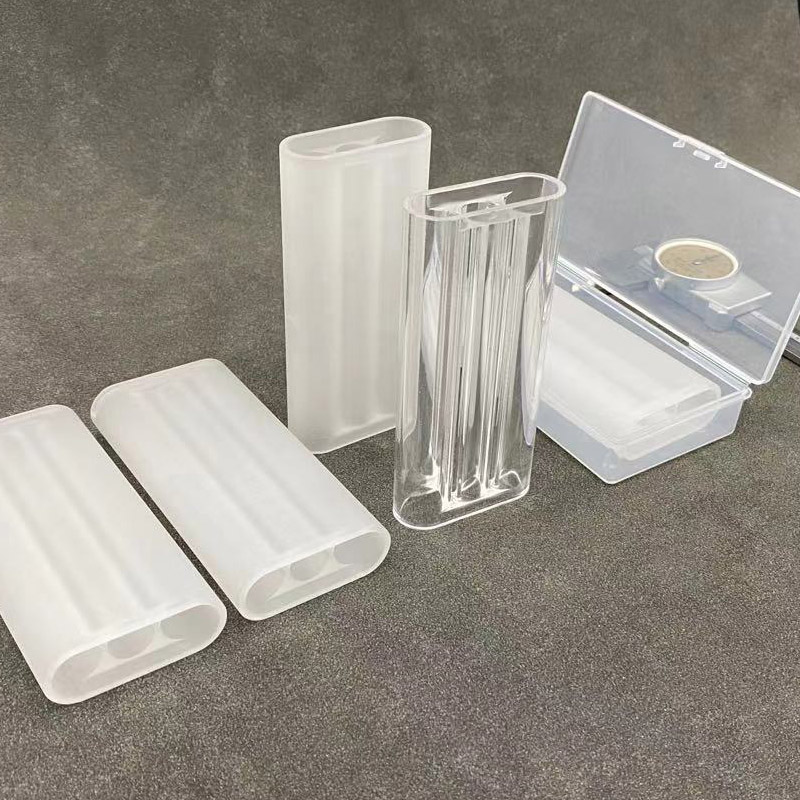
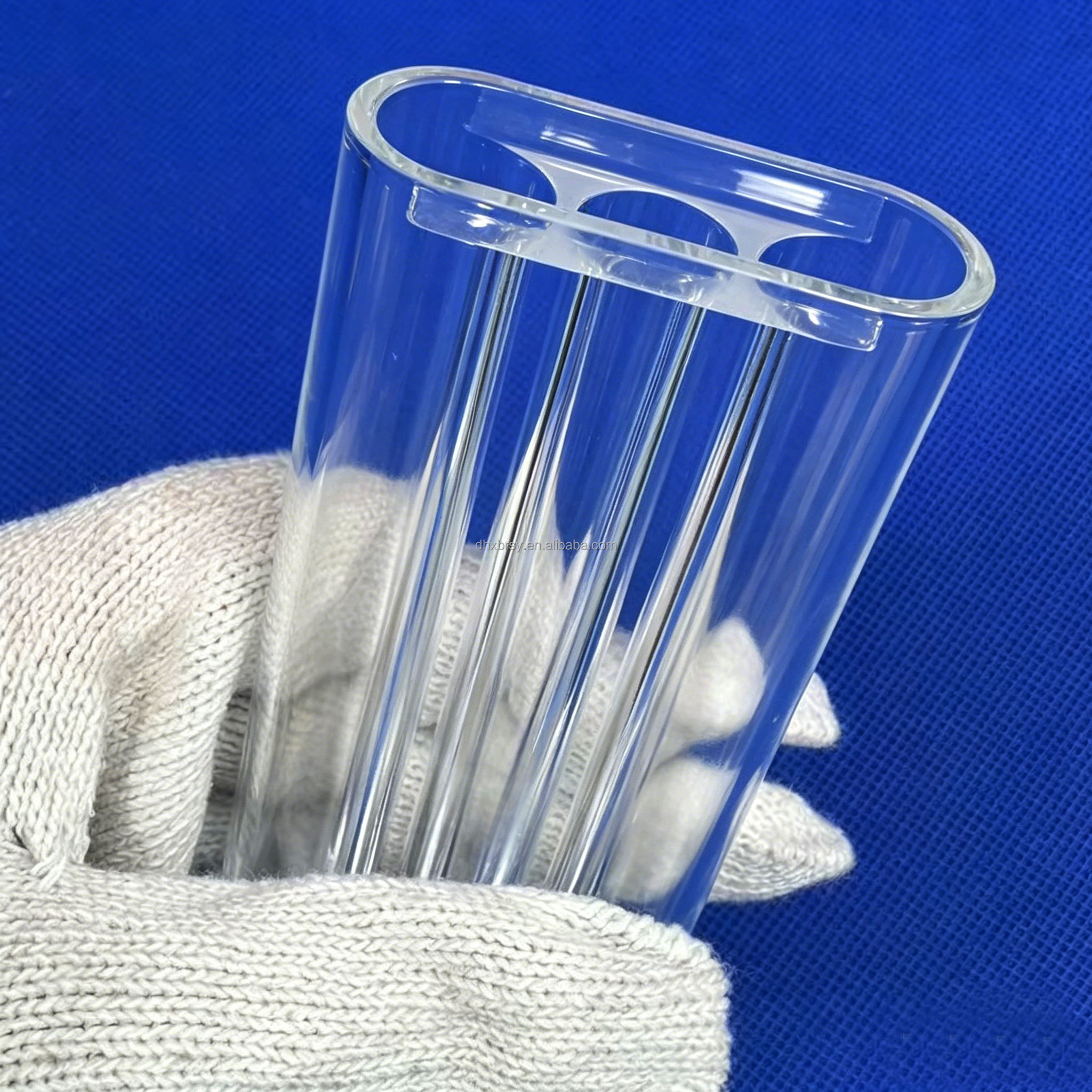
Quartz Candela Triple Bore Fused Quartz 99.98% Silica Customizable
- Custom diameter bending/welding
- RoHS and CE certified materials
- Superior optical transmission
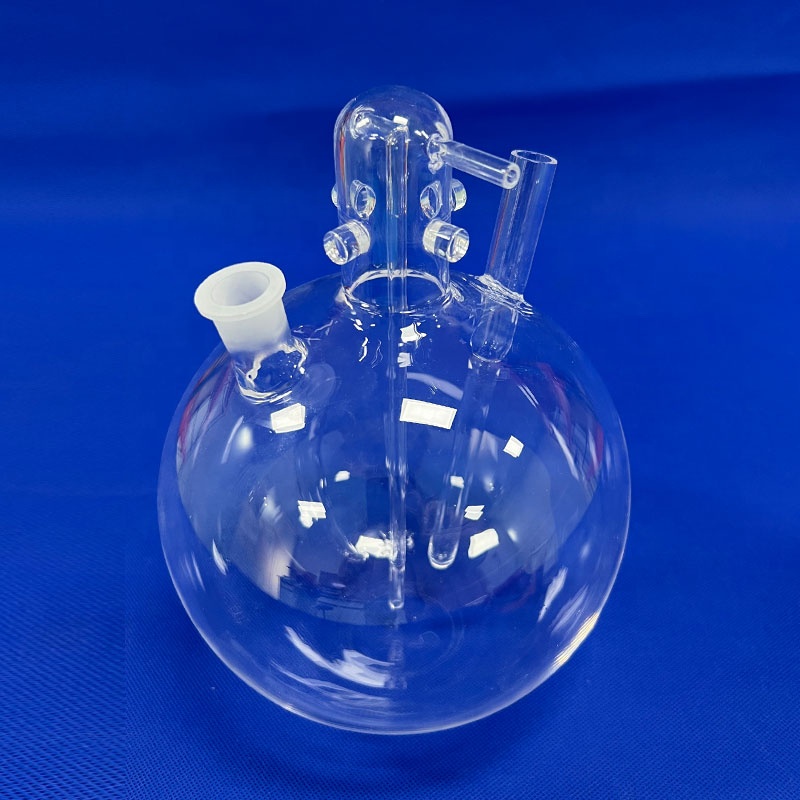
High Purity SiO2 Quartz Glass Instrument for Laser Machinery Reactor
- Integrated custom port welding
- Vacuum sealed flanged ends
- Extreme chemical corrosion resistance
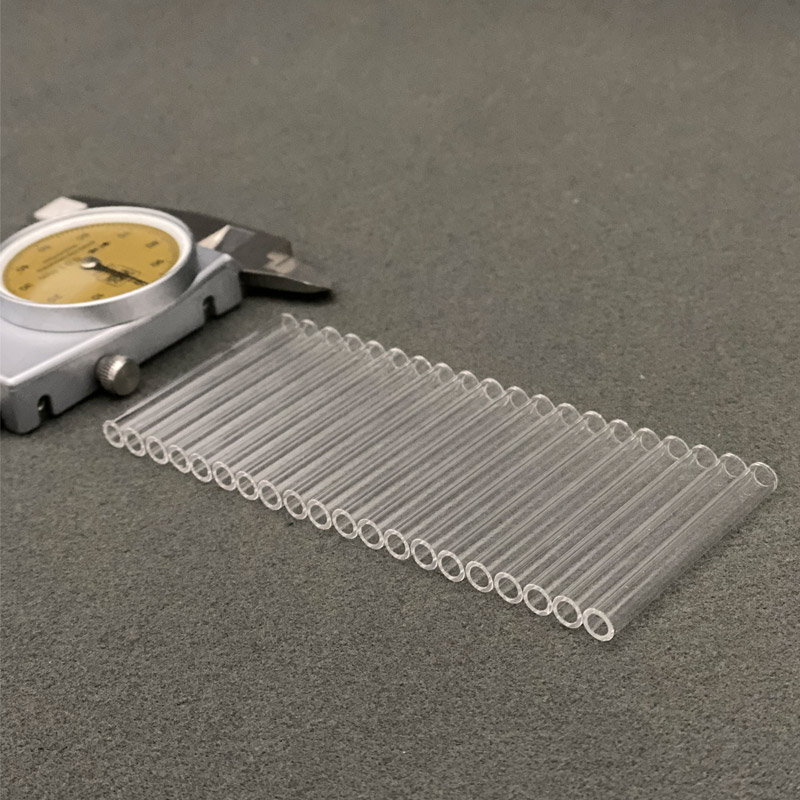
BAO RAN Fused Quartz Capillary Tube (SiO2 99.99% Annealed 1200°C)
- Micro-bore tight tolerance control
- High dielectric breakdown strength
- Annealed stress-free structure
Customized High Temperature Fused Silica Quartz Glass Furnace Tube
- Diameters up to 450 mm available
- Continuous working temp 1100°C
- Ultra-low thermal expansion
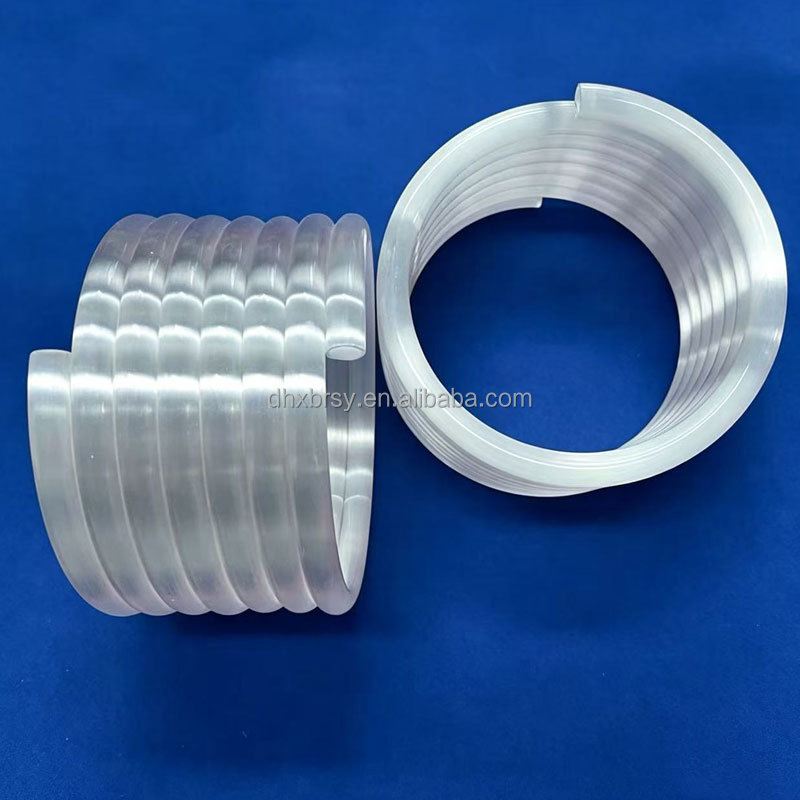
Milky White Opaque Fused Silica Quartz Spiral Helix Tube Coil
- Uniform IR radiation diffusion
- Custom coil pitch & inner diameter
- High-efficiency thermal transfer
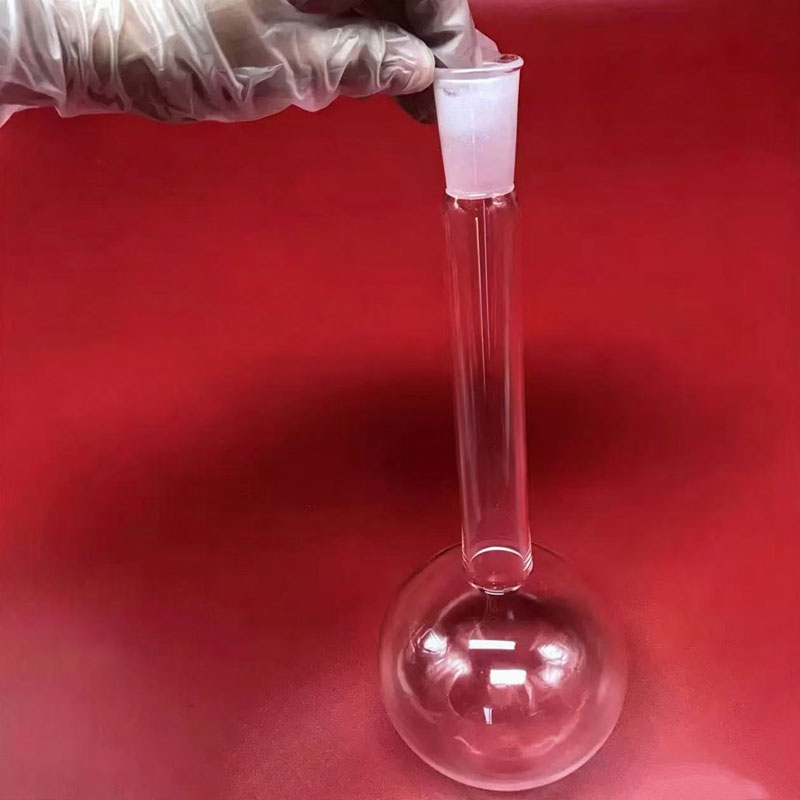
99.99% SiO₂ High-Temperature Resistant Quartz Long-Neck Flask
- Thermal shock quench to cold water
- Inert to hot acidic digestions
- Standard & custom neck joints
Fused Silica & High-Purity Quartz Metallurgy for French Engineering
A rigorous review of material science, optical transmission windows, and thermal shock kinetics for engineers procuring quartz solutions across the European Union.
Fused quartz glassware occupies an indispensable role in contemporary European advanced manufacturing. Unlike conventional borosilicate or soda-lime glass formulations, fused quartz is composed entirely of non-crystalline silicon dioxide (≥99.99% SiO₂). The absence of network modifiers (such as sodium, calcium, or boron fluxes) imparts exceptional properties: a softening threshold exceeding 1730°C, virtually zero coefficient of thermal expansion (α ≈ 5.5 × 10⁻⁷ /°C), and high broad-spectrum optical transmittance ranging from the deep vacuum-ultraviolet (VUV) spectrum into the mid-infrared band.
For French procurement specialists and scientific project directors—whether operating within semiconductor foundries in Grenoble, CEA research facilities, or laser photonics laboratories in Nouvelle-Aquitaine—specifying the exact quartz substrate grade is critical to prevent premature equipment failure, devitrification, or photonic transmission attenuation.
Material Grade Comparison: Selecting the Optimal Quartz Substrate
To avoid over-engineering expenditures or high-temperature degradation, French procurement engineers should select quartz substrates based on the specific photonic wavelength and thermal cycle demands of their applications:
| Property / Specification | JGS1 (Synthetic Fused Silica) | JGS2 (Optical Fused Quartz) | JGS3 (Infrared Fused Quartz) | Commercial Fused Silica |
|---|---|---|---|---|
| Primary Raw Material | Synthetic SiCl₄ gas synthesis | Refined natural crystal sand | Electrically fused crystal sand | Industrial silica lumps |
| SiO₂ Purity Level | ≥ 99.999% (5N) | ≥ 99.99% (4N) | ≥ 99.99% (4N) | ≥ 99.95% |
| Optical Spectrum Range | 185 nm – 2500 nm (Deep UV) | 220 nm – 2500 nm (Standard UV-Vis) | 260 nm – 3500 nm (Extended IR) | 350 nm – 2000 nm (Visible only) |
| Hydroxyl (OH⁻) Content | High (typically < 1200 ppm) | Moderate (30 – 150 ppm) | Ultra-Low (< 5 ppm, bubble-free) | Variable (100 – 300 ppm) |
| Max Continuous Temperature | 1050°C (Anneal point: 1140°C) | 1100°C (Anneal point: 1215°C) | 1150°C (Anneal point: 1220°C) | 1000°C |
| Core French Applications | Excimer lasers, lithography, UV cuvettes | Observation ports, UV curing, medical lasers | IR furnace tubes, thermal pyrometry | General chemical glassware & sight glass |
Localized Applications Across French Industrial Clusters
Our engineered quartz components integrate directly into France’s premier manufacturing corridors, research institutes, and cleanroom infrastructures.
Semiconductor Fabrication & Epitaxy
Situated within the "Silicon Valley of the Alps" across Grenoble, Crolles, and surrounding cleanroom clusters, high-purity quartz carriers must maintain zero ionic particulate contamination during wafer processing.
- 200mm & 300mm diffusion wafer boats
- LPCVD and PECVD reaction process tubes
- High-purity quartz pedestals and injector nozzles
High-Energy Lasers & Quantum Optics
The Route des Lasers hub around Bordeaux and the Paris-Saclay photonics corridor require ultra-low hydroxyl quartz optics capable of handling gigawatt-level laser energy densities without plasma breakdown.
- Triple-bore laser cavity cooling tubes
- JGS1 excimer windows with λ/10 flatness
- Custom precision capillary micro-optics
Aerospace, Defence & Thermal Testing
France’s aerospace capital demands high-strength viewports and transparent thermal barriers capable of enduring extreme pressure drops, aerodynamic friction heating, and plasma diagnostics.
- Flanged furnace windows for turbine combustion
- Plasma observation tubes and shrouds
- Thermal protection insulation components
French Procurement Trends: Sovereignty, Re-Industrialization & Compliance
Strategic purchasing managers across France are recalibrating supply networks in response to the France 2030 Investment Plan and EU microelectronics initiatives.
The "France 2030" Re-Industrialization & European Chips Act Surge
Under the French national investment framework "France 2030" and the European Chips Act, substantial capital is expanding semiconductor manufacturing capacities in Auvergne-Rhône-Alpes. This resurgence has created elevated demand for high-spec fused quartz consumables, including diffusion boats, bell jars, and quartz injectors. French fabricators require direct manufacturer partnerships to avoid multi-tier distributor markups and secure stable delivery timelines for mission-critical quartz components.
Strict Regulatory Compliance: REACH, RoHS & Carbon Transparency
Importing technical glassware into France involves rigorous enforcement of EU Regulation (EC) No 1907/2006 (REACH) and Directive 2011/65/EU (RoHS). French procurement directors prioritize tier-1 suppliers that provide comprehensive traceability from raw silica sand to finished part. Every batch of our fused quartz is chemically certified free of restricted heavy metals and SVHCs (Substances of Very High Concern), simplifying compliance verification for French border customs and environmental audits.
Transition to Additive & High-Speed CNC Quartz Machining
French engineering teams at CNRS and private R&D facilities are replacing fragile multi-part welded assemblies with monolithic, CNC-machined quartz geometries. Utilizing 5-axis ultrasonic diamond milling, complex microfluidic channels, tapered threads, and multi-bore flow cells can be sculpted from single-block JGS1 fused silica billets, eliminating thermal stress points and joint micro-leaks in analytical equipment.
Supply Chain Diversification & High-Yield Safety Stocking
Following disruptions in European gas networks that impacted regional glass blowing workshops, French chemical and pharmaceutical processors in Lyon and Grand Est have adopted dual-sourcing strategies. Sourcing directly from verified Chinese industrial clusters like Lianyungang provides scalable volume, competitive baseline pricing, and dependable lead times, backed by express air and maritime routes into Le Havre and Marseille-Fos.
Why Tier-1 French Enterprises Rely on Lovri Quartz
Combining primary raw-material refining with precision CNC finishing to deliver verified fused quartz apparatus to exact engineering prints.
Full-Chain In-House Metallurgy from Lianyungang
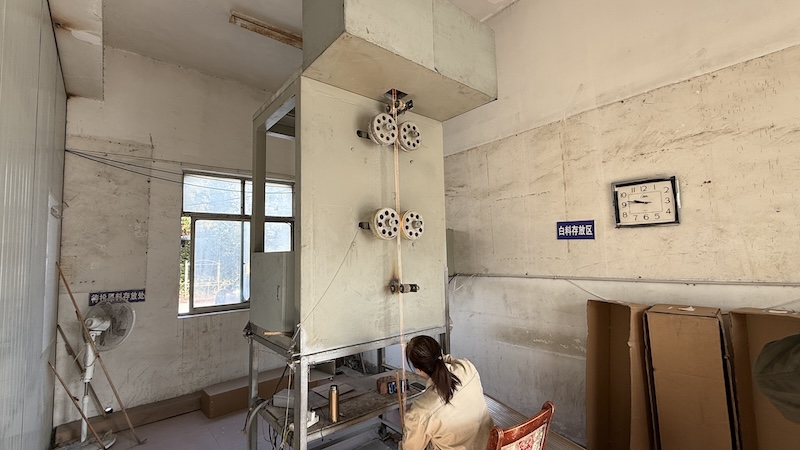
Situated in Tuofeng Industrial Park, Lianyungang—the global capital for high-purity natural silica sand—Lovri Quartz operates an integrated manufacturing process spanning 12 specialized production stages. By refining raw quartz rock, acid-pickling sand, and drawing master tubes in-house, we eliminate intermediate contamination risks and guarantee 99.99% SiO₂ baseline purity.
Polariscope Verification
Every tube, window, and welded vessel undergoes cross-polarization optical examination to detect and eliminate residual stress gradients.
5-Axis CNC Precision
High-speed ultrasonic CNC center handles micro-hole drilling, circular slotting, optical chamfering, and thread grinding to ±0.02mm tolerances.
Engineering Consultation
Our quartz technical team assists French clients in material grade selection (JGS1 vs JGS2 vs JGS3) to optimize thermal and photonic efficiency.
Shockproof Export Crating
Multi-layered polyethylene foam cushioning combined with ISPM-15 compliant reinforced plywood cases prevents damage during transit to France.
Frequently Asked Questions by French Sourcing Teams
Clear, direct answers regarding European import standards, material characteristics, fabrication tolerances, and shipping logistics.
What Incoterms and air/sea shipping routes serve French destinations?
Do your quartz products comply with EU REACH, RoHS, and CE guidelines?
Can you manufacture custom quartz parts directly from STEP or DWG files?
What is the key difference between JGS1, JGS2, and JGS3 quartz?
How do you prevent transit breakage for fragile quartz glass shipments?
What dimensional tolerances can your CNC quartz machining hold?
Accelerate Your Quartz Sourcing Project
Whether you require prototype semiconductor wafer boats, custom JGS1 optical sight windows, or replacement quartz furnace tubes for French manufacturing plants, our engineering team provides rapid DFM reviews and detailed quotations within 24 hours.