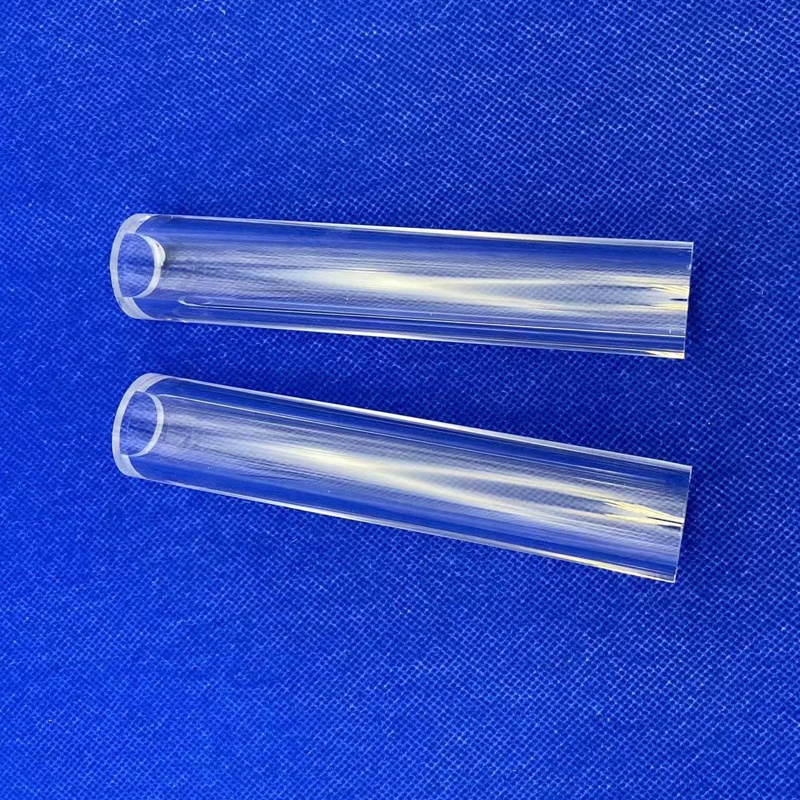
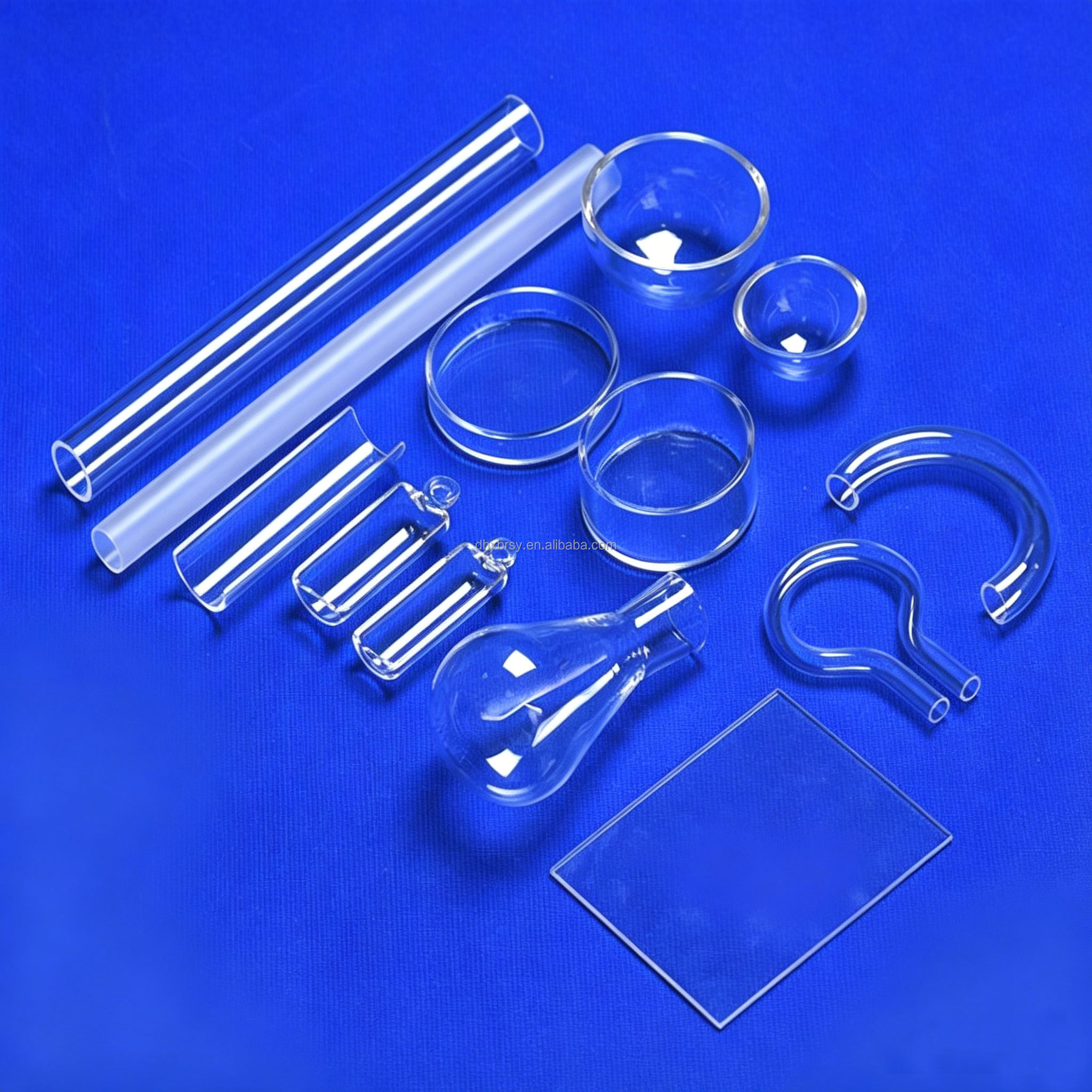
Engineered for high-temperature stability, exceptional chemical resistance against harsh reagents, and high optical transmission across UV-Vis-NIR spectra.
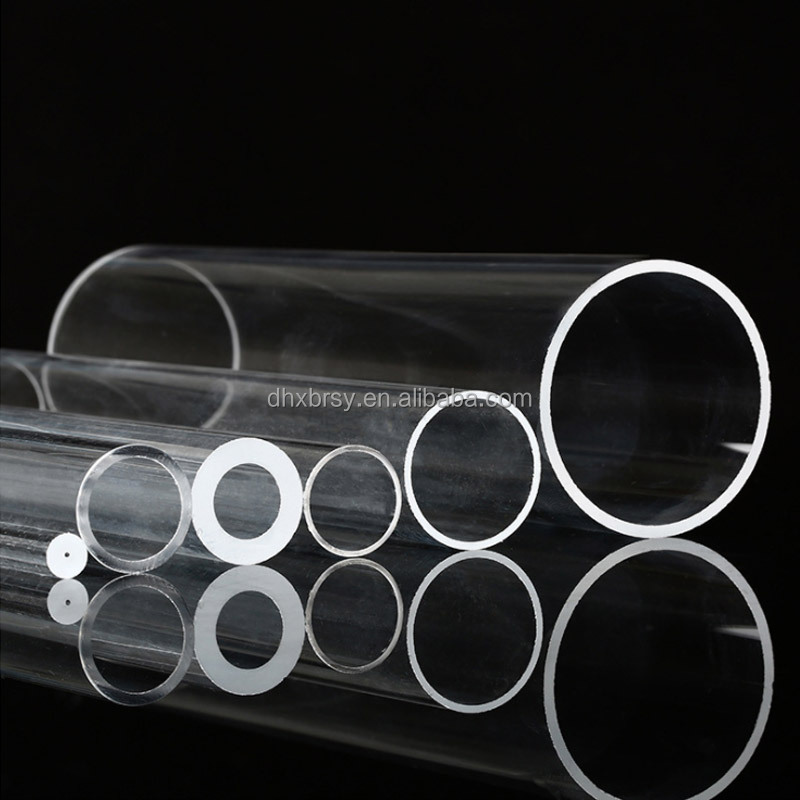
Designed for photovoltaic cell sintering and industrial tube furnaces, offering continuous thermal endurance at 1100°C and superior optical transmission.
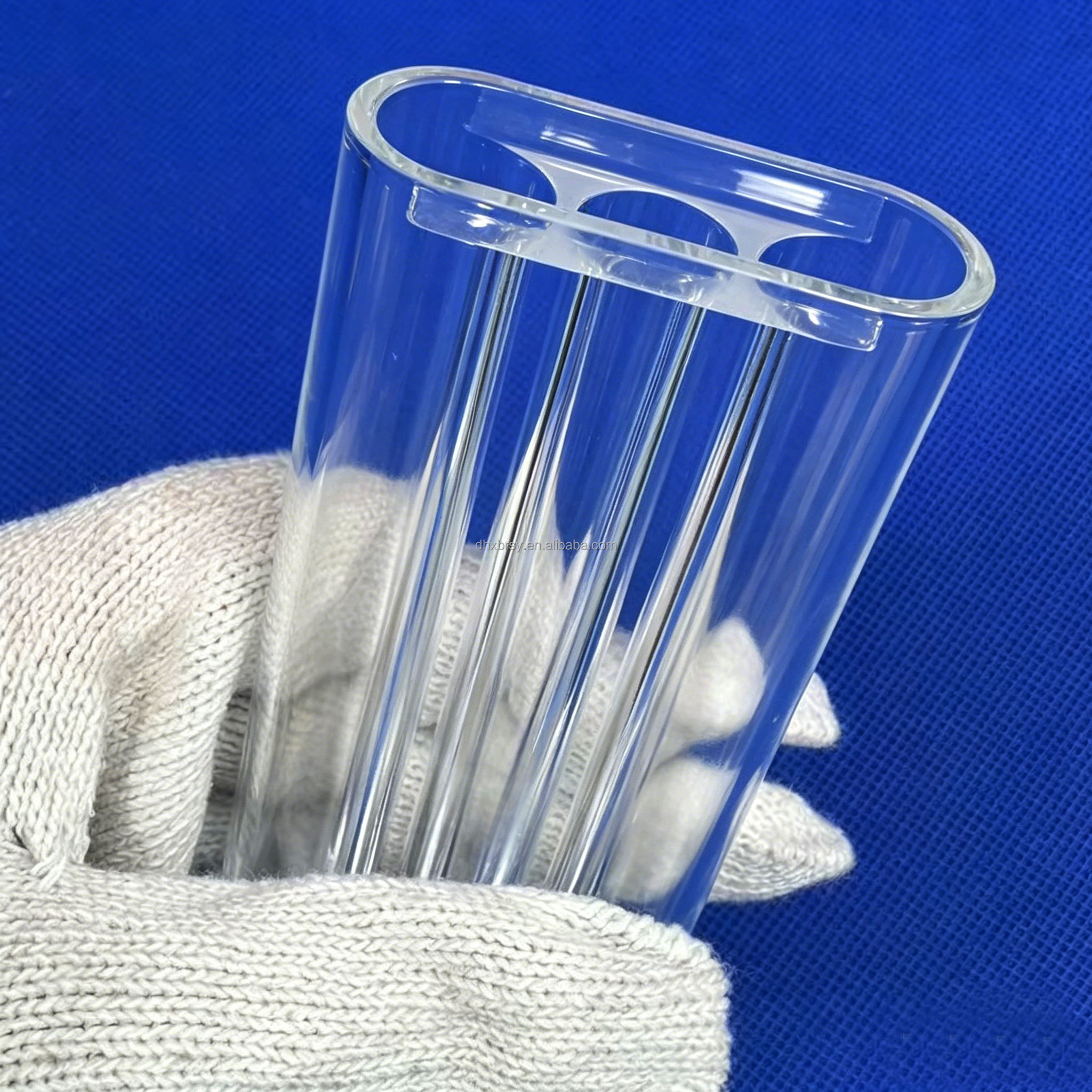
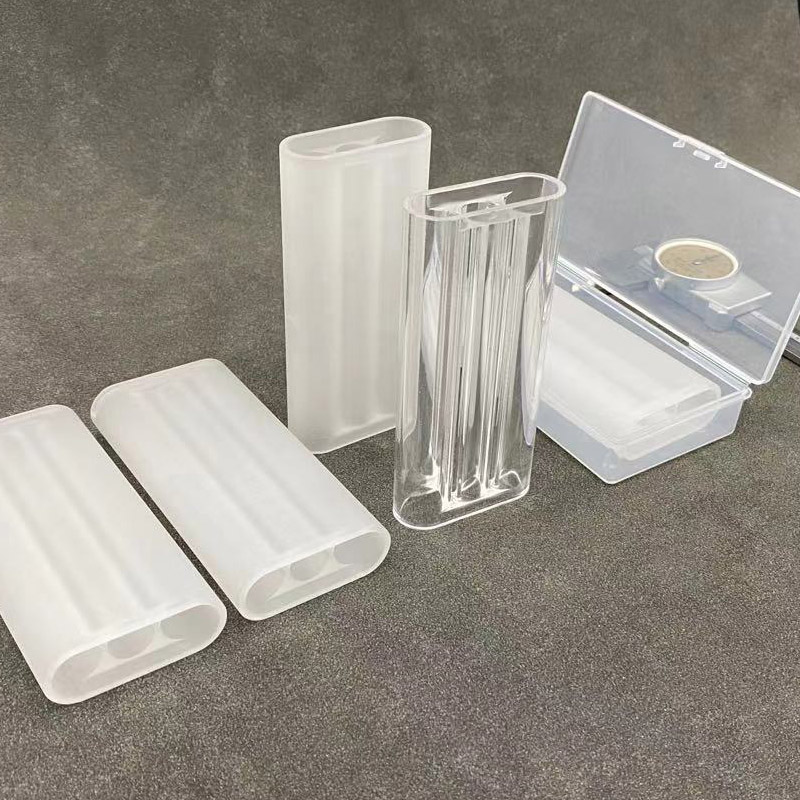
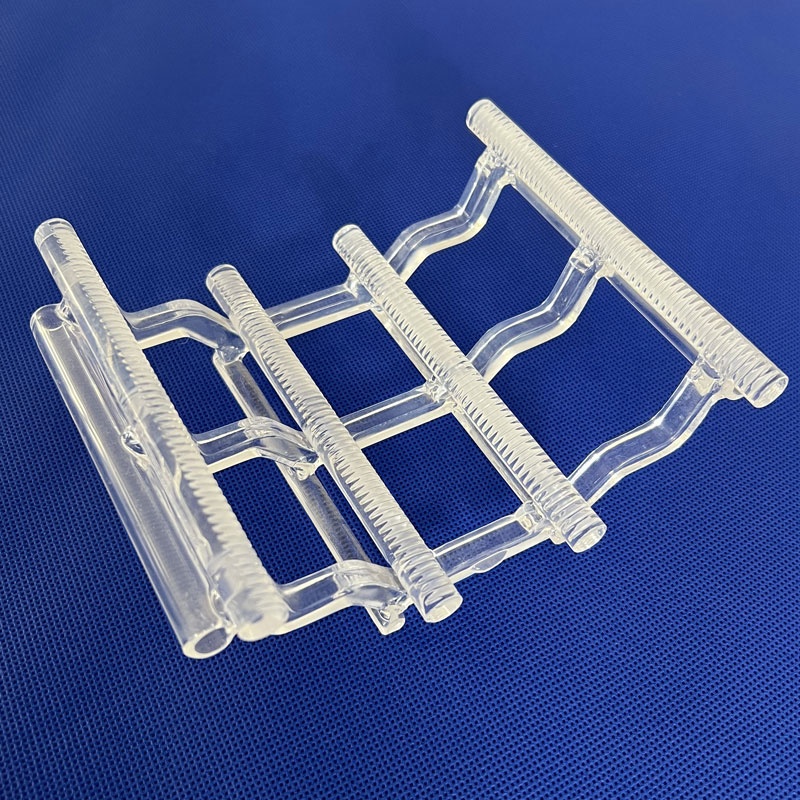
High-precision slot pitch quartz carrier designed for chemical vapor deposition (CVD), cleanroom etching, and solar/microelectronics silicon wafer handling.
Precision Quartz Applications Across the Czech Industrial Landscape
From Prague's leading academic laser laboratories to Brno's semiconductor and electron microscopy clusters, our fused quartz apparatus delivers certified optical clarity and thermal resilience.
Advanced Laser & Photon Science (HiLASE & ELI Beamlines)
The Czech Republic is a powerhouse in European laser innovation, home to the ELI Beamlines Facility in Dolní Břežany and the HiLASE Centre. These high-peak-power and high-repetition-rate laser systems demand ultra-pure synthetic fused silica (JGS1) windows, flow tubes, and debris shields with minimal wavefront distortion, ultra-low bubble inclusions (Class 0/1), and superior Laser-Induced Damage Thresholds (LIDT).
Semiconductor & Electron Microscopy Hub (Brno Cluster)
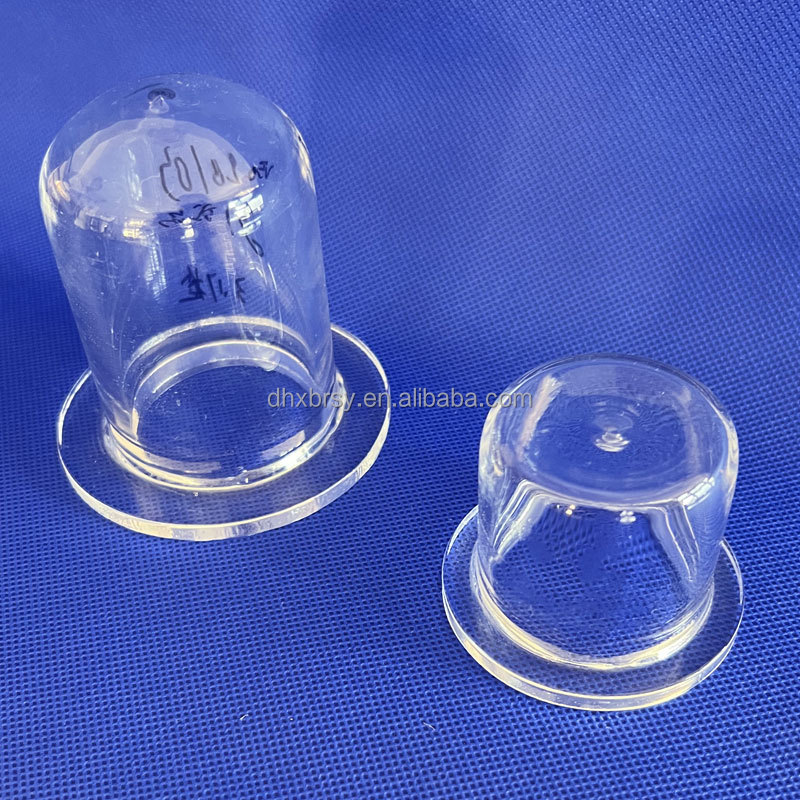
Brno produces over 30% of the world's high-end transmission and scanning electron microscopes (TEM/SEM) alongside wafer fabrication lines in Moravia. Our fused quartz wafer boats, high-vacuum bell jars, and custom CNC electron optic insulators provide complete chemical passivity, zero trace metal outgassing, and electrical insulation stability under intense high-voltage conditions.
Chemical Synthesis, Petrochemistry & Academic Research
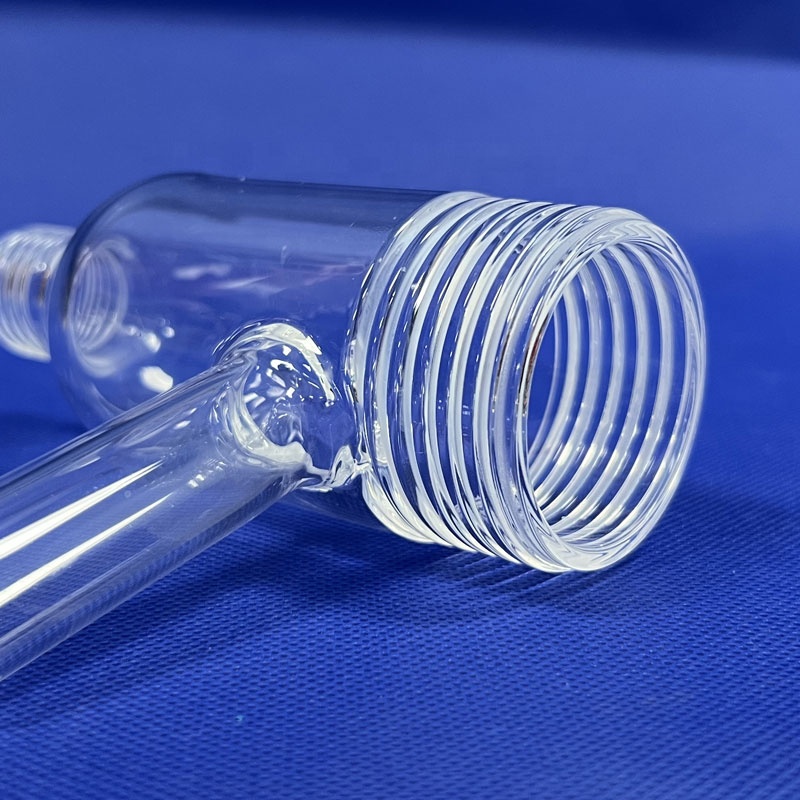
Czech academic leaders, including Charles University (Univerzita Karlova) and the University of Chemistry and Technology Prague (VŠCHT), conduct advanced heterogeneous catalysis and petrochemical research. Our threaded quartz reaction vessels, digestion tubes, and T-joints safely contain aggressive volatile acids (HF excluded) at continuous operating temperatures up to 1100°C.
A technical white paper perspective on the regulatory, technological, and manufacturing factors driving quartz glass procurement in Central Europe.
Sub-Nanometer Contamination & EU Chips Act Integration
As the Czech semiconductor corridor aligns with the European Chips Act initiatives, tolerance margins for alkali metal contaminants (Na, K, Li, Fe) have tightened to <1.5 ppm. Our advanced acid pickling and deionized ultrasonic cleansing cycles ensure pure crystalline networks, eliminating catastrophic wafer batch poisoning during 1200°C furnace drive-in steps.
Complex Multi-Axis CNC Quartz Machining
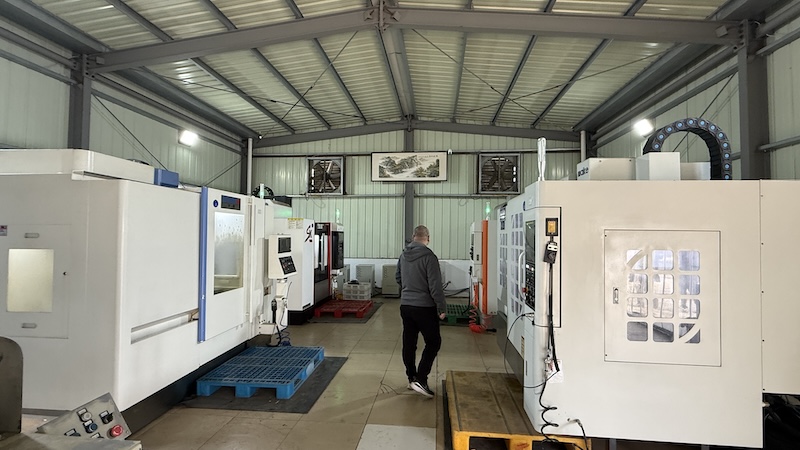
Traditional flame-blown laboratory glassware is rapidly being complemented by multi-axis CNC dry/wet-machined quartz blocks. Czech instrument designers increasingly design microfluidic manifold chips, multi-bore capillary flow channels, and precision-slotted carrier plates directly in CAD (STEP/DWG), requiring dimensional tolerances down to ±0.02 mm.
Supply Chain Resiliency & Direct Ex-Factory Auditing
Czech engineering procurement teams are actively optimizing logistics, moving away from expensive local retail intermediaries to direct factory partnerships. By partnering with SGS-audited manufacturers providing direct material test certificates, CE declarations, and RoHS test reports, Czech buyers achieve a 30–45% procurement cost reduction without compromising technical compliance.
Comprehensive engineering reference data for laboratory apparatus designers, optical engineers, and thermal system planners.
Property Parameter
Standard Value (Metric)
Significance for Laboratory Applications
Chemical Purity (SiO₂)
≥ 99.99%
Minimizes leaching, preserves sample integrity in trace analysis.
Density (ρ)
2.20 × 10³ kg/m³
Lightweight structural integrity for vacuum viewports & vessels.
Thermal Expansion Coeff. (20–300°C)
5.5 × 10⁻⁷ K⁻¹
Virtually immune to extreme thermal shock (quenched from 1100°C).
Softening Point
1,730 °C
High thermal ceiling before mechanical deformation occurs.
Continuous Service Temperature
1,100 °C
Reliable continuous operation in CVD and sintering environments.
Peak Operating Temperature (Short-Term)
1,300 °C
Safe for rapid thermal annealing cycles and high-heat calcination.
Dielectric Strength (20°C, 1MHz)
2.5 × 10⁷ V/m
Exceptional electrical isolation in plasma, laser, and ozone systems.
Spectral Transmission Window
185 nm – 2,500 nm (JGS1)
Full UV to NIR clarity for spectrometry and excimer laser optics.
Manufacturing Excellence
Why Leading Czech Organizations Source From Lovri Quartz
Integrated manufacturing, end-to-end quality assurance, and dedicated engineering support direct from the silica cluster.
Source Factory Purity
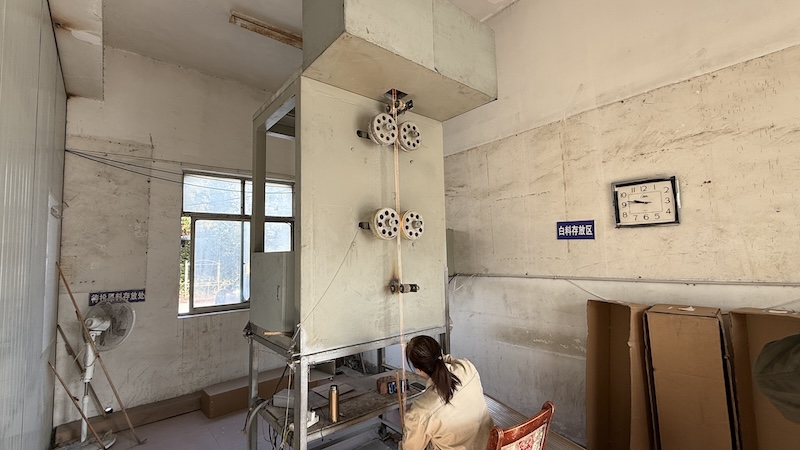
Located in Lianyungang, we control the entire lifecycle from raw quartz rock crushing, pulverizing, and acid pickling to 99.99% SiO₂ drawing, guaranteeing absolute batch purity.
SGS Onsite Assessment
Our 14,271 m² production facility has undergone stringent independent factory auditing by SGS Group, verifying legal compliance, shop-floor safety, and capacity.
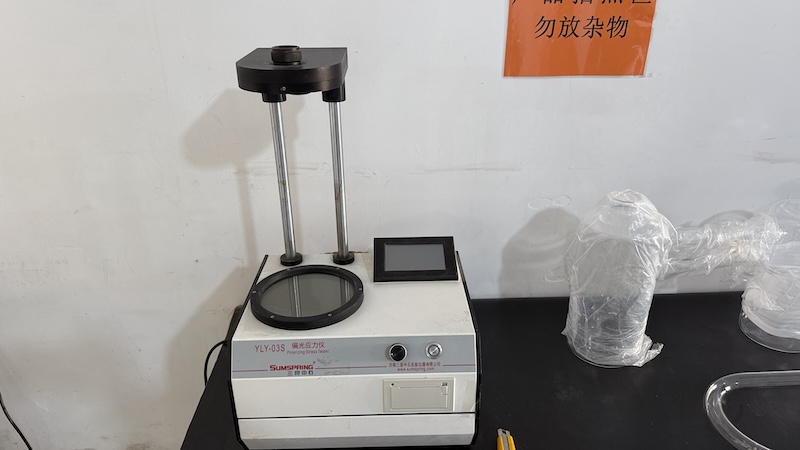
100% Polarization Stress Inspection
Every furnace tube, cuvette, and optical flange is thoroughly stress-annealed and inspected with polarization stress testers to prevent spontaneous thermal shattering.
Export-Grade Crating for EU Freight
Fragile quartz apparatus arrives safely across the Czech Republic via specialized high-density EPE foam cradles, vapor-barrier wrapping, and export-compliant wooden crates.
14,271 m² SGS-Verified Facility
Precision CNC Center
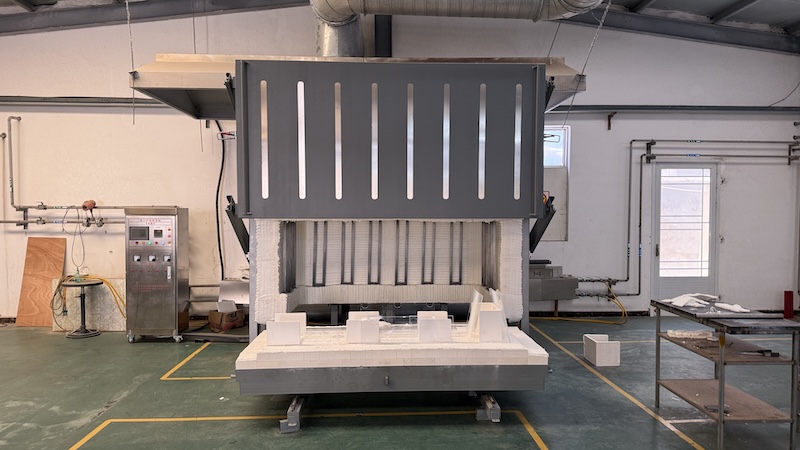
High-Temperature Annealing
Polarization Stress Inspection
Procurement Knowledge Base
Frequently Asked Questions by Czech Engineers & Buyers
Clear, direct technical answers addressing customs, materials, drawing formats, and thermal performance.
What are the customs, VAT, and duty procedures when importing to the Czech Republic?
Imports into the Czech Republic are subject to standard EU TARIC codes (typically under heading 7017 for laboratory glassware). As an EU member, shipments clear customs via Prague Václav Havel Airport or European maritime ports (Hamburg/Rotterdam) directly to your facility under DDP, DAP, or CIF Incoterms. We provide all commercial invoices, packing lists with net/gross weights, EUR1 declarations, and Certificates of Origin (CO) to ensure frictionless customs release.
Which quartz grade should we specify: JGS1, JGS2, or JGS3?
The choice is dictated by your wavelength transmission requirements. JGS1 (synthetic silica) is mandatory for deep-UV laser systems, excimer optics, and UV-Vis spectrophotometry (185–2500 nm) with zero bubble inclusions. JGS2 (fused natural quartz) offers high optical performance from 220–2500 nm, making it the industry standard for observation windows, reaction tubes, and furnace viewports. JGS3 provides superior infrared transmission up to 3500 nm, ideal for pyrometric viewports and infrared heating systems.
How does your factory prevent breakage during international air/sea transit?
We implement a multi-tiered export packing protocol tested against transit shock. Every quartz vessel, tube, or wafer carrier is individually vacuum-sealed in anti-static PE bags, cushioned in custom-molded high-density EPE foam, packed inside double-wall corrugated inner cartons, and secured within ISPM-15 compliant, heat-treated plywood crates. We maintain a verified shipping damage rate of under 0.1% across European transit lanes.
Can you manufacture custom apparatus directly from CAD files?
Yes. Our engineering team routinely processes 3D CAD files in STEP, IGES, DXF, and DWG formats, as well as engineering PDFs. Whether you require custom standard-taper ground joints (e.g., NS 14/23, NS 29/32), threaded GL caps, quartz-to-metal graded seals, or multi-bore laser flow sleeves, our technicians verify dimensional tolerances (down to ±0.02 mm) before initiating CNC milling and flame welding.
What is the minimum order quantity (MOQ) for custom prototypes?
We offer an agile R&D policy with an MOQ of just 1 piece for standard laboratory tubes, customized reactor vessels, and optical windows. This enables research teams at universities, start-ups, and corporate labs to thoroughly evaluate fit, thermal dynamics, and chemical compatibility before committing to commercial production volumes.
How do fused quartz components behave under thermal shock?
Fused quartz exhibits one of the lowest coefficients of thermal expansion of any solid material (approximately 5.5 × 10⁻⁷ K⁻¹). A red-hot quartz tube heated to 1100°C can be plunged immediately into ice-cold water without structural cracking or stress crazing—a critical physical attribute for rapid thermal processing, plasma etching, and high-heat synthesis.
Direct Engineering Consultation
Accelerate Your Project with Certified Quartz Glass Solutions
Need custom quartz glassware, UV optical windows, or high-temperature reaction tubes delivered to your Czech laboratory or facility? Share your CAD drawings or technical specifications today for an engineering review and ex-factory quotation within 24 hours.