Precision Fused Quartz Product Portfolio
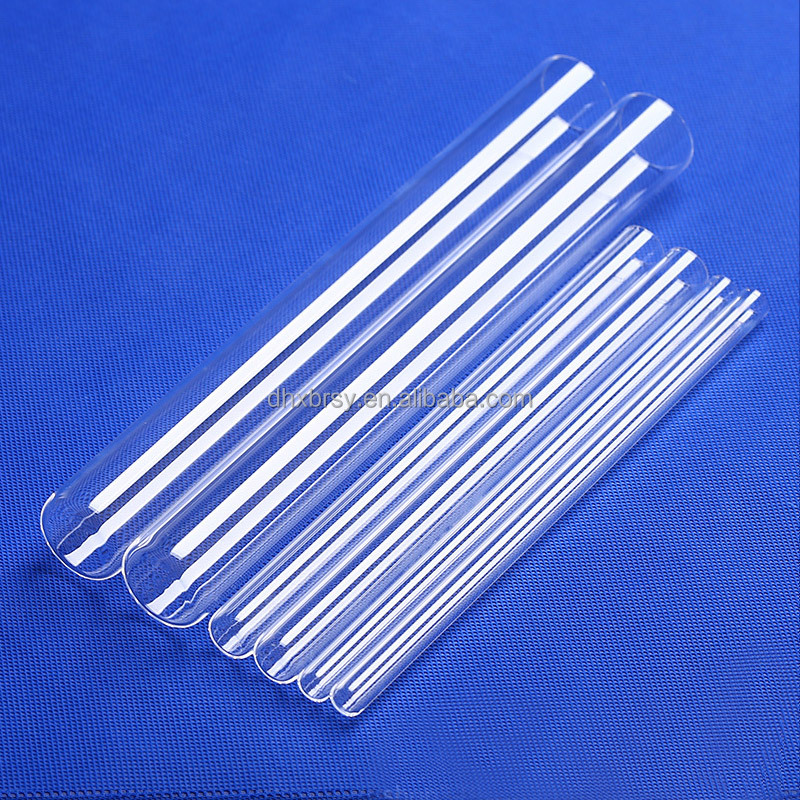
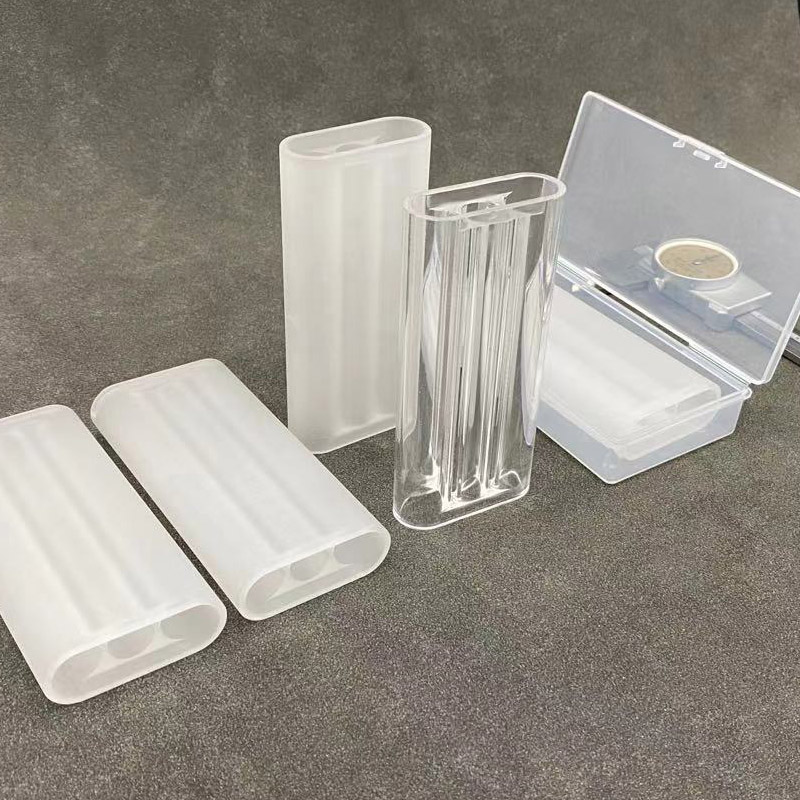
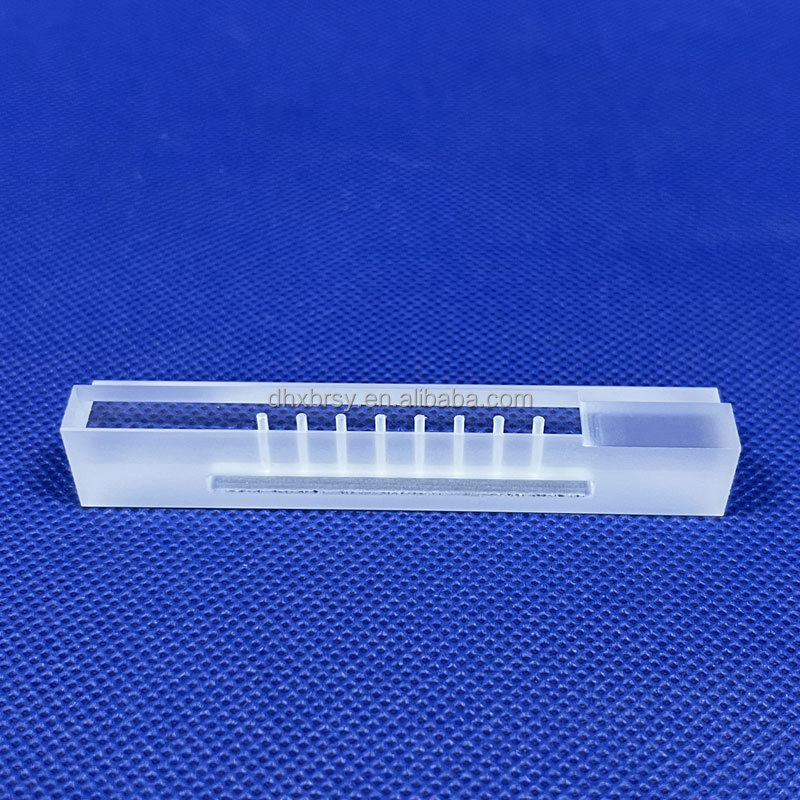
Explore our export-ready fused quartz reaction components, ultra-high purity sheets, precision flow tubes, and specialized CNC machined reactor accessories configured to ASTM & SEMI semiconductor standards for US industrial and scientific procurement.

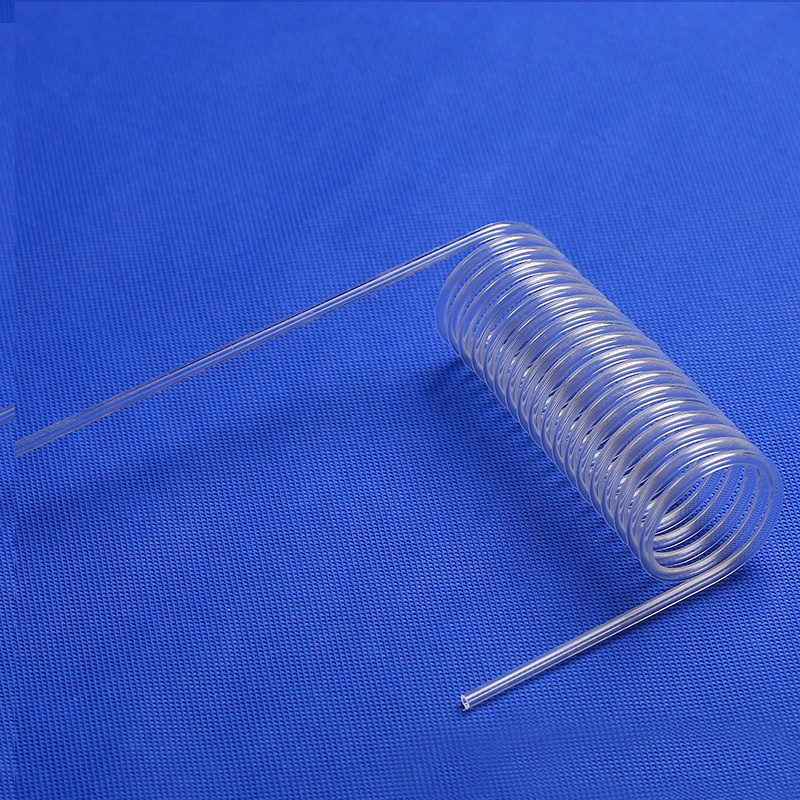
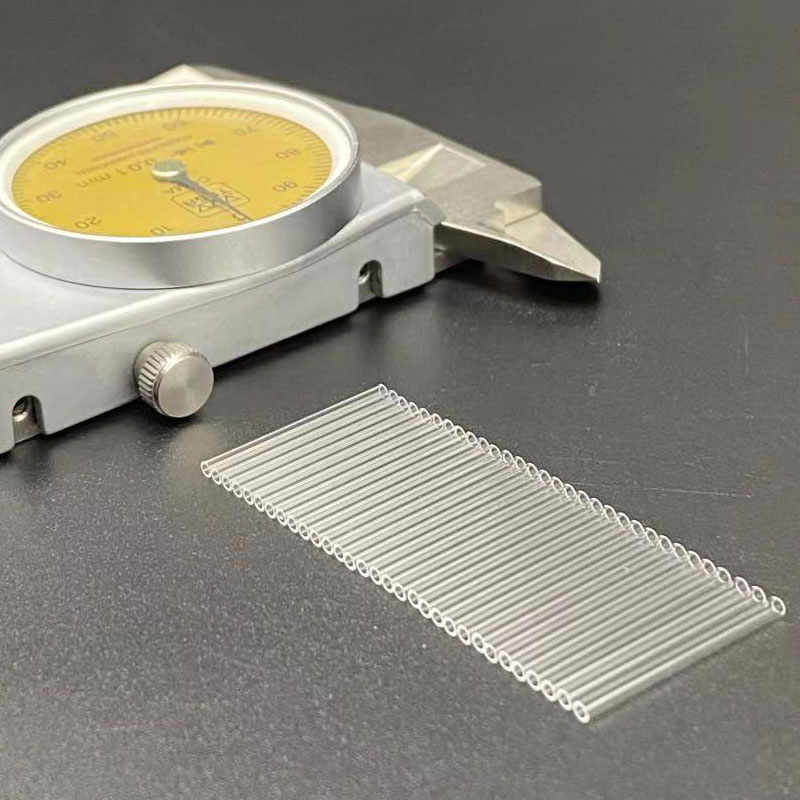
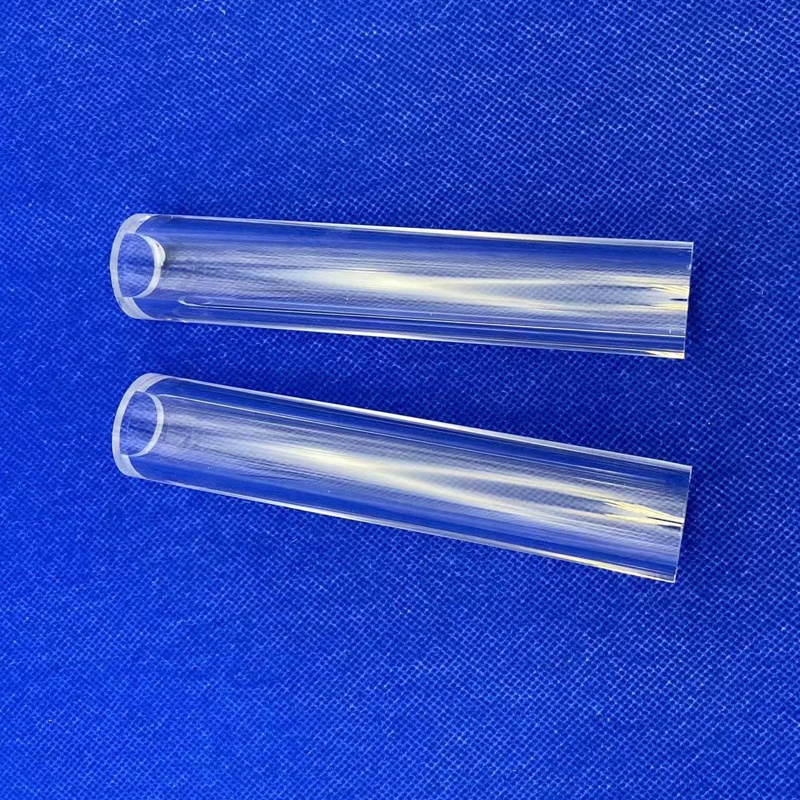
Engineering Thermodynamics of Fused Quartz Reaction Vessels in US Advanced Chemistry
In high-stakes laboratory research, semiconductor chemical vapor deposition (CVD), and active pharmaceutical ingredient (API) continuous flow synthesis across the United States, vessel material degradation remains the leading source of batch contamination, runaway thermal excursions, and catastrophic failure. While standard borosilicate glassware (ASTM E438 Type I, Class A) suffices for low-temperature reflux operations below 250°C, it suffers rapid boron leaching, structural bowing under vacuum above 450°C, and failure during sharp thermal gradients.
A specialized quartz reaction flask fabricated from high-purity synthetic or electrically fused silica (SiO₂ ≥ 99.99%) resolves these foundational thermodynamic limitations. With an ultra-low linear coefficient of thermal expansion of approximately 5.5 × 10⁻⁷ /°C between 20°C and 320°C—roughly one-sixth that of borosilicate 3.3—fused quartz flasks withstand extreme instantaneous thermal shock. Liquid nitrogen cold-traps (-196°C) can be coupled directly into inductive or direct flame zones without thermal stress fractures, enabling complex organometallic reactions, high-temperature chlorinations, and vacuum-sealed pyrolysis.
Optical Transmission & Photochemical Immersion Wells
For photochemical synthesis pipelines throughout North American research hubs (such as Boston’s biotech cluster and the Research Triangle in North Carolina), synthetic fused silica grades such as JGS1 exhibit an optical transmission window extending down to 185 nm in the deep ultraviolet (DUV) spectrum. Standard laboratory glassware absorbs all radiation below 310 nm, arresting UV-C induced cross-linking and free-radical photochemical conversions. Custom three-neck and four-neck quartz flasks configured with internal double-jacketed immersion wells allow water-cooled excimer and medium-pressure mercury arc lamps to illuminate reactive mixtures directly without spectral loss or solarization-induced optical clouding.
| Physical / Chemical Property | Fused Quartz (Lovri JGS1 / JGS2) | Standard Borosilicate 3.3 | Fluoropolymer (PTFE / PFA) |
|---|---|---|---|
| Silica Purity (SiO₂) | ≥ 99.99% | ≈ 81% (contains B₂O₃, Na₂O, Al₂O₃) | 0% (C₂F₄ Backbone) |
| Continuous Max Temp | 1100°C to 1150°C | ≈ 230°C to 450°C (Stress limit) | 260°C |
| Short-Term Max Temp | 1350°C - 1400°C | ≈ 500°C | 300°C |
| Thermal Expansion (CTE) | 5.5 × 10⁻⁷ /°C | 33 × 10⁻⁷ /°C | 1000 - 2000 × 10⁻⁷ /°C |
| UV Transmittance (254 nm) | > 90% (JGS1 Grade) | < 5% (Total Cutoff) | Semi-translucent / Opaque |
| Trace Leachable Boron | < 0.05 ppm (ICP-MS undetectable) | Significant (Leaches under acid/base) | None (Organic extractables present) |
| Devitrification Point | ≈ 1150°C (Formation of Cristobalite) | N/A (Softens to Liquid at 820°C) | Melts at 327°C |
Furthermore, because our vessels are fabricated from chemically purified quartz sand and synthetic fused silica ingots, trace metallic extractables—including Iron (Fe < 0.2 ppm), Aluminum (Al < 8 ppm), Sodium (Na < 0.7 ppm), and Potassium (K < 0.5 ppm)—are strictly contained below critical limits. This makes our reaction flasks the preferred choice for US semiconductor wafer-cleaning precursor testing and catalyst synthesis where alkali metal ionic drift ruins microelectronic transistor yields.
Localized Applications Across United States Industries
From advanced cleanrooms in Texas and Oregon to pharmaceutical chemistry corridors on the East Coast, our quartz reaction flasks and bespoke fused silica glass apparatus meet the rigorous manufacturing and R&D protocols of major US technological sectors.
Semiconductor Precursors (AZ, TX, OR, NY)
US front-end wafer fabrication facilities in Austin, Phoenix, and upstate New York require ultra-pure organosilicon, high-k dielectric, and metalorganic CVD precursors. Our jacketed quartz reaction flasks allow synthetic chemists to distill and distill-fractionate liquid precursor halides without heavy metal ion contamination or micro-cracking from pyrophoric reagents.
Continuous Flow APIs & Bio-Pharma (NJ, PA, MA)
Contract Development and Manufacturing Organizations (CDMOs) across the Boston-Cambridge corridor use custom multi-neck quartz reaction flasks with ground ball-and-socket or threaded joints. Fused quartz ensures zero leachables during aggressive peptide coupling, continuous fluorinations, and cryogenic Grignard additions operated under strict cGMP protocols.
Photocatalysis & Solar Fuels (National Labs)
National energy research complexes (such as NREL, Argonne, and Oak Ridge) utilize our JGS1 UV-transparent quartz photochemical reactors for artificial photosynthesis and green hydrogen generation experiments. High transmittance down to 185 nm ensures maximized quantum photon absorption without reactive vessel solarization.
Advanced Polyimides & Defense Materials
Aerospace and defense contractors synthesizing specialty polyimide resins and fluorinated aerospace sealants require continuous polymerizations exceeding 400°C under high vacuum. Lovri heavy-wall round bottom flasks maintain absolute sphericity and geometric integrity without wall inward-collapse or vacuum implosion.
US Fused Quartz Sourcing Trends: CHIPS Act & Supply Chain Resilience
The US industrial landscape is undergoing massive capital reinvestment, directly impacting technical glass requirements. Sourcing directors require reliable, scalable quartz supply partners that adhere to strict quality governance.
CHIPS Act & Domestic Chemical Reshoring
The implementation of the US CHIPS and Science Act has accelerated domestic fab construction, triggering an unprecedented demand for ultra-pure electronic-grade precursor chemicals (such as high-purity silane, TEOS, and titanium halides). Sourcing managers are increasingly replacing legacy borosilicate distillation setups with high-vacuum quartz reaction flasks to comply with stringent SEMI C-grade electronic chemical impurity criteria.
Shift from Batch to Continuous High-Temperature Micro-Flow
Modern US pharmaceutical process engineering is transitioning toward continuous flow platforms to minimize footprint and improve yield stability. Process development teams are moving away from massive glass-lined steel batch kettles in favor of modular fused quartz tubular and multi-port jacketed flow reactors that handle fast exothermic reactions at extreme operational pressures and temperatures without corrosion.
Demand for Custom CAD-to-Flame Machined Apparatus
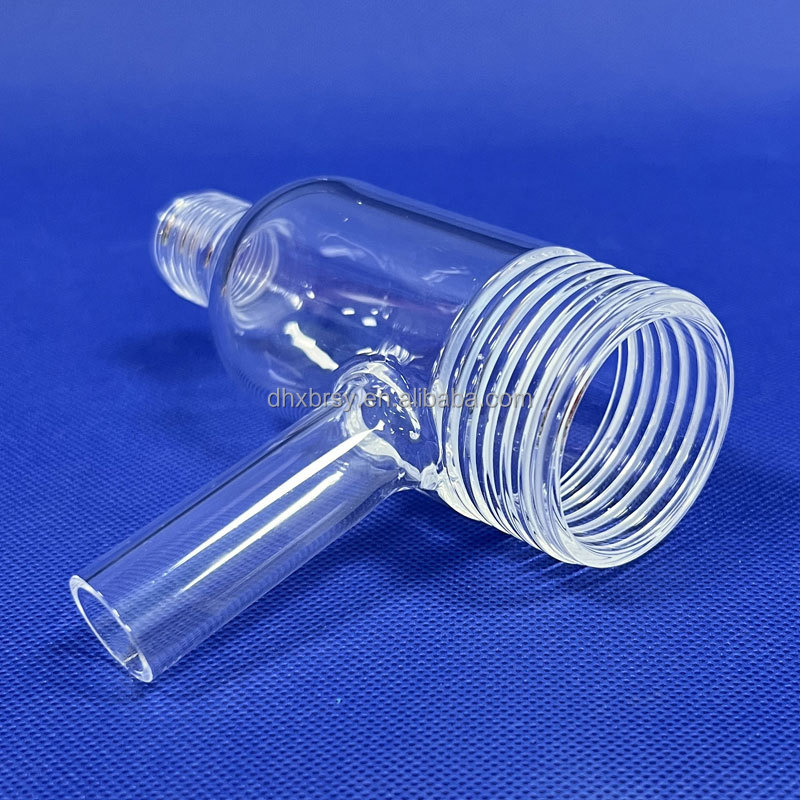
US procurement teams are rejecting off-the-shelf catalog limits in favor of custom drawing fabrication. Lovri provides turnkey execution from STEP, DWG, and PDF engineering files—integrating Schott-style Duran flange connections, standard taper joints (14/20, 24/40, 29/42), GL-threaded sidearms, and sintered quartz porous disc filters into one seamless, flame-welded monolith.
Why US Procurement Teams Choose Lovri Quartz
Combining the natural quartz raw material advantages of Lianyungang, China with SGS onsite verification, our direct-factory model delivers tier-one fused quartz engineering with substantial lead time and cost advantages.
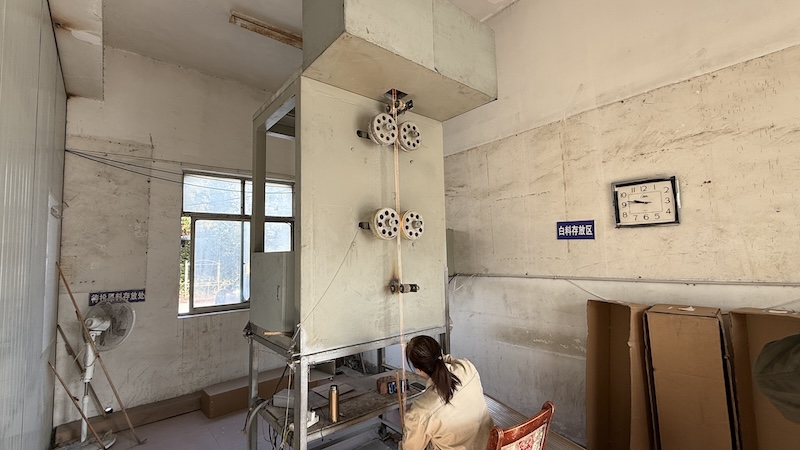
End-to-End Purity Control from Raw Ingot to Final Annealed Vessel
Unlike secondary glassblowers who purchase commercial tubing from unverified distributors, Lovri controls the entire vertically integrated quartz manufacturing chain:
- In-House Acid Pickling & Refining: Raw natural crystalline lumps undergo crushing, rescreening, and hydrofluoric/nitric acid washing to remove microscopic iron, lithium, and refractory metal inclusions prior to fusion.
- 12+ Manufacturing Steps In-House: From electric continuous drawing of precision tubing to lathe-assisted spherical blowing, automated CNC water-jet slotting, and optical face polishing.
- Polariscope Stress Inspection: Every reaction flask is soaked at 1215°C in programmable annealing kilns to eliminate structural strain, followed by polarization stress inspection to ensure residual retardation < 10 nm/cm.
- Rapid Prototyping (Low MOQ): Support for single-piece customized prototypes up to container-load production runs, tailored for US university spin-offs, national labs, and multinational OEMs.
Frequently Asked Questions: US Buyer Guidance
Key technical, regulatory, and logistics answers for purchasing agents, lab managers, and supply chain coordinators importing fused quartz apparatus into the United States.
Q1: What is the primary operational difference between JGS1, JGS2, and JGS3 quartz reaction flasks?
Answer: JGS1 is synthetic fused silica made from silicon tetrachloride (SiCl₄), offering pristine deep-UV transmission (185–2500 nm) with virtually zero bubble inclusions—critical for photochemical reactions and UV-C crosslinking. JGS2 is flame-fused quartz from high-purity natural silica sand, covering 220–2500 nm, making it the most cost-effective standard for high-temperature reflux and organic synthesis. JGS3 is electrically fused silica, optimized for near-infrared transmission (up to 3500 nm) with exceptionally low hydroxyl (OH⁻) content (< 5 ppm), ideal for IR-heated reaction vessels and moisture-free gas phase catalysis.
Q2: How do you ensure fragile quartz flasks survive international transatlantic and air transit to the USA?
Answer: We employ a three-tier drop-tested export packaging system compliant with ISTA 3A standards. Each flask is first heat-sealed inside a cleanroom dust-free polyethylene sleeve, then encased in form-molded, high-density polyethylene (EPE) expanding foam that isolates the vessel from external wall impacts. The inner cartons are subsequently placed into reinforced, moisture-resistant multi-layer corrugated boxes or custom heat-treated (ISPM-15 compliant) plywood crates with built-in tilt and shock sensors for real-time handling verification.
Q3: Can you fabricate reaction flasks with standard US ground joints (e.g., Standard Taper 24/40, 29/42, or Ace Glass threads)?
Answer: Yes. Our CNC glass lathes and master glassblowers regularly grind standard US joint configurations, including standard taper (ST 14/20, 24/40, 29/42, 45/50), spherical ball-and-socket joints (e.g., 28/15, 35/20), flat O-ring flanges, Schott-type Duran KF/NW vacuum flanges, and GL-14 through GL-45 threaded screw neck fittings. If your drawing requires custom port angles for thermowells, baffles, or reflux condensers, we construct the unit exactly to your STEP, DWG, or PDF specifications.
Q4: What are the US Harmonized Tariff Schedule (HTS) codes and documentation provided for customs clearance?
Answer: Fused quartz reaction flasks and laboratory apparatus are typically classified under HTS Code 7017.10.00 (Laboratory, hygienic or pharmaceutical glassware, whether or not graduated or calibrated: Of fused quartz or other fused silica). We provide complete commercial invoices, packing lists with net/gross weights, certificates of origin, RoHS material compliance statements, and polarimetric stress inspection reports for seamless US Customs and Border Protection (CBP) clearance via your designated freight forwarder.
Q5: How does fused quartz react to aggressive chemicals like hydrofluoric acid or hot alkaline solutions?
Answer: Fused quartz is completely inert to almost all organic solvents, halogens, concentrated sulfuric, nitric, and hydrochloric acids at temperatures up to 1000°C. However, it is chemically attacked by Hydrofluoric Acid (HF) at any temperature, forming gaseous silicon tetrafluoride (SiF₄), and by hot concentrated phosphoric acid above 150°C. Strong alkaline bases (such as boiling NaOH or KOH) will gradually etch the silica surface and accelerate devitrification into cristobalite if operated at elevated temperatures.
Q6: What is the typical lead time for custom engineered quartz reaction vessels shipped to US facilities?
Answer: For standard sized round-bottom quartz flasks and catalog tubes, ready-stock items ship within 3 to 5 business days. For customized multi-neck reaction vessels, jacketed chemical reactors, or precision CNC-machined apparatus, prototype manufacturing typically requires 10 to 18 calendar days following drawing sign-off. Express door-to-door air freight (via FedEx, DHL, or UPS Air Cargo) delivers to anywhere in the contiguous United States within 4 to 7 business days.
Accelerate Your Project with Certified Quartz Engineering
Whether you require a single high-temperature custom reaction vessel for a university breakthrough or high-volume recurring shipments of SEMI-standard quartz reaction tubes for industrial CVD tools, our technical sales engineers will review your drawings within 24 hours.