Precision Fused Quartz & Silica Component Series
Manufactured from ultra-pure refined SiO₂ (≥ 99.99%) with high thermal endurance up to 1300°C, extreme chemical inertness, and deep UV-to-NIR transmittance across standard and custom industrial geometries.
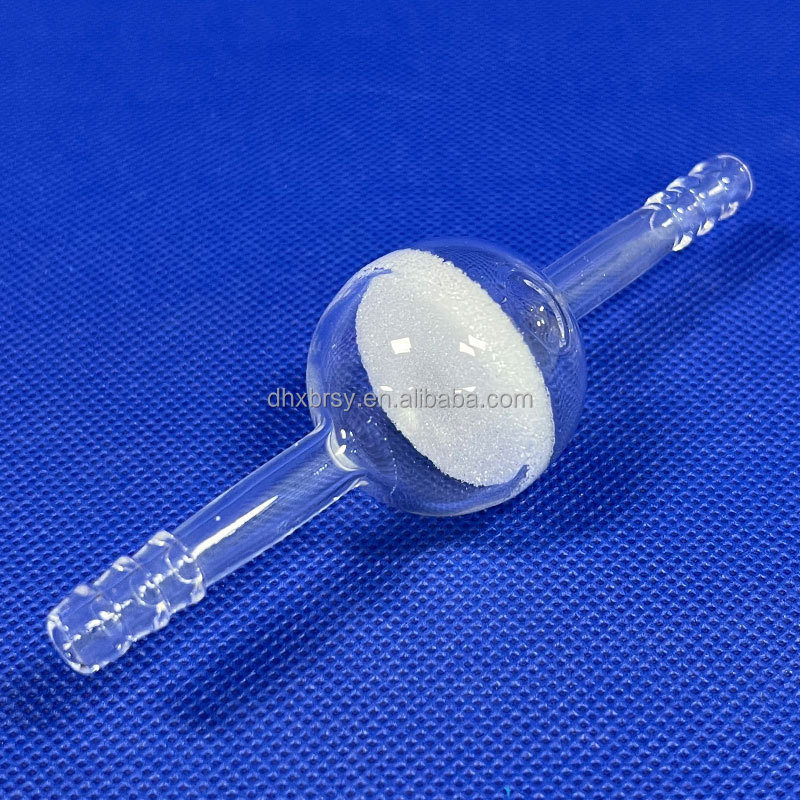
Fused Quartz Sheet & Digestion Tube
Ultra-high optical transmittance with micro-machined dimensional stability, RoHS certified for critical analytical chemistry and digestion vessels.
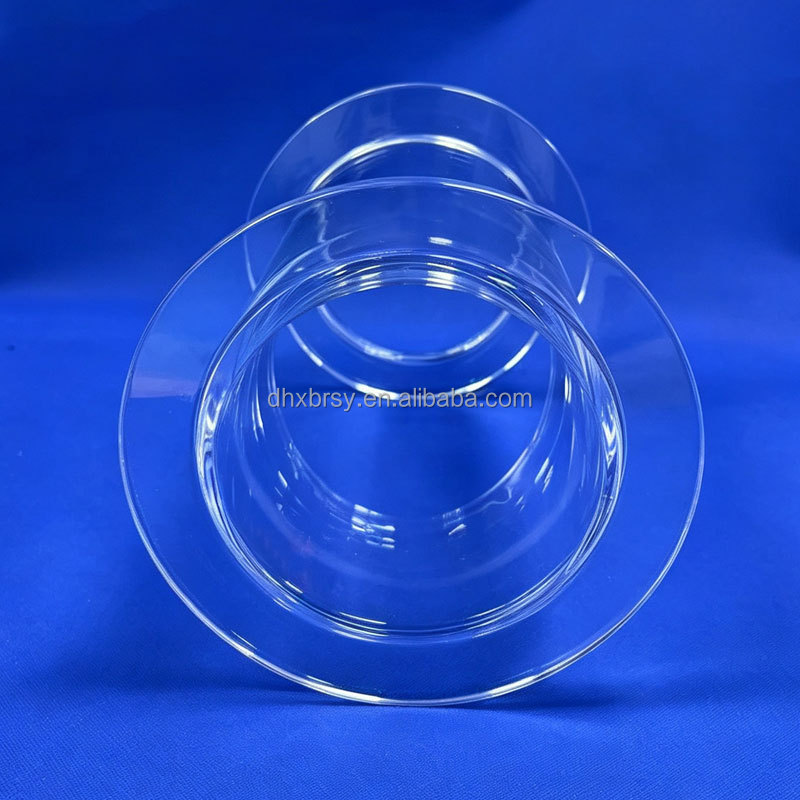
Double Flange CVD Reaction Cylinder
High-purity 99.99% fused silica chamber engineered for high-vacuum thin-film CVD deposition and aggressive plasma processing.

One-End Closed Fused Silica Test Tube
Precision round/flat closed-end quartz tubes providing optimal vacuum retention and thermal shock survivability in cleanroom testing.
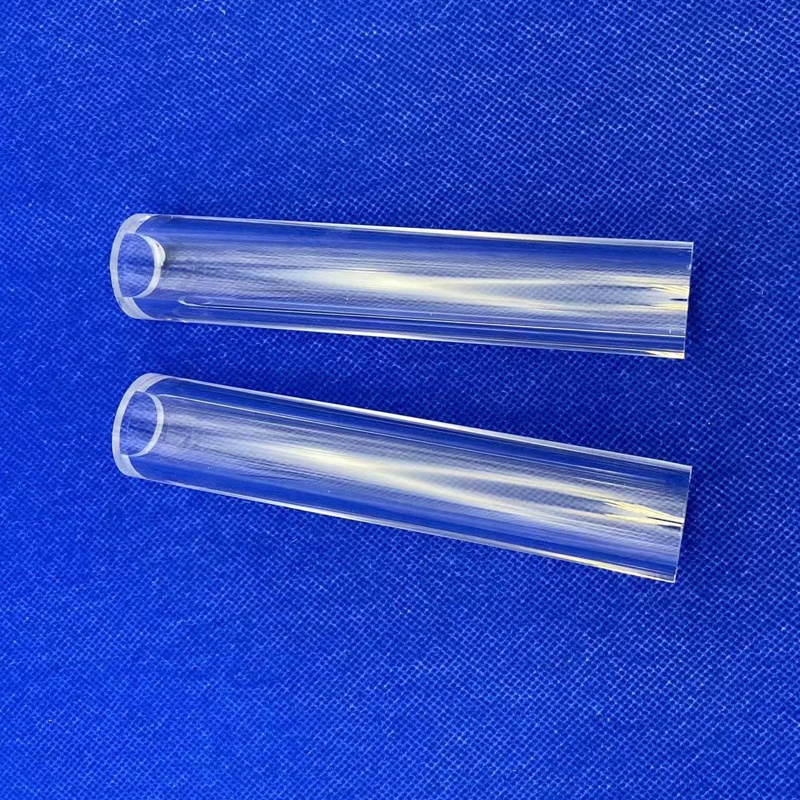
High-Precision Quartz Heat & Ozone Tube
Designed for corona discharge ozone synthesis and far-infrared emitters, tolerating continuous thermal cycles above 1100°C.
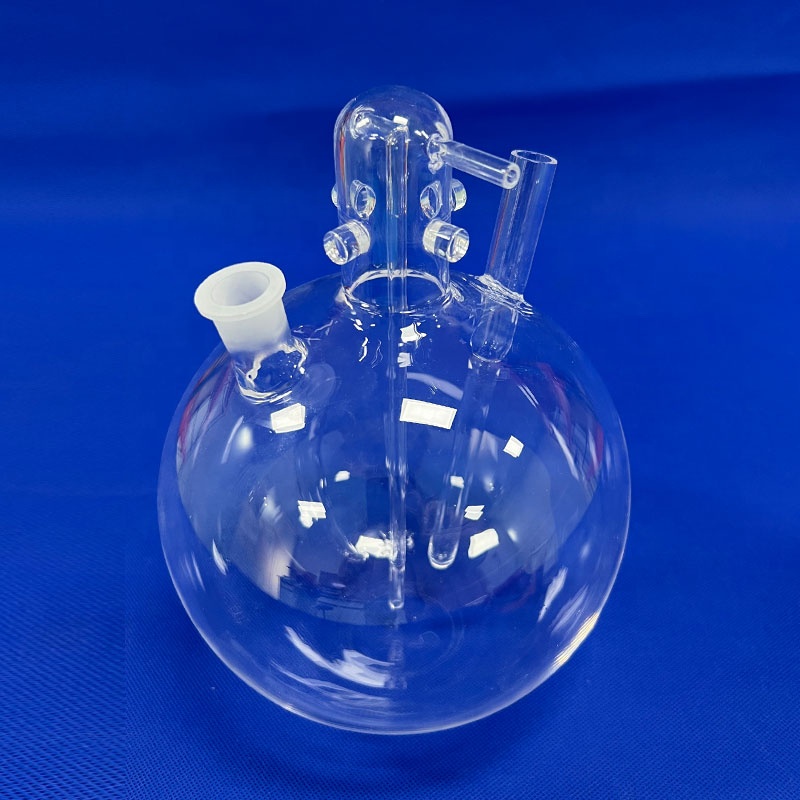
Quartz Laser Machinery Flow Reactor
Custom multi-bore laser chambers, cooling jackets, and flow reactors configured with negligible bubble inclusions and laser damage thresholds.
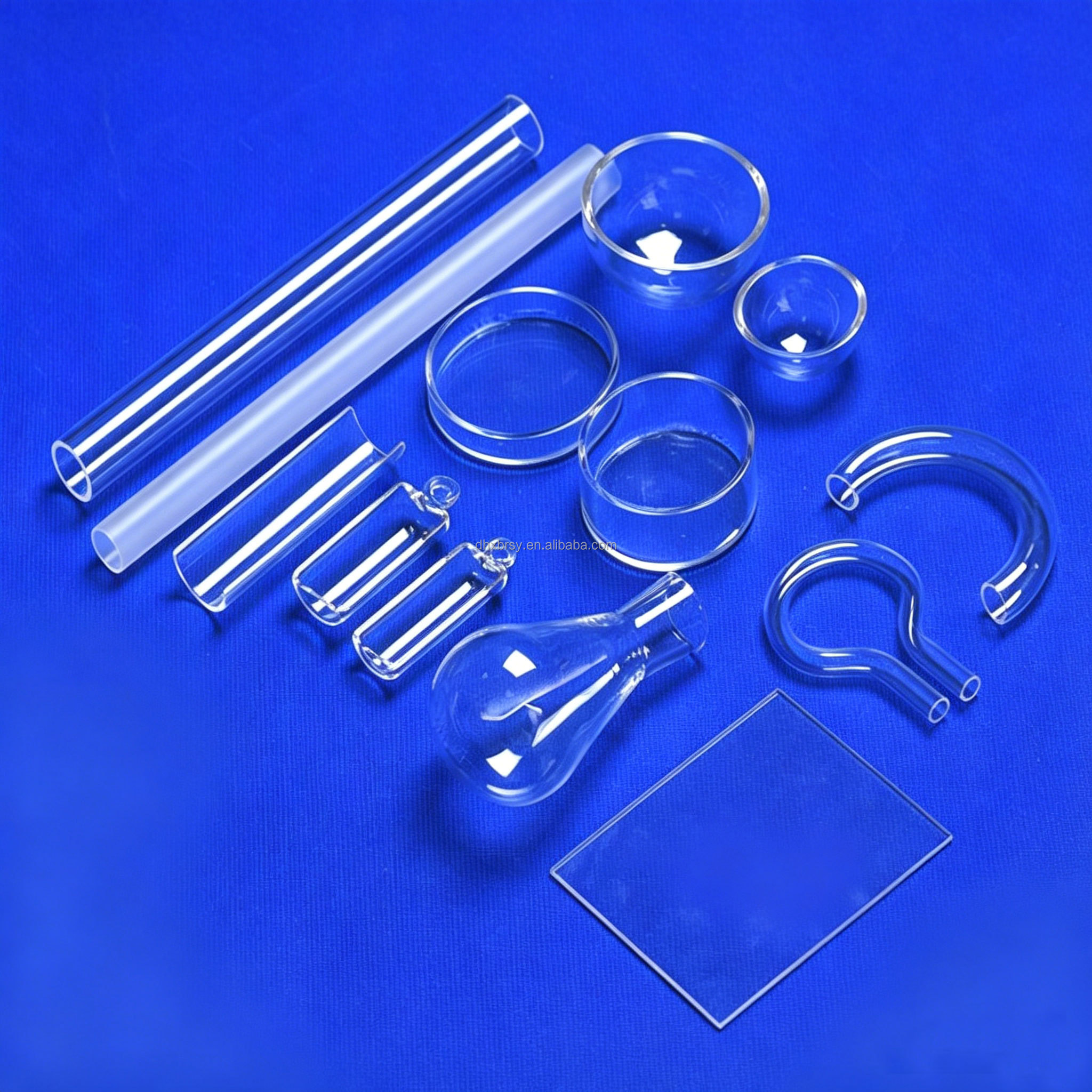
Custom Lab Quartz Glass Apparatus
Specialist hand-formed and lathe-turned glassware, distillation apparatus, and manifold connectors complying with ISO quality controls.
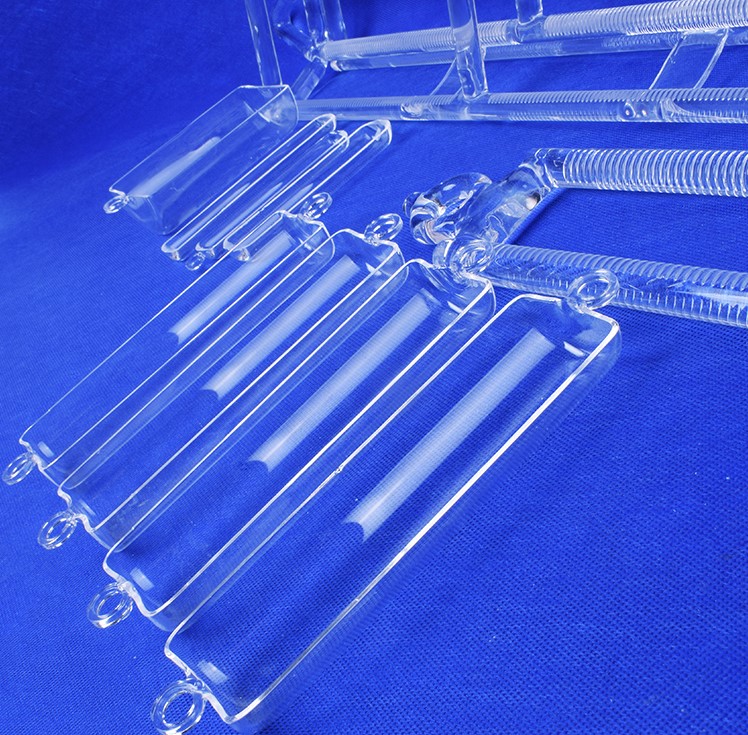
High Purity Fused Quartz Wafer Boat
Precision slotted wafer carriers designed for high-temperature diffusion furnaces, minimizing wafer slip and thermal gradient stresses.
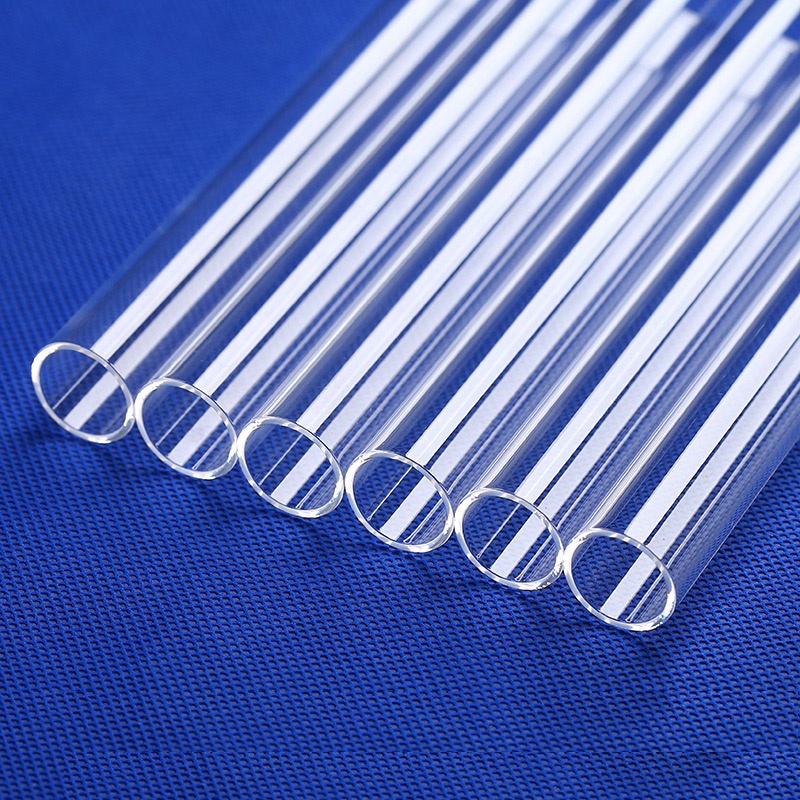
Heat-Resistant Quartz Glass Tubing
Calibrated OD/ID tolerances for clean pipeline delivery, semiconductor chemical etching lines, and high-frequency induction heating jackets.
Precision Fused Quartz Rod Manufacturing for the Espoo Deep-Tech Corridor
A rigorous examination of synthetic silica grades, dielectric integrity, thermal-shock resistance, and localized integration across the Otaniemi innovation cluster.
As the technological heart of Finland, Espoo—anchored by the Otaniemi science park, Aalto University, and VTT Technical Research Centre of Finland—represents Northern Europe's dense concentration of quantum computing development, photonics fabrication, micro-electromechanical systems (MEMS), and cleantech engineering. High-purity fused quartz rods and structural silica elements are the baseline mechanical and optical substrate upon which these advanced research and fabrication paradigms depend. In ultra-low vibration environments, extreme thermal gradients, and aggressive chemical deposition chambers, standard borosilicate or optical glasses fail catastrophically due to thermal expansion cracking, chemical degradation, or optical birefringence. Fused quartz, with its negligible coefficient of thermal expansion (∼ 5.5 × 10⁻⁷ /°C) and superior transmission bandwidth from deep ultraviolet (DUV 185 nm) into short-wave infrared (SWIR 3500 nm), forms the material foundation for Espoo's cutting-edge scientific installations.
For research labs and production equipment manufacturers located throughout Otaniemi, Keilaniemi, and the broader Uusimaa region, procuring high-purity quartz rods requires overcoming stringent logistical and technical thresholds. Fused quartz is not a monolithic generic material: the distinction between synthetic fused silica (such as JGS1), flame-fused natural quartz (JGS2), and electrically fused quartz (JGS3) dictates mechanical durability, hydroxyl (OH¯) concentration, bubble class, and performance under intense laser irradiation or cryogenic vacuum conditions. Direct sourcing from an integrated manufacturer possessing in-house raw silica refining, CNC multi-axis grinding, hot-work lathe processing, and batch polarization stress inspection guarantees that high-reliability applications perform predictably without premature failure.
Fused Silica Material Grade Classification for Nordic Engineering
Engineers and procurement specialists in Espoo must match specific operational wavelengths and atmospheric constraints with the correct fused silica categorization to prevent optical attenuation or solarization:
| Silica Grade | Manufacturing Technology | Transmission Band | OH Content | Core Applications in Espoo Hub |
|---|---|---|---|---|
| JGS1 (Synthetic Fused Silica) | Chemical vapor synthesis from silicon tetrachloride (SiCl₄) | 185 nm – 2500 nm (DUV to NIR) | < 5 – 30 ppm (or high OH UV grade) | Excimer lasers, semiconductor lithography alignment rods, UV spectroscopy, quantum optical flow-cells. |
| JGS2 (Optical Grade Quartz) | Oxy-hydrogen flame fusion of purified natural quartz sand | 220 nm – 2500 nm | ∼ 150 – 300 ppm | Optical sight glasses, high-power halogen light guides, thermal insulation spacers, standard laboratory rods. |
| JGS3 (Infrared Fused Quartz) | Vacuum electric fusion of natural high-purity quartz lumps | 260 nm – 3500 nm (Deep IR) | < 5 ppm (Water-free) | Thermal pyrometry observation windows, infrared heaters, IR laser delivery systems, CO₂ laser optics. |
| Opaque / Milky Quartz | Micro-bubble fusion scattering technology | Broadband diffuse reflection | Variable | Thermal furnace heat baffles, cryogenic radiation shields, thermal evaporation source crucibles. |
By operating the entire processing chain—from mechanical sorting of raw crystal quartz rocks and ball-mill pulverization to hydrofluoric-nitric acid leaching, electrical vacuum fusion, automated drawing, and secondary optical diamond grinding—Lovri Quartz ensures that batches exported to Finland achieve complete chemical purity verification (≥ 99.99% SiO₂ with total transition metal impurities Fe, Ti, Cu, Al, Cr < 15 ppm combined).
High-Purity Quartz Rod Applications Across Espoo Tech Hubs
Tailored component configurations addressing the demanding technical environments of Southern Finland's cleanrooms, cryogenics labs, and photonics corridors.
Quantum Dilution Cryostats • Otaniemi
In the quantum computing clusters around Otaniemi, dilution refrigerators operating at millikelvin temperatures rely on centerless ground fused quartz rods as structural standoffs and low-loss dielectric spacers. Fused quartz exhibits an ultra-low dielectric dissipation factor (tan δ < 0.0001 at 10 GHz) and low thermal conductivity at cryogenic temperatures, preventing parasitic thermal bridging from ambient stages into the quantum processing unit (QPU) core.
Semiconductor MEMS • Micronova Cleanrooms
At Micronova, Finland's leading micro- and nanotechnology cleanroom infrastructure located in Espoo, fused quartz push rods, lifter pins, and wafer transfer arms are crucial. Unlike metal or ceramic components, fire-polished fused quartz will not shed particulates or outgas heavy metals during high-temperature boron or phosphorus diffusion steps conducted at 1050°C – 1150°C in LPCVD furnaces.
Optical Waveguides & Fiber Preform Drawing
Finnish research institutes exploring specialty optical fibers, active photonic sensors, and harsh-environment telemetry systems require precision-drawn fused silica core rods. Our precision-drawn capillary and solid rods provide circularity tolerances under 0.01 mm and total absence of internal seed inclusions, serving as preforms or clad components for drawing single-mode and high-power delivery fibers.
Industrial Clean Energy & Battery Research
As Espoo drives Scandinavian green transition initiatives, research centers developing next-generation solid-state lithium cells and high-temperature electrolysis fuel cells utilize quartz reactor tubes, thermocouple protection sheaths, and quartz feedthrough rods. Their resistance to severe thermal shock allows rapid insertion into furnace heating zones without catastrophic rupture.
Biomedical Diagnostics & Microfluidics
Espoo's growing medical technology cluster relies on precision-polished quartz flow-through bars, capillary light guides, and fluorescence sensor rods. The virtually non-existent autofluorescence of pure synthetic quartz (JGS1) guarantees signal-to-noise ratios required for single-molecule DNA sequencing and enzymatic assay measurements.
Industrial UV Curing & Sterilization Systems
Nordic process engineering firms manufacturing industrial water purification and high-speed polymeric coating curing machinery utilize clear quartz rods as side-emitting UV light guides and protective sleeves, maximizing 254 nm germicidal output with minimum transmission attenuation.
Regional Technology Trends Shaping Quartz Procurement
How the rapid evolution of Finland's deep-tech landscape demands higher tolerances, greater traceability, and responsive custom manufacturing.
Over the past five years, the industrial demand profile for fused quartz in the Helsinki metropolitan region (comprising Espoo, Vantaa, and Kauniainen) has fundamentally pivoted from generic laboratory glassware toward tightly toleranced, multi-axis CNC machined optical and structural silica assemblies. Three macroscopic drivers explain this evolution:
1. Escalation of Quantum Hardware Capital Expenditure: The national Finnish quantum initiative, centered in Otaniemi and supported by European strategic autonomy funds, has accelerated the installation of dilution cryostats and custom superconducting microwave lines. Each system requires non-magnetic, ultra-low dielectric loss supporting hardware. Fused quartz rods machined with precision threads, ground flats, and micro-grooves are replacing alumina ceramic components because quartz offers unmatched structural rigidity without magnetic trace contaminants (e.g., zero nickel, zero cobalt).
2. Tightening Semiconductor Traceability & RoHS/REACH Directives: As Finnish original equipment manufacturers (OEMs) export precision analytical and cleanroom equipment throughout the European Union and North America, regulatory scrutiny regarding raw material source verification has intensified. Importers can no longer accept unverified glass stock. Every quartz batch entering the port of Helsinki must be accompanied by comprehensive elemental mass spectrometry (ICP-MS) purity documentation, RoHS restricted substance declaration, and CE compliance certificates.
3. The Shift from Off-the-Shelf Stock to Fast-Turnaround CAD Prototyping: The agility of Finnish start-ups and university spin-offs hinges on rapid prototyping cycles. Traditional glass distributors often maintain only rigid catalog sizes with high minimum order quantities (MOQs) and 12-week delivery lags. Lovri Quartz solves this barrier for Espoo research labs by accepting STEP, DWG, and PDF technical drawings directly, shipping custom prototypes (from 1 piece) via express door-to-door air freight with 7-to-10 day turnaround.
Why Espoo Engineers Partner with Lovri Quartz
Combining primary raw silica extraction, vertically integrated processing, and meticulous European export quality controls.
SGS Onsite-Verified Plant
Our expansive 14,271 m² production complex in Lianyungang, Jiangsu—China's renowned quartz industrial cluster—is verified on-site by SGS Group, providing genuine manufacturing credentials rather than middleman brokerage.
Full 12-Step In-House Route
From initial lump crushing, pulverizing, and hot hydrofluoric acid pickling to tube drawing, high-temperature annealing, lathe end-sealing, and vacuuming, every thermal and mechanical step is executed under unified internal oversight.
Cross-Polarization Stress Testing
Every single annealed quartz rod and CNC component is inspected using an optical polarization stress tester, verifying that residual internal strain meets or exceeds Grade 1 annealing standards to eliminate spontaneous shattering under heat.
High-Precision CNC Capability
Equipped with specialized 4-axis and 5-axis ultrasonic CNC machining centers, diamond-wheel surface grinders, and fire-polishing stations capable of achieving mechanical tolerances of ± 0.02 mm and surface finishes down to Ra 0.2 μm.
Zero-Damage Export Packaging
Exporting brittle quartz to Finland requires specialized protective engineering. Components are ultrasonically cleaned, shrink-wrapped, suspended in multi-layer custom EPE shock-absorbent foam, and crated in fumigated reinforced timber cases.
Direct Engineering Collaboration
Communicate directly with experienced silica glass technicians who review manufacturing feasibilities, recommend cost-effective dimensional tolerances, and advise on optimal grade selection for your thermal or optical system.
Frequently Asked Questions by Espoo & Nordic Buyers
Essential technical, logistical, and commercial inquiries addressed by our technical export department.
What typical delivery lead times can research facilities in Espoo expect?
How does Lovri Quartz prevent transit breakage for fragile quartz shipments to Finland?
Can you manufacture complex quartz parts directly from our engineering CAD models?
What are the exact thermal working limits of your transparent fused quartz rods?
Do you provide low-quantity prototyping for academic and start-up research projects?
How do you certify purity and chemical compliance for EU imports?
Fused Quartz vs. Borosilicate & Sapphire
A concise baseline comparison guiding technical component selection for harsh environments.
| Property Parameter | Fused Quartz (Lovri 99.99%) | Borosilicate Glass (e.g., 3.3) | Synthetic Sapphire (Al₂O₃) |
|---|---|---|---|
| Maximum Working Temp (Continuous) | 1100°C – 1150°C | 450°C – 500°C | 1600°C – 1800°C |
| Thermal Expansion Coeff. (20-300°C) | 5.5 × 10⁻⁷ /°C (Exceptional) | 33 × 10⁻⁷ /°C (Moderate) | 58 × 10⁻⁷ /°C (Poor shock resistance) |
| Deep UV Transmittance (at 200 nm) | > 85% (JGS1 synthetic) | 0% (Completely opaque) | > 70% |
| Dielectric Loss (10 GHz at 25°C) | < 0.0001 (Ideal for Cryostats) | ∼ 0.0040 | ∼ 0.0001 |
| Machinability & Cost Efficiency | High (Easily blown, welded, CNC) | High (Standard molding) | Very Low (Extremely costly to cut/polish) |
Ready to Advance Your Quartz Component Specifications?
Whether you require precision-ground fused silica rods for quantum cryostat standoffs, CVD quartz chambers, or custom laboratory apparatus in Espoo, our engineering team is on hand to review your CAD files and deliver factory-direct pricing.
Get Catalog