Laser Optics
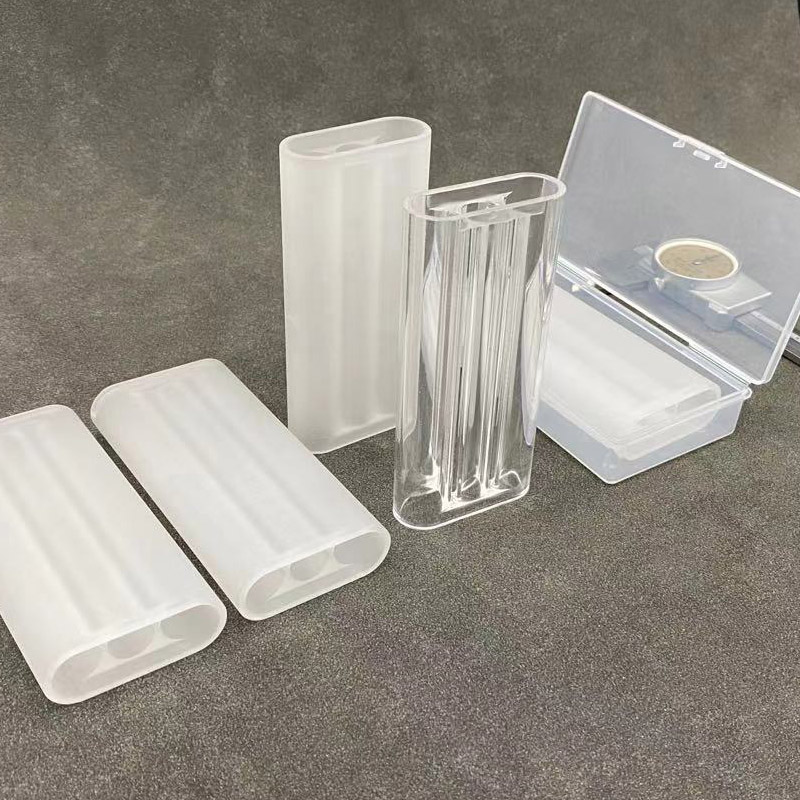
Quartz Candela Triple Bore Fused Quartz 99.98% Silica
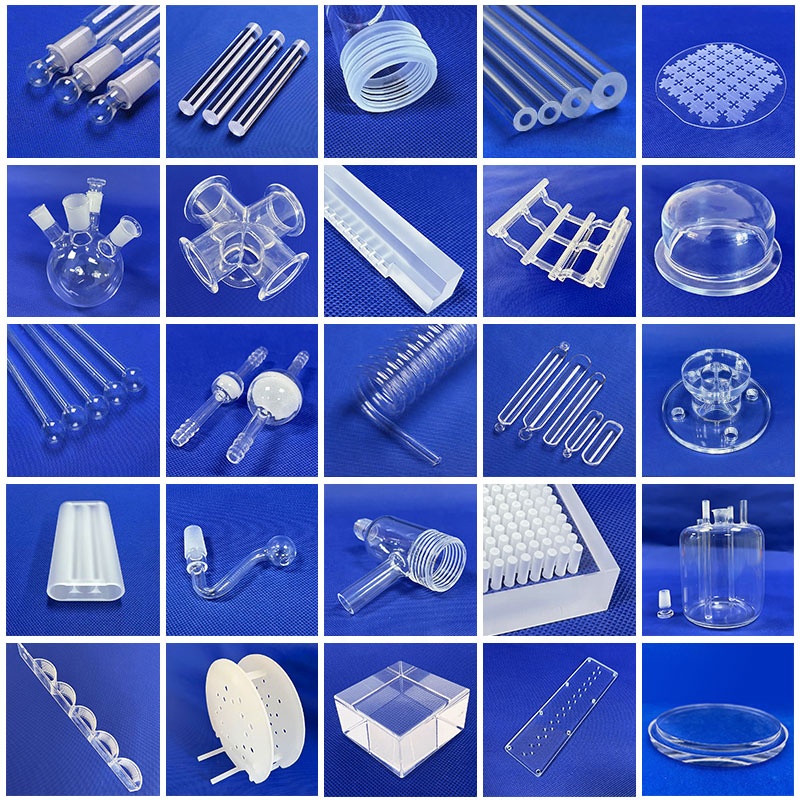
Custom diameter triple-bore flow sleeve engineered for laser cavity cooling, welding, and medical aesthetic flashlamps. RoHS certified.
Direct factory manufacturing of synthetic and high-purity natural fused quartz glassware, tubes, boats, and CNC-machined wafer carriers configured to Detroit industrial and laboratory specifications.
Custom diameter triple-bore flow sleeve engineered for laser cavity cooling, welding, and medical aesthetic flashlamps. RoHS certified.
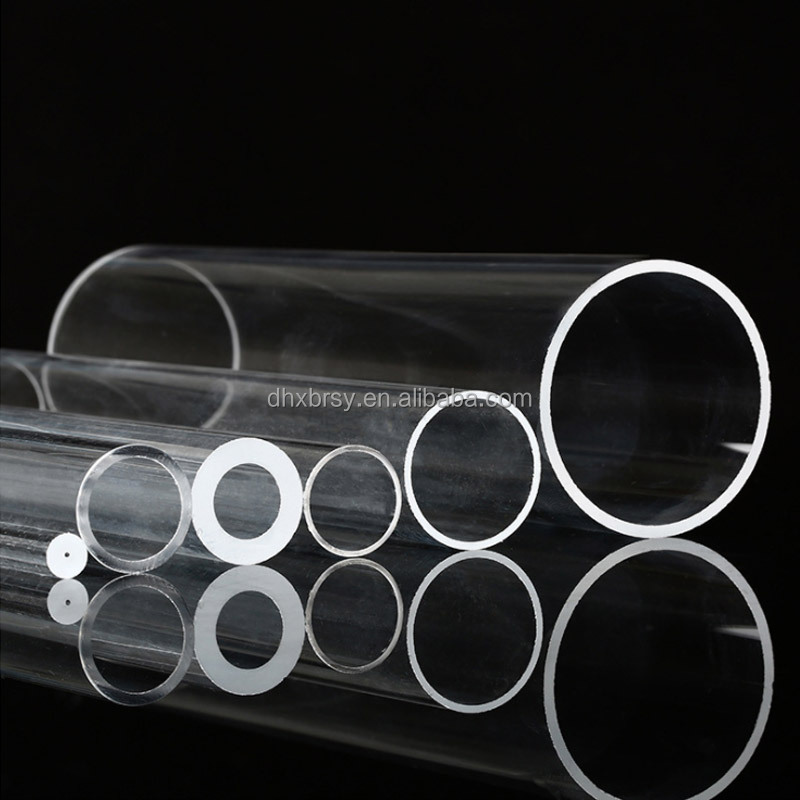
High-radiation thermal silica tube for precision drying cavities, localized curing systems, and disinfection chambers.
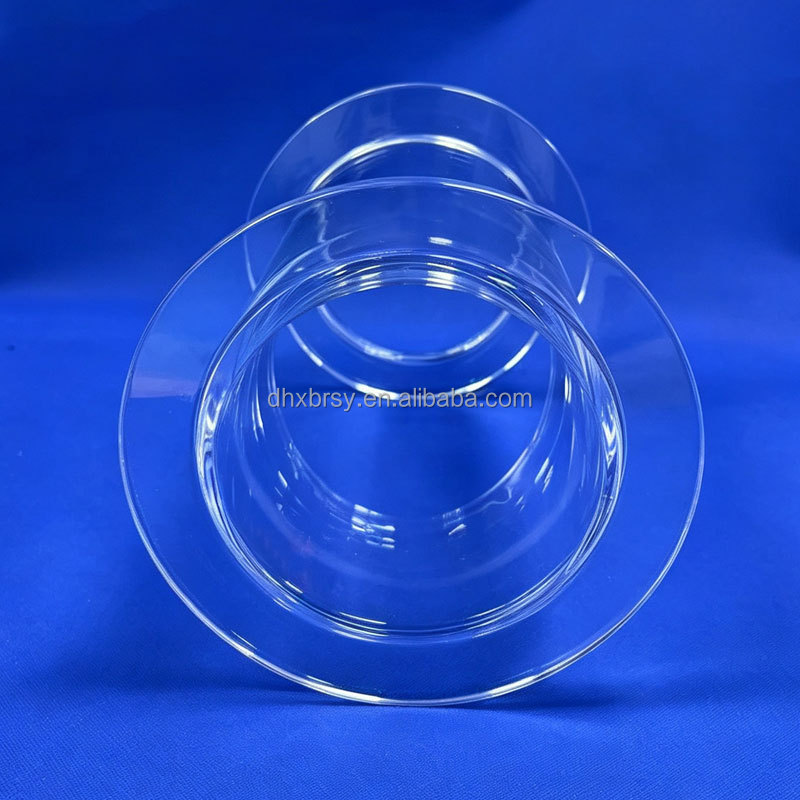
Double-flange transparent fused silica reactor chamber for semiconductor silicon carbide and thin-film deposition furnaces.
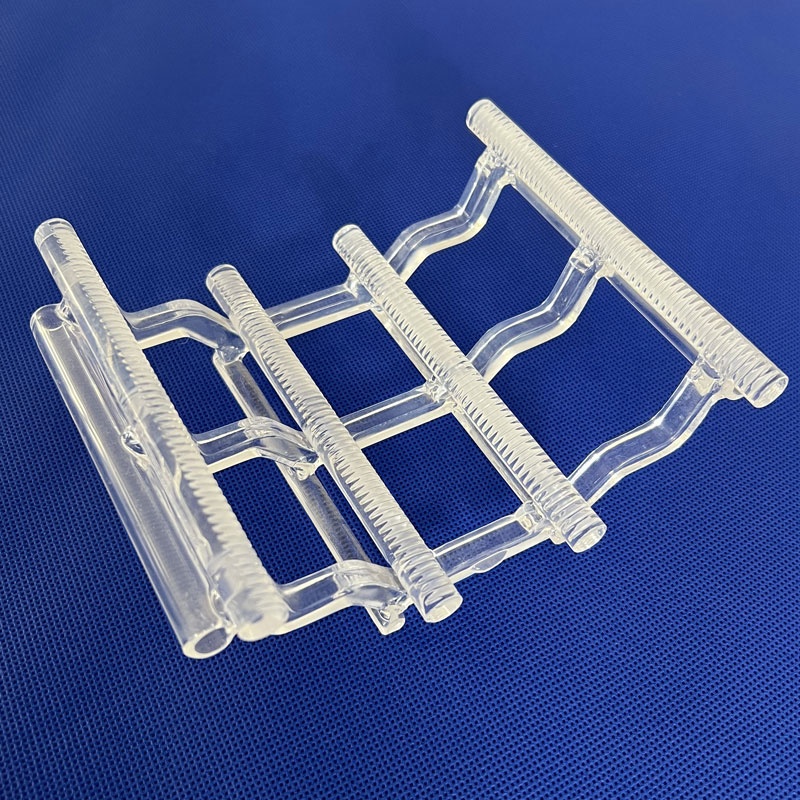
Precision slotted 99.99% silica processing carrier. Optimized for extreme thermal oxidation, diffusion, and acid etching lines.

Uniform wall thickness fused silica sleeve, thermocouple protection tube, and reaction chamber envelope with fire-polished bottom.
Optical grade JGS1/JGS2 flat substrate. 99.99% SiO₂ content with bilateral optical polishing for sensor viewports and lithography.
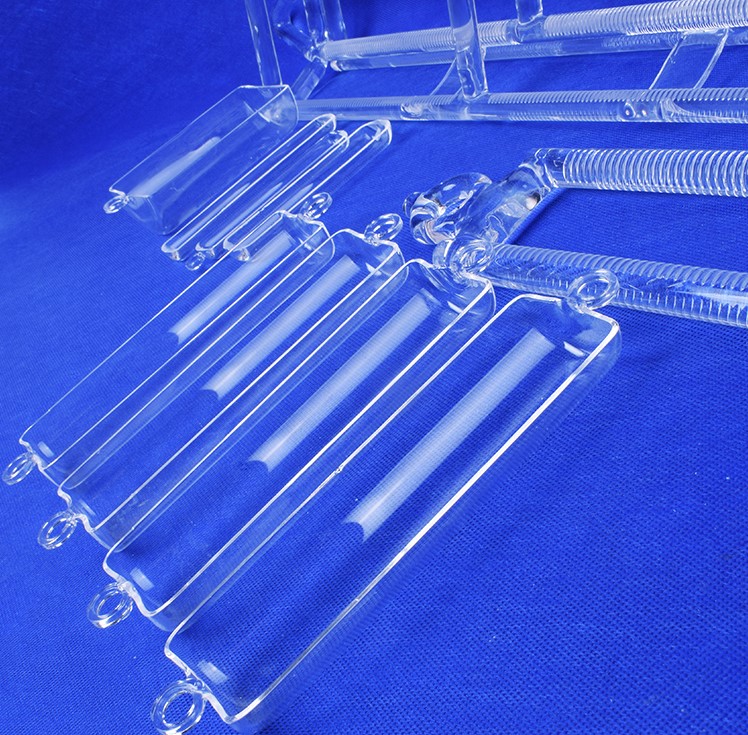
Ultra-clean chemical calcination and solar cell sintering boats engineered to resist warping under thermal cycles exceeding 1150°C.
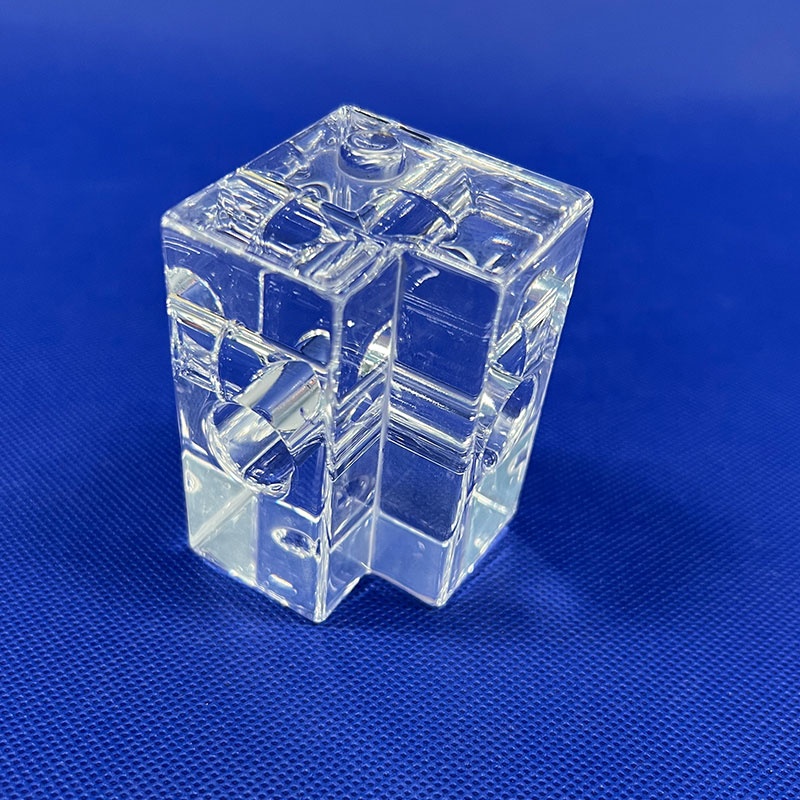
1200°C vacuum annealed fluidic and electronic substrate plate. Stress-relieved for micron-level laser channel milling and micro-MEMS.
An authoritative technical review on thermomechanical stability, electrical dielectric performance, and UV-to-NIR spectral transmission parameters for procurement engineers across Michigan’s industrial ecosystem.
Fused quartz (amorphous silicon dioxide, SiO₂) occupies an irreplaceable position in high-temperature, chemically aggressive, and electrically demanding industrial environments. Unlike standard borosilicate or soda-lime glass compositions, high-purity fused quartz manufactured by Lovri contains zero deliberate fluxing oxides (such as Na₂O, K₂O, or B₂O₃), resulting in a pure three-dimensional tetrahedral silica lattice. For advanced laboratories, automotive tech incubators, and manufacturing plants across Southeast Michigan—spanning Wayne, Oakland, and Washtenaw counties—procuring high-precision quartz substrates demands meticulous attention to trace impurity profiles, hydroxyl (OH⁻) absorption bands, and microscopic birefringence.
In high-frequency power electronics and RF communication testbeds, dielectric breakdown and signal loss represent primary failure modes. Fused quartz features an exceptionally low dielectric loss factor (tan δ < 0.0001 at 1 MHz) and a remarkably consistent dielectric constant (κ ≈ 3.75 across frequencies up to 25 GHz). When integrated into automotive power inverters, wide-bandgap (WBG) silicon carbide (SiC) or gallium nitride (GaN) test carriers, and precision LiDAR optics, our synthetic fused silica (JGS1) and natural fused quartz (JGS2/JGS3) substrates prevent dielectric punch-through while maintaining spatial rigidity under heavy mechanical loading.
Operating stably at continuous working temperatures of 1,100°C and short-peak exposures to 1,300°C, our quartz substrates eliminate thermal drift in precision laser interference, metrology, and furnace carrier setups.
From deep ultraviolet transmission (185 nm in JGS1 synthetic grade) to infrared wavelengths (up to 3,500 nm in electrically fused JGS3), our substrates ensure over 90% optical transparency across critical inspection spectra.
Completely inert to virtually all acids, solvents, and corrosive electrolytes (excluding HF and concentrated boiling phosphoric acid), serving as an uncompromising platform for battery chemistry R&D and wet bench etching.
| Property Parameter | Lovri Fused Quartz (JGS1 / JGS2) | Borosilicate Glass (3.3) | Alumina Ceramic (Al₂O₃ 99.5%) | Sapphire Single Crystal (Al₂O₃) |
|---|---|---|---|---|
| SiO₂ / Base Purity | ≥ 99.99% SiO₂ | ≈ 81% SiO₂, 13% B₂O₃ | 99.5% Al₂O₃ | > 99.99% Al₂O₃ (Monocrystal) |
| Thermal Expansion (CTE) | 0.55 × 10⁻⁶ / K | 3.3 × 10⁻⁶ / K | 7.2 × 10⁻⁶ / K | 5.8 × 10⁻⁶ / K |
| Max Working Temp (Continuous) | 1,100 °C | 450 °C | 1,500 °C | 1,600 °C |
| Dielectric Loss (tan δ @ 1 MHz) | < 0.0001 | 0.0035 | 0.0003 | < 0.0001 |
| UV Cut-off Wavelength | 180 – 220 nm | ≈ 320 nm | Opaque | ≈ 190 nm |
| Thermal Shock Resistance | Extremely High (ΔT > 1000°C) | Moderate (ΔT ≈ 150°C) | Moderate (ΔT ≈ 200°C) | High (ΔT ≈ 400°C) |
Direct alignment with Detroit’s transition toward Electric Vehicle (EV) architectures, autonomous mobility sensor integration, and high-precision testing infrastructure.
The Greater Detroit Metropolitan area—traditionally known as the heartbeat of American automotive assembly—has rapidly transitioned into a high-tech engineering corridor for electrified propulsion, connected autonomous vehicles (CAV), and advanced battery pack validation. Facilities located throughout Auburn Hills, Warren, Dearborn, and Plymouth require tight-tolerance quartz components to address aggressive manufacturing tolerances and laboratory thermal thresholds.
Serving as dielectric insulation plates and high-voltage isolation substrates for 800V silicon carbide (SiC) MOSFET module test fixtures and dyno benches.
JGS1 synthetic fused silica windows engineered for 905 nm and 1550 nm time-of-flight laser scanners, offering distortion-free optical transmission in all weather.
Transparent quartz reaction tubes, microfluidic chips, and observation cells for real-time operando microscopy of lithium-metal dendrite growth in Ann Arbor labs.
Heavy-wall quartz furnace tubes and double-flanged CVD processing vessels deployed in metallurgical sintering and surface nitrocarburizing lines.
1. Demand for Rapid Prototyping Without Excessive Tooling MOQ: Automotive tier-1 suppliers frequently undergo iterative design cycles when establishing battery cell management systems and autonomous optical sensor brackets. Lovri directly addresses this local necessity by supporting low minimum order quantities (from 1 to 5 pieces) for precision CNC machined quartz plates, slotted carriers, and laser flow tubes, eliminating high upfront tooling tariffs.
2. Tightening Purity and Trace Metal Standards: As the semiconductor supply chain expands across the American Midwest via CHIPS Act investments, quartz parts used in wafer handling, thermal oxidation, and chemical vapor deposition (CVD) cannot risk alkali contamination. With copper (Cu), iron (Fe), and sodium (Na) levels certified below parts-per-billion (ppb) thresholds, our substrates protect wafer yields in high-temperature silicon processing environments.
3. Certified Traceability and Pre-Shipment Stress Testing: Micro-fractures and unannealed residual stress cause untimely failures on high-speed automotive automated test lines. Metro Detroit purchasing teams require documented verification. Every batch manufactured in our SGS-audited plant undergoes mandatory polarization stress inspection to guarantee that residual stress birefringence remains well below acceptable optical and structural limits.
Controlling every manufacturing phase in-house to secure absolute chemical integrity, optical perfection, and documented dimensional consistency.
Located in Lianyungang, Jiangsu—the premier epicenter of quartz purification and glassmaking—Lovri Quartz Products Co., Ltd. operates a comprehensive 14,271 m² production facility onsite-verified by the SGS Group. Unlike intermediary suppliers or machine shops that outsource blank stock, Lovri manages the complete metallurgical and synthesis chain:
Comprehensive verification of factory premises, modern fabrication workshops, machinery inventory, and workforce standards by the SGS Group.
All fused silica blanks and fabricated components strictly comply with international environmental restrictions prohibiting hazardous chemical elements.
Multi-layer polyethylene shock absorption, vacuum sealing, and reinforced plywood crates engineered specifically for transatlantic air and sea shipping directly to Detroit, MI.
Addressing the critical engineering, shipping, tolerance, and certification criteria standard to Detroit purchasing departments.
Whether you require quick-turn JGS1 optical substrates, high-temperature quartz wafer boats, double-flange CVD cylinders, or custom-machined test fixtures, our technical engineers are ready to review your CAD files and offer direct manufacturer quotations.