THERMAL CORE
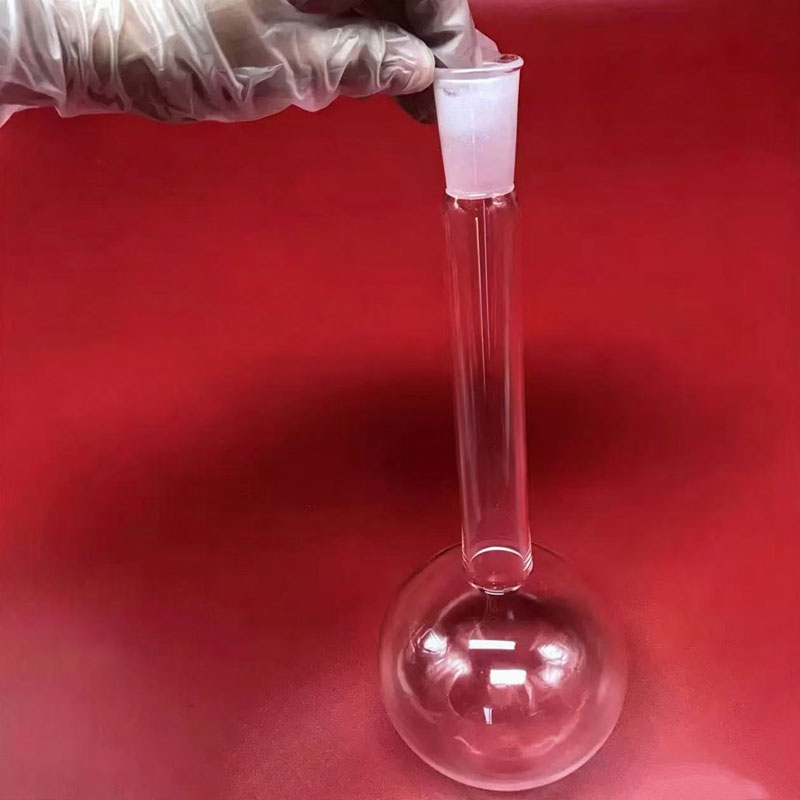
Engineered for high-stress thermal sintering, chemical vapor deposition (CVD), and ultra-pure spectroscopic testing environments.
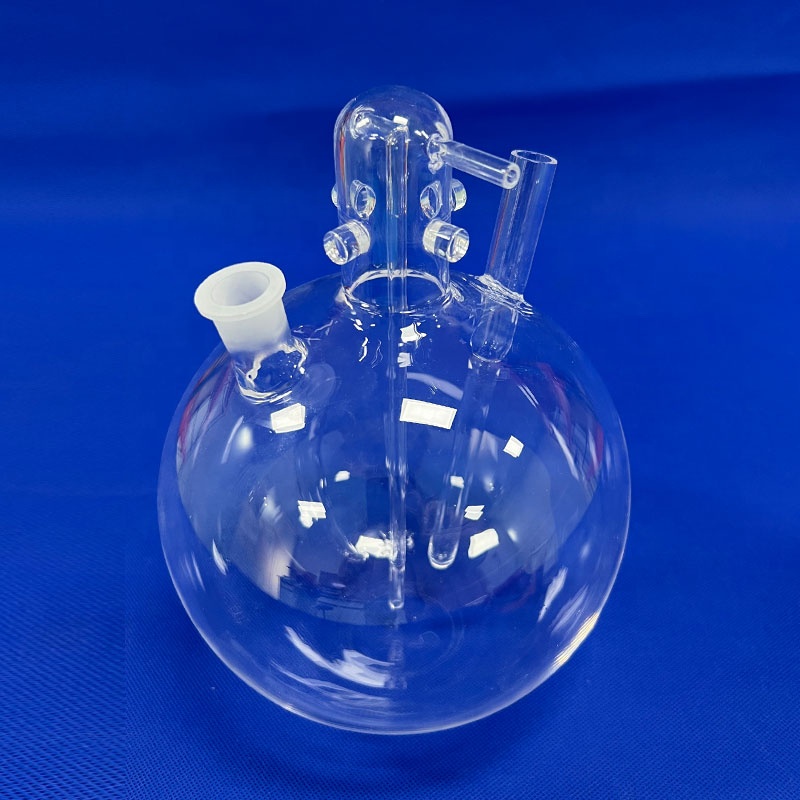
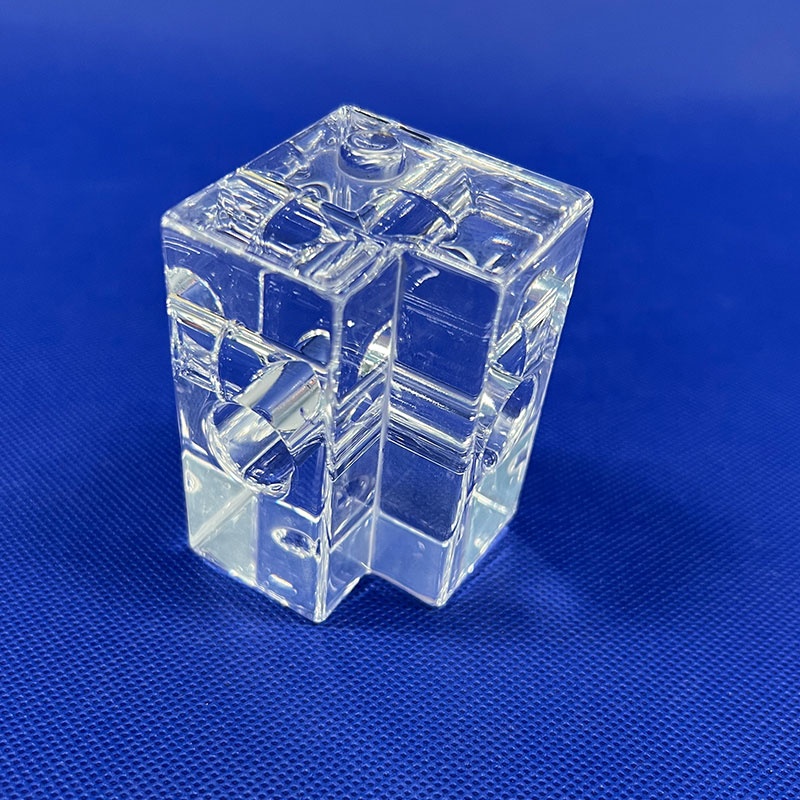
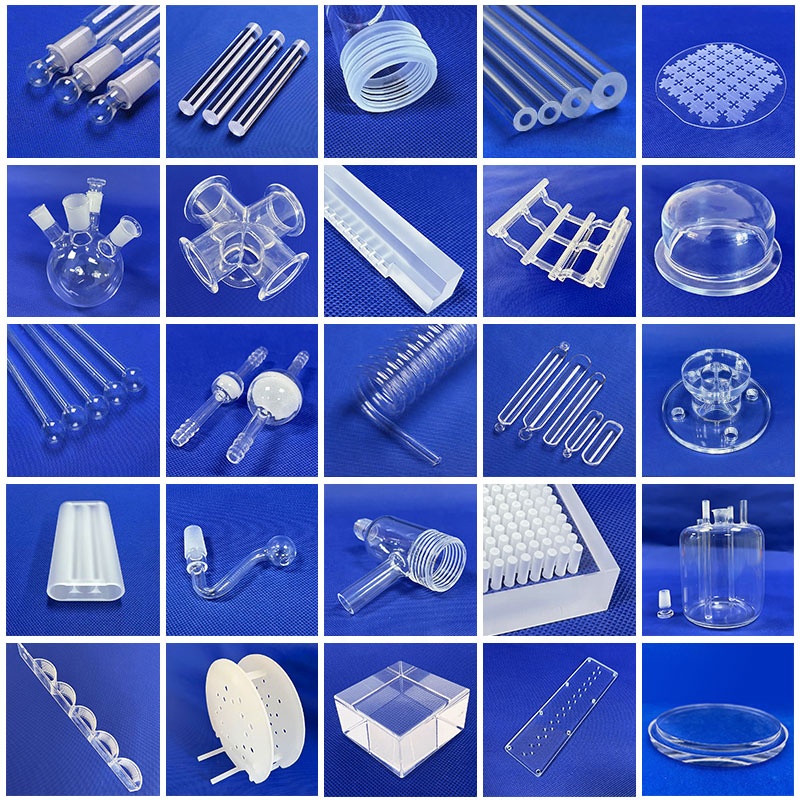
A technical guide for Famagusta’s research institutions, pharmaceutical analysts, and maritime laboratory facilities.
In high-temperature thermal processing and corrosive chemical analysis, conventional borosilicate glasses or basic ceramics inevitably present physical limitations: thermal expansion mismatches, devitrification under rapid cycling, and trace metal contamination. Fused quartz trays, crucibles, and carrier boats engineered from ≥ 99.99% high-purity Silicon Dioxide (SiO₂) represent the premier solution for laboratories and industrial processing hubs across Famagusta (Gazimağusa), North Cyprus, and the Eastern Mediterranean region.
Unlike standard technical glasses, transparent fused quartz displays an extraordinarily low linear coefficient of thermal expansion (5.5 × 10⁻⁷ /°C between 20°C and 320°C). This gives the material world-class thermal shock resistance. A customized quartz tray heated to 1100°C can be repeatedly immersed into ice-cold water without shattering or micro-fissuring. For Famagusta's industrial enterprises, research institutes like Eastern Mediterranean University (EMU), and marine-testing docks along the port, fused quartz ware provides the physical certitude necessary to execute zero-contamination protocols.
“Purity in thermal engineering is not merely an indicator of longevity; it dictates process integrity. Any trace sodium, potassium, or aluminum impurity above 15 ppm acts as a nucleation point that triggers devitrification (cristobalite crystal growth) at temperatures above 1000°C, leading to structural embrittlement and thermal failure.”
Through our comprehensive raw material beneficiation—beginning with selected natural crystalline rock, crushing, and subsequent multi-stage hydrochloric-hydrofluoric acid pickling—our finished quartz trays eliminate volatile metallic ions. The result is a clean refractory substrate that handles prolonged continuous service at 1100°C and short-duration thermal peaks up to 1300°C with complete structural stability and zero vapor-phase outgassing.
Bridging port-adjacent marine logistics, educational research, energy technologies, and commercial testing facilities.
As the primary commercial port of North Cyprus, Famagusta experiences severe marine atmospheric corrosion. Local metallurgical and coating testing laboratories utilize our flat-bottom fused quartz trays and boats to execute accelerated salt-spray calcination, ash determination, and halide-resistant high-temperature degradation assessments without substrate leeching.
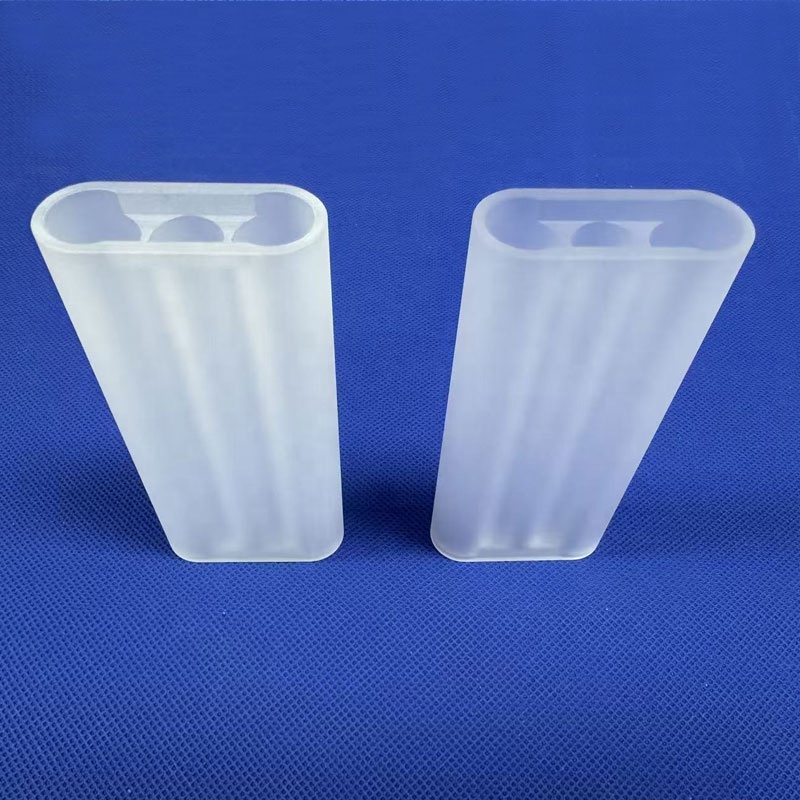
With major academic centers like Eastern Mediterranean University expanding their engineering and clean-energy faculties, researchers rely on custom-slotted quartz trays, 96-well quartz plates, and reaction flasks. These components facilitate clean catalyst synthesis, sol-gel firing, and microfluidic thermal research where optical transparency and chemical inertness are non-negotiable.
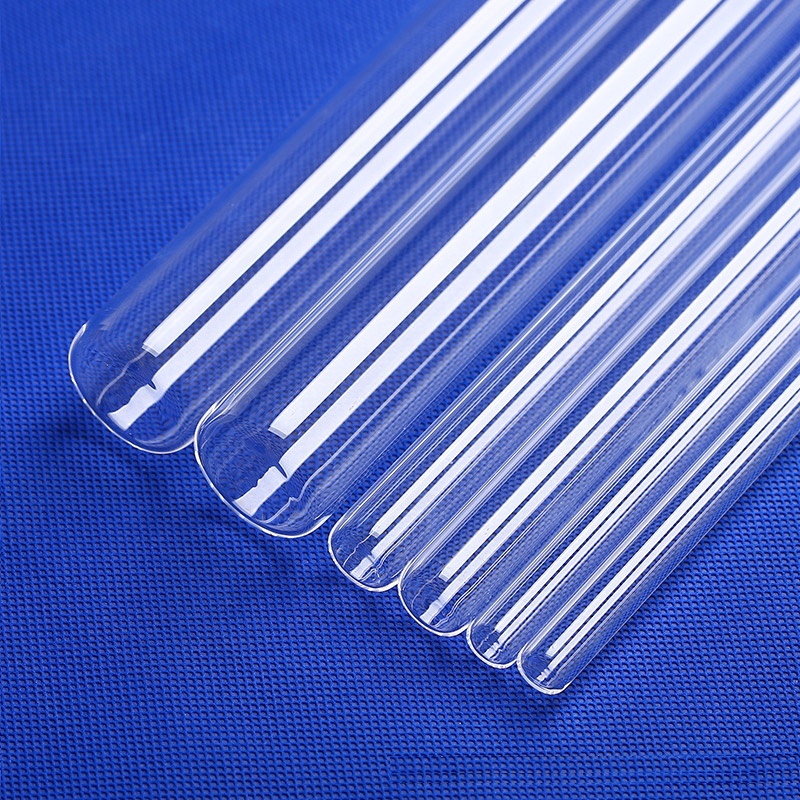
Cyprus boasts exceptional year-round solar irradiance, catalyzing local initiatives in photovoltaic installation and cell maintenance. Our high-transmittance quartz sintering tubes and multi-wafer carriers provide localized assembly units with the reliable thermal uniformity required to sinter silicon cells without warping or thermal cross-contamination.
Verified physical, optical, and thermal values for high-temperature and harsh-chemical operation.
| Physical / Chemical Property | Technical Metric | Industrial Advantage |
|---|---|---|
| Chemical Composition | SiO₂ ≥ 99.99% | Prevents batch cross-contamination in semiconductor & trace assays |
| Density | 2.20 g/cm³ | Lightweight yet physically rigid load-bearing capacity |
| Coefficient of Thermal Expansion (CTE) | 5.5 × 10⁻⁷ cm/cm·°C (20°C - 300°C) | Unrivaled thermal-shock resilience during fast cycling |
| Softening Point | ≈ 1730 °C | High mechanical strength under intense furnace operation |
| Annealing Point | ≈ 1215 °C | Relieves residual lattice stresses for zero thermal cracking |
| Continuous Operating Temp | 1100 °C | Consistent performance without dimensional distortion |
| Short-Term Peak Temp | 1300 °C - 1400 °C | Maintains safe integrity during thermal runaways |
| Optical Transmission Bandwidth | 185 nm (DUV) - 3500 nm (NIR) | Allows continuous visual or spectroscopic observation |
The strategic shift toward automated testing, micro-fabrication, and durable supply line localization.
Historically, commercial and educational organizations in Famagusta obtained precision quartzware through fragmented, indirect European distributors. This process often led to weeks of logistics delays, high markups, and inadequate packaging that resulted in transit breakage. Over the past three years, three structural shifts have redefined procurement dynamics in Famagusta and Northern Cyprus:
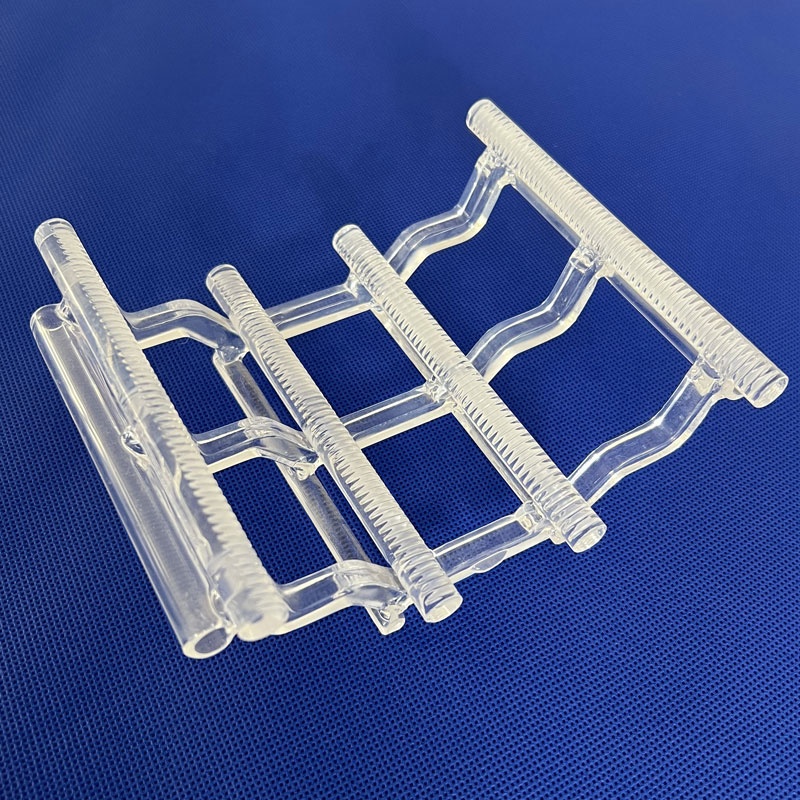
1. Shift Toward Direct-from-Factory Engineering Procurement: Local laboratories and project engineers now bypass third-party trading entities in favor of direct collaboration with primary fused quartz manufacturers. Direct file sharing (STEP, DWG, and PDF technical blueprints) ensures that custom slotted wafer trays, rectangular burning boats, and flange joints adhere precisely to project tolerances down to ±0.02 mm.
2. Escalating Demands in Marine and Environmental Forensics: Increased maritime transport in Famagusta Harbor has intensified regulatory scrutiny over bunker fuel sulfur content, ballast water safety, and coastal micro-pollutant levels. Fused quartz digestion vessels, specialized cuvettes, and combustion trays are now universally deployed to eliminate background silicone or trace heavy-metal leaching during ICP-MS and AAS elemental testing.
3. Resilience Against Supply Chain Disruptions: The Mediterranean shipping corridor requires robust export packaging. Buyers in Famagusta prioritize suppliers who offer custom-molded interior foam packaging, shock-indicator monitoring, and wooden export crating capable of withstanding transshipment without internal strain or mechanical fatigue.
Source manufacturing capabilities from Lianyungang, China—the world’s premier fused silica industrial cluster—delivered directly to Famagusta.
Lovri Quartz Products Co., Ltd. operates a comprehensive, SGS onsite-verified manufacturing ecosystem spanning 14,271 m². From internal lump crushing and double-acid leaching to precision CNC cold machining and computerized flame annealing, our full-cycle in-house fabrication guarantees exceptional quality control, short lead times, and competitive OEM/ODM terms.
Independently audited facility, verified workforce, and documented traceability across all manufacturing lines.
Every single quartz tray undergoes quantitative birefringence testing after annealing to ensure zero residual mechanical stress.
We support university researchers and industrial pilots in Famagusta with flexible MOQs as low as 1 to 5 pieces for customized designs.
Multilayer shock-absorbent EPE foam interiors and reinforced plywood crates deliver a 99.8% damage-free international arrival rate.
Comprehensive procurement, technical, and shipping answers for regional project managers.
Consult directly with our fused silica engineering team. Whether you need standard catalog replacements or fully bespoke CNC-machined quartz carrier trays for your Famagusta facility, we provide responsive DFM analysis and reliable factory-direct delivery.
Contact Us